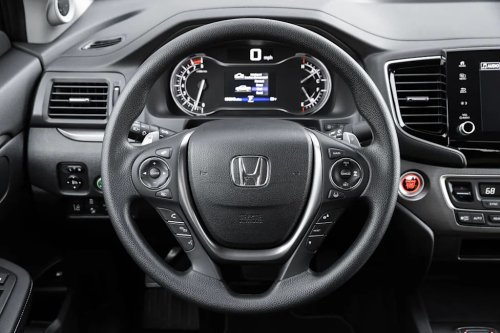
My steering wheel vibrates at highway speed but the dealership says it’s within specThere’s a special kind of irritation reserved for the moment you’re cruising at 65–75 mph, the radio’s doing its job, and your steering wheel starts doing a tiny impression of a massage gun. You take it to the dealership, you explain it clearly, and then you get the phrase that can end friendships: “It’s within spec.” Not “it’s normal,” not “we couldn’t reproduce it,” but a tidy little corporate blanket that somehow makes the vibration feel louder on the drive home. This is a story lots of drivers recognize, whether they’re in a brand-new SUV, a sporty sedan, or a trusty commuter with a few birthdays behind it. The steering wheel shake might be subtle, but once you feel it, you can’t un-feel it. And when the dealer says it’s fine, you’re left wondering: am I being picky, or is something actually off? What “within spec” usually means (and why it feels so unsatisfying) “Within spec” typically means the vehicle meets the manufacturer’s allowable limits for vibration, alignment, wheel runout, tire uniformity, and other measurements. In plain English: the numbers aren’t bad enough to trigger a repair under warranty guidelines. That doesn’t necessarily mean the car feels good to you, only that it hasn’t crossed the line where the automaker agrees to pay for parts and labor. It’s also a phrase that can hide a lot of gray area. Some techs are excellent at tracking down a vibration; others follow a flowchart and stop when the measurements aren’t screaming. And because vibration is often speed-specific and road-surface-dependent, the test drive might not reproduce what you feel on your daily commute. Why steering wheel vibration tends to show up at highway speeds Highway speed is where small imperfections get a megaphone. A tire that’s slightly out of balance, a wheel that has a tiny bend, or a tire with uneven stiffness can feel totally fine at 35 mph and suddenly show its personality at 70. The steering wheel is especially sensitive because it’s directly connected to what the front tires are doing. Many vibrations have a “sweet spot” speed range where resonance peaks, then fades as you go faster or slower. That’s why “it only happens around 68–72 mph” is an incredibly common description. Your car isn’t haunted; it’s just physics being annoyingly consistent. The usual suspects: tires, wheels, and balancing (yes, again) If the steering wheel shakes, the first suspects are the front tires and wheels. A standard balance can fix a lot, but not everything, because balance only addresses weight distribution. It doesn’t fully address tire uniformity issues—basically, whether the tire is evenly stiff all the way around. This is where a road-force balance comes in. Many dealerships and tire shops have machines (often Hunter Road Force) that press a roller against the tire to simulate real load and measure variations. If your dealer only did a quick spin balance, it’s worth asking, politely but directly, whether a road-force test was done and what the numbers were. Alignment isn’t the same thing as vibration (but it can make it worse) People often hear “alignment” and hope it’s the magic fix. Alignment mostly affects how the car tracks, how centered the steering wheel is, and how tires wear over time. A bad alignment can contribute to a vibration indirectly by causing uneven tire wear, but it’s not the most common cause of a clean, speed-specific shake. Still, it matters because tire wear patterns can turn a small issue into a persistent one. If your tires have started to cup, feather, or develop uneven wear, even a perfect balance may only reduce the vibration instead of eliminating it. That’s why it’s smart to check tread wear and rotate tires on schedule, especially if the shake is getting worse over months. Brake rotors: guilty, but usually at a different time Warped or uneven brake rotors can cause a vibration, but it typically shows up when you’re braking, not when you’re just cruising. If the steering wheel shakes mainly during deceleration from highway speeds, rotors jump higher on the suspect list. If it’s steady while maintaining speed, brakes are less likely the main culprit. There are exceptions, like a sticking caliper or a rotor with severe runout, but those usually come with other clues. You might notice pulling to one side, heat, a burning smell, or uneven brake pad wear. If none of that’s happening, focus your energy on tires and wheels first. Sometimes it’s not the front end at all Here’s a twist that surprises people: a vibration you feel in the steering wheel can still be caused by the rear. A rear wheel issue can send a shimmy through the chassis that you end up feeling in your hands. It’s less common, but it happens—especially with certain tire wear patterns or a slightly bent rear wheel. A simple test many shops use is swapping front and rear wheels (if sizes allow) to see if the sensation changes. If the vibration moves from the steering wheel to the seat or the whole car, that’s a big clue. It’s not a fix, but it’s evidence, and evidence is your best friend when “within spec” is on the table. What to ask the dealership (without sounding like you’re auditioning for a courtroom drama) You don’t need to be confrontational, but you do want specifics. Ask what tests were performed: standard balance or road-force balance, wheel runout measurement, tire match-mounting, and alignment readings. Then ask for the printouts—most machines generate them, and a good service department won’t act like you’re asking for state secrets. It also helps to describe the vibration like a technician would. Mention the exact speed range, the type of road where it’s most noticeable, whether it’s worse on smooth asphalt or concrete, and whether it changes while accelerating, coasting, or lightly braking. If you can, record a short video showing the steering wheel shake and the speedometer; it’s surprisingly persuasive. What you can do if they won’t fix it If the dealer isn’t making progress, a reputable tire shop can be your best second opinion. Many independent shops specialize in chasing vibrations because they see them all day, and they’re often more willing to try match-mounting or to call a tire defective even when it “looks fine.” A road-force balance plus a careful inspection for bent wheels fixes a large percentage of highway-speed steering wheel shakes. If the car is new or still well within warranty, you can also escalate calmly. Ask the service advisor to ride with you on a route where it happens, or request a foreman/lead tech drive. If the dealership still dismisses it, contacting the manufacturer’s customer care line and opening a case can sometimes unlock more thorough diagnostics, especially if you have documentation. The quiet truth: “within spec” isn’t the same as “you should live with it” Specs are designed to cover broad conditions, and manufacturers build in tolerances because mass production is messy. But your hands on the steering wheel are also a measurement tool, and you’re allowed to want your car to feel smooth at normal driving speeds. If it’s distracting, fatiguing, or just plain annoying, it’s worth pursuing—even if the first answer you get is a shrug wrapped in policy language. The good news is that most highway-speed steering wheel vibrations aren’t mysterious and aren’t dangerous when addressed promptly. They’re usually a tire/wheel issue that needs the right equipment, the right technician, and a little persistence. And if nothing else, you’ll come away with a fun new party trick: the ability to detect a slightly off tire at 70 mph like you’ve been trained by the world’s pickiest racing team. More from Fast Lane Only Unboxing the WWII Jeep in a Crate 15 rare Chevys collectors are quietly buying 10 underrated V8s still worth hunting down Police notice this before you even roll window down The post My steering wheel vibrates at highway speed but the dealership says it’s within spec appeared first on FAST LANE ONLY.




















 +51 others