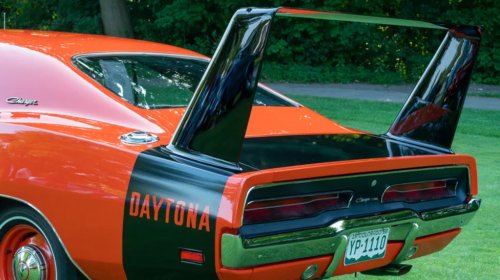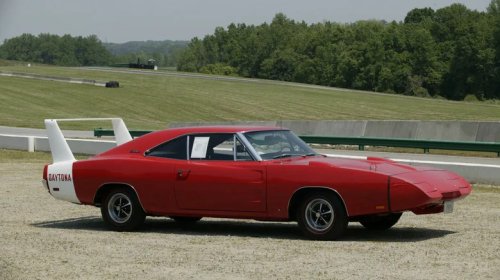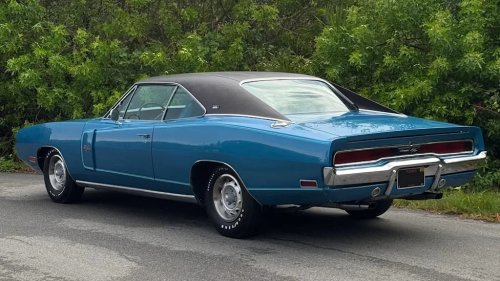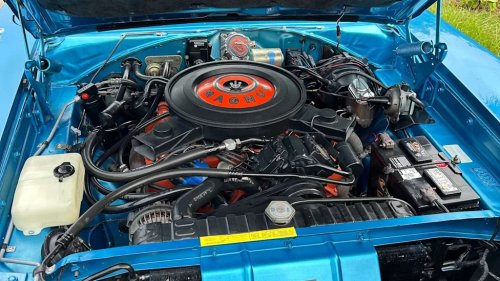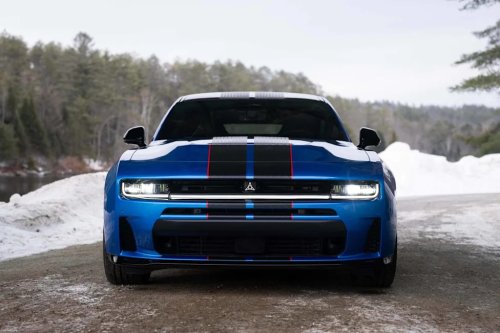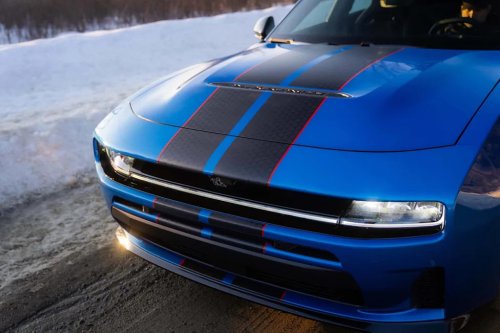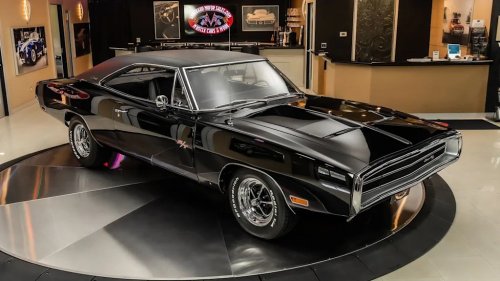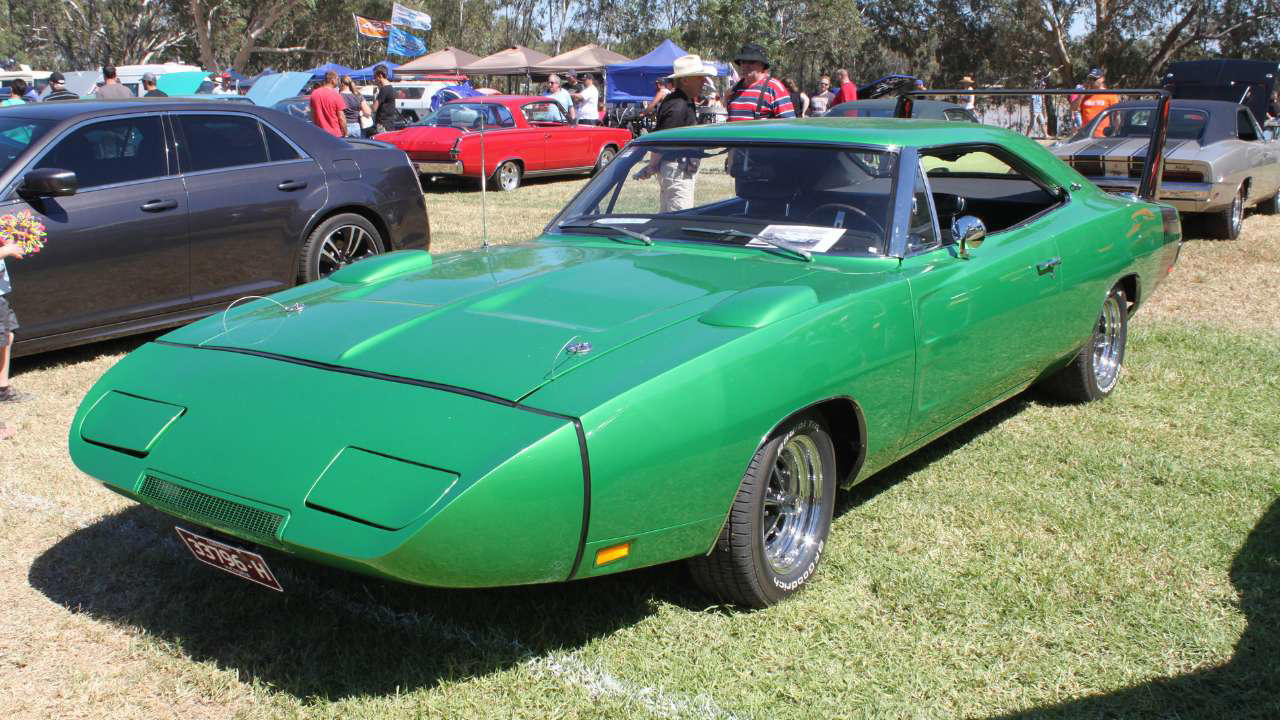



















The 1969 Dodge Charger Daytona was built for speed but struggled in everyday useThe 1969 Dodge Charger Daytona looked like it had rolled straight from pit lane onto Main Street, and in many ways it had. Its towering rear wing and long, needle-like nose were created for one purpose: to win at high speed. On the track, that focus produced history-making numbers and a car that terrified rivals. On public roads, the same single-minded design often turned daily driving into a compromise. The Daytona’s story is a study in extremes. Dodge engineers shaped it to slice through the air and reach 200 m on oval tracks, yet owners soon discovered that the wind-cheating bodywork, race-bred stance, and big-block heat made grocery runs and summer traffic a lot less glamorous. Born from NASCAR pressure The Dodge Charger Daytona did not appear out of thin air. Dodge created it as a response to fierce competition in NASCAR, where aerodynamic gains meant race wins and marketing bragging rights. The company pushed beyond the standard Charger body and built a car that was effectively a homologation special, produced in limited numbers so it could qualify for stock car racing. Although the Daytona was sold as a street car, its proportions and detailing made its intent obvious. One video on the car’s development notes that the 1969 Dodge Charger Daytona was created by Dodge engineers specifically to reach 200 m, a target that dictated almost every visible change to the bodywork and resulted in a car that some dealers reportedly refused to sell because it looked too extreme for everyday buyers. That same account explains how the project sat squarely within Dodge racing culture, with the Dodge Charger Daytona treated internally as a weapon for high speed rather than a comfortable cruiser. A nose like a spear, a wing like a billboard The most striking parts of The Daytona were the add-ons that turned a familiar Charger into something closer to a prototype racer. At the front, the car carried a prominent nose cone that extended nearly 2 feet ahead of the original grille opening. At the back, a rear wing towered 23 inches above the trunk lid, high enough that the trunk could still open underneath it and tall enough to sit in clean air above the roofline. These dimensions are not exaggerations but hard measurements drawn from period engineering records and later analysis of the original bodywork. Those pieces were not just for show. The long nose reduced drag and helped air stay attached to the body at high speed. The tall wing added downforce to the rear axle on banked tracks, where stability at more than 190 miles per hour could mean the difference between a win and a violent crash. As one technical breakdown of the Daytona explains, the combination of the extended nose cone and that 23 inch rear wing helped Buddy Baker reach a verified 200.447 mph on a closed course. The rest of the body was tweaked to serve the same mission. Flush rear window plugs replaced the standard Charger’s recessed backlight, and small fender scoops and fairings attempted to smooth airflow. Even the front fenders and hood were revised to integrate the nose cone cleanly, which created a unique profile that still looks aggressive decades later. Buddy Baker and the 200 mph breakthrough The Dodge Charger Daytona delivered on its brief in spectacular fashion. In one widely cited run, Buddy Baker drove a Daytona to an unprecedented 200.447 mph on a high-speed oval, making the Dodge Charger Daytona the first stock car to officially break the 200 m barrier in sanctioned testing. That figure, recorded under controlled conditions, still defines the car’s legend. Baker’s achievement did more than set a record. It validated the work of Dodge engineers who had pushed for the radical nose and wing, and it justified the production of street-legal versions that shared the same basic body and aerodynamics. Without that 200.447 mph run, the Daytona might have been remembered as an odd styling exercise. With it, the car became proof that Detroit could build a machine that matched European racing speeds using a big V8, a steel body, and a lot of wind tunnel time. The Daytona’s success was not limited to a single lap. Across the 1969 and 1970 seasons, The Daytona won multiple NASCAR races, with one enthusiast summary crediting The Daytona with six victories in that period. That record, combined with the 200.447 mph benchmark, helps explain why The Daytona is now described as one of the most collectible muscle cars of all time and a high point in NASCAR history. Race car DNA on public roads For all its achievements, the Daytona carried clear racing DNA into everyday traffic. One detailed look at the model’s character notes that, although it was homologated for the street, the Daytona leaned heavily toward high-speed performance. Its stance, long overhangs, and giant wing were all optimized for banked ovals, not tight parking lots or downtown streets. That same account describes how Its design and purpose made the car feel more like a competition machine with license plates than a typical family coupe. Owners who treated the Daytona like any other Dodge Charger quickly learned that its personality was different. The long nose made it harder to judge the front corners in city driving. The rear wing sat directly in the driver’s line of sight when looking backward, and the modified rear window plug changed rearward visibility compared with a standard Charger. On narrow suburban roads or in crowded parking garages, the same body that sliced through the air at Daytona and Talladega demanded more attention and care. Aerodynamics that complicated daily driving The Daytona’s aero kit was tuned for stability at extreme speed, not low speed refinement. The towering rear wing and other spoilers were often misunderstood by casual observers. One technical review of the car’s competition history points out that some of the add-on spoilers actually contributed very little to overall aerodynamics, and that the only reason they were so distractingly tall was to clear the trunk lid and put the wing where it could work in clean airflow. That analysis of these spoilers underlines how form followed function, even when that function made the car awkward to live with. Other aerodynamic choices created quirks at highway speeds. A period evaluation of the Daytona’s body design notes that Compounding Dodge problems with the earlier Charger was the rear window’s near vertical angle and fastback rear pillars, which created a tunnel effect and caused lift at high speeds. The Daytona’s revised rear window plug tried to address that, yet the solution still reflected racing priorities rather than quiet, draft free cruising. Crosswinds and truck wakes could interact with the tall wing and long tail in ways that felt different from more conventional cars of the era. Even the underbody airflow, shaped by the nose cone and lower valance, was optimized for stability and cooling at racing speeds. On rougher public roads, the low front overhang was vulnerable to scrapes on driveways and parking curbs, a reminder that the car had been drawn around the smooth surface of a superspeedway. Heat, hardware, and the strain of traffic Beyond aerodynamics, the Daytona’s mechanical package could be demanding in everyday use. One detailed profile of a largely original example notes that on hot days, the owner’s main complaint is that the car gets hot once in a while, even though the TorqueFlite in this car is dialed in and the drivetrain is otherwise well preserved. That account of a surviving Daytona in Dec captures how heat management remains a concern decades later for drivers who use the car outside of short weekend runs. Cooling challenges were not unique to the Daytona, but the combination of big engines, tight engine bays, and aero bodywork did not help. Broader guidance on the Dodge Charger overheating issue explains that many owners face problems triggered by coolant leaks, faulty thermostats, or clogged radiators. That overview of the Dodge Charger notes that overheating can arise from several common causes, and the Daytona’s higher performance tune only increased the demands placed on its cooling system. Other maintenance issues reflected the car’s hurried path from race shop to showroom. A deep dive into an unrestored, 20,000-mile example explains that getting paint to stick to the galvanized metal used on the Daytona’s nose and other panels was notoriously difficult, which led many owners to return to the dealership for paintwork after trips through the carwash. That detail from Jan shows how the specialized materials chosen for corrosion resistance and strength created headaches once the cars left the track environment and entered normal service. Spartan cabins and heavy controls Inside, the Daytona shared much with the regular Charger, yet the way many were optioned skewed toward performance rather than comfort. One owner account of a 1969 Dodge Charger, not a Daytona but closely related, describes a stripper model with manual steering and brakes, no air conditioning, an AM radio, and standard hubcaps, with the only options being a light package and a few basic conveniences. That description from Nov illustrates the mindset of buyers who prioritized speed and cost over luxury. Daytona buyers often followed the same pattern, choosing big engines and performance gearing over power accessories. The result was a car that could feel heavy at low speeds, with manual steering that demanded real effort when parking and drum brakes that required a firm push in traffic. In hot climates, the lack of air conditioning in some cars made the already warm cabin even less pleasant, especially when combined with the heat soak issues described by owners. The seating position and visibility also reflected the Charger’s muscle car roots rather than modern ergonomics. Thick pillars, the large rear wing, and the long hood all combined to make lane changes and tight maneuvers more challenging, particularly for drivers used to smaller sedans or compact imports. Mechanic’s tricks and dealer reluctance Even in the period, the Daytona could intimidate the people tasked with selling and servicing it. One detailed video account of the car’s development notes that some dealers refused to sell the Dodge Charger Daytona because they feared the car’s extreme appearance and focused mission would scare off mainstream customers. That same source explains that a key to the car’s track success came from a mechanic’s focus on precise alignment, described as a “weird” trick that unlocked more speed by fine-tuning suspension angles and ride height for specific circuits. This attention to alignment, captured in footage of a mechanic’s focus, underscores how sensitive the Daytona could be to setup. On the street, that meant that worn bushings, incorrect tire pressures, or sloppy alignments could have an outsized impact on how the car felt. Owners who treated the Daytona like any other used coupe and skipped careful suspension maintenance sometimes found themselves with a car that wandered on the highway or trammed on rutted pavement. More from Fast Lane Only Unboxing the WWII Jeep in a Crate 15 rare Chevys collectors are quietly buying 10 underrated V8s still worth hunting down Police notice this before you even roll window down The post The 1969 Dodge Charger Daytona was built for speed but struggled in everyday use appeared first on FAST LANE ONLY.