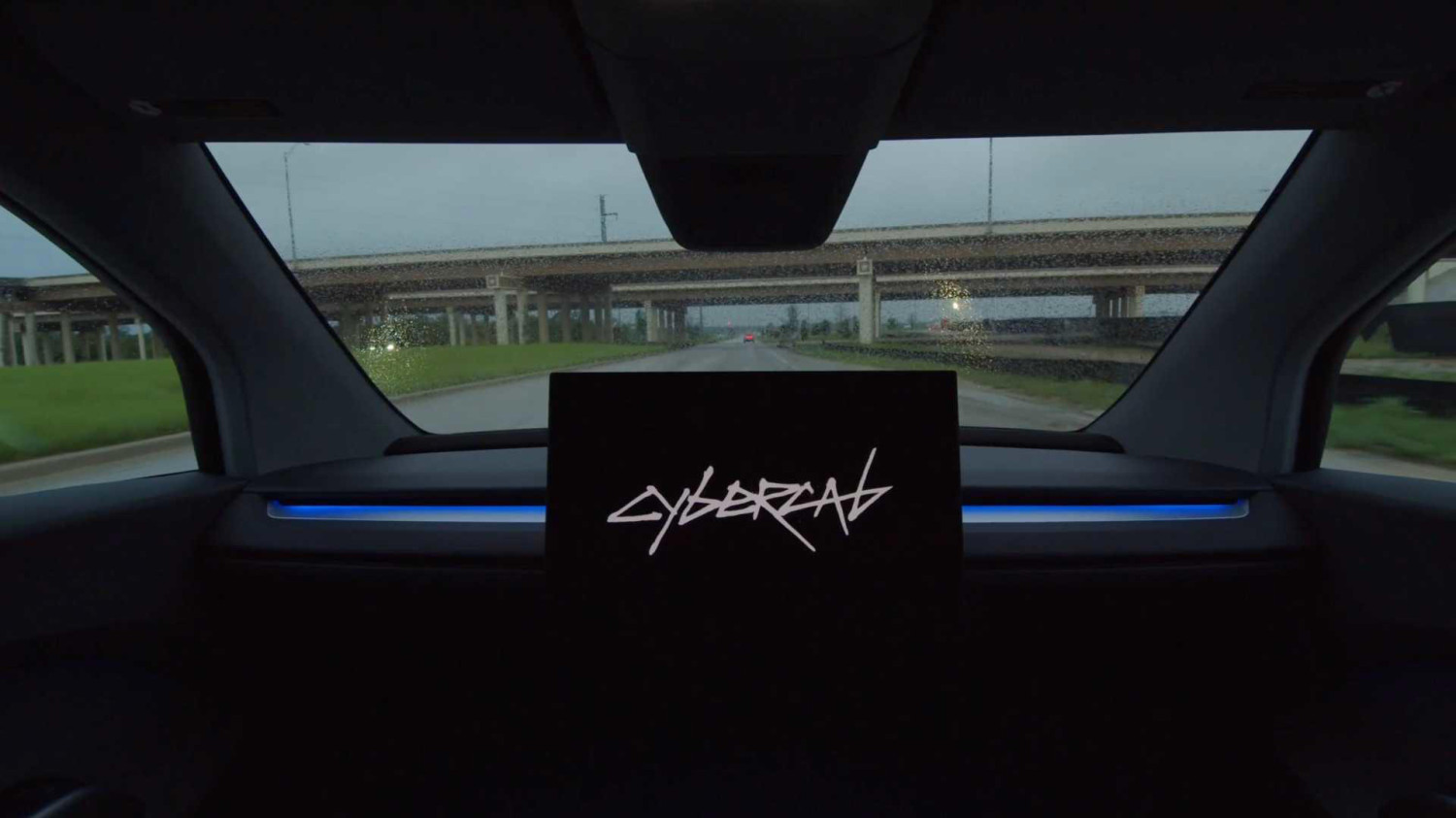
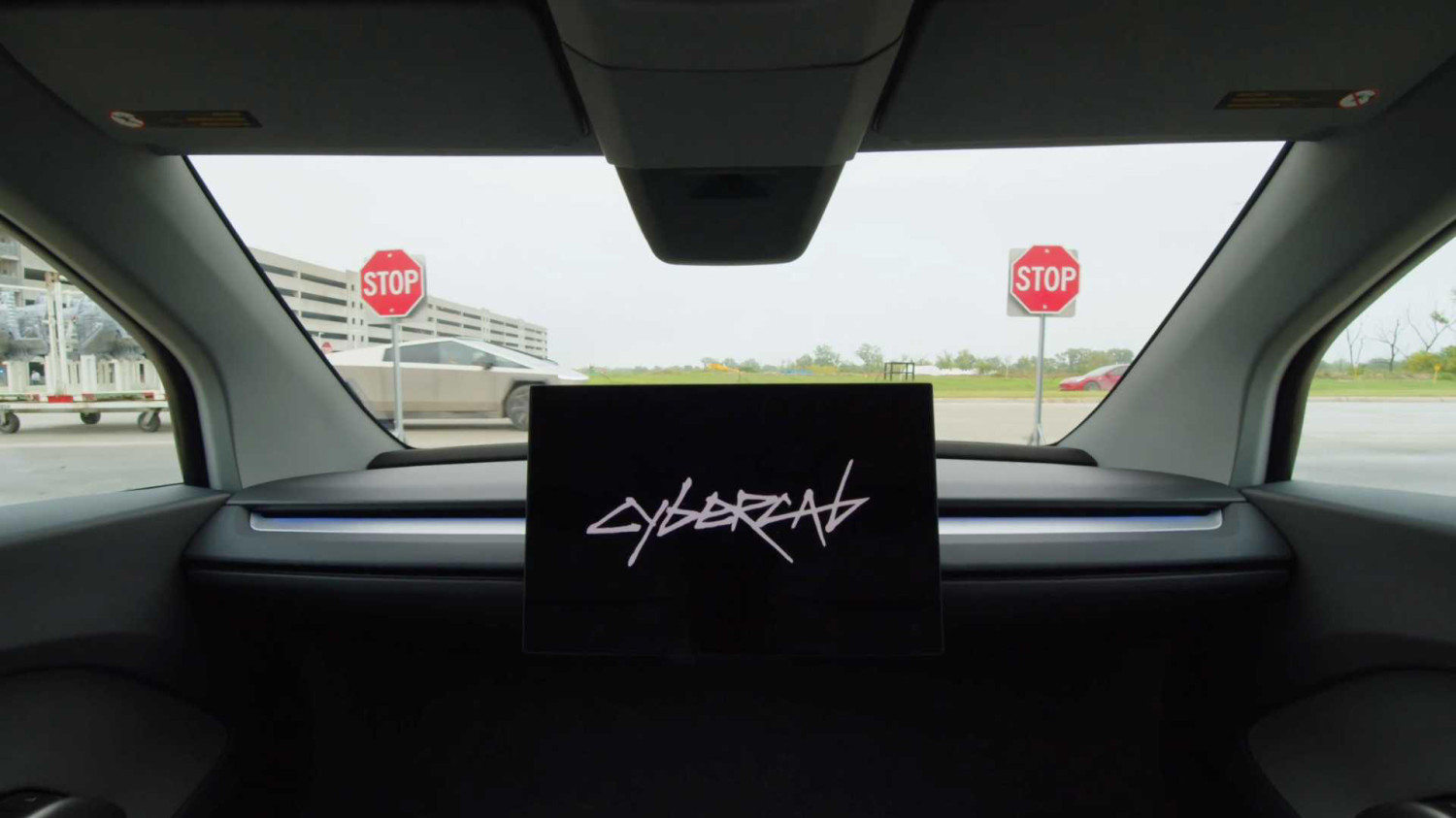
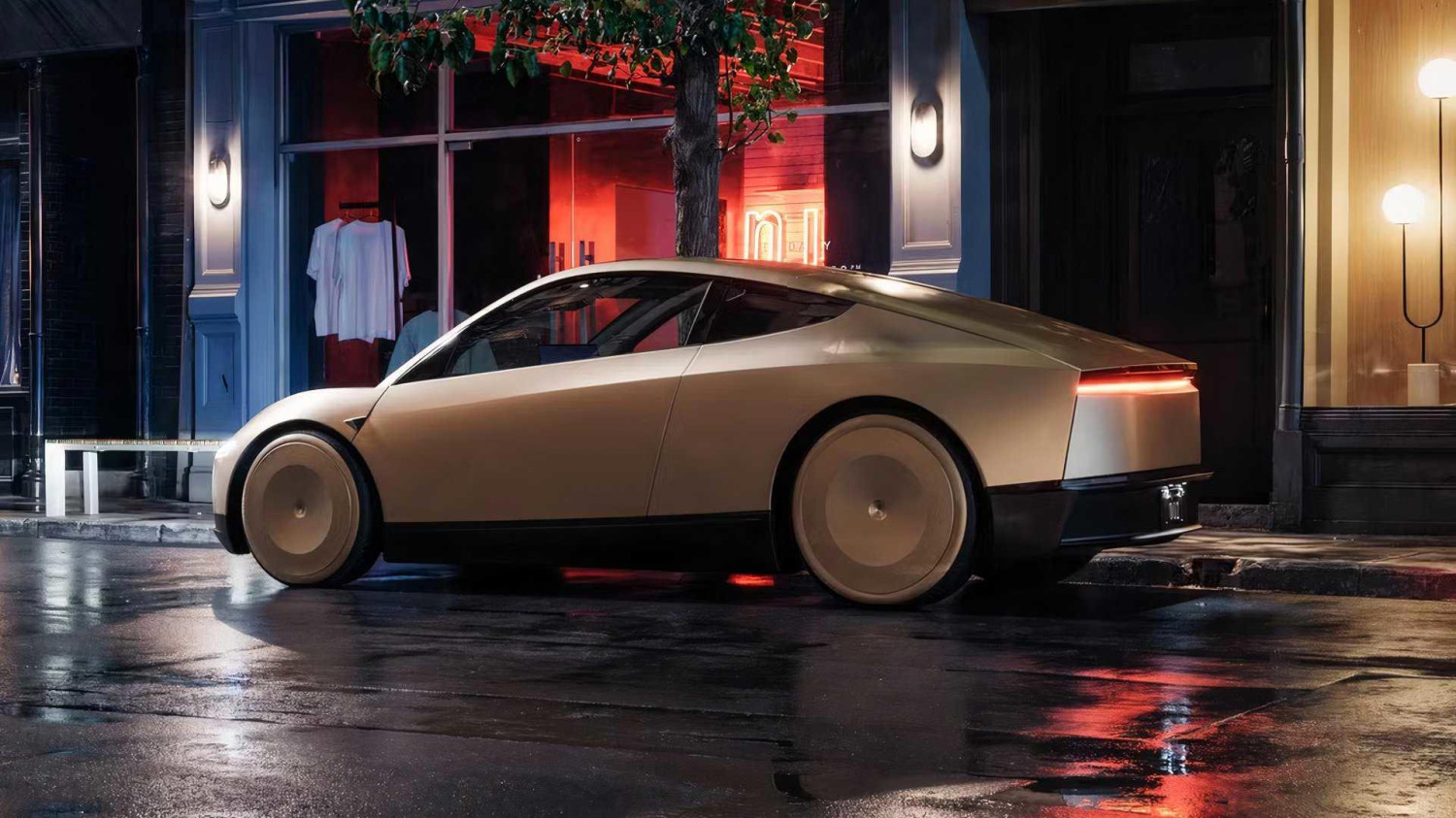
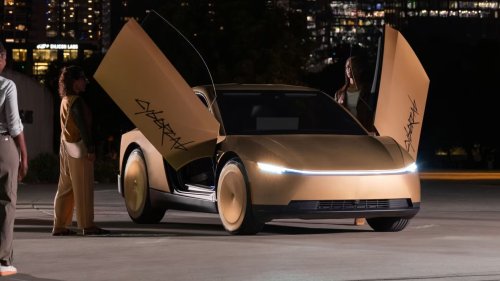
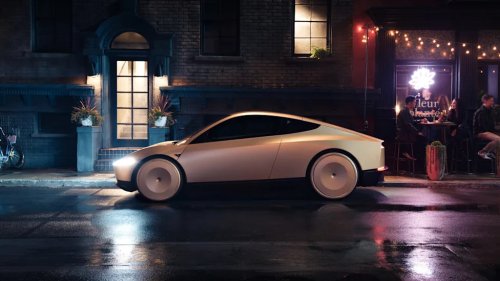
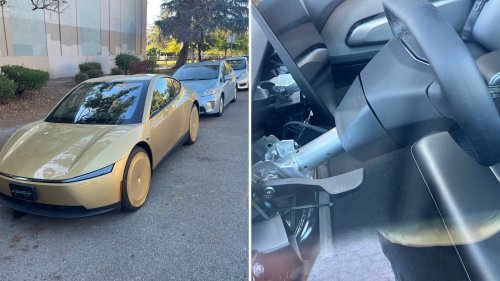
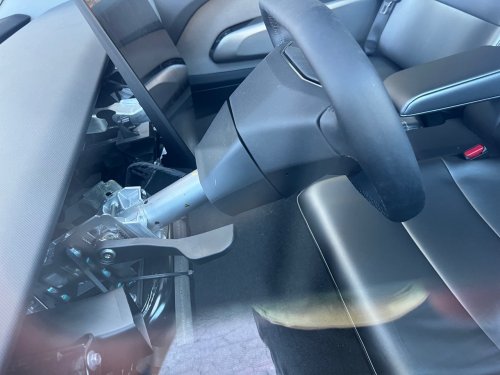
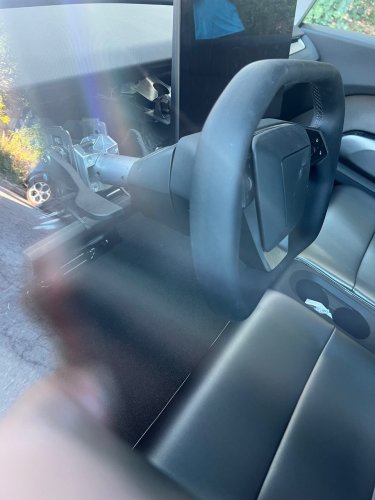
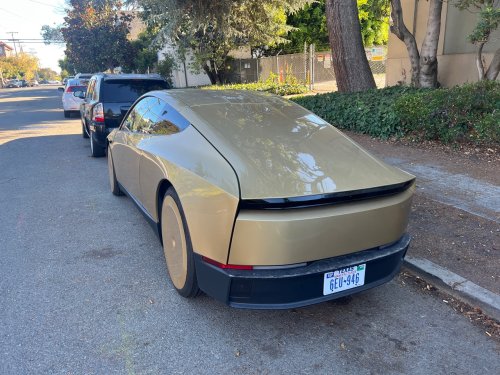
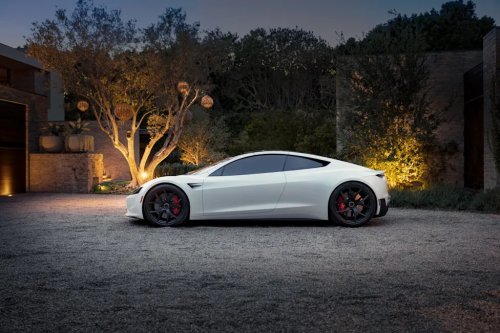
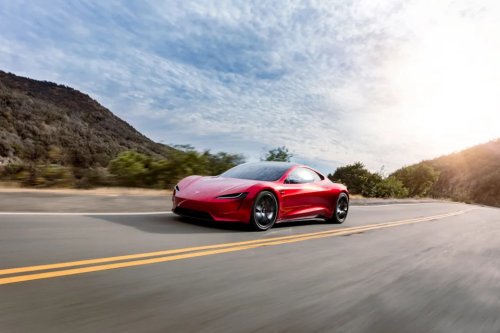
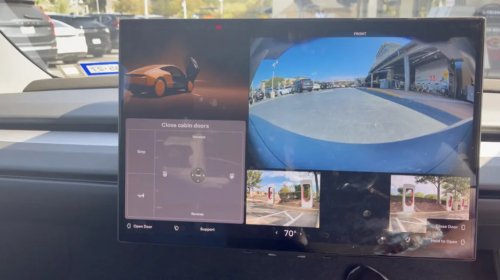
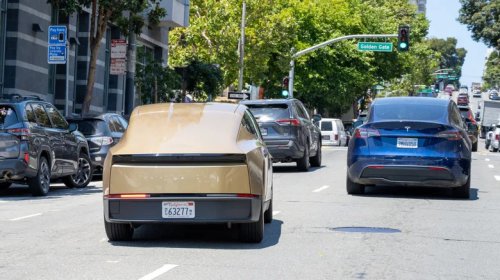
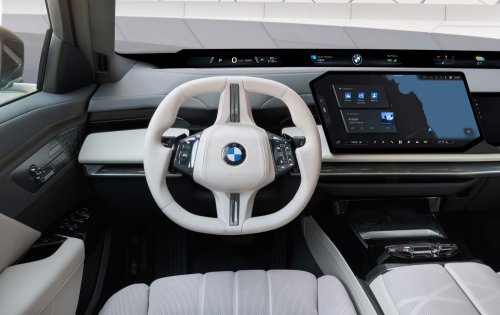
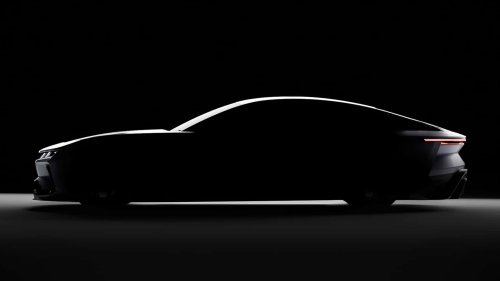
Something unusual has started rolling off an assembly line deep in Texas. It checks all the boxes — four wheels, two doors, sleek bodywork that wouldn’t look out of place in any modern car dealership. But once you step inside this car, the stranger it becomes. There’s no obvious place for a driver to take control. No hint of the usual mechanical hierarchy we’ve come to expect. It looks complete… yet something feels missing — a steering wheel. No Driver? No Problem. The Cybercab, or Robotaxi, looks like something that escaped from a sci-fi movie set. It's a compact, two-door coupe with smooth, aerodynamic lines and just enough attitude to remind you it’s still a Tesla. But the real story starts when you try to figure out how to drive it… and realize you can’t.Everything is handled by Tesla’s camera-based Full Self-Driving system. You get in, punch in your destination, and that’s it. The car takes over while you sit back, relax, and try not to instinctively look for a steering wheel that simply isn’t there. Honestly, the weirdest part might not be trusting the car, but figuring out what to do with your hands. The Cabin For Passengers, Not Drivers Tesla / XInside, Tesla has gone full minimalist. The cabin is basically a clean, open space centered around a large screen that acts as mission control for your ride. No clutter, no distractions — just you, your passenger, and the quiet hum of electric motors doing their thing.Tesla / XIt’s less “cockpit” and more “mobile lounge,” which makes sense considering you’re no longer responsible for, you know… the driving.And with a small but efficient 35-kWh battery delivering around 200 miles of range at an impressive 5.5 miles per kWh, the Cybercab isn’t trying to be a road trip monster. It’s built for cities — quick trips, constant movement, and maximum efficiency. Built For The Robotaxi Takeover TeslaProduction kicking off at Giga Texas isn’t just about building a new model — it’s Tesla laying the foundation for its Robotaxi network. The idea? A fleet of Cybercabs that can shuttle people around on-demand, no driver required, potentially at a fraction of the cost of today’s ride-hailing services.Think Uber, but without the awkward small talk or wondering if your driver is judging your music choices. Tesla is also baking in features like inductive charging (goodbye, plugging in) and accessibility considerations, which hints at a broader goal: making this thing usable by as many people as possible, as often as possible. And, let’s not sugarcoat it, this is a massive gamble.Building a car without manual controls is bold but also maybe a little wild… and very on-brand. Of course, there are still hurdles. Regulations, infrastructure, public trust — all the boring but important stuff. Cities and governments will have plenty to say before Cybercabs start roaming freely everywhere.But the fact that production has started means this isn’t just a concept or a flashy reveal anymore. It’s real. It’s happening.So, are we ready? That’s the million-dollar question.