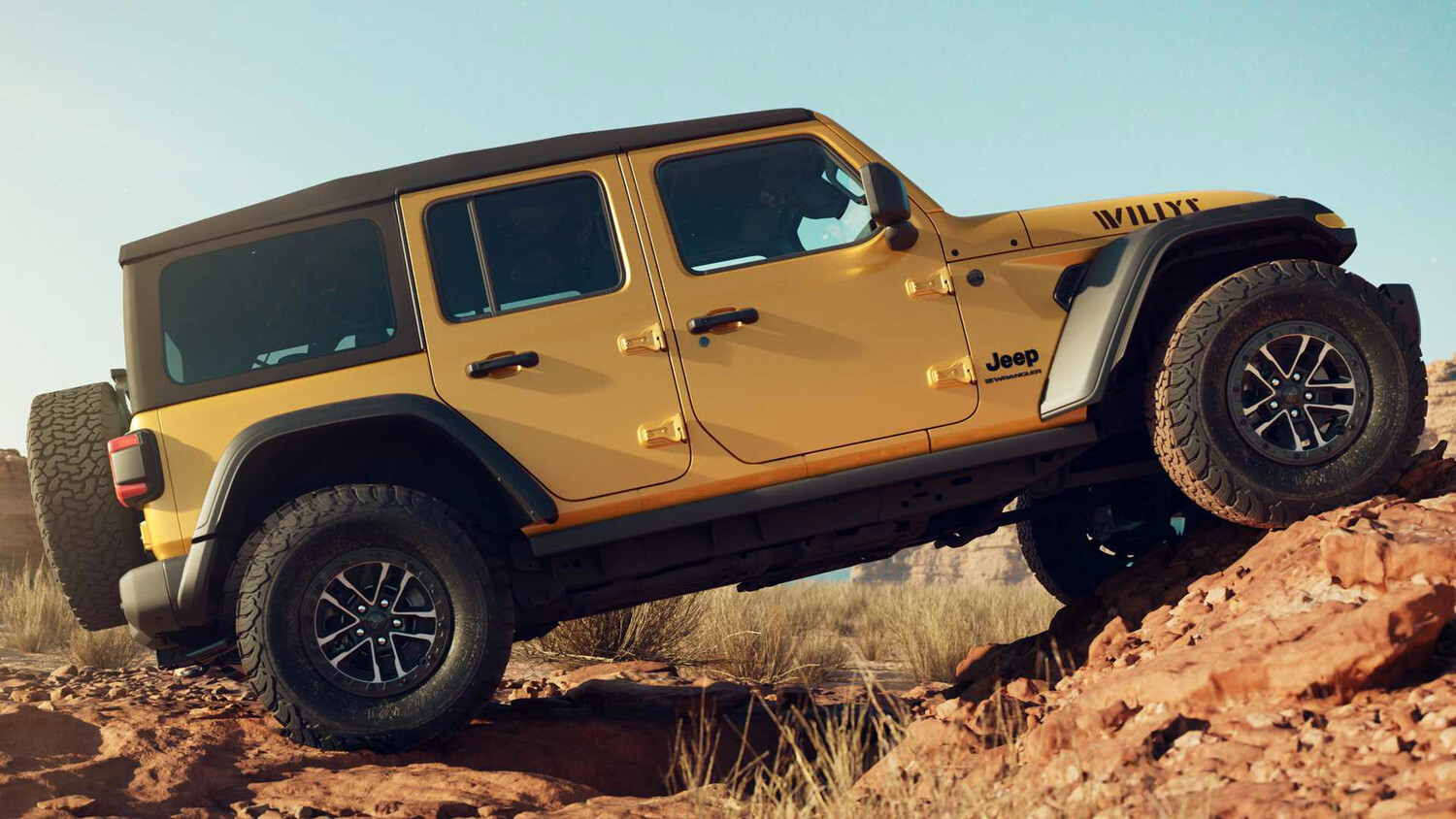
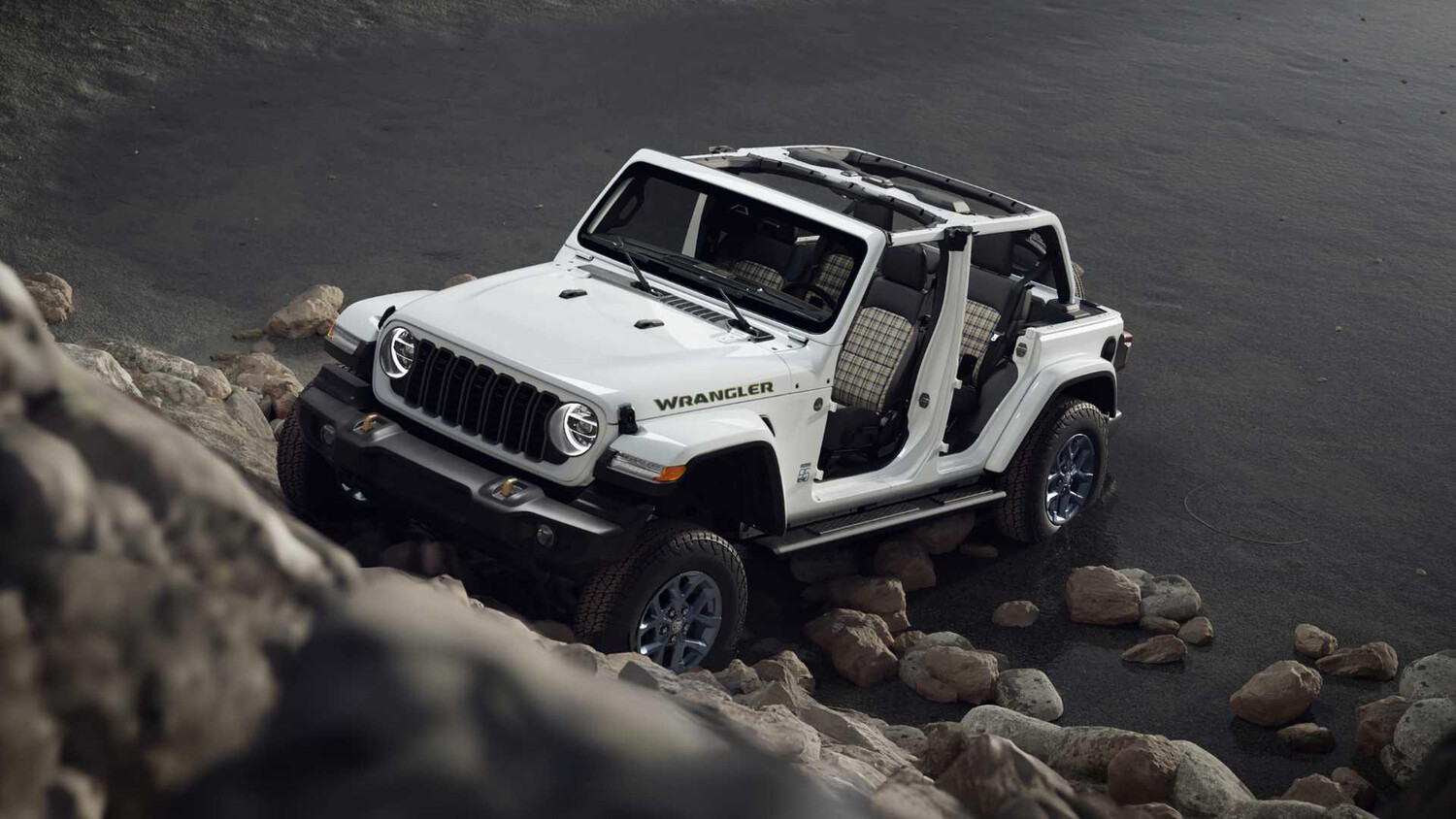
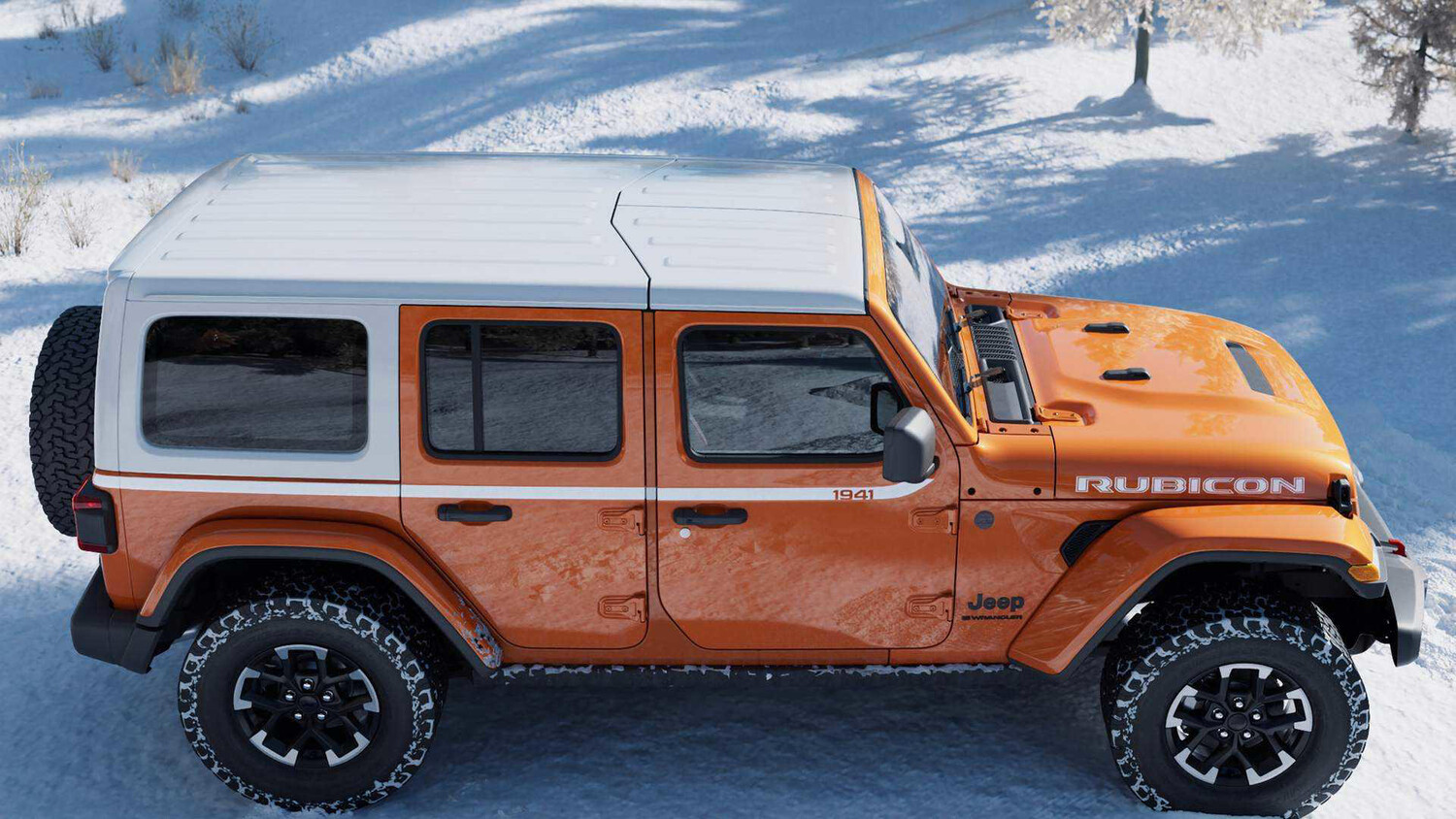
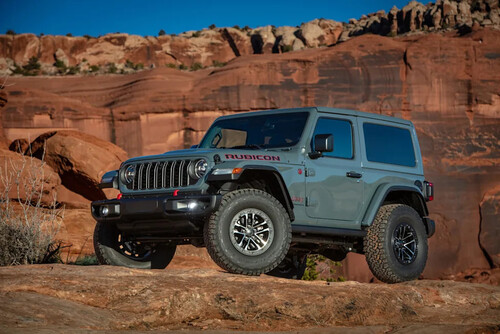
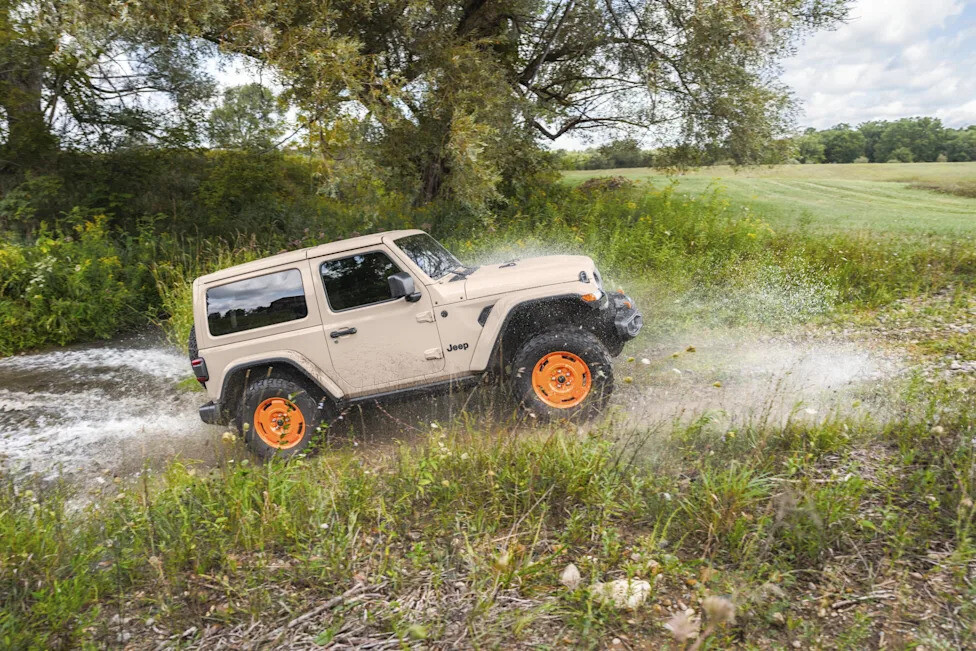
Jeep owners are a very particular breed of car enthusiast, existing somewhat separately from the wider family of gearheads and even from other SUV fans. Thanks to its unique history, which is closely intertwined with the SUV's development as an automotive category, Jeep has built a community of owners with a one-of-a-kind culture.Jeep isn’t a brand, it’s a lifestyle. Off-roading excursions, outdoor sports like mountain biking and surfing, and carefree road-trip freedom are just a few of the things that immediately come to mind when the brand is mentioned. Thanks to the brand’s unique character, Jeep owners show their connection and camaraderie in a variety of ways.Among all the models in the Jeep lineup today, the Wrangler is the one most closely associated with Jeep culture. Here is a little insight into the background of Jeep culture, and some of the traditions closely tied to the Wrangler. Jeep's History And The Origins Of Jeep Culture Jeep The Jeep brand we know and love today did not start out as a commercial automaker at all, but rather as a military vehicle manufacturer. The ancestors of the modern Jeep were used exclusively for military purposes and saw extensive use during World War II. After the war, however, Willys-Overland began to build and sell a civilian version of the vehicle, known as the CJ (Civilian Jeep) and nicknamed the Willys Jeep. The name Jeep eventually became associated with the brand as a whole, giving rise to the modern manufacturer still operating today.The Jeep was instrumental in popularizing the SUV among ordinary drivers. It brought the idea of owning an all-terrain vehicle into the public consciousness, alongside other early SUV icons such as the International Scout. While in the years immediately after the war, the civilian Jeep was predominantly used in work-related contexts such as agriculture, people soon began buying Jeeps for leisure and everyday driving as well.Stellantis Thanks to their unique design, Jeeps are instantly recognizable and set themselves apart from everything else on the road. This uniqueness, combined with Jeep’s association with off-roading and outdoor pursuits, gave rise to a community of Jeep owners with its own traditions and its own culture. From greetings to rubber ducks and hidden design details, “Jeep Life” has countless curious and fascinating aspects. We are taking a closer look at three of them: the Jeep Wave (which helped give origin to modern Jeep culture), the more recent Jeep ducking movement, and the countless little design Easter eggs you can spot on most Jeeps today. The "Jeep Wave": How Jeep Owners Celebrate Their Camaraderie JeepThe oldest example of Jeep culture is nearly as old as the Jeep itself. We’re talking about the Jeep wave, the traditional greeting used by Jeep owners to acknowledge each other on the road and cultivate a spirit of camaraderie. The Jeep wave is known by several names, such as Jeep salute, Wrangler wave, or the Jeep peace sign.Although the exact story of how the Jeep wave came to be is unclear, the most commonly accepted theory is that it originated shortly after World War II as a symbol of recognition for ex-service members driving Jeeps upon returning home. The wave was a gesture of both camaraderie among fellow soldiers and of thanks from civilians. After the war, Jeep began selling vehicles commercially, and the tradition of the Jeep wave is said to have crossed over from the military into the civilian world. Other theories speculate that the wave started in the off-roading community, but there’s likely to be a kernel of truth in both schools of thought.Jeep Over the years, the phenomenon grew into a major aspect of the budding Jeep culture, with an increasingly complex etiquette system being implemented. There are several accepted gestures that constitute a “Jeep wave,” depending on factors such as the vehicle and the weather conditions. There is also a hierarchy in place, with classic Jeeps and modified Jeeps at the top. Off-roaders and Jeeps with visible mud and dirt are also high in the hierarchy, with more mainstream vehicles and stock vehicles being at the bottom.Jeep also named its official loyalty program the “Jeep Wave.” This program offers a variety of benefits, including free maintenance, vehicle rental, roadside assistance, and discounts on consumer goods and hotel stays. Jeep Ducking: A Curious Phenomenon Born From The Covid Era StellantisThe next aspect of Jeep culture is far more recent, having originated around seven decades after the “Jeep wave.” We’re talking about one of the most visibly recognizable aspects of Jeep culture: Ducking, the phenomenon that sees Jeep owners place rubber ducks on other Jeeps. The Wrangler is the model most commonly associated with “ducking,” with other Jeep models rarely being involved.Jeep ducking began during the COVID-19 pandemic, when Allison Parliament, a Canadian Jeep owner, was traveling from Alabama to her home in Ontario. Having experienced a distressing confrontation at a gas station, Allison decided to lift her mood and spread some joy with a lighthearted prank. She bought a rubber duck, wrote “Nice Jeep” on it, and placed it on a nearby Jeep. The vehicle’s owner spotted her and suggested she post about it on social media. The hashtag #DuckDuckJeep and the Jeep ducking phenomenon were born.Soon after, thousands of Jeep owners around the world were taking part. A dedicated Facebook group was established, and Allison even set up a “Ducking For Teachers” foundation that raised money for schools. She sadly passed away in 2024, but her legacy lives on in this unique aspect of Jeep culture.A few guidelines have emerged for people who want to take part in Jeep ducking to keep the original spirit of positivity and goodwill alive. These include focusing mainly on the Wrangler, avoiding causing damage or inconvenience, adding notes with uplifting messages, and embracing creativity with unique or personalized ducks.Many people who take part in Jeep ducking choose to use social media as part of their efforts, taking pictures of their ducks or even writing their handles on a note to build community. Easter Eggs In The Wrangler And Other Models StellantisThe history of Jeep Easter eggs started towards the end of the 1990s, when designer Michael Santoro added a gecko symbol to the interior of the TJ-generation Wrangler. The tradition stuck, and more different symbols were added to Jeep models going forward, usually in somewhat concealed locations to give drivers a fun surprise.Jeep Although Easter eggs appear on a wide variety of models from the brand’s lineup, the Wrangler is one of the models most commonly associated with this part of Jeep culture. One Easter egg you'd find on the Wrangler is a flip-flop design located on the cowl of the windshield. This symbol pays homage to legendary automotive journalist Rick Pewe and represents the adventure-ready lifestyle of Jeep drivers. On the Wrangler JL, you will also find a Morse code inscription on the back of the vehicle, which spells out “JL.”Other notable Jeep Easter eggs include a silhouette of the Willys Jeep, a drawing of the iconic seven-slot grille, depictions of mythical creatures such as Bigfoot and Nessie, and a topographical map of Moab, Utah (a popular off-roading destination).