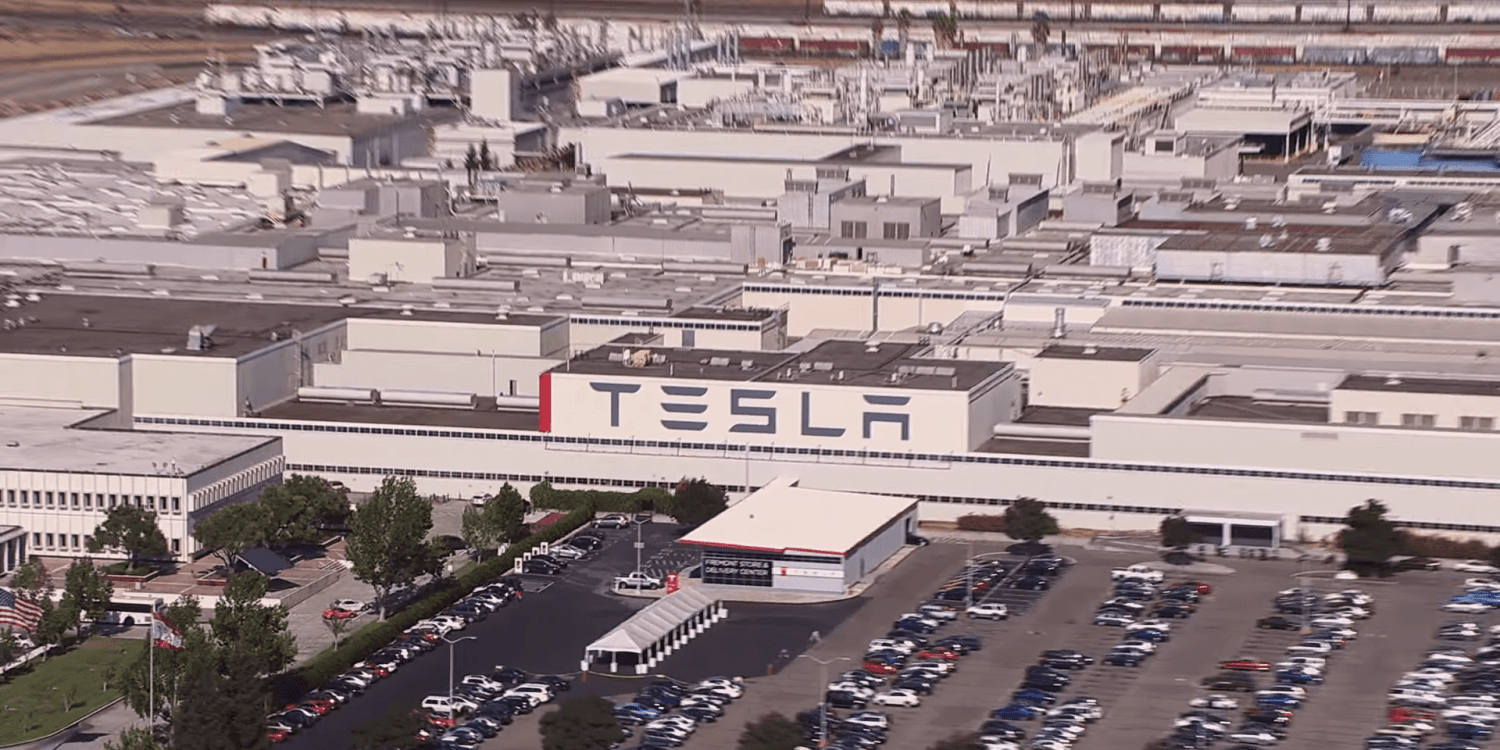
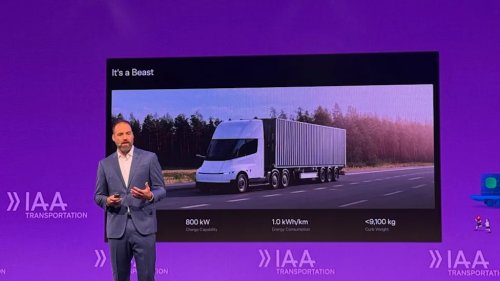
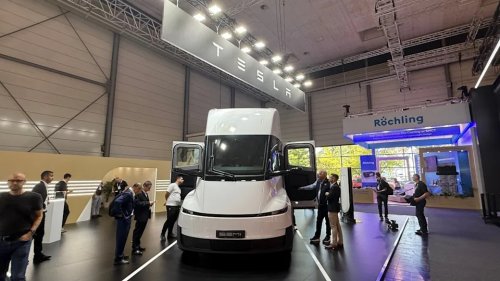
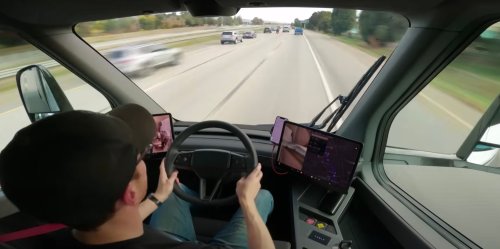
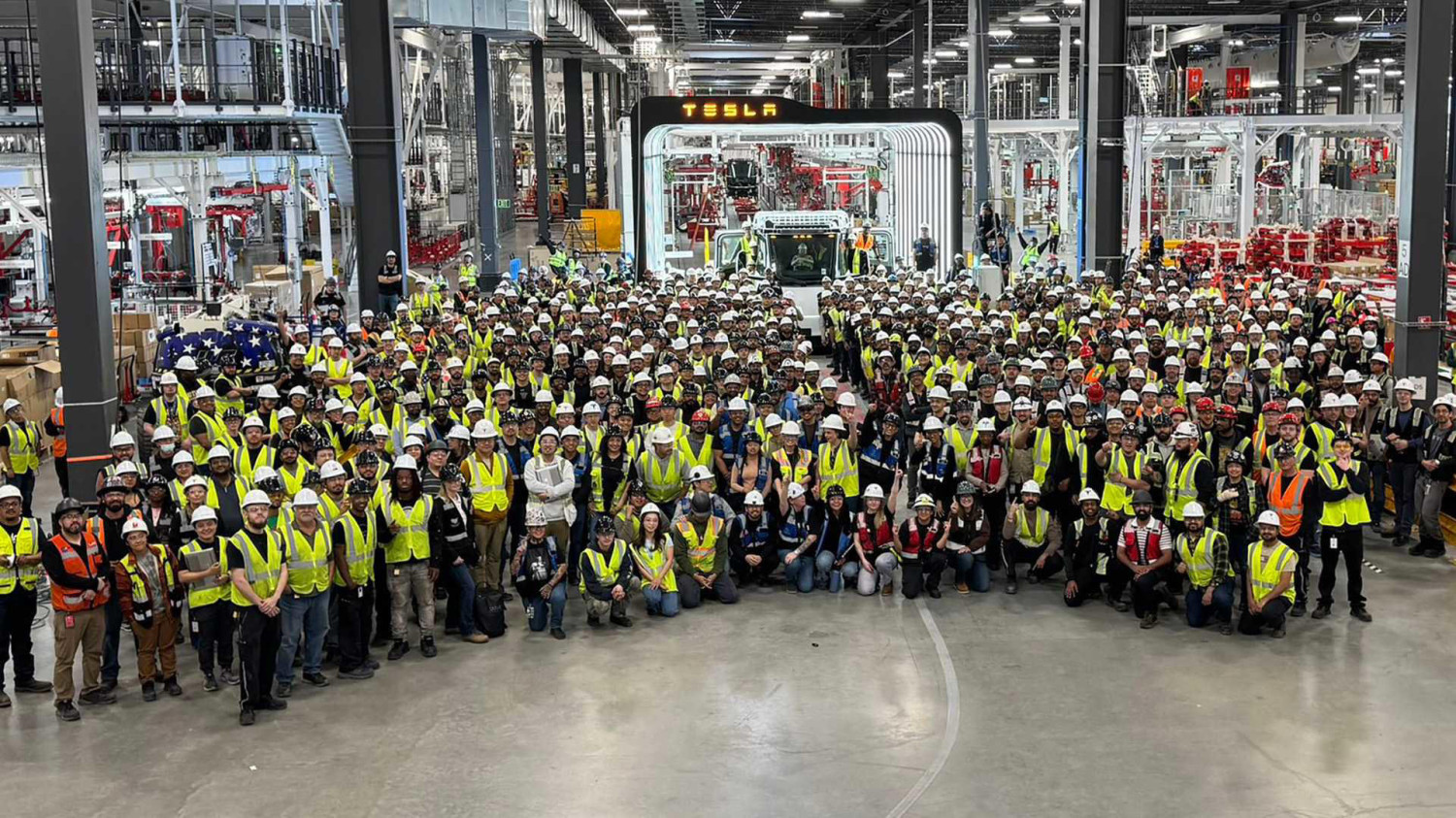
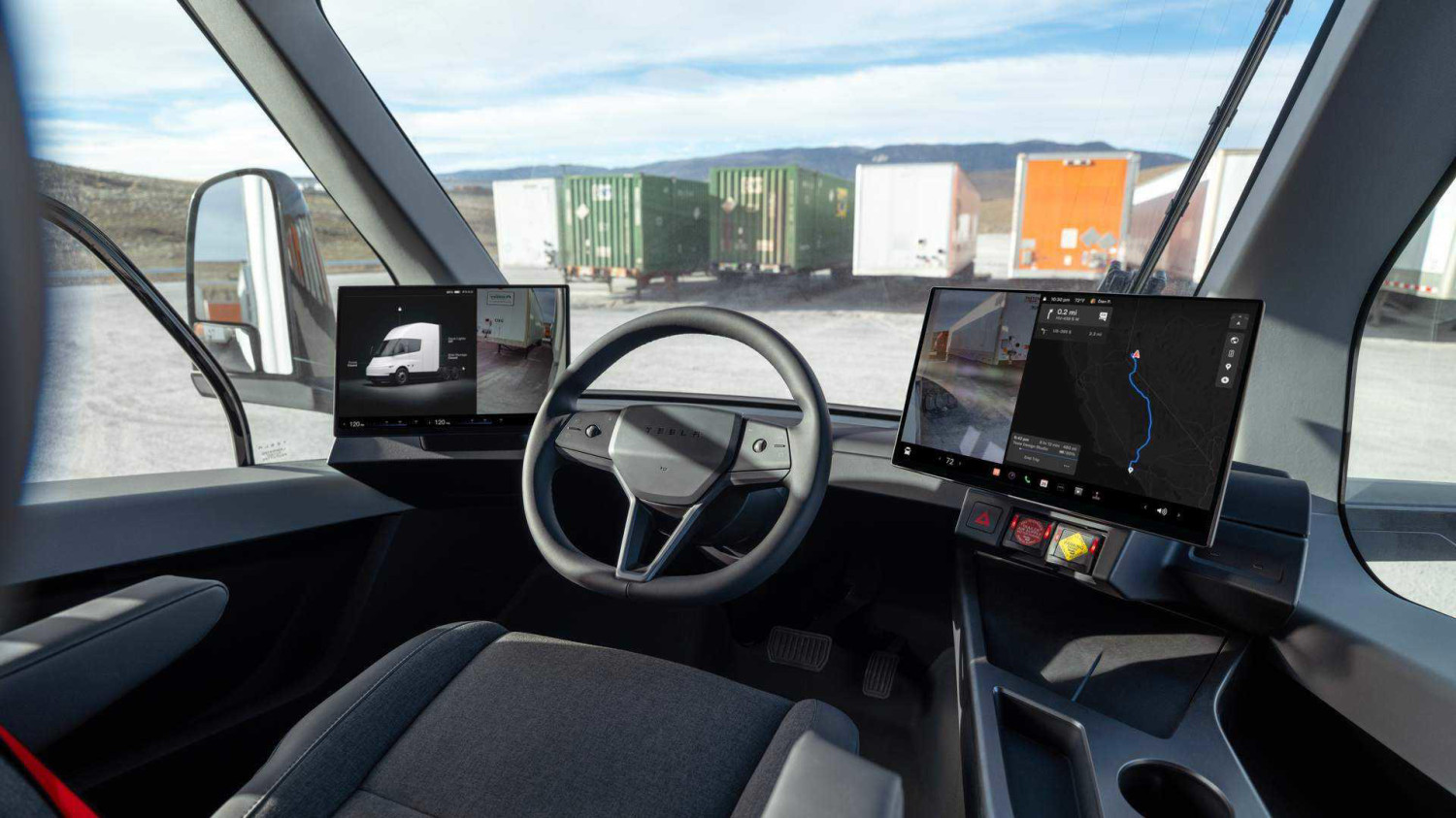
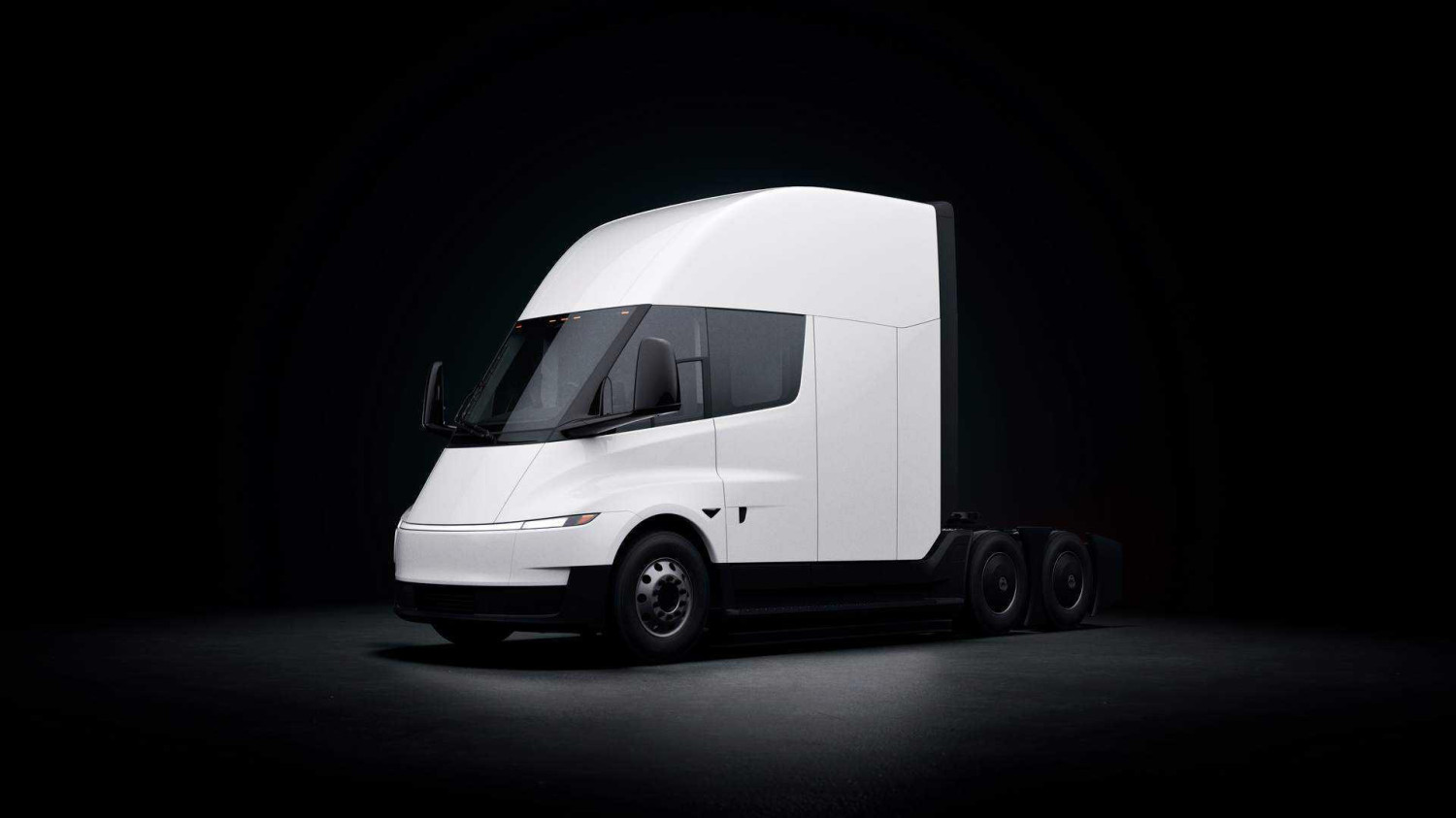
When it comes to Tesla, news about the electric automaker has been a bit of a pile-on of late. Falling sales, falling profits, and the highly controversial antics of the head of the company – plus his efforts to move from cars to robots – haven't left much nice to say. And don't even get us started on the ever-delayed Roadster.But now, Tesla just had its first major model enter production since the Cybertruck in June 2023. It's not a new trim of an existing vehicle, or a stripped-down version of something to eke out a lower price tag. This is a proper new vehicle, albeit a very large one that decidedly isn't meant for daily-driver duties. That is, unless you have a CDL and tow a big honking trailer. Tesla Semi Mass Production Begins Tesla The production start we're talking about is the first Tesla Semi. Yes, it's been around for a bit, but this is the first that is finally ready for primetime. This marks the start of high-volume production at the company's Gigafactory Nevada. Before this, the handful of trucks built were largely made by hand on a pilot line, which is common across the industry for pre-production vehicles.Tesla's biggest truck is arriving to market years behind schedule. When it was first unveiled in 2017, the company said that production would start in 2019. That date was pushed back year after year after year, first to 2020, then 2021, and finally the very first-run vehicles were delivered to pilot customers in December 2022.Tesla Around 100 trucks entered service with fleets including PepsiCo and WalMart as part of testing. The truck that went into production this week has been updated since those early models, and we aren't talking about new trim on the windows or a software update. Tesla designed a new chassis, changing the headlights and aerodynamics and cutting around 1,000 pounds from the truck's weight.There are two different versions of the Semi which will be familiar to Tesla fans: Standard Range and Long Range. The former has a range of approximately 325 miles, Tesla says, and makes 1,072 horsepower. It comes with a maximum combined weight rating of 82,000 pounds, which leaves around 62,000 pounds for the trailer and freight.The Long Range truck is 3,000 pounds heavier, so it can't haul as much cargo. Its larger battery, though, can deliver a 500-mile range. The company doesn't make it clear if the range is measured with a trailer or what weight it might be hauling, but Musk previously suggested the range ratings would reflect a Semi connected to a full load. Plant Can Build A Tremendous Number Of Trucks Tesla Tesla's factory was designed to build up to 50,000 units per year, and if it hit that figure it would be the second-highest-selling Class 8 truck brand. The total US market for Class 8 trucks, the ones we call semis, was just 208,000 in 2025. Freightliner dominates that with a 35% share, while Peterbilt and Kenworth both have 15% of the market. Ironically, if Tesla runs at full capacity, the Semi could outsell the Cybertruck.In 2025, approximately 1,000 electric Class 7 and 8 trucks were sold in the US. Most of those, though, were not highway tractors. They were trucks from Orange EV, which builds electric terminal trucks. Those are small-cab trucks that move trailers at warehouses, ports, and other shipping centers.Tesla's trucks don't rely on standard car charging speeds. The big trucks need big power, and Tesla has started to build Megacharger stations to support them. The first public site opened in California in March, and it can deliver up to 750 kW, double the fastest car chargers.The trucks start from roughly $260,000 for the short range model and $290,000 for the Long Range. That's not much more than new diesel rigs on the market, though the recharging infrastructure is nowhere near as widespread as diesel to support them. Tesla did not announce when deliveries of trucks from the new line would begin.Source: Tesla Semi / X



















 +58 others