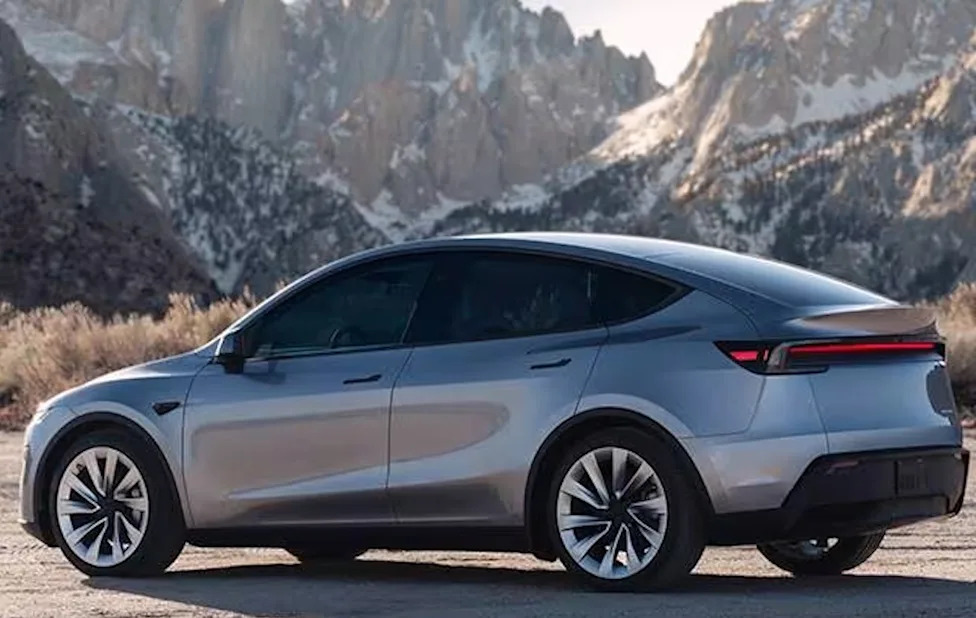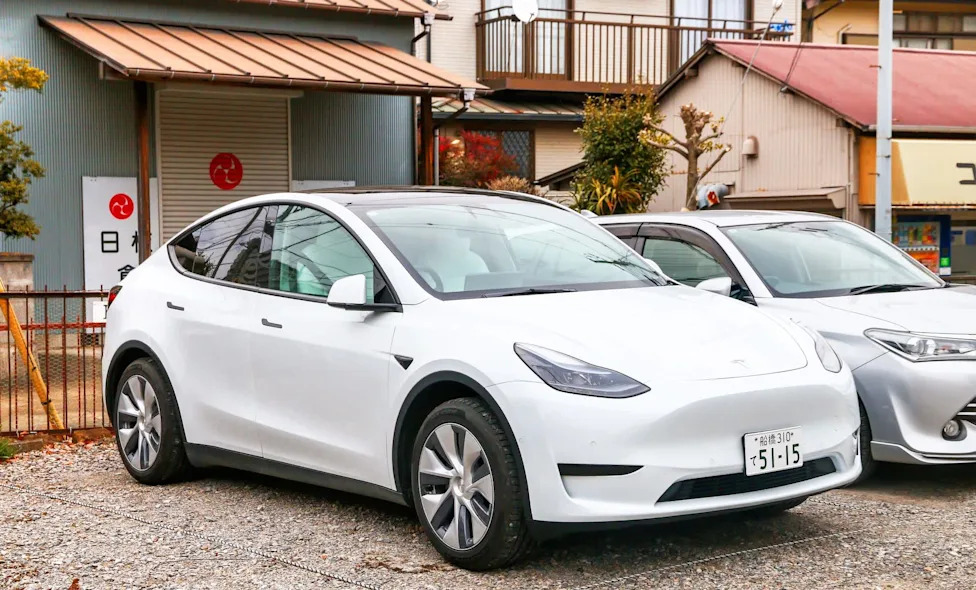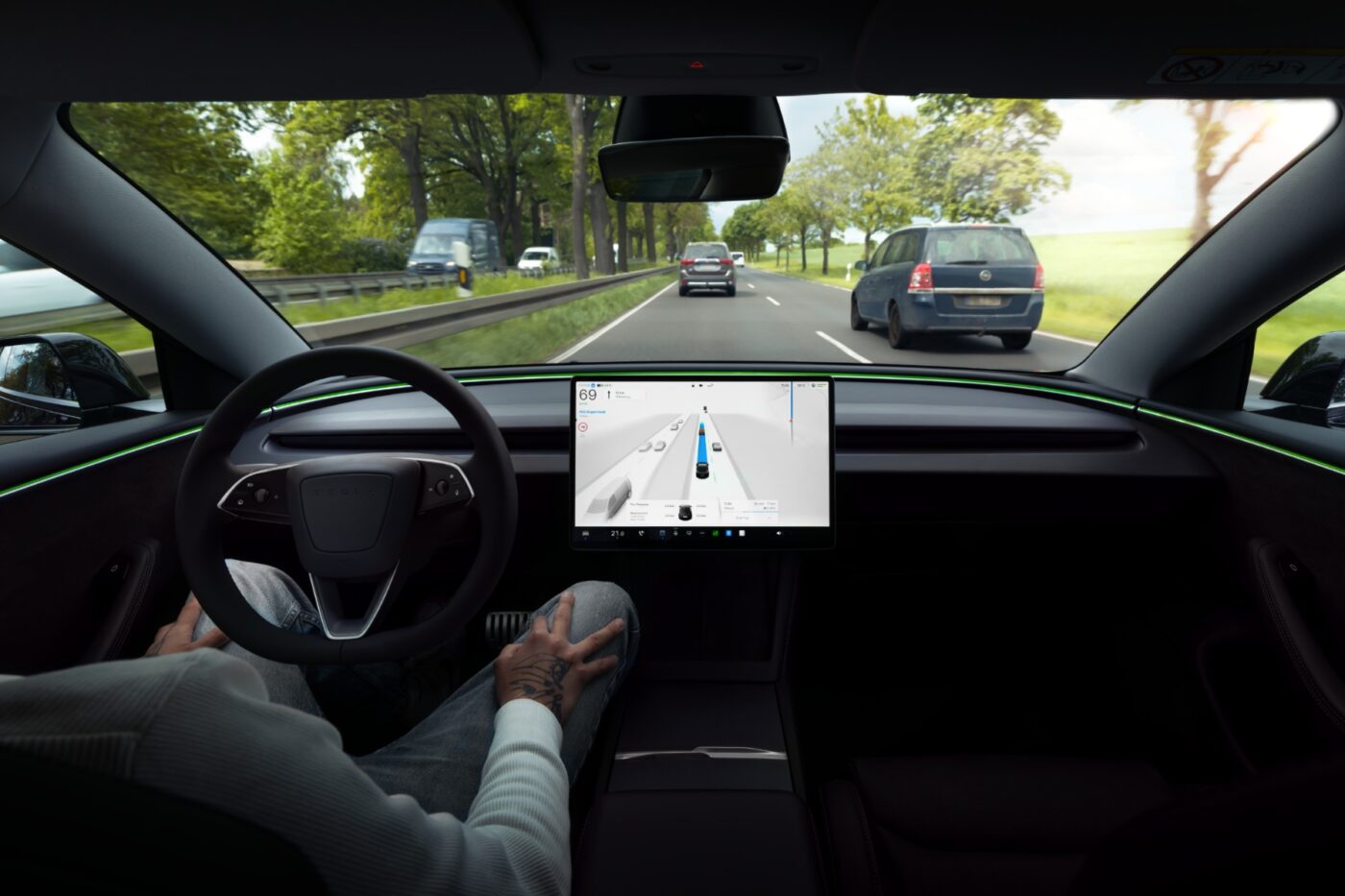
















Image: TeslaThe Lithuanian Ministry of Transport and Communications, together with the Lithuanian Road Traffic Authority (LTSA), has decided to recognise the provisional EU type approval for Tesla’s Full Self-Driving (Supervised) system issued by the Dutch vehicle authority RDW. The authorities emphasise that this is not a fully autonomous driving system at SAE Level 2. Instead, FSD (Supervised) is classified as an SAE Level 2 driver assistance system, meaning the driver retains full responsibility: they must continuously monitor the traffic situation and be prepared to take control of the vehicle at any time.“Lithuania is among the first countries in Europe where cars can drive autonomously. These technologies can already make a real contribution to safer and more comfortable driving, especially on long journeys or in monotonous traffic,” says Transport Minister Juras Taminskas.The decision was made in accordance with Regulation (EU) 2018/858 of the European Parliament and the Council, which permits EU member states to recognise provisional type approvals for new transport technologies from other EU countries. This allows Lithuania to adopt the assessment conducted in the Netherlands and grant approval for Tesla’s FSD (Supervised) without conducting its own evaluation.For Tesla, the decision in Lithuania marks a significant milestone, as it allows FSD (Supervised) to be used in a second EU country just weeks after its approval in the Netherlands. However, the US manufacturer is ultimately aiming for an EU-wide approval based on the Dutch type approval and had sought the support of all member states in a vote coordinated by the European Commission.Whether Tesla will succeed remains uncertain. Following an initial meeting of the European Commission’s Technical Committee on Motor Vehicles (TCMV) in early May in Brussels, it became clear that some countries have reservations, particularly the Scandinavian states, according to media reports.Tesla may now pursue a dual strategy: on the one hand, seeking to win over additional ‘first movers’ alongside the Netherlands and Lithuania, while on the other, continuing to push for at least a medium-term EU-wide approval. Without this, a patchwork of regulations could emerge across the EU, with FSD permitted in some countries but not others—a situation that would be particularly inconvenient for holiday travel and other trips abroad.lrv.lt (Lithuanian)