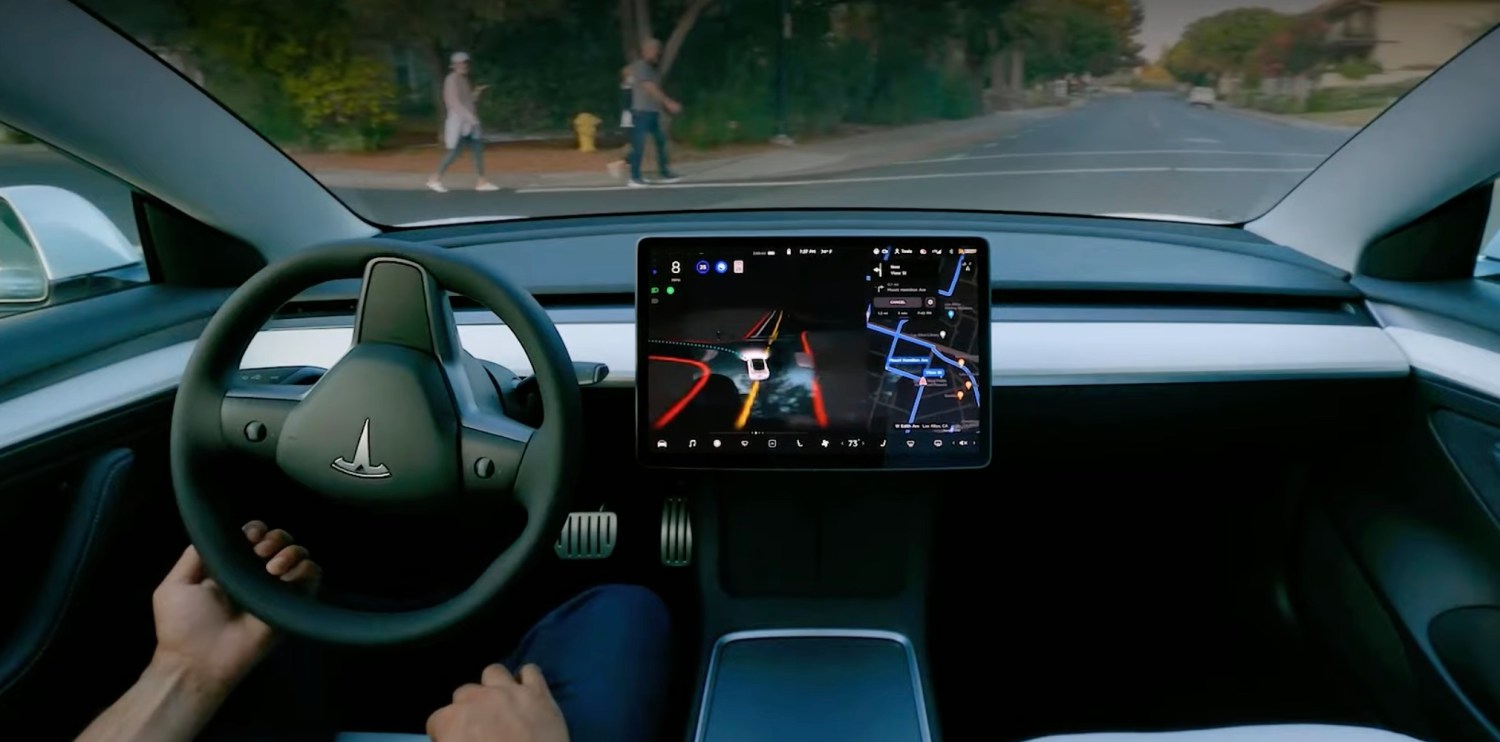
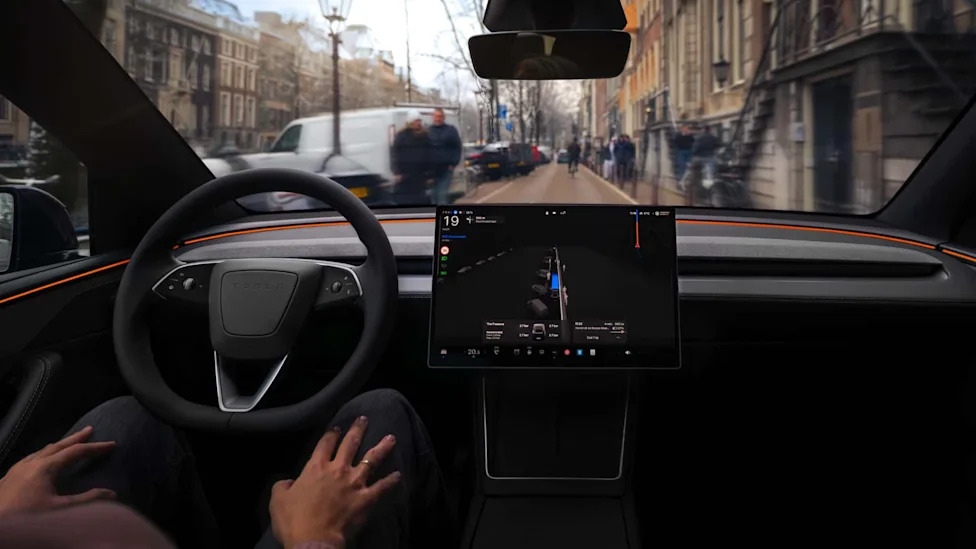
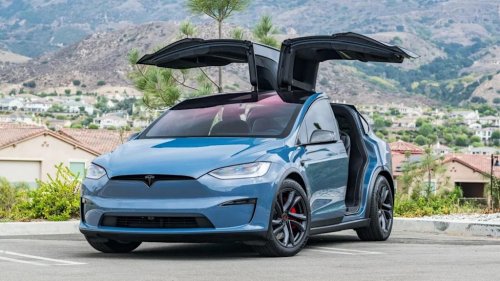
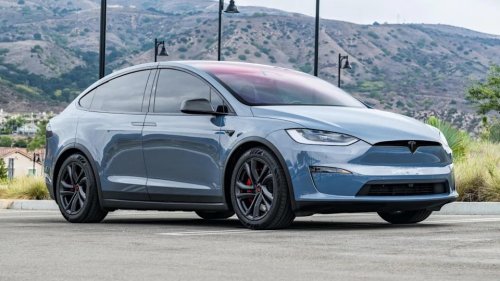
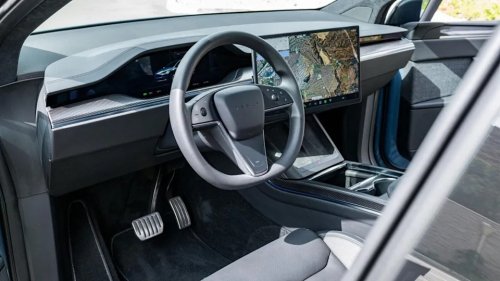
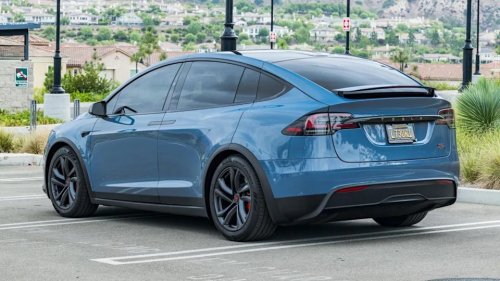
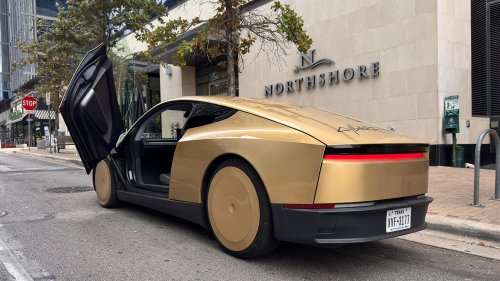
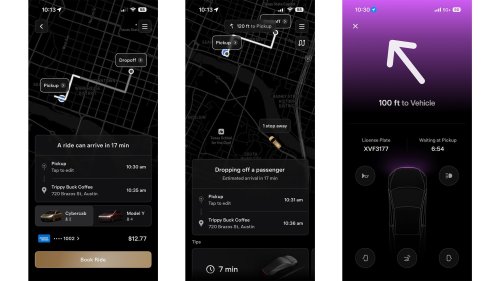
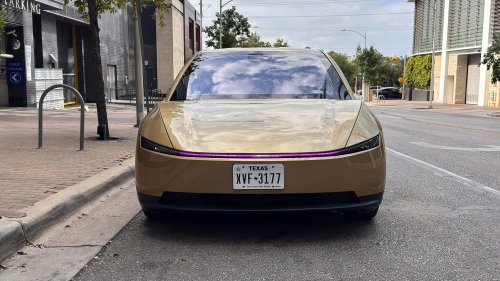
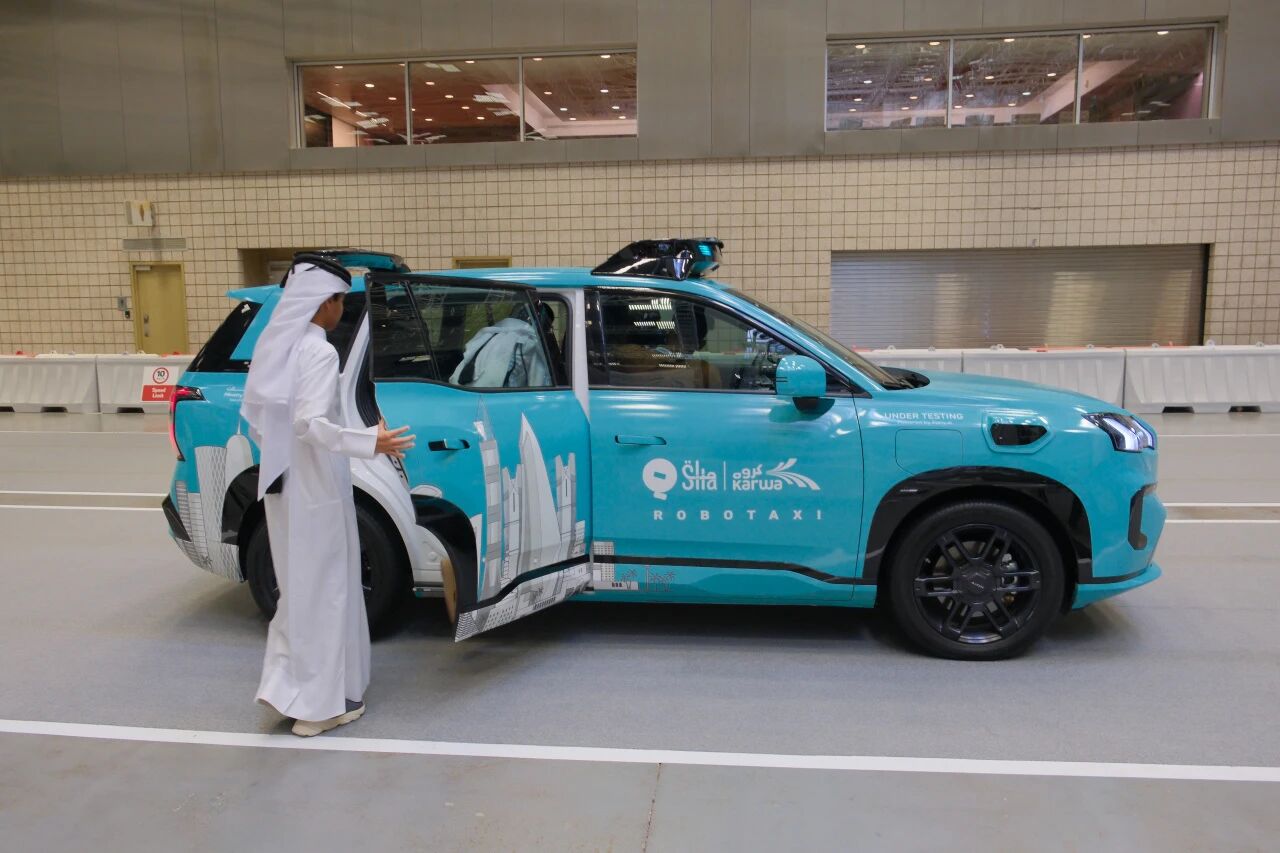
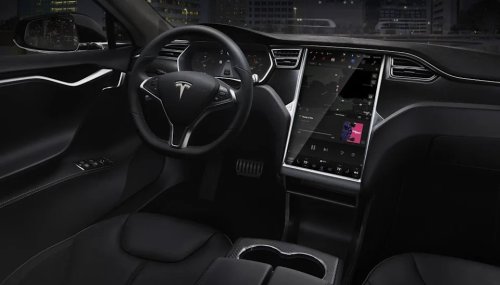
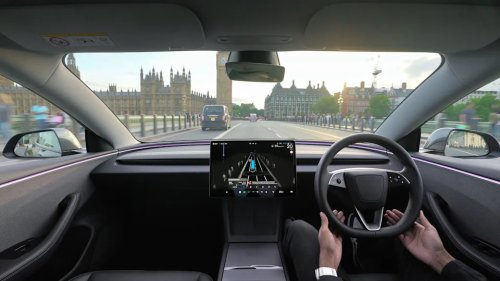
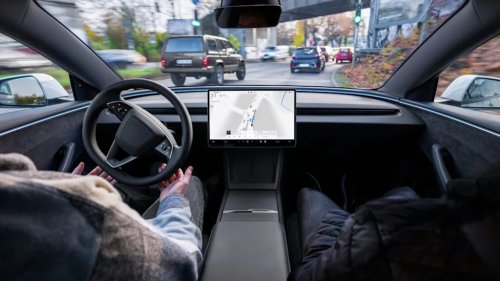
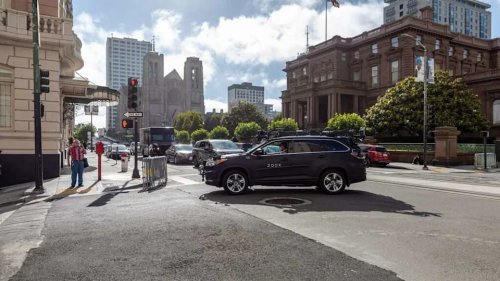
Photo Credit: iStockTesla riders in Austin may now be able to request a driverless ride across a much larger area, but the added convenience could come with a downside: longer wait times if the vehicle fleet does not grow with it.Tesla has opened its unsupervised robotaxi service to the entire Austin metro area, a move that comes as some observers say the number of active vehicles in the city appears to have declined, CleanTechnica reported.What's happening?The updated service map now reaches places such as Pflugerville, Manor, I-35, Gigafactory Texas, and Austin-Bergstrom Airport, Teslarati shared. That means Tesla's driverless taxis are now operating across the full metro area.AdvertisementAdvertisementBefore this update, the geofenced service zone was smaller. Teslarati described the change as Tesla's fifth expansion in Austin and the first since late October 2025.The company confirmed the expansion on social platform X.Unsupervised Robotaxi now in the entire Austin Metro area https://t.co/eXNBdarvVS— Tesla Robotaxi (@robotaxi) June 3, 2026How many vehicles are actually serving that area remains an open question. Robotaxi Tracker listed 39 unsupervised robotaxis on the road on May 13, with 27 of them in Austin. More recently, the site showed 20 in Austin.That leaves the customer impact unclear. A larger coverage area could help riders in more parts of the city, but if Tesla has not added cars, the broader map may simply translate into longer waits.Why does it matter?The larger operating area could make Tesla's robotaxi service more useful for airport trips, suburban routes, and longer rides across Austin, provided enough vehicles are available.AdvertisementAdvertisementWhen too few cars are spread over a wider area, however, pickup times can increase, and the service can become less reliable.The debate around Tesla's robotaxi effort has not changed much. Supporters view the Austin expansion as progress, while critics say the company is still behind earlier public timelines and that the service remains relatively small and reliant on remote drivers.What are people saying?In the comment section of CleanTechnica's coverage, users reacted positively to the news, while others seemed indifferent."I am pleased to see expansion in coverage by any and all autonomous driver solutions. At present I am ambivalent with respect to who achieves it at scale and at a reasonable price point first," wrote one user.AdvertisementAdvertisementAnother, echoing a broader online sentiment, said, "Personally, the only thing I care about is they do the expansion safely."Get TCD's free newsletters for easy tips, smart advice, and a chance to earn $5,000 toward home upgrades. To see more stories like this one, change your Google preferences here.