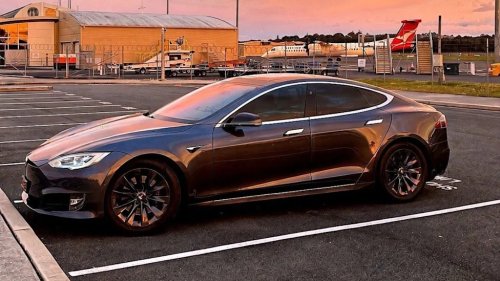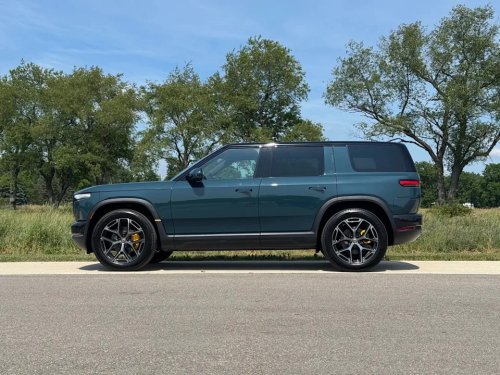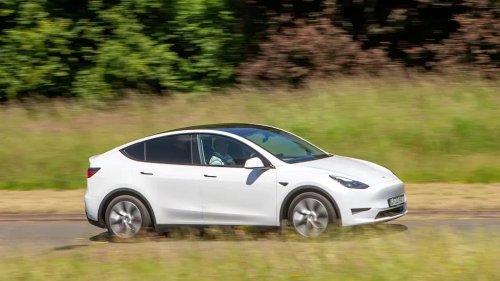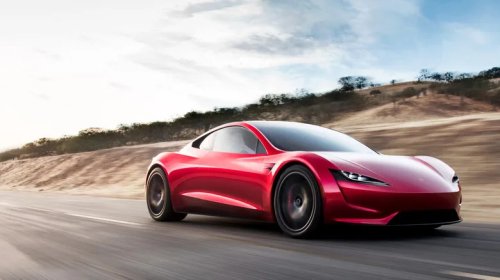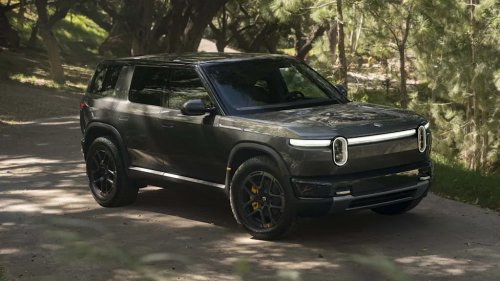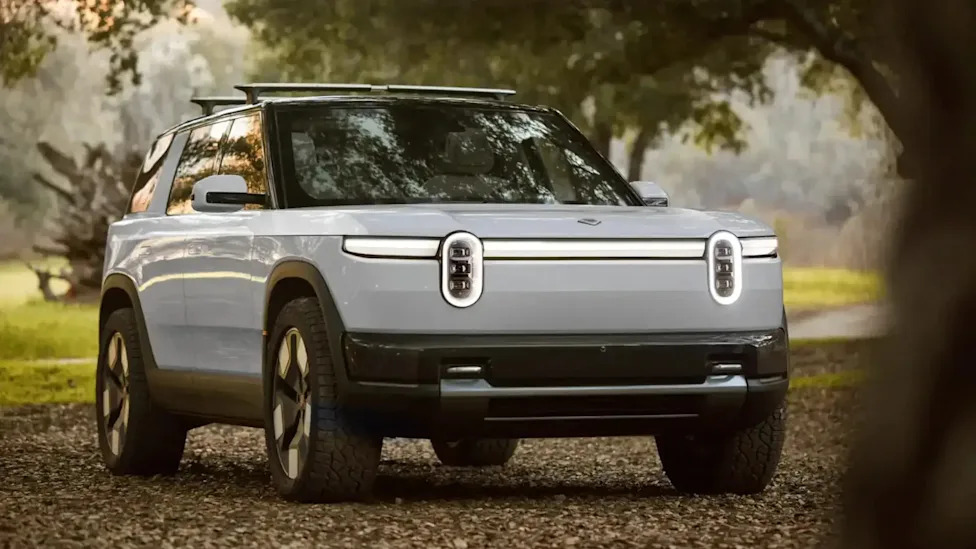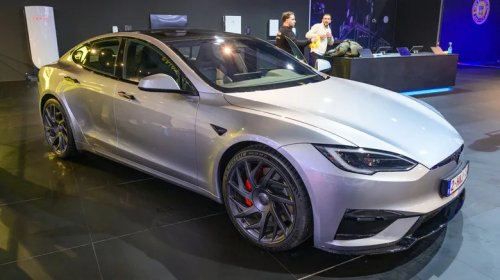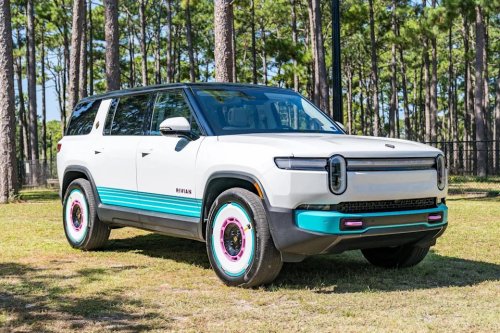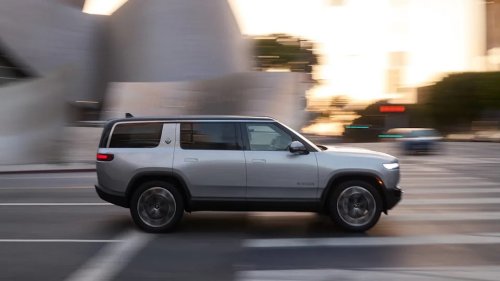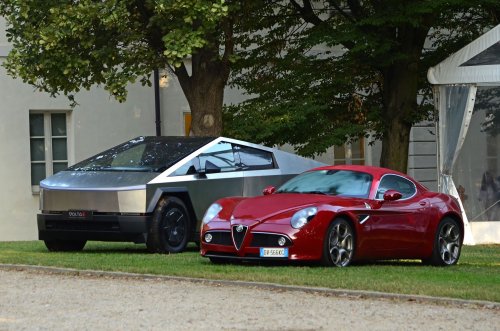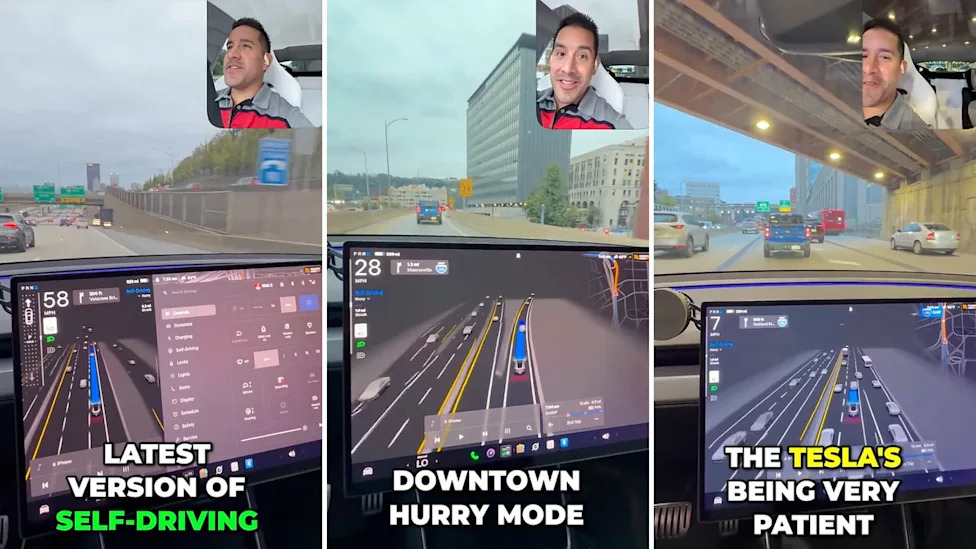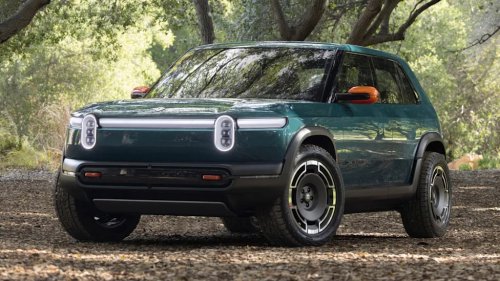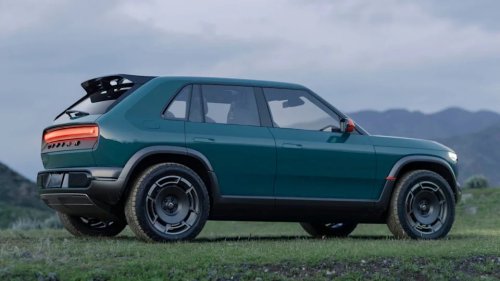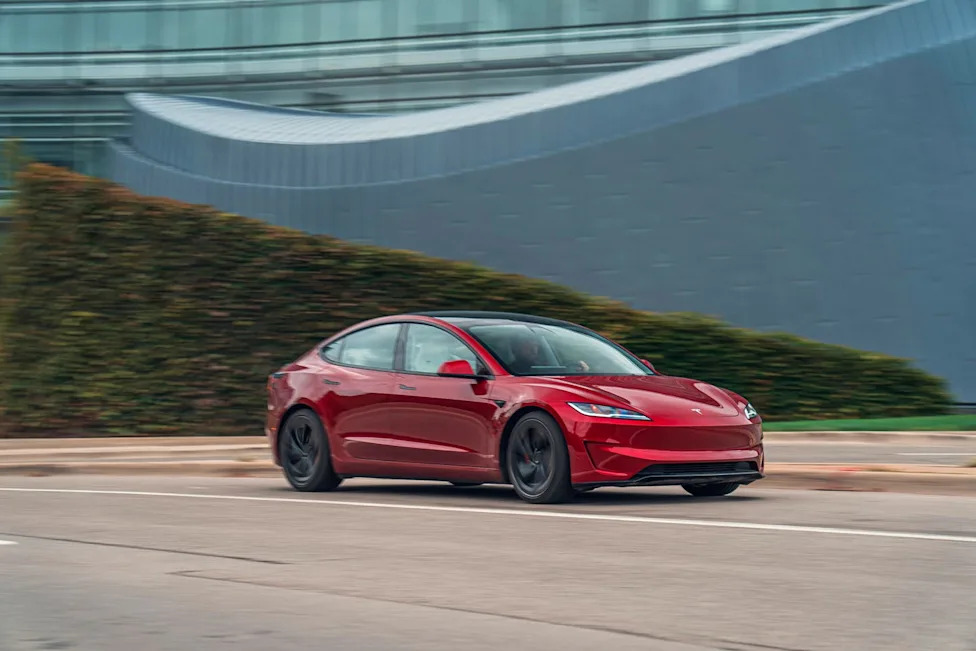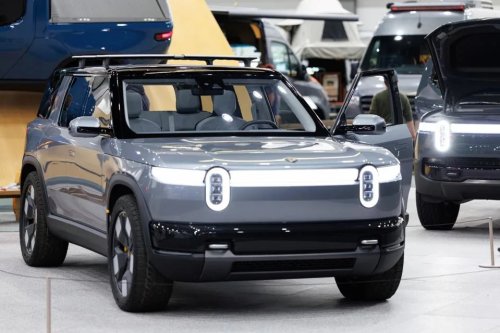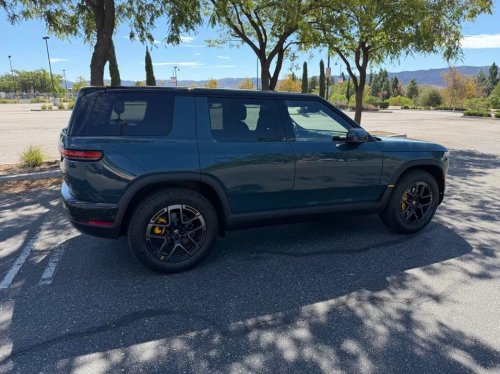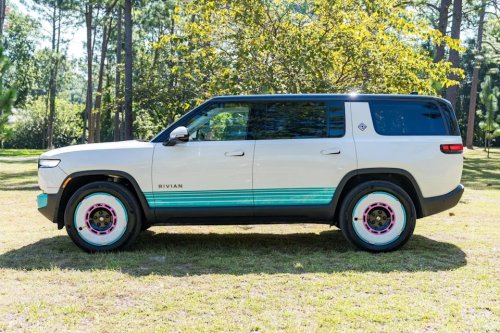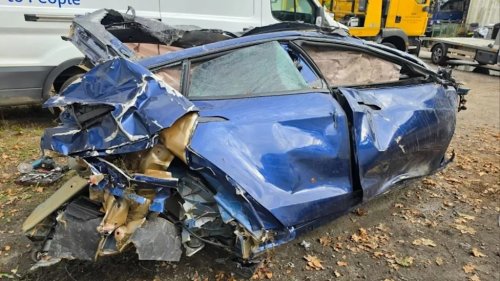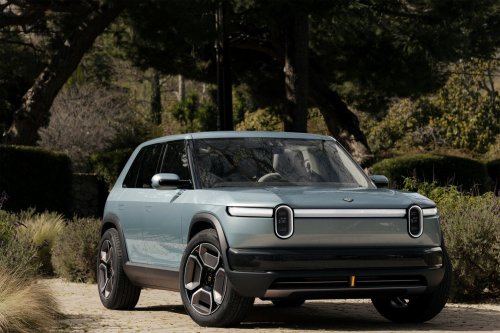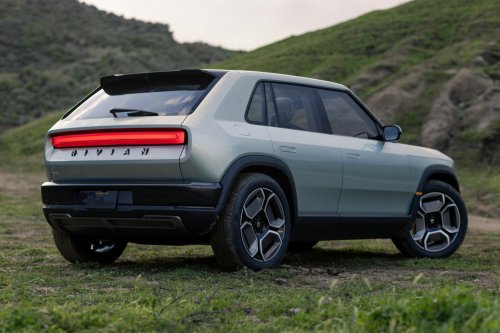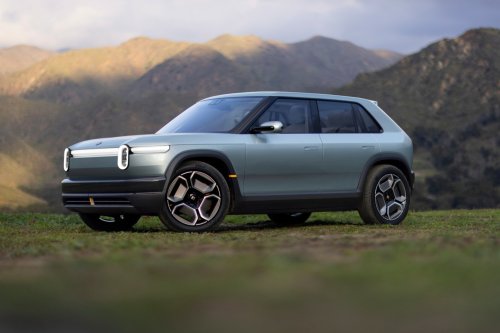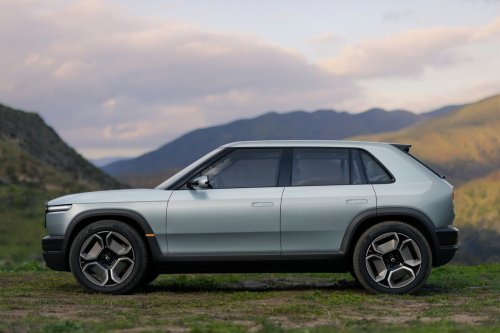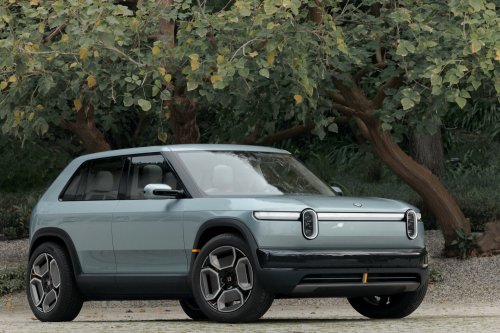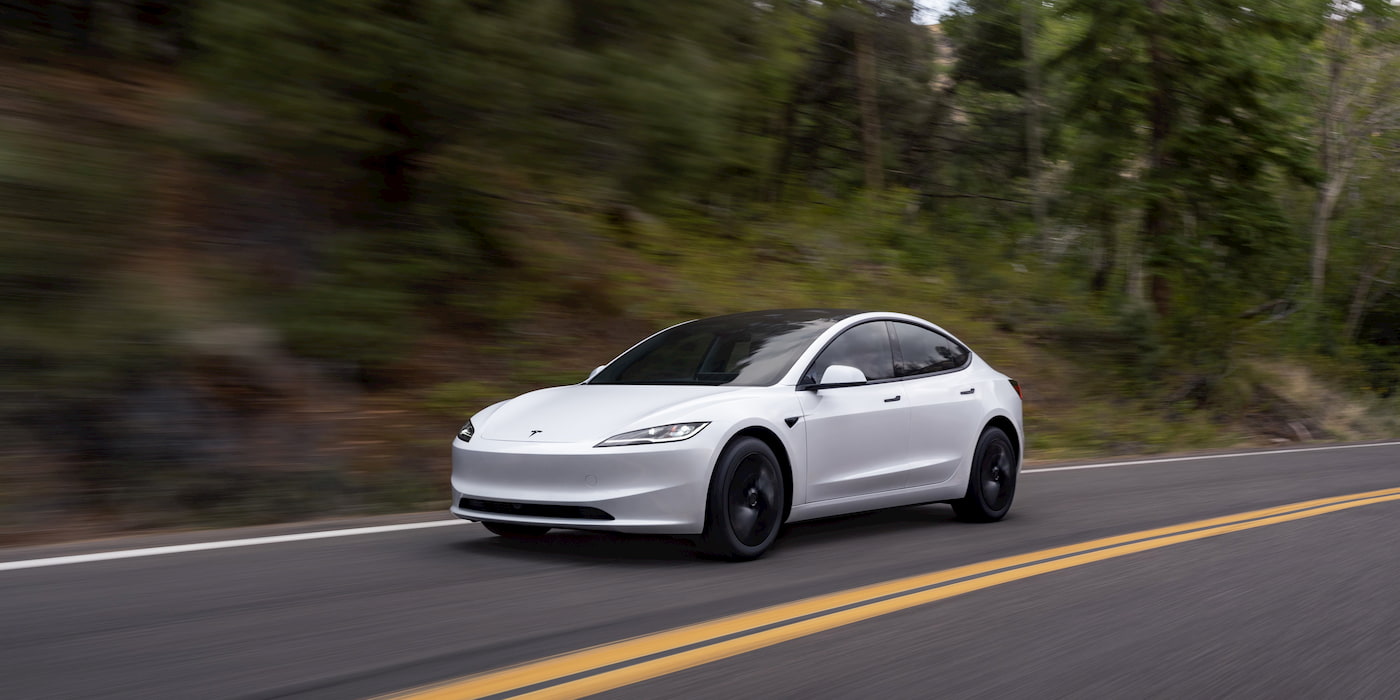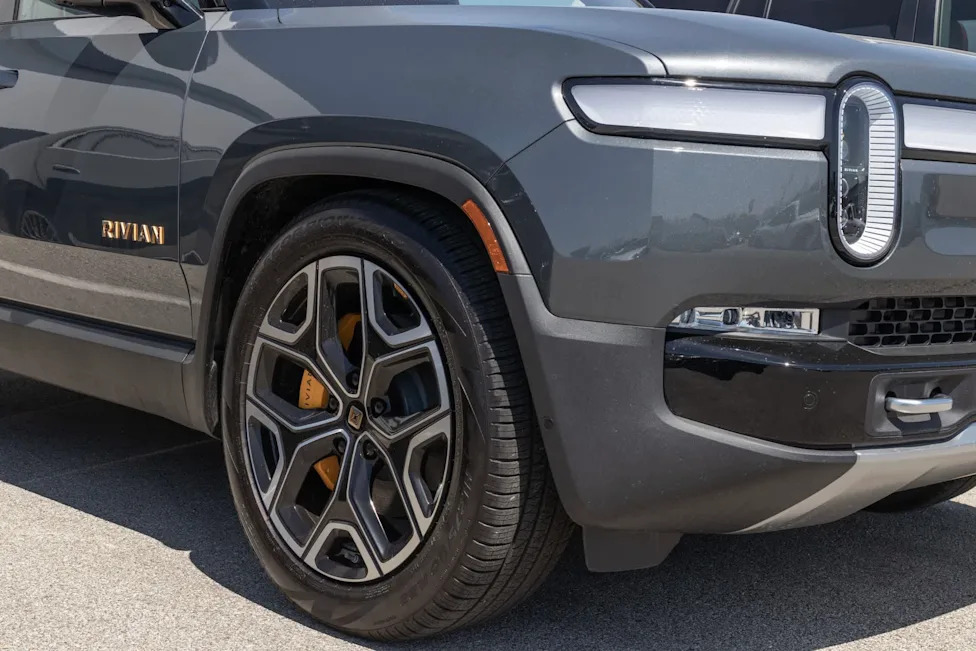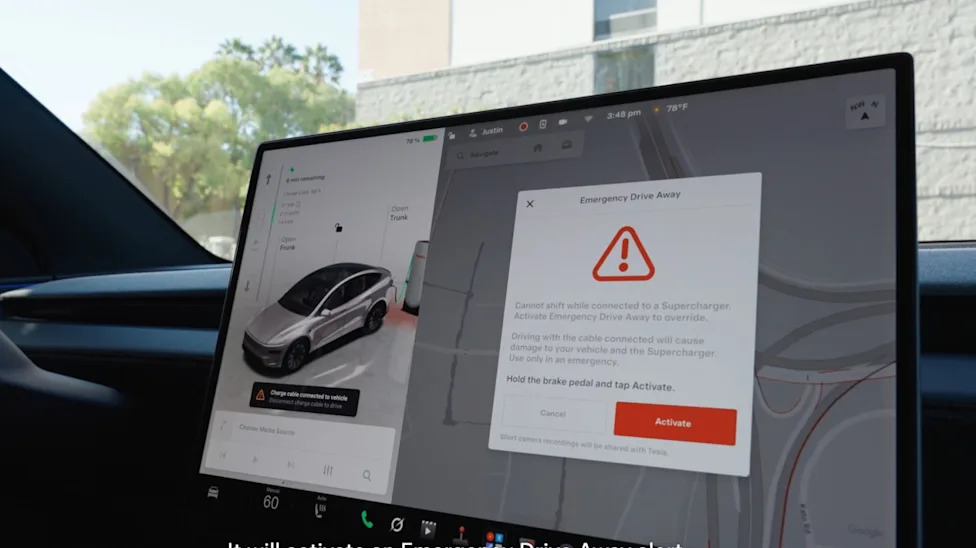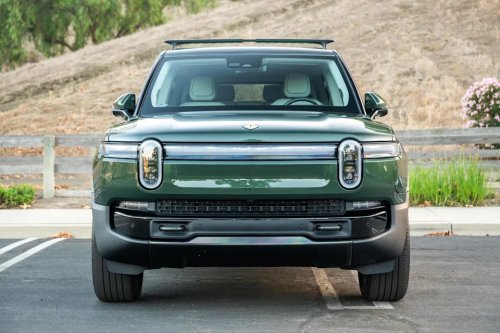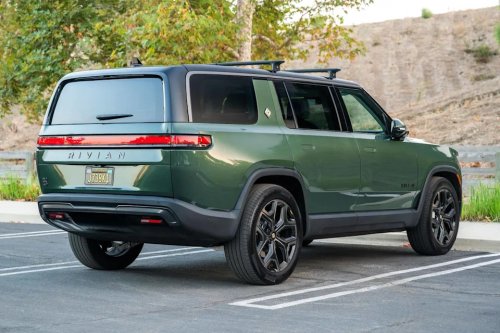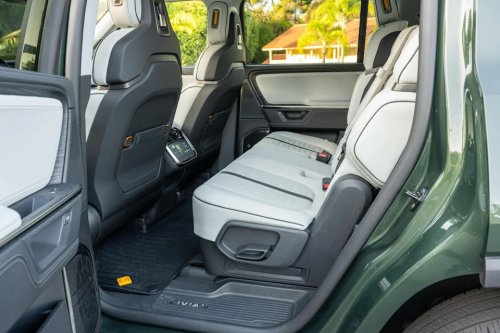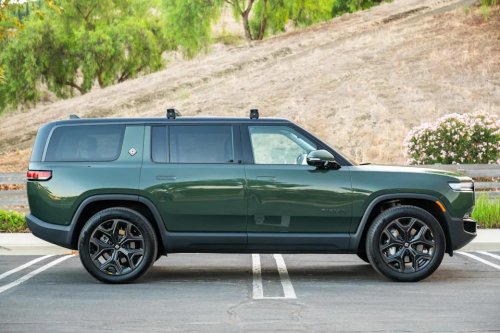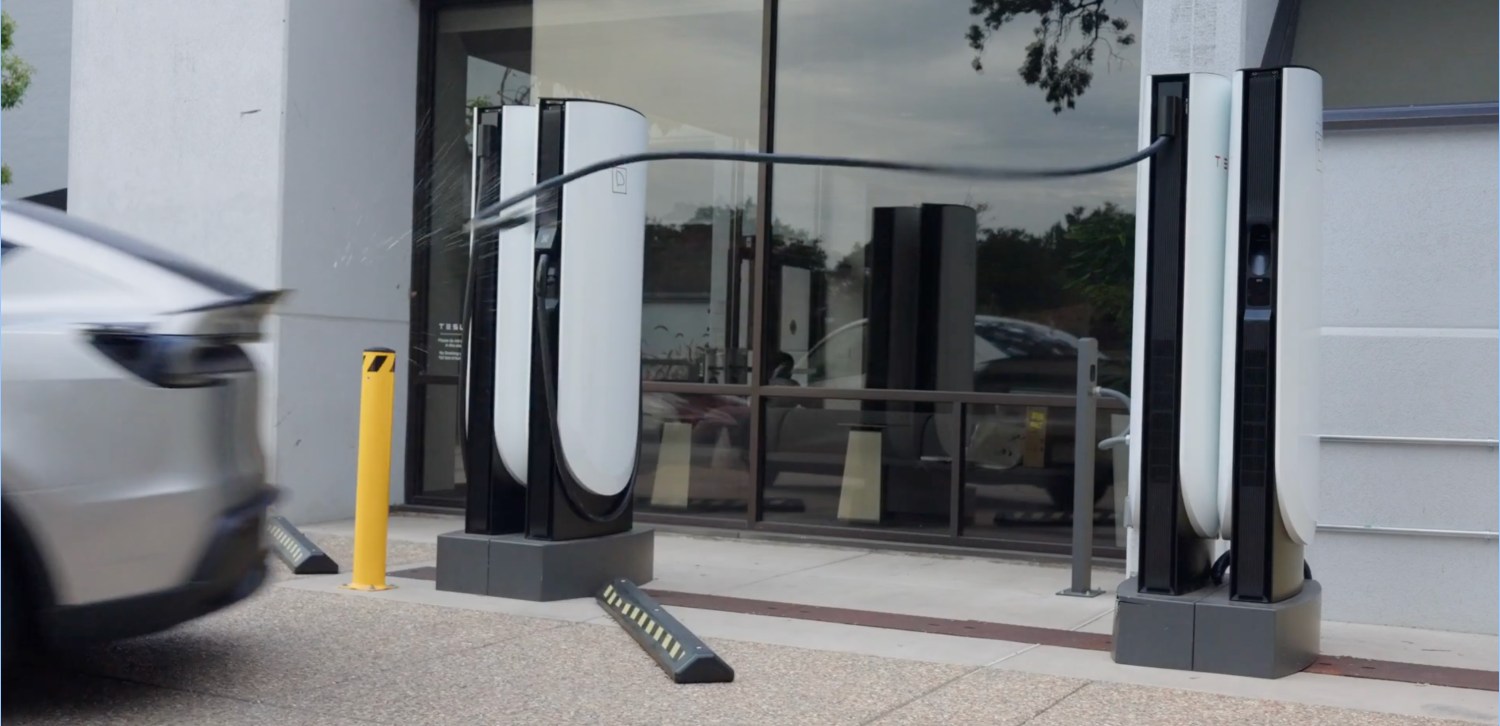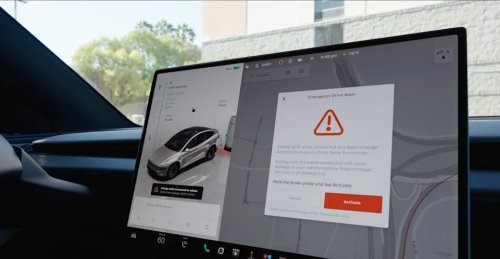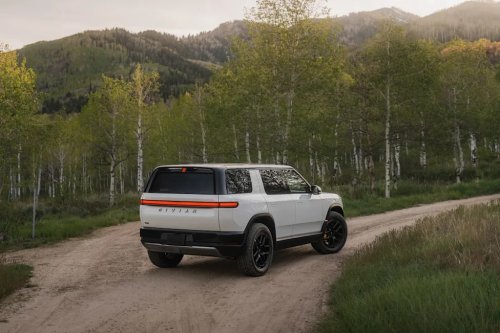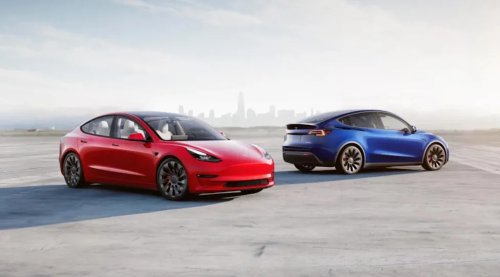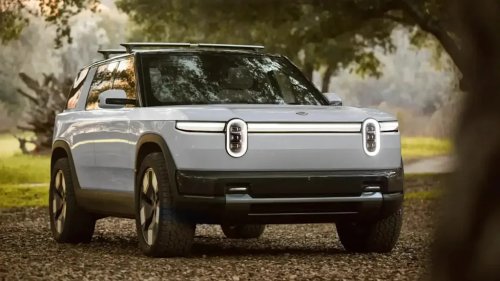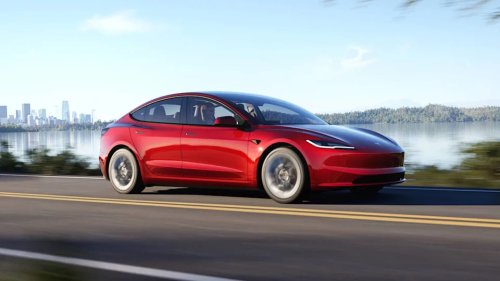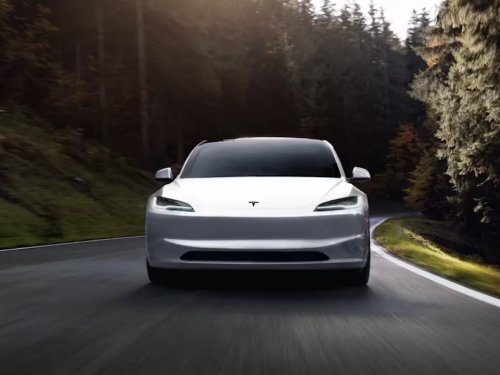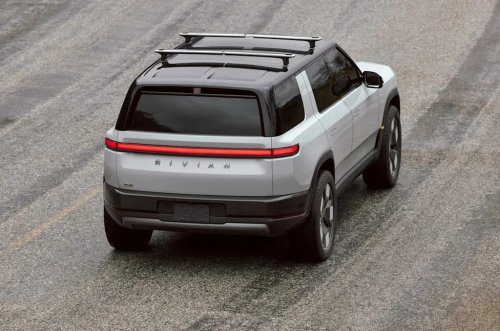
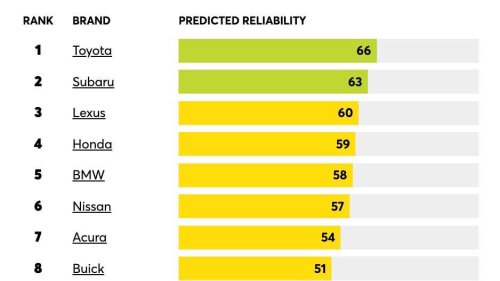
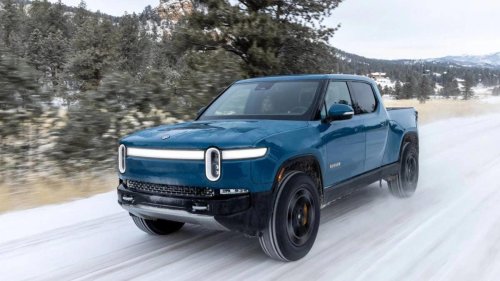
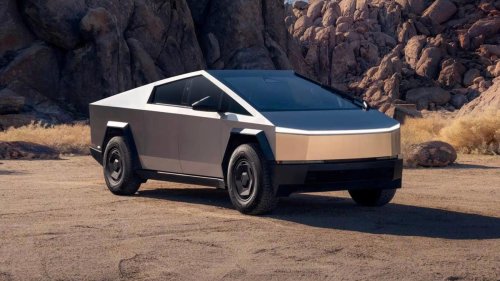
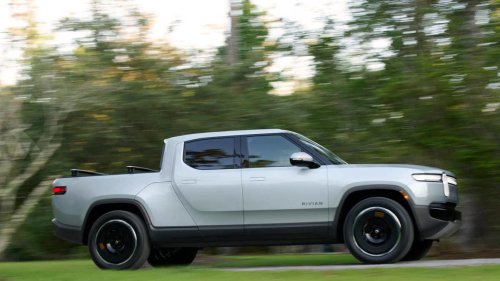
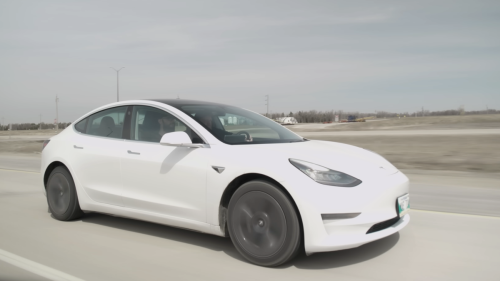



















No engines don't mean no problemsElectric vehicles don’t have the best reliability reputation, even though their powertrains have fewer moving parts than gas vehicles. Many are prone to charging, battery, and software issues that can be a serious frustration, especially for anyone expecting a more stress-free ownership experience. With all that in mind, how do two of the industry’s top EV carmakers—Tesla and Rivian—match up when it comes to reliability? Tesla has been at it for much longer, with its first vehicle being produced in 2008, whereas Rivian only began production of the R1T pickup in 2021. Does Tesla’s experience make for more reliable EVs or not? We consulted data from reputable sources like Consumer Reports and JD Power to find out.Consumer Reports: The Gap Is Huge One of the largest annual brand reliability studies is conducted by Consumer Reports (CR). In the latest study, approximately 380,000 vehicles produced between the 2000 and 2025 model years are assessed across 20 problem areas, which takes into account build quality issues, software failures, and powertrain defects. The study includes EVs, so we can also see how Tesla and Rivian compare to legacy automakers.In the latest study of 26 auto brands, Tesla ranked 9th and Rivian came dead last, at 26th. This was a major improvement from Tesla, which moved eight spots up the rankings since the previous study. It has a score of 50 for predicted reliability, whereas the top-ranked Toyota has a score of 66. The Model 3 and Model Y had the best results in the manufacturer’s lineup, while the Cybertruck exhibited below-average reliability. CR says Tesla had markedly fewer issues with body hardware, paint and trim, and electrical accessories. These are exactly the problems that plagued older Tesla models, so it’s promising to see the brand achieve better quality control. Rivian scored just 24, the worst in the study. The R1T and R1S, the brand’s only models for sale when the study was conducted, both scored poorly. In many ways, Rivian is where Tesla was several years ago. Its vehicles look good at a glance, but owners have had many problems with software, inconsistent build quality, and even drive-unit defects. As an example of this, the 2022 Rivian R1T has accumulated 11 recalls already.JD Power: Inconclusive Findings JD Power released the findings of its 2026 U.S. Vehicle Dependability Study (VDS) early in 2026, which is an assessment of problems owners faced with 2023 model-year vehicles after three years of ownership. In total, 33,268 respondents were asked about their vehicles, covering 184 problem areas. The results are inconclusive for both Tesla and Rivian, though.Tesla does not meet the study award criteria, so it has an unofficial score of 226 problems per 100 vehicles. If eligible, Tesla would have ranked 19th in the study, well below the industry average of 204 problems per 100 vehicles. For context, top-ranked Lexus had just 151 problems for every 100 vehicles. Rivian isn’t mentioned in the study at all, likely because the sample size was too small.The study did indicate that electric vehicles experience more issues than gas models but fewer issues than plug-in hybrids. Rivian Versus Tesla: Which Brand Makes The More Reliable Truck? These electric pickups have been on sale for a few years now, giving us a chance to see how they compare with each other in terms of dependability. We’ve used available JD Power quality and reliability scores over the last few model years.Model YearR1T Quality & Reliability ScoreCybertruck Quality & Reliability Score202671/10086/100202571/10086/100202469/100N/A2023N/ANot sold2022N/ANot soldLooking at Rivian vs Tesla recalls reveal early teething issues for both vehicles. They suffered from a high number of early recalls, with 11 each for the 2022 Rivian R1T and 2024 Tesla Cybertruck. The NHTSA lists more complaints for the early Cybertruck, with 153 for the 2024 model year. The R1T has 59 complaints for 2022, its worst model year.Rivian’s R1T recalls include the following:Airbag defectsSteering knuckle and control arm could separateAuto-Hold or Park may not activateSeat belt retractor faultsToe link joint could separateSome of these problems could be remedied with a software update, while others required new parts. For the Cybertruck, its early recalls included the following issues:Wheel studs could separateExterior light bar could detachLoss of drive power due to inverter faultRearview camera display faultUnintended accelerationFront windshield wiper failureAs with the Rivian, the Tesla’s issues include electrical gremlins and trim issues. Incidents involving Tesla's Full Self-Driving suite are well-documented, too.Teslas Can Last A Long Time Tesla has been around for long enough for us to know that they’re entirely capable of lasting for hundreds of thousands of miles. In an iSeeCars study of car brands most likely to last for at least 250,000 miles, Tesla ranked sixth, above established automakers like Mazda and Ford. We’ve also come across multiple stories of Teslas reaching over 300,000 miles on their original batteries, even if the range had degraded. We can only look at Rivian battery vs Tesla battery longevity a few years from now; Rivian simply hasn’t been around for long enough for us to get a sense of how its models will fare at high mileages.Final Verdict: Tesla Wins In the only conclusive study involving both brands, Tesla came out significantly ahead of Rivian. Tesla appears to have made tangible improvements to its vehicles after years of complaints about quality, although it hasn’t completely been able to shrug off software troubles. Rivian is at a much earlier phase in its journey and it shows. Coming in at the very bottom of the Consumer Reports study is a concern, but it also means the company has nowhere else to go from here but up. For now, neither EV company makes the most reliable cars in the industry, but Tesla is the safer choice. Rivian will be hoping to change this as it scales up production and the more affordable R2 begins reaching customers.