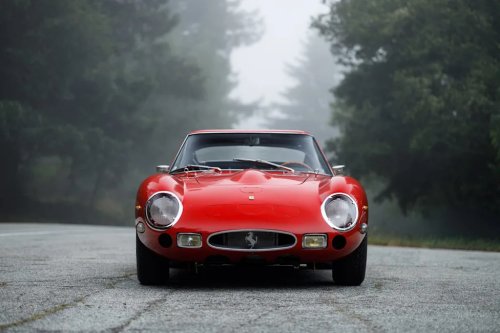
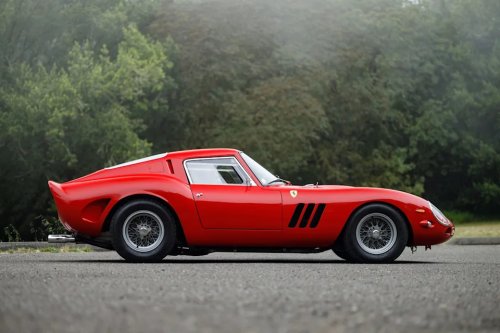
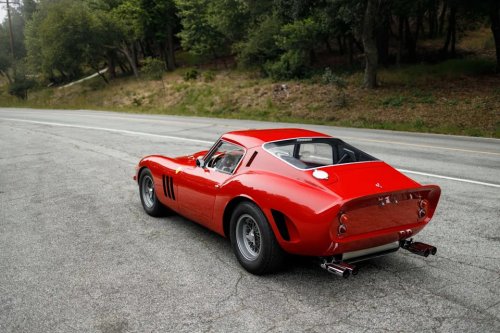
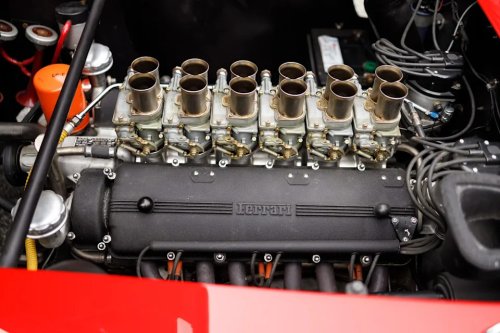
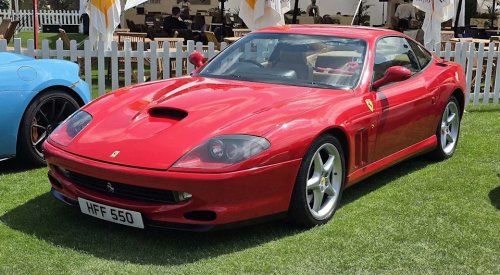
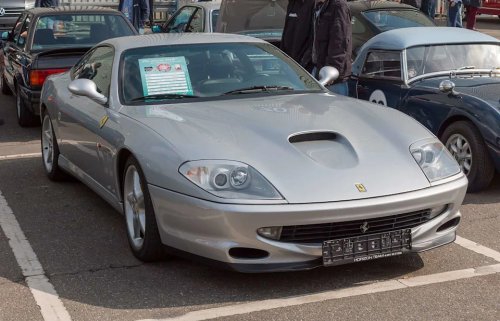
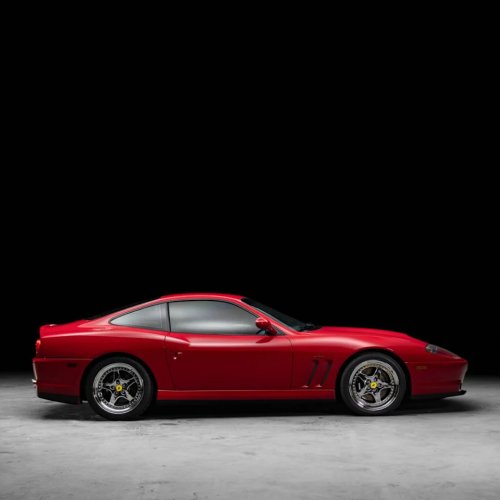
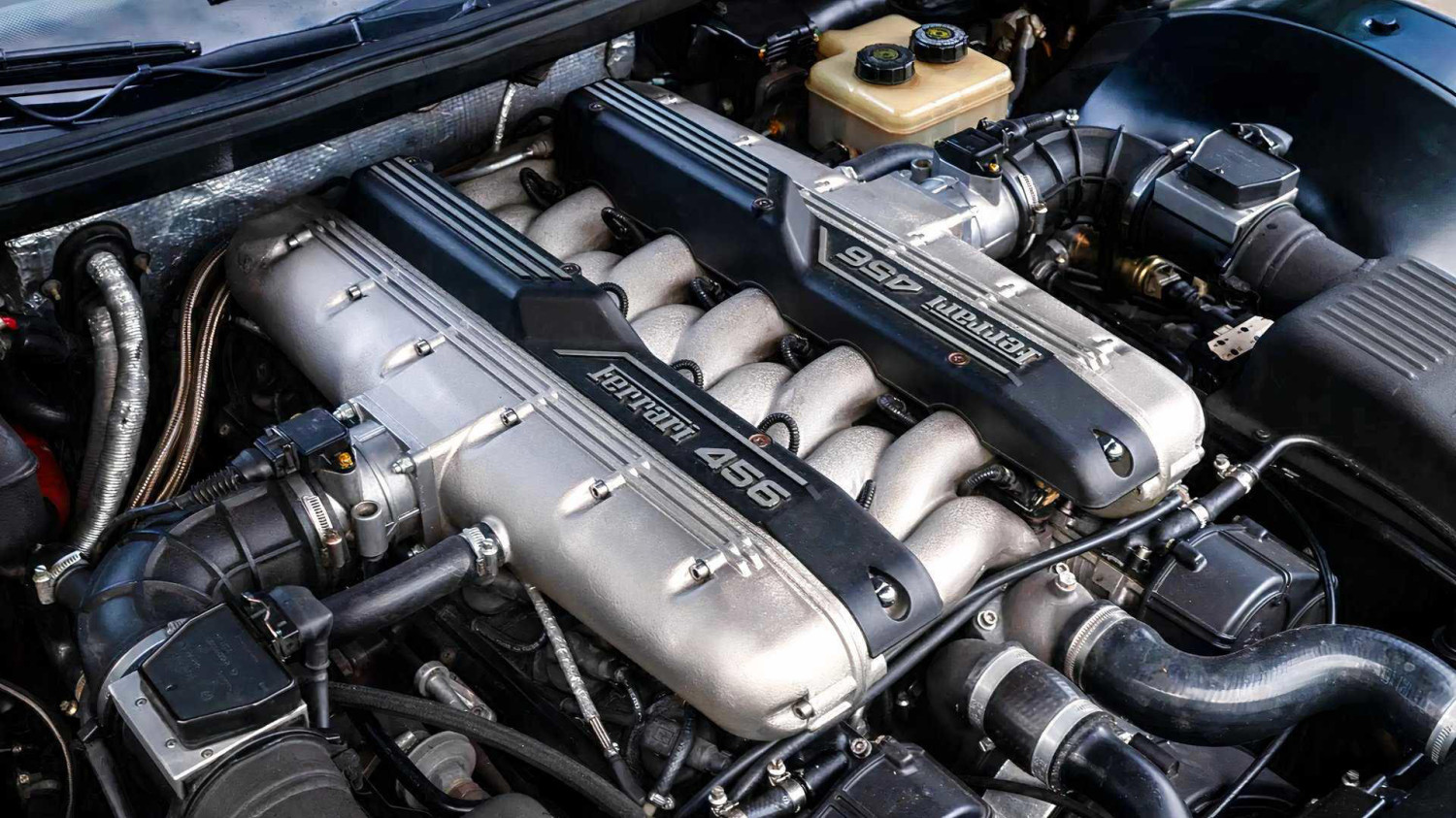
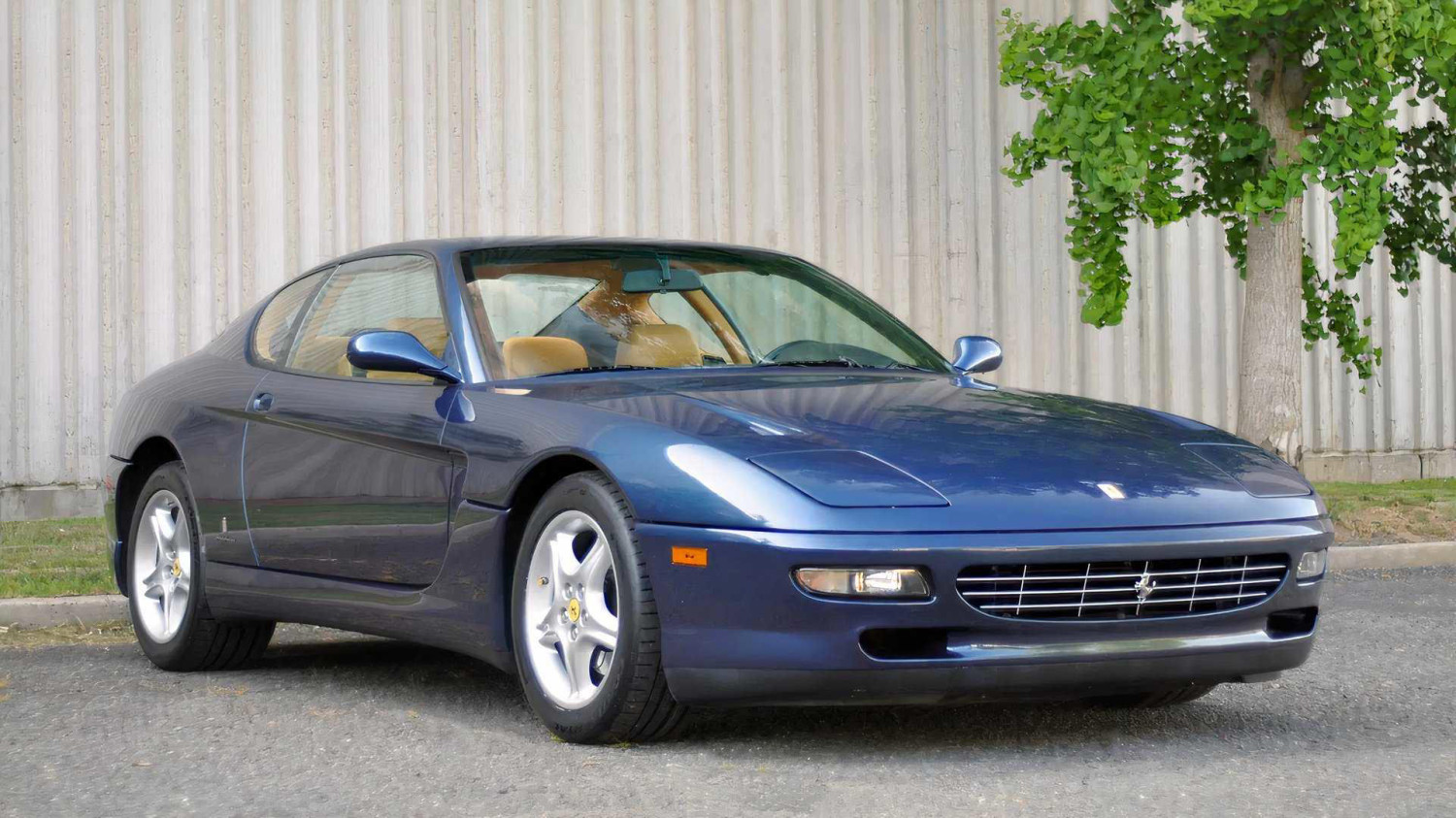
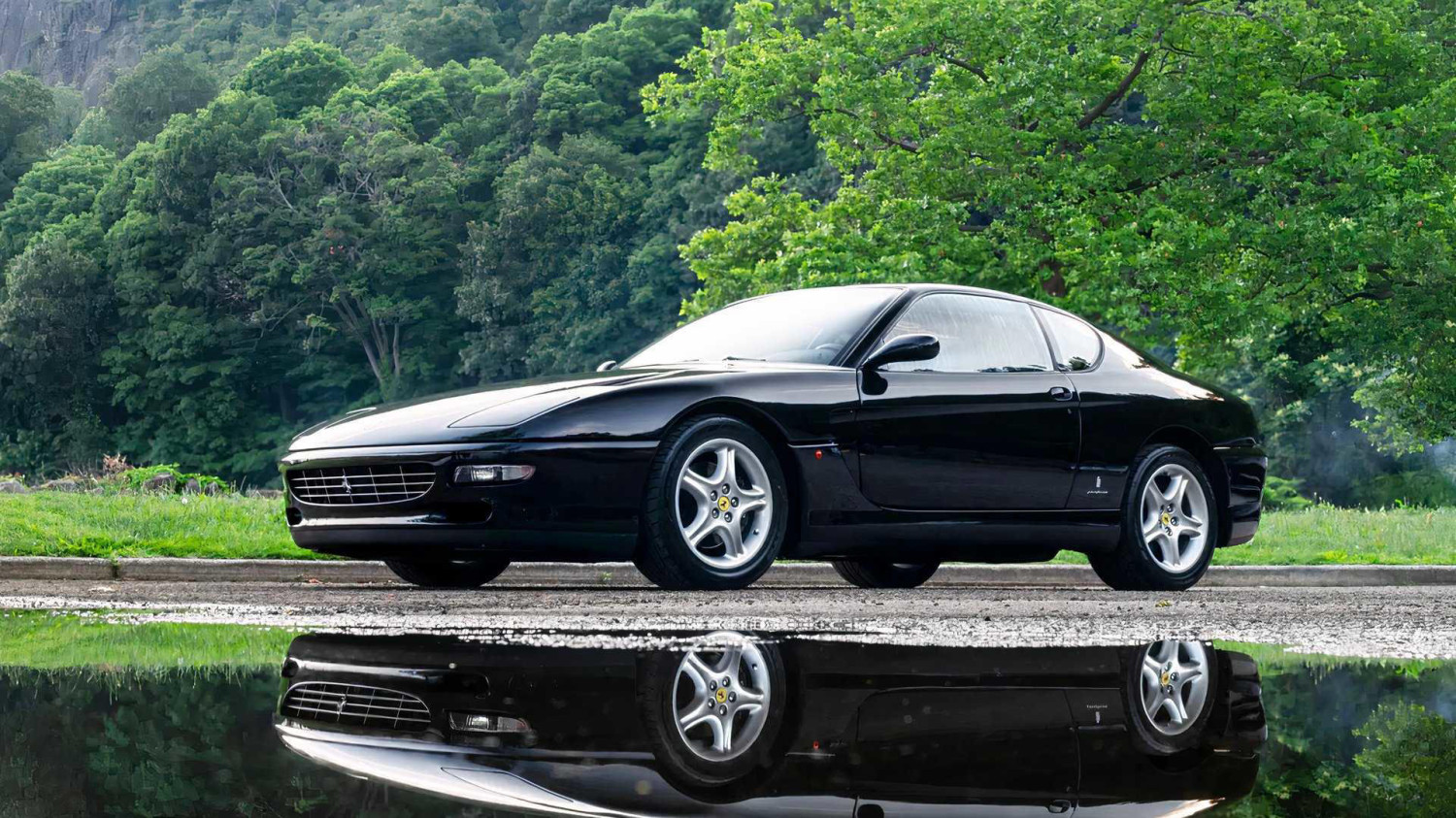
A European giant in the automotive industry, Ferrarihas never been a brand that wanders off script. Every model reinforces the badge, and even its oddballs tend to follow familiar lines. Even when Ferrari does build something different, it usually demands attention.Yet, the Ferrari we’re talking about today was never built to be noticed. You see, at some point in the 1990s, Ferrari approved a project that didn’t fit neatly into its history or its lineup. There was no public explanation, no official positioning, and no attempt to fold it into the brand’s mythology.Everything about this Ferrari runs against expectation. The layout makes sense, but the shape doesn’t. Sure, the intent is pure Ferrari, but the result challenges what most people think the prancing horse has ever stood for. It’s the kind of car that sounds like a misunderstanding when described, even to the biggest Ferrari enthusiasts.That’s why not even most diehard Ferrari gearheads know about this V12 mystery project. And, Ferrari didn’t really want them to. This wasn’t an experiment meant to redefine Ferrari. It was a private decision, made quietly, with no concern for how it would be remembered. And that’s exactly what makes these Ferrari V12 wagons special, and some of the most unusual builds to ever sport the prancing horse, even three decades later. The Ferrari That Was Never Meant For Showrooms The Ferrari 456 GT “Venice” is one of those cars that sounds made up, but it's very real and very cool. Built in the mid-1990s, this front-engine V12 Ferrari wagon existed entirely outside Ferrari’s normal production plans. It was never shown at an auto show, never listed in a brochure, and never offered to customers – and that was the point.The Venice estate was commissioned as part of a private order placed during the 456 GT’s production run, with Ferrari and Pininfarina working quietly to re-engineer the elegant grand tourer into something Ferrari had never officially sold before. The result was a long-roof, two-door estate that retained the 456’s naturally aspirated 5.5L V12, rear-wheel-drive layout, and refined GT character. However, it was uniquely its own, too, with a completely reworked rear structure and extended roofline. While nothing is concrete, most automotive historians agree that six or seven Venice wagons were built, along with a single four-door sedan developed alongside them. Ferrari has never published an official production figure. Even by Ferrari standards, this was an extreme rarity. These cars were never meant to be seen, reviewed, or compared. They were built to satisfy one client, not a market.What makes the 456 GT Venice so unique isn’t just that it’s a Ferrari wagon. The Venice didn’t chase practicality or try to keep up with the trends. It made a statement about excess, influence, and the flexibility of Ferrari’s design language when money and access removed every constraint. How A Front-Engine V12 Became An Estate Without Losing Its Identity via Bring A TrailerThe heart that sits in the engine bay of the Ferrari 456 GT “Venice” is the same V12 that defined the standard 456 GT. Ferrari’s naturally aspirated 5.5-liter V12 was never designed to be practical. It was simply outrageous from the start, and that’s exactly why it worked here. This was a proper grand touring engine, built for smooth power delivery, long-distance refinement, and effortless speed rather than outright theatrics.In its original coupe form, the 456’s Tipo F116 V12 produced around 436 horsepower and 406 lb-ft of torque, paired to either a six-speed manual or a four-speed automatic. Those fundamentals didn’t change for the Venice estate. Ferrari didn’t try to make the Venice Estate a wagon by any sense of the imagination. You see, there was no effort to detune the engine or try to make it more “wagon-friendly.” The drivetrain remained intact, delivering the same thrilling performance the 456 was known for.via Bring A TrailerDespite the extended roofline and reworked rear bodywork, the car still behaved like a Ferrari GT. Weight distribution stayed close to the original thanks to the front-engine layout and transaxle design, which helped to preserve the balance and composure that made the 456 such an effective high-speed cruiser. So, no, this wasn’t some novelty conversion that sacrificed dynamics for shape.Ferrari and Pininfarina also resisted the temptation to overdesign the estate body. The Venice retained the 456’s restrained proportions and understated presence. In the end, the Venice wagon proved something important. Body style is not what truly makes a Ferrari. You see, the Venice wagons embody the notion that having a Ferrari heartbeat will always be tied to engineering and balance. Because even as an estate, the 456 never stopped being a Ferrari. Built For A Collector Who Didn’t Care About Rules Or Rarity The 456 GT Venice isn't really something Ferrari actually wanted to build in the first place. In fact, gearheads should understand that the Ferrari 456 GT Venice exists for one reason, and one reason alone – thanks to the Bolkiah royal family of Brunei.During the 1990s, the Bolkiahs’ collection was already legendary, but they clearly wanted more. Thus, buying regular old classics couldn’t satisfy this royal family any longer. While sources vary, the wagon was either commissioned by Prince Jefri Bolkiah or his brother, the Sultan Hassanal Bolkiah. The latter owned the vast majority of the collection, as he held one of the most prolific private car collections the world has ever known, adding to the confusion.While the Venice wagons were special, they weren’t entirely unique, either. You see, these Ferrari wagons were actually just one of multiple ultra-secret commissions placed by the Bolkiah family. Another example commissioned by the royals is the Ferrari 456 GT Spyder, a unique full convertible that Ferrari never offered publicly. In fact, it’s even rarer than the Venice wagons, as only two were ever built.via Bring A Trailer Now, beyond the relationship between the Bolkiah family and Ferrari, we have to look at the relationship between Ferrari and Pininfarina.You see, Ferrari, working closely with Pininfarina, was asked to take the refined, front-engine V12 456 GT and turn it into something no Ferrari showroom would ever sell. The brief was simple: build it because it could be built. Plus, it helped that the royals had deep enough pockets and influence to see this crazy Ferrari creation into existence.As a result, practically none of Ferrari’s usual rules apply to this wagon. These one-off Ferrari builds were never homologated for public sale, never marketed, and never acknowledged in official catalogs. That freedom allowed Ferrari to approve a body style that would have been unthinkable as a production model.In addition, what makes this commission so unusual is how little the royal family cared about visibility. These weren’t halo cars meant to impress crowds or headlines. They were built to be used privately, driven sparingly, and kept far from public view. That secrecy is why documentation is limited, and production numbers remain uncertain. In the end, Ferrari bent its own rules not to chase innovation or publicity, but to satisfy a collector who didn’t collect trophies, but collected possibilities. Why Even Hardcore Ferrari Fans Rarely Know This Car Exists The Ferrari 456 GT Venice didn’t become obscure by accident. It disappeared because it was never meant to be part of Ferrari’s public story in the first place. Unlike concept cars or anniversary models, the Venice was built quietly and delivered even more quietly. There were no press launches, no road tests, and certainly no magazine features explaining why Ferrari suddenly built a wagon.Part of that anonymity comes down to documentation. Ferrari never officially listed the Venice in production records, brochures, or model histories. Even today, it exists mostly through scattered photographs, secondhand accounts, and diehard gearheads sharing stories about Ferrari’s one-off projects.The private nature of the commission made things even murkier. These cars were delivered directly to a collection that prized secrecy. They weren’t shown at concours events or offered at high-profile auctions. For years, they stayed behind closed doors, surfacing only occasionally in grainy images or whispered references among collectors.There’s also a branding factor at play. Ferrari fans are conditioned to associate the marque with coupes, convertibles, and mid-engine exotics. A front-engine V12 wagon doesn’t fit the mental template. Thus, many enthusiasts assume Ferrari wagons simply don’t exist, so they never go looking.Today, the 456 GT Venice occupies a strange space in Ferrari’s story. For the gearheads who stumble across it today, the reaction is usually the same. Yes, it’s usually shock, followed by a rightful disbelief. Then, like any good gearhead, curiosity takes over. That’s what makes the 456 GT Venice so compelling today. It isn’t just rare. It feels hidden – known only to gearheads willing to do a little digging into the Maranello archives (and, of course, those who follow HotCars).Sources: Classic Driver, Hagerty.

















 +78 others