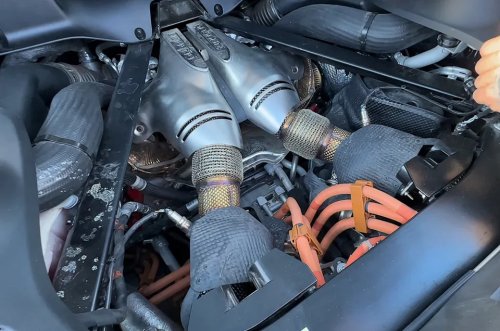
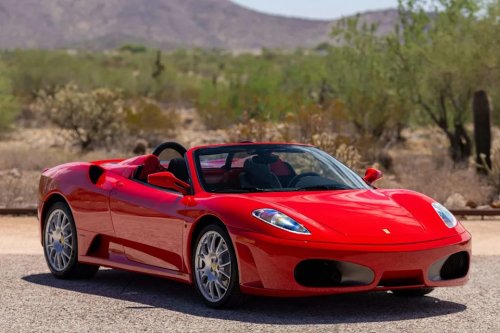
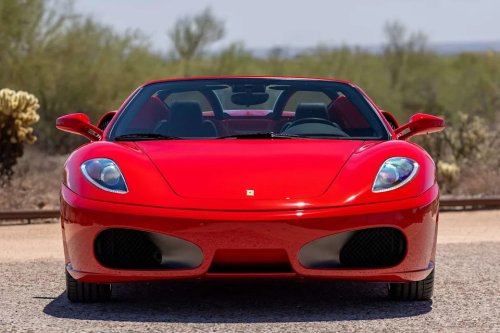
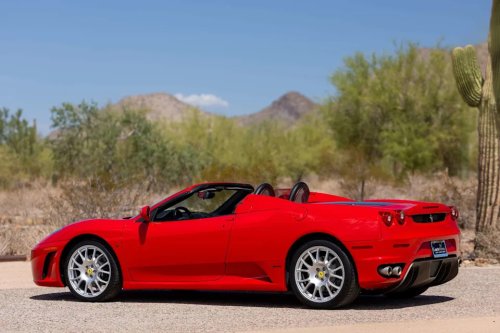
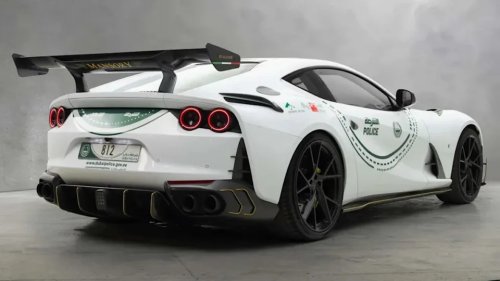
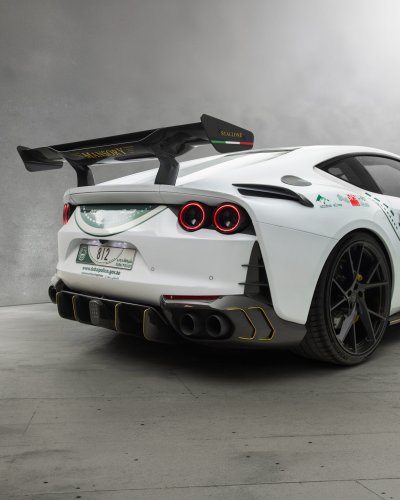
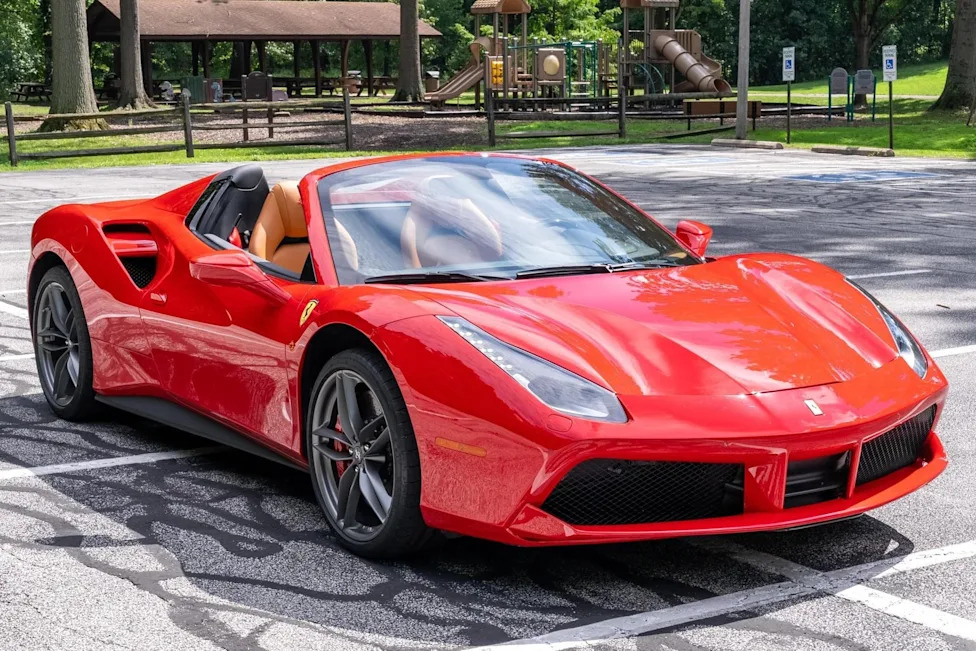
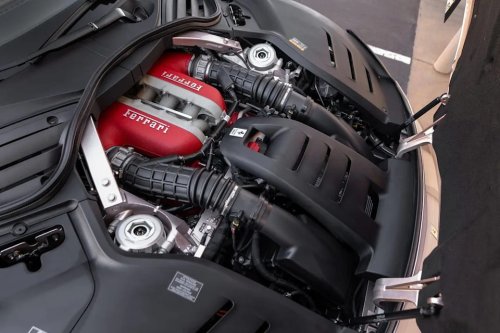
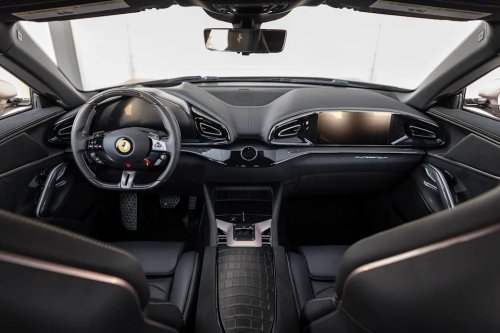
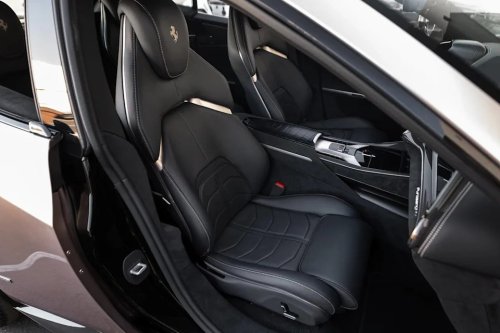
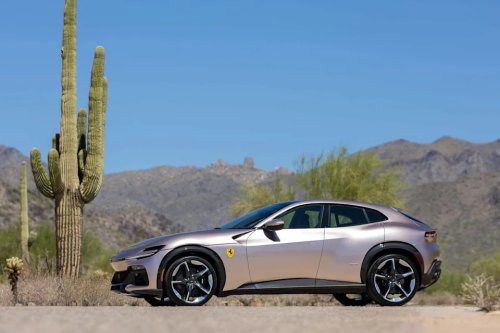
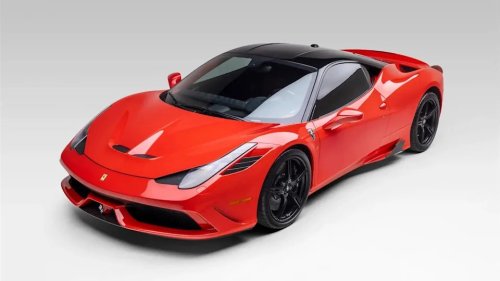
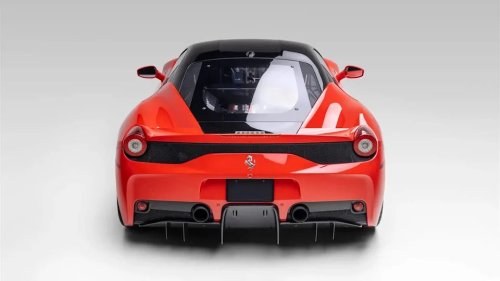
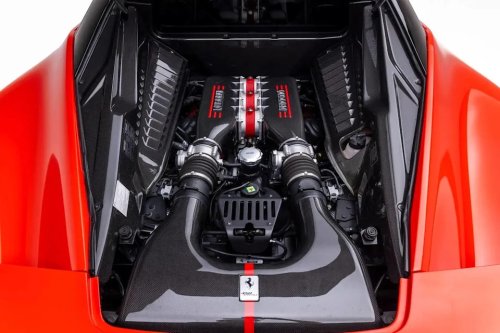
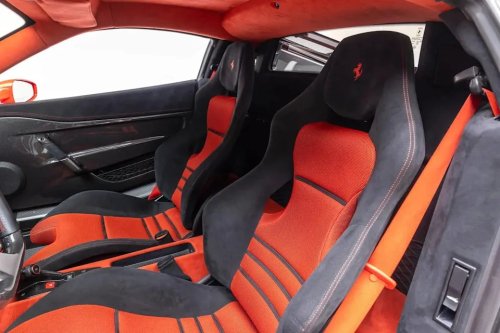
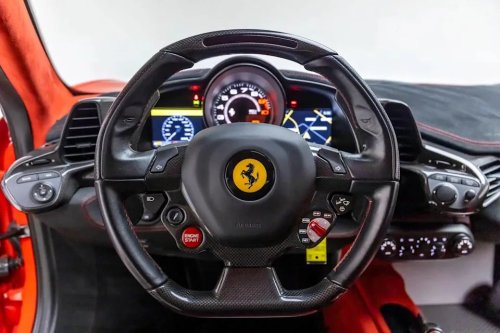
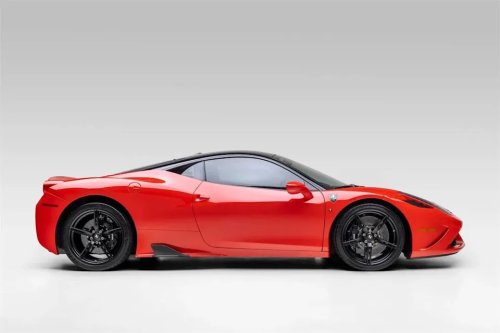
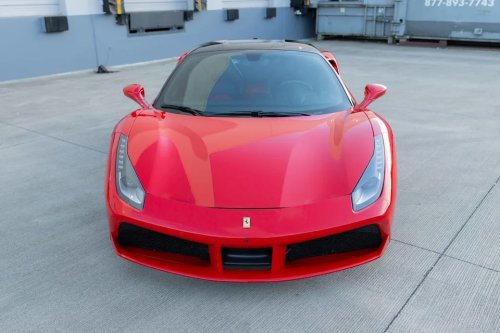
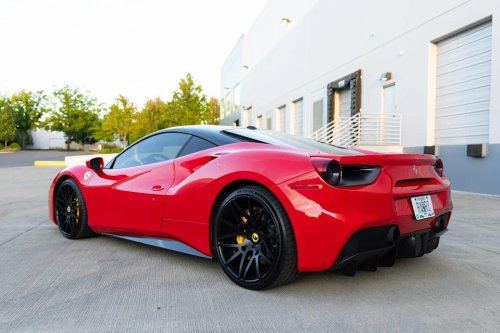
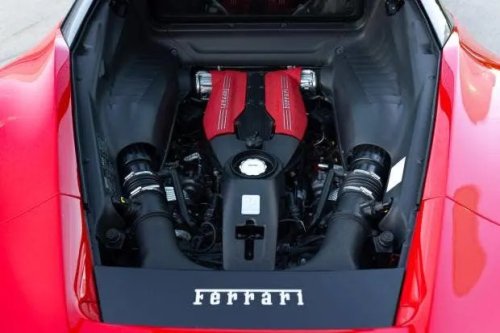
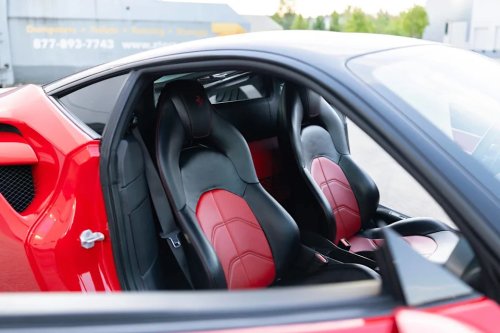
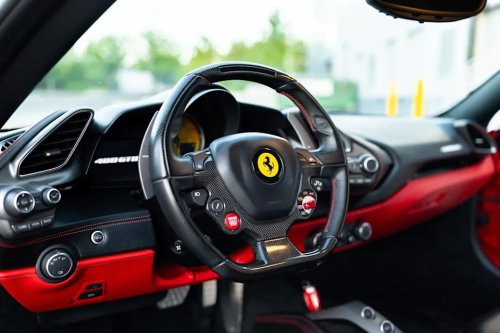
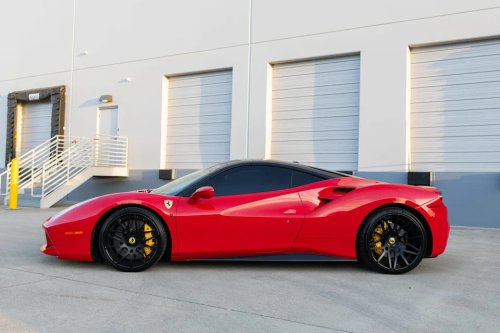
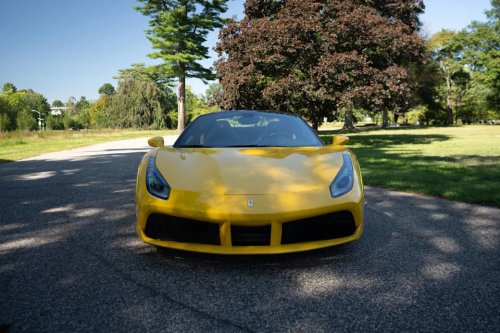
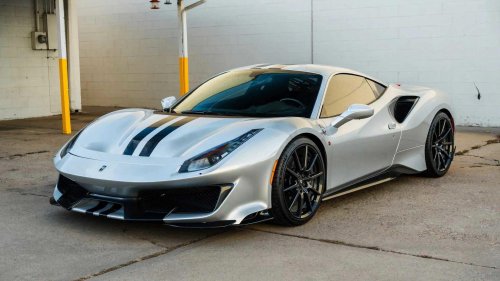
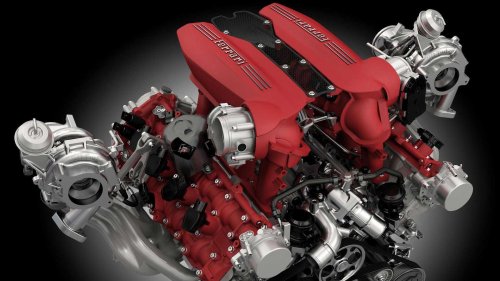
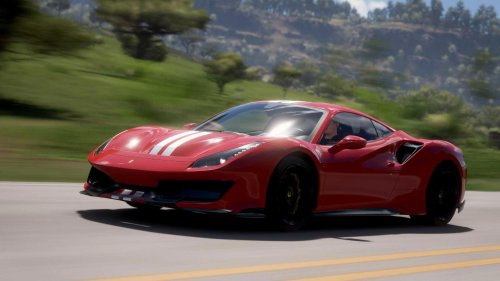
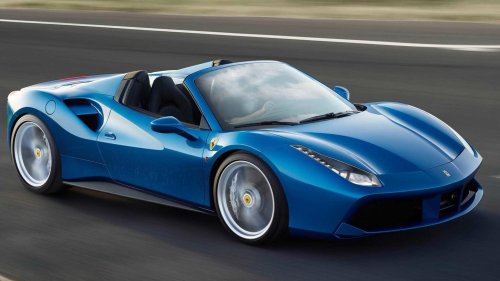
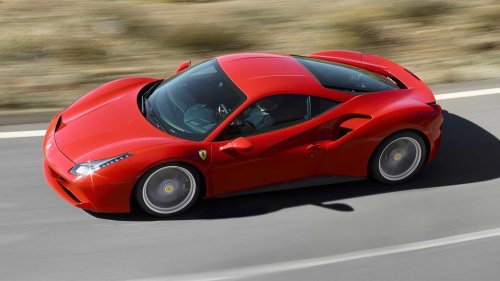
When Ferrari changed the Ferrari 458 Italia’s throaty naturally aspirated V8, enthusiasts pushed back hard. Enthusiasts feared that the turbochargers would strip away the emotion, mute the sound, and dull that exciting response that modern Ferrari V8s were known for. However, when the Ferrari 488 GTB arrived, the conversation changed completely. As a product of Maranello, the Italian city that produced some of the world’s most beloved supercars, the 488 had everything to prove.The new engine was more powerful, brutally efficient, faster, and sharper, delivering the kind of performance that the 458 couldn't match, and redefined what a mid-engine Ferrari could do. At first, critics expected compromise, but the twin-turbo gave them evolution. However, the 488's story evolves with every variant of the model. Starting from the hard-edged GTB and moving on to the open-top Spider, then the GTE bred for racing, and then the Challenge cars and the ferocious Pista, the 488's lineup was built to cover Ferrari's entire engineering spectrum. From Screaming V8s To Turbo Dominance: How Ferrari Reinvented The 488 Bring A Trailer Ferrari created a benchmark for naturally aspirated supercars when it released the 458 Italia in 2009, powered by a 4.5-liter V8. This naturally aspirated beast was designed to rev past 9,000 rpm, while delivering the kind of soundtrack and razor-sharp throttle response Ferraris were revered for. However, by the mid-2010s, when emission regulations tightened even further, replacing it while maintaining peak Ferrari standards and even pursuing greater performance became inevitable, however difficult such a feat would be.Ferrari gave enthusiasts that answer at the 2015 Geneva Motor Show when they unveiled the Ferrari 488 GTB. Ferrari switched out the 458’s naturally aspirated engine for a significantly more powerful 3.9-liter twin-turbo V8, delivering more torque and more punch when you floor the throttle across the entire rev range. If meeting regulations was the goal, Ferrari exceeded it by also redefining performance without sacrificing engagement.By 2015, the lineup started with the 488 GTB coupe, and the open-top Ferrari 488 Spider followed later that year. The platform was expanded by the next year to include a motorsport edition, the Ferrari 488 GTE endurance racer, and the Challenge for the one-make series competition. By 2018, Ferrari launched the pinnacle of the lineup, the track-focused 488 Pista, adding its Spider counterpart in 2019. By 2020, Ferrari was done with the 488 and handed the baton to the F8 Tributo, but by then, they had proved that turbocharging could enhance, not dilute, Ferrari’s identity. 661 Horsepower Of Twin-Turbo Fury: Unpacking The Ferrari 488's Performance Numbers FerrariThe Ferrari 488 GTB’s 3.9-liter twin-turbocharged V8 is one of Ferrari’s most important modern engines. This engine from the F154 family delivers 670 horsepower and 561 lb-ft of torque, almost 100 horsepower more than the outgoing Ferrari 458 Italia. However, this was just the tip of the iceberg; the real story was in how that power was delivered. Ferrari had this twin-turbo setup specifically engineered to avoid the problems of forced induction, getting the engine to build power progressively through a carefully mapped torque curve and variable boost management. It was built to deliver massive mid-range thrust and still be able to mimic the linear feel of a naturally aspirated engine. And just like that, a car without the lag or unpredictability many feared and still feels explosive at any speed was born.This engine gave the 488 GTB 0–60 mph rocket acceleration in just 3.0 seconds and kept climbing to a top speed of 205 mph. So, while the 458 demanded revs, the 488 delivered instant acceleration. When the Pista hit the Nürburgring Nordschleife circuit, it recorded pure supercar lap times in the low seven-minute range. To do this, Ferrari did a lot of work on the chassis and aerodynamics. They paired their Side Slip Control (SSC2) system with the magnetorheological dampers to maximize grip without the driver sacrificing input. The 488 was designed to generate roughly 50 percent more downforce than the 458, while the Pista uses aggressive aero revisions to add another 20 percent on top of that. GTB, Spider, Or Pista? A No-Nonsense Guide To Every Ferrari 488 Variant Kudos Prime The Ferrari 488 GTB is the foundation of the entire lineup, producing 670 horsepower, with full creature comforts and a fixed-roof coupe body, meaning it offered the best balance between outright performance and everyday usability. This variant was produced between 2015 and 2019, although some deliveries still went out in 2020. With roughly 7,000 units produced, the GTB is the most common variant of the lineup and the most accessible entry point into 488 ownership. But then, the ladder climbs into the Ferrari 488 Spider, which adds a retractable hardtop that folds away in just 14 seconds to everything that makes the GTB great. The retractable Hardtop added around 50 kg of weight to the car, but that didn't damage its performance. This is the variant that gives that emotional, top-down driving experience enthusiasts love. But rest assured that the added drama costs a premium on the used market.The Ferrari 488 Pista (meaning “track”) is the purist’s choice. This is the 711-horsepower variant, which is 90 kg lighter than the GTB and far more aggressive in a lighter and sharper package. This variant used titanium connecting rods, carbon fiber panels, and an Inconel exhaust system. Ferrari built limited units of the Pista. The exclusivity goes a rung higher with the open-air 2019 Pista Spider, one of the most desirable modern Ferraris. Specifically for the track, Ferrari developed the non-road legal 488 GTE to compete in endurance racing, including Le Mans, partnering with the GT3, the most successful race car in Ferrari's history, winning over 600 race victories and more than 110 championship titles globally by 2023. This variant actually produced 600 horsepower, despite being a race car, due to Balance of Performance rules. Meanwhile, the variant built for Ferrari's one-make series, another non-road legal version, was the 488 Challenge. Buying A Used Ferrari 488: The Honest Checklist Every Buyer Needs Ferrari If you're interested in getting a Ferrari 488, aim for 2017–2020 cars. The cars produced in these later years had meaningful factory refinements over earlier years, like improved component durability and updated software. If you have the budget for it, it's better to go for those with Ferrari’s Approved program, the company's factory-backed coverage that adds real peace of mind. However, watch for serpentine belt tensioner wear. Replacing worn carbon-ceramic brakes can cost between $20,000 and $30,000. The 488's dual-clutch transmission is generally reliable, but don't skimp on inspecting for signs of clutch slip or hesitation. Also, inspect coolant systems for signs of engine bay heat soak. The ECU software must also have received all necessary updates.It's best to run a full pre-purchase inspection (PPI) with a Ferrari specialist, where you inspect all data logs and wear patterns to see how the car was driven on the track, then verify its service history beyond just paperwork. You can confirm originality with Cavallino certificate documentation. Keep in mind that the 488 requires premium maintenance. Total annual ownership costs could set you back $8,000–$15,000, including service, insurance, and consumables. A full set of performance tires easily exceeds $2,500, and every few years, major services could cost $3,000–$5,000. Expect to spend $3,350–$6,500 annually on insurance. Is The Ferrari 488 A Smart Buy Right Now? Depreciation, Values, And The Collector Outlook FerrariThe steepest depreciation phase of the Ferrari 488 GTB has completely passed, and it's now in the collector's phase of its lifecycle. To get clean GTB examples, you'd need between $204,995 and $390,500, while pristine examples of the Ferrari 488 Spider cost roughly $224,000 to $506,000. With the GTB’s 2015 sticker price being $242,737, the depreciation cycle has passed, and the model is now a full-blown collector's item, especially for low-mileage, well-documented cars. The top-of-the-line Ferrari 488 Pista would set you back between $502,353 and over $799,995, while you'd need between $626,922 and $1,112,000 to get the ultra-desirable Pista Spider.The Pista variants appeal to the enthusiasts more, which, together with its limited production, has driven its demand up, leading to it showing early signs of appreciation. The 488 is a collector's dream. This piece of Ferrari history was the first turbocharged evolution from the Ferrari 458 Italia's legendary naturally aspirated engine. Its motorsport success with the Ferrari 488 GTE at places like Le Mans has further added to its credibility. The smartest choice is still an unmodified, low-mileage example with a full service history.FAQQ: How much does a Ferrari 488 cost?Clean GTB examples cost between $204,995 and $390,500, while the Spider costs roughly $224,000 to $506,000. The top-of-the-line Pista costs between $502,353 and over $799,995, while the Spider trim costs between $626,922 and $1,112,000Q: How much horsepower does the Ferrari 488 have?All trims use the same 3.9L twin-turbo V8 engine, but the GTB produces 661 horsepower, while the Pista produces 710 horsepower.Q: What is the difference between the 488 GTB and the 488 Pista?Apart from the horsepower difference, the Pista is a special-series, track-biased variant with limited production, while the GTB is the base model. The Pista is approximately 90 kg lighter, uses carbon fiber body panels, Inconel exhaust, titanium connecting rods, Pista-specific aero package, and Michelin Pilot Sport Cup 2 tyres as standard.Q: Is the Ferrari 488 a good investment?Six years since the last 488 was released, the GTB Coupe and Spider trim seem to have only slightly depreciated, while the Pista Coupe and Spider trims are true collector's items today, reflecting in their significant increases in value.Q: Is the Ferrari 488 twin turbo?Yes. The Ferrari 488 uses a 3.9-liter twin-turbocharged V8 engine. This marked a significant departure from the naturally aspirated 4.5L V8 in the outgoing 458.


















 +13 others