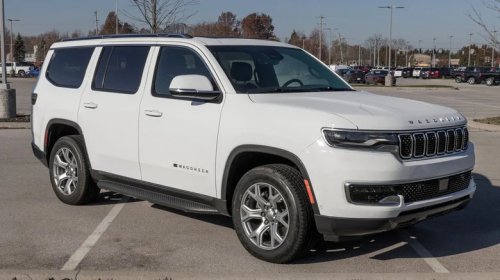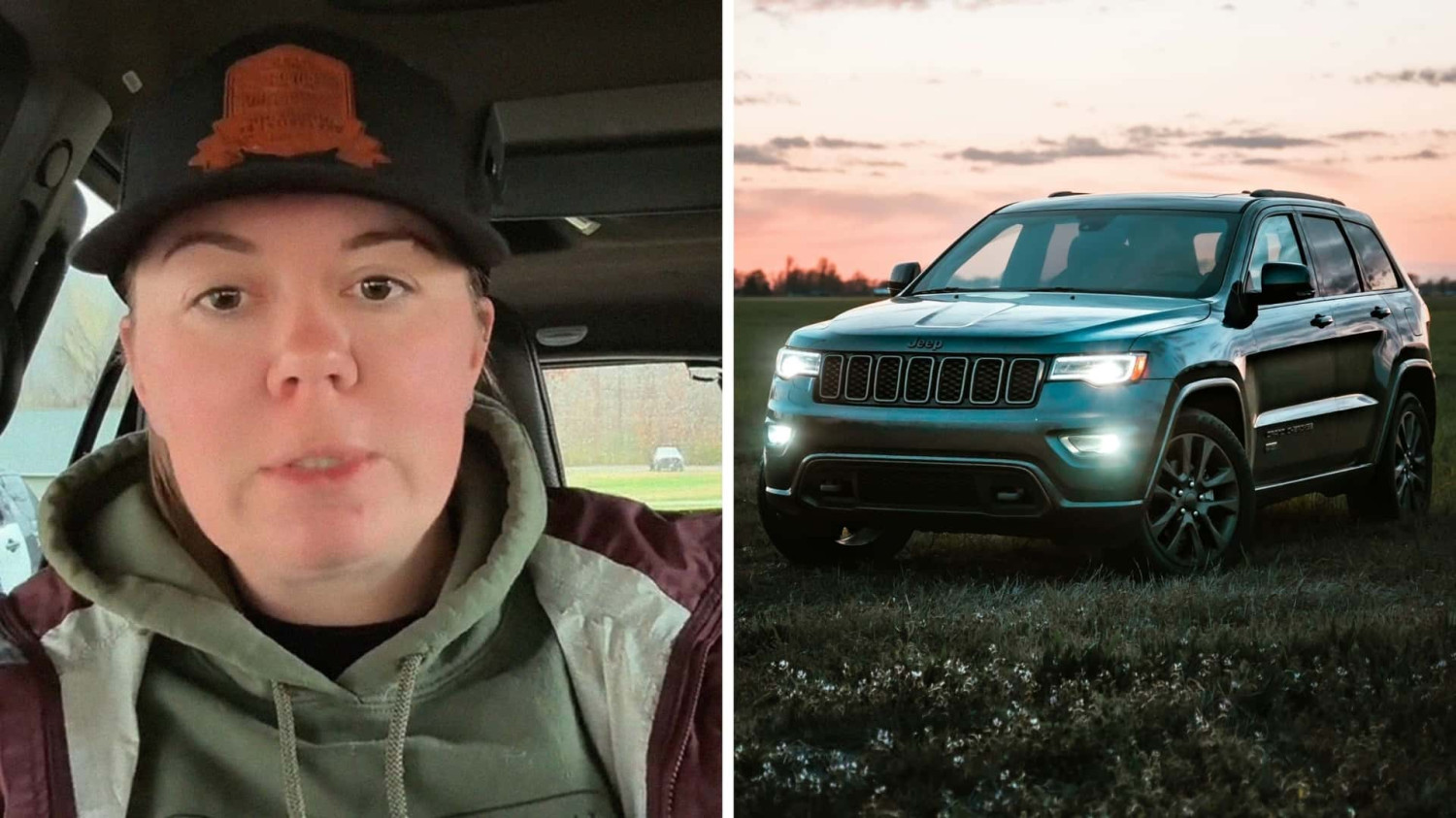



















"Roast like a Thanksgiving turkey" is a series of words no car owner ever wants to have to use to describe their vehicle. But in a viral TikTok clip, the owner of an incinerated Jeep Grand Cherokee comes face-to-face with the reality that the SUV has been burnt to a crisp. The video from Virginia-based creator Gabrielle Yates (@gabs1126) shows the aftermath of the fire, which also damaged her home and equipment related to her animal rescue business. In the video and on a GoFundMe page, she pins the blame for the blaze on a small Ryobi fan she had charging in the vehicle. "There's what's left of my Ryobi fan that started this whole kerfuffle of sorts," she said in the clip that’s been viewed more than 314,000 times. "Ryobi, if you could help a homie out, I don't know, even just replace my dog crates, I guess that would be cool." Ryobi Battery Fire Wipeout Inside the SUV, the damage extended far beyond the vehicle itself. Yates said the fire destroyed the crates, collars, and other supplies she relies on for her dog rescue work. All of that is equipment that she said isn't easy to replace on short notice. In comments accompanying the video, she described losing thousands of dollars' worth of gear in a matter of minutes, turning what might have been a routine outing into a major disruption for her operation. Follow-up replies to viewers saw Yates add context about why the fan was in the vehicle in the first place. She said it was being used to move air through the cabin after transporting dogs, particularly after a messy trip that left the interior needing to be aired out. With kennels positioned in the rear cargo area, air flow can be limited when the vehicle is parked, and several commenters noted they've used similar setups to keep air circulating in the back. That reasonable explanation didn't stop a stream of questions. Some viewers fixated on the decision to keep a battery-powered device inside a vehicle at all, pointing out how quickly temperatures can climb in an enclosed cabin. Others were more focused on the broader reality that portable fans, tools, and similar gear often spend long stretches in cars, especially for people who use their vehicles as extensions of their work or daily routines. For many onlookers, the situation felt uncomfortably familiar and likely caused them to reevaluate their own habits. A number of commenters said they own the same brand of fan or kept comparable battery-powered equipment in their own vehicles. A few noted they were watching the video while using a similar device. At the same time, others frame the situation as preventable, arguing that storing lithium-powered devices in a parked car, particularly in fluctuating temperatures, carries risks that are easy to overlook until something goes wrong. Some viewers initially questioned whether the SUV itself played a role in the fire before others pushed back, noting that the device in question wasn't part of the vehicle's original systems. That back-and-forth between concern over everyday habits and disagreement over what actually triggered the incidents helped fuel the clip's momentum as it spread and gained interest. Whatever the exact chain of events, the reaction highlights how common it has become for battery-powered gear to travel alongside drivers, whether it's for work, hobbies, or convenience. In many cases, the equipment stays in place long after the engine is turned off, sitting in environments that can shift quickly depending on the time of day and conditions inside. Using Battery-Powered Devices In A Car: Proper Safety Steps Looking beyond the specifics of this case, the takeaway from the clip has less to do with one brand or device and more to do with how easily everyday habits can slip under the radar. Portable batteries power everything from tools to fans to backup gear, and for many people, those items live in their vehicles full time without much thought about where they're stored or how long they sleep between uses. Some basic safety steps can make a big difference and seem well worth the trouble after looking at the alternative of having a vehicle that’s been burnt to a crisp. Keeping battery packs out of direct sunlight, avoiding sealed compartments where heat can build up, and removing equipment from a vehicle after use are relatively simple steps that don't require much effort but can reduce exposure to extreme conditions. Even something as basic as checking whether a battery feels unusually warm before leaving it behind can serve as an early signal that something isn't right. None of those habits guarantees a different outcome in a situation like this. But as more drivers rely on battery-powered gear in their daily routines, the line between convenience and risk can come down to decisions that are easy to overlook, even if they seem obvious in the aftermath of a life-altering emergency. Motor1 reached out to Yates via direct message and comment on the clip and to Ryobi via email. We’ll update this if they respond. We want your opinion! What would you like to see on Motor1.com? Take our 3 minute survey. - The Motor1.com Team