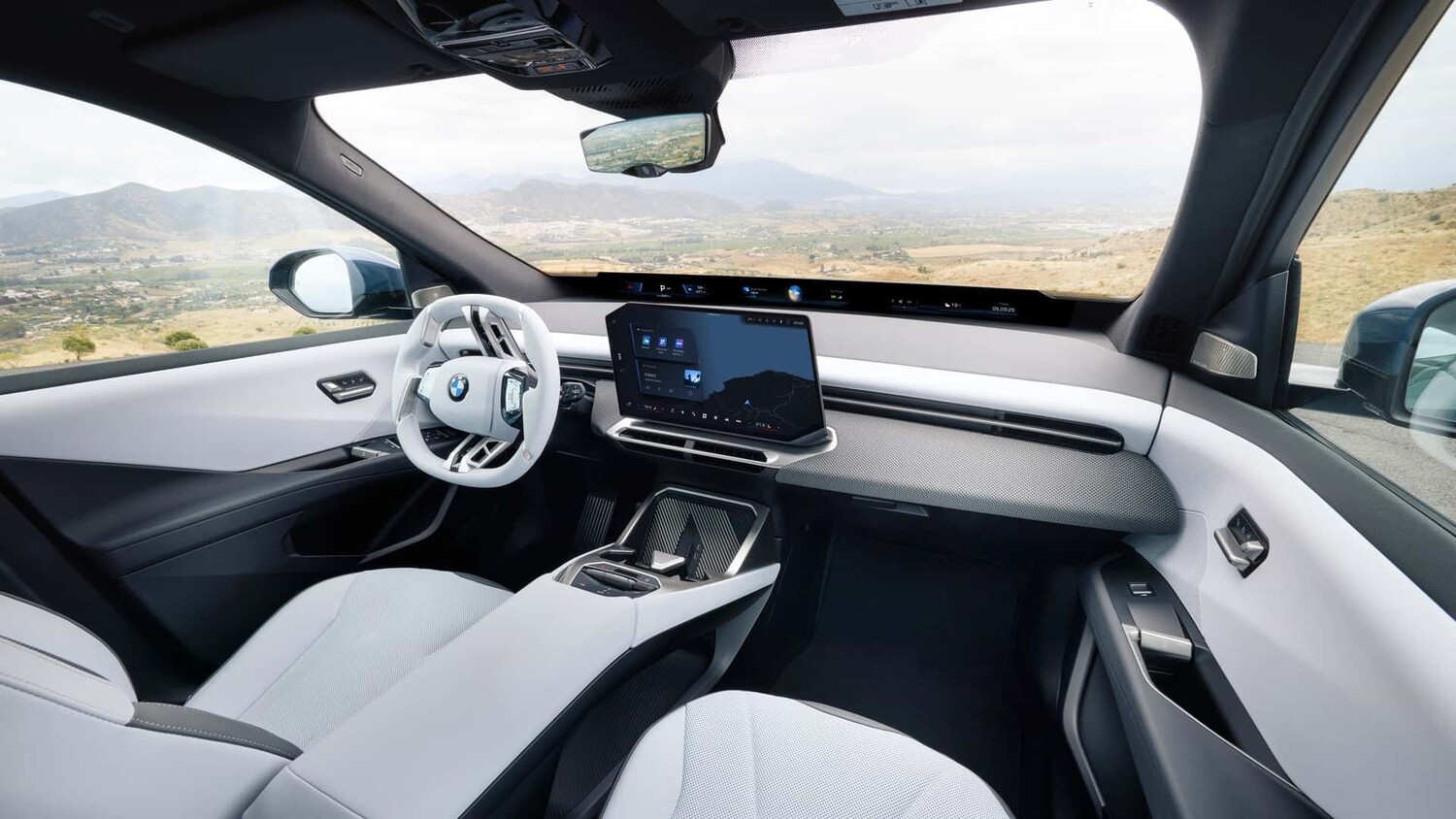
In November 2024, I wrote a story about imported Kei trucks and the state-level restrictions being placed on them across the country. In Texas, the Department of Motor Vehicles simply changed its policy, preventing owners from registering with the state, even though the vehicles were 25 years old or older, as permitted by the Federal Motor Vehicle Safety Standards. That didn’t sit right with one owner, who called and emailed every single state representative—all 181 of them—over and over and over again. Eventually, the agency changed its policy. Kei truck enthusiasts in Massachusetts and Colorado eventually did the same. The point is: car enthusiasts have a voice and should use it. Especially now. Two bills recently proposed in Congress could greatly affect how much ownership we have over our cars, the data they produce, and how we decide to fix them. Several automotive-related bills were recently discussed by the House Energy and Commerce Committee, and an Automotive News report highlighted two that caught my attention. Protecting Your Property BMW iX3 Interior In December, three Republican representatives introduced the DRIVER Act, which has a simple premise: if you own the vehicle, you should also own the data it generates. Makes sense. The bill states, "A manufacturer of a motor vehicle shall provide to a motor vehicle owner secure access to, and joint control of, any motor vehicle data…" at no extra cost, in real time, and "in a manner that facilitates the deletion of any such user data stored in the vehicle." Automakers would also have to provide a "clear and conspicuous opportunity to opt out of any such sale" of their data. The data the bill would protect includes biometrics, precise geolocation, driver behavior, and data shared via a personal device. In December, three Republican representatives introduced the DRIVER Act, which has a simple premise: if you own the vehicle, you should also own the data it generates. Makes sense. It’s not perfect. It has exceptions that would allow automakers to collect data through “de-identified, pseudonymous, aggregate, or publicly available information,” conducting research, diagnostics, and more. "Auto manufacturers are secretly tracking where, when, and how you drive—and it’s an obvious threat to your Constitutional right to privacy," said Pennsylvania Congressman Scott Perry. "Our DRIVER Act restores your property rights, ownership of your data, and revokes self-awarded, all-access pass to private property. When you buy a car, it's yours - to include your vehicle-generated data. The DRIVER Act is a win for common sense and drivers across America." The second bill, called the REPAIR Act, wants to give owners choices for maintenance, service, repair, and "other purposes" by prohibiting automakers from “withholding vehicle-generated data, critical repair information, and tools.” Essentially, owners would also have access to the same vehicle-generated data as an automaker. "American consumers deserve full control over their vehicle repair and maintenance data to ensure they can find the best service for their vehicle at a reasonable price," said Florida Congressman Neal Dunn when he announced the bill last year. "Your vehicle belongs to you, not the manufacturer." Why These Bills Matter I have written before that in an ever-increasing surveillance state, being able to own and control the data you produce should be a vital privacy concern. Automakers are able to collect and sell a treasure trove of sensitive information, including to your insurance company, leading to higher premiums for some. There are also well-funded lobbying efforts attempting to undermine these bills. The Alliance for Automotive Innovation has sued several states that have attempted to implement stronger right-to-repair laws. General Motors argued in court that it should be able to collect your data because you drive on public roads, and there is no expectation of privacy in public. The National Automobile Dealers Association has come out against the REPAIR Act, claiming a 2014 Memorandum of Understanding between right-to-repair proponents and automakers already guarantees access to repair parts and data. Yet software locks, encryption, proprietary tools, and subscription fees impede independent repair shops from doing their jobs. You shouldn’t have to have a subscription to clear vehicle codes or worry about an automaker collecting your text messages. 'Your vehicle belongs to you, not the manufacturer.' Automakers will argue that this lockdown of your vehicle’s data is vital to your safety and security, while simultaneously selling six-figure sports cars and gargantuan trucks that reach twice the speed limit. That’s just hypocrisy. RevUp American is another organization fighting against the REPAIR Act, misrepresenting a portion of the bill as a scare tactic in one video. It states the bill "lets outsiders into your car's systems," while showing on screen the quote, "…third-party access to vehicle systems." But that’s not what it says at all. The bill requires automakers to provide owners with the same access to data and tools “as any motor vehicle manufacturer, motor vehicle dealer, authorized motor vehicle service provider, or any other third party to whom such manufacturer provides vehicle-generated data.” "Americans are tired of lip service about lowering prices or respecting the trades,” said Democratic Congresswoman Marie Gluesenkamp Perez in support of the REPAIR Act. “We want to be able to fix our own stuff and to be stewards of our stuff and not reliant on a stream of cheap, disposable crap. But auto manufacturers have made it increasingly difficult to have real agency.” Forced Paternalism What frustrates me the most about industry opposition to bills that would expand right-to-repair and data privacy is this feeling of forced paternalism. It’s as if automakers don’t trust their customers, and instead of letting owners and the free market decide who provides the best maintenance and repair services, and who we share our driving data with, they are simply saying no. There is already an Orwellian level of surveillance technology in today’s vehicles collecting everything you do behind the wheel, which we know automakers have sold to insurance companies, leading to higher premiums for their own customers. That kind of powerlessness and underhanded profiteering of your data and property after you spent tens of thousands of dollars on a new car rewrites the definition of ownership, and we cannot let that happen. But we don’t have to sit on the sidelines. We can take a page from the Kei truck playbook, contact our representatives, and hopefully change the laws in a way that better serves the people, not the companies. These new bills are not complete solutions to the ownership questions, but they are a good first step in establishing boundaries in the vehicles the consumers supposedly own. You can find your representative and how to contact them here. We want your opinion! What would you like to see on Motor1.com? Take our 3 minute survey. - The Motor1.com Team