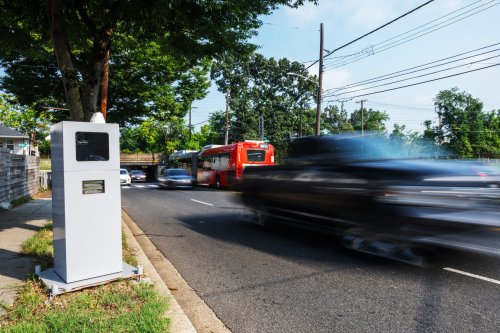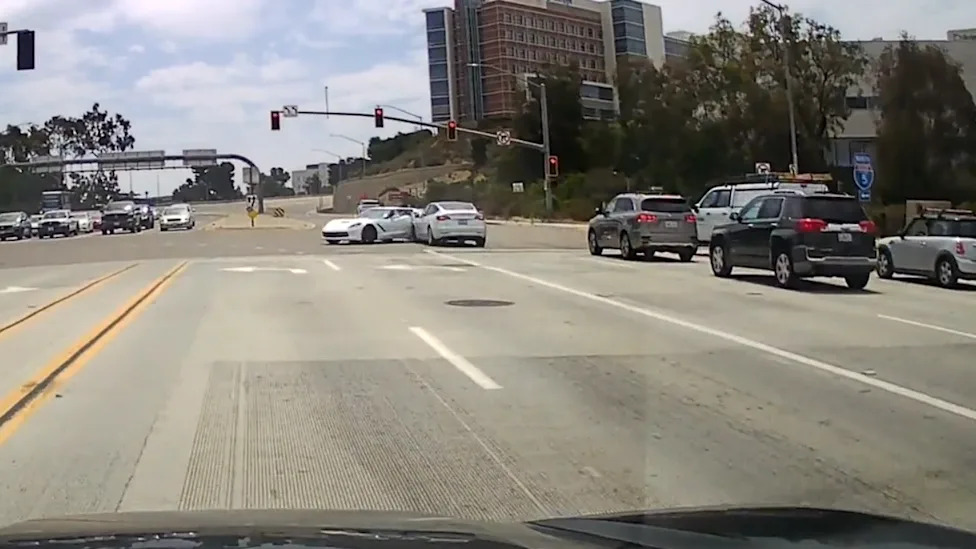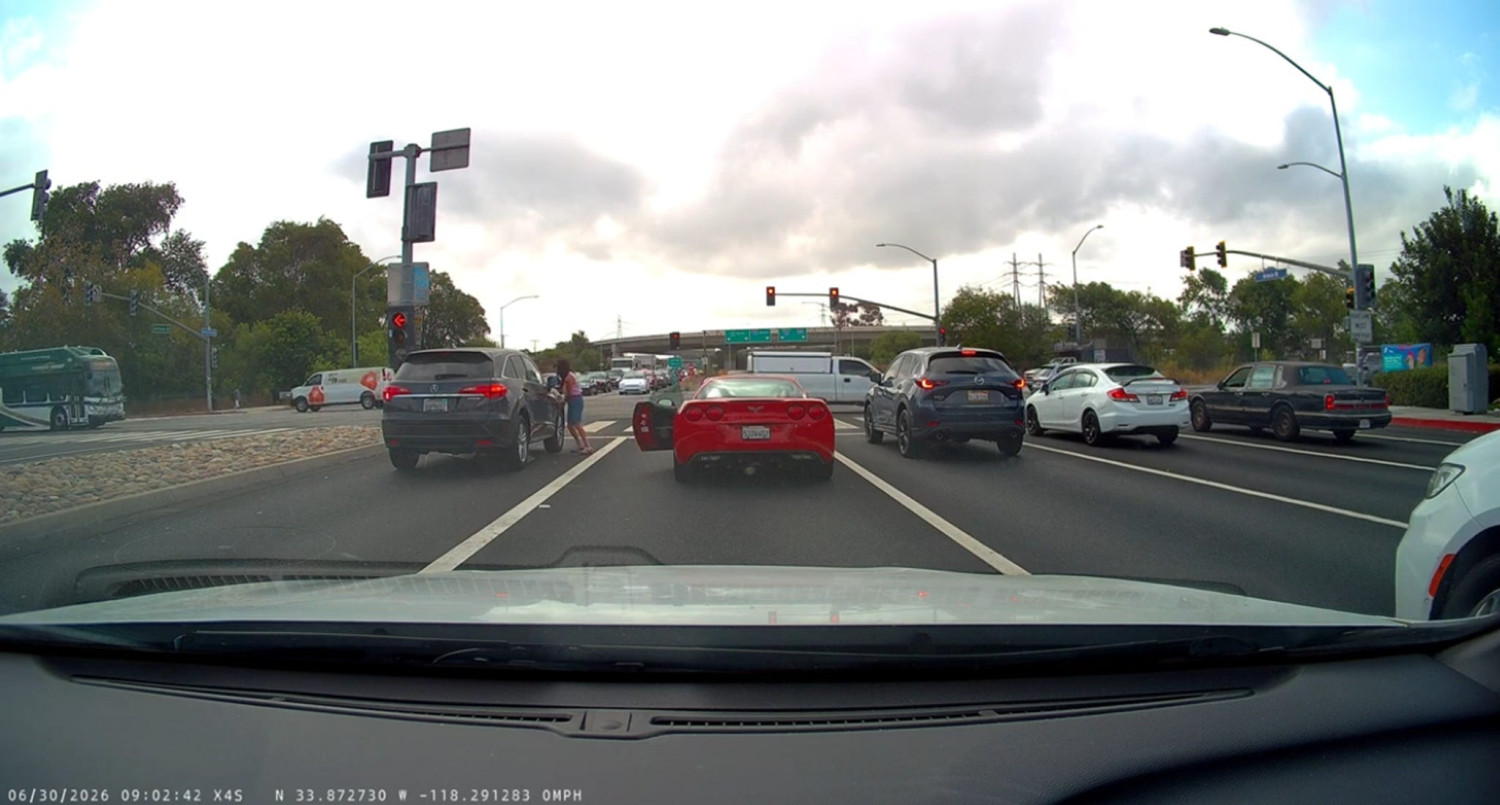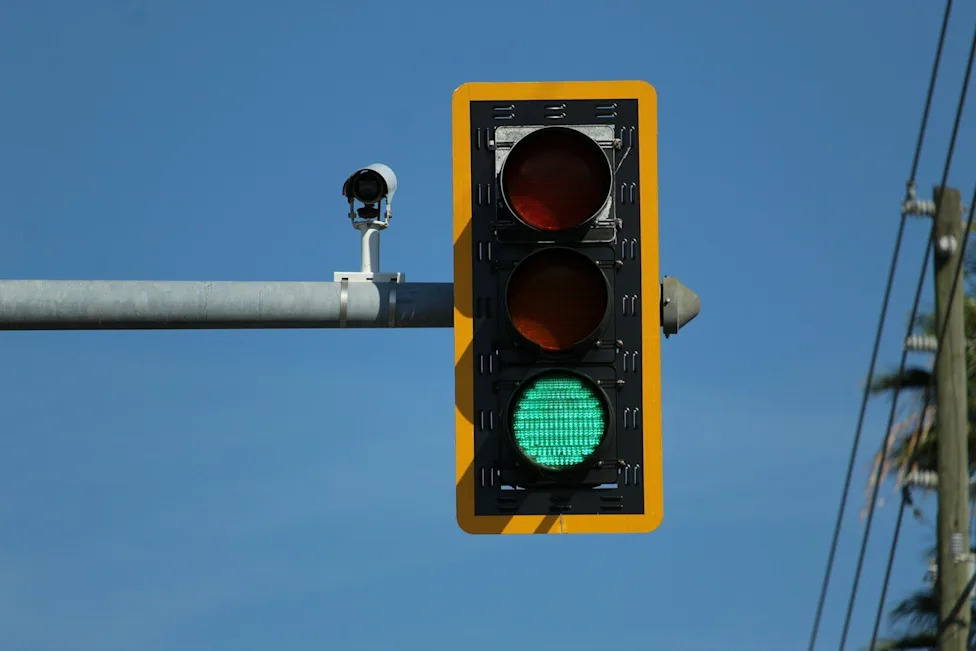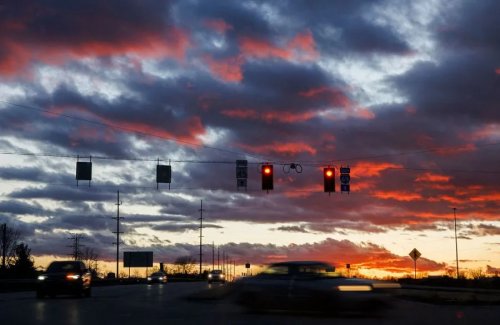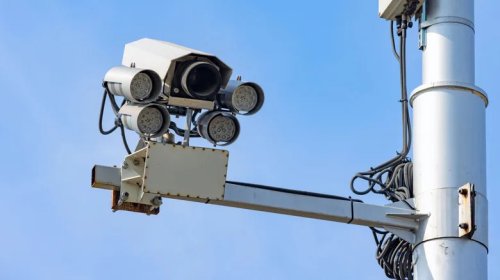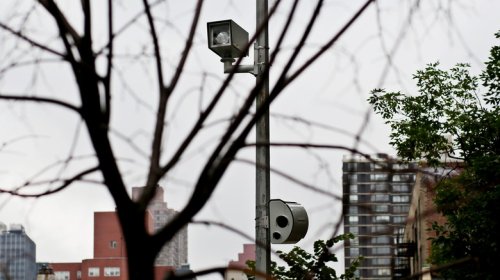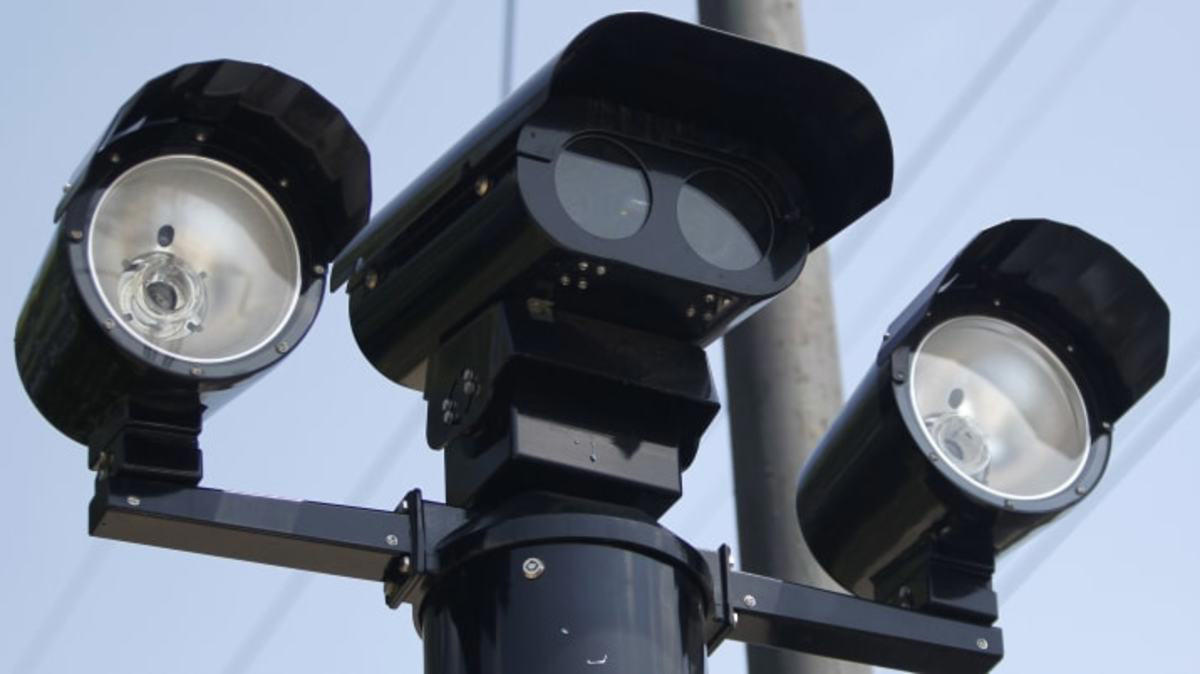


















Florida’s Red-Light Law In QuestionRed-light cameras have been used for decades, though they are typically installed at busy or high-risk intersections. In Florida, their use is authorized under the Mark Wandall Traffic Safety Act, which legalized red-light cameras despite calls from some groups to abolish them. Now, however, that system could be one step closer to facing legal scrutiny after a judge dismissed a red-light camera ticket, arguing that the law may be unconstitutional.As it stands, registered owners are held liable for red-light violations, particularly if they cannot prove that someone else was driving. According to CBS12, Judge Steven P. DeLuca argued that the government should be responsible for proving who was driving at the time of the violation, rather than placing that burden on the vehicle owner.Who Was Actually Driving?Joel Mumford, attorney with The Ticket Clinic, said, “The state or the agencies that issue the tickets, it's their burden to prove all the elements of the crime beyond and to the extent of each and every reasonable doubt. And the first element, which should be, who's driving the car.”DeLuca noted that the law is considered “quasi-criminal,” meaning that although it is technically civil, it carries consequences similar to criminal cases, including monetary penalties, a formal finding of guilt, and potential impacts on a driver’s record. As such, a higher standard of proof should apply.image-placeholder-title A Ruling With Wider ImplicationsFor now, the ruling applies only to the specific case in Broward County. In Boynton Beach alone, 15 red-light camera systems operate across seven intersections. However, legal experts believe the ruling could have statewide implications if a higher court upholds it — something some drivers may welcome, particularly those who want red-light cameras abolished. One driver who paid a $158 ticket said, “I think they need to outlaw it and get rid of it.”On the other hand, the removal of red-light cameras could face opposition from road safety advocates. Red-light cameras are credited with helping reduce fatal crashes at intersections. The Insurance Institute for Highway Safety (IIHS) says the cameras aid enforcement, especially since police officers cannot be present at every intersection.Looking ahead, AI could expand the role of automated enforcement even further. With police officers unable to monitor every intersection, AI-powered traffic cameras are already being deployed to detect multiple violations automatically, with some systems operating in places like Dallas. If these technologies can more accurately identify drivers, they may help address some of the legal concerns raised in cases like the recent Florida ruling.