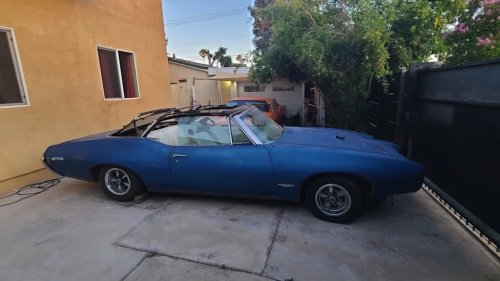
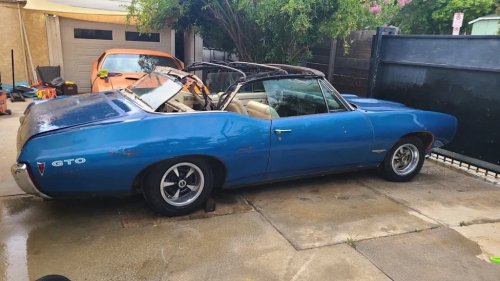
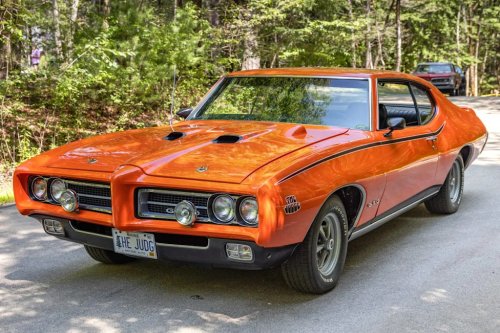
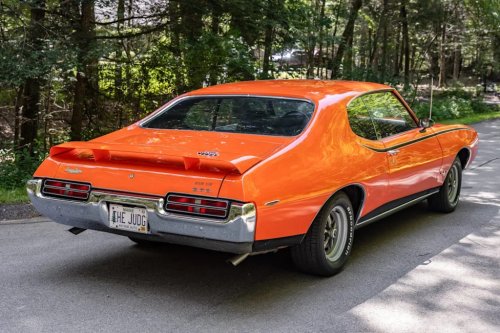
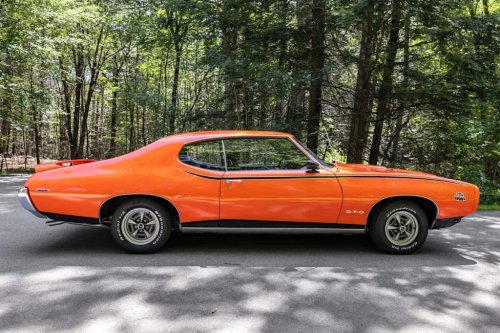
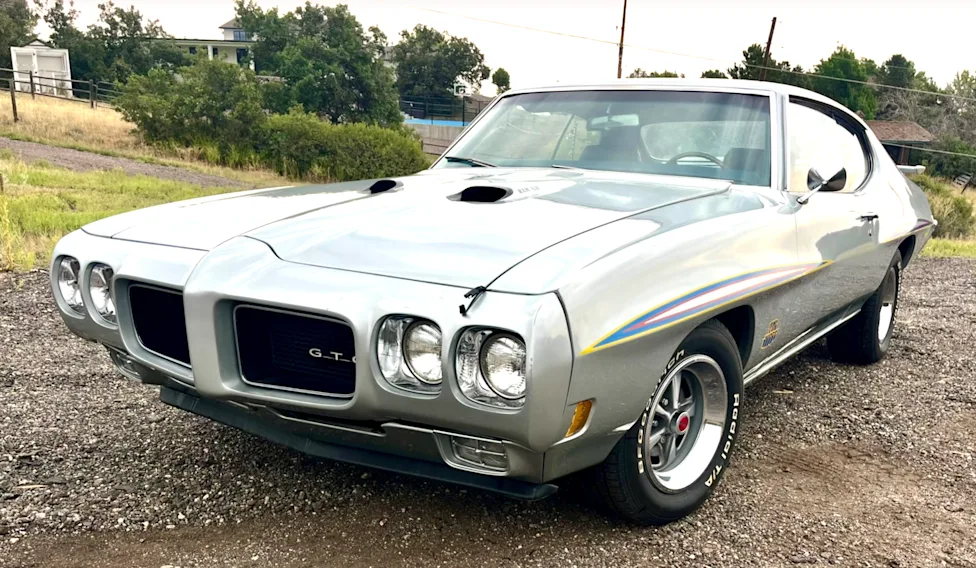
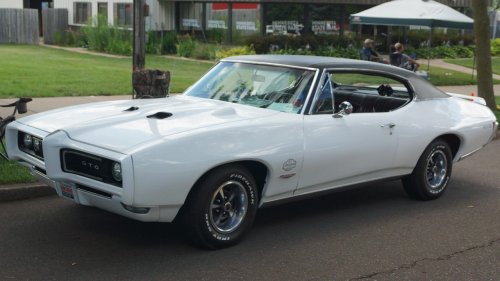
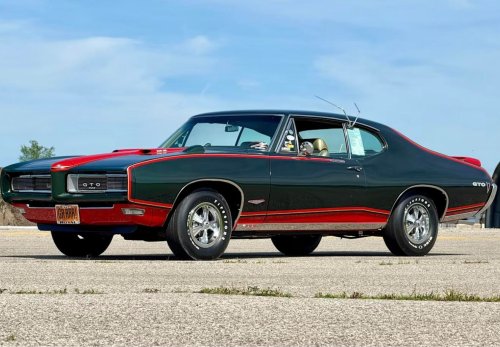
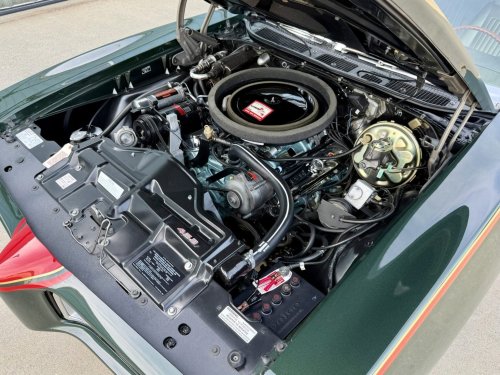
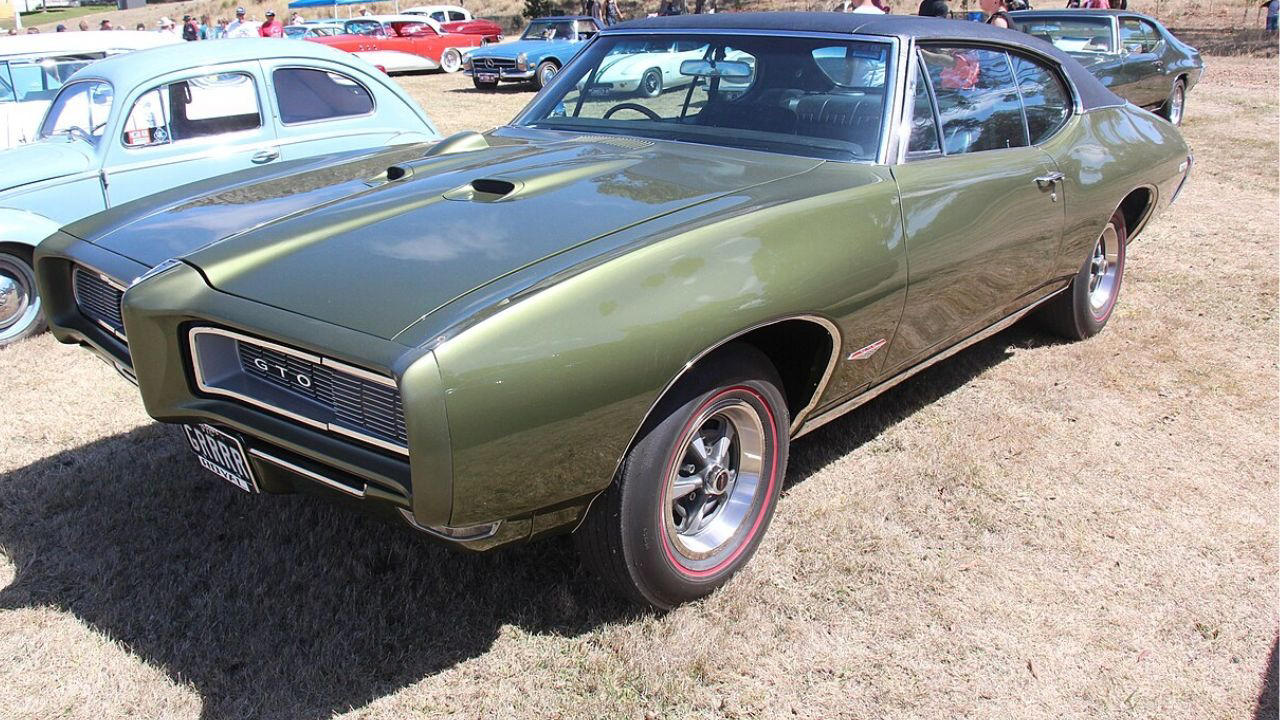
The 1968 GTO Judge didn’t need subtlety to make an impactThe Pontiac GTO arrived in the mid 1960s as a shot of pure attitude, but the 1968 model proved the car did not need loud graphics or cartoonish spoilers to leave a mark. A year before The Judge package exploded onto the scene, the GTO had already distilled the muscle car formula into a cleaner, more mature shape that still hit with full force. The 1968 GTO set the stage so effectively that when Pontiac finally turned up the volume, the impact felt inevitable rather than accidental. The car that lit the fuse for The Judge By the time Pontiac rolled out the GTO Judge for 1969, the basic idea behind the car was already well established. The GTO itself had been introduced for the 1964 model year, and that early decision to drop serious power into a midsize body helped define the American muscle car era. Museums that display a 1969 Pontiac GTO Judge still tie it directly back to that original formula, describing how the Pontiac GTO helped shape American performance culture. Other manufacturers soon followed with their own midsized performance coupes, and the Muscle Car Era was born in earnest. Exhibits that feature the 1969 Pontiac GTO Judge position it among those rivals, but they also underline how Pontiac had been early to the party and how the GTO concept matured across its second generation. The 1968 car arrived just as that competition was heating up, which made its cleaner design and focused performance even more significant. By 1968, Pontiac was refining rather than inventing. The GTO had already proven that a relatively affordable, high powered coupe could capture young buyers. The question was how to keep that formula fresh as the marketplace filled with imitators, and the answer, at least for that model year, was to lean into proportion and presence rather than gimmicks. 1968: the quiet revolution in GTO style The shift from the 1967 body to the 1968 GTO is one of the sharpest pivots in the car’s history. Pontiac moved to a shorter wheelbase, a more curvaceous profile, and hidden headlamps that gave the nose a smooth, almost European look when closed. The result was a car that looked more expensive and more modern than the boxier earlier models, even though it still sat firmly in the muscle car category. That restraint becomes even clearer when viewed against what came next. The 1969 GTO Judge would bring wild stripes, bright colors, and a rear spoiler that looked like it had wandered in from a race paddock. Video features on GTO Judge examples at events such as Mikum Harrisburg highlight how that later package embraced spectacle. The 1968 car, by contrast, relied on a long hood, tucked waistline, and Coke bottle hips to communicate its intent. Collectors and builders continue to see the appeal in that balance. One enthusiast build that circulates on social media shows a 1968 GTO dressed as a 1969 GTO Judge, blending the earlier body with the later graphics and spoiler. The description of that car notes that the 1968 GTO dressed as a 1969 GTO Judge blends two iconic muscle car eras, capturing the GTO Judge styling cues on a slightly different canvas. That hybrid approach only works because the underlying 1968 shape is strong enough to carry the louder Judge look without feeling overloaded. How The Judge idea took shape The Judge concept did not appear out of thin air. Pontiac management watched GTO sales soften in the late 1960s as rivals crowded the market and insurance pressures grew. Club histories that track the model recall how GTO sales were beginning to slip by 1969, and how the company needed something that would grab attention again. Enthusiast groups describe the way those concerns fed directly into the creation of the first year 1969 GTO Judge and how that package tried to reignite interest before numbers fell further in 1970. Marketing teams also had cultural material to work with. The Judge routine, made famous by comedian Flip Wilson, drew on a long running act by burlesque entertainer Dewey “Pigmea” Markham. Pontiac borrowed that phrase, The Judge, for its own package, tapping into a catchphrase that already resonated with audiences. The name gave the car an instant personality, and it connected the GTO to a broader entertainment trend rather than relying solely on horsepower figures. When Pontiac finally pulled the trigger, the company did not hide its intentions. The Judge package was introduced in January 1969 as a way to attract attention and boost sales. Financing guides that explain the history of the car describe how The Judge was initially planned as a stripped budget model, then evolved into a higher profile package that combined graphics, spoilers, and performance hardware. Those same guides emphasize that The Judge branding was not just a sticker set, it was meant to match the car’s high octane capabilities. From subtle menace to loud protest That escalation in visual drama makes the 1968 GTO look almost restrained in hindsight. The 1969 GTO Judge is often described as the loudest middle finger Detroit ever made, a phrase used in a video that traces how Pontiac responded when internal critics tried to kill the program before it was built. In that retelling, the Judge package becomes a pointed answer to skeptics inside and outside the company, and the narrator credits Pontiac with firing back at Detroit’s growing conservatism. Yet the power of that gesture depends heavily on the foundation laid by the standard GTO, especially the 1968 car. Without the clean 1968 redesign, the Judge graphics and spoilers might have looked like a desperate attempt to distract from an aging body. Instead, they read as an intentional exaggeration of a shape that had already proven itself. The 1968 GTO carried enough presence in stock form that Pontiac could afford to push the 1969 Judge into almost cartoon territory and still have the result feel cohesive. The 1968 model also helped establish the mechanical baseline that The Judge would build on. High compression V8 engines, heavy duty suspensions, and performance oriented gearing were part of the GTO story before the decals arrived. The Judge simply made those capabilities harder to ignore by painting them in bright colors and giving them a name that sounded like a verdict. What museums and clubs see in the Judge era Today, institutions that curate muscle car collections treat the GTO Judge as both a design object and a cultural artifact. One museum that invites visitors to discover classic muscle describes its 1969 Pontiac GTO Judge as a landmark in the era when other manufacturers followed Pontiac’s lead and the Muscle Car Era reached full stride. The car is presented as a bridge between pure performance engineering and the more theatrical, youth oriented marketing that would dominate the early 1970s. That same institution uses its 1969 Pontiac GTO to explain how the GTO concept evolved from relatively understated beginnings into something more extroverted. Clubs that focus on Pontiacs take a similar view. Articles that carry headlines like “Here come the Judge” in club newsletters or websites frame the first year 1969 GTO Judge as a response to sliding sales and a changing market. They track specific production numbers and note that 3,797 cars were sold in 1970, a figure that illustrates how quickly the muscle car boom began to cool. Those same stories often point back to the late 1960s as a turning point, with the 1968 GTO and 1969 Judge sitting side by side as examples of two different strategies for the same basic idea. Enthusiast events continue to showcase both sides of that coin. At gatherings such as Mikum Harrisburg, presenters walk viewers around multiple GTO Judge examples, calling on the crowd to “all rise” as they detail the specifics of the package. The Mikum Harrisburg videos emphasize the rarity and desirability of well preserved Judges, but they also acknowledge that the car’s roots lie in the earlier, less flashy GTOs that built the brand’s reputation. Why 1968 still resonates with builders Modern builders often return to the 1968 GTO when they want to mix classic lines with contemporary power. One widely shared video shows a 1968 Pontiac GTO with a massive surprise under the hood, a reveal that the host likens to peeking at a gift before Christmas. The clip, recorded in Oct, captures the tension between preserving the car’s original look and upgrading its performance to modern standards. The reference to Christmas underlines how special such builds feel to enthusiasts who grew up with the GTO myth. Another example is the 1968 GTO that has been dressed up as a 1969 GTO Judge. The builder of that car used the Judge’s bold styling cues, including stripes and spoilers, on the earlier body, creating a hybrid that social media posts describe as perfectly blending two iconic muscle car eras. The post tags the car with phrases like GTO, Judge, Automotive, CarEnthusiast, RideOrDie, and DreamCar, signaling how strongly the Judge identity still resonates even when applied to a different model year. These custom projects highlight a key point about the 1968 car. Its design is flexible enough to support both understated restorations and over the top tributes to The Judge. That versatility helps explain why the 1968 GTO continues to attract attention in auction listings, museum collections, and online videos, even when more flamboyant 1969 and 1970 Judges often command higher prices. The Judge in print and memorabilia The GTO Judge also lives on in print, merchandise, and digital content that keeps the story in front of new audiences. Classic features under the banner “GTO Judge All Rise” describe how the car was announced and advertised in mid Dec 1968 for release in January of 1969, yet the first cars were not delivered until early in that year. Those same stories often include detailed photography that shows how a well restored engine bay can look showroom new, and they sometimes reference the model year as 69 to emphasize its specific place in the lineup. The connection between GTO, Judge, All Rise, HOT, and ROD is preserved in gear and apparel that enthusiasts can still buy through dedicated channels. Merchandise stores that specialize in automotive culture list GTO and Judge designs alongside other muscle car icons, keeping the imagery of the stripes, spoilers, and logos in circulation. Some of these outlets are linked directly from the classic feature pages, while others operate as standalone shops that trade on nostalgia. The presence of GTO Judge branding in clothing, posters, and die cast models reinforces how the car has moved beyond its original production run into a sort of permanent pop culture residency. More from Fast Lane Only Unboxing the WWII Jeep in a Crate 15 rare Chevys collectors are quietly buying 10 underrated V8s still worth hunting down Police notice this before you even roll window down



















 +25 others