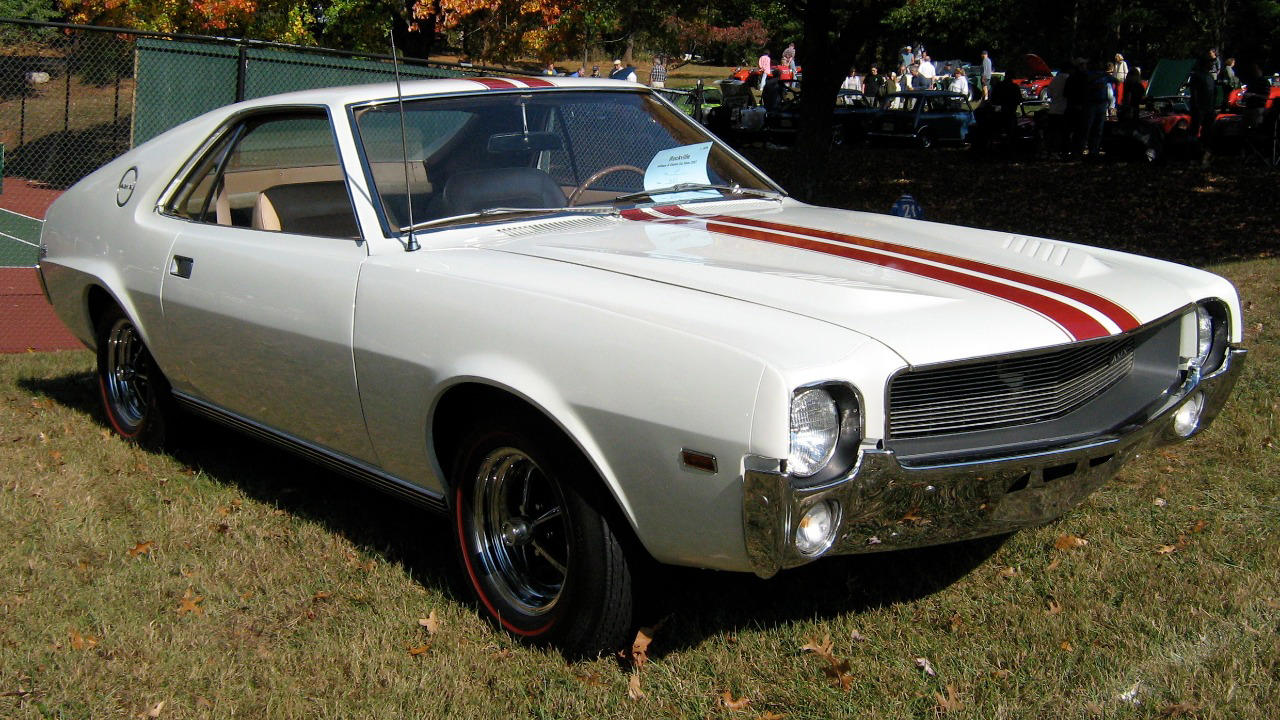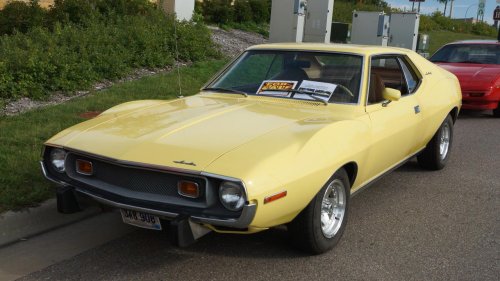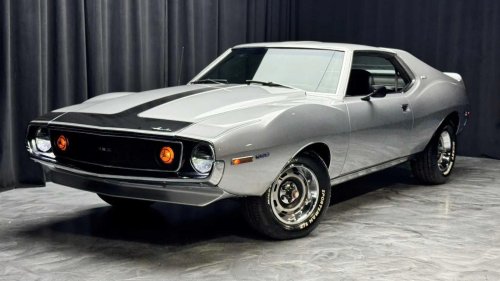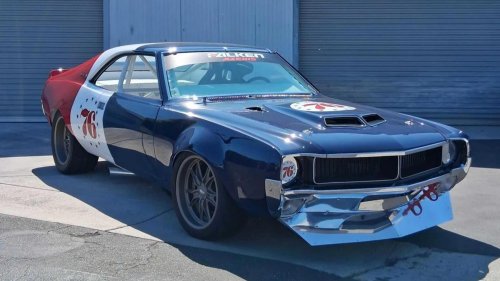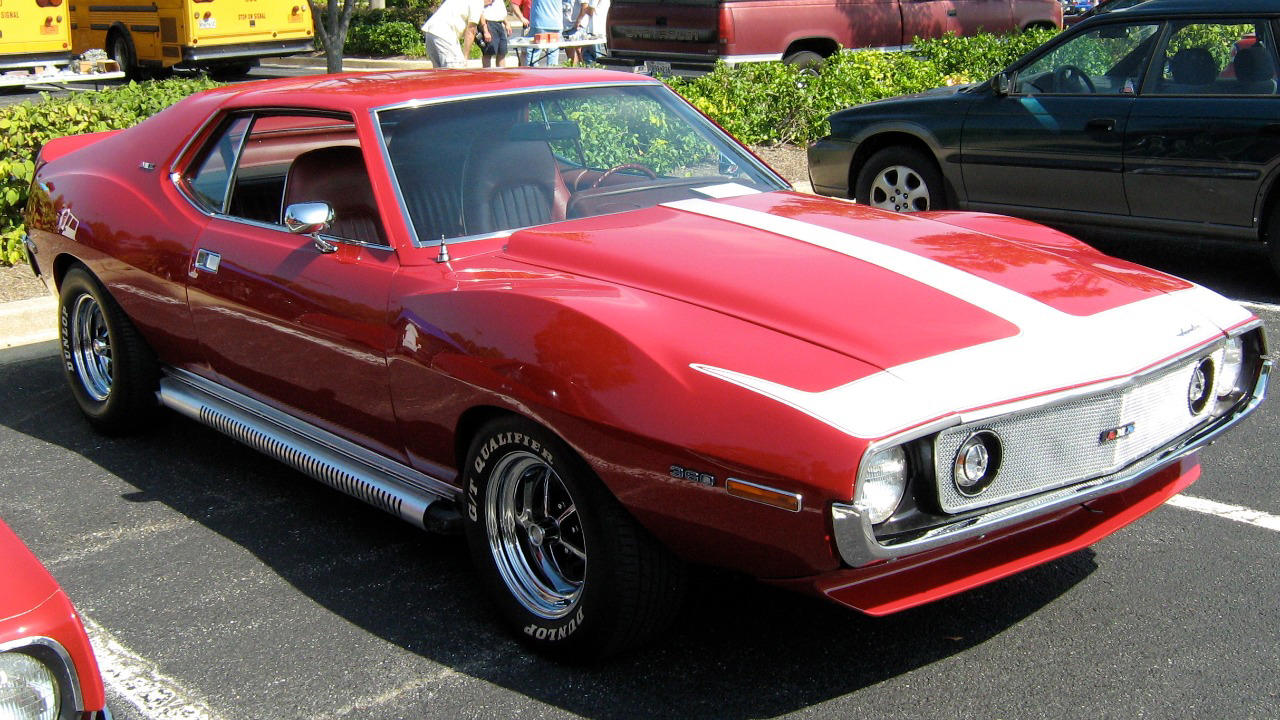



















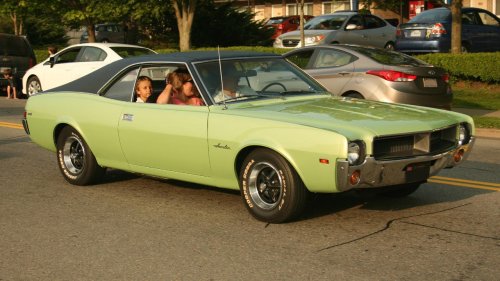
AMC stepped into muscle territory with the Javelin and made an impactAmerican Motors stepped into the muscle car fight with the Javelin at a time when Ford and Chevrolet dominated showrooms and racetracks. Instead of copying the leaders, the company turned its compact roots and racing ambitions into a pony car that mixed style, power, and a surprising amount of sophistication. The result was a machine that moved American Motors from frugal family image to genuine performance contender and left an imprint far larger than its sales numbers suggest. The underdog that wanted in on the fight Before the Javelin, American Motors was known for economy and practicality, not quarter-mile bragging rights. The company had built its reputation on compact and family cars, which left younger buyers looking elsewhere once performance became the measure of cool. As one account of AMC in that era describes it, performance was selling, and the brand simply did not have it yet. The Javelin changed that equation. American Motors introduced it as a true pony car, with long hood, short deck proportions, and space for four. The car was meant to challenge the Mustang and the other Detroit coupes that had turned speed and style into a lifestyle. By giving the Javelin a full range of engines and trim levels, American Motors could pitch it to both budget buyers and enthusiasts who wanted something different from what Ford and Chevrolet offered. Underneath, the Javelin shared corporate hardware but wore its own sheet metal and attitude. The company used the platform to build the two-seat AMX as well, and the official history of American Motors notes that the AMX used a shortened Javelin chassis. That link meant the Javelin sat at the center of the company’s performance plans from the start. Engines and the split personality of the first generation The earliest Javelin models carried what one period overview of the AMC Javelin calls a split personality. On one side were the more modest versions that fit American Motors tradition, aimed at buyers who wanted a stylish daily driver with reasonable fuel use. On the other side were the high-output cars that pushed the Javelin into real muscle territory. The AMX connection reinforced that split personality. The two-seat AMX used the same basic architecture but was shortened and tuned for even more aggressive driving. A later feature on the AMC AMX describes it as “The Two Seat Rebel That Punched Above Its Weight In,” and that rebel DNA flowed directly from the Javelin’s engineering. Buyers who wanted rear seats chose the Javelin, and those who wanted a purer sports car feel stepped into the AMX, but both cars told the same story about American Motors trying to punch up. Redesign for 1971 and a bolder attitude In 1971, American Motors pushed the Javelin into a more aggressive visual direction. The updated bodywork featured pronounced front fenders and a more sculpted profile that gave the car a brawnier stance. One analysis of the AMC Javelin notes that the redesign brought the car closer to the Mustang in terms of attitude, especially when viewed from the front. Designers leaned into curves and creases that made the Javelin look muscular without simply copying its rivals. A separate feature shared through social media on the Javelin AMX highlights how American Motors Corporation treated the 1971 Javelin AMX as a bold statement, with flared fenders and an interior that tried to balance comfort and sport. The car was described as something totally new that showed a car could be beautiful inside and out, strong and soft at the same time, and that muscle did not have to mean crude. Patrick R. Foster, identified as the author of “AMC Cars 1954-1987,” later praised the 1971 Javelin’s styling in a retrospective on American Motors. His comments frame the 1971 model as a turning point that took the original clean design and made it more dramatic, while still keeping the proportions that defined the pony car class. From showroom to Trans Am contender American Motors understood that racing could change how buyers viewed the brand. The company took the Javelin into the SCCA Trans Am series, where it would face factory-backed Mustangs and Camaros. A detailed account of Javelin Trans Am explains how the program had a secret weapon in the form of Roger Penske and Mark Donohue. Enter Roger Penske and Mark Donohue, two names already associated with winning, and the Javelin quickly evolved into a serious racing tool. The Trans Am Javelins ran in the over 2.0-liter class with V8 engines tuned for competition. One modern tribute car article notes that the race version used a V8 with 375 horsepower, which allowed it to take the fight directly to other American rivals on track. Success in that series helped shift public perception. Instead of a thrifty outsider, American Motors became the company whose underdog coupe had embarrassed the giants on their own stage. The link between track and street was not just marketing. Lessons from racing filtered back into suspension tuning, brake choices, and aero tweaks on the production Javelin. The Mark Donohue Edition, sold around 1970, brought some of that racecar flavor to regular buyers. In a video walkaround of a 1970 AMC Javelin Mark Donohue Edition, the presenter notes that “Yeah, and you have the 71 as well, that’s the hump fender one I do 72 uh same same design right with the 401 V8,” highlighting how the racing-inspired bodywork and the 401 engine carried forward into the 71 and 72 cars. Inside the 1971 Javelin AMX The 1971 Javelin AMX represents the moment when American Motors fully embraced muscle car theatrics. The car wore the new body with its bulging front fenders, sometimes called “hump fenders,” and added AMX-specific trim that signaled its status as the top dog in the lineup. A video breakdown titled “10 Unknown Shocking Secrets About the 1971 AMC Javelin” explains that American Motors was the underdog fighting to survive while giants like Ford and Chevrolet ruled the roads, and that out of that struggle came a car that tried to be strong and soft, beautiful inside and out. In that same video, which appears in two linked segments, the narrator argues that the 1971 Javelin AMX created something totally new, so it said that a car could be beautiful inside and out, that it could be strong and soft, that muscle could be more than a straight-line brute. One segment of 10 Unknown Shocking focuses on how the interior mixed high-back bucket seats and sporty instrumentation with materials that felt more upscale than some rivals. The other segment of 10 Unknown Shocking returns to the theme that American Motors, or “Motors” as the narrator puts it, was pushing back against Ford and Chevrolet by giving buyers a different flavor of performance. Under the hood, the 401 cubic inch V8 became a centerpiece. In the previously mentioned Mark Donohue Edition video, the host points out that the 71 and 72 Javelins shared the same basic design with the 401 V8. That engine, combined with the lighter unibody structure and the company’s suspension tuning, gave the Javelin AMX straight-line speed and a level of handling that surprised drivers who expected a budget also-ran. Group 19 and dealer-backed muscle One of the more distinctive aspects of the Javelin story is how American Motors used dealer-installed performance parts. Official documentation on the Javelin Wikipedia pages describes Group 19 as a collection of factory-approved components that dealers could install to upgrade a customer’s car. These parts included hotter camshafts, improved intake and exhaust pieces, heavy-duty suspension bits, and other hardware that could transform a relatively mild Javelin into something far more serious. Because Group 19 parts were sanctioned by American Motors, buyers could have them installed without stepping into the gray area of aftermarket modifications that might void warranties. This approach lets the company compete with the performance catalogs of larger rivals, while keeping the revenue and customer relationships inside its own network. It also gave the Javelin a modular identity. A base car could be ordered for everyday use, then gradually built into a weekend warrior as budgets allowed. The strategy fits with American Motors’ position in the market. The company did not have the resources to flood showrooms with multiple high-spec variants, but it could engineer a solid base car and then let Group 19 fill the gaps for enthusiasts. That mix of practicality and passion helped the Javelin carve out a following among buyers who liked the idea of a sleeper that could be woken up with the right parts order. The AMX connection and shared DNA The Javelin’s impact cannot be separated from the AMX that shared its bones. The AMX took the Javelin chassis, shortened it, and turned it into a two-seat performance car that American Motors marketed as a direct challenger to more expensive sports machines. A social post about the AMC AMX utilizes a phrase that makes clear that the AMX relied on the Javelin’s structure and added a massive 430 lb-ft of torque in some configurations. This shared DNA meant that improvements developed for one car often benefited the other. Suspension refinements, brake upgrades, and even styling cues moved between the two. The AMX’s reputation as “The Two-Seat Rebel That Punched Above Its Weight In” performance circles reflected on the Javelin, which offered similar powertrains with more practicality. For American Motors, that pairing created a small but coherent performance family that signaled the company’s intent to be taken seriously in muscle circles. A different kind of pony car Contemporary assessments of the Javelin often describe it as quirky or overlooked, but that underestimates how deliberately American Motors positioned the car. A modern feature on the AMC Javelin notes that one of the largest advantages of releasing its own pony car was the chance to reinvent its image. The company used the Javelin to say that economy cars are so last year, and that it could build something with real attitude. Compared with the Mustang, the Javelin offered a slightly different balance of comfort and aggression. Its cabin often felt more enclosed and driver-focused, and its styling leaned into sculpted surfaces instead of boxy cues. The car’s dimensions and suspension tuning gave it a planted feel that owners appreciated on longer drives. At the same time, the availability of big V8s and Group 19 parts meant that a Javelin could be as wild as its owner wanted. More from Fast Lane Only Unboxing the WWII Jeep in a Crate 15 rare Chevys collectors are quietly buying 10 underrated V8s still worth hunting down Police notice this before you even roll window down