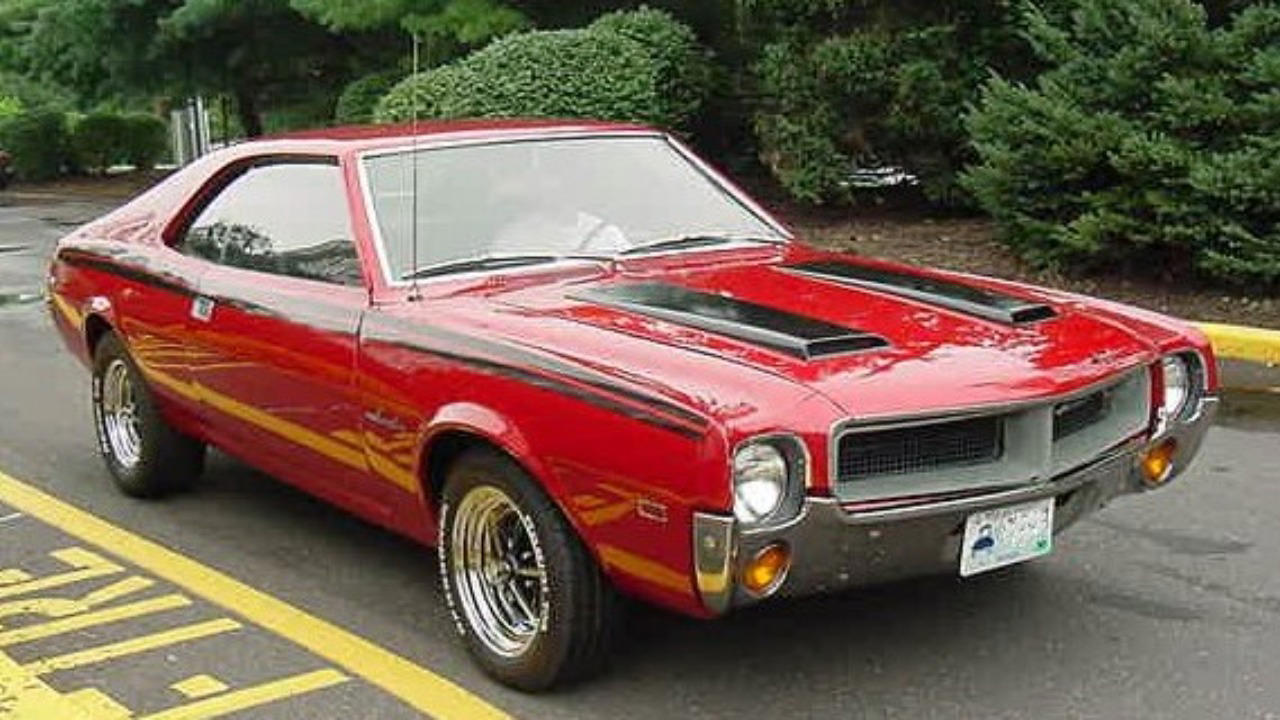
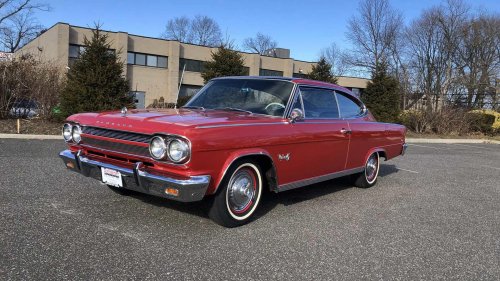
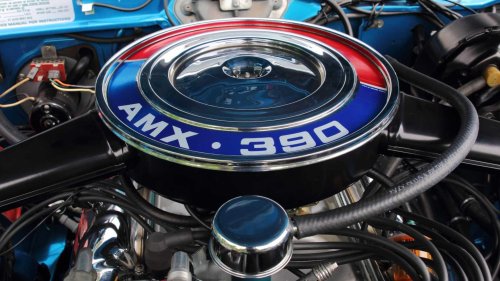
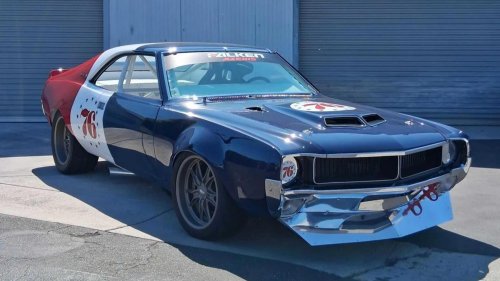
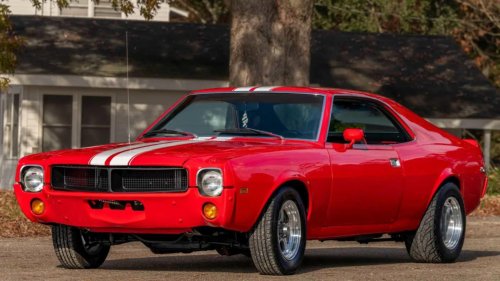
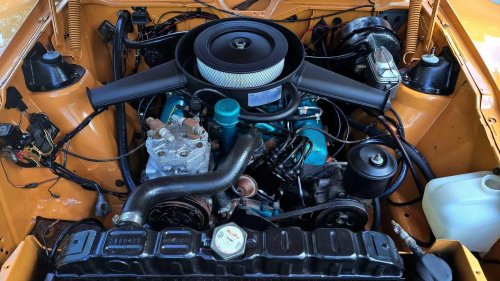
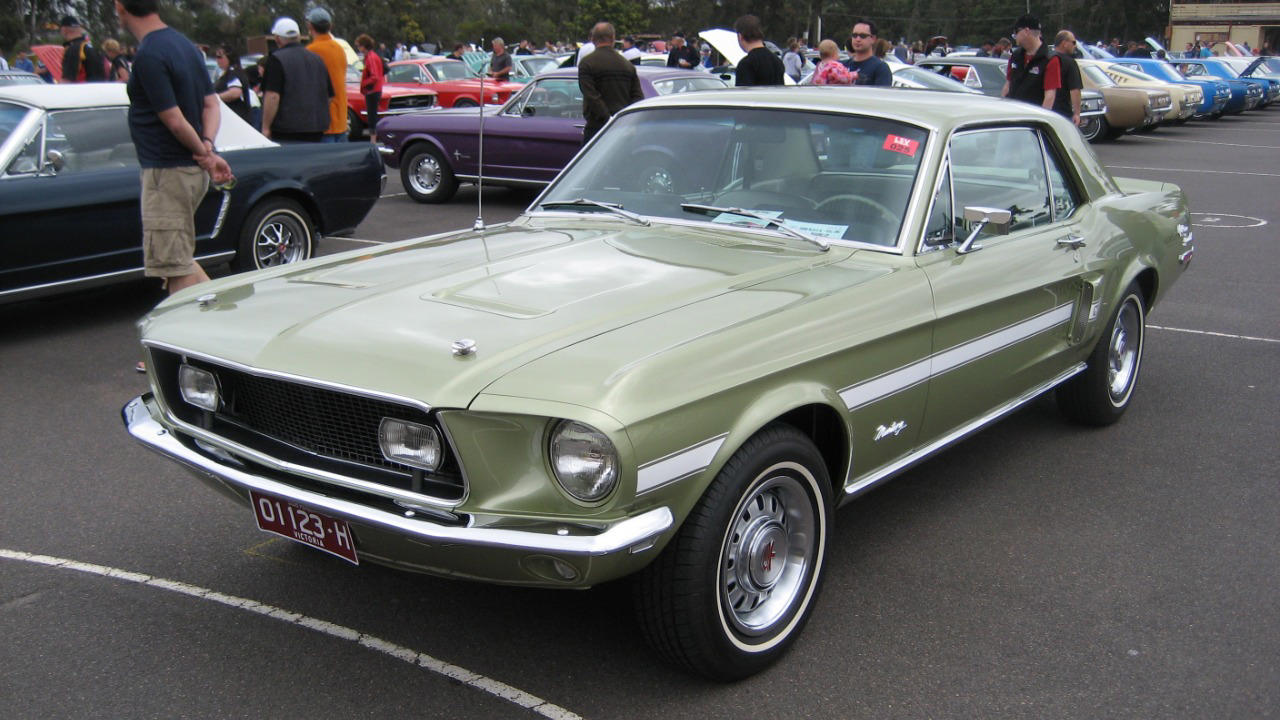
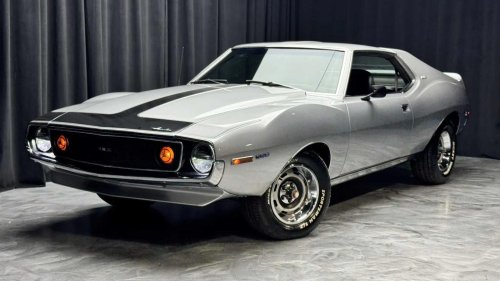
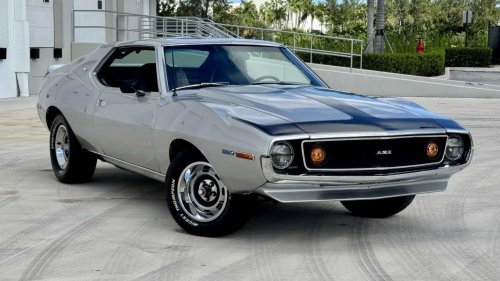
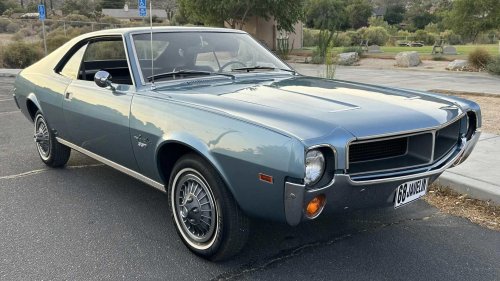
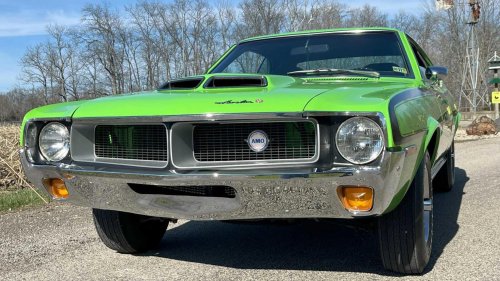
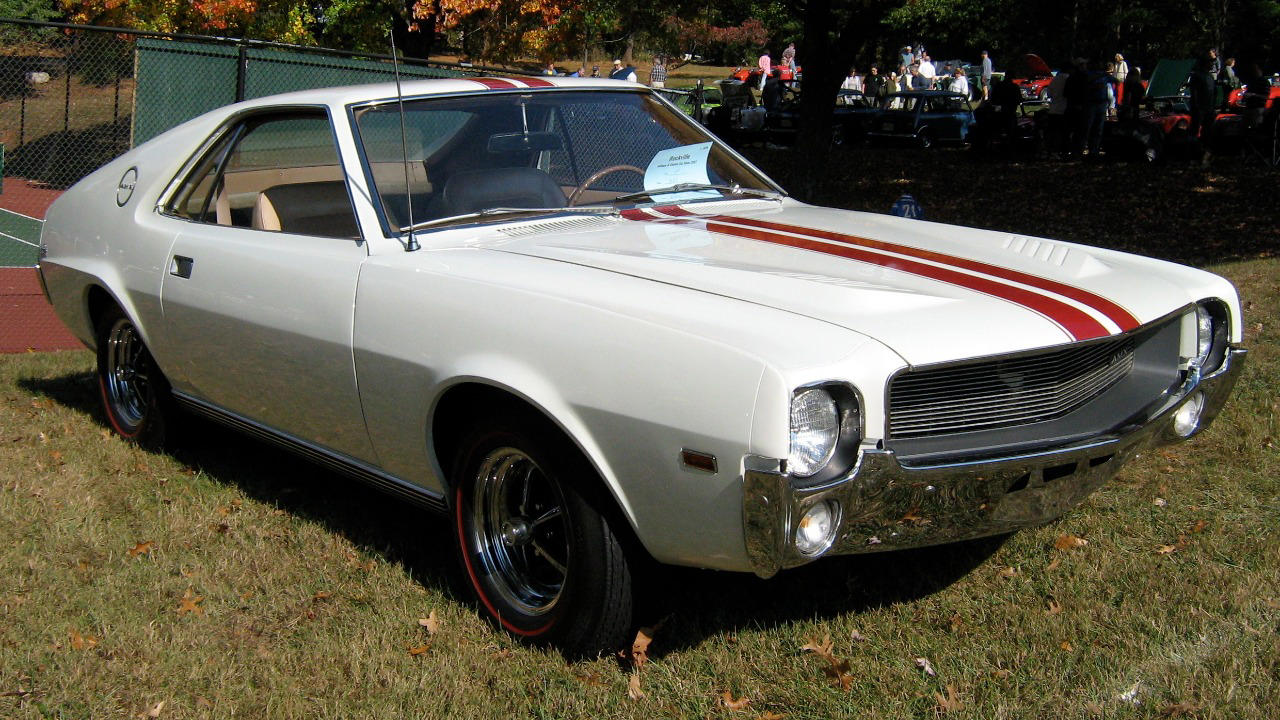
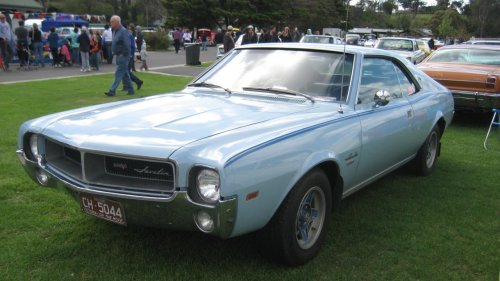
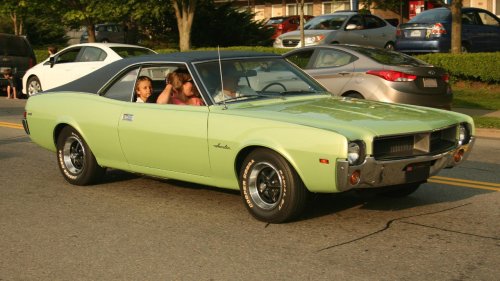
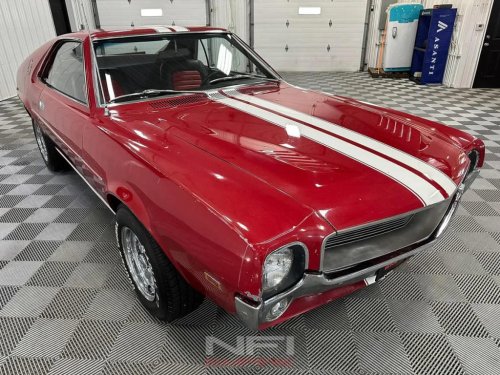
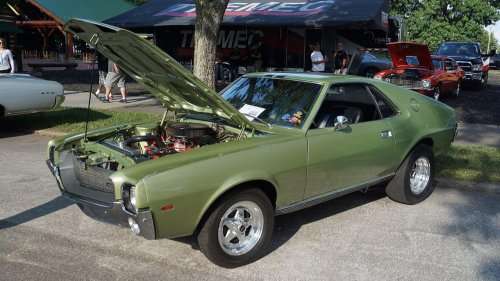
How the 1968 AMC Javelin took on the Big ThreeThe 1968 AMC Javelin arrived as an outsider in a contest already dominated by Detroit’s Big Three, yet it refused to behave like a bit player. American Motors took a brand often dismissed as conservative and used the Javelin to challenge the Ford Mustang, Chevrolet Camaro, and Plymouth Barracuda on price, performance, and image. In the process, the car reshaped how enthusiasts viewed the company and left a legacy that still resonates with collectors and racers. More than a simple bid for sales, the Javelin became a declaration that American Motors could build a true pony car with style, speed, and staying power. Its story shows how a smaller manufacturer, with fewer resources and little racing pedigree, could still rattle the established order. From “old folks’ cars” to pony-car contender In Sixties enthusiast circles, American Motors had been viewed in Sixties car culture as a builder of practical, even staid, transportation. After sitting out most of Detroit’s horsepower race in the Fifties and early Sixties, the company had misread the youth market and leaned on economy and compact models instead of performance. By the late 1960s that strategy was untenable. The Ford Mustang and Chevrolet Camaro had turned the pony car into a cultural phenomenon, and American Motors needed a dramatic response to stay relevant. Internal programs such as AMC’s Project IV and The Rise Of The AMX showed that the company was finally willing to invest in performance, and the Javelin became the volume centerpiece of that shift, while the AMX served as a shorter, two-seat companion. One of those new cars carried a name chosen to signal a clean break with the past. They named one of them the Javelin, most likely after the spear-throwing event, a deliberate nod to a more athletic and aggressive identity. According to one detailed account, named one of and swung for the fences, signaling that AMC would no longer sit quietly on the sidelines. Design, hardware, and the value play The 1968 AMC Javelin was AMC’s bold entry into the pony car market, and it was designed to compete directly with the Ford Mustang and Chevrolet Camaro. Contemporary descriptions highlight its wide stance, long hood, and fastback roofline, elements that gave the car a muscular profile without simply copying its rivals. Under the skin, the Javelin offered a range of engines that let buyers move from basic transportation to serious muscle. The SST trim could be ordered with a “390” cubic inch V8, and enthusiasts recall that the 1968 AMC Javelin SST used that 390 as its most emphatic answer to Detroit’s horsepower showdown. That big V8, paired with optional heavy-duty suspensions and performance gearing, gave the Javelin the straight-line pace needed to run with better known competitors. Even the brakes and wheels reflected a focus on real-world performance. For slowing down, the Javelin came standard with 10-inch drum brakes front and rear, and the wheels were 14-inch stamped steelies wrapped in period-correct rubber, a setup that balanced cost with adequate stopping power for the era, as detailed in a Javelin brake and comparison. Price was another weapon. Its AMC Javelins MSRP was specifically meant to compete directly with the Ford Mustang’s, which was just seven dollars less, a deliberate strategy to remove cost as a reason to ignore the newcomer. By matching the established benchmark almost to the dollar, AMC signaled that buyers could choose on style and performance rather than budget alone. Inside, the Javelin mixed sporty cues with safety features such as fiberglass safety padding and a pillared windshield, details that showed American Motors still leaned on its reputation for practicality even as it chased speed. Trans Am ambitions and the racing pivot If the showroom Javelin was meant to change perceptions, the racing version was designed to humiliate skeptics. When AMC first looked at professional road racing, Mar observers noted that AMC had no racing experience, no performance parts, and not even a fully developed performance car. Yet AMC was not just daydreaming, it was dealing with the reality that the Trans Am series had become the ultimate battlefield for factory backed pony cars. During the early 1970s, American road racing entered a golden age, and the Trans Am series turned street-based coupes into national heroes. A later retrospective on how the unlikely AMC Javelin shocked the racing world describes how the car, once an underdog, evolved into a championship threat against the Big Three’s best funded teams. Those results did not happen overnight. They grew from a combination of engineering upgrades, extra duty parts, and a growing catalog of performance components that had been absent from AMC’s lineup only a few years earlier. The transformation from conservative manufacturer to credible racing force made the Javelin a symbol of corporate reinvention. Bonneville spectacle and lasting reputation American Motors also understood the publicity power of spectacle. The 1968 AMC Javelin “Bonneville Speed Spectacular” World Record Setter became one of the most dramatic examples. As chronicled in a detailed feature on the Bonneville Speed Spectacular, this was the AMC Javelin that won the Bonneville Spe event for its class, cementing the model’s image as more than a styling exercise. More from Fast Lane Only Unboxing the WWII Jeep in a Crate 15 rare Chevys collectors are quietly buying 10 underrated V8s still worth hunting down Police notice this before you even roll window down



















 +18 others





















![BYD's $10,000 EV has a big sibling on the way: First look [Images]](https://cdn.topcarnews.net/thumb/id/aHR0cHM6Ly9pMC53cC5jb20vZWxlY3Ry-ZWsuY28vd3AtY29udGVudC91cGxvYWRz-L3NpdGVzLzMvMjAyNi8wOS9CWUQtR3Jl-YXQtU2VhZ3VsbC1FVi1maXJzdC1sb29r-LmpwZWc_dz0xNTAwJmFtcDtxdWFsaXR5-PTgyJmFtcDtzdHJpcD1hbGwmYW1wO3Nz-bD0x/4dd4fa96cdf12559891b44c0ae18cc65.jpeg?t=20261007&post_id=64341)