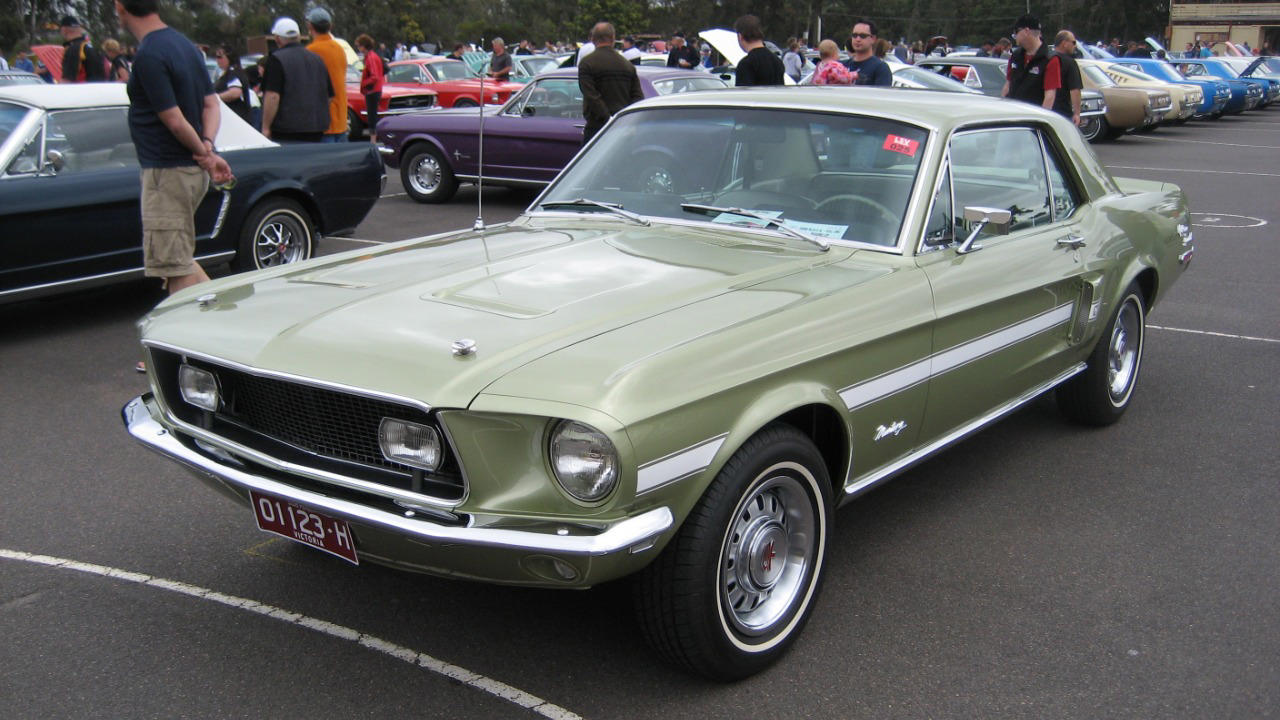
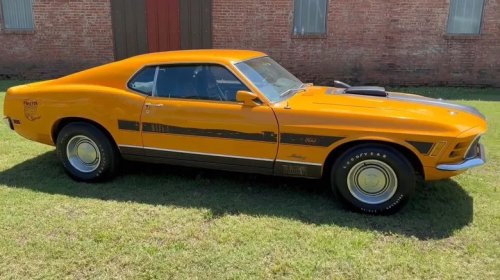
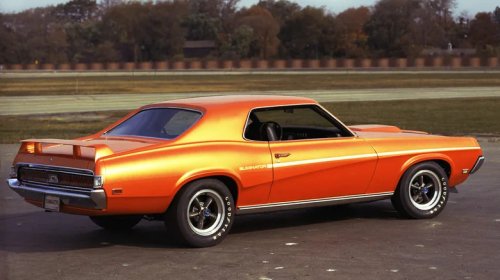
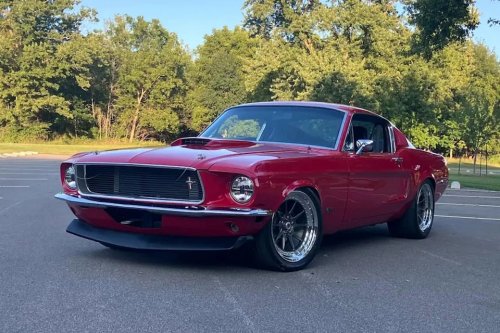
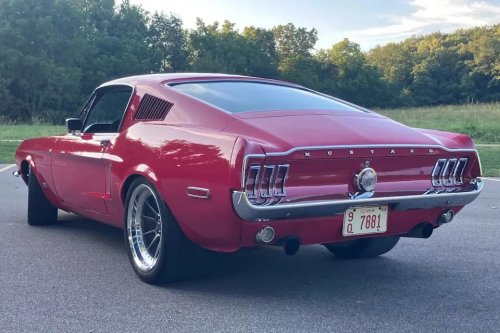
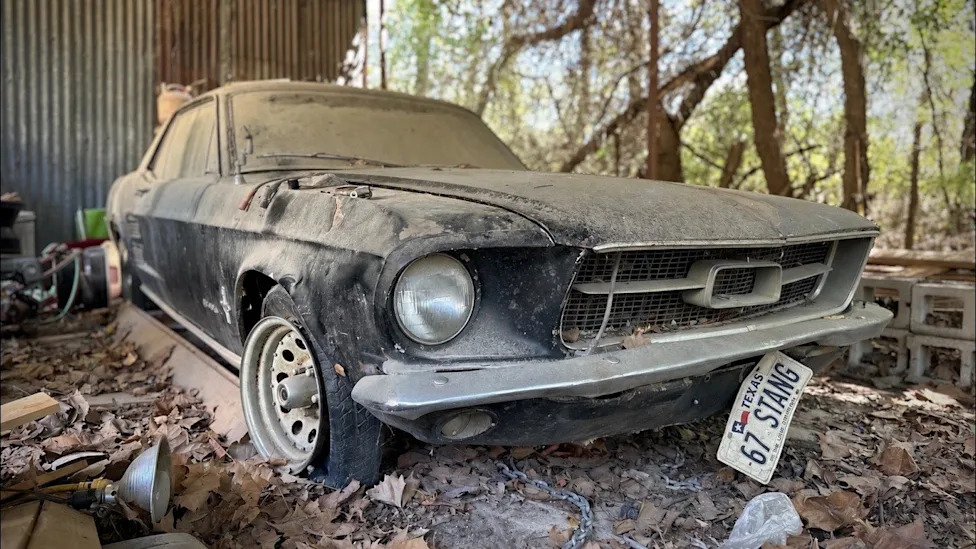
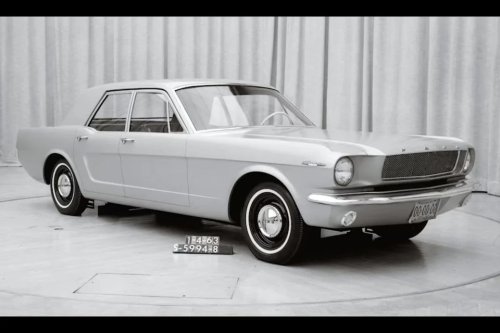
How the 1968 Ford Mustang California Special stood outThe 1968 Ford Mustang California Special emerged from a crowded field of tape-stripe packages yet managed to become one of the most distinctive regional muscle cars of its era. It married Shelby-inspired styling cues, West Coast marketing flair, and limited production into a package that still commands attention in show fields and auction lanes. More than half a century later, collectors see the California Special as proof that a clever mix of appearance parts and local branding could turn a regular hardtop into something far more memorable. Marketing magic: “California Made it Happen” Ford did not originally intend to build a separate Mustang for one state, but strong sales in California convinced the company to greenlight a special edition for that market. Internal messaging emphasized ‘California made it happen,’ framing the car as a regional variant of the national Mustang lineup. The formal marketing theme, described as Marketing California Made, played directly to West Coast identity and positioned the GT/CS as a car that could only have been born from that scene. As demand grew, Ford offered the California Special beyond the Pacific coast, including cities like Dallas, Phoenix, Seattle, Salt Lake City, and Kansas City, showing that the car’s appeal extended beyond California. Design details that went beyond stripes By 1968, tape stripe packages were everywhere, yet Ford wanted the California Special to look more substantial than a simple graphics bundle. The company built the car from “some things borrowed and some things new,” combining Shelby-style elements with unique trim that made the coupe instantly recognizable. The package was offered only on the two-door hardtop, and tape stripe packages on the flanks were only part of the story. The California Special featured a distinctive rear deck with an integrated spoiler, unique taillights, and side scoops inspired by Shelby designs. Another detailed account of California Special Ford notes that the car mixed production Mustang panels with Shelby-esque fiberglass pieces and unique badging, which gave the GT/CS a presence that went well beyond its relatively modest cost. Those visual changes were not limited to California. A related regional model, the Ford Mustang High Country Special, adopted many of the same cues. For 68, the HCS became a hardtop only and borrowed front foglights, side scoops, and a Shelby rear treatment from the Califor package, as described in coverage of HCS Shelby Califor. The California Special also offered serious hardware under the hood. One report on an Acapulco Blue example notes that there are no records of how many cars were shipped with the 325-horsepower engine, but experts agree that most California Specials carried more conventional powertrains, according to analysis of Jul There California. Built in San Jose, aimed at California All California Specials were built at Ford’s San Jose assembly plant and initially distributed to California dealers and select other markets. The car’s origin story is closely tied to local retailers. One enthusiast summary notes that the 1968 California Special was a Mustang that Ford never initially planned to create. However, California dealers, backed by a state that accounted for a significant share of Mustang sales, pushed the company to approve the project, which is reflected in a discussion of Feb California Special. Production remained limited. Production estimates place the 1968 California Special run at 3,867 cars, confirming its limited production. Another summary of the model’s history states that the automaker built just over 4,000 special-edition cars in 1968, which suggests that production records vary slightly but still confirm a relatively small run compared with mainstream Mustangs, as noted in a preview of 4,000 special-edition. Rarer than some Shelbys, and still climbing The California Special’s short run and distinctive look have turned it into a serious collectible. One analysis notes that Ford’s California and High Country Special editions were even rarer than the Carroll Shelby versions of the Mustang, and describes the GT/CS as a one-year wonder that sent most of its production to California, as detailed in coverage of Oct Ford California. Values reflect that scarcity. Typically, collectors can expect to pay around $37,500 for a 1968 Ford Mustang California Special in good condition with average specifications, according to pricing data that describes how Typically Ford Mustang has become a realistic benchmark. Individual survivors can be exceptionally correct. One auction listing described a briefly produced 1968 Mustang California Special coupe as a numbers-matching example still equipped with its VIN-stamped original engine, argent styled steel wheels, and period paperwork, underscoring how much detail matters for top-tier cars, as shown in the description of Briefly Mustang California. Fresh discoveries continue to surface. One recent story highlighted a Ford Mustang GT/CS described as one of 54 “Shelby-ized” cars, a reminder that some combinations of paint, trim, and performance options remain exceptionally scarce, as reported in a feature dated June. Legacy that reaches beyond 1968 The California Special’s influence did not end with the original GT/CS. The High Country Special, built for mountain states, shared its styling DNA and was itself rare enough that a barn-find Ford Mustang High Country Special recently drew attention as an unusual survivor from the San Jose assembly plant, as recounted in a profile of Jul Ford Mustang. Enthusiasts have built a dedicated ecosystem around the GT/CS. One enthusiast site, which grew out of a story titled The Purchase of My 1968 Mustang California Special, hosts registries and research for owners and fans, as referenced in the link to Discovered The Purchase. Various outlets, including HowStuffWorks, have documented the California Special’s history, illustrating its cultural and automotive significance. Enthusiast media and social channels maintain interest, featuring articles on the Mustang High Country Special and highlighting valuation and collector information. Even within that busy ecosystem, the original 1968 California Special still stands apart. With its limited production, Shelby-flavored styling, and unmistakable “California Made it Happen” aura, the GT/CS remains a reminder that a regional idea, executed with conviction, can leave a national mark. More from Fast Lane Only Unboxing the WWII Jeep in a Crate 15 rare Chevys collectors are quietly buying 10 underrated V8s still worth hunting down Police notice this before you even roll window down