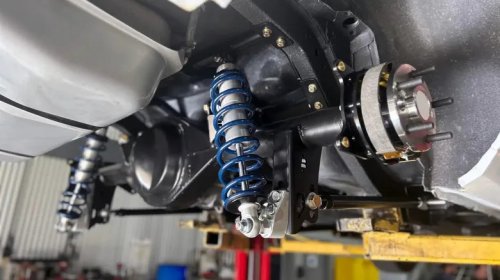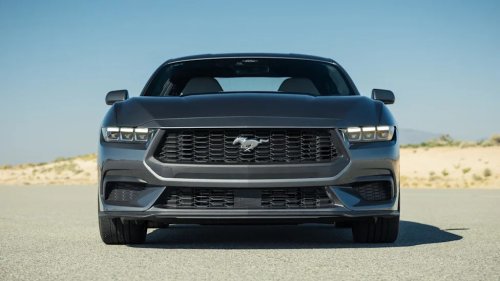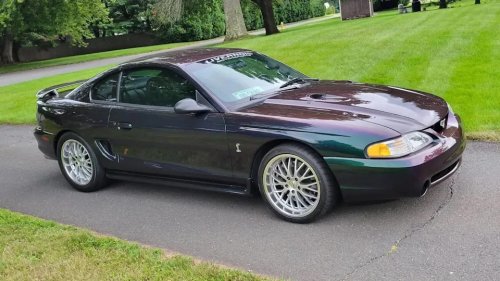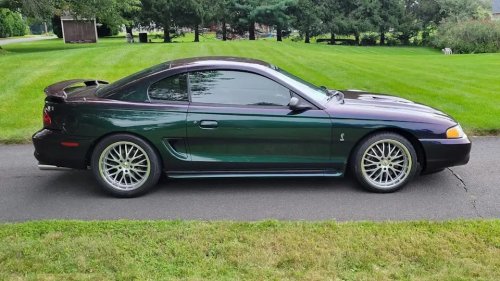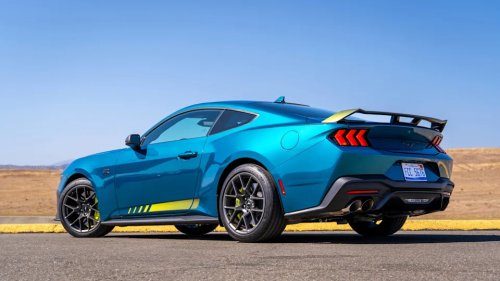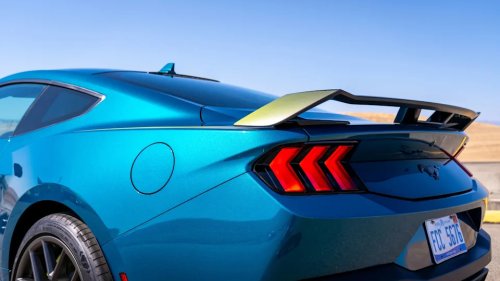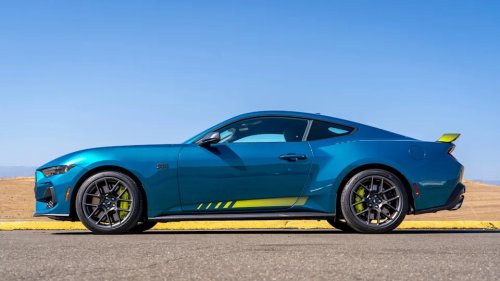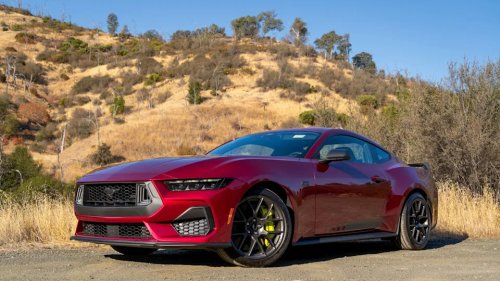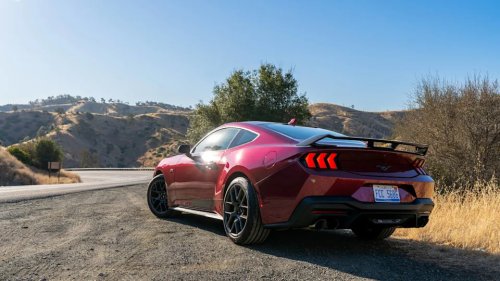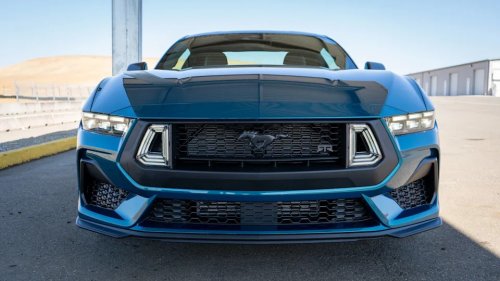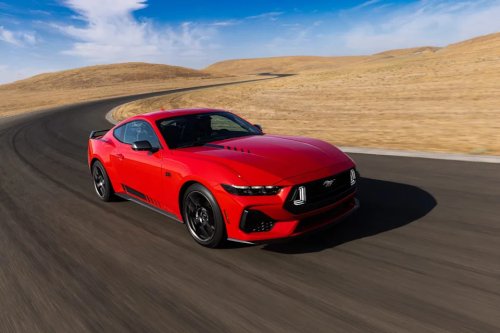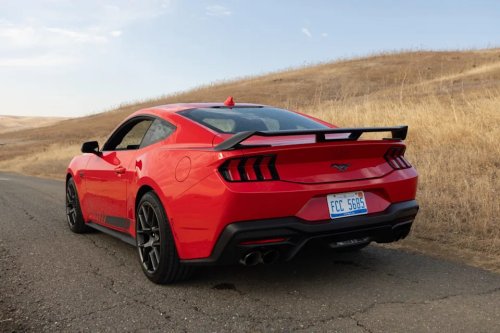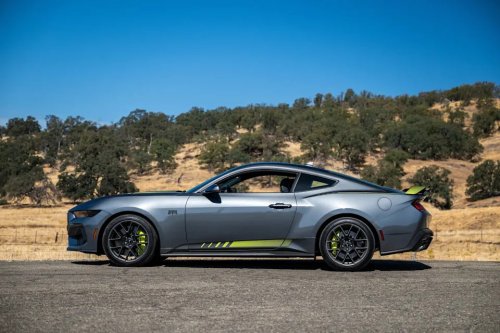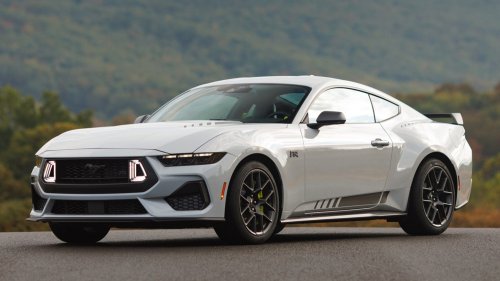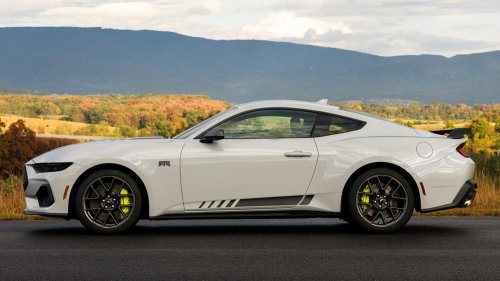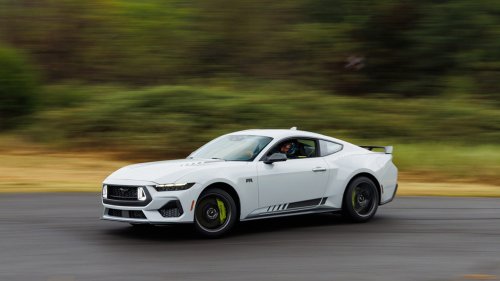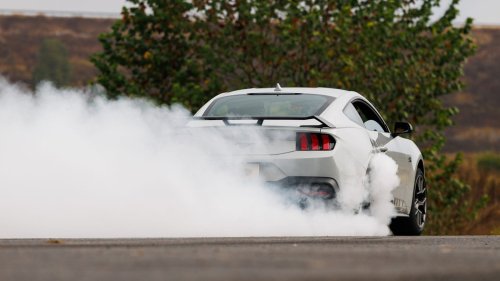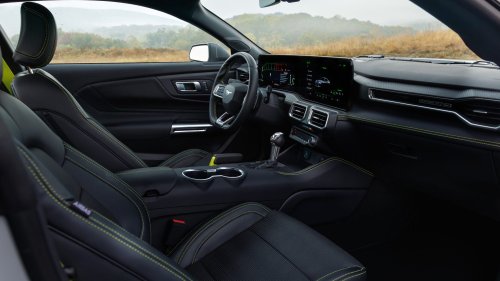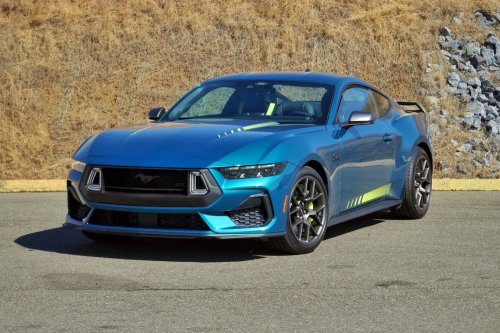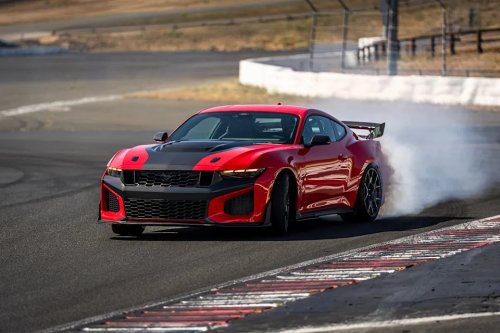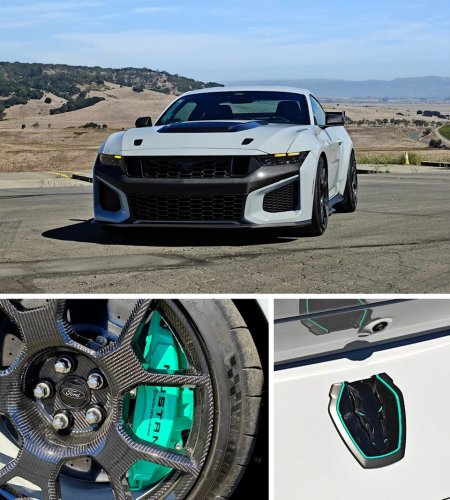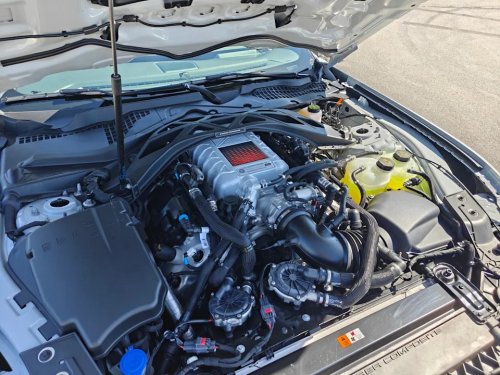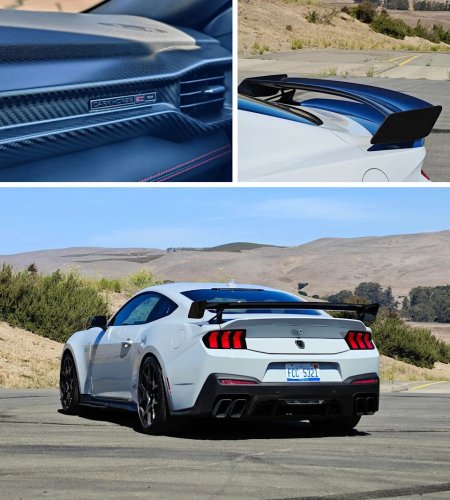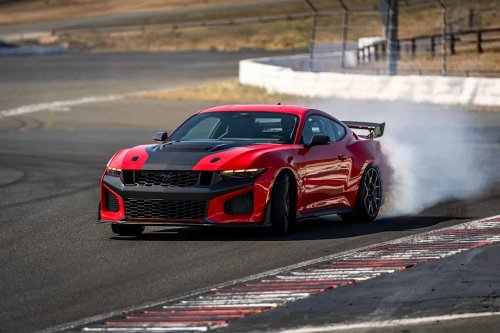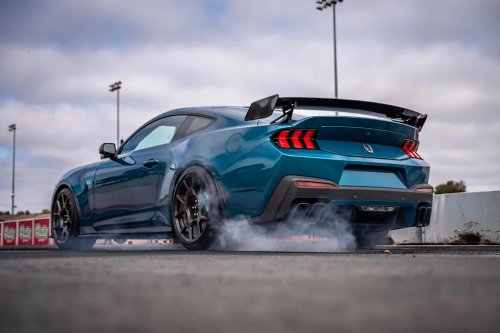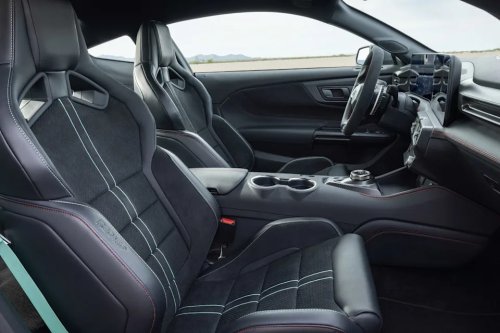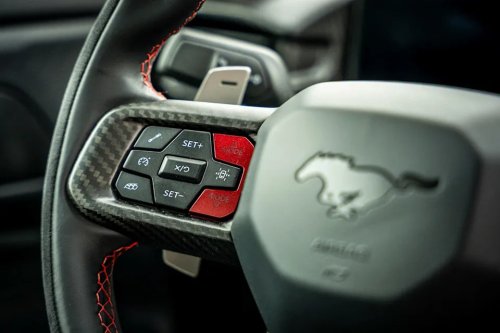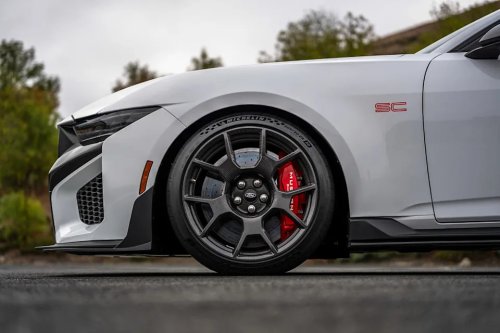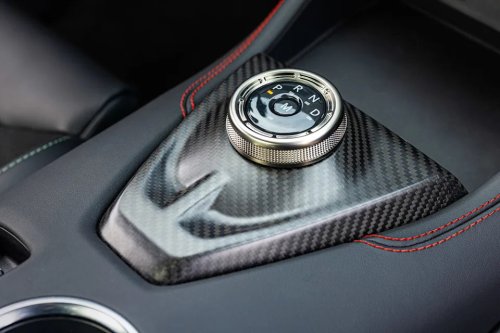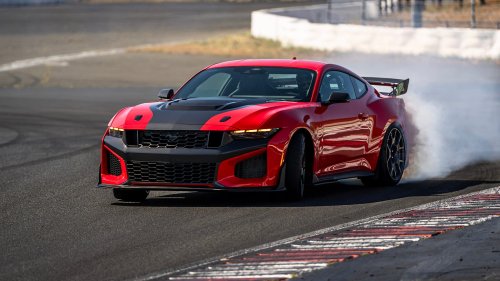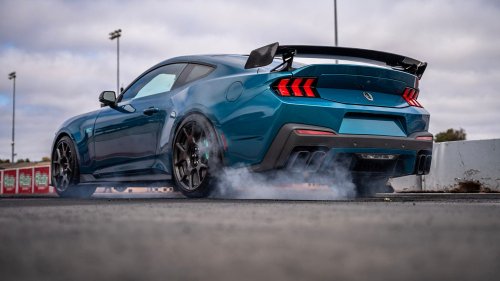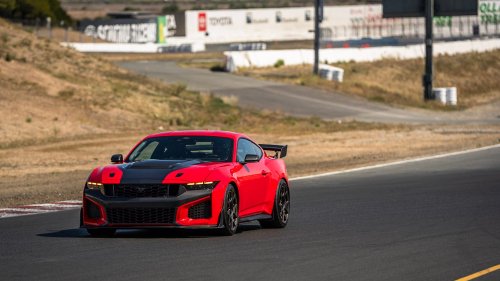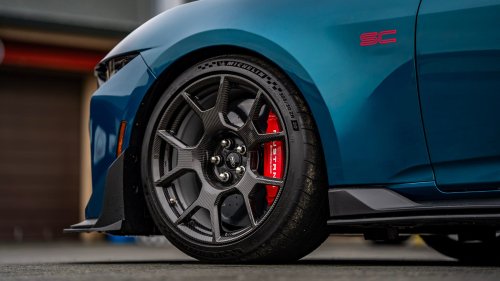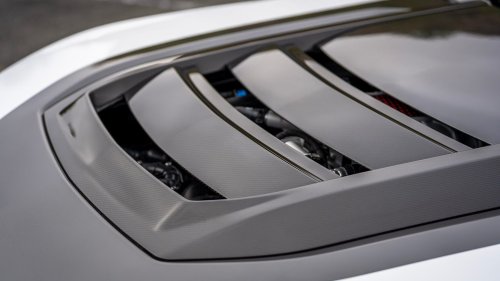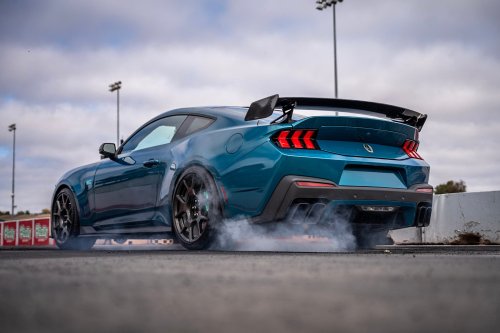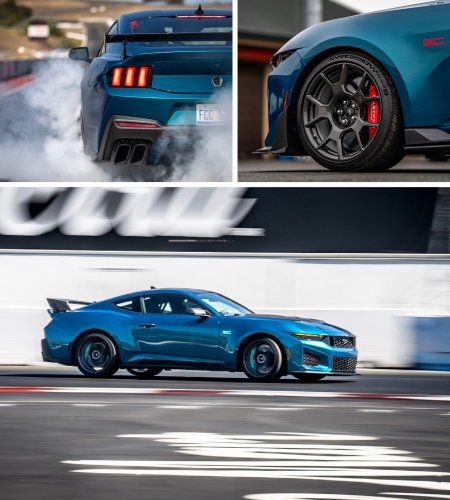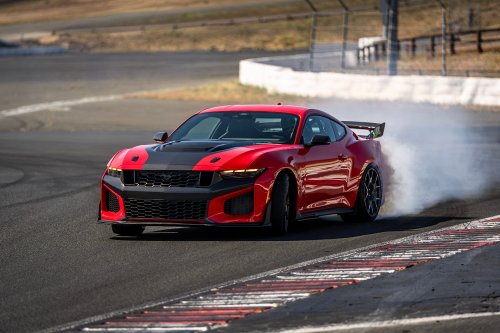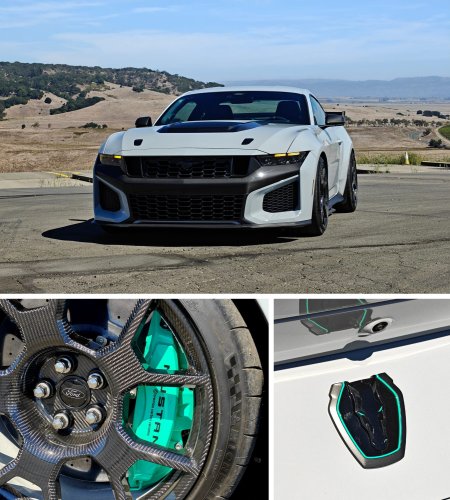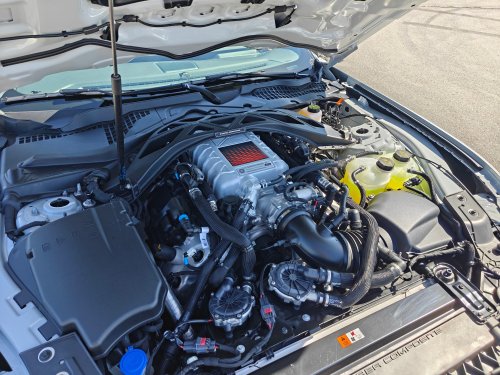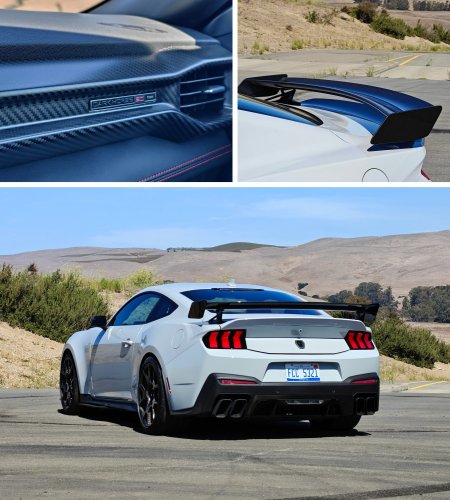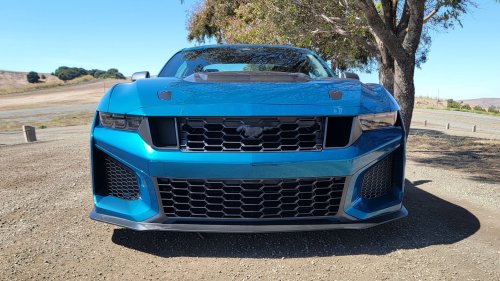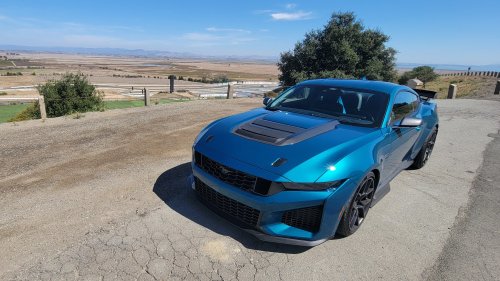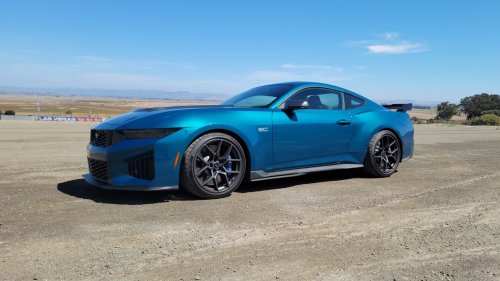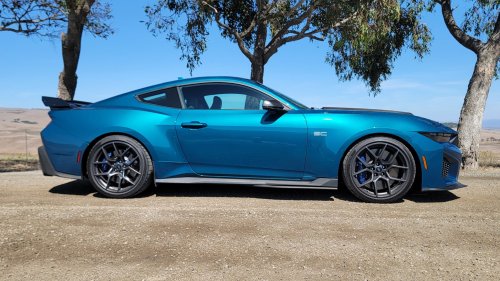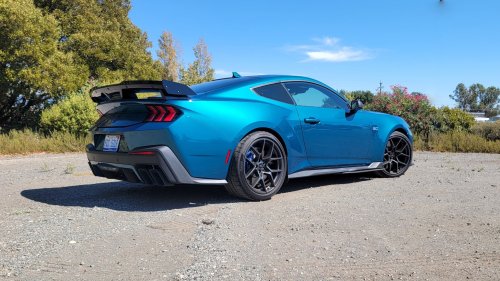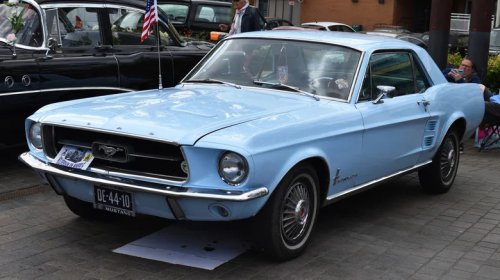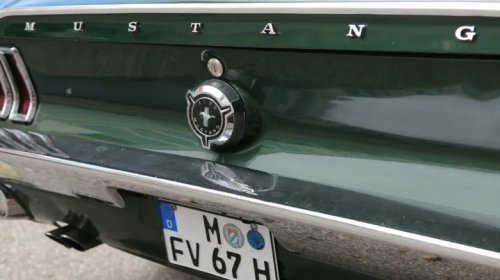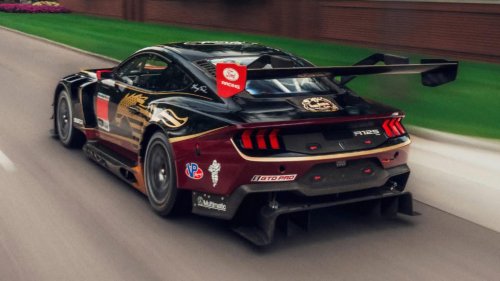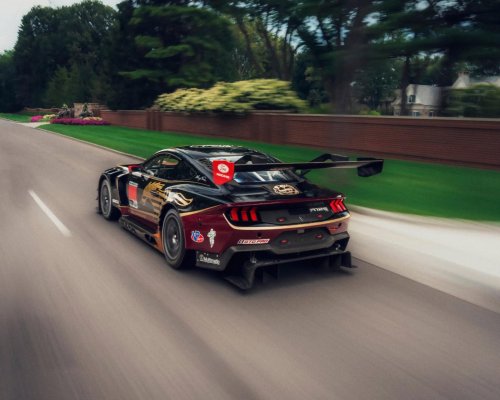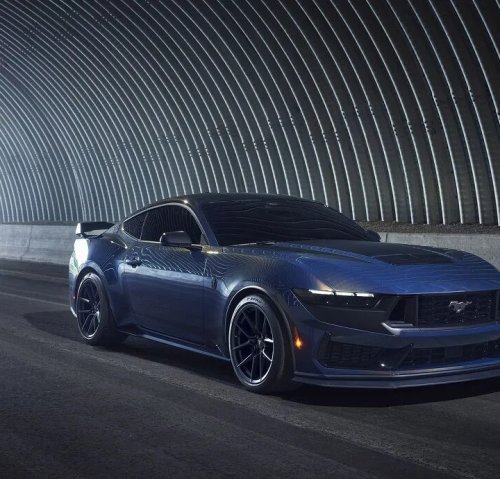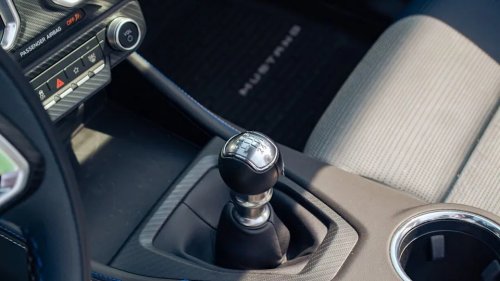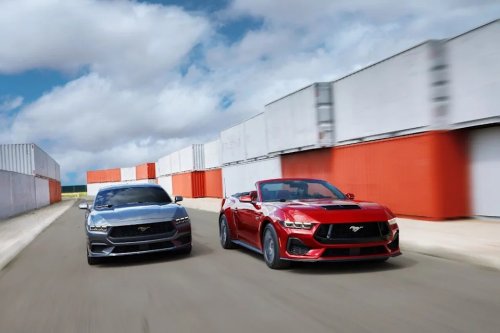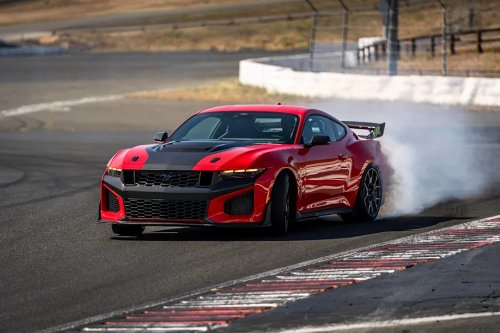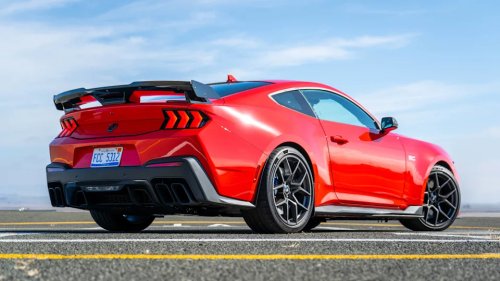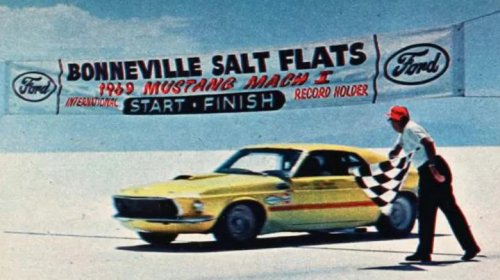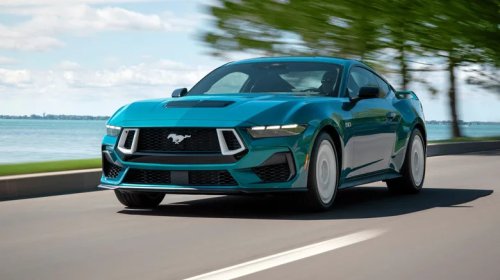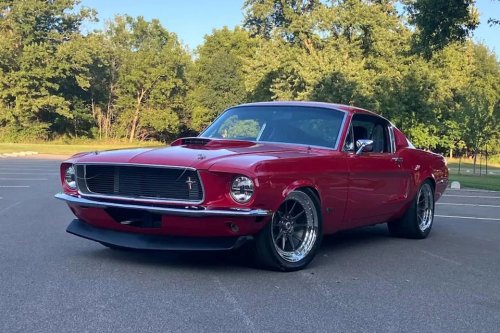





















ford mustang trade in value The Ford Mustang occupies a unique position in the automotive market. Unlike family-oriented sedans and SUVs, the Mustang is an emotional purchase. Its trade-in value is driven far less by a simple mileage-to-year formula and much more by trim level (specifically the presence of a V8 engine), transmission type, and vehicle history. Because the Mustang spans such a wide spectrum, from the entry-level EcoBoost to the track-destroying Dark Horse and vintage classics, values can vary by tens of thousands of dollars for the same model year. If you own a Ford Mustang, you aren't just driving a car, you're managing an asset. The Mustang trade-in market is arguably the most volatile in the industry. While most cars depreciate based on how many miles they've traveled, the Mustang's value is dictated by the soul under the hood. The V8 Premium The era of the high-displacement combustion engine is fading, and the market knows it. The GT/Dark Horse Advantage: If you have a V8 (GT, Mach 1, or Dark Horse), your trade-in value is substantially higher than the EcoBoost variants. Enthusiasts are actively buying these models as future collectibles, keeping values high. Modification Alert: The Mustang is the most modified car in America. While a cold-air intake is generally fine, extensive engine modifications, aftermarket tuners, or lowered suspensions will often lower your trade-in value. Dealers know heavily modified usually means heavily raced. If your car is stock, emphasize it: bone stock is a high-demand phrase for used car buyers. The Transmission Choice For the modern Mustang (2015+), the transmission matters. Manual vs. Automatic: The manual transmission is becoming a rarity. A well-maintained manual GT will often fetch a premium from a dealer because they know they have a specific buyer waiting for it. If you have a stick-shift, make sure the appraiser knows it, it's a feature, not a quirk. Market Tip: The History Report Because Mustangs are often pushed harder than the average sedan, Carfax history is everything. Track Days: If your vehicle history shows any collision or structural damage, even if it was repaired to perfect OEM standards, it significantly shrinks the pool of retail buyers. Tire Health: Appraisers look at the rear tires first. If they are bald, it's a red flag that you've been doing burnouts. Budget for a fresh set of high-quality tires before you visit the dealer if you want that "Excellent" condition rating. 2022 Ford Mustang GT California Special 2022 Ford Mustang GT California Special 2026 Toyota Corolla Cross SE: All the Details Ford Mustang Trade-In Value Guide (2010–2024) 2024 Ford Mustang Dark Horse 2024 Ford Mustang Dark Horse Year Trim Worse (Fair) Average (Good) Better (Excellent) 2024 EcoBoost $22,500 $26,000 $29,000 GT (V8) $34,000 $38,500 $42,000 Dark Horse $48,000 $53,000 $58,000 2023 EcoBoost $19,500 $23,000 $25,500 GT (V8) $30,000 $34,500 $38,000 2022 EcoBoost $17,000 $20,000 $22,500 GT (V8) $27,000 $31,000 $34,500 2021 EcoBoost $15,000 $17,500 $19,500 GT (V8) $24,500 $28,000 $31,000 2020 EcoBoost $13,500 $15,500 $17,500 GT (V8) $22,000 $25,500 $28,500 2019 EcoBoost $12,000 $14,000 $16,000 GT (V8) $20,000 $23,000 $26,000 2018 EcoBoost $10,500 $12,500 $14,500 GT (V8) $18,500 $21,500 $24,000 2017 EcoBoost / V6 $9,000 $11,000 $13,000 GT (V8) $16,500 $19,000 $22,000 2016 EcoBoost / V6 $7,500 $9,500 $11,500 GT (V8) $15,000 $17,500 $20,000 2015 EcoBoost / V6 $6,500 $8,500 $10,000 GT (V8) $13,500 $15,500 $18,000 2011–2014 V6 $3,500 $5,500 $7,500 GT (V8) $8,000 $11,000 $14,000 2010 V6 / GT $2,000 $4,000 $6,000 AutoGuide's Advice: For older Mustangs (2010–2014), condition is the only metric that matters. These cars have hit their price floor, and a clean, rust-free, non-abused V8 GT is now an appreciating asset. If you are trading one in, do not settle for a book value. Find a dealer that specializes in performance cars, or list it privately; you will likely get thousands more than a standard trade-in appraisal. Top 10 Best New Cars to Modify