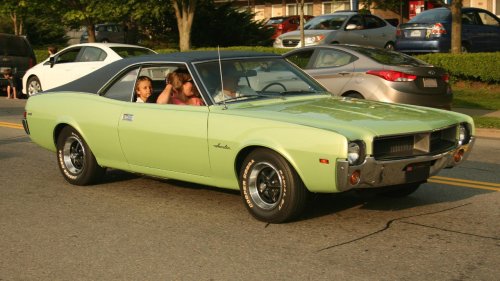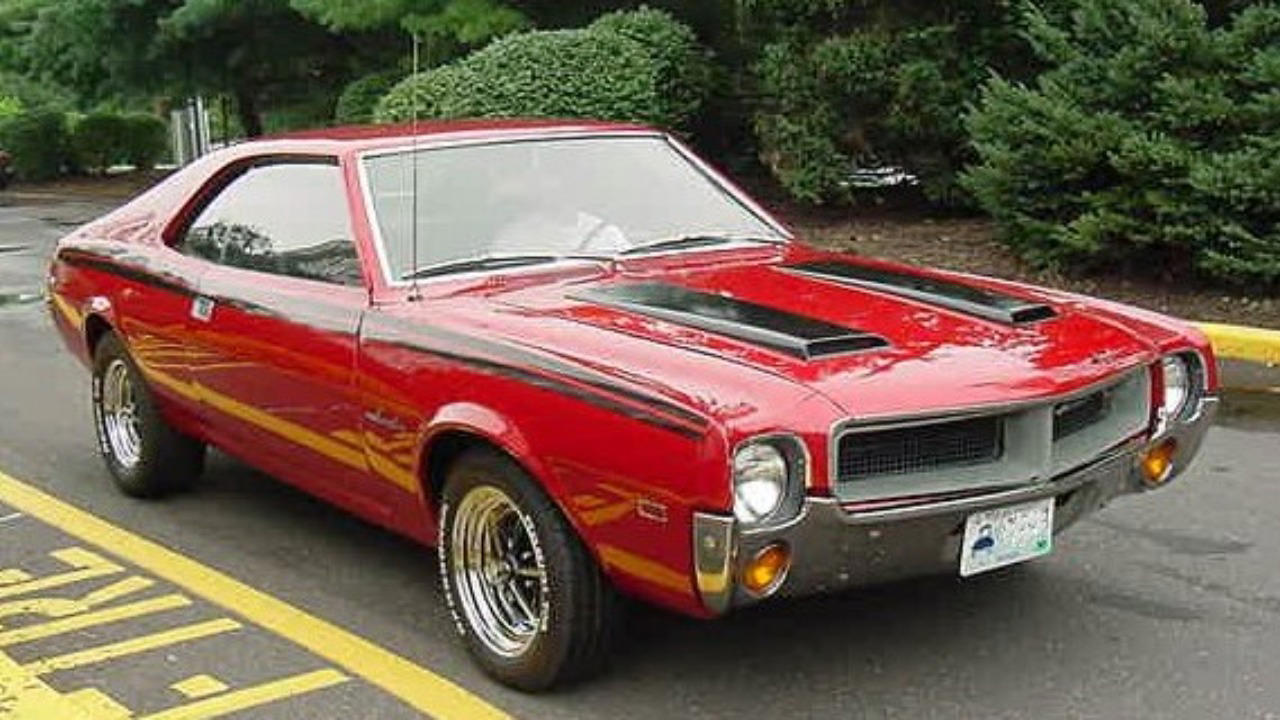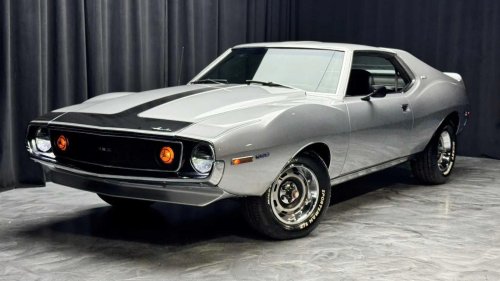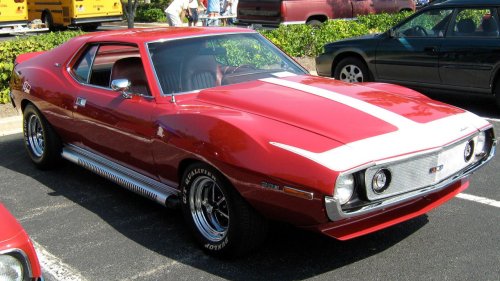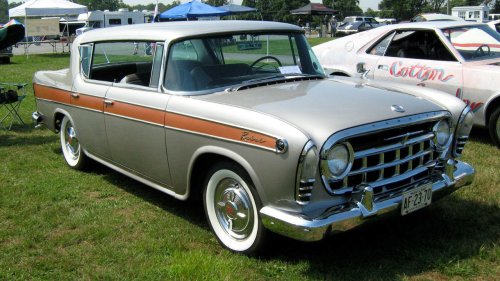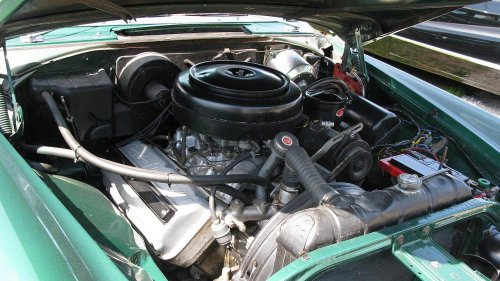

















AMC stepped into the spotlight with the JavelinAmerican Motors Corporation arrived late to the pony car party, but when it finally rolled out the Javelin, the smallest of Detroit’s automakers suddenly had a spotlight of its own. The Javelin gave AMC a credible answer to the era’s dominant coupes and, for a brief but vivid stretch, turned a conservative company into a serious style and racing player. More than half a century later, that moment still shapes how enthusiasts remember AMC. Throwing a Javelin into the pony car fight AMC had watched as the Ford Mustang created an entirely new segment and as rivals rushed in with their own sporty coupes. The company could not afford to sit out a market that was defining American youth culture, so it developed the Javelin as its entry into the same arena. An AMC press release in Aug officially announced the 1968 model and framed the car as a fresh start for a brand better known for economy than excitement, describing a sleek profile and a package aimed squarely at younger buyers who wanted style as much as practicality, a positioning later echoed in factory literature. American Motors, often described as a budget-conscious alternative to the Big Three, needed the Javelin to be more than a styling exercise. The car was sized and priced to sit in the same mental space as the Mustang, yet it carried AMC’s reputation for sensible engineering. That mix of practicality and flair would become one of the Javelin’s signatures and a key reason it still attracts enthusiasts who like their muscle with a dose of contrarian charm. Facing down Mustang, Camaro and the rest The Javelin did not enter a vacuum. By the time it arrived, the Ford Mustang had already defined the pony car template, and the Chevrolet Camaro, Dodge Challenger and Plymouth Barracuda were sharpening that formula with more power and aggressive styling. The Javelin was AMC’s rival to the Ford Mustang, Chevrolet Camaro, Dodge Challenger and Plymouth Barracuda, a fact that contemporary enthusiasts still highlight when they describe how AMC tried to meet those segment leaders on performance, features and price, as seen in modern profiles of the Javelin. Styling helped AMC stand out. The long-hood, short-deck proportions were familiar, but the Javelin’s body sides and greenhouse had a cleaner, almost European feel compared with some of its more flamboyant rivals. That look let AMC pitch the car as both sporty and sophisticated, appealing to buyers who wanted a performance image without abandoning everyday usability. American Motors also made sure the interior felt more grown up than some competitors, with a focus on visibility and usable rear seating that made the Javelin a realistic daily driver. Under the skin, AMC offered a range of engines that allowed the Javelin to scale from economical to genuinely quick. While the Big Three often led outright horsepower wars, the Javelin’s combination of weight, gearing and chassis tuning meant it could hold its own on real roads. Enthusiasts who compare period tests often point out that AMC delivered strong value, giving buyers a credible alternative to better-known badges without demanding a premium for the underdog choice. From sensible to serious: performance and the AMX connection In the late 1960s, American Motors Corporation was not exactly known for performance. The company’s reputation leaned toward compact, efficient cars rather than tire-smoking coupes. That image began to shift when AMC embraced racing and performance packages, a transition that enthusiasts often trace back to the first Javelin and its two-seat sibling, the AMX. Commentators looking back on that period describe how AMC executives realized they needed a halo effect, and how they gradually moved from mild sporty trims to serious hardware, a progression captured in retrospectives that recall how secret weapon in racing talent. The AMC AMX shared much of the Javelin’s engineering and even used a shortened Javelin chassis, but it pushed the performance message further. Enthusiast accounts highlight how The AMC AMX utilized that shortened Javelin chassis and a massive 430 lb-ft of torque to embarrass larger, more expensive muscle cars from the Big Three, framing it as proof that AMC could build serious performance machinery on a budget, as described in features that celebrate the AMC AMX. The Javelin itself evolved into hotter versions. The Javelin AMX badge brought more aggressive styling, uprated engines and suspension tuning that made the car feel at home on both street and track. American Motors used these variants to signal that it was serious about performance, not just mimicking the look. The company’s willingness to invest in unique bodywork and dedicated performance trims, despite its smaller size, showed how central the Javelin had become to AMC’s identity. Penske, Donohue and the Trans Am transformation The real turning point for the Javelin’s image came when AMC decided to chase glory in Trans Am racing. In the late 1960s, AMC charged into Trans Am competition with stars like Mark Donohue and Roger Penske, a bold move that paired the company with some of the most respected names in American road racing and turned the Javelin into a serious contender on track, as later chronicled in histories of Javelin SST Mark. Penske and Donohue brought a methodical approach to racing engineering that reshaped how manufacturers thought about factory-backed programs. Donohue’s feedback loop with AMC engineers led to a series of refinements that improved the Javelin’s aerodynamics, suspension geometry and weight distribution. The resulting race cars began to challenge the established Trans Am powers, and American commentators later described how the Javelin shocked the racing world by taking on brands that had dominated the series, a story retold in video features on American Trans Am. Track success fed directly into a street model. The 1970 AMC Javelin SST Mark Donohue Edition was developed as a bridge between the race program and showroom floor, with styling cues and equipment inspired by the Trans Am cars. American Motors used this special edition to market the idea that buyers could own a piece of the same engineering that carried Donohue to the podium. That connection between racing credibility and road-going product helped AMC punch above its weight in enthusiast circles. Pony car credibility and cultural reach American Motors’ Javelin served as the company’s entrant into the pony car market created by the Ford Mustang, and it gradually earned respect among drivers and journalists who had initially seen AMC as an outsider. Period descriptions of the car’s design talk about a lean, athletic shape with “nary a hint of fat,” a phrase that captured how the Javelin sought to avoid the excesses that some competitors embraced, as remembered in enthusiast discussions of American Motors’ Javelin. Marketing pushed the same message. Campaigns showed young buyers using the Javelin as both daily transportation and weekend toy, positioning it as a car that could commute during the week and head for back roads on Sunday. The average age of a Javelin buyer skewed younger than AMC’s traditional customer base, which signaled that the company had finally connected with the demographic that dominated the pony car boom, a shift later highlighted in historical pieces that look back at how the Javelin debuted. The car’s cultural reach extended beyond showrooms. A period commercial that featured a young Richard Dreyfuss behind the wheel, preserved in archives that note how Amc jumps into the pony car market, captured the sense that AMC was trying to speak directly to a new generation, a moment still visible today in footage of Amc advertising. The Javelin also found its way into law enforcement fleets, with some departments adopting it as a pursuit car and later inspiring meticulous tribute builds that showcase how the car’s performance and durability translated into police work, as seen in write-ups on a 1972 Javelin police. Extreme builds and lasting enthusiast loyalty The Javelin’s appeal did not fade when production ended. Over the years, builders have pushed the car into increasingly extreme territory, from pro-touring restomods to drag-focused machines. Some of the most talked-about examples are wild custom Javelin AMX builds that blend period styling with modern powertrains and suspension, projects that enthusiasts describe as taking an AMC Javelin to the extreme and that often reference how American Motors Corporation once built factory specials that surprised Corvette fans, stories that surface in features that begin with “Let me tell you something” about how Corvette loyalists reacted. Those customs build on a factory legacy that already leaned toward the dramatic. The 1971 and 1972 Javelin AMX models wore bold fender flares and sculpted bodywork that divided opinion at the time but has aged into a signature look. Designers pushed the envelope in a way that some contemporaries did not, and that risk-taking has helped the Javelin stand out in a sea of more familiar pony cars. Modern builders often exaggerate those cues, using them as a foundation for even more radical interpretations. Enthusiast communities have also embraced the Javelin’s underdog status. Owners frequently describe the satisfaction of driving a car that sparks questions at fuel stops, rather than yet another Mustang or Camaro. That sense of individuality, combined with the car’s genuine performance credentials and racing history, keeps the Javelin relevant at shows and on social media feeds where rare American iron tends to draw attention. The final years and what remains By the mid 1970s, changing regulations and shifting buyer tastes were squeezing the pony car segment. AMC faced hard choices about how to allocate limited manufacturing capacity. The company closed out its Javelin production with the 1974 AMC Javelin AMX, then discontinued the Javelin after 1974 in order to free up capacity for other models and to deal with new federal bumper standards that would have required significant redesign, a decision outlined in retrospectives on how AMC discontinued the. That decision marked the end of AMC’s direct presence in the pony car market, but the impact of the Javelin lingered. The car had proven that a smaller manufacturer could compete with the industry’s giants on both showroom appeal and racing success. It also left behind a portfolio of memorable variants, from early SST models to the Javelin AMX and the special Mark Donohue Edition, each of which now commands attention among collectors. Modern enthusiasts often trace their interest in American Motors back to a first encounter with a Javelin at a local show or in a vintage photograph. The car’s blend of recognizable pony car proportions with distinct AMC quirks makes it an ideal gateway into the brand’s broader history. For a company that spent much of its life in the shadows of larger rivals, the Javelin represents the moment when AMC stepped forward, claimed a share of the spotlight and left a mark that still glows in the memories of American performance fans. More from Fast Lane Only Unboxing the WWII Jeep in a Crate 15 rare Chevys collectors are quietly buying 10 underrated V8s still worth hunting down Police notice this before you even roll window down