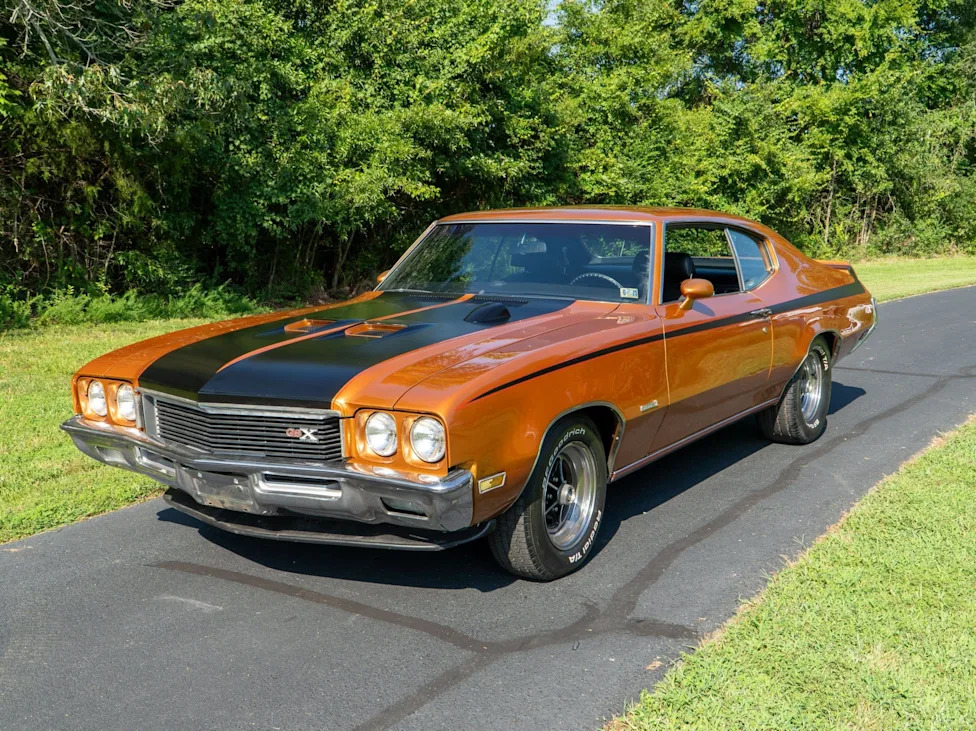
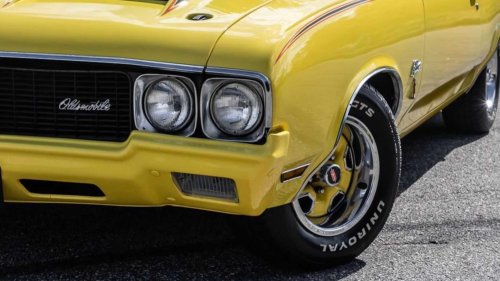
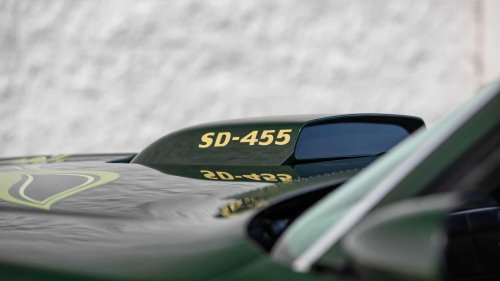
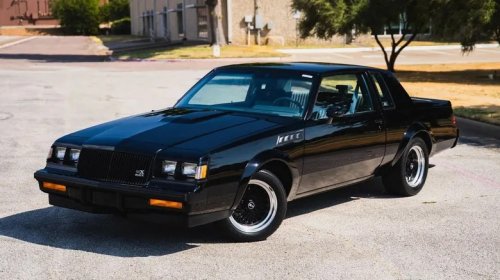
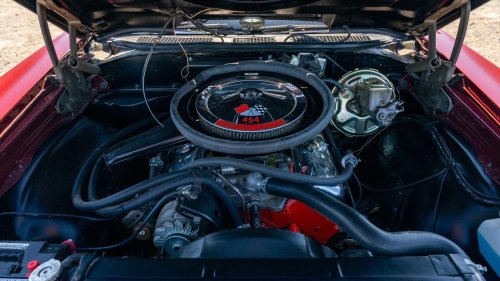
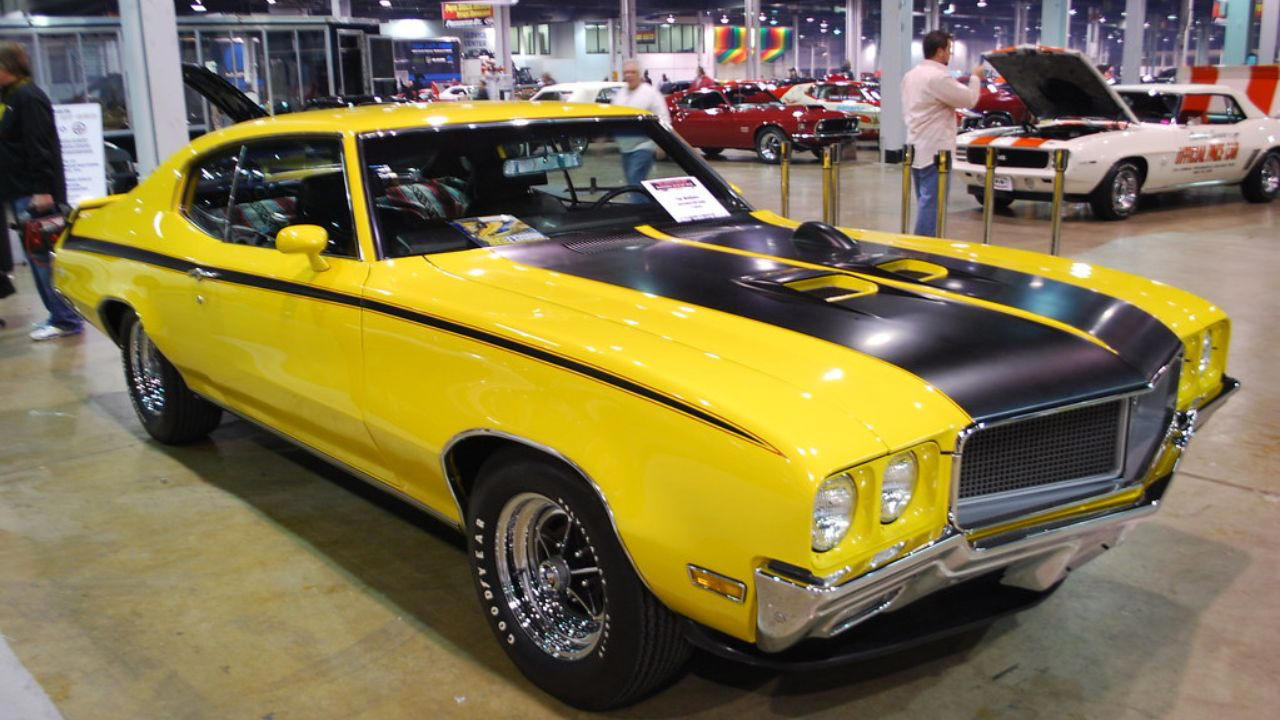
The 1970 Buick GSX delivered massive torque but never got the spotlight it deservedThe 1970 Buick GSX arrived with one of the most violent torque figures of the original muscle era, yet it has never enjoyed the same poster-car status as its Chevrolet and Plymouth rivals. Built from Buick’s image as a “doctor’s car,” it hid drag-strip brutality behind a veneer of restraint, and that contradiction helped push it into the shadows even as it could outmuscle more famous names. Under its stripes and spoilers, the GSX was a numbers car in the most literal sense, engineered around a huge 455 cubic inch V8 that delivered explosive low-end twist. Why such a formidable package never became a universal icon is as much about marketing and perception as it is about compression ratios and cam profiles. The quiet bombshell in Buick’s showroom In the middle of Detroit’s horsepower war, Buick chose a different kind of escalation. While rivals shouted about peak horsepower, Buick focused on the brute force that actually launched a car off the line. Contemporary coverage describes how the company took a full-size luxury heart and dropped it into a midsize shell, creating a 455-powered GSX that was closer to a street howitzer than a polite commuter. That approach produced a torque figure that stunned enthusiasts. Period specifications for the Buick GSX Stage 1 list a 455 cubic inch V8 with a factory rating that was already aggressive for the time, yet later analysis and club documentation argue that the engine was underrated. A detailed breakdown of the Buick GSX Stage package cites 455 cubic inches, 510 lb-ft of torque, and 360 horsepower, with the “360” figure described as underrated. Those numbers put the GSX in rarified company and help explain why drag racers treated it with respect. Even before stepping up to the Stage 1 tune, the GSX hardware was serious. Community discussions around a 1970 Buick GSX specification sheet describe a 7.4-liter V8 that produced 350 horsepower in base trim and 360 in top trim, again underscoring how Buick built its midsize coupe around massive displacement. The focus was not on a screaming redline but on a tidal wave of torque that arrived early and stayed flat. Massive torque, understated badge Torque is where the GSX rewrites the usual muscle car hierarchy. A detailed comparison of period machines notes that Buick’s 455 Stage 1 delivered 510 lb-ft, a figure that eclipsed the vaunted Chevrolet 454 even though enthusiasts often assume the Chevelle SS sat at the top of the heap. One analysis of the only 70s muscle car with more twist than the Chevelle SS 454 explains that in 1970 the GSX package was available only on the Gran Sport 455, and that it came in just two colors, Apollo White and the now-iconic Saturn Yellow, yet still managed to outrank its Chevrolet rival for torque according to a reader poll of enthusiasts who weighed the numbers and the real-world performance of the Gran Sport machines. Buick’s engineering choices show how deliberate that outcome was. While other brands chased high RPM horsepower figures to plaster on billboards, Buick concentrated on low-end force that mattered in street racing and stoplight sprints. A technical deep dive on how the company created a 510 lb-ft package explains that Buick focused on cylinder head flow, camshaft timing and compression to deliver torque at usable engine speeds, rather than bragging about lofty peak horsepower numbers that arrived at the top of the tach. That same analysis notes that Buick built a muscle car nobody expected, precisely because of this torque-first philosophy. Inside the car, the message was mixed. Contemporary evaluations of GM interiors describe how the GTO was always lauded for its sensible gauge layout and attractive cabins, while also noting that the 1970 model felt a little monochromatic. Buick leaned hard into comfort, using soft seats, wood accents and a relatively quiet cabin that contrasted with the GSX’s wild graphics package. The result was a car that could hammer out quarter-mile times while still feeling like a premium cruiser, a combination that some buyers loved and others found confusing. A torque monster built for real-world racing On the street, the GSX’s reputation grew quickly. A veteran of 1970s street racing, answering a question about what made cars like the Buick GSX 455 such formidable opponents, described how big-block machines with huge torque were feared because they pulled hard from low rpm. That same account explains how the Chevrolet LS6 used a mechanical camshaft with solid lifters that demanded careful adjustment, while the Buick could deliver similar straight-line violence with a more relaxed character. In that context, the GSX’s 455 and its broad torque curve gave it an edge in real-world races that did not always happen at the drag strip. Formal tests backed up those impressions. Documentation of a closely related 1971 Buick GSX Stage 1 coupe notes that most people, including NHRA, determined that the engine achieved over 400 horsepower, even though the official rating was lower. In the same account, the car is described as running a 13.38 E.T. and reaching 105.5 m in the quarter mile, a performance that puts it among the quickest factory muscle cars of its time. Those figures give context to the 1970 Stage 1, which shared the same basic engine architecture and benefited from similarly aggressive tuning. Enthusiast drag events continue to showcase that capability. A pure stock comparison between a 1970 Buick and a Chevelle SS highlights how closely matched the cars were in real-world conditions. In that race coverage, the host of Cars and Zebras sets up a 1970 Buick GSX against a 1970 Chevelle SS 454, then invites viewers to vote on which car they believe will win before the lights drop. The resulting side-by-side passes show that the GSX can run with the Chevelle despite carrying a more conservative reputation, a point that comes through clearly in the Cars and Zebras footage. Design that shouted while the badge whispered Visually, the GSX was anything but shy. The car wore a deep chin spoiler, hood tach, rear wing and bold side stripes that turned the usually reserved Buick A-body into a rolling billboard for performance. A detailed video profile of the 1970 Buick GSX describes how the hood’s twin scoops fed a functional ram air induction system, and how the car “started chugging high octane attitude” the moment the engine fired. That same feature emphasizes that the hood was not just for show, since the twin scoops channeled cold air directly to the big 455. The imagery of that induction setup, captured in the ram air coverage, illustrates how Buick blended visual drama with functional hardware. Yet the GSX remained tied to Buick’s luxury identity. Another period style comparison of GM muscle cars points out how the GTO balanced performance with cockpit design, and it places the GSX in a similar category of cars that tried to deliver both speed and comfort. The GSX interior featured full instrumentation, supportive buckets and upscale trim that would not have looked out of place in a more sedate Buick, which reinforced the idea that this was a gentleman’s hot rod rather than a bare-bones drag special. That split personality extended to the way the car was marketed. A long-form video analysis of the 1970 Buick GSX (455 and 455 Stage 1) frames the car as a bridge between performance and luxury, noting that the channel had covered both luxurious models and more spartan lower-end cars, but had not previously focused on this unique blend. In that discussion, the host explains how the GSX combined high-line Buick features with high speed, and references the more Spartan approach of some rivals to highlight the contrast. Why the GSX never became a household name Given its performance, the GSX’s relatively low profile in popular culture demands an explanation. One factor is rarity. The GSX package was limited in color and configuration, tied specifically to the Gran Sport 455 and offered in just Apollo White and Saturn Yellow in 1970. That narrow palette, combined with Buick’s smaller performance footprint compared with Chevrolet or Pontiac, meant fewer cars on the street and fewer teenagers growing up with a GSX parked on the corner. Perception played a role as well. A detailed social media feature on the Buick GSX describes it as “the most misunderstood muscle car of its time,” and explains that Buick had a “doctor’s car” image that made some buyers skeptical of its performance credentials. The same piece notes that Buick GSX models were often overlooked in favor of flashier brands, even though they could run similar times. That argument, presented in the Buick GSX commentary, captures the cultural headwind the car faced. Price and timing also worked against it. Buick aimed the GSX at a slightly older, more affluent buyer, which meant fewer magazine covers and less presence at high school parking lots where legends were made. At the same time, insurance rates on high performance cars were climbing, and regulators were beginning to squeeze emissions and compression ratios. The GSX arrived at the peak of the party, but the lights were already flickering. Even among enthusiasts, the GSX often appears as a supporting player in debates dominated by Chevrolet and Plymouth. A widely shared discussion in a classic car forum asks readers whether they would pick a 1970 Chevy Chevelle SS 454 or other iconic models, and the consensus leans heavily toward the Chevelle. The GSX is mentioned as a formidable alternative. Head-to-head with Plymouth and Chevrolet When the GSX did go head-to-head with rivals, it proved its point. A video showdown between a 1970 Buick GSX Stage 1 and a 1970 Plymouth Cuda 426 Hemi frames the matchup as one of the longest-standing rivalries in muscle cars. The host describes muscle car history as full of rivalries and calls this pairing a particularly telling example, since it pits Buick’s torque-first philosophy against Plymouth’s high-revving Hemi legend. The footage, captured in the Dec feature, shows how closely matched the cars are in acceleration and top-end charge. Another comparison between the GSX and the Chevelle SS highlights similar themes. Analysts point out that the GSX had a load of other performance tweaks besides the monster motivator, including hotter cams, bigger valves, and suspension changes that helped it put power to the pavement. They argue that these tweaks made the GSX more than just a straight-line brute, and that they gave the car real-world handling advantages over some rivals. This perspective, laid out in a detailed GSX vs Chevelle comparison, supports the idea that Buick engineered a complete performance package rather than a marketing one-off. More from Fast Lane Only Unboxing the WWII Jeep in a Crate 15 rare Chevys collectors are quietly buying 10 underrated V8s still worth hunting down Police notice this before you even roll window down The post The 1970 Buick GSX delivered massive torque but never got the spotlight it deserved appeared first on FAST LANE ONLY.



















 +55 others