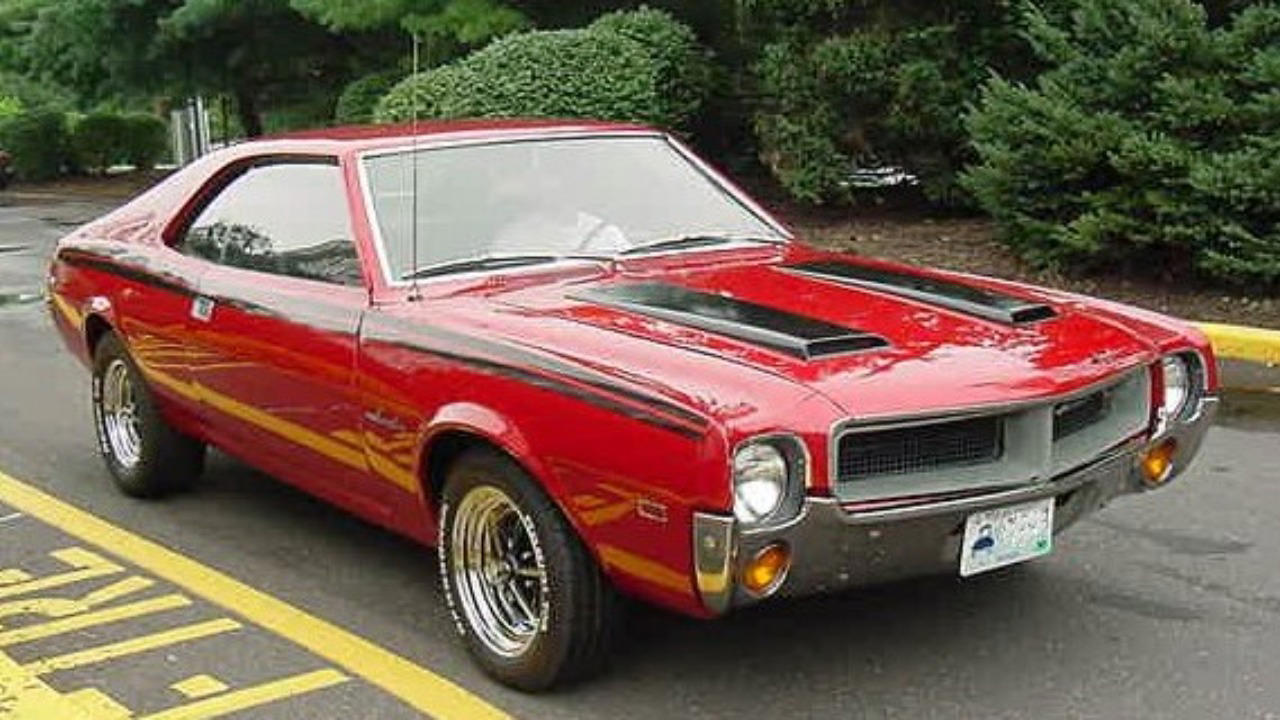
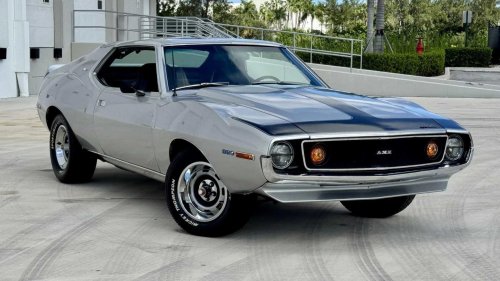
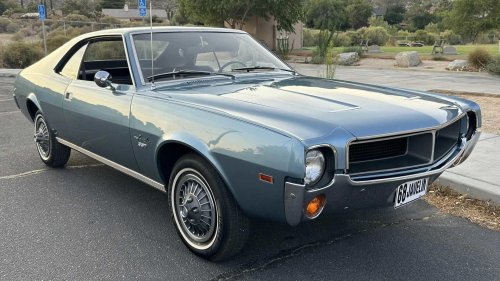
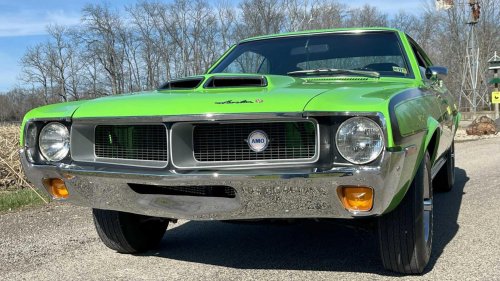
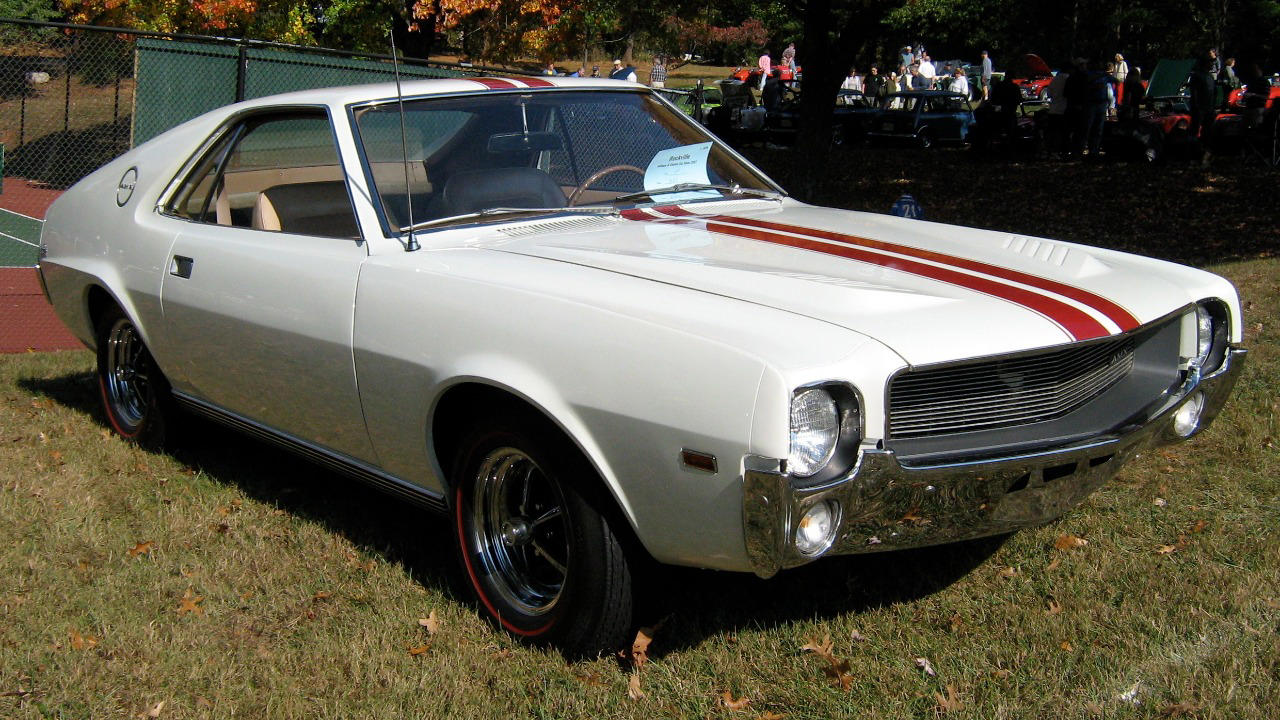
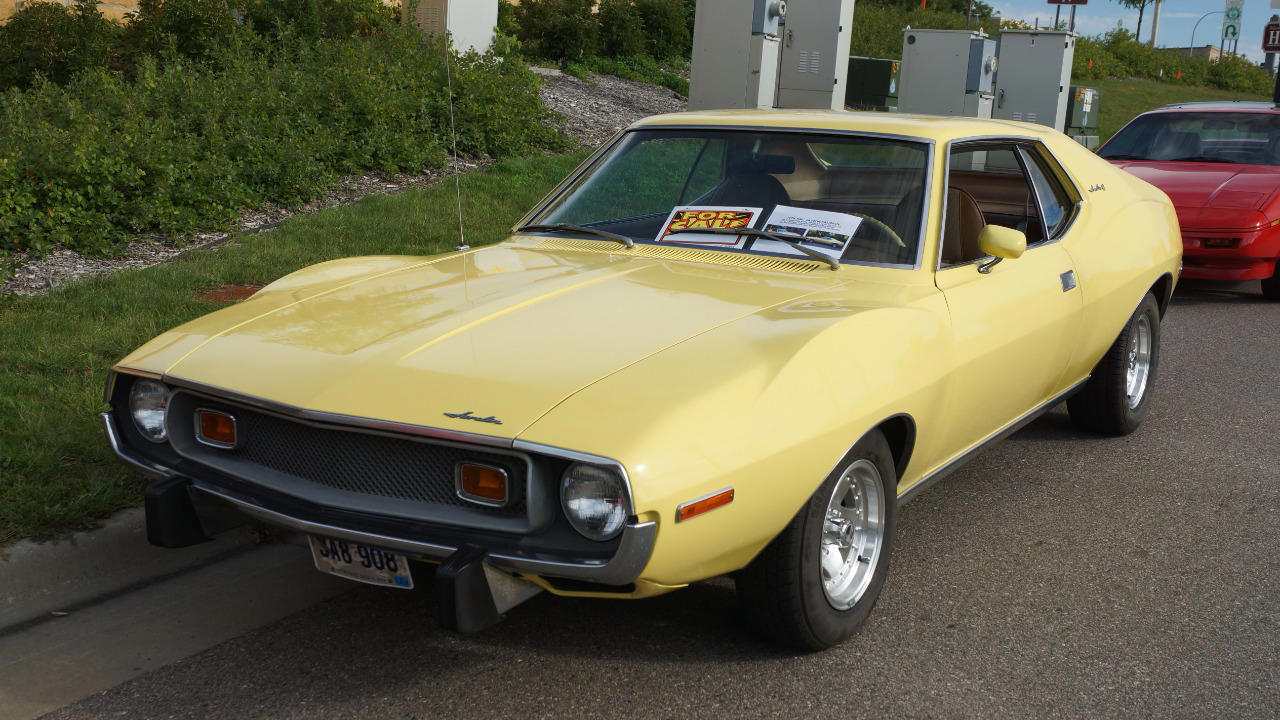
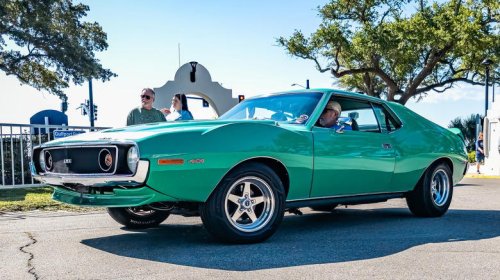
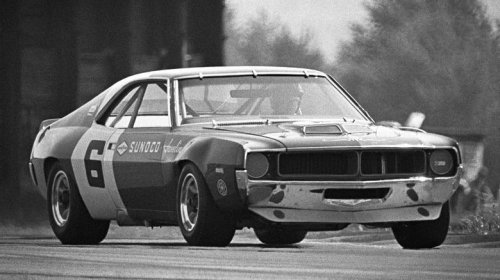
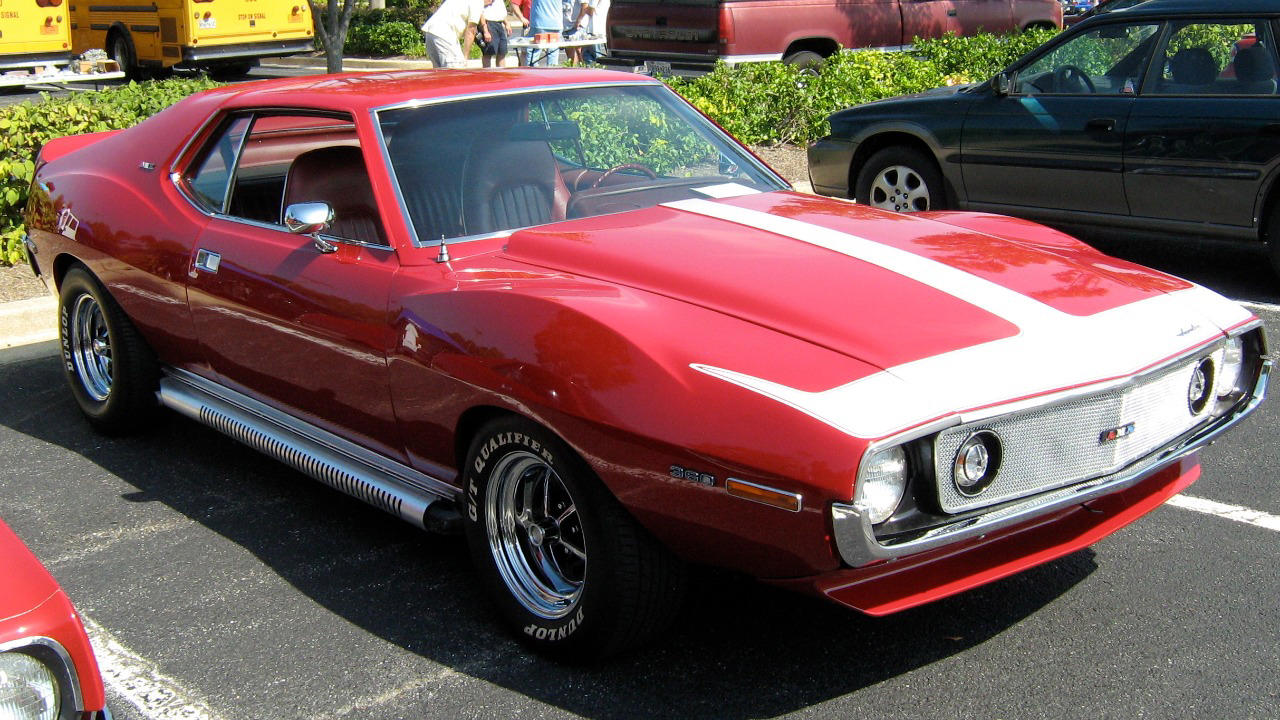
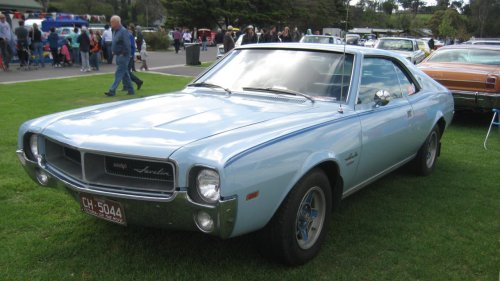
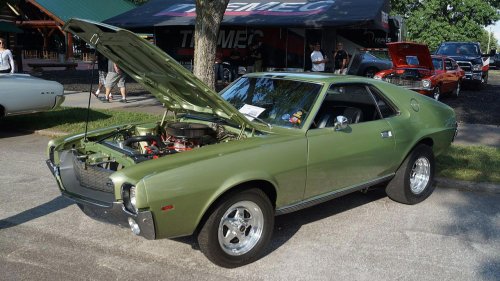
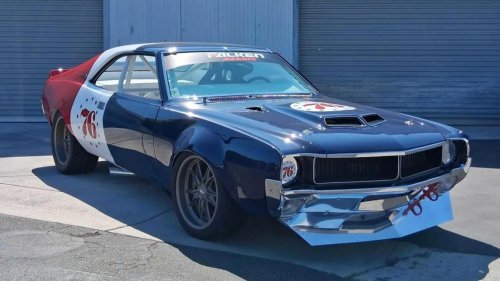
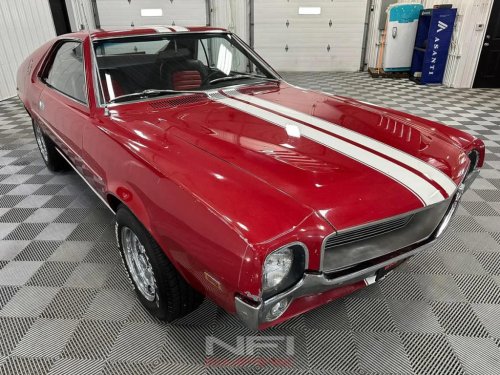
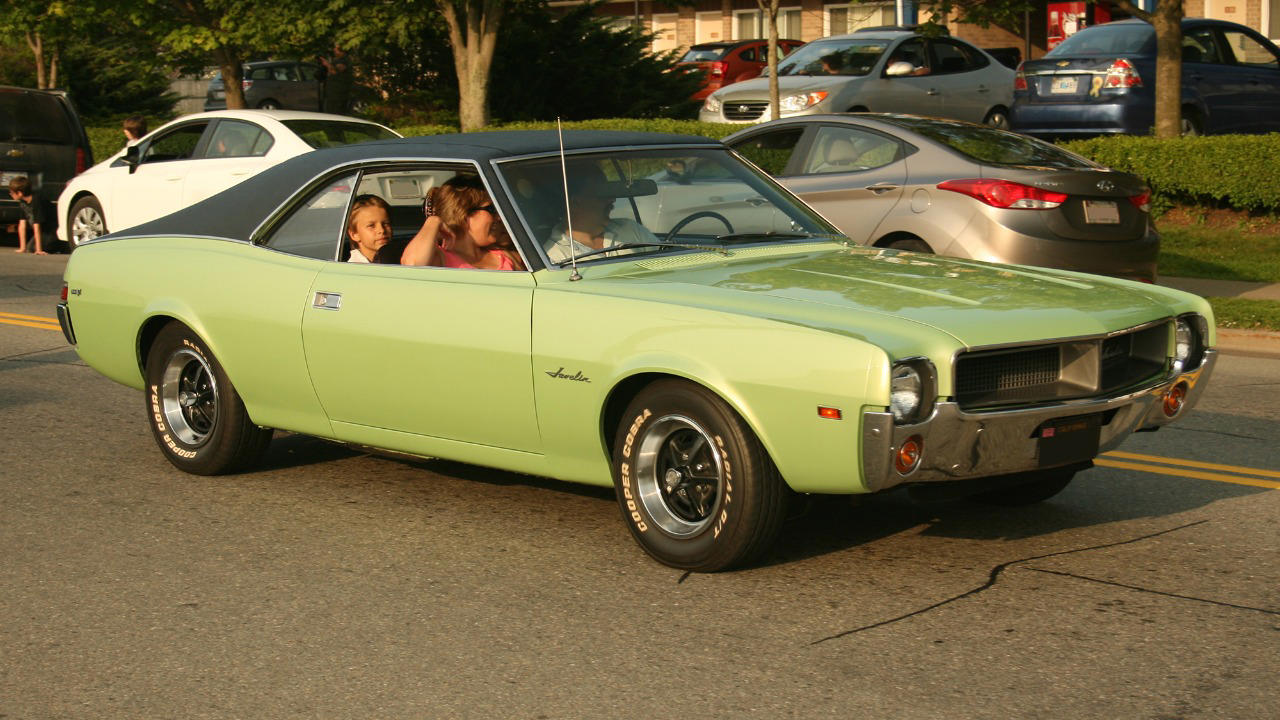
The 1968 AMC Javelin entered late and faced heavy competition from established rivalsThe 1968 AMC Javelin arrived after the pony car trend was already roaring, yet it gave American Motors a fresh identity and a genuine contender in one of Detroit’s fiercest battles. Launched into a field dominated by the Ford Mustang and Chevrolet Camaro, the Javelin had to win attention with design flair, clever packaging, and a surprisingly broad range of engines and trims. Its story is one of a late entrant that never topped the sales charts but reshaped how enthusiasts view American Motors and its place in performance history. The pony car party was already crowded By the time AMC brought the Javelin to market, the basic rules of the pony car game were already set. The Ford Mustang and Chevrolet Camaro had defined the segment, and Plymouth Barracuda, Dodge Dart and Chevy Corvair were also fighting for buyers who wanted long-hood styling, bucket seats, and a hint of race track credibility. The Javelin had to walk into that room and convince shoppers that a smaller independent company could match or beat the big names. American Motors Corporation, or AMC, had spent the early and mid 1960s with a reputation for sensible compacts and economy cars. According to period analysis, the company did not offer a fully fledged muscle car until the 1968 model year, when the new Javelin finally gave AMC a rival to the Ford Mustang, Chevrolet Camaro and Plymouth Barracuda. The Javelin was deliberately styled and marketed as a pony car, with a fastback roofline, a long hood, and a short rear deck that fit right in with the era’s performance image. That context made the timing risky. The novelty of the segment had faded, and the Javelin had to fight its way into a market already saturated with name recognition and dealer support from the Detroit Three. Even so, AMC’s leadership saw no alternative if it wanted to attract younger buyers and shed the company’s conservative image. Design that broke from AMC’s past The Javelin’s styling was a clear attempt to distance AMC from its upright sedans. Contemporary coverage describes how the car’s flowing sides and deeply sculpted fenders were meant to project movement even at a standstill. A low cowl and thin pillars gave the cockpit a more modern feel compared with the company’s earlier compacts. American Motors pitched the car as sporty and youthful, and internal marketing materials stressed that the Javelin would help the company reinvent itself. A period feature on how the sporty Javelin helped American Motors to reinvent itself shows how AMC used bright colors, bold striping and optional rally wheels to create showroom excitement that its older models lacked. The cabin followed the same strategy with bucket seats, a deep-dish steering wheel and available full instrumentation that echoed the look of contemporary race cars. Under the skin, AMC engineers worked to balance cost with performance. The Javelin shared some components with other AMC products to keep development expenses under control, but the chassis tuning and suspension geometry were aimed at sharper handling. Spring and shock specifications for the 1968 American Motors Javelin and Javelin SST show that the company offered different rates and ride heights depending on engine and option package, a sign that AMC was serious about tailoring the car to both comfort-minded and performance oriented buyers. Powertrain range from thrifty to fierce Where the Javelin really mirrored its rivals was under the hood. AMC offered a wide spread of engines, starting with a base six and running up to serious V 8 power. A detailed technical review of the model lists a 232 CID inline six as one of the key powertrain options, with buyers able to choose either a three speed manual or a three speed automatic transmission. That 232 CID engine gave the Javelin an accessible entry price and reasonable fuel economy, valuable traits for a company that still depended on practical buyers. Above the sixes, AMC offered V 8 engines that pushed the Javelin into genuine muscle territory. Fact sheets for the 1968 AMC Javelin describe how higher output versions, including 343 cubic inch and 390 cubic inch V 8s, were paired with four speed manual transmissions and performance rear axle ratios. These combinations allowed the car to compete directly with small block and big block versions of the Ford Mustang and Chevrolet Camaro in straight line acceleration. The breadth of the engine lineup was central to AMC’s strategy. The company wanted to lure budget conscious buyers with the 232 CID six while also giving enthusiasts a reason to cross shop the Javelin against more established performance heroes. That dual mission added complexity on the production line but helped AMC reach beyond its traditional customer base. Trim levels and equipment aimed at every buyer The Javelin’s trim structure followed the same pattern as its powertrains. Base models offered the essentials, while higher trims layered on appearance and performance features. The Javelin SST sat at the top of the 1968 range, with unique badging, upgraded interior materials and additional brightwork that made the car stand out in showrooms. Suspension and chassis data for the 1968 American Motors Javelin SST show that this trim received specific springs and shocks that improved handling, especially when paired with the larger V 8 engines. Optional packages added front disc brakes, heavy duty cooling and performance tires, all features that were becoming expected in serious pony cars by the late 1960s. Color and appearance options were another key part of the formula. Paint references for the 1968 Javelin list shades such as Classic Black, a hue that fit perfectly with the era’s taste for aggressive looking performance cars. Stripes, vinyl tops and wheel choices allowed buyers to personalize their cars in ways that mirrored offerings from the larger manufacturers. Racing as image builder AMC understood that simply selling a sporty-looking car was not enough. To be taken seriously in the pony car arena, the Javelin needed competition credentials. The company moved quickly to put the car on track, entering the Javelin in the SCCA Trans Am Series in 1968. Over the next two seasons, the car scored several top five finishes in a field that included factory backed Ford Mustang and Chevrolet Camaro entries. The Trans Am Series was a key battleground in American road racing, and period footage shows how the Javelin mixed it with rivals at circuits across the country. A video feature on the unlikely AMC Javelin shocking the racing world highlights how, in the early 1970s, American road racing was in its golden age and the Trans Am series served as the ultimate arena for factory backed pony cars. The Javelin’s presence in that environment helped shift public perception of AMC from conservative to competitive. Later, the partnership with Roger Penske and driver Mark Donohue would bring even greater success, including a manufacturer’s title for AMC in the Trans Am Series. The groundwork for that achievement was laid by the original 1968 car, which carried the company’s colors into a championship already dominated by larger rivals. Marketing in a turbulent year The Javelin’s first model year coincided with a period of social and political upheaval. A widely viewed retrospective on the 1968 AMC Javelin frames the car against a backdrop that includes Vietnam, Paris Student Riots, Bloody Friday, Apollo 7, Led Zeppelin, Richard Nixon, and the year is 1968. That context matters because the Javelin was targeted at younger buyers who were increasingly skeptical of traditional institutions, including the big automakers. AMC’s advertising leaned into this mood by presenting the Javelin as a slightly rebellious alternative to the mainstream. The company emphasized individuality, highlighting how buyers could configure their cars with unusual color combinations and options. A feature on how the sporty Javelin helped American Motors to reinvent itself explains that the model was positioned as a break from the company’s previous focus on economy and practicality. In some markets, AMC dealers promoted the Javelin through local events and motorsport tie ins. Enthusiast recollections describe regional campaigns built around drag racing exhibitions and autocross events, where the Javelin could be seen in action rather than just on a showroom floor. This grassroots approach helped offset the company’s smaller national advertising budget compared with Ford and Chevrolet. Bonneville and the push for credibility Beyond road racing, AMC also used high speed record attempts to boost the Javelin’s profile. Coverage of a 1968 AMC Javelin Bonneville Speed Spectacular recounts how the company took the car to the salt flats to chase speed records and demonstrate durability. The event was framed as proof that the Javelin was more than a styling exercise, that it had the engineering depth to withstand sustained high speed running. Reports on the Bonneville effort describe multiple Javelins prepared with aerodynamic tweaks and carefully tuned engines. The spectacle generated valuable publicity and reinforced the idea that AMC was serious about performance. For a company that had long been associated with economy cars, images of a Javelin tearing across the salt flats at triple-digit speeds sent a powerful message. These efforts fit into a broader strategy in which AMC jumped into the growing world of auto racing and performance events to reshape its image. A video feature on how AMC goes racing notes that the company’s involvement in competition had a huge impact on public perception, especially among younger enthusiasts who valued authenticity. How the Javelin stacked up against Mustang and Camaro On paper, the 1968 Javelin compared well with its main rivals. A detailed pony car history for the 1968 AMC Javelin describes how the model was AMC’s bold entry into the pony car market, directly competing with the Ford Mustang and Chevrolet Camaro. The Javelin offered similar dimensions, comparable engine outputs and a full range of comfort and performance options. In some areas, the Javelin even held an advantage. Enthusiasts have pointed out that the car’s interior packaging provided more rear seat room than some competitors, which made it more practical as a daily driver. The long wheelbase and carefully tuned suspension also gave the Javelin a reputation for stable high-speed handling, a trait that served it well in Trans Am competition. Yet the Javelin faced significant headwinds. Brand loyalty to Ford and Chevrolet was strong, and dealers for those companies had larger advertising budgets and more locations. The Javelin’s late entry meant that many buyers had already formed attachments to existing pony cars, and switching to an AMC product required a leap of faith. Enthusiast perception and later recognition For years after its production run, the Javelin occupied an odd place in the collector market. It was respected by those who knew its racing history, but it lacked the broad recognition of a Mustang or Camaro. A modern analysis of whether it is worth buying an AMC Javelin today observes that, despite a long period of time during which the Javelin was not highly regarded in the automobile market, it is now gaining the respect it deserves among enthusiasts. More from Fast Lane Only Unboxing the WWII Jeep in a Crate 15 rare Chevys collectors are quietly buying 10 underrated V8s still worth hunting down Police notice this before you even roll window down



















 +34 others