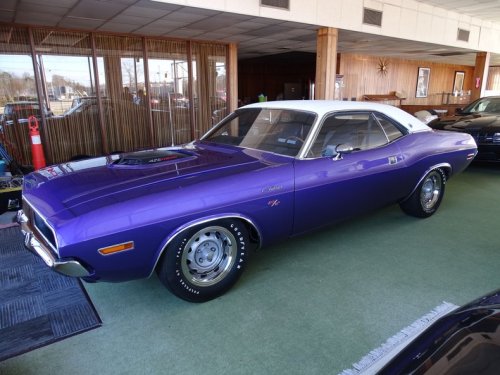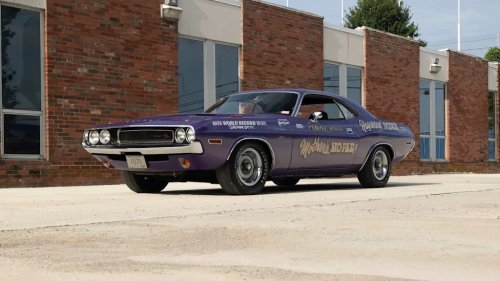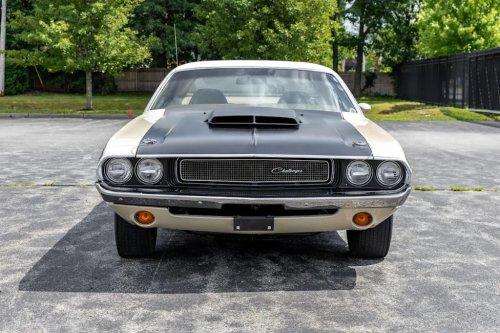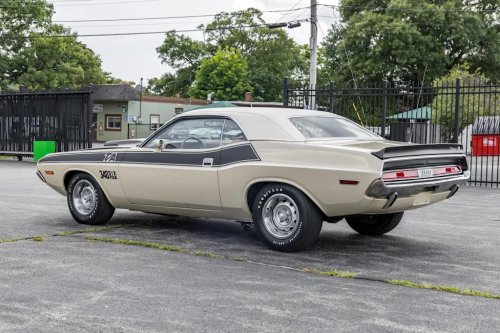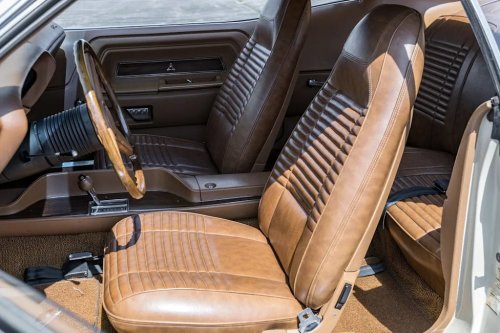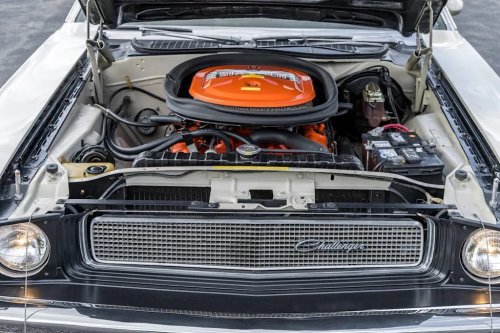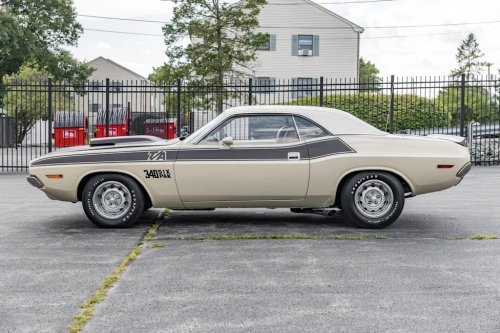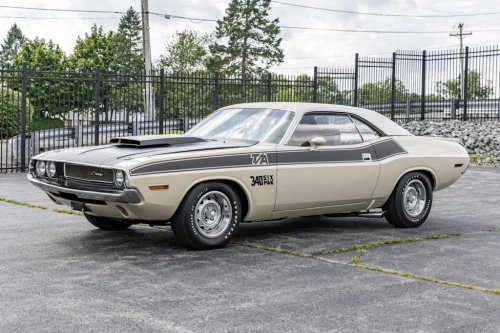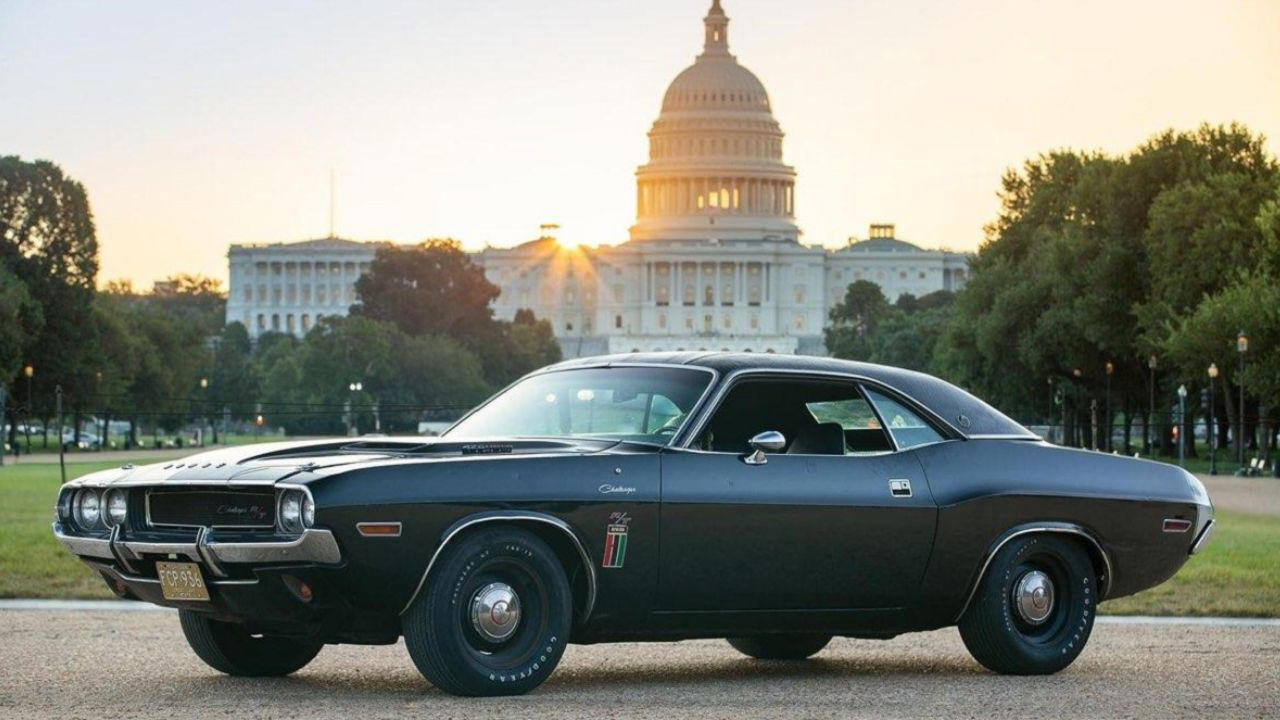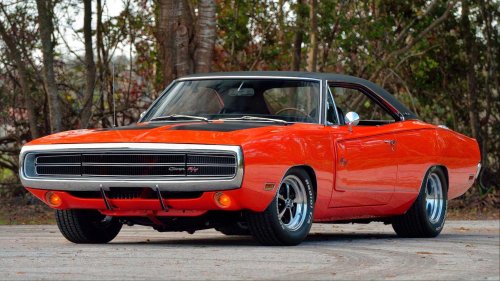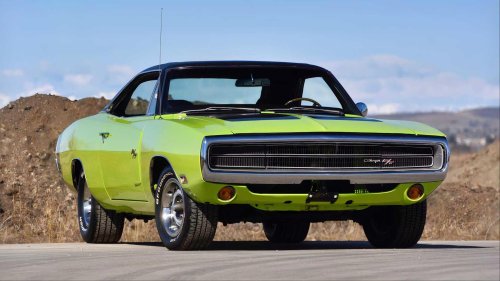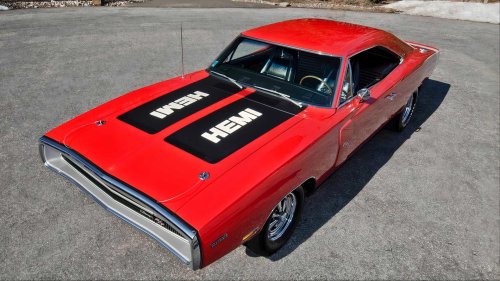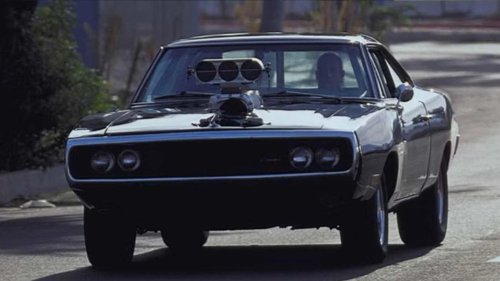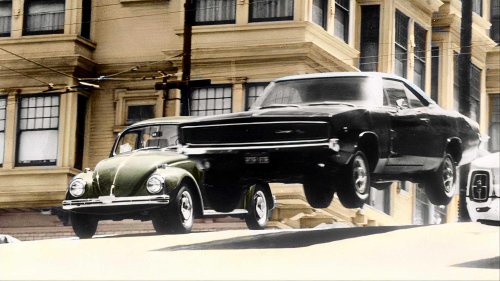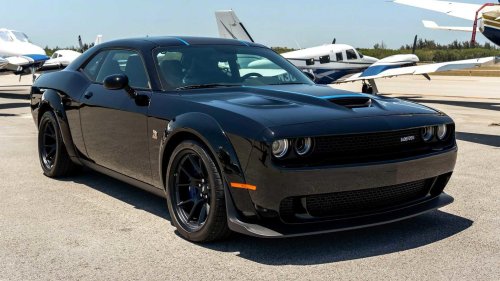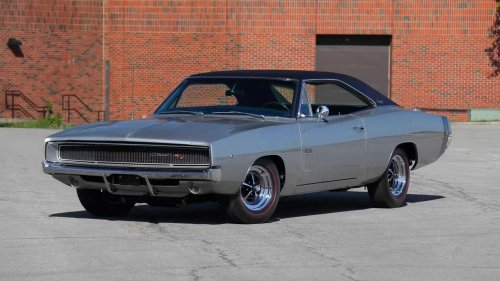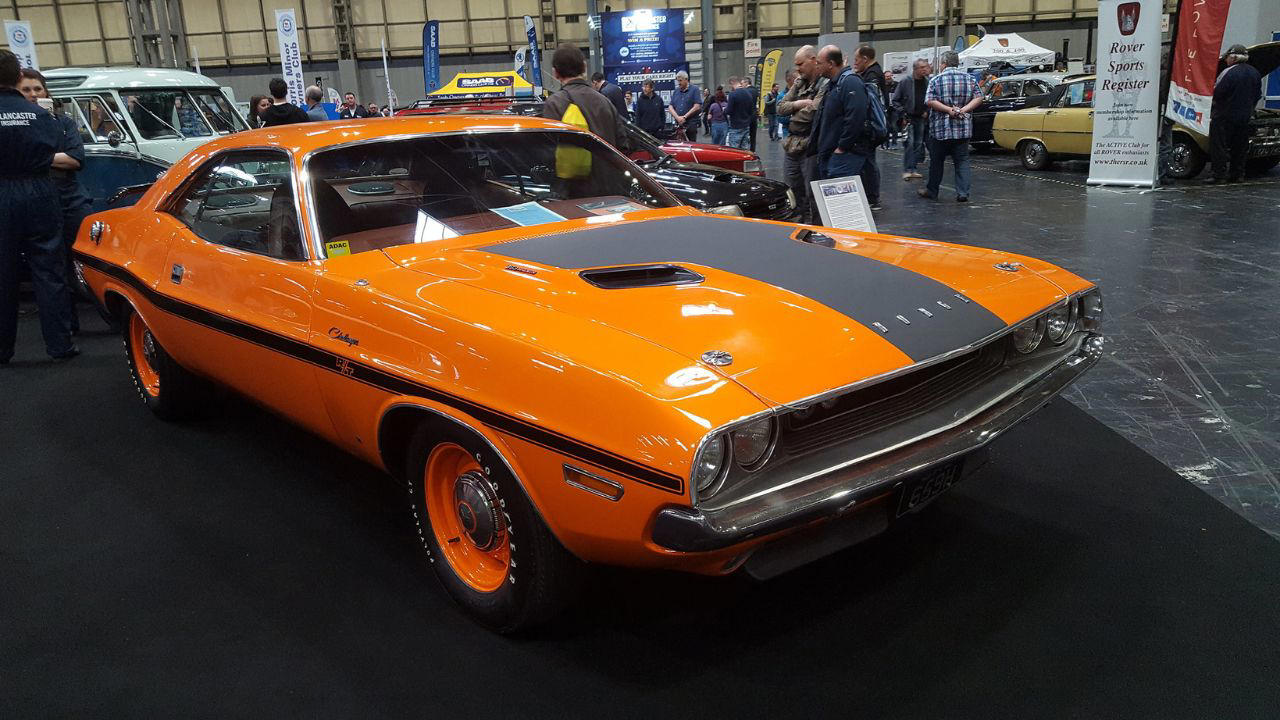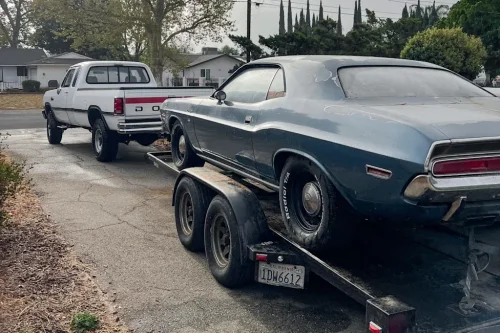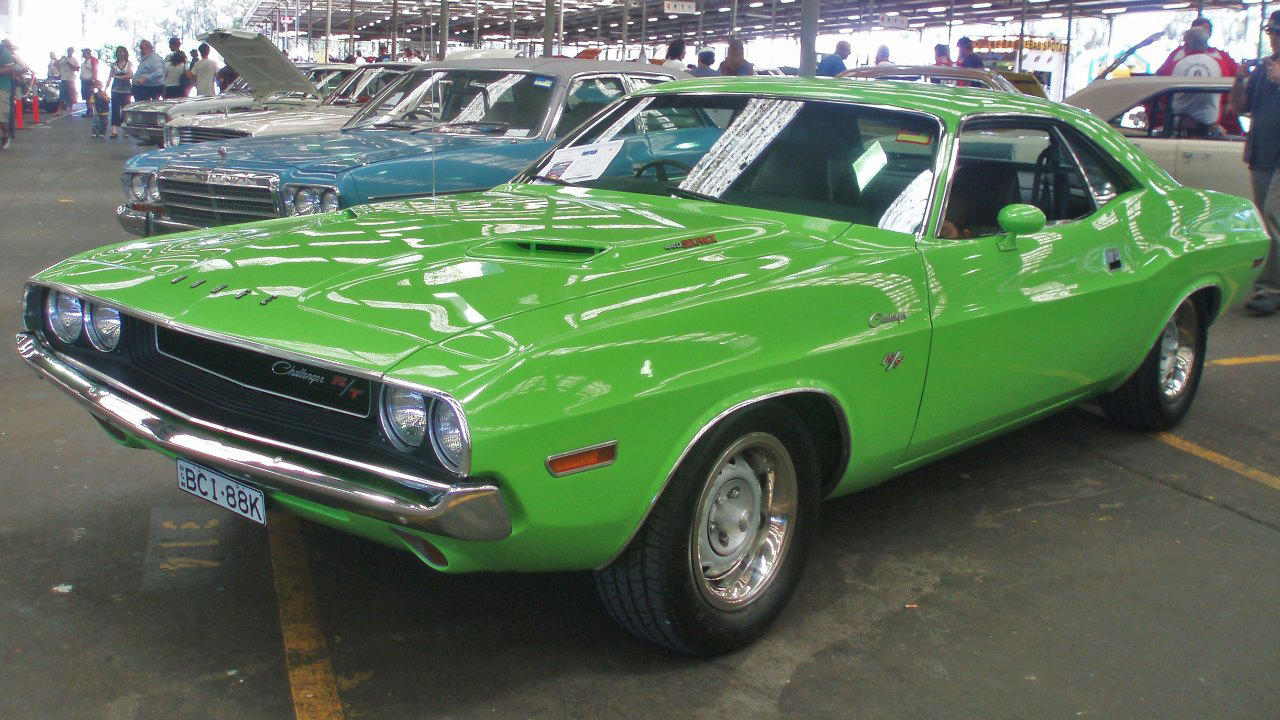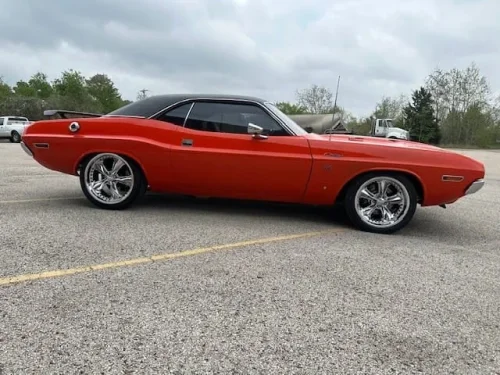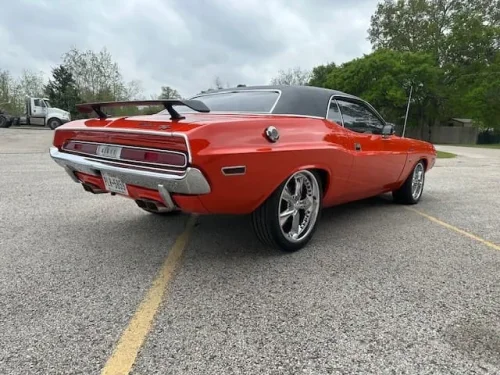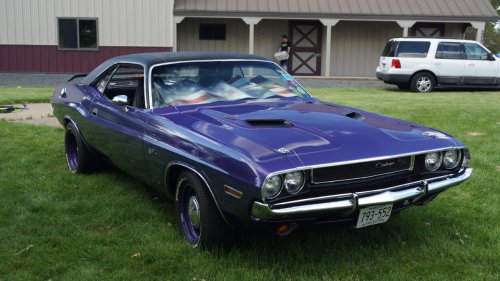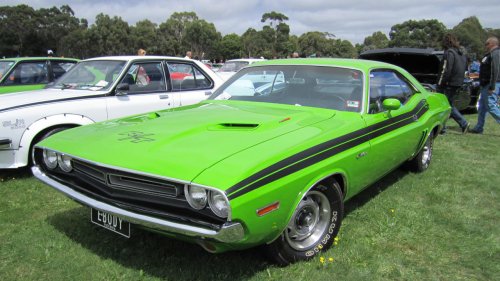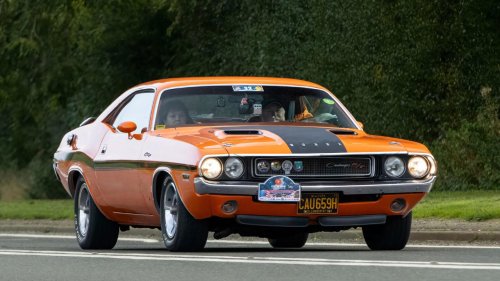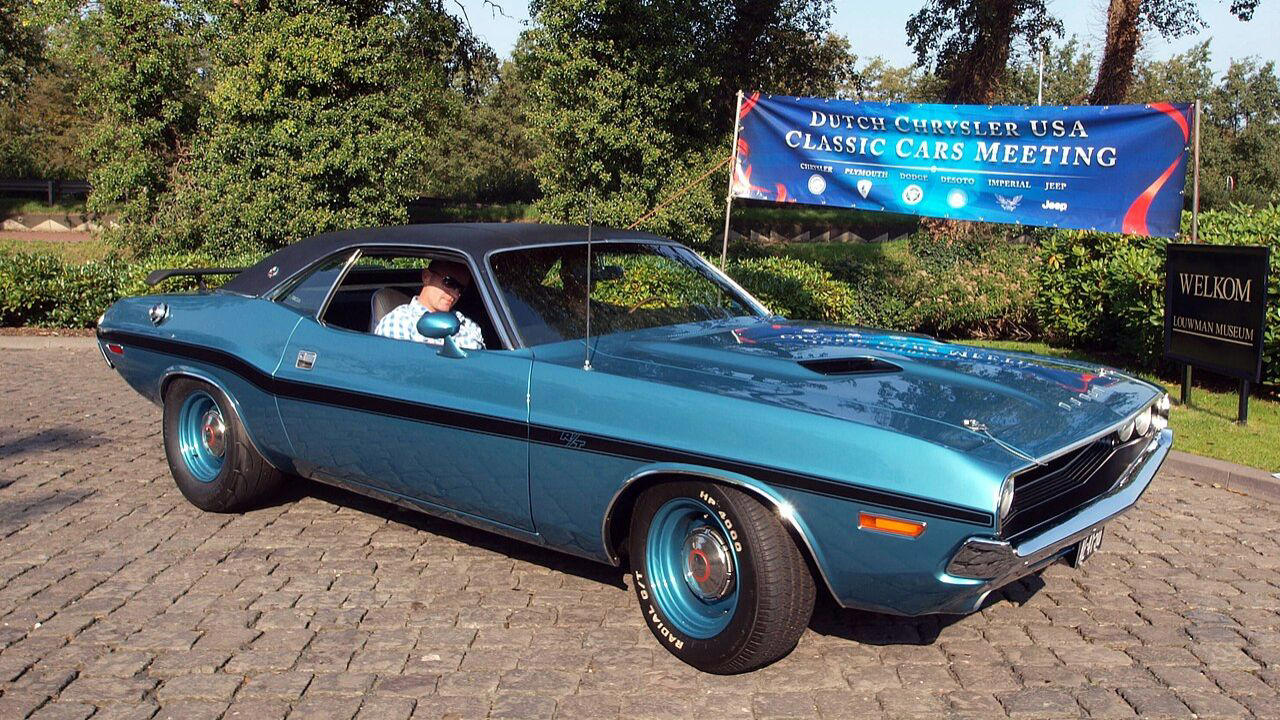



















The 1970 Challenger showed up late and still managed to stand outThe 1970 Dodge Challenger arrived after its rivals had already defined the pony car template, yet it still carved out a distinct place in American performance history. Late to the party and built on a slightly larger platform, it leaned on swagger, specification sheets and a surprising dose of luxury to stand apart. More than fifty years later, that mix of timing, style and brute force keeps the first-generation Challenger at the center of muscle car conversations. The last pony car to the starting line By the time Dodge rolled out the Challenger for the 1970 model year, the segment was already crowded with heavy hitters. Ford had turned the original Mustang into a phenomenon, Chevrolet had joined with the Camaro, and Pontia and others had followed. Dodge arrived late to the pony car field, a point even brand historians acknowledge when they describe how the Dodge Challenger was created to chase established rivals like Ford Mustang and Chevrolet Camaro. The company did not simply scale down an existing model. Instead, it developed the E-body platform, shared with the Barracuda but stretched for a slightly grander footprint. Contemporary specifications put the wheelbase at 110 inches, or 2,800 m, which made it longer than its Plymouth sibling by 51 m. That extra length translated into a slightly more upscale stance and more interior room, which would become part of its identity. Introduced in the fall of 1969 for the 1970 model year, the Challenger joined the first generation of Chrysler E-body cars. Period descriptions of the first generation, which ran from 1970 to 1974, highlight how Oct marketing material framed the car as both a street fighter and a near-luxury coupe. The Challenger arrived with a long list of comfort options, from air conditioning to rear window defogger, that went beyond the bare-bones image many associated with muscle machines. Powertrain depth that matched the bravado If Dodge was late, it did not arrive unprepared. Under the hood, the 1970 Challenger offered one of the broadest engine menus in the segment. According to period specifications, there were Five different cubic inch V-8s available: the 318, the 340, the 383, the 440 and the legendary 426 Hemi. The R/T model used a 383 CID block as standard, with the larger 440 and 426 Hemi available for buyers who wanted maximum straight line performance. The range started with small-block V-8s that offered affordable power, then climbed to big-block engines that could dominate drag strips. Transmission choices reflected that same flexibility. As contemporary technical references explain, a 4 speed manual was optional on nearly all engines, while the famous TorqueFlite automatic was matched to particular powerplants. In some configurations, including at least one high output engine, the automatic was the only transmission available, a fact documented in factory records that note how one engine could be ordered only with TorqueFlite. Beyond the standard lineup, Dodge built specialty variants that pushed the envelope further. The Challenger T/A, for example, was created to homologate the car for SCCA Trans Am racing, and used a version of the 340 cubic inch engine with a performance oriented camshaft and unique induction. Enthusiast data compilations describe how the T/A cars wore staggered tire sizes, with G60x15 rubber on the rear that filled the wheel arches and signaled serious intent. Suspension geometry and springs, later cataloged in technical databases for replacement parts, were tuned specifically for this model, and modern references to Dodge Challenger T/A springs still trace back to those original specifications. Design that mixed menace and comfort Styling was where the 1970 Challenger shouted loudest. The long hood, short deck proportions fit the pony car formula, but the slightly larger E-body gave it a broader, more planted look. The front fascia, with its recessed grille and quad headlamps, projected a kind of squared off aggression that distinguished it from the more delicate lines of the Mustang or the Camaro. Period advertising leaned into that visual punch, pairing the car with high impact colors that are still part of enthusiast vocabulary. Paint names like Plum Crazy and Hemi Orange, highlighted in later retrospectives of The Challenger, turned dealer lots into rolling billboards. Stripes, shaker hoods and bold R/T badges reinforced the message. Yet inside, the car leaned more toward grand touring than bare bones racer. Bucket seats, thick door panels and a driver oriented dashboard created an environment that felt more upscale than some rivals. Contemporary observers and later analysts both note that the Challenger was often considered bigger and more luxurious than its pony car competitors, a perception that helped it appeal to buyers who wanted speed without sacrificing comfort. The mix of menace and comfort also extended to the options list. Beyond the performance hardware, buyers could add air conditioning, upgraded stereos and convenience features that made the car easier to live with every day. The first generation catalog, described in archival summaries, lists items such as power windows and rear window defogger as optional equipment. That blend of muscle and amenities helped the Challenger stand out within Chrysler showrooms, where it sat above the Barracuda in perceived prestige. Rarity, racing legends and collector status The Challenger might have arrived late, but it quickly generated stories that would fuel its legend. Among the most coveted variants today is the 1970 Dodge Challenger R/T Convertible. Enthusiast accounts describe the 1970 Dodge Challenger R/T Convertible as one of the rarest and most desirable American muscle cars ever built. Limited production, combined with the availability of top tier engines in an open body, turned these cars into blue chip collectibles. Street racing folklore added another layer. One of the most famous stories centers on a car known as the Black Ghost, a 1970 Challenger that gained a reputation for appearing unannounced on Detroit streets, beating serious competition, then disappearing again. In period recollections, rivals talked about how it outran some of the best Chevelle 396 and 375 horsepower combinations in the area. Those numbers, 396 and 375, became shorthand for the kind of big block muscle the Black Ghost regularly humbled. Modern video features and enthusiast content have further amplified the car’s mystique. One widely viewed piece on the 1970 Dodge Challenger R/T collects stories so strange they sound like movie scripts, from production quirks to cars that vanished for decades. The narrator repeatedly refers to the Challe as a legend built not just on raw power but on the odd paths individual cars took through history. That mix of documented performance and near-mythical storytelling keeps interest high in survivor cars and correctly restored examples. At the same time, more ordinary versions of the 1970 to 1974 Challenger have become prized for their scarcity. Collector market analysts have pointed out that production volumes were lower than some rival pony cars, and that attrition over decades of use and rust has made clean survivors relatively rare. One retrospective on the 1970 to 1974 cars describes them as the rarest of the period’s pony cars, especially when compared with higher volume models like the AMC Javelin and AMX that sold well from model year 1968 to 1974. That comparison, which name checks AMC, Javelin and AMX, underlines how the Challenger’s smaller production run adds to its appeal today. How a latecomer still stood out For all the romance around individual cars, the Challenger’s significance comes back to how it managed to distinguish itself despite arriving after the segment had matured. One key factor was positioning. Dodge and Chrysler engineers built the car on a slightly larger platform, which allowed them to market it as a step up in size and comfort while still offering serious performance. Contemporary commentary that revisits the Challenger notes that it was often considered bigger and more luxurious than its pony car competitors, yet still a true muscle car. Another factor was the sheer breadth of the lineup. From base V-8 cars to R/T models and the T/A homologation special, the 1970 Challenger could be configured as anything from a stylish cruiser to a track capable weapon. Technical resources that catalog springs and suspension parts for the 1970 Challenger, such as those built around the Dodge Challenger application, underscore how many distinct combinations existed. Each engine, trim level and body style carried its own suspension tuning, which gave Dodge the flexibility to tailor the driving experience. The car also benefited from the broader cultural context of American muscle. Enthusiast communities often describe how, in 1970, the Dodge Challenger roared onto the American scene at the peak of the horsepower wars. It arrived into a market that already understood quarter mile times, cubic inches and bright graphics. That familiarity meant the Challenger did not have to educate buyers about what it was. Instead, it could focus on offering more of everything: more engine choices, more color, more comfort. At the same time, its late arrival carried risks. The oil crisis and tightening emissions rules that would soon hit performance cars were already on the horizon. Historical overviews of the model line, which often carry headings like Transcending Generations, explain how the Dodge Challenger faced its share of challenges as fuel prices rose and insurance companies targeted high performance models. Yet those same accounts also show how the nameplate survived, went dormant, then returned in later decades as a retro inspired performance coupe, trading heavily on the reputation built in 1970. A legacy built on specification sheets and stories Today, the first generation Challenger occupies a distinctive place in enthusiast culture. It is not the first pony car, nor the highest volume, but it may be the most theatrical. The combination of long hood styling, vivid colors and serious hardware gives it a presence that modern observers still respond to. Online galleries and research hubs that profile The Dodge Challenger often dwell on how the 1970 to 1974 cars embodied what fans crave: unmistakable design cues and ground shaking performance. That performance was not only about the top tier Hemi cars. The availability of engines like the 340 with high flow heads, aggressive camshafts and four barrel carburetion meant that even mid range models could hold their own. Technical sheets for the 1970 Dodge Challenger Fact Sheet, which have been rediscovered and shared in modern formats, outline how the 340 and 383 combinations balanced power and drivability. Secondary sources that cite the Dodge Challenger Fact from Over Drive Magazine show how that data continues to guide restorers and collectors who want to return cars to factory specification. The human stories are just as enduring. Video diaries where owners reunite their 1970 Challenger with its original engine, such as the clip featuring Nick and Robert carefully lowering a long separated block back into place, capture the emotional pull of these cars. In that footage, Nick and Robert talk through the decision to break their usual rules about originality in order to preserve a matching numbers powertrain. Scenes like that illustrate how the Challenger has moved from being a disposable performance car to a treasured piece of personal and automotive history. More from Fast Lane Only Unboxing the WWII Jeep in a Crate 15 rare Chevys collectors are quietly buying 10 underrated V8s still worth hunting down Police notice this before you even roll window down