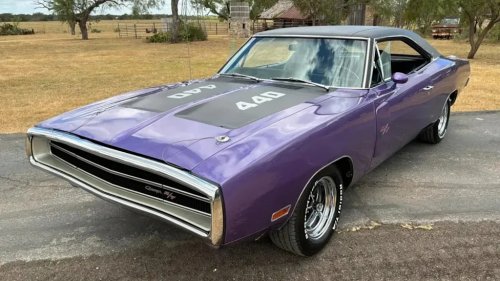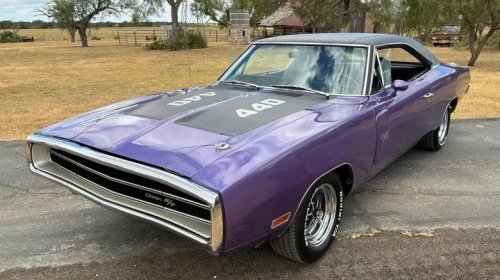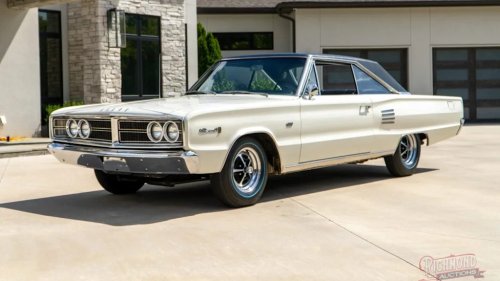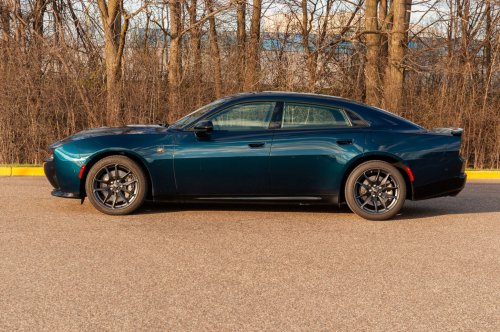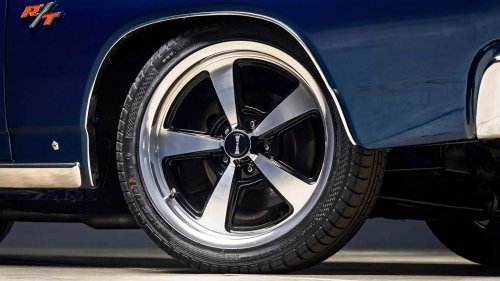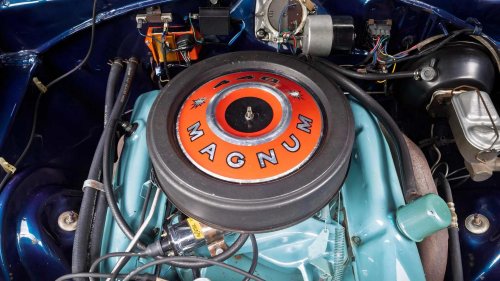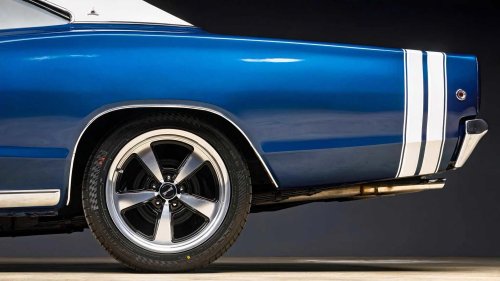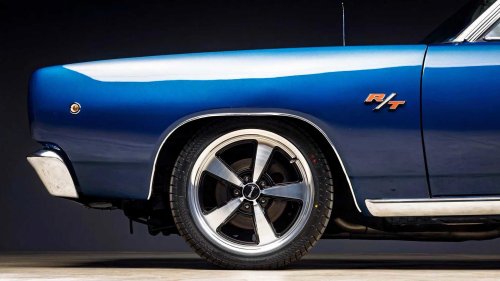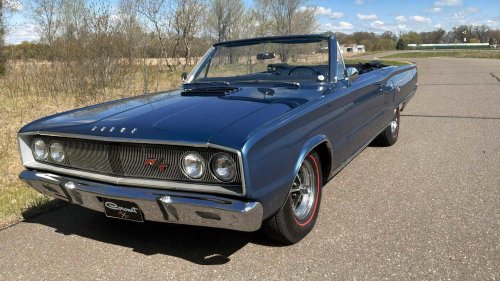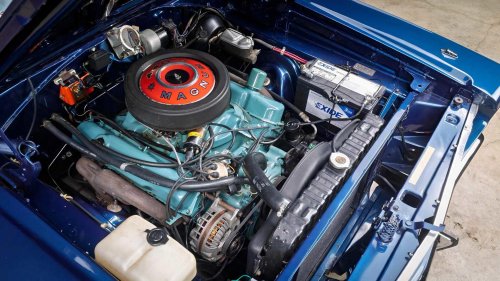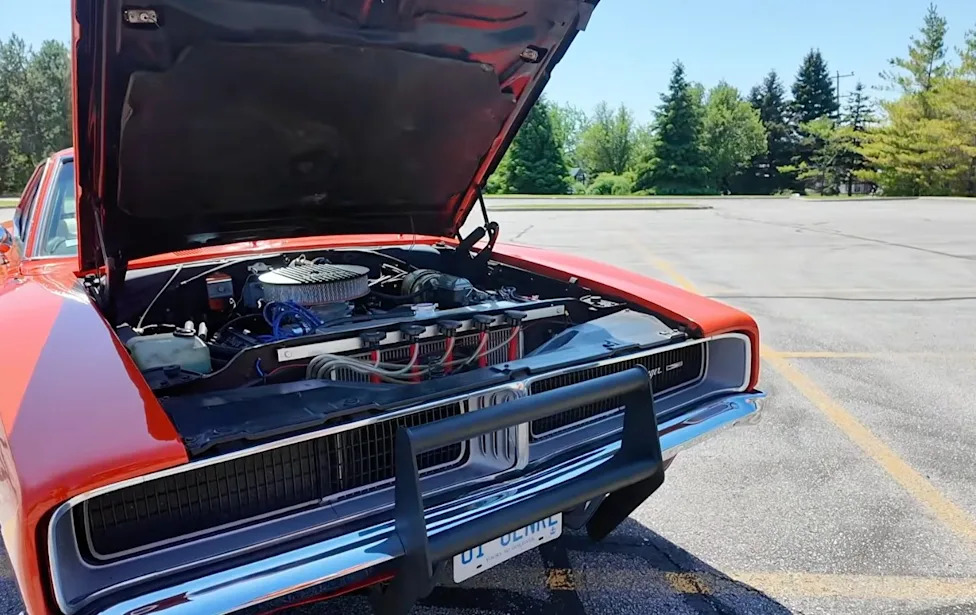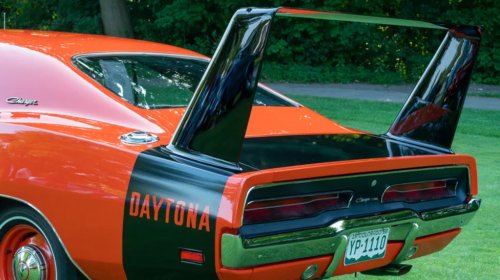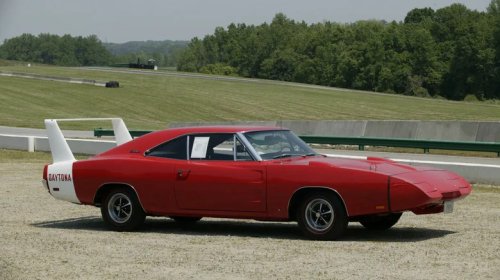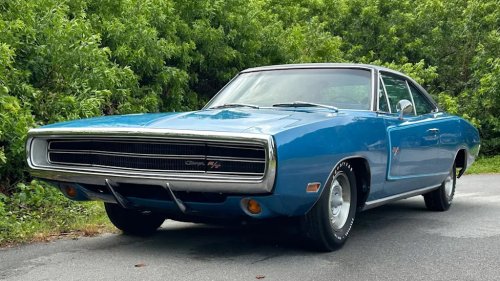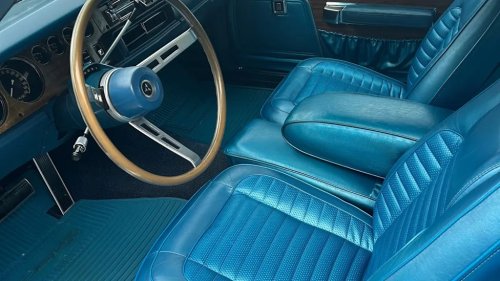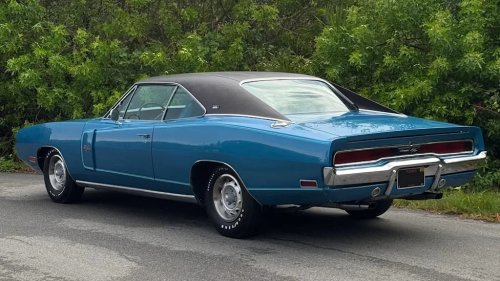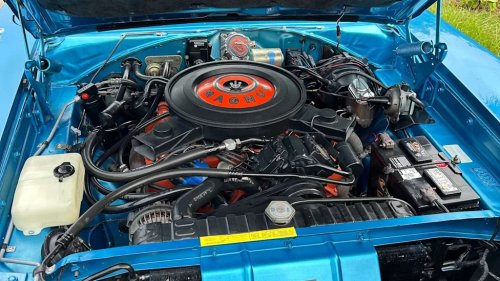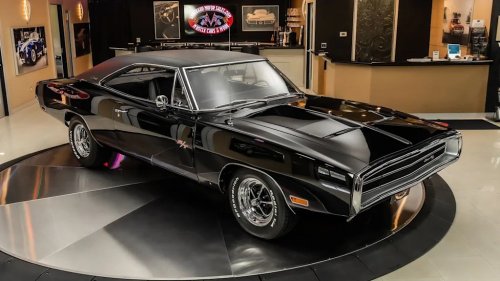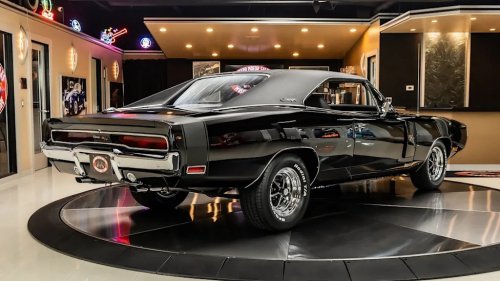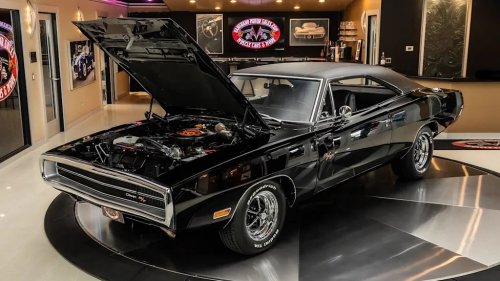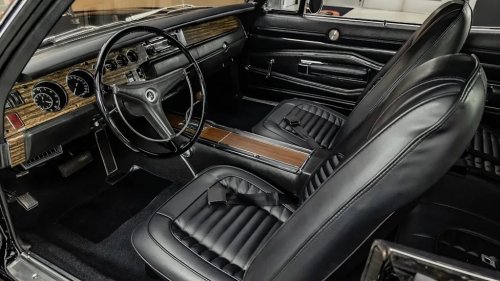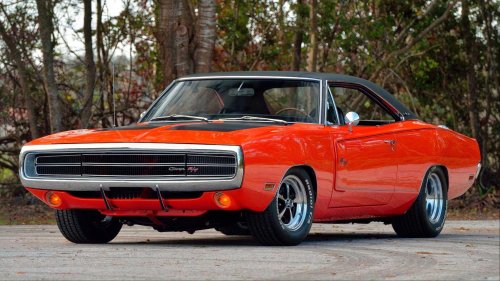
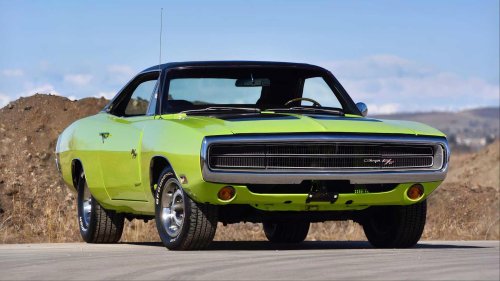
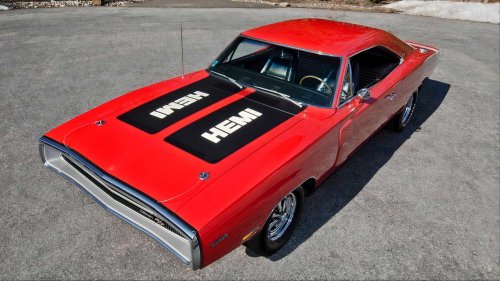
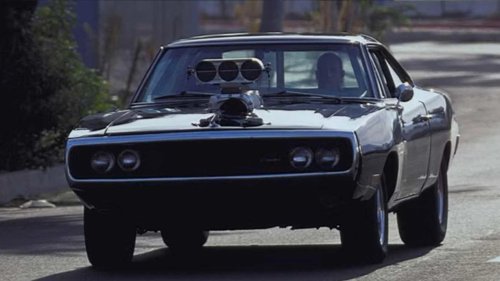
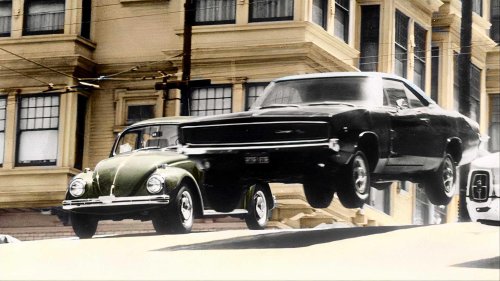
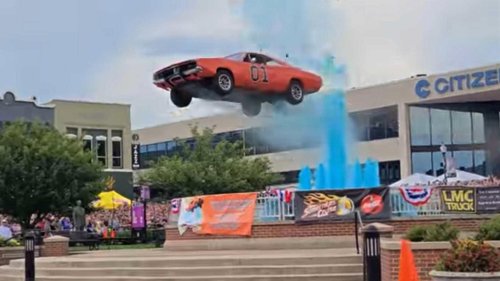
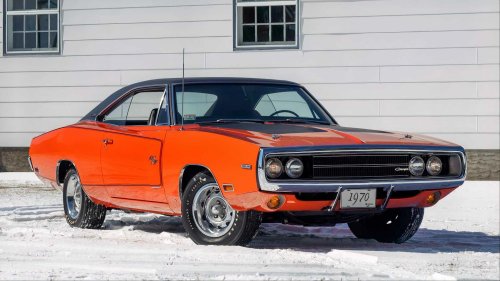
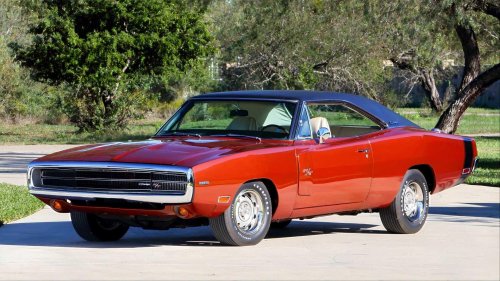
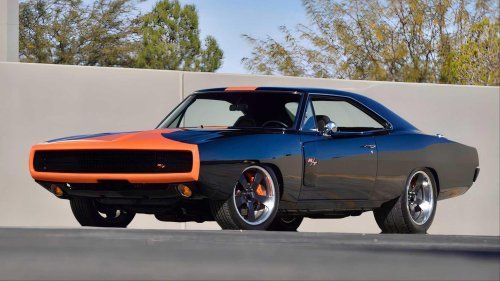
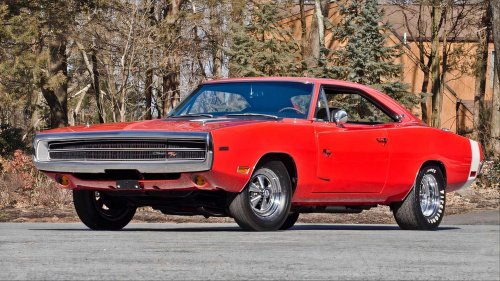



















The second-gen Dodge Charger isn't just a classic street legend, but the defining ride of the Golden Age of American Muscle. When equipped with the 426 Street Hemi, which was the defining V-8 engine of the classic era, the Charger R/T was muscle car perfection, with unmatched aggressive style and brutally unbeatable performance. The second generation Charger was a genuine movie star car right out of the gate and has remained on the Hollywood A-list ever since its introduction in 1968, adding to its appeal.Though it was only produced for three short years, not all second-gen Chargers are the same. Each year has subtle signature styling cues that only hardcore Mopar wonks will recognize. The 1970 Charger is maybe the most unique of the bunch, with several tell-tale touches that set it apart from its siblings. The '70 Charger R/T is also one of the most collectible Mopars, which means it ain't cheap, and that is due to its limited availability as well as its status as a pop culture icon. It's the law of supply and demand in that people want 'em, but they ain't easy to find. The Elusive 1970 Dodge Charger Mecum Most casual observers know an old-school Charger when they see one and maybe even recognize it as the baddest thing on the road during the classic age. What they probably don't realize, however, is that there was a goofy-looking first-gen version that was pretty much a flop, which came before it. When the second-gen Charger debuted in '68, its muscular stance and Coke bottle styling were so visually appealing that it was an instant hit, moving 96,100 units that first year. Sales were still strong in 1969 with 89,199 Chargers rolling off the assembly line, plus an additional 503 Charger Daytonas, but things were changing in 1970. Just 46,711 Chargers were sold in 1970, with only 10,337 R/Ts, which is less than half the production from just two years earlier. Buyers didn't want them back then, but collectors can't get enough of them now, and their relative rarity is a major reason why they break banks and blow up auction blocks. Last of the Second-Gen Chargers Mecum 1970 was the last year for the second-gen Charger, and there's some science behind the shameful fact that it was the worst selling year. A lot of folks stayed away from the amazing 1968 Chevrolet Corvette because they were waiting for the C3 generation which came out the next year. The weird thing is, not a lot of enthusiasts even like the third-gen Charger, then or now, but sales definitely rebounded in 1971 with 82,114 units delivered. 1971 was the final year for the 426 Street Hemi and 440 Six Pack, but 1970 was the last time those killer engines came under the hoods of the more desirable second-gens. Given the elusiveness of 1970 Charger R/Ts, they have become a favorite with Mopar collectors. Hemi and Six-Pack Unicorns Mecum The 426ci Street Hemi V-8 may have been introduced in 1966, but its 425 horsepower and 490 pound-feet of torque was custom-made for the second-gen Charger. The 440ci Six Pack V-8, with a triple two-barrel carburetor set up, hit the scene in '69 producing 390 horsepower and 480 pound-feet of torque, providing Hemi-like performance for a lot less money. Both of these legendary engines are what make the 1970 Charger R/T such a unicorn car. Only 116 Six Packs left the factory in 1970, while just 112 Hemi cars were built. Considering it has been 56 years, there's a good chance that not all of those R/Ts still exist, which maybe moves them into Holy Grail car territory. Fast & Furious Efforts To Recreate A ’70 Charger Via: Universal Studios Everybody knows that Dominic Toretto's ride of choice in the Fast & Furious films is a black, blown, supercharged 900-horsepower 1970 Dodge Charger Hemi R/T, except it really isn't. The '70 R/T is already rare, but definitely made rarer from the sheer number of cars decimated by the F&F franchise. As such, often times the production crew would have to get a '68 or '69 and alter it to look like a '70. The first two years of the second-gen Charger have different fronts and rears than the '70, so often times they would swap them out or even manufacture them. Then, there's the case of the doors, which is the big giveaway. '69 and '70 Chargers have two door indentations that look like Cs on the driver's side and backwards Cs on the passenger side, but a '70 R/T has those covered up with a raised platform that appears like a long D or backwards D, depending on which side. In 1970, the 500 was a mid-level trim of the Charger that had the C channels, so Dom's Charger may well be a '70, but not an R/T. Number ’68 With a Bullitt Warner Bros. Pictures Being cast as the bad guy car in the classic action/thriller Bullitt, with the most epic car chase in cinematic history, put the 1968 Dodge Charger on the map. While there is certainly some question whether Steve McQueen's 325-horsepower 1968 Mustang GT could actually outrun the 375-horsepower 440-equiped R/T, there is no dispute in identifying a 1968 Charger. The first-year second-gen had a continuous grille, integrated with pop-up vacuum-operated headlights and a straight chrome bumper. In the back, the '68 had round tail lights and turn signals mounted above the bumper, which is the only second-gen with this style. Also, there were small circular reflectors on the front and rear bumpers that never made it past '68. ’69 General Lee Off The Jacks YouTube The General Lee from the hit TV show The Dukes of Hazzard was a 1969 Dodge Charger, but much like Dom's '70 R/T, often had to be fabricated from different model years. The production destroyed so many Chargers, that they ran out of '69s and had to alter '68s or '70s for the Duke Boys misadventures. In 1969, the Charger got a divided front grille and long angled tail lights, which differed greatly from the other two second-gen years. In 1970, the grille returned to a continuous one with improved electric pop-up headlights and a wrap-around bumper. The tail lights on '70 were similar to the '69, but weren't divided, making for a one-piece bar. All of these subtle differences were hectic for the production crew trying to make an accurate '69 Dodge Charger. 1970 Dodge Charger Prices and Values MecumHagerty sets the Concours condition value of a 1970 Charger R/T 440 Six Pack at $158,000, which is almost $60,000 more expensive than its '69 counterpart. When it comes to a 426 Hemi R/T, the '68 is valued at $177,000, the '69 at $180,000, and the '70 blowing it up at $196,000. Actually, that price is a serious low-ball valuation, because that Hemi Orange '70 Hemi R/T pictured above sold for $352,000 at Mecum Indy 2021. As was mentioned earlier, the '70 Hemi and Six Pack cars are ultra-rare, so when they do come up for auction, they go for a premium. Classic.com, which tracks auctions from all the major houses, didn't list one '70 Hemi in the past year, and only a couple of Six Packs, which is a good indication of the available inventory, or the lack there of. Why Matching-Numbers Matter Mecum When sellers list a car as "matching-numbers" what they really mean is that it's completely original, in that the chassis, engine, transmission, and other components all left the factory as a solitary unit. For a lot of classics, this is not super important, but for Mopars it is the be-all, end-all. A 1970 Charger R/T with a replacement 426 or 440 might be worth half of what an original car would sell for. Even more extreme, a '70 Charger that was equipped with a 383ci V-8 but got a 440 swap, might actually be worth less than if the owner left the original engine in it. You can, and probably should, put cooler wheels on a Charger, like some sweet Cragar SS five-spoke magnums which were actually dealer options, and it won't affect the value but messing with the engines of classic Mopars devalues them greatly. Custom ’70 Chargers Mecum Because of the scarcity of 1970 Charger Hemi and Six Pack R/Ts, as well as the enormous demand for them, a thriving custom and restoration mod segment was spawned. 13,891 '70 Chargers were sold with a 318ci V-8 and there is literally no reason to restore one of them to showroom condition, because they won't be worth very much. On the other hand, taking a Charger 318, and upgrading it with modern performance and comfort yields a killer ride that rivals a matching-numbers R/T on the auction block. A tricked-out '70 Custom with a 667-horsepower 572ci V-8 as well as all the bells and whistles sold for $286,000 at Mecum Las Vegas 2025. Spending $50,000+ restoring a '70 Charger 318 results in a car that's only worth around $36,000 and that's what's know as a crappy investment. Restoring A ’70 Charger R/T Is Like Printing Money Mecum As we touched on, there are some classic muscle cars, quite a few really, that are simply not worth restoring. We tend to have this romantic notion about the Golden Age of American Muscle where everything on the street was packing a 426 Street Hemi, 429 Super Cobra Jet, or a 454 LS6, but the reality is that almost all muscle cars sold from 1964-1971 had weenie engines. While they may hold some sentimental value to their owners, on the collector's market they aren't big-money rides. A 1970 Dodge Charger Hemi or Six Pack R/T, on the other hand, is like money in the bank. You could find a rusted hull project car, as long as it was matching-numbers and throw all the money in the world at it, without losing a dime. In fact, this is one car that is likely to double your initial investment, with the only downside being they are so rare, it might be hard to impossible to find one.Sources: Classic.com, Hagerty, Mecum