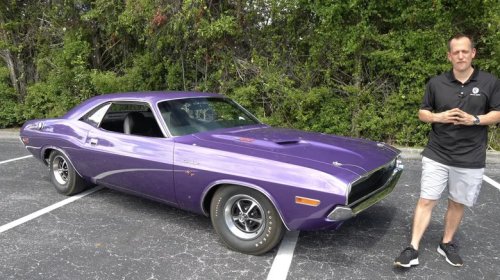
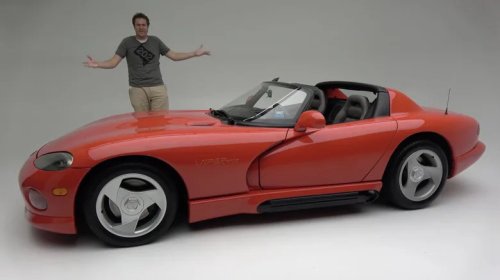
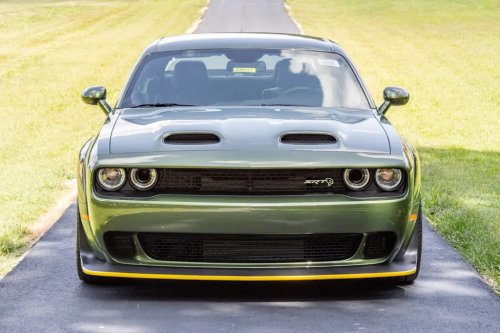
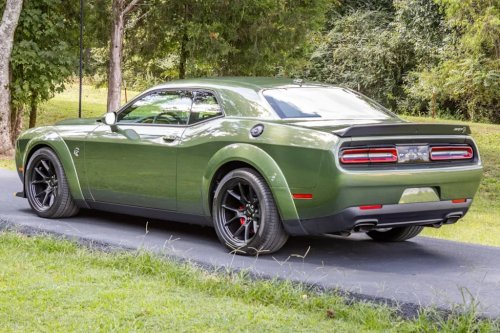
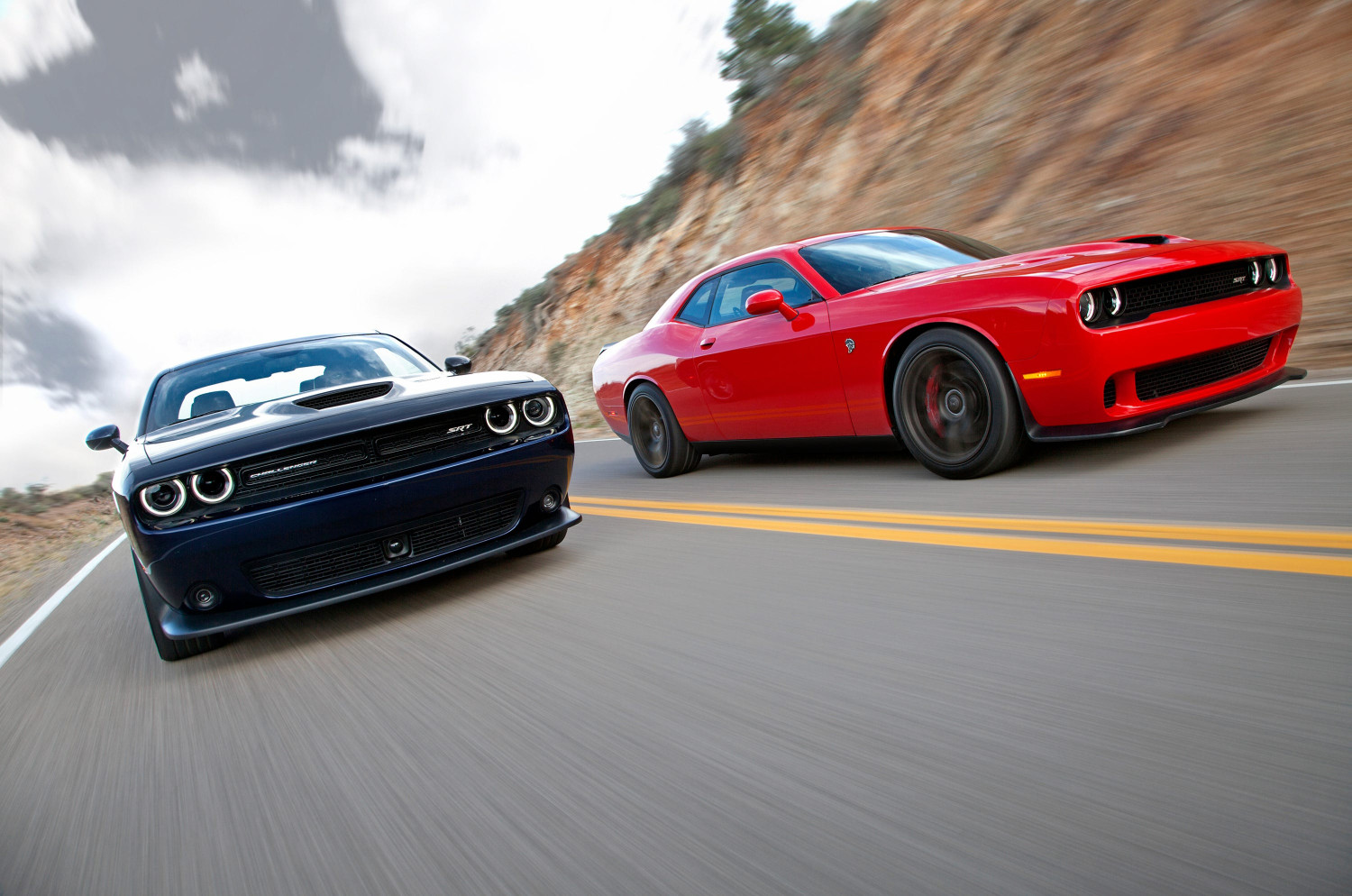
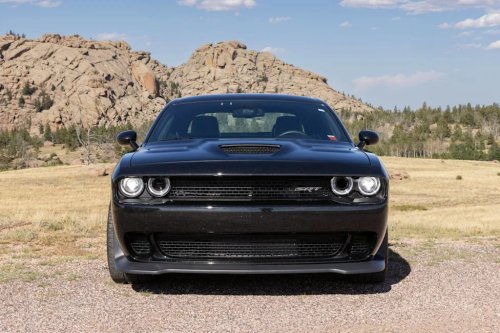
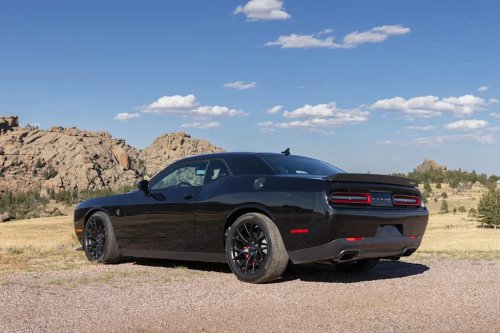
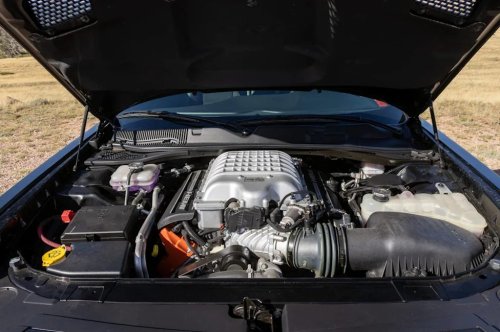
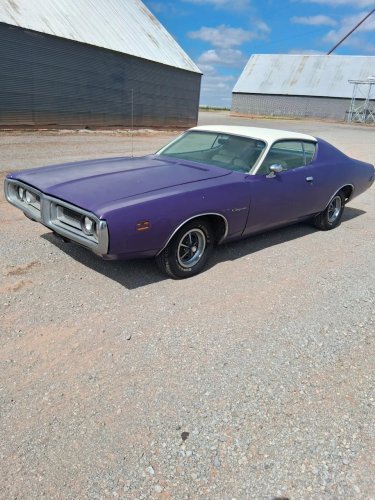
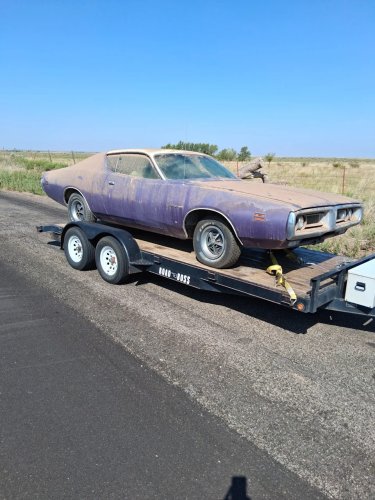
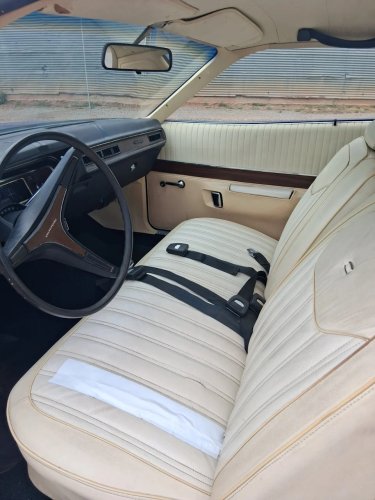
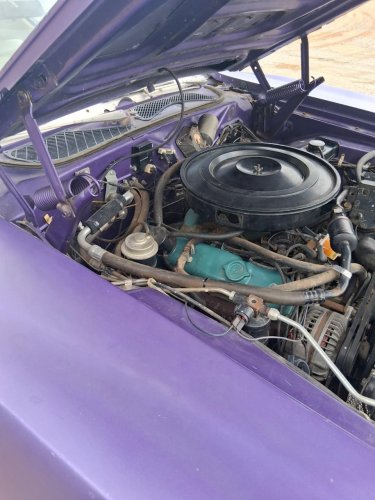
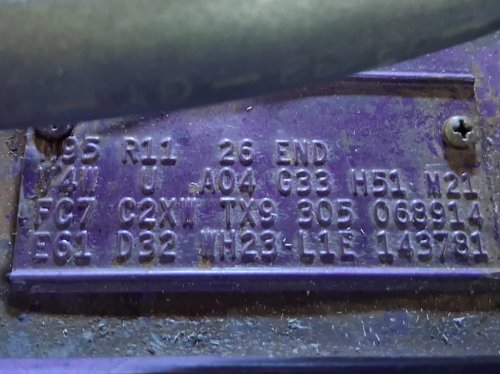
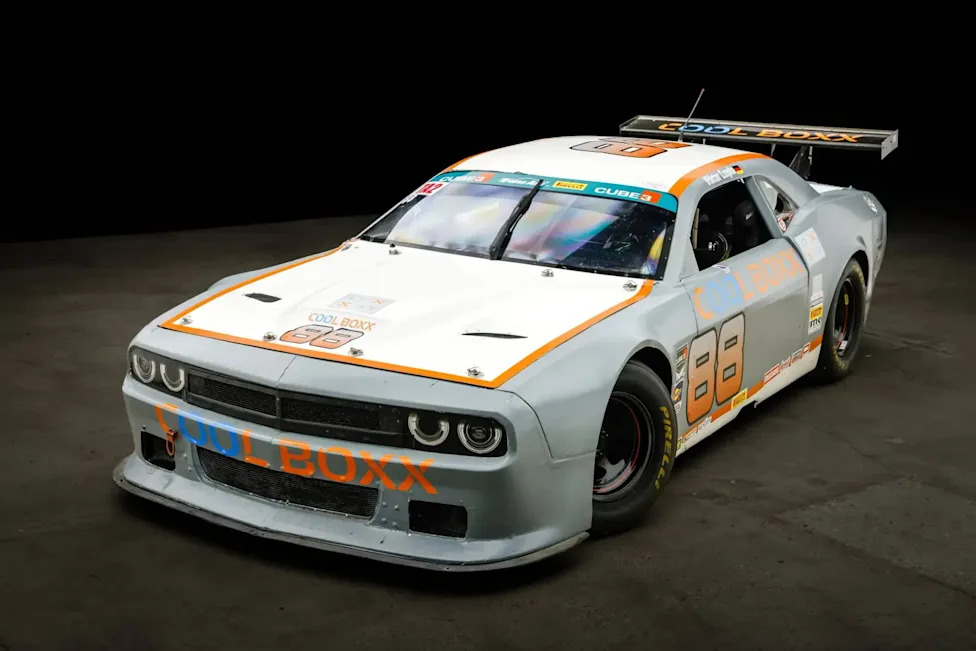
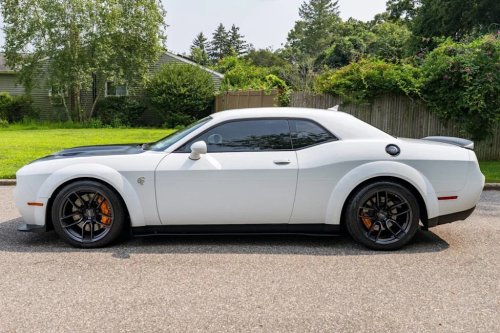
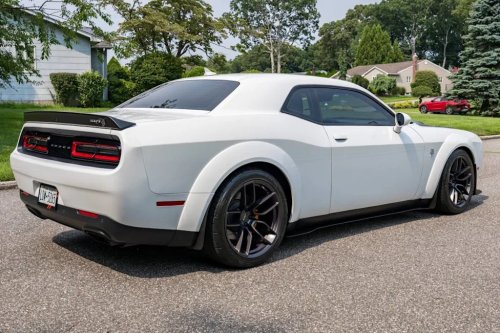
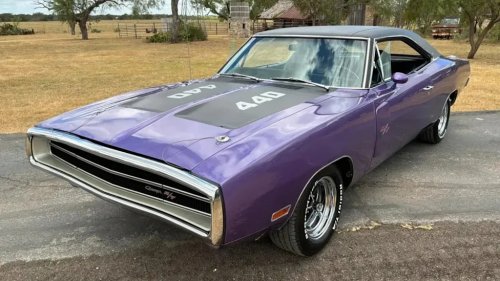
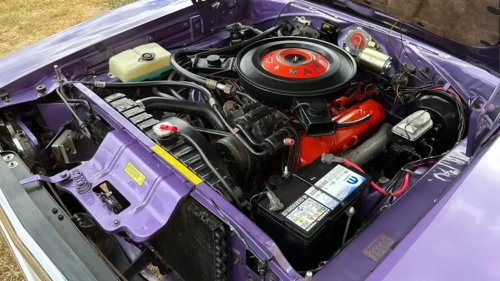
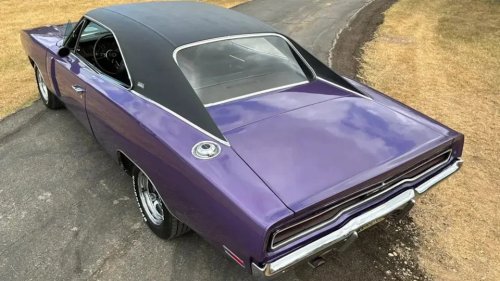
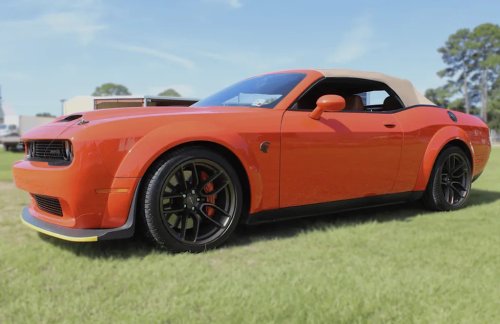
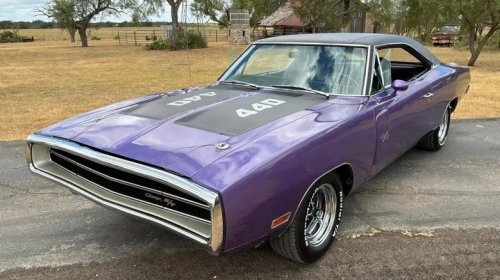
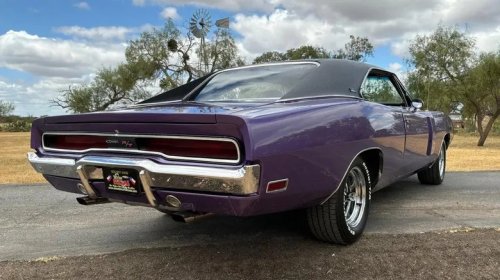
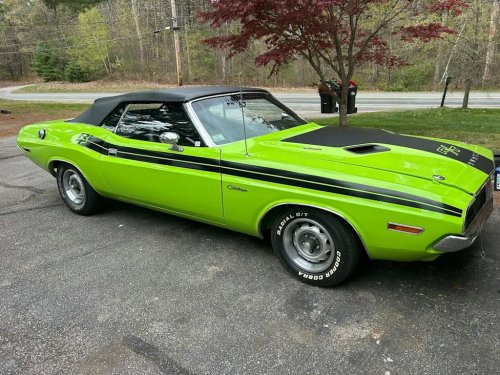
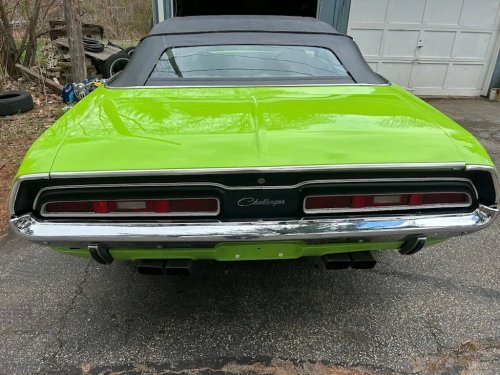
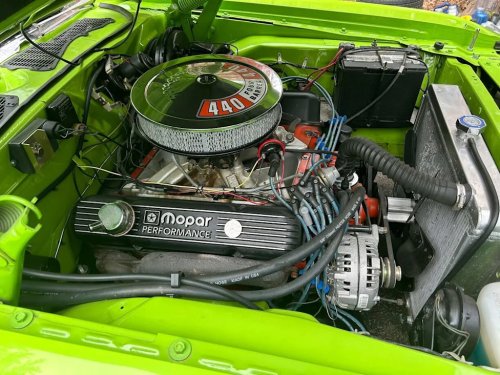
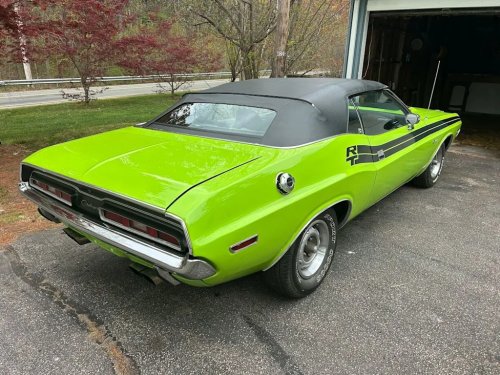
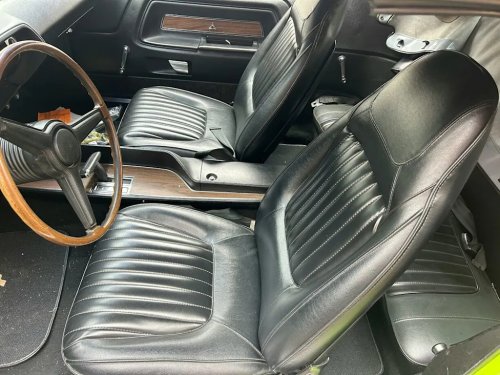
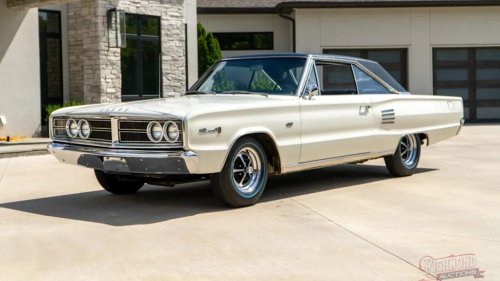
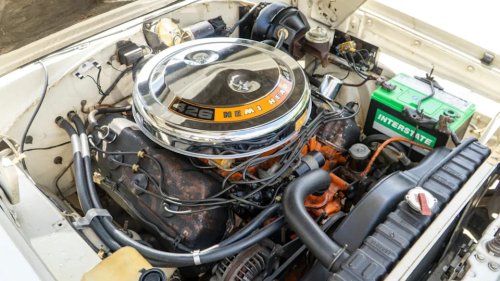
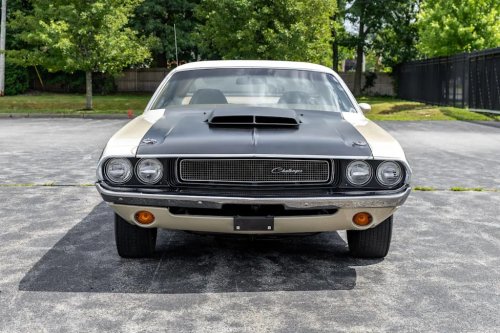
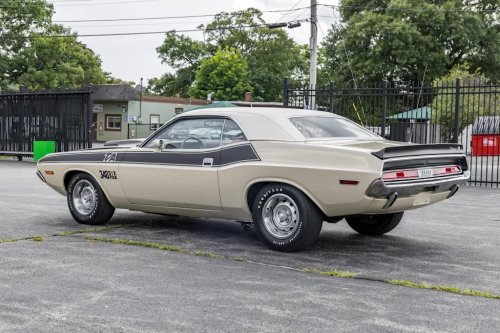
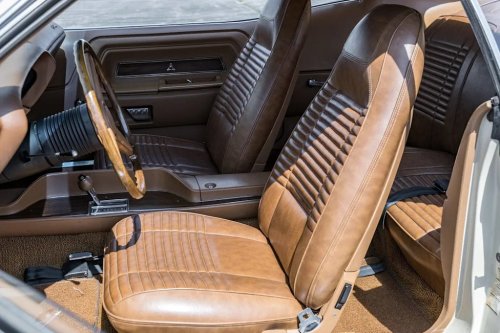
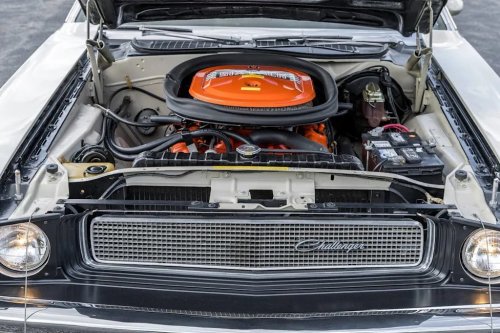
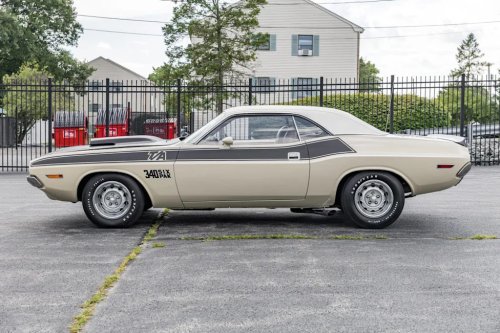
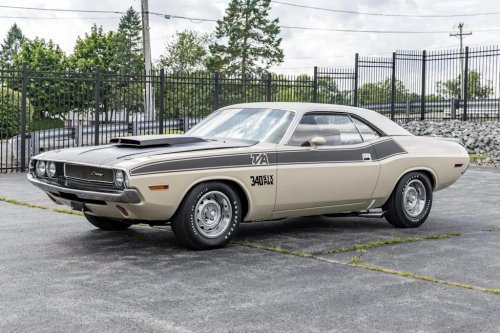
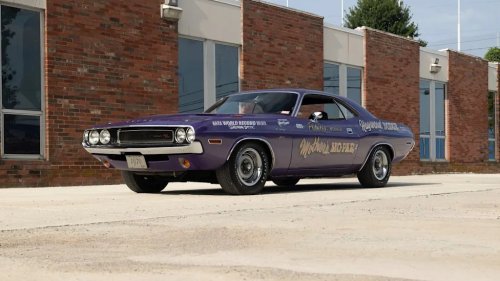
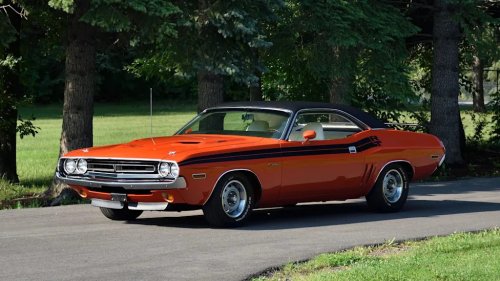
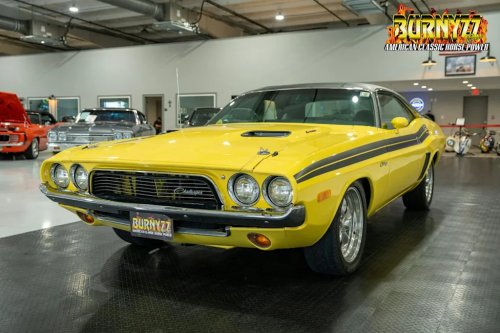
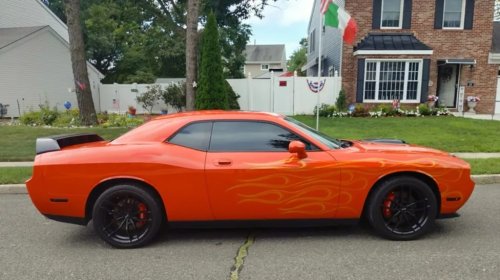
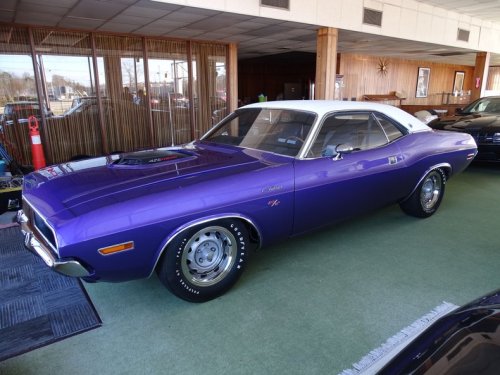
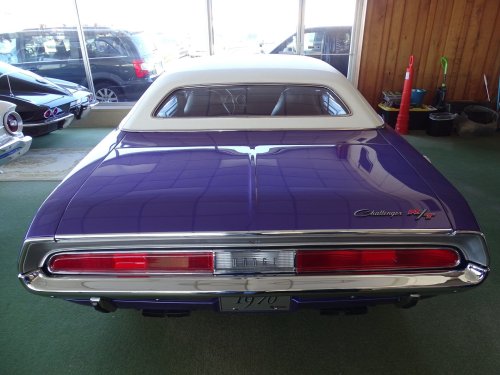
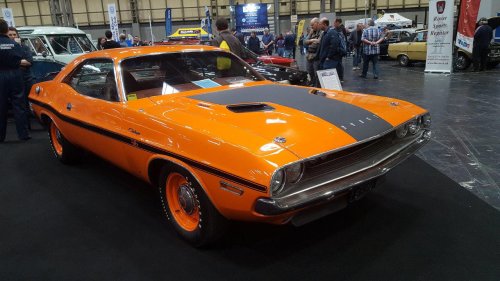
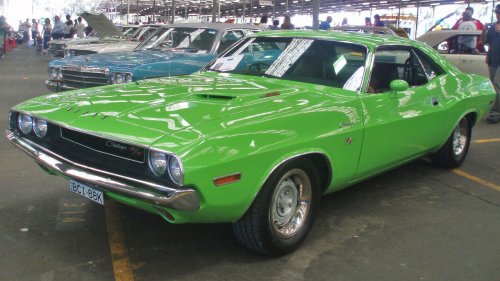
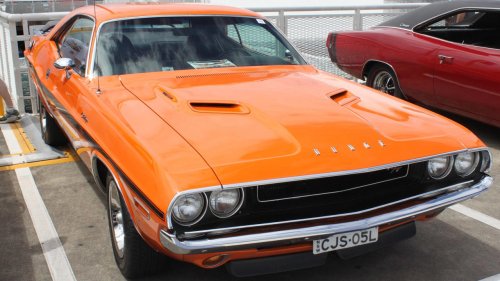
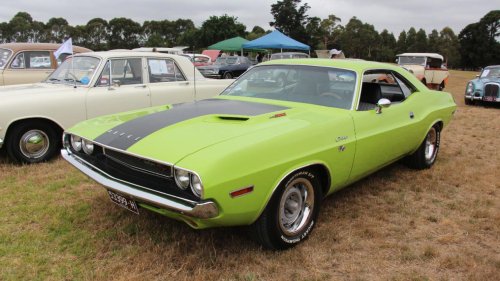
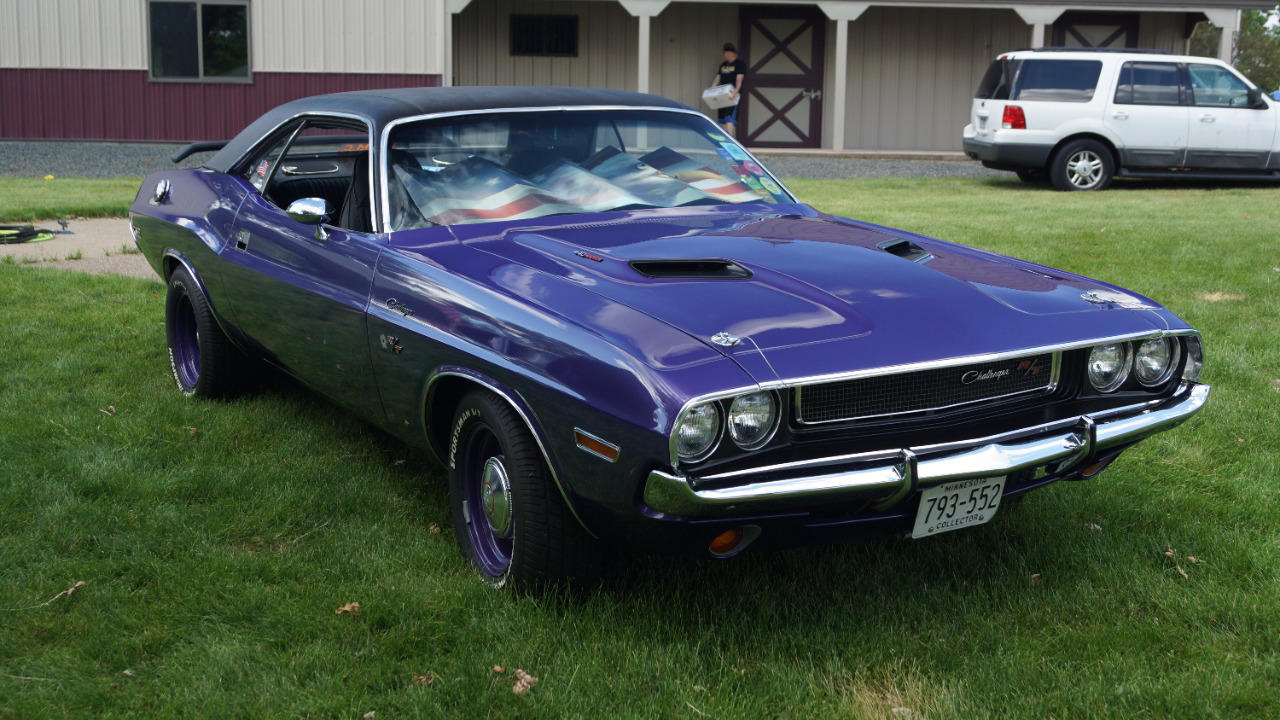
The 1970 Dodge Challenger R/T entered strong but came too late to dominateThe 1970 Dodge Challenger R/T arrived at the height of Detroit’s horsepower war with the right looks, the right engines, and the right attitude. Yet it stepped into a pony car market that was already peaking, with rival nameplates entrenched and new pressures closing in. The result was a car that entered the fight with real strength but did not stay around long enough to rule the class. Late to a crowded party Dodge waited until the muscle era was already in full swing before launching its new pony car. By the time the Challenger appeared, the segment had been defined for years by the Chevrolet Camaro and Ford Mustang, which were described as the two most popular muscle cars in 1970 before Dodge answered with its own entry. The new model was designed to sit slightly above the Plymouth Barracuda, sharing the same E-body platform but stretching the wheelbase to create a more upscale image. That timing mattered. As one analysis of the period notes, the Dodge Challenger arrived just as spiralling insurance rates, tightening emission requirements, and tougher safety standards were starting to squeeze high powered cars. The car was conceived in the boom but born into the downturn, forced to compete not only with the Camaro and Mustang but also with a shifting regulatory and economic climate that would soon punish exactly the kind of performance it celebrated. Production numbers underline the challenge. Across the first generation, a total of 165,437 first generation Chal models were built, a modest figure compared with the millions of pony cars sold by rival brands. In 1970, the Challenge sold okay at over 84,000 units, but production fell precipitously in 1971 to under 30,000 units and hovered near that level as the market cooled. The car had arrived with a splash, then met a rapidly shrinking pool of buyers willing to pay for big power and higher insurance premiums. What Dodge built in 1970 The 1970 Challenger lineup was ambitious. According to period specifications, Dodge offered a wide range of trims and engines, with the R/T (Road/Track) positioned as the performance oriented flagship. The R/T sat on the same basic E-body structure described in contemporary references to the Dodge Challenger, but it received heavier duty suspension, upgraded brakes, and bolder exterior cues that signaled its intent. Under the hood, the Challenger R/T could be ordered with multiple big block engines up to a 440 cubic inch RB V8. Buyers could select the 440 Magnum, the 440 Six Pack with triple two barrel carburetors, or the legendary 426 HEMI. With multiple engine configurations up to a 440 cubic inch RB V8, over 76,000 units were manufactured during its 1970 model run, according to one summary of Dodge Challenger production. The 426 HEMI was officially rated around 425 horsepower, but enthusiasts have long believed that the real output was higher, particularly in lightly modified street form. The car’s basic proportions were as dramatic as its engine lineup. The body was wide, long, and low, with a coke bottle profile, deep set grille, and muscular rear haunches that gave it a strong road presence. One modern description of the 1970 Dodge Challenger R/T notes that it feels like a car designed to be bold, powerful, and slightly luxurious at the same time, with that wide and low stance still looking intimidating decades later. The R/T package added stripes, badges, and functional or semi functional scoops that turned the car into a rolling billboard for Mopar performance. R/T: Road/Track and real performance The R/T badge on the Challenger stood for Road/Track, and period enthusiasts treated it as the serious driver’s choice. A detailed enthusiast profile of the model lists Key Specifications and Features The 1970 Challenger R/T (Road/Track) as the performance oriented version of Dodge’s new pony car, with standard heavy duty suspension and performance gearing. Buyers could option four speed manual transmissions with pistol grip shifters, limited slip differentials, and higher ratio rear axles that sharpened acceleration. On the street, the car’s character reflected that hardware. Contemporary driving impressions describe the 1970 Dodge Challenger R/T as delivering strong acceleration and a deep, aggressive sound, but not feeling especially eager to change direction quickly. One modern assessment says it feels heavy, planted, and powerful in a straight line, like a car that prefers open roads where it can stretch its legs rather than tight corners. Compared with a 1969 Ford Mustang, which felt more compact and agile, the Challenger came across as a slightly larger, more substantial machine that traded some nimbleness for stability and presence. That mix of speed and size made the Challenger R/T a natural on long American highways and wide suburban boulevards. The car’s combination of performance, style, and street presence made its Dodge Challenger R/T a favorite among drivers who wanted muscle with a hint of refinement. Power steering, optional air conditioning, and better interior comfort than some stripped out rivals meant that owners could live with the car every day without feeling punished by their choice of performance. Premium muscle in a shrinking market Dodge did not aim the Challenger R/T solely at budget minded hot rodders. The car was positioned as a slightly more premium muscle car, with higher quality interior trim, more sound insulation, and a broader options list than some competitors. One modern description emphasizes that it was not just about raw power, but also about a smoother ride and better cabin comfort compared with more hardcore performance machines of the time. That strategy made sense on paper. The Challenger was meant to sit above the Barracuda in Chrysler’s lineup, and the company had already experimented with upscale pony car ideas through early Barracuda development. One account notes that early Barracuda prototypes were essentially smaller versions of the Challenger, and that the Challenger, with its larger dimensions, was intended to carry more features and a more refined image. The research methods behind those prototypes helped shape a car that felt more like a junior grand tourer than a stripped down drag special. Yet that premium positioning also meant higher prices and higher insurance costs at exactly the wrong time. By the time the Challenger (Dodge Challenger) arrived, spiralling insurance rates for high powered cars were affecting pony car demand, while emission requirements and safety standards were reducing performance. Buyers who had been eager to jump into affordable V8 coupes earlier in the decade were now being warned off by insurers and regulators. The Challenger R/T, with its big engines and bold image, was caught in that crossfire. Street legend and movie star If the Challenger R/T did not dominate the sales charts, it more than compensated in cultural impact. The car quickly gained a reputation for raw power and speed, and stories from the era show how deeply it was imprinted on enthusiasts. One widely shared account describes how Nick first saw the movie Vanishing Point in 1971 and how it changed him, with posters for the film naming Barry Newman as the star. The white Challenger in that film became an instant cult object, and later coverage of restorations has revisited how strongly Vanishing Point linked the car to a mythic vision of open road rebellion. That connection between screen and street still resonates. A New Zealand feature on a 1970 Dodge Challenger R/T points out that Then there is the fact that it was THAT car from the cult film Vanishing Point, a detail used to help sell a real example at auction. Modern video features follow individual cars and owners who trace their obsession back to seeing Barry Newman slide a Challenger across desert highways. One such story, focused on a car reunited with its original engine, anchors its emotional core in Nick, Vanishing Point, and Barry Newman, showing how one film could shape a lifetime attachment. Beyond Hollywood, the Challenger’s legend grew in local street racing scenes. A well known documentary on The Ghost, a mysterious black 1970 Challenger that appeared on Woodward Avenue, recounts how The Ghost showed up on Woodward in the spring of 1970, blew the doors off every competitor, and then disappeared into the night. That car, and others like it, turned the Challenger R/T into a whispered presence in Detroit lore, a machine that might arrive unannounced, dominate a few races, and then vanish again. Enthusiast memory and modern restorations Half a century later, the 1970 Dodge Challenger R/T still commands deep affection among collectors and restorers. A social media post from a Mopar focused community describes the 1970 Dodge Challenger R/T as a true Mopar legend and one of the most iconic muscle cars of the golden era, introduced to compete at the top of the pony car market. That same community celebrates the bloodline of horsepower and the brotherhood of owners who keep these cars alive. Modern restoration projects often treat each Challenger R/T as a piece of rolling history. A video from Chase Classic Motors, titled around the idea of repairing a 1970 Dodge Challenger RT/SE, features a sunny example described as the Mopar that arrived late to the pony car party but left a major impression, with movie star style and pure 70s swagger. The RT/SE combination blended Road/Track performance with Special Edition luxury touches, underlining how Dodge tried to fuse speed and comfort in a single package. Other enthusiast features, such as a detailed profile of a red HEMI car, frame the 1970 Challenger R/T Hemi Story as a Legacy in Red, focusing on Key Specifications and Features, the Challenger R/T HEMI that made it a rare and desirable configuration. These stories catalog factory options, original drivetrains, and period-correct colors, but they also capture how owners see themselves as caretakers of a short-lived yet influential model. The emotional pull is visible in video interviews where owners describe their first encounters with the car. One segment on a restored coupe shows how a single viewing of Vanishing Point sent a young fan on a decades-long search for the right Challenger. Another walks through the process of tracking down an original engine and reuniting it with the car that carried it off the assembly line, a moment presented as regaining the vehicle’s heart. Why the Challenger R/T did not rule its class Given its specification sheet and cultural cachet, it would be easy to imagine the 1970 Dodge Challenger R/T as a market leader in its day. The reality was more complicated. The car entered a field where the Chevrolet Camaro and Ford Mustang already dominated mindshare and showroom traffic. Ford had years of brand equity with the Mustang, while Chevrolet leveraged a deep performance portfolio and a wide dealership network to push the Camaro. More from Fast Lane Only Unboxing the WWII Jeep in a Crate 15 rare Chevys collectors are quietly buying 10 underrated V8s still worth hunting down Police notice this before you even roll window down The post The 1970 Dodge Challenger R/T entered strong but came too late to dominate appeared first on FAST LANE ONLY.



















 +17 others