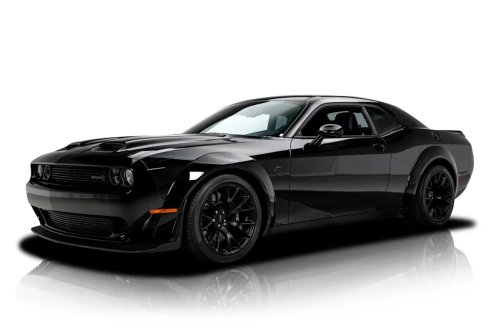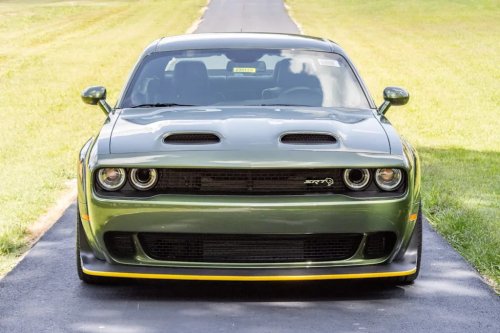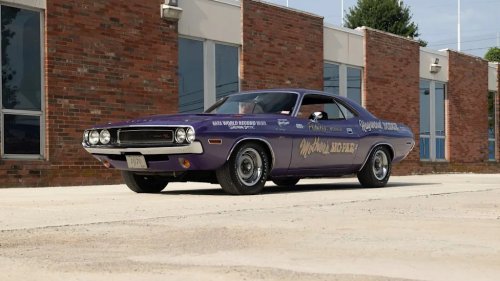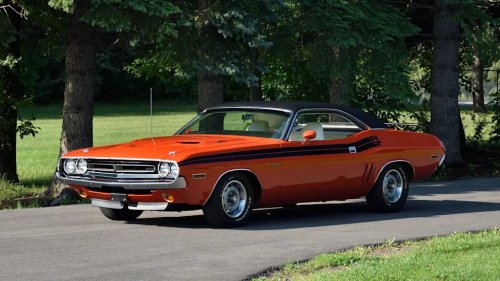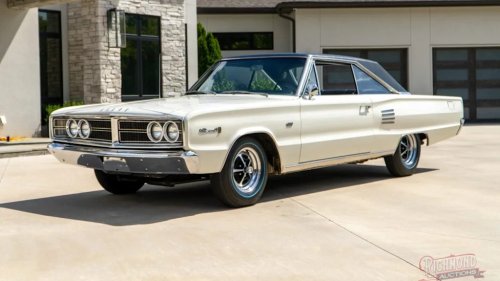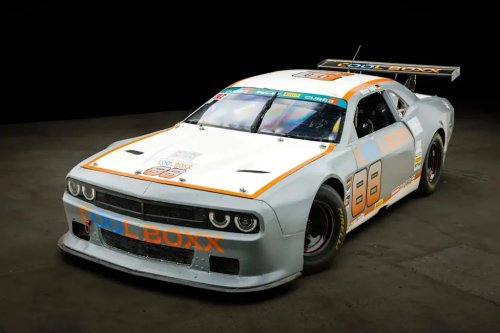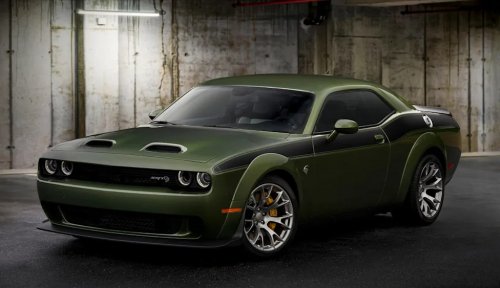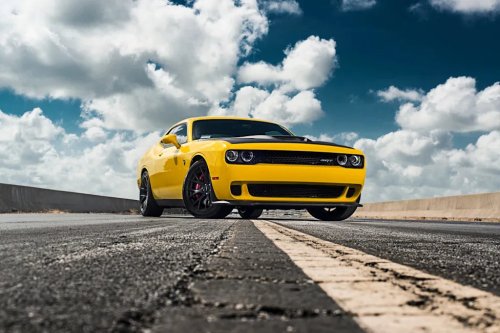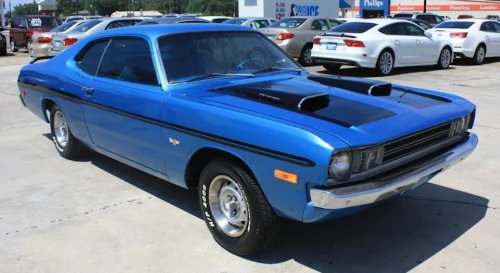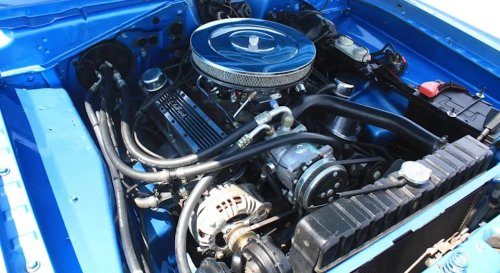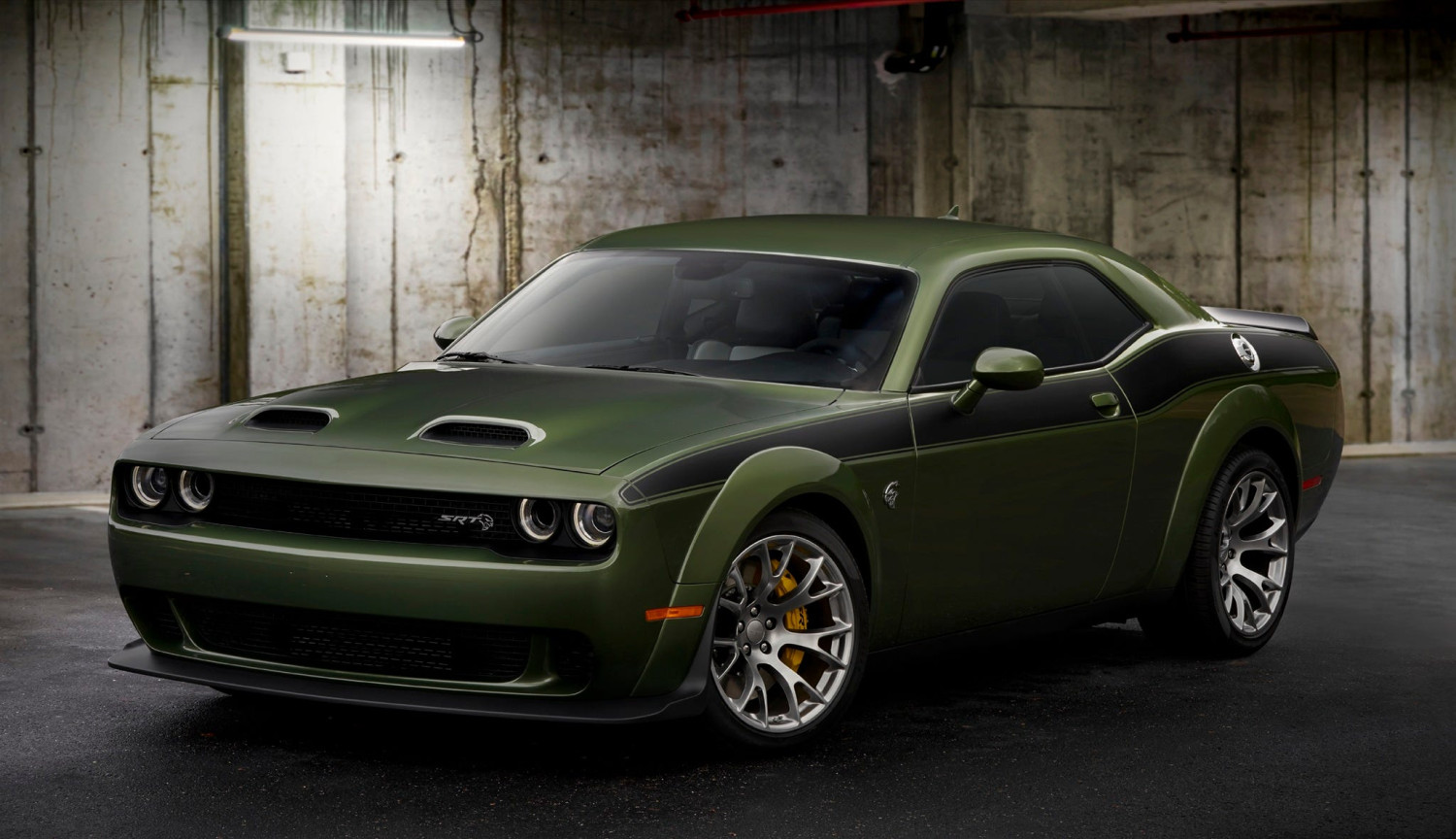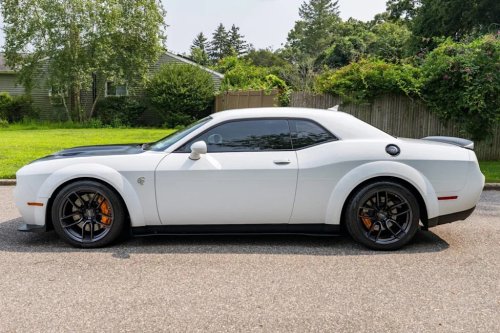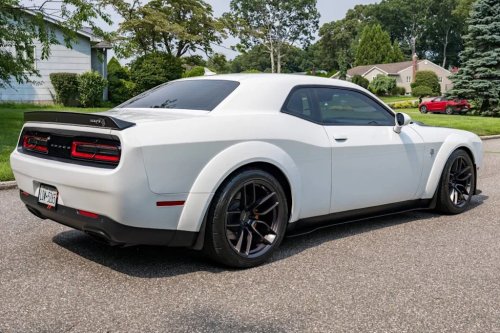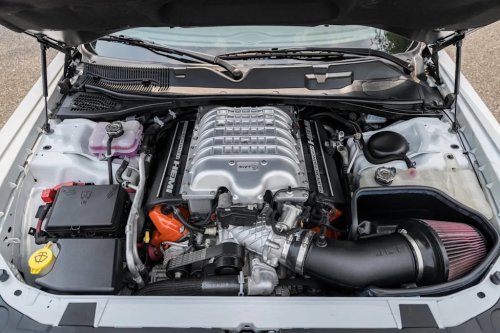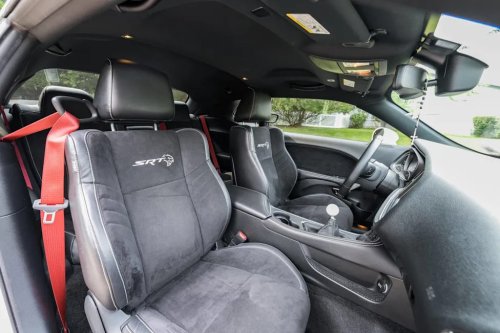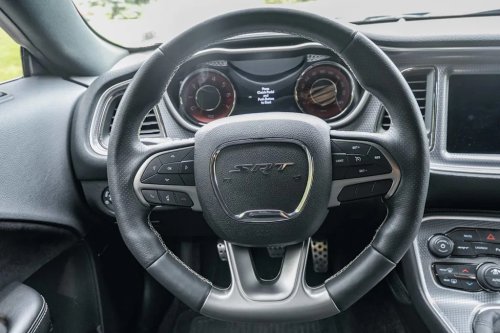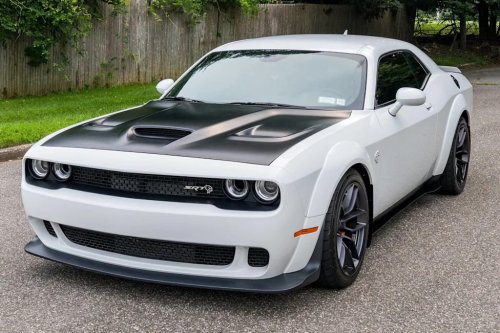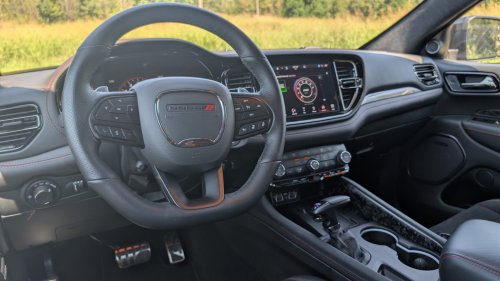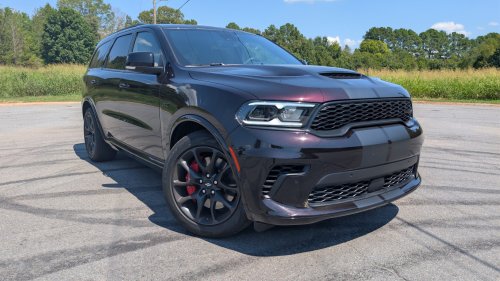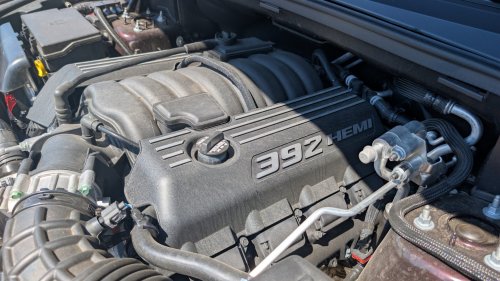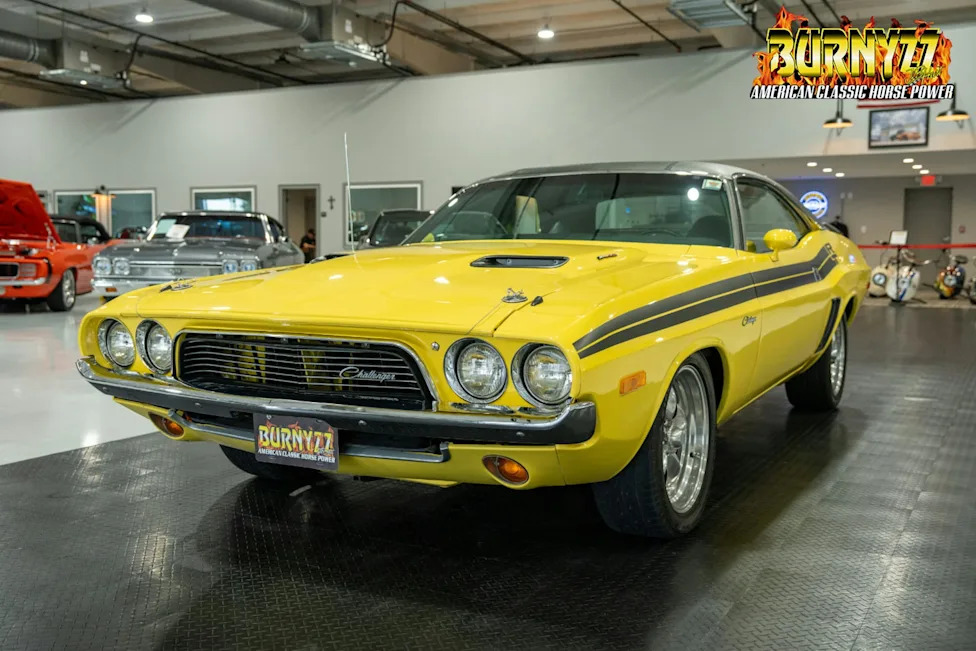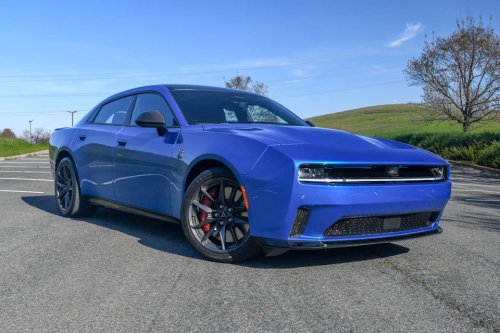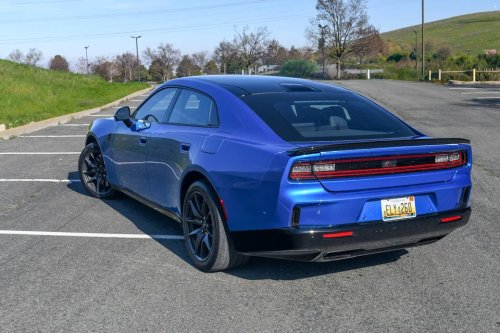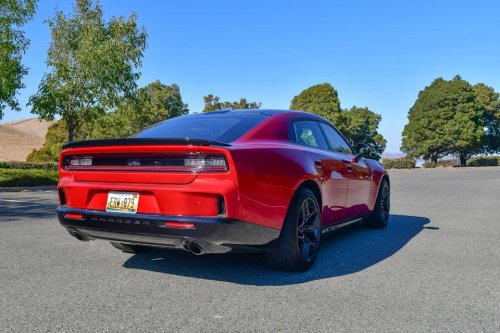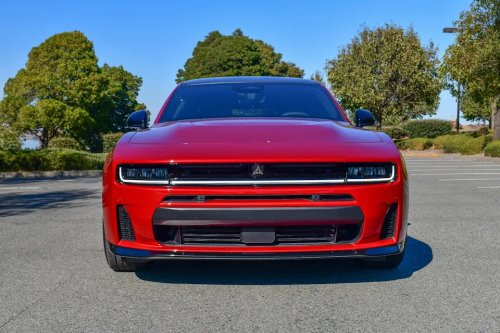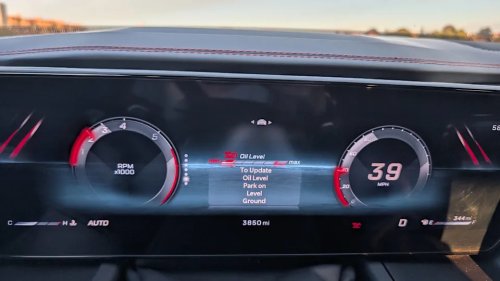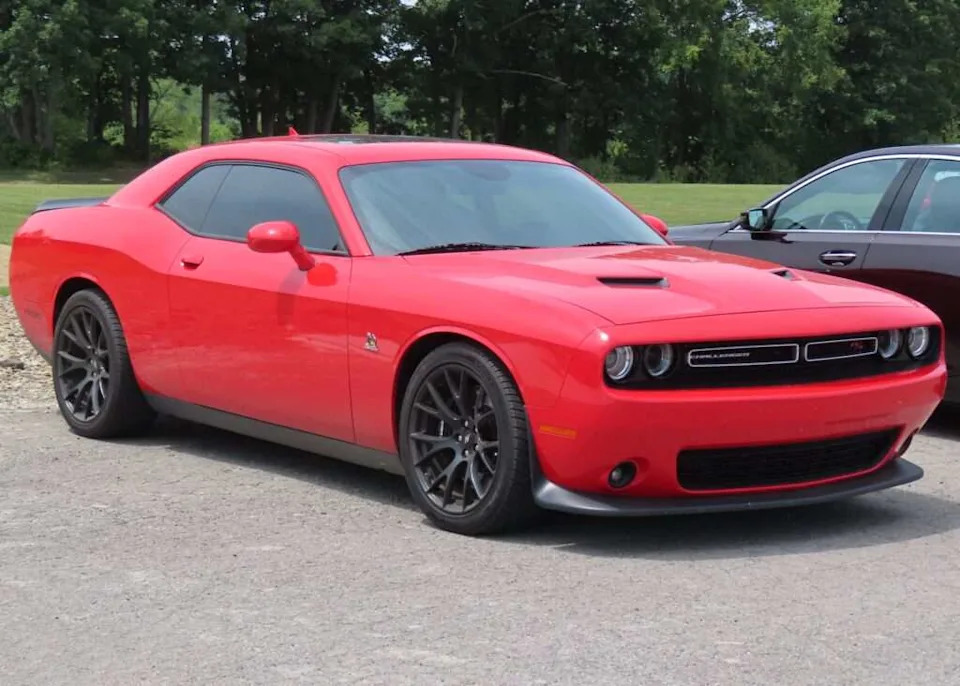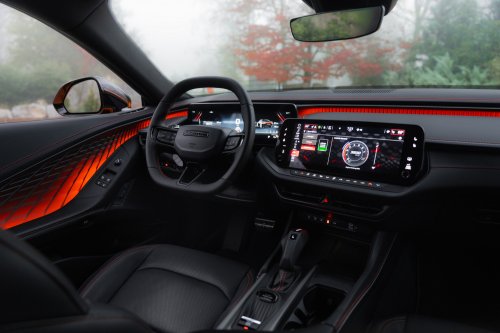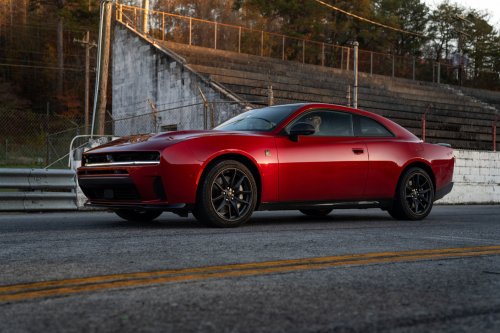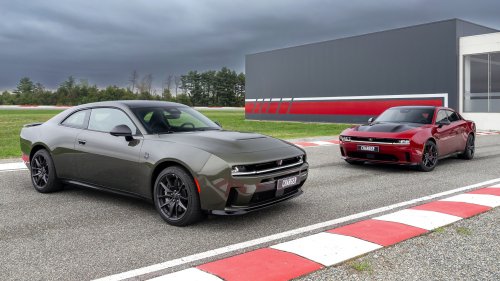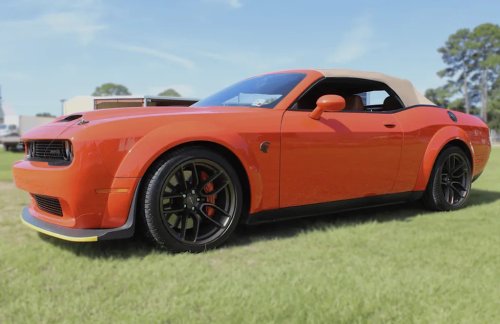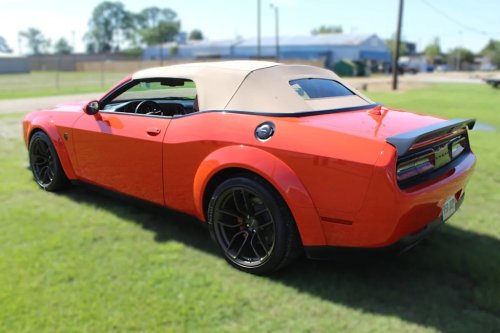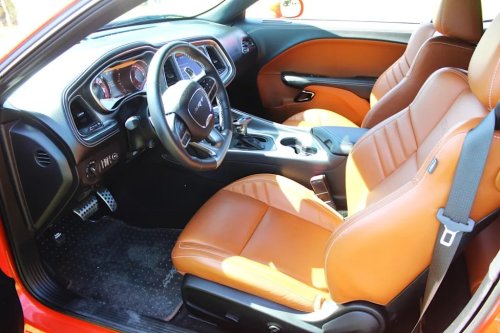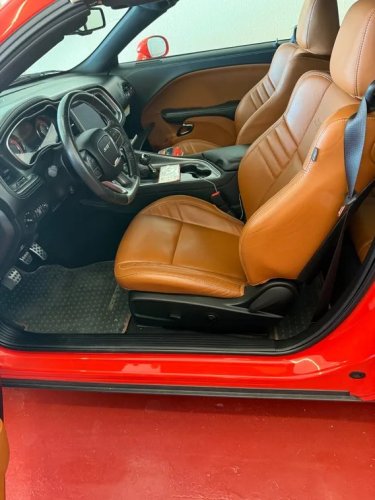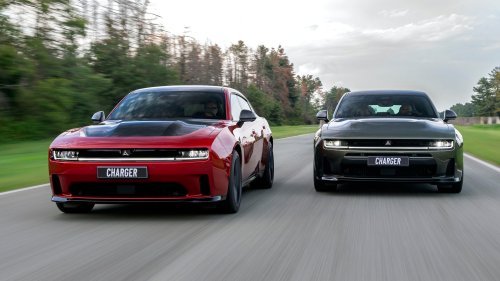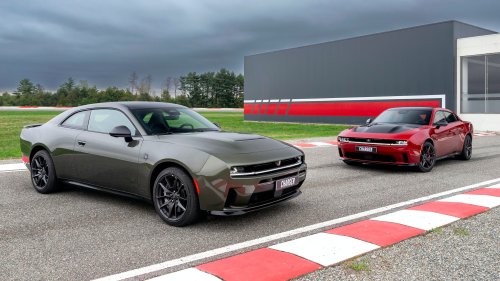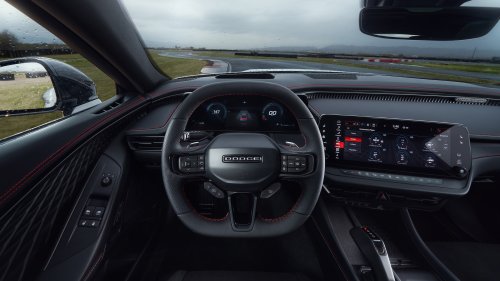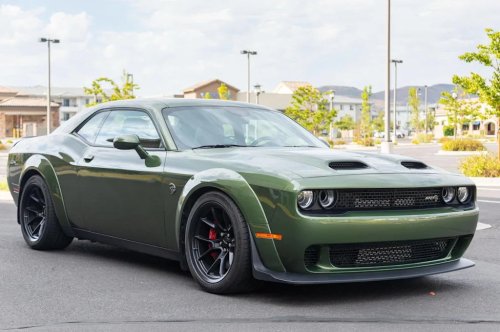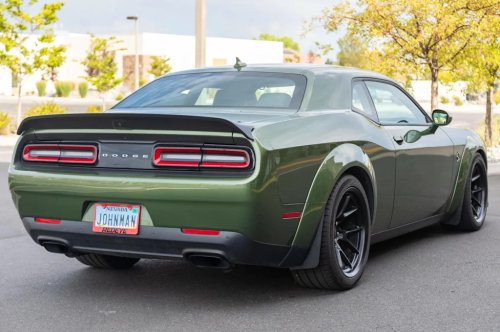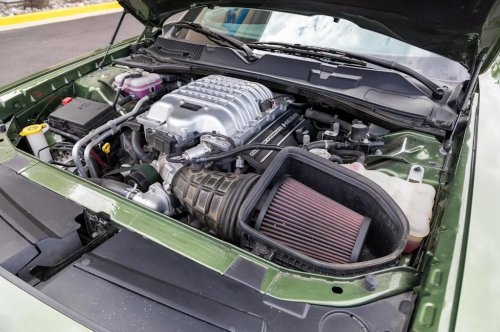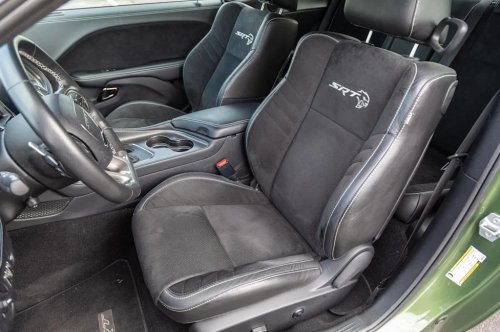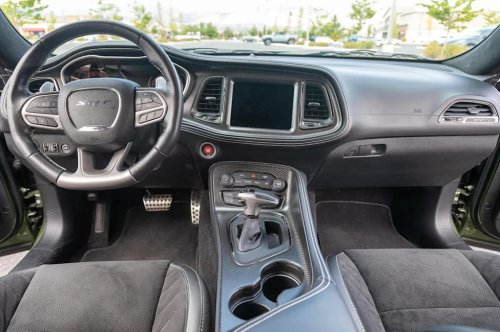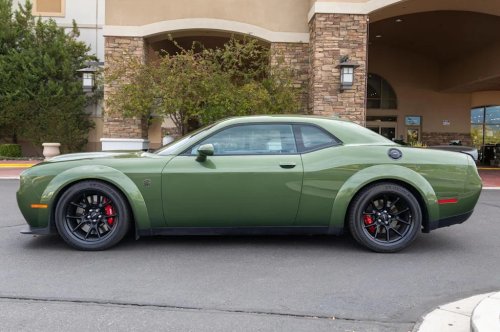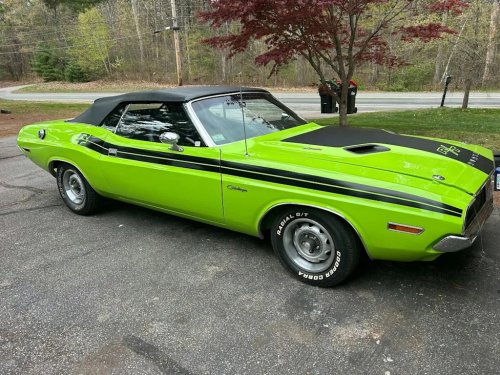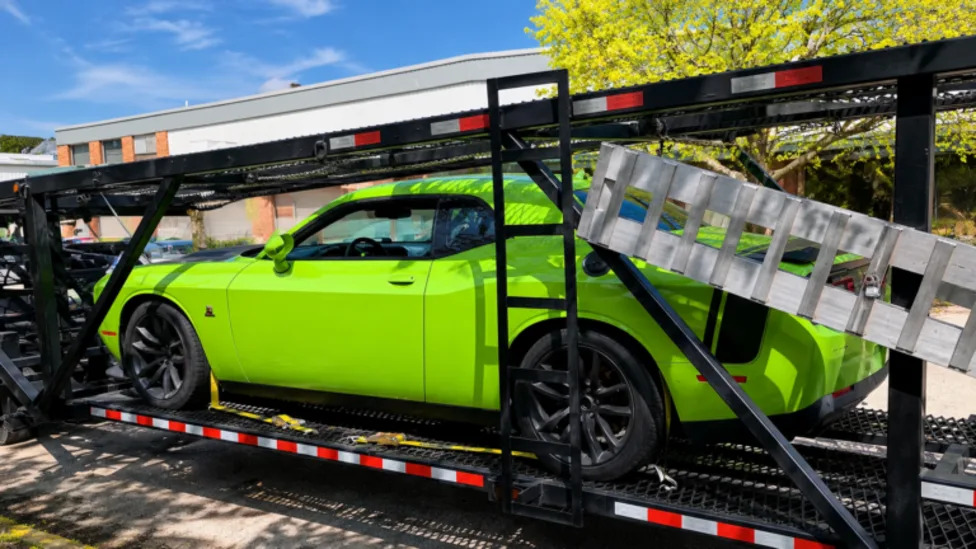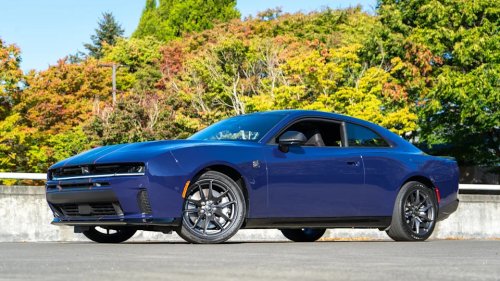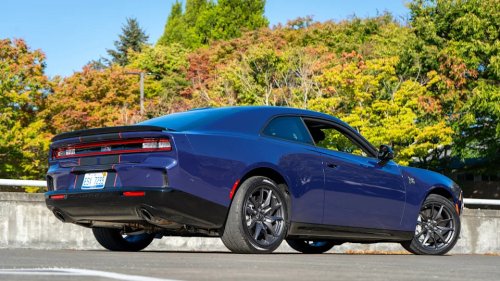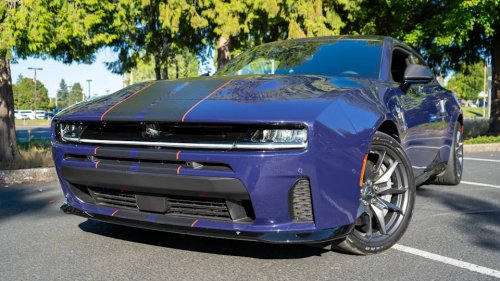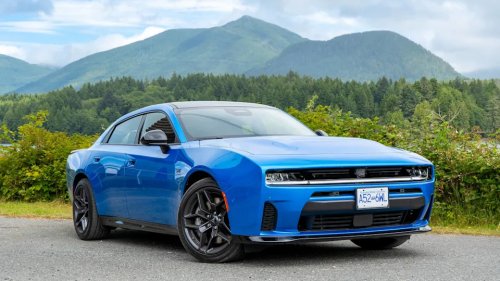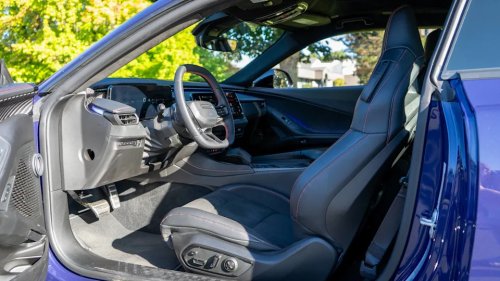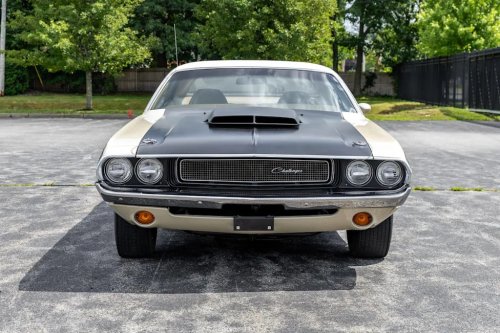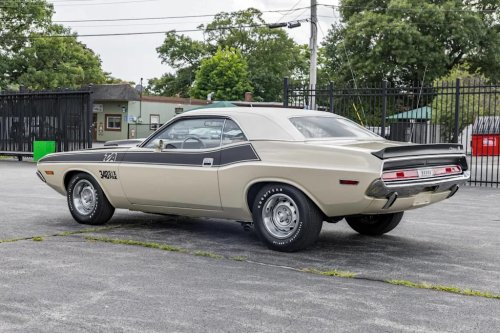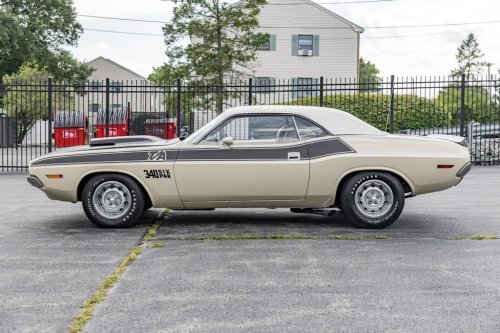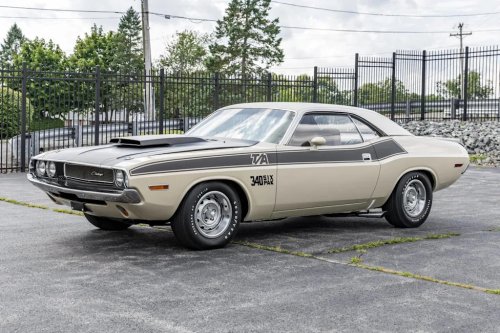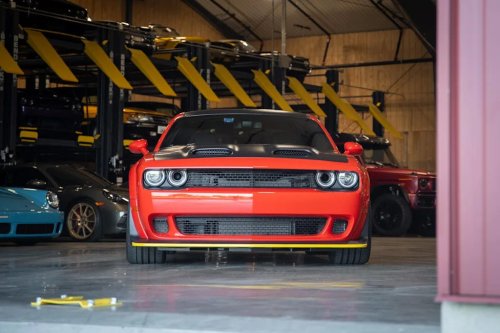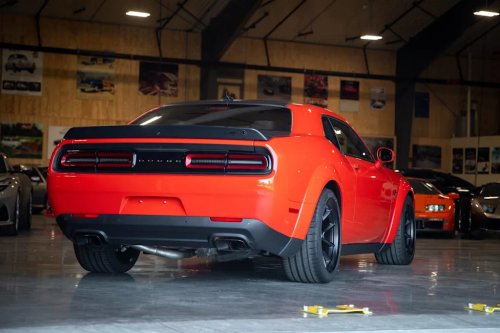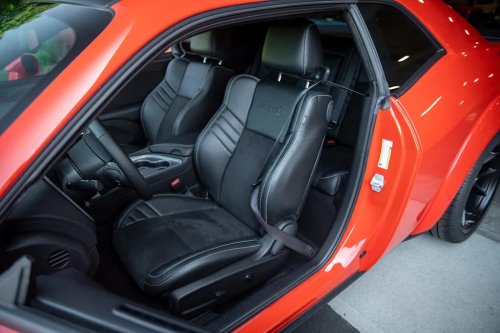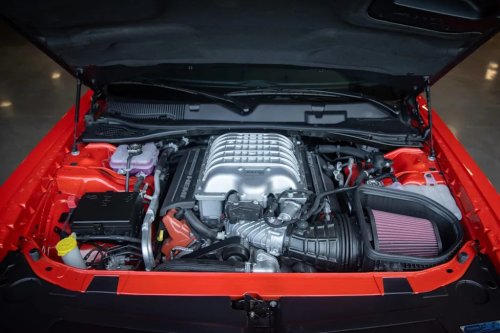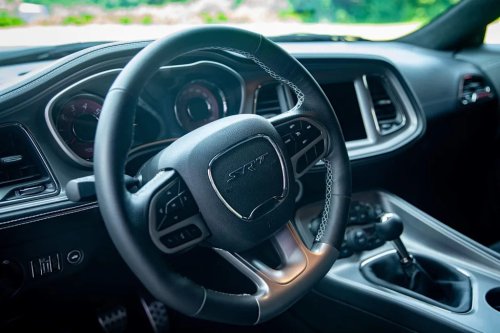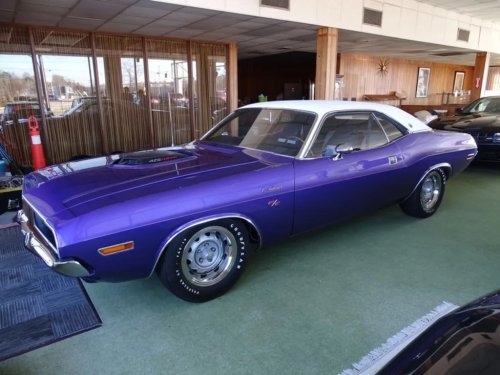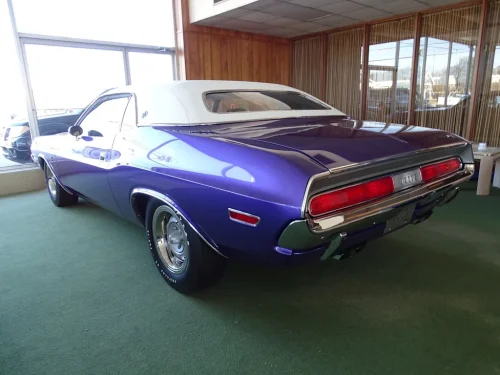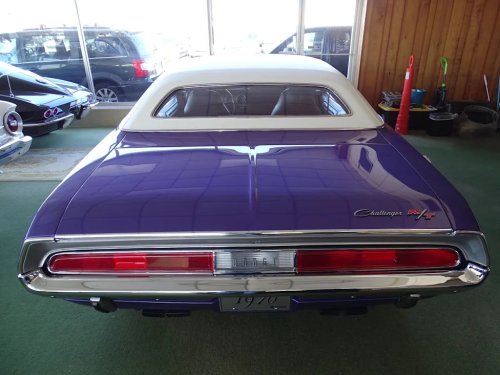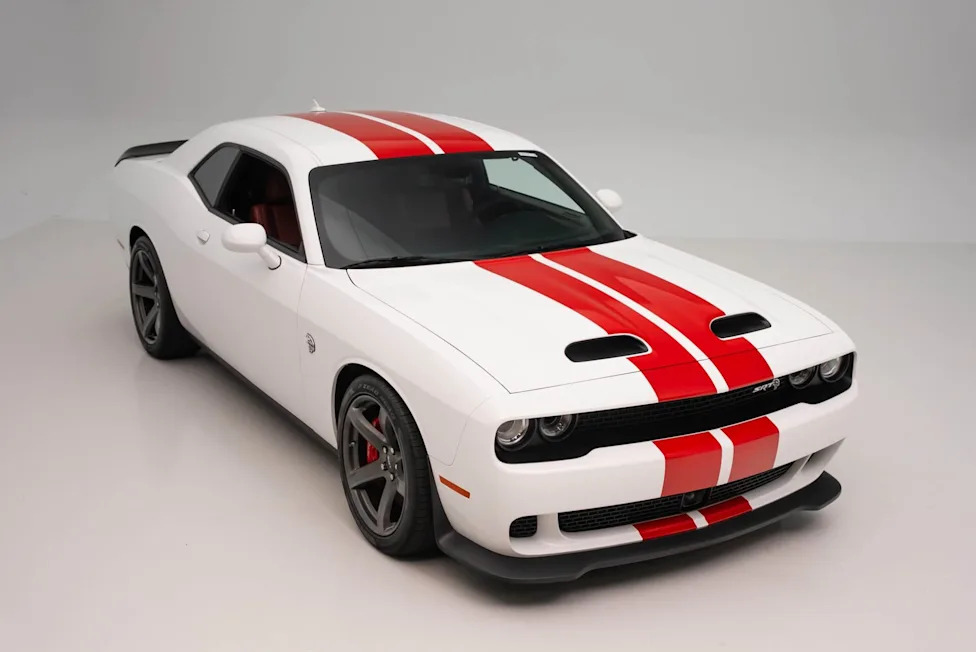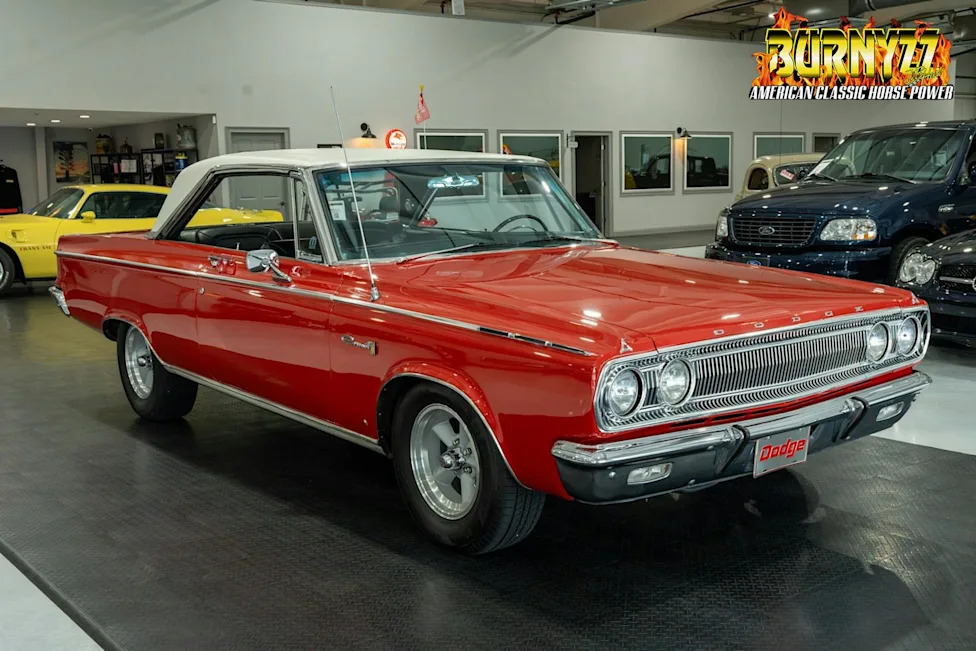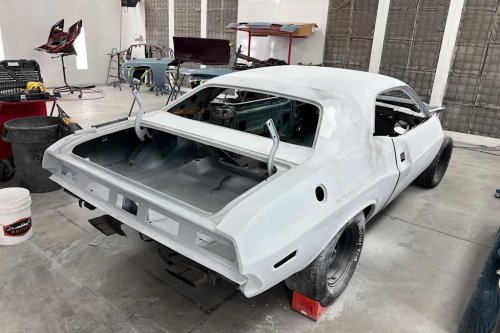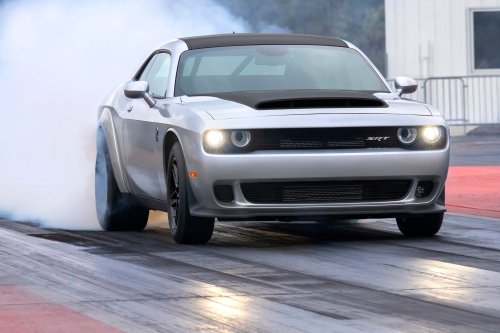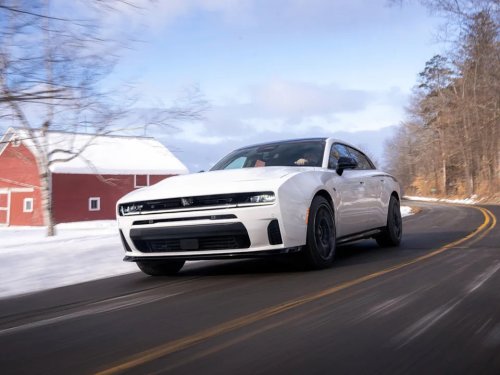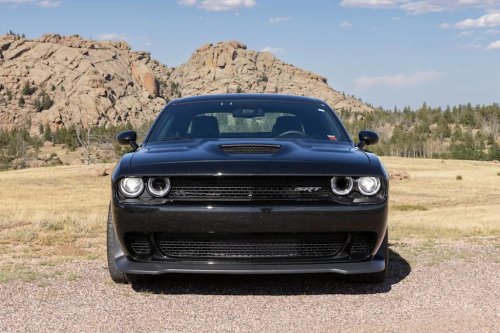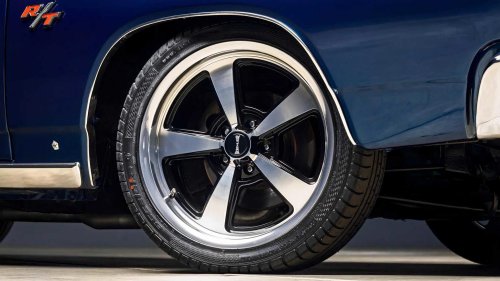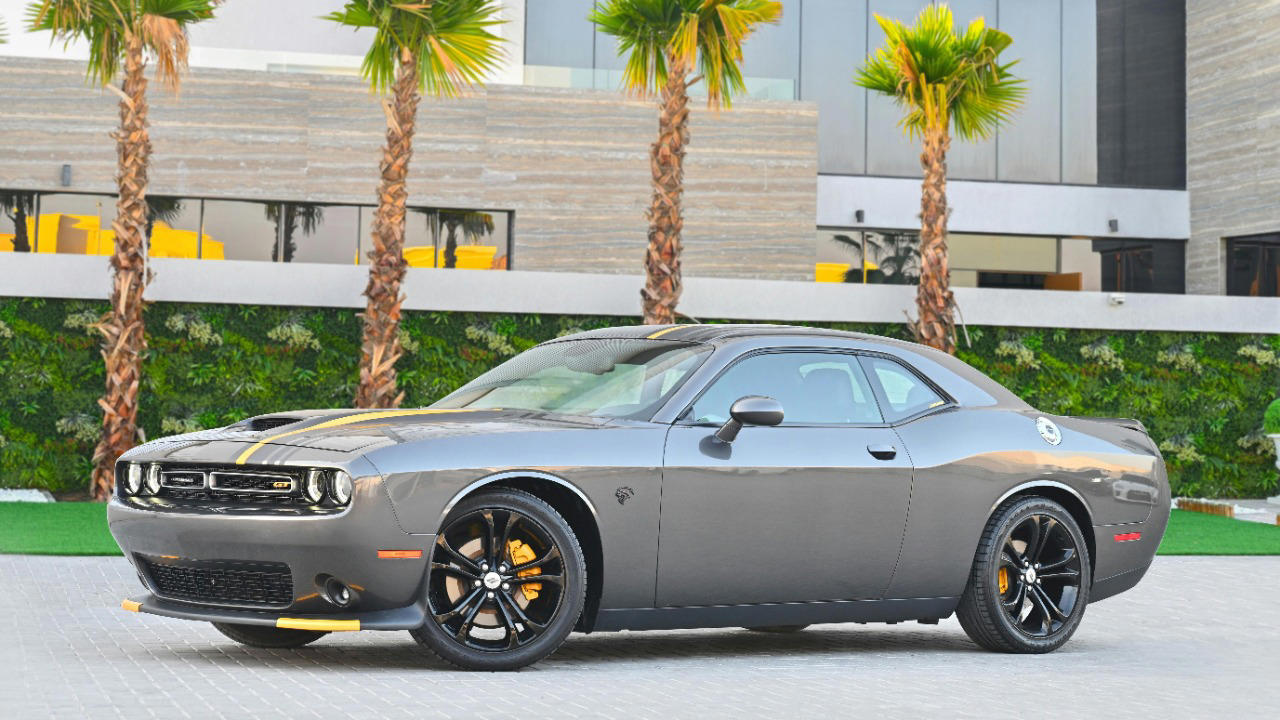



















Why some enthusiasts say the Dodge Challenger stayed too longThe Dodge Challenger has been a staple in the muscle car world for decades, capturing the hearts of car enthusiasts with its retro styling and powerful performance. However, some fans argue that the Challenger has overstayed its welcome, citing various reasons that have dampened its once-iconic status. This article delves into the factors contributing to the perception that the Dodge Challenger has lingered too long in the automotive market. Evolution of the Challenger Design Stagnation in Aesthetic Updates Over the years, the Dodge Challenger has become known for its commitment to maintaining a classic, retro design that harkens back to its 1970s roots. While this nostalgic design initially won over many fans, the lack of significant aesthetic updates over the years has led some to view the Challenger as outdated. Competitors like the Ford Mustang and Chevrolet Camaro have continually evolved, integrating sleek, modern design elements that keep them fresh and appealing. In contrast, the Challenger’s steadfast adherence to its original look has started to seem more like a refusal to adapt rather than a charming nod to the past. Nostalgia vs. Innovation The challenge for Dodge has been finding the right balance between nostalgia and innovation. While retro styling can evoke fond memories and a sense of heritage, it risks alienating new buyers who are looking for cutting-edge design. As the automotive landscape rapidly evolves, sticking too firmly to a retro aesthetic may have limited the Challenger’s appeal. In a market where innovation is prized, the Challenger’s reluctance to fully embrace modern design trends could be seen as a strategic misstep. Performance and Technology Lagging Behind in Technological Advancements When it comes to technology, the Challenger often feels like it’s stuck in a time warp. While competitors have integrated advanced infotainment systems, driver assistance features, and connectivity options, the Challenger’s tech offerings have remained relatively basic. Enthusiasts have voiced concerns that while the Challenger’s performance remains strong, its lack of tech modernization is a significant drawback. Models like the 2022 Ford Mustang, with its advanced SYNC 4 system, illustrate how far behind the Challenger has fallen. Performance Plateau Performance-wise, the Challenger has long been revered for its raw power and muscle car credentials. However, in recent years, there seems to be a plateau in its performance advancements. While the Hellcat and Demon variants push the envelope with horsepower, other aspects of performance, such as handling and agility, haven’t seen the same level of innovation. Meanwhile, brands like Chevrolet have pushed the Camaro’s performance envelope, with models like the ZL1 offering a more dynamic driving experience. Market Competition Rise of Electric and Hybrid Muscle Cars The automotive market is witnessing a significant shift towards electrification, and the muscle car segment is no exception. With the rise of electric and hybrid muscle cars, the Challenger’s traditional gas-guzzling V8 seems increasingly out of sync with market trends. Dodge has been slow to respond to this shift, even as competitors like Ford introduce electric variants like the Mustang Mach-E. This lack of a clear electrification strategy has left the Challenger struggling to maintain its appeal in a market moving towards greener alternatives. Increased Competition from Other Brands With fierce competition from brands like Ford and Chevrolet, the Challenger has found it challenging to maintain its market position. The Mustang and Camaro have not only captured a significant share of the muscle car market but have also expanded their appeal with diverse model offerings and modern technology. As these competitors continue to evolve and innovate, the Challenger risks being overshadowed, leading some enthusiasts to believe it has overstayed its welcome. Consumer Preferences and Trends Shift in Buyer Demographics The automotive market is increasingly influenced by changing consumer preferences, particularly among younger buyers who prioritize modern features, efficiency, and sustainability. The Challenger’s classic muscle car appeal may not resonate with a generation that values technology and eco-friendliness over raw power and nostalgia. As the demographic of car buyers shifts, the Challenger’s relevance is being questioned, as it struggles to attract a new audience that demands more than just horsepower. Demand for Sustainability Environmental concerns are reshaping the automotive industry, with consumers and manufacturers alike focusing on sustainability. The Challenger, known for its powerful yet fuel-inefficient engines, stands at odds with this growing trend. As more buyers seek vehicles that offer better fuel efficiency and lower emissions, the Challenger’s traditional muscle car formula may be losing its allure. The pressure is on Dodge to adapt to these changing preferences to maintain its market presence. The Future of the Challenger Potential for Revitalization Despite the challenges it faces, there is a glimmer of hope for the Challenger’s future. Speculation abounds about possible updates or redesigns that could reinvigorate interest in the iconic model. Enthusiasts and industry insiders are eager to see if Dodge will introduce a new generation of the Challenger that balances its classic charm with modern innovations. A strategic redesign could breathe new life into the brand and reassert its place in the muscle car segment. Retirement or Reinvention? The big question on everyone’s mind is whether the Challenger should be retired or reinvented for contemporary markets. While some argue that it’s time for the Challenger to bow out gracefully, others believe there’s still potential for a comeback. Industry experts suggest that a reinvention, possibly with electric or hybrid options, could help the Challenger regain its footing. Ultimately, the decision will shape the legacy of the Challenger and determine its place in automotive history. More from Fast Lane Only Unboxing the WWII Jeep in a Crate 15 rare Chevys collectors are quietly buying 10 underrated V8s still worth hunting down Police notice this before you even roll window down