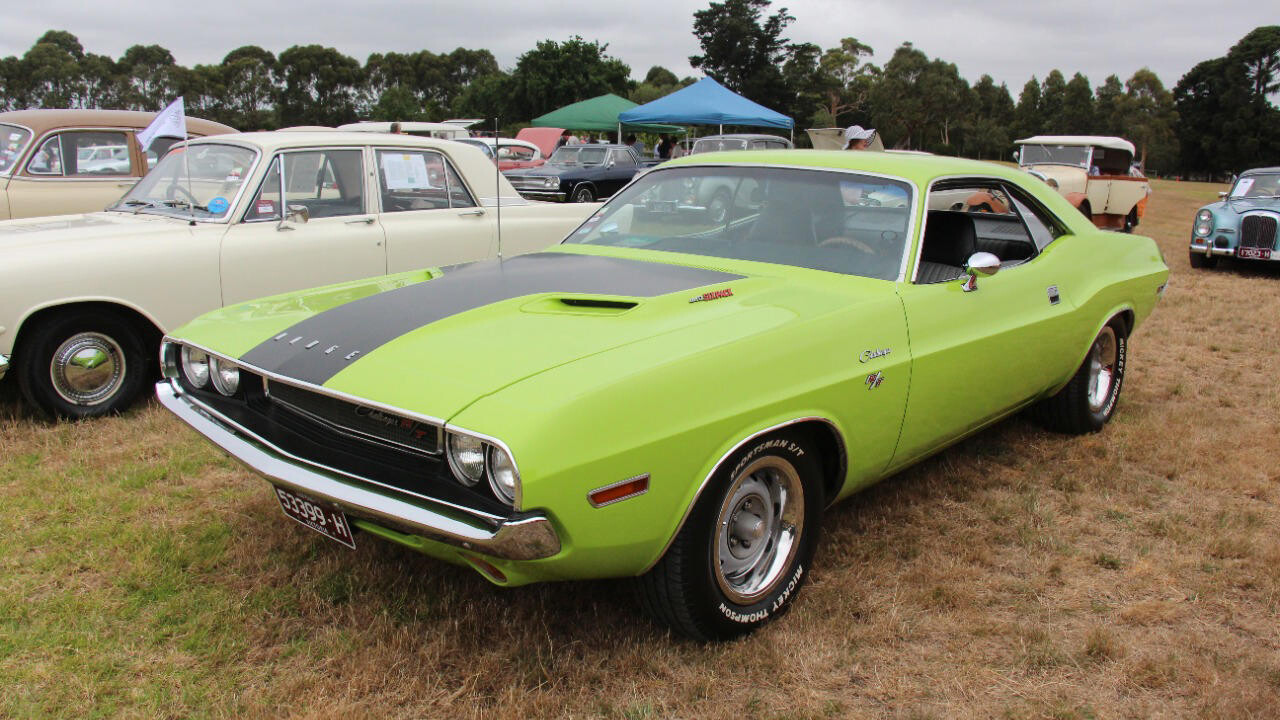
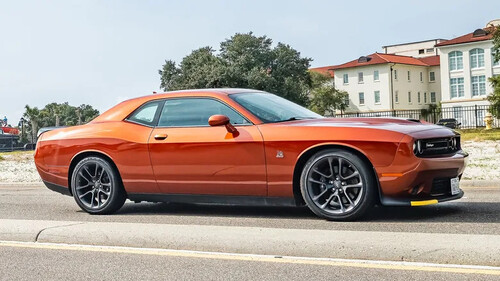
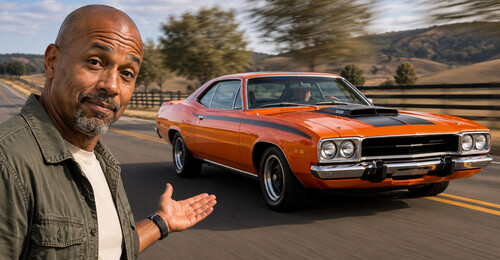
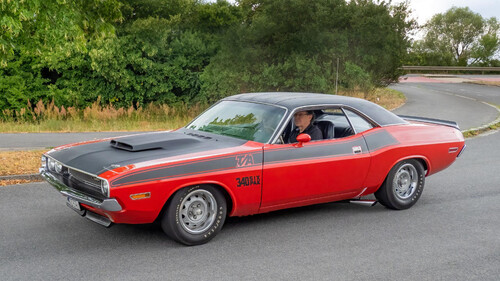
Dodge packed multiple engine options into the Challenger and changed the gameThe Dodge Challenger never survived on nostalgia alone. From the first cars that rolled out with a basic six under the hood to the modern machines that pushed horsepower into supercar territory, Dodge treated the Challenger as a test bed for every kind of engine it could reasonably stuff between the fenders. That strategy of offering a broad menu of powertrains turned a single coupe into an entire ecosystem of performance, price points, and personalities. Across three generations, the Challenger went from slant-six commuter to drag strip legend, with a simple throughline: more engines, for more people, at more levels of speed. That variety did not just keep the nameplate alive; it reshaped what a modern muscle car could be. The first generation: a muscle car built on choice When Dodge launched the first-generation Dodge Challenger for 1970, the brand aimed straight at the Ford Mustang and other pony cars, but with a twist. Instead of a narrow set of powertrains, buyers could choose from a long list of engines that ranged from mild to wild. According to period histories of the Performance and Power options, the base Challenger carried a 225-cubic-inch slant-six that prioritized economy over speed, while V8 choices climbed through small-block and big-block territory. Enthusiast documentation of early Dodge Challengers notes that Chrysler did not keep this variety confined to the United States. Chrysler exported Dodge Challengers officially to France through its Chrysler France Simca operation, even as Ford sold the Mustang through its own channels. As a result, French buyers could sample the same broad menu of American engines that home market customers enjoyed, and some of those French Challengers still exist today, according to Chrysler France Simca records. Period coverage of the 1970 Dodge Challenger, often labeled The First Year in enthusiast retrospectives, highlights that the car offered no fewer than eight optional V8 engines on top of the slant-six. That depth of choice allowed Dodge to target insurance-conscious buyers, weekend cruisers, and serious racers with the same basic body. A shopper could walk into a showroom and leave with a practical daily driver or a street machine that rivaled anything from Ford or Chevrolet. Contemporary reports on these Challengers, described as the first-generation Dodge Challenger produced for model years 1970 to 1974, underline how unusual that spread of powertrains was. The Mustang and other rivals offered variety, but Dodge treated engines as a core selling point rather than a simple trim differentiator. That mindset would go dormant when the Challenger name disappeared after the early 1980s, then return with a vengeance when Dodge revived the badge. The third-generation comeback and a new engine playbook When Dodge brought back the Challenger for the 2008 model year, the company leaned heavily on retro styling. The Third Generation Dodge Challenger echoed the long hood and short deck of the original, with cues that traced directly to the early seventies cars. According to a historical overview of The Third Generation, Dodge introduced the car as a throwback to the original Challenger, but it was the powertrain strategy that truly set it apart from other modern muscle coupes. From the start, the new Challenger arrived with a clear hierarchy of engines and trims. A detailed generations guide catalogs how Dodge used Engine Options and Performance tables to map engines to specific trims. The lineup eventually stretched from a V6 that made the car accessible to a wide audience to supercharged V8s that turned it into a factory drag racer. The structure was deliberate: entice buyers with the look, then let them self-select their level of power and price. Enthusiast histories of the Challenger describe how the retro vibe of the third generation was strong, but the car had weak points, such as interior quality and weight. Even so, the powertrain choices kept interest high. A base V6 model served as an entry ticket to the styling, while R/T and SRT variants layered on naturally aspirated and supercharged Hemi engines. Over time, Dodge refined this ladder, adding special editions and higher output versions that pushed the car into new performance territory. The approach mirrored the original Challenger playbook but adapted it for a market where emissions rules, fuel prices, and electronic driver aids had changed the definition of a muscle car. Instead of a handful of carbureted V8s, buyers now navigated a catalog of modern engines, each tied to specific transmissions, suspension setups, and technology packages. The V6 foundation: 3.6-Liter power for the masses At the base of the modern Challenger range sat a V6 that carried much of the sales volume. Dealer literature on the Dodge Challenger Engines describes the 3.6-Liter V6 24-Valve VVT Engine as the standard engine for mainstream trims. This powerplant, with its variable valve timing and relatively light weight, allowed Dodge to offer a car with the Challenger’s size and presence at a price and fuel economy level that many buyers could justify. By fitting the 3.6-Liter V6 24-Valve VVT Engine to SXT and related trims, Dodge created a version of the Challenger that could serve as a daily driver, rental fleet staple, or first step into the brand. The car still looked like a muscle coupe, with the same basic silhouette as the V8 models, but the running costs were closer to a midsize sedan. That strategy broadened the audience and kept volumes high enough to justify the more exotic engines at the top of the range. From a performance perspective, the V6 models were never the headline grabbers. Yet their role was critical. Without that foundation, the business case for supercharged halo models would have been far harder to make. The V6 also gave Dodge a way to compete with four-cylinder and six-cylinder versions of the Ford Mustang and Chevrolet Camaro, even as it leaned into a different personality. The 5.7 Hemi and the heart of the R/T Above the V6, Dodge positioned the 5.7L Hemi V8 as the core of the Challenger R/T lineup. Technical breakdowns of the various Challenger engines list the 5.7L Hemi V8 (2009 to 2018) with a 3.917-inch bore and a 3.578-inch Stroke, figures that speak to its blend of displacement and rev capability. In early form, it produced 370 horsepower and 398 pound-feet of torque, later rising to 375 horsepower for the 2011 model debut of updated versions. Dealer guides that group The Dodge Challenger Engines explain that this 5.7-liter Hemi appeared in R/T and R/T Plus Shaker trims, where it delivered the classic V8 soundtrack and strong midrange torque that many buyers associated with the Challenger name. Positioned below the larger 6.4-liter and supercharged options, it hit a sweet spot between price, performance, and everyday usability. The 5.7L Hemi V8 models are also connected most directly to the heritage of the original Challenger. While the modern engine used contemporary technology and emissions controls, the combination of displacement, cylinder count, and rear-wheel-drive layout echoed the formula that made the early seventies cars so memorable. For many owners, the R/T badge and its Hemi power became the default expression of what a Challenger should be. The escalation: 6.4 Hemi, Hellcat, and Demon Once Dodge had established a base of V6 and 5.7 Hemi models, the brand escalated. SRT versions of the Challenger adopted a 6.4-liter Hemi V8 that delivered significantly more power and track capability. From there, the company moved into supercharged territory with the Hellcat and later Demon engines, turning the Challenger into a headline machine for straight-line performance. Performance histories of the Challenger describe how the powertrain options emphasized raw output, with some modern models boasting 797 horsepower. A detailed Engine Options and breakdown charts the climb from early third-generation cars to the most extreme versions, culminating in the Demon 170 with power figures that pushed the limits of what a street-legal drag car could deliver. Dealer explanations of the Dodge Challenger Engines describe how the 6.2-liter supercharged Hemi V8 served as the heart of these halo models. One section devoted to this engine notes that it sat at the top of the range, far above the V6 and 5.7-liter units in both output and price. By pairing that engine with widebody packages, drag radial tires, and specialized launch electronics, Dodge turned the Challenger into a showcase for what a factory-backed muscle car could achieve. Enthusiast coverage of the Dodge Demon highlights that this car was designed to push the limits of street legal drag racing. Originally configured for quarter-mile dominance, it represented the logical extreme of Dodge’s engine diversification strategy: a low volume, high impact model that drew attention to the entire Challenger lineup. Even buyers who ultimately chose a V6 or 5.7 Hemi benefited from the halo effect created by these extreme variants. How the engine ladder reshaped the muscle car market The breadth of Challenger engines did more than fill out a brochure. It changed how muscle cars were positioned and sold in the modern era. A detailed overview of the model points out that the Challenger’s powertrain options emphasized accessibility for casual drivers and serious enthusiasts alike. That dual focus allowed Dodge to keep the car in production for more than a decade while rivals cycled through different strategies. By treating engines as the central organizing principle, Dodge created clear steps for buyers to climb. Someone might start in a V6 SXT, trade into a 5.7 Hemi R/T, then eventually move into a 6.4 or supercharged model. Each rung delivered a noticeable jump in performance and character, which encouraged brand loyalty and repeat purchases. The strategy also influenced how other manufacturers thought about their own muscle offerings. The Ford Mustang and Chevrolet Camaro expanded their own engine lineups over time, but the Challenger stood out for how aggressively it leaned into power and displacement at the top of the range. The existence of a factory car capable of challenging dedicated drag machines forced competitors to respond, whether through track-focused variants or higher output engines of their own. Design and engineering aligned with engines The engine strategy did not exist in a vacuum. Design and engineering decisions around the Challenger were often made with specific powertrains in mind. Historical accounts of The Birth of the Challenger: Design and Engineering describe how Dodge, under the direction of designer Carl Cameron, originally developed the Challenger with proportions that could accommodate a wide range of engines. That philosophy carried into the modern car, whose long hood and wide engine bay left room for everything from the 3.6-Liter V6 to the largest Hemi blocks. In the third generation, chassis and suspension setups were tuned to match each engine tier. V6 cars prioritized ride comfort and everyday control, while SRT and Demon models adopted stiffer components, upgraded brakes, and electronic aids calibrated for launch control and high speed stability. The Uconnect infotainment system, referenced in later model updates, also evolved to include performance pages that displayed engine data, g-forces, and timing information, turning the powerplant into an interactive focal point for the driver. More from Fast Lane Only Unboxing the WWII Jeep in a Crate 15 rare Chevys collectors are quietly buying 10 underrated V8s still worth hunting down Police notice this before you even roll window down