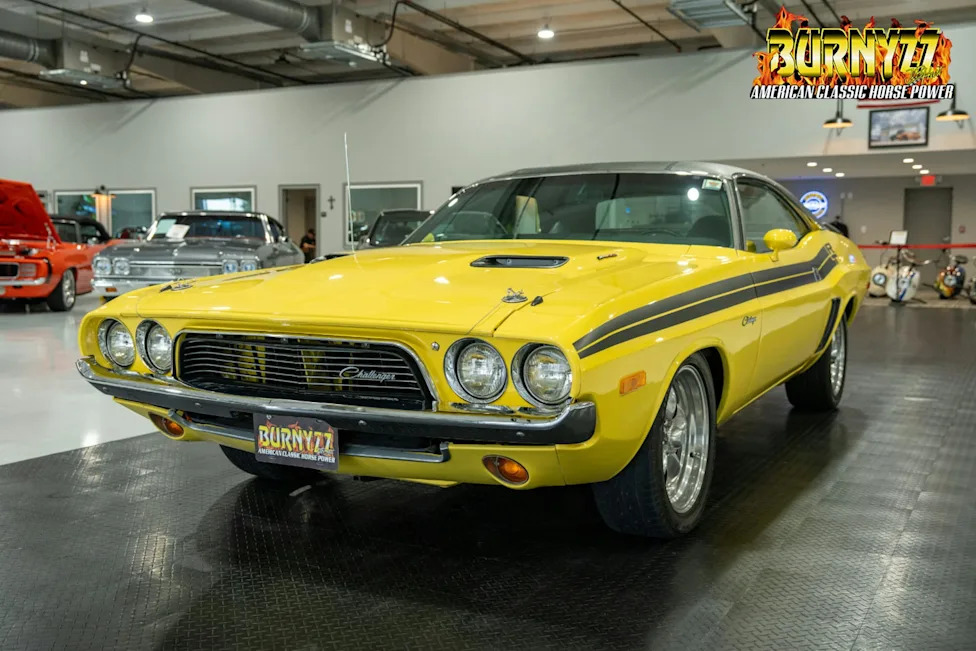
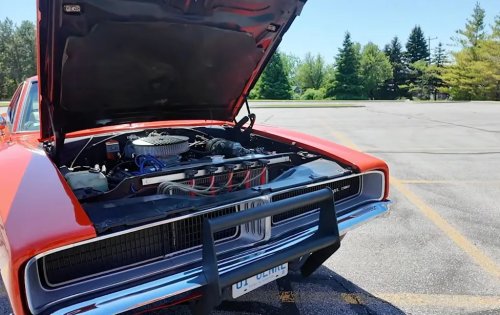
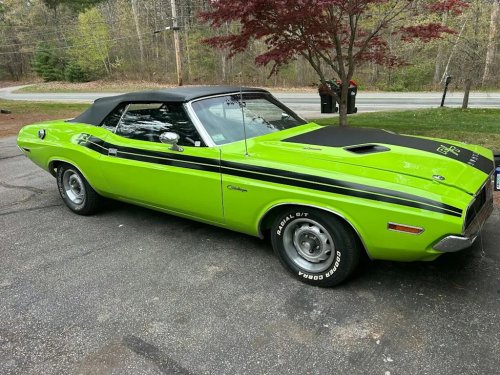
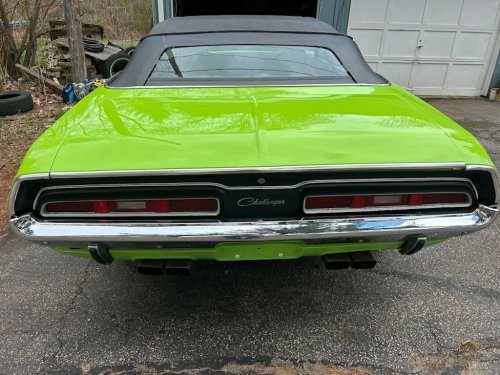
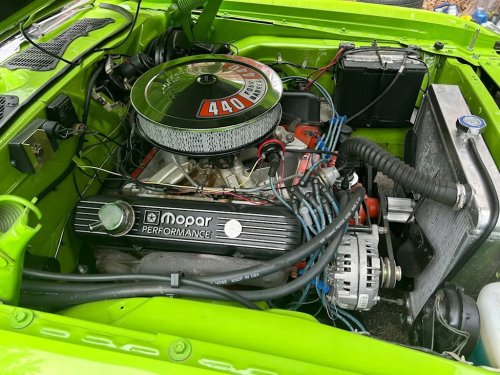
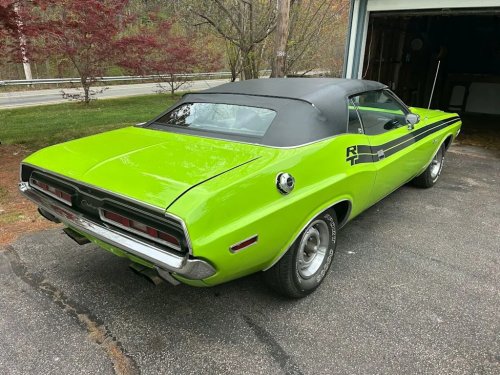
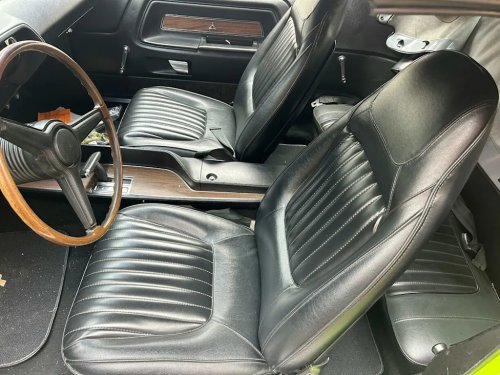
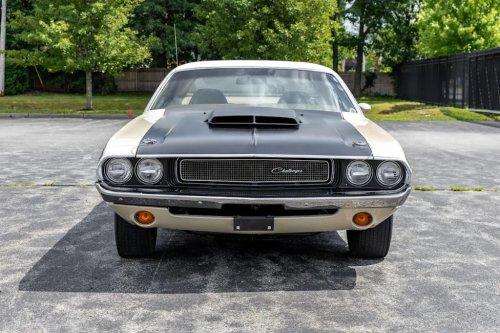
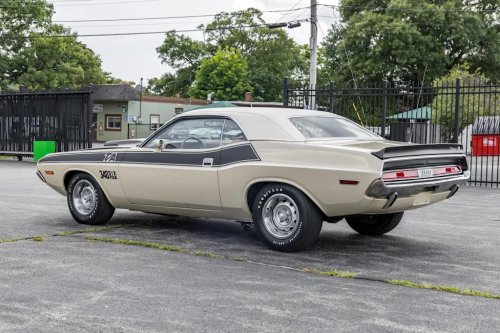
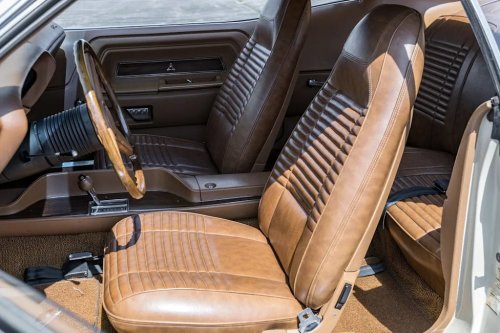
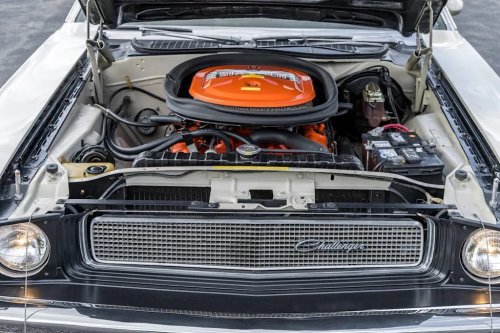
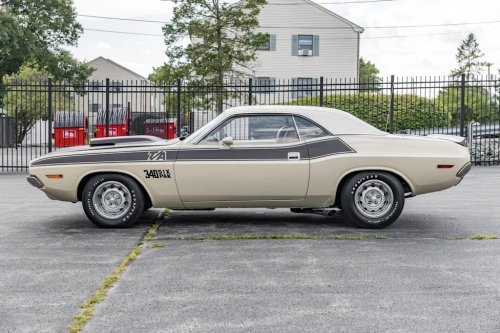
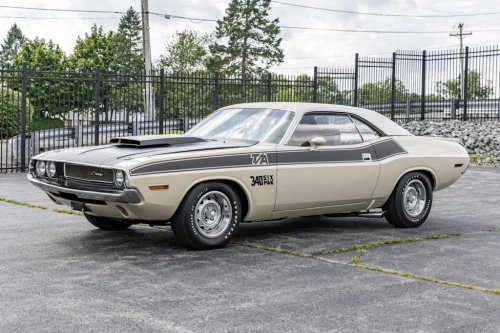
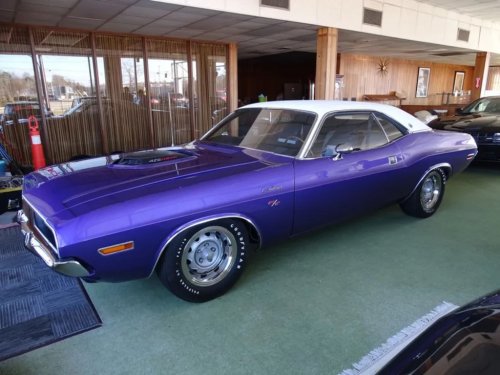
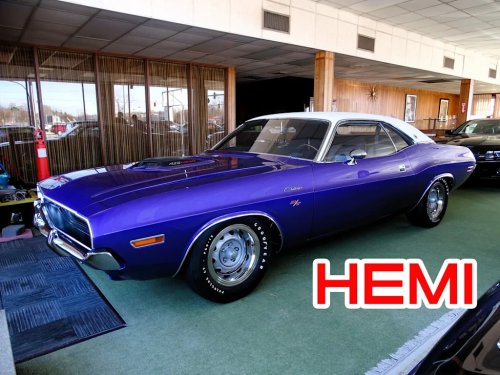
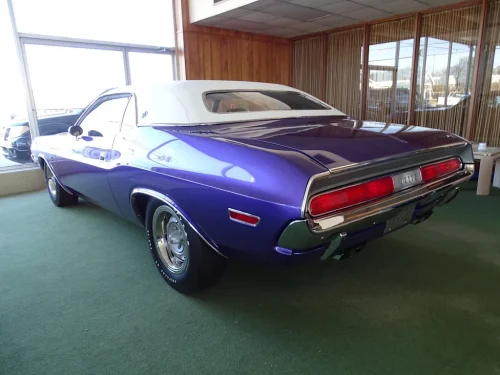
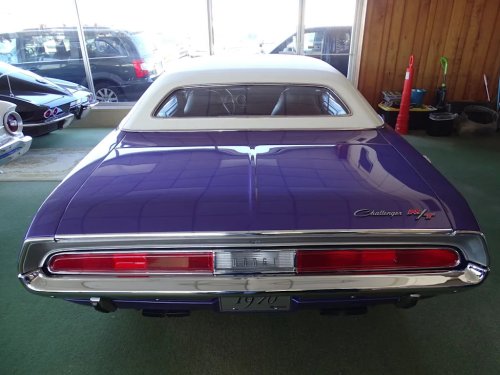
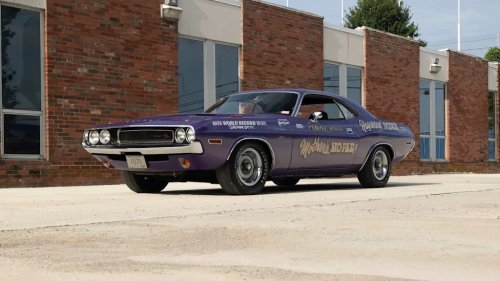
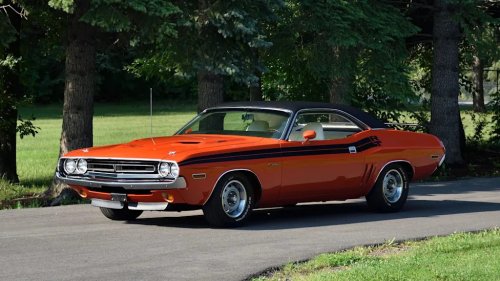
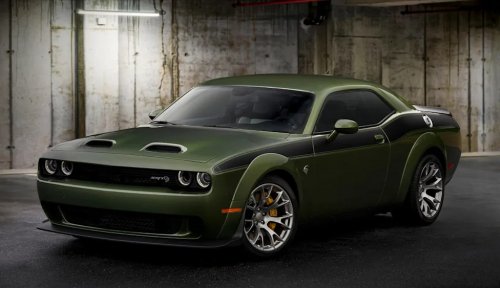
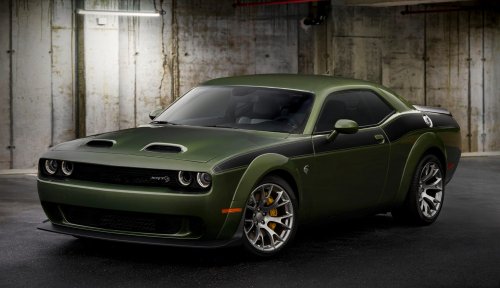
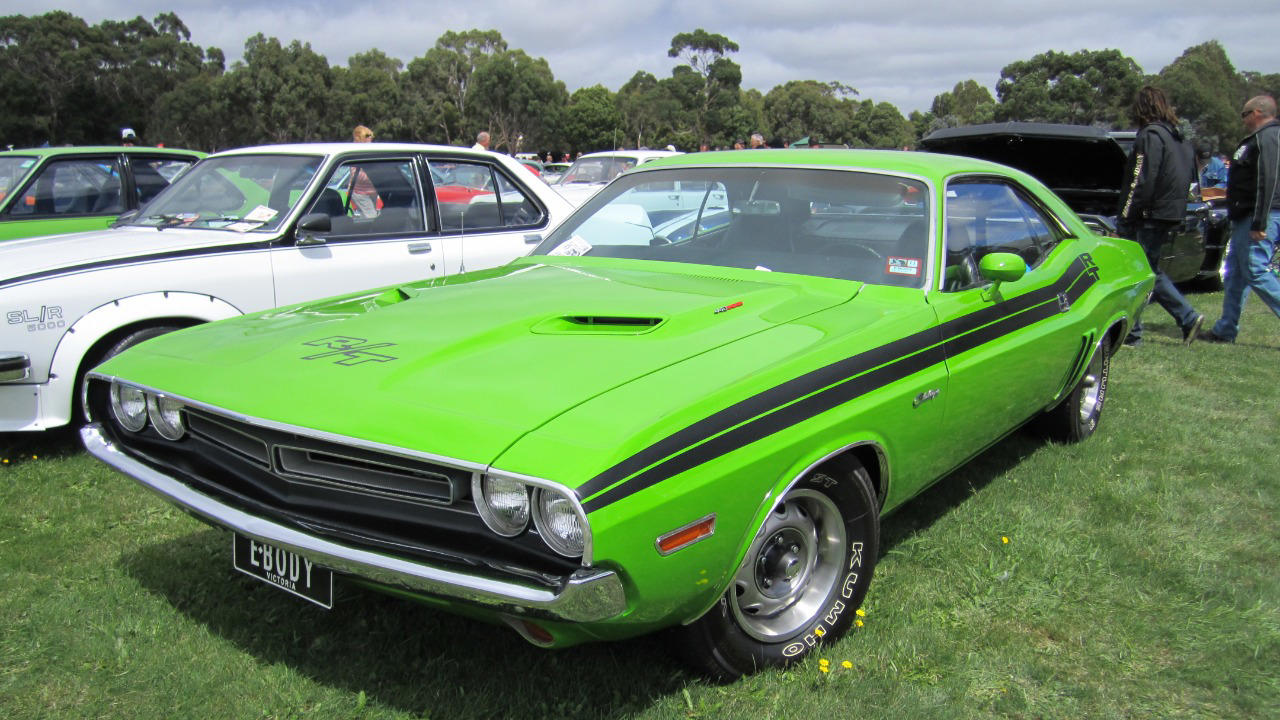
The 1971 Dodge Challenger showed how fast the muscle era was changingThe 1971 Dodge Challenger arrived at a moment when Detroit muscle was being forced to grow up fast. It still carried big power, bold styling, and racing pedigree, yet it was already adapting to new rules, new economics, and a new kind of buyer. In that single model year, the Challenger captured both the last roar of the classic horsepower wars and the first signs that the era was slipping away. The last stand of classic muscle By 1971, the muscle car formula was under pressure from every direction. Insurance companies were hiking premiums on high compression V8s, regulators were tightening emissions rules, and buyers were starting to ask about fuel economy as much as quarter mile times. Enthusiasts often describe 1971 as the year everything changed for performance cars, and period coverage of muscle icons from that year backs up that sense of a turning point. Within that climate, the Dodge Challenger tried to stay true to its roots. The car had launched strongly for 1970, with Dodge positioning the Challenger as a direct rival to pony cars like the Ford Mustang and Chevrolet Camaro. A year later, the same basic shape returned, but the mood around it was very different. Rather than an all-out power race, 1971 was about how much performance could survive in a world that suddenly seemed hostile to it. A subtle facelift that signaled change Visually, the 1971 car did not look like a revolution. The Dodge Challenger received what contemporary observers described as a Subtle Facelift, with a new twin inlet grille and dual tail lamps that distinguished it from the 1970 original. The updates were enough for fans to tell the years apart at a glance, but they did not alter the car’s basic long hood, short deck proportions. Those modest changes were part of a broader pattern. Coverage of the 1970 to 1974 run describes the 1970 to 1974 Dodge Challenger as a series of year-to-year models that were relatively restrained, even as the market around it shifted rapidly. Not a whole lot changed on the surface, yet every season brought new compromises under the skin, especially in the engine bay. R/T, Road/Track and raw power Underneath, the 1971 Challenger R/T tried to keep the original promise of the badge. The R/T label stood for Road and Track, and the model continued to offer serious performance hardware. Period descriptions of Power and Performance highlight that the Challenger R/T could still be ordered with engines like the 426 HEMI V8, a figure that remained shorthand for fearsome street power. The broader Mopar lineup also clung to big output. Reports on the last great muscle cars point out that while GM had begun to slightly detune their engines in 1971, GM eased off, Mopar held strong with the 440 Six Pack and 426 Str combinations that still delivered serious Power, with some models rated at 425 HP. The 440 and 426 numbers were more than just displacement figures; they were symbols of an era when Detroit sold horsepower with almost no apology. That stubborn commitment to output made the 1971 Challenger feel like a holdout. Buyers could still walk into a showroom and opt for a car that fit the Road and Track promise, even as the rest of the industry was starting to retreat. Yet those same engines were already under scrutiny from regulators and insurers, which meant that every high-performance order was also a small act of resistance against the new order. Detuning in slow motion The power shift was not always obvious from the outside. Some of the engines between 1970 and 71 were slightly different in their horsepower ratings, and discussions among Mopar enthusiasts highlight how the 440 Magnum and Super Commando packages evolved from one year to the next. Conversations about some of the 71 440 M engines underline that the numbers on paper did not always tell the full story, but they do capture a trend toward lower advertised output. That quiet detuning was a response to looming emissions and safety standards that would only grow stricter. The 1971 Dodge Challenger R/T was already being built with an eye on regulations that were scheduled to tighten the following year. Coverage of cars like the Dodge Challenger R/T Lady Red notes that by the time those 71 m models reached customers, engineers were already planning for further compromises to meet emissions control standards that were just around the corner. In that sense, the 1971 Challenger was a bridge. It still carried the big block swagger of the late 1960s, but its internals were beginning to reflect a new era of restraint. The car looked like the same street fighter, yet its future was clearly being shaped by forces far outside the showroom. On the surface, still a street star For many buyers, the first impression still mattered more than compression ratios. The 1971 Dodge Challenger R/T has been described as a car that arrived at the worst possible moment for a model that deserved considerably more attention. Period photos and enthusiast retrospectives show a car with bold colors, stripes, and that distinctive long hood that made it an instant standout in traffic. One retrospective on the 1971 Dodge Challenger R/T, shared in Mar by fans of the Dodge Challenger, emphasizes how the car’s styling and presence were out of step with the shrinking performance market. The bodywork, the stance, and the R/T badging all suggested a booming muscle scene, even as sales figures and production planning told a different story. The car’s design would later prove influential far beyond its short original run. Histories of the model line point out that the LX-based Challenger, introduced decades later, received a refresh that updated its styling to more closely resemble the 1971 Challenger, with a focus on better handling and a much-needed interior upgrade. That decision shows how deeply the 1971 look had embedded itself in the brand’s identity, even if the original cars were built in small numbers. 1970 versus 1971, a side-by-side snapshot The easiest way to see how fast the muscle era was changing is to park a 1970 Challenger next to a 1971 example. A video comparison that pairs two similar cars, shared in Jan, walks viewers through the obvious differences between the two years. In that clip, host Mark points out the revised grille, tail lamps, and trim, but the deeper story is how quickly the context around the car had shifted. The 1970 model had been launched into a market still intoxicated with raw speed. The 1971 car, as highlighted in the comparing Challengers feature, came into a world already adjusting to insurance surcharges, changing fuel prices, and a growing sense that the party might not last. The sheet metal differences were minor, yet the buyer who walked into a showroom in 1971 was facing very different questions than the one who signed a contract a year earlier. That contrast helps explain why some enthusiasts see the 1971 Challenger as both a continuation and a farewell. It preserved much of the original formula, but it did so in a market that was no longer built around that kind of car. End of an era for the first generation The 1971 model year also marked a structural turning point for the Challenger nameplate itself. Coverage of American performance cars from that period describes the 1971 model year as the last for the first-generation Dodge Challenger. After that season, the Challenger name would not return in the same form, a change driven by emissions regulations and rising insurance costs that made big coupes harder to justify. One enthusiast account framed this as the End of an Era for the first-generation Dodge Challenger. After 1971, the Challenger would be reshaped by corporate priorities that favored economy and compliance over straight-line speed. The original E-body cars became instant time capsules of a brief, intense period in American automotive history. The rapid decline of the model line is also evident in production and sales narratives. Analysts looking back on the period describe a Rapid Decline Of The Challenger, noting that as quickly as the Dodge Challenger shot to the top, it just as rapidly faded away. With only a few years of true muscle production, the car went from fresh arrival to historical artifact in record time. Hamtramck roots and a hand-me-down status The story of the 1971 Dodge Challenger is also a story of place. Reports on the model describe the 1971 Dodge Challenger as a Hamtramck hand me down, a reference to the Detroit area plant that built the car and the sense that by 1971, the model was already living on borrowed time. By The Numbers, Dodge had launched the Challenger hot out of the gate for 1970, but with the end of the muscle car era rapidly approaching, the 1971 cars were caught between ambition and reality. That tension shows up in how collectors and historians talk about the car today. Some see the 1971 Challenger as a slightly softened version of the 1970 original, a car that had to accept constraints it did not face in its debut year. Others emphasize how much performance and presence it still offered, especially in R/T form, despite the growing list of compromises. Part of a wider 1971 reckoning The Challenger’s story cannot be separated from the broader reckoning that hit muscle cars in 1971. Commentators who focus on that year often describe it as the point when legendary muscle cars rolled off the production line for the last time before regulations and economics reshaped the market. A video from the Car Cruiser community, titled 1971 The Year Muscle Cars Started to Die, captures the sense among enthusiasts that this was the moment the golden age began to fade. Within that narrative, the Challenger sits alongside other icons that were either detuned, discontinued, or transformed into more sedate personal luxury coupes. The fact that Mopar still offered packages like the 440 Six Pack and 426 Street Hemi in 1971 shows how the company tried to squeeze one more season out of the old formula, even as competitors pulled back. At the same time, the racing world was moving on. Coverage of the 1971 AMC Javelin, which was driven to victory in the SCCA Trans Am series by Mark Donohue, highlights how manufacturers were already shifting their performance focus to sanctioned competition and image building rather than pure street performance. The Challenger had its own Trans Am-inspired variants, but by 1971, the balance between track and street was changing fast. Legacy that outlived the production run Although the first-generation Challenger ended after a short run, its influence has proved remarkably durable. Later histories of the model line emphasize that when the modern Challenger returned on the LX platform, designers deliberately reached back to the 1971 car for inspiration. The LX-based Challenger received a refresh that sharpened its resemblance to the 1971 Challenger, a choice that speaks to the lasting appeal of that specific year’s styling. More from Fast Lane Only Unboxing the WWII Jeep in a Crate 15 rare Chevys collectors are quietly buying 10 underrated V8s still worth hunting down Police notice this before you even roll window down



















 +52 others