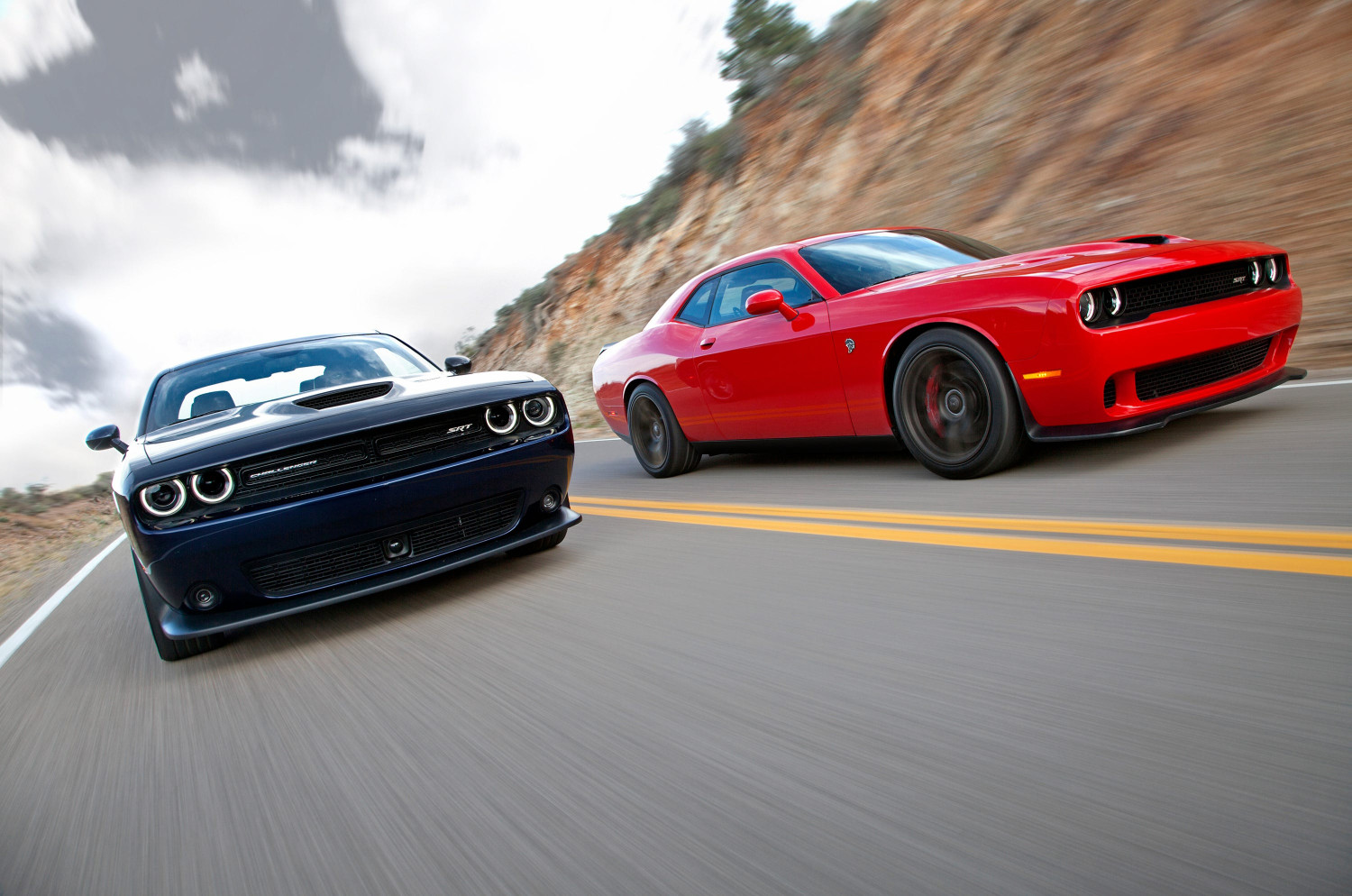
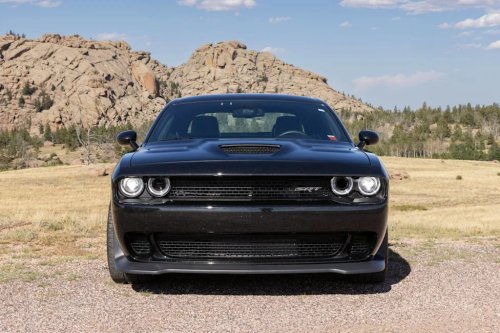
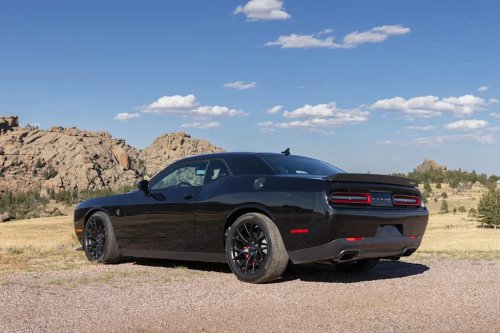
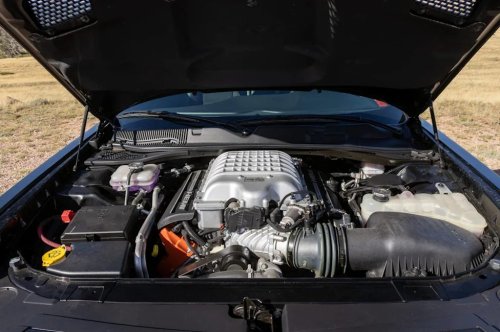
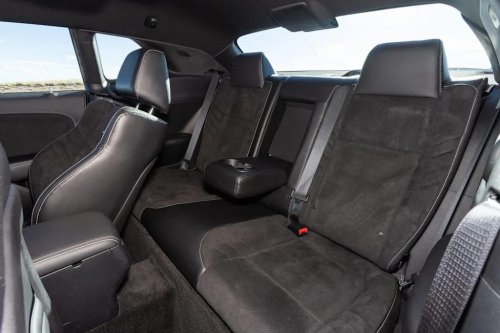
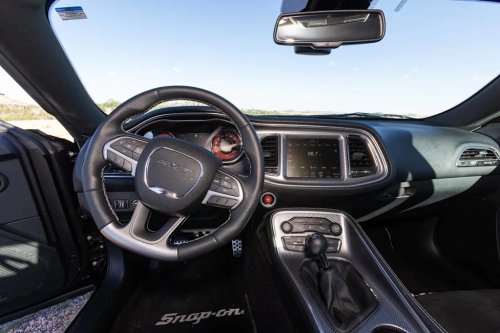
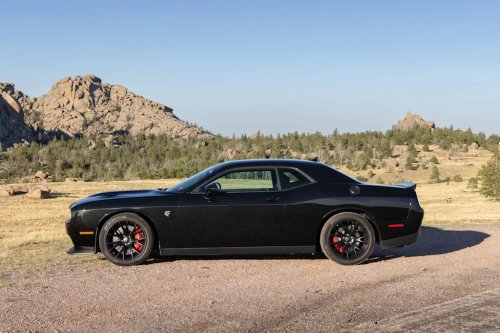
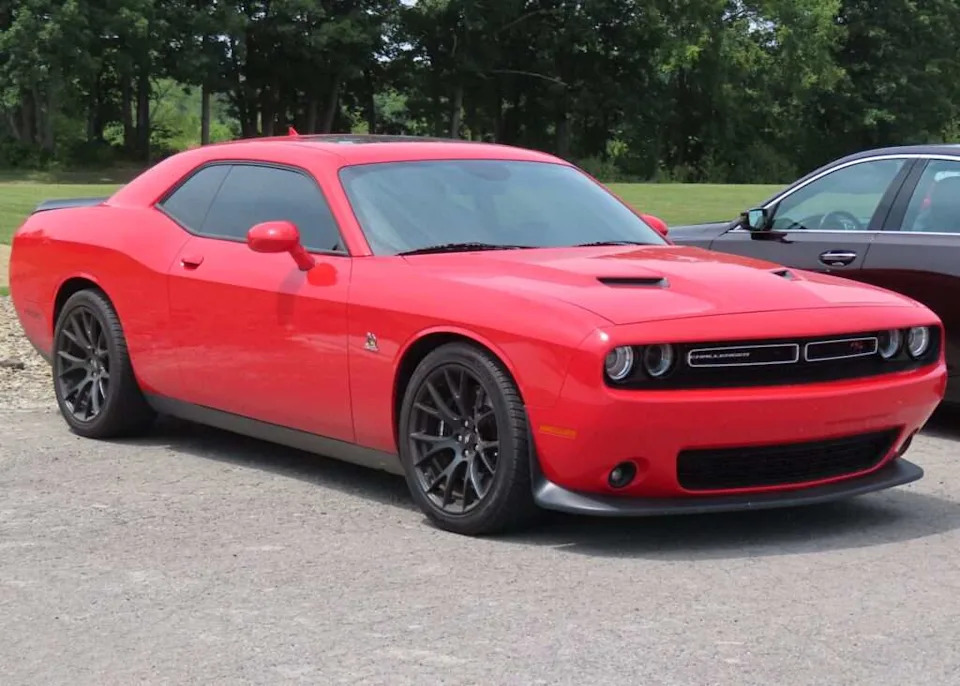
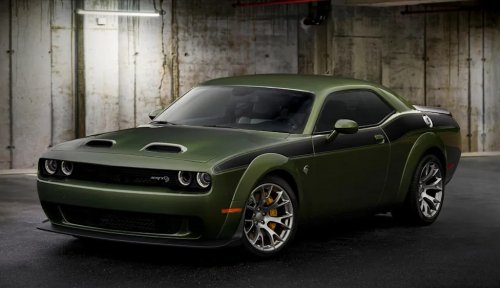
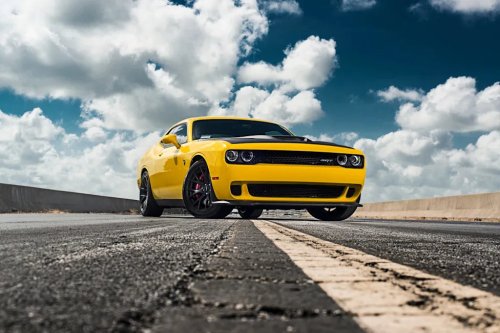
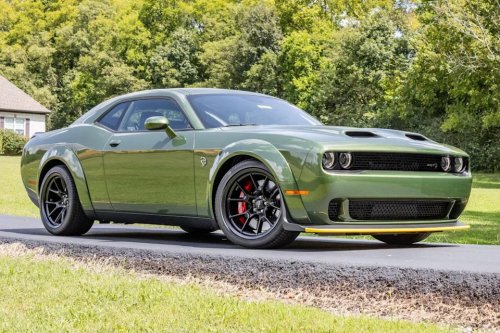
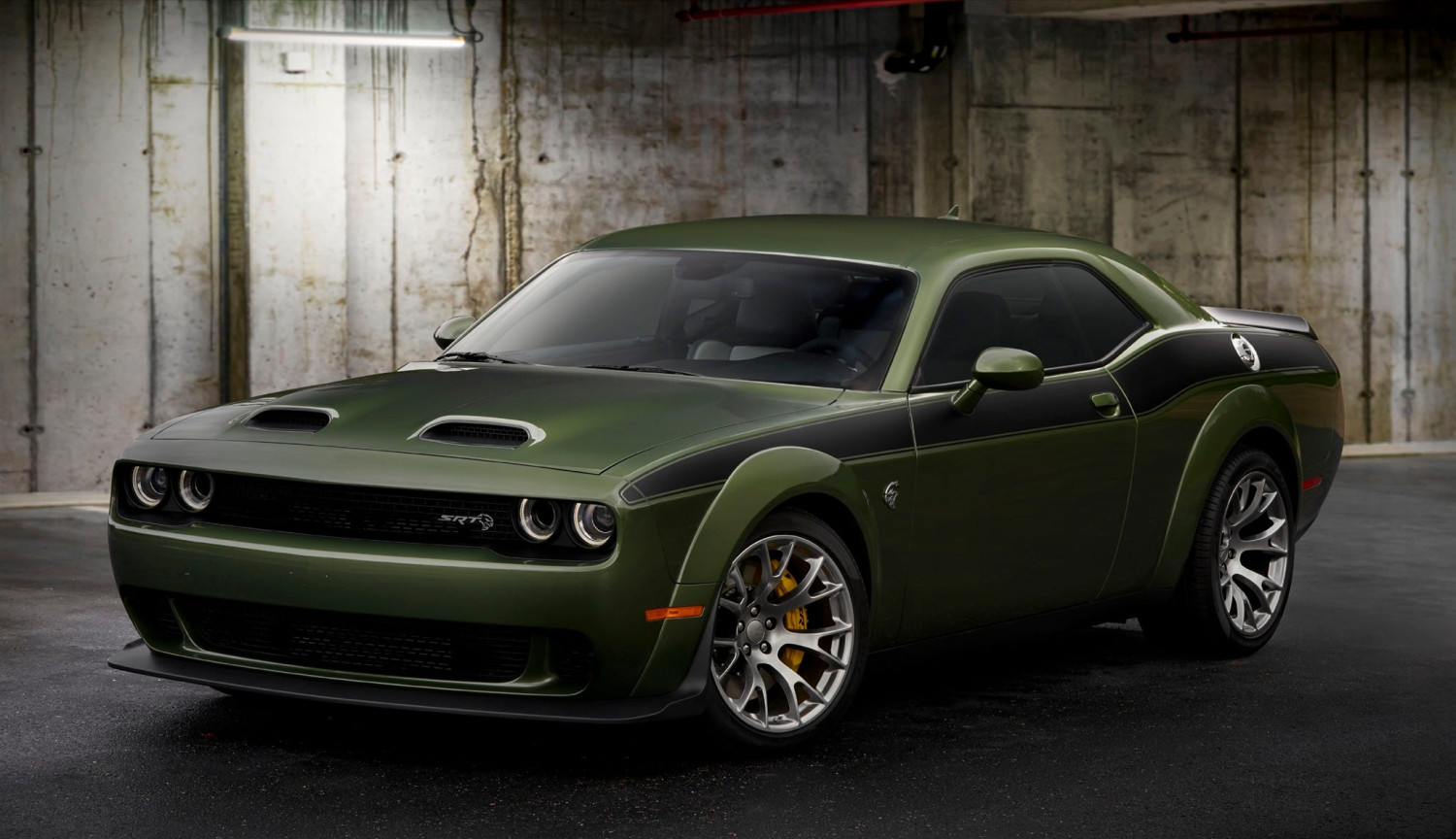
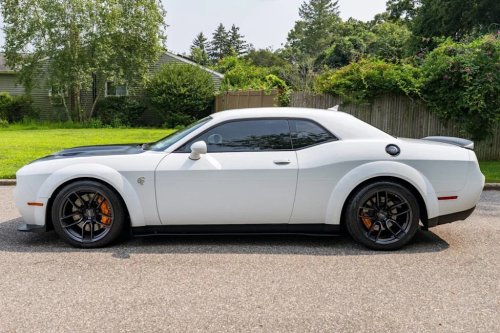
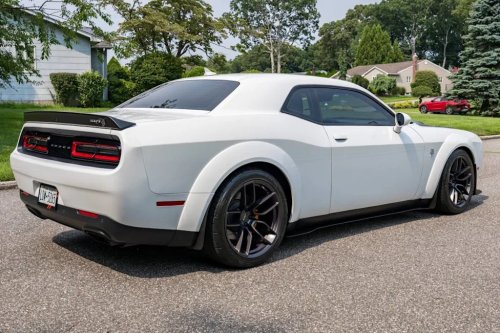
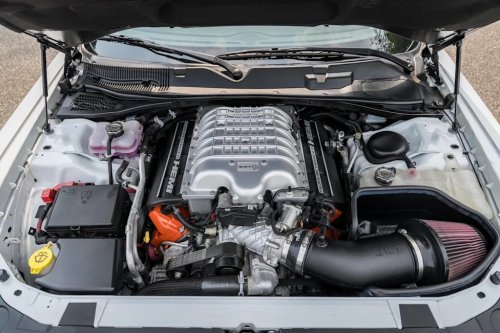
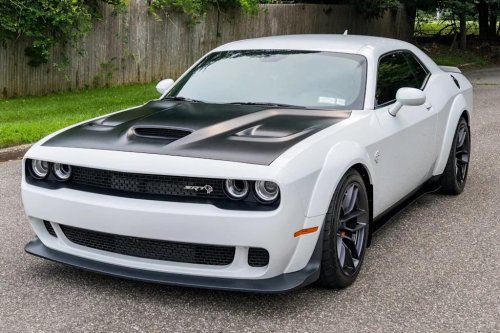
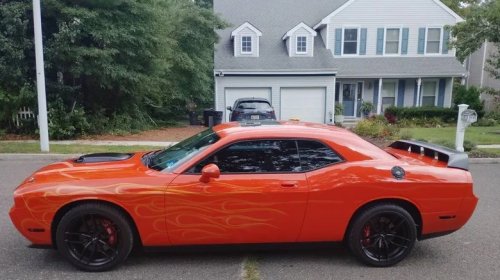
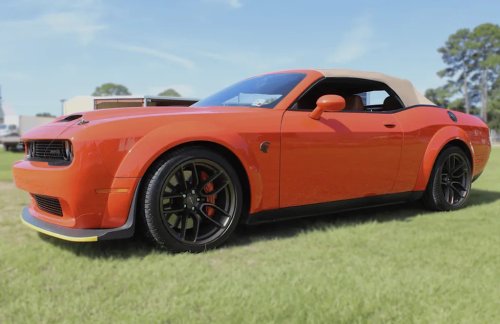
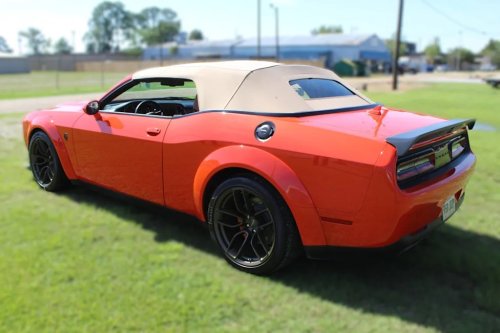
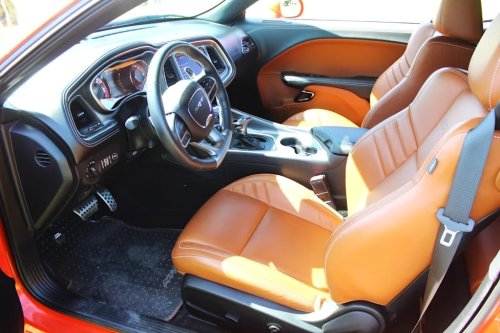
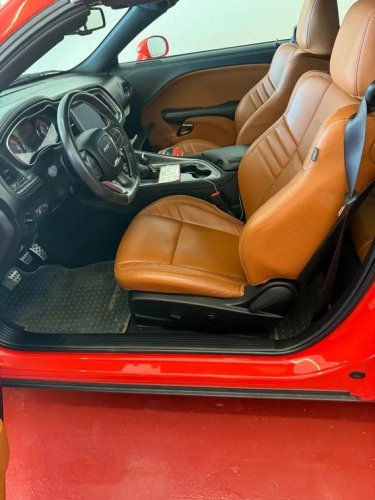
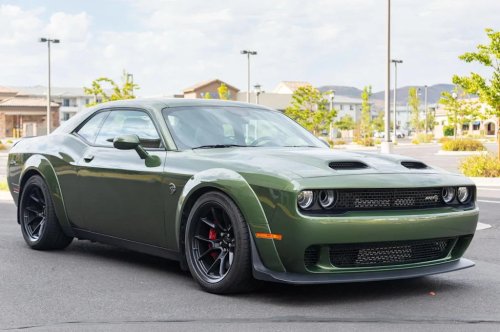
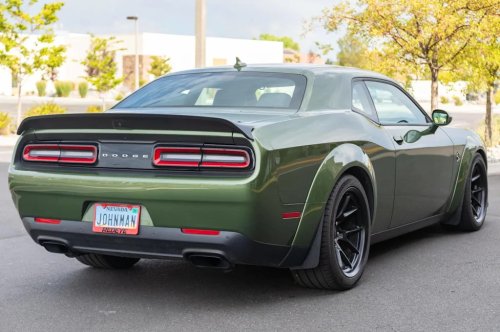
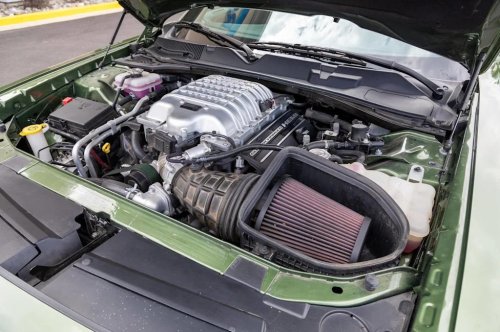
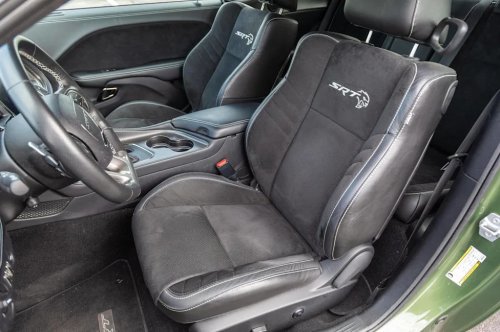
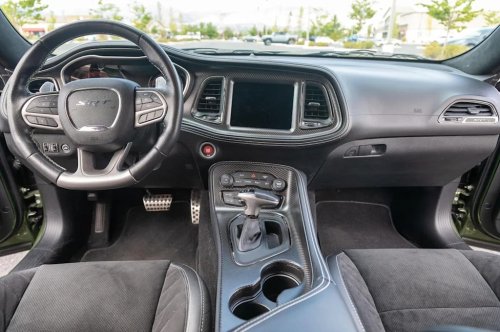
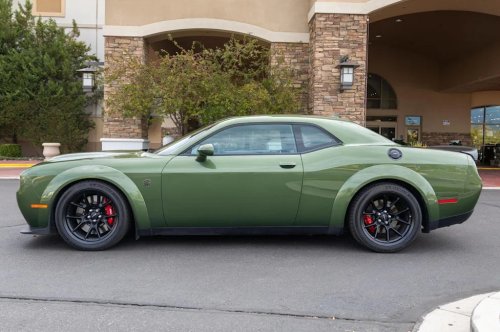
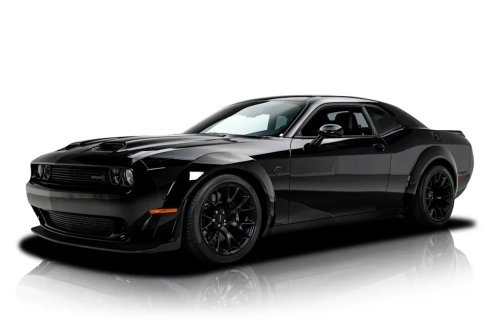
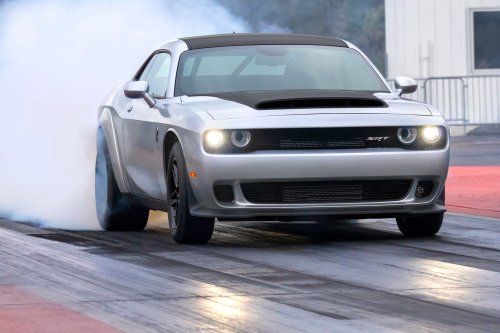
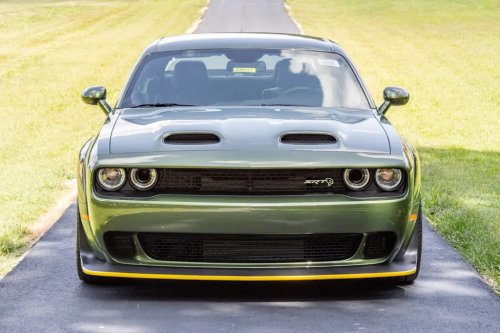
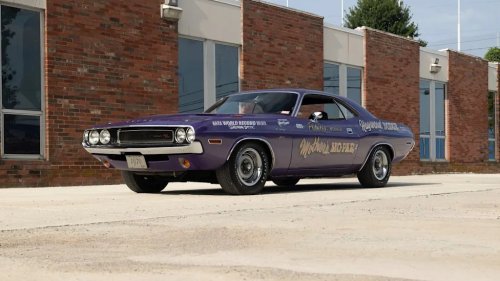
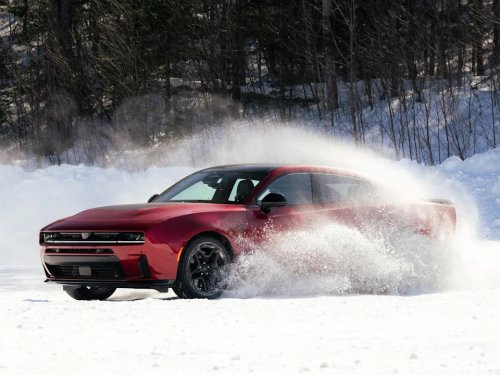
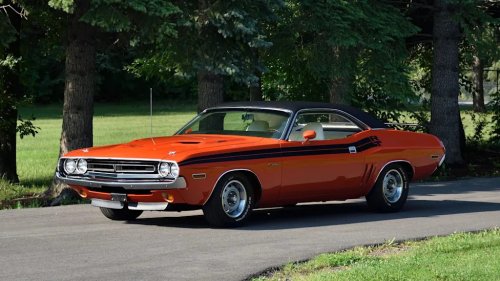
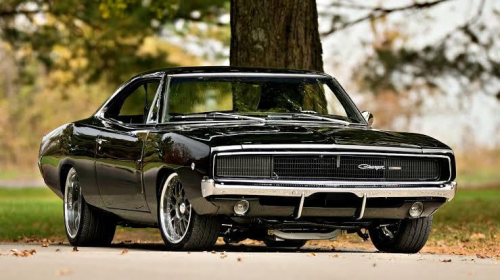
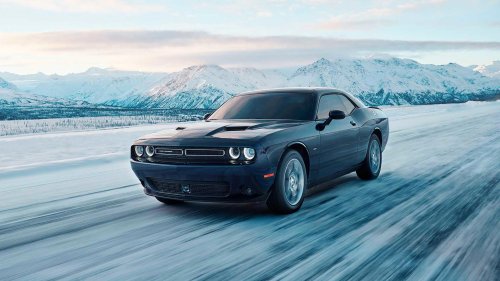
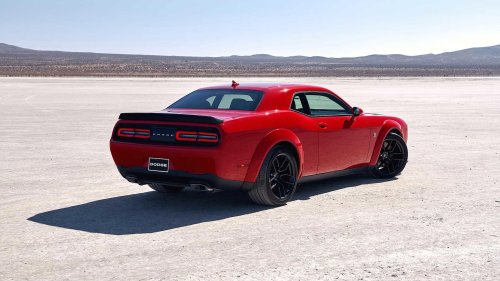
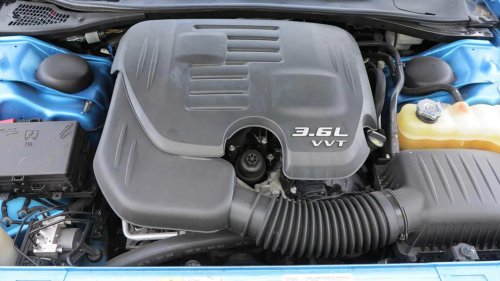
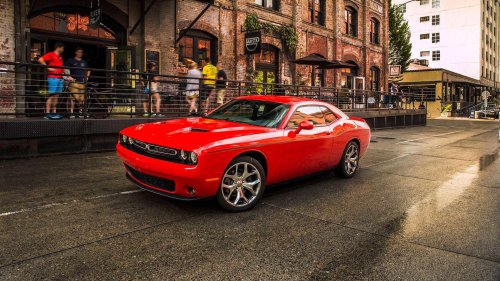
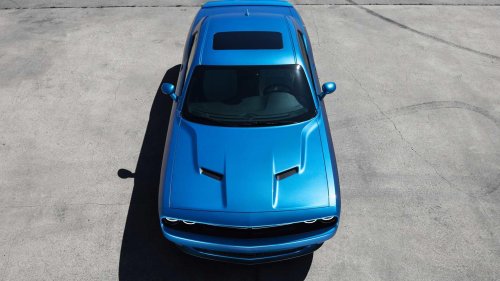
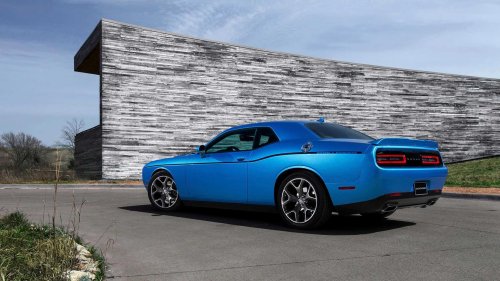
The Challenger is one of Dodge's most revered muscle cars, from its original late 1960s form to the one we enjoyed up to just a few years ago. The American manufacturer very much took an 'if it ain't broke, don't fix it' approach with the third-generation Challenger, as it changed very little during its extended lifetime. First reaching US roads for the 2008 model year, the machine remained pretty much unchanged, styling tweaks aside, until it took its final breaths in 2023.While all Challenger generations are best known with a V8 under the hood, you could also get a more affordable version of the car equipped with a V6 engine, much like Chevrolet and Ford did with their respective Camaro and Mustang competitors. While it may not be able to match the characteristic growl of its Hemi-powered bigger sibling, the so-called SXT trim makes sense if you value some distinct elements from your performance-focused muscle car. The SXT Is More Affordable To Buy Than A V8-Powered Challenger Stellantis The clearest benefit to opting for a Challenger SXT is that you can save a chunk of cash when buying a used specimen. A wide range of examples are out there to find, given the model was offered across the entire run of the third-gen Challenger. According to CarBuzz's Marketplace, earlier examples can be picked up for around the $10,000 mark, while later ones have unsurprisingly held their worth a little better.The resource estimates that you'll need to hand over around $25k on average to secure yourself a final model year 2023 machine, with the all-wheel drive version of the car tending to demand an extra grand or so. The performance of the various V6 Challengers on the market are practically the same for most model years, with only 2009–2010 vehicles being castrated by their less powerful 3.5-liter engines, versus the 3.6-liter units used beyond this. V8 Challengers Are Worth A Fair Chunk More Dodge These numbers paint a pretty picture should you fancy saving a bit of money versus buying the entry-level V8-powered Challenger, the R/T. CarBuzz's Marketplace reports that you'll have to hand over around $16k on average to grab an earlier example of such a car, while final model year machines are asking for closer to $36k. Given how low these price points are, a $10k saving makes quite the impact. You'll Lose Out On Performance Bring a Trailer Of course, aside from lacking the intoxicating engine note of the 5.7-liter Hemi V8 found in the R/T, you'll also have to forego some power and straight-line pace by opting for the SXT. If possible, try to avoid the 2009–2010 Challengers with the 3.5-liter engine. Not only is the powerplant capable of just 250 horsepower, a full 55 down on the upgraded 3.6-liter Pentastar engine found on all subsequent SXTs, but it's also less fuel efficient.A total of 305 hp from the later engine gives you plenty of power to play with, with the lighter RWD version sprinting to 60 mph in a solid 6.4 seconds. The R/T, which has 375 hp to play with courtesy of its NA V8, can complete the same journey in a little over five seconds. In addition, the SXT has only ever been available with an automatic gearbox, with the more traditional manual unit reserved for V8 options only. While earlier Challenger SXTs got a four or five-speed transmission, post-2015 models got a slicker eight-speed unit. This is a fair amount of engagement and speed to give away, but fortunately, there is a silver lining to this. The SXT Offers Better Balanced Handling Dodge The trouble with a big V8 is that it's pretty heavy, and this is where the SXT's V6 comes in. The unit is considerably lighter, and thus the SXT's 3,834-pound frame means it tips the scales just shy of 250 pounds lighter than the R/T. Not only does this help make it more agile and reactive, but it also presents a better handling balance. Since the Challenger's selected engine is placed out front, a heavier engine will cause its weight bias to be placed further forward, which will generally cause the nose to push on under heavy cornering. After all, while the SXT only has 52% of its weight placed over the front axle, the R/T has 54% of its mass hanging over the front wheels.This means it'll tend to work the front tires harder and understeer through the bends, whereas you'll find you can get the SXT's nose to turn in that little more naturally. In addition, opting for an SXT gives you the option of all-wheel drive, which boosts the traction available across all conditions. Be wary though, as the addition of AWD increases the SXT's weight to be about the same as the R/T, while it'll also push the weight bias to be pretty much identical to that of the V8 model. You'll Save Some Cash By Running The SXT Dodge Aside from being cheaper to purchase in the first place, the Challenger SXT will also be more frugal to run day to day. Whereas the thirstier R/T can only manage 18 MPG on average, the SXT's more fuel-efficient engine can muster up 21 MPG, which will ease the pressure on your wallet by keeping you away from the pumps for longer. Plus, the lighter SXT will put less strain on its general components, such as the suspension, brakes and tires.This should mean that, as long as you don't drive it like The Bandit, the parts should last longer before you need to replace them. The Pentastar V6 is also less demanding to service and repair, which is an attractive trait in these financially uncertain times. Those Looking To Run A Muscle Car On A Tighter Budget Will Love The SXT Dodge The result of these musings brings us to a pretty clear conclusion. The Challenger SXT makes great sense for drivers who want the enjoyment of rolling around in a Challenger, but without the potentially crippling running costs of one boasting a V8 under the hood. The SXT is cheaper to buy and run than an equivalent R/T, while also promising plenty of performance that you can enjoy on normal roads. Given its lighter weight figure and superior weight bias, owners will also find that it feels more agile to throw around than its bigger-engined sibling, too.In addition, not only does it make more sense as a daily driver due to being easier and cheaper to maintain, but those interested also have the option of having one with AWD. Of course, there are both pros and cons to having AWD over RWD, but it does enable the SXT to be considerably more versatile than a V8 model, even if the added weight blunts its performance and handling a little. The SXT has plenty to offer the budget-minded muscle car aficionado, and illustrates that you don't need to tackle a demanding V8 to be able to enjoy the silhouette of one of the most prolific muscle cars in the world every time you look out of the window.Sources: Dodge.



















 +54 others