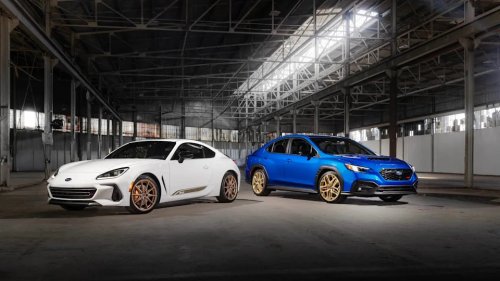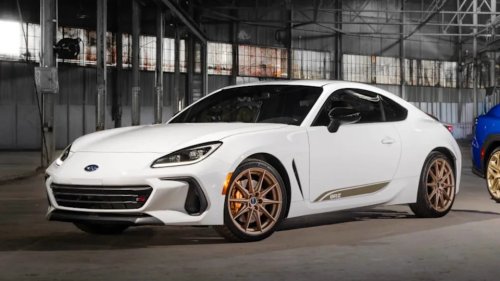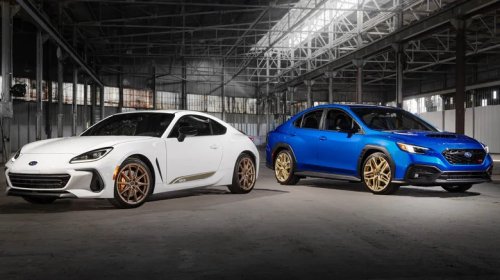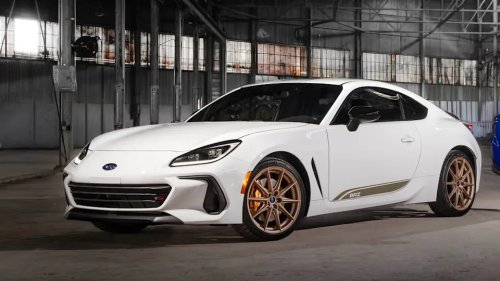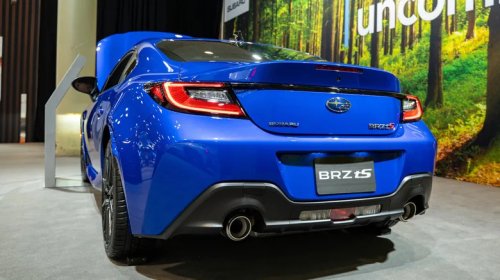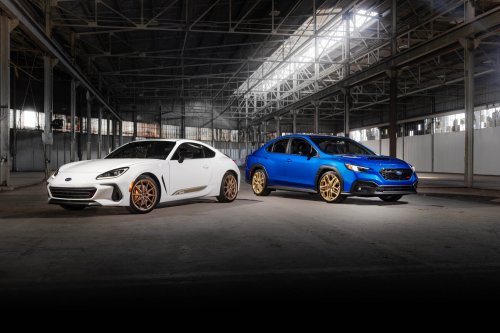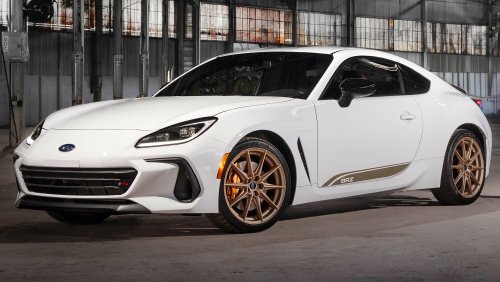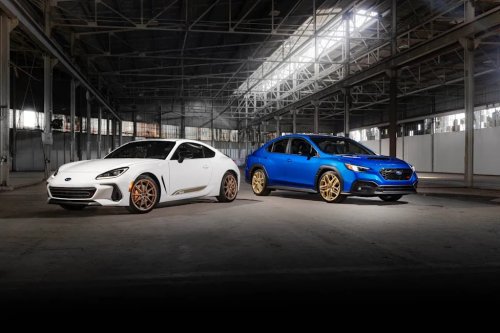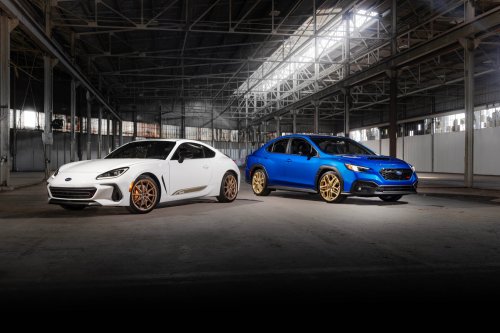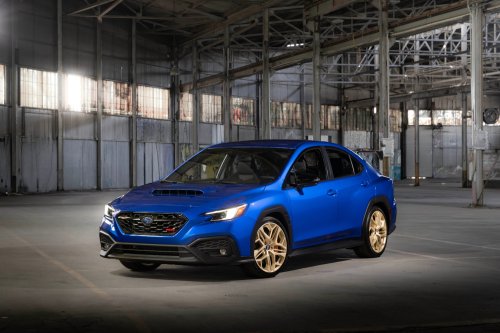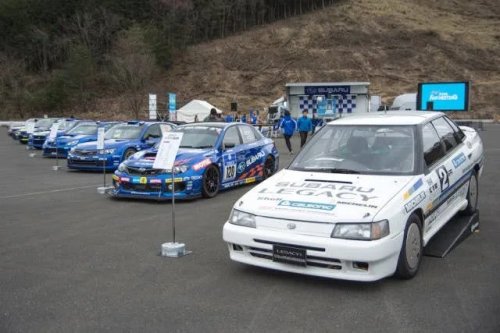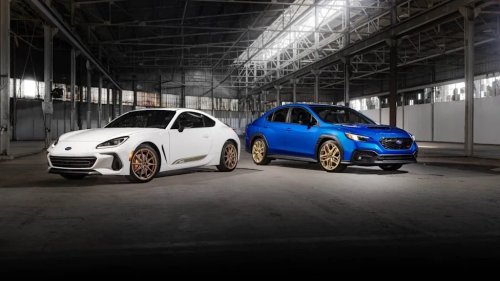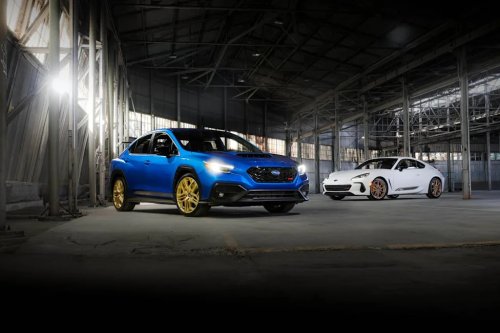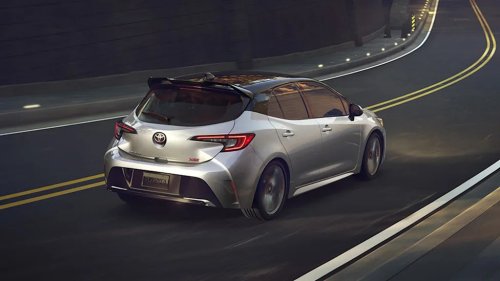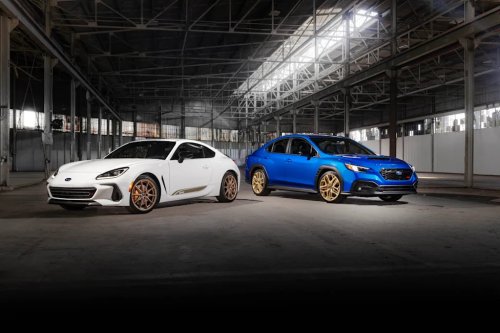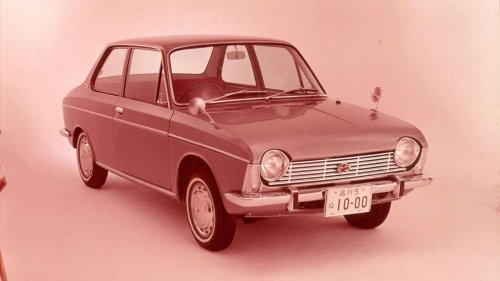
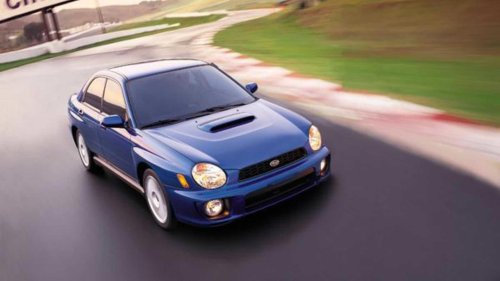
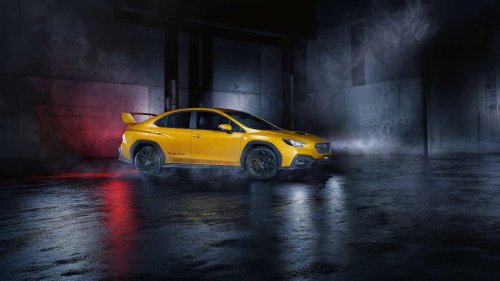
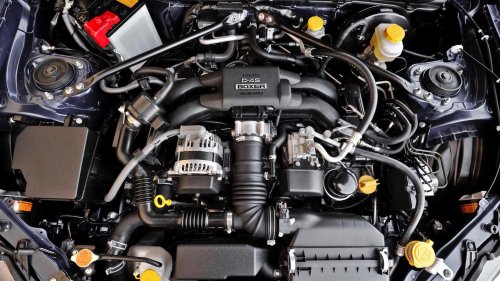
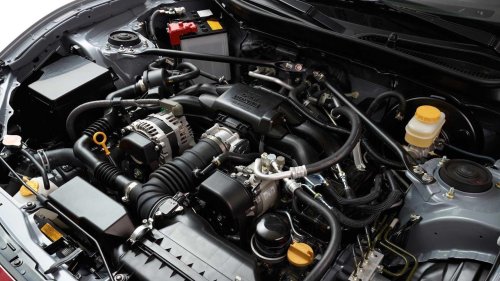
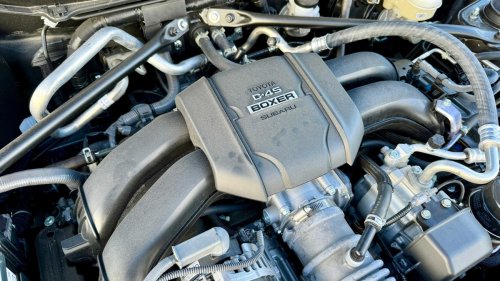
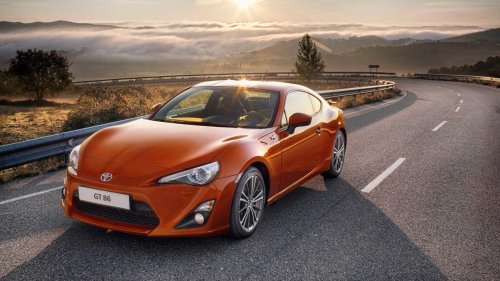
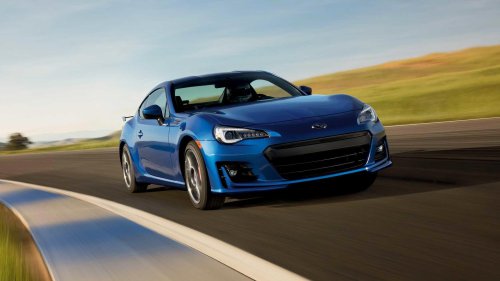
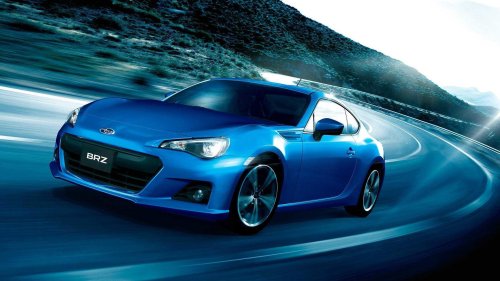
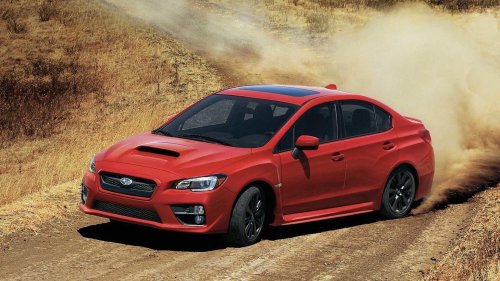

















When it comes to producing some of the world's most reliable, long-lasting engines, Toyota sits at, or near, the top of that list. You don't have to think very hard to conjure up mills produced by the Japanese automaker, like the 1UZ-FE V8. The eight-pot first saw the light of day underneath the hood of the Lexus LS 400, and has since been regarded as one of the most reliable engines ever produced. There's also the extremely reliable 5S inline-four, and the legendary 2JZ straight-six.Where Toyota has built engines with a wide variety of configurations, including inline four-cylinders, straight sixes, V8s, Subaru has been specializing in the boxer layout for decades, including several four- and six-cylinder configurations. Many of the brand's current models use mills from the Subaru FA engine family, but the FA20D version also benefits from Toyota's powertrain engineering prowess. Subaru's Involvement With The Boxer Engine SubaruThe famous marriage between the boxer engine and Subaru began 60 years ago, in 1966. Even at the time, the inline configuration was more common for four-cylinder engines, but Subaru bucked the trend by opting for a boxer layout. The configuration came with some advantages, such as a lower mounting point, which lowered the car's center of gravity and, in turn, improved handling.The mill was also smoother in operation than conventional inline or V-type engines. Most of this is due to the inherent qualities of a boxer engine, with 180-degree-opposed pistons canceling out the vibration from the piston on the opposite side.Subaru Fast-forward through the decades, and Subaru became one of the world's leading users of the boxer engine alongside brands like Volkswagen and Porsche. While many other automakers were busy perfecting inline and V-type engine designs, Subaru stubbornly stuck to the boxer mill.There was some method to the brand's madness. For one, low-mounted boxer engines tend to slide under the car during a collision, improving passenger safety compared to conventional engines. Subaru's boxer engines are also specifically set up to integrate with its Symmetrical All-Wheel Drive (SAWD) system.Subaru Australia Subie's use of the mill expanded to virtually all its models and became a fixture in its involvement in the World Rally Championship (WRC). Even today, Subaru continues to employ the boxer engine, so much so that every model in the brand's 2026 lineup uses one, except its EVs.Subaru's engines have also won critical awards. The earlier EJ family of powerplants scored a spot on the Ward's 10 Best Engines list a couple of times, and the modern FA series has also earned a spot on the prestigious list. Two Giants Combine For One Engine SubaruIn 2011, Subaru announced its then-upcoming BRZ sports car. The model was to be produced in conjunction with Toyota, which would make its own equivalent model, the GT86, for the international market, and the Scion FR-S for the US market. All three siblings were to use an all-new engine, the Subaru FA20D, which was heavily derived from the existing Subaru FB. Toyota was involved in the development of the FA20D in a few key ways. Engine Overview ScionThe first FA engine to join the family was the FA20D, a 2.0-liter, four-cylinder Boxer engine introduced in early 2012. It was designed specifically to be mounted as low as possible in the BRZ/GT86/FR-S, and was slated for use inside those three models. The lengths to which Subaru went to make sure it could be mounted low down included designing a special, shallow oil pan and a small, flat intake manifold. In addition, the FA20D's overall height is around 20 to 22 inches. For comparison, the Honda K20C1, found in the Civic Type R, is 25.6 to 26.5 inches tall.It's worth noting that the FA20D mill is known for being very smooth-running. Some of the mill's buttery operation owes to its square design, meaning its cylinder bore is as wide as its piston stroke is long.Jared Rosenholtz/CarBuzz/Valnet The FA20D's bones include a forged crankshaft and forged connecting rods, but its cast-aluminum pistons have been cited as a potential weak point for the engine if any tuning is to be undertaken. Both the mill's block and cylinder heads are made of aluminum, and its cylinders feature cast-iron liners for better durability and heat isolation. Subaru employed variable valve timing under the name Active Valve Control System (AVCS). Toyota's Involvement ToyotaWhen it comes to overall participation in the FA engine's development, Subaru definitely did the bulk of the work. However, Toyota's involvement surrounded the engine's fuel system, arguably the most important aspect of any engine. Toyota installed its D-4S fuel injection system, which boasts both direct and port fuel injection. It's an extremely reliable system that uses high-pressure direct injection for power and efficiency, and low-pressure port injection for emissions reduction, while preventing carbon buildup in the mill's cylinder heads, which can be catastrophic if left unchecked.Toyota's iteration of the mill, despite being identical to the FA20D, carried its own code name, 4U-GSE, when installed in either the Toyota GT86 or the Scion FR-S. The FA20D/4U-GSE was so well regarded when it was first introduced that WardsAuto included the mill on its annual "10 Best Engines" list in 2013. A Match Made In Heaven SubaruOnce the engine was completed and mated to one of the three sports cars it was destined for, the FA20D/4U-GSE began to really show its colors. While 200 hp wasn't overwhelming, there was still plenty of output for spirited driving when the mood struck. The 197-horsepower mill worked in tandem with a rear-wheel drive drivetrain. Nestled between those two components was a standard six-speed manual transmission, which has been heralded as a particularly good gearbox. A six-speed automatic was available as an option.Subaru Because of the FA20D's small stature and the model's rear-wheel-drive layout, the BRZ/GT86/FR-S had a 53% front and 47% rear weight distribution. Because of the low-mounted boxer engine, the model reportedly handles well around a track while still allowing a little tail-out fun. A limited-slip differential (LSD) takes the fun factor even further and helps the BRZ/GT86/FR-S handle corners. Another Award-Winning Subaru FA Engine SubaruAnother member of the Subaru FA family, the FA20F, launched in 2015. This engine was not developed with Toyota's help, so it used Subaru's own fuel injection system. The engine also featured a single twin-scroll turbocharger and could produce up to 296 horsepower in the Japanese domestic market. It powered models such as the 2015-2021 WRX, the Forester XT, and the Legacy 2.0 GT DIT.It shared virtually all of its components, other than its fuel injection system and turbocharger, with the FA20D. Like the D-series iteration, the FA20F was also recommended for, and eventually placed on, Ward's 10 Best Engines for both the 2015 and 2016 model years. According to WardsAuto, the mill demonstrated good efficiency, high torque, and smooth operation.