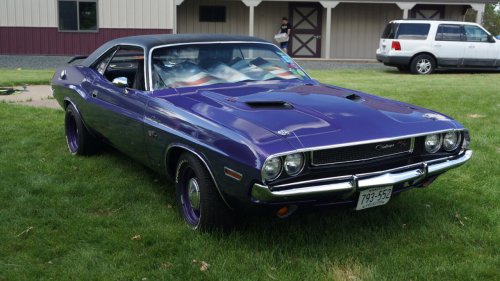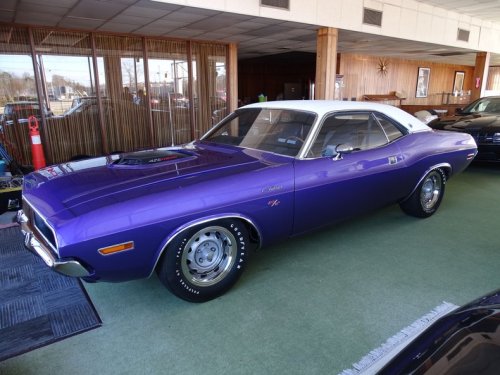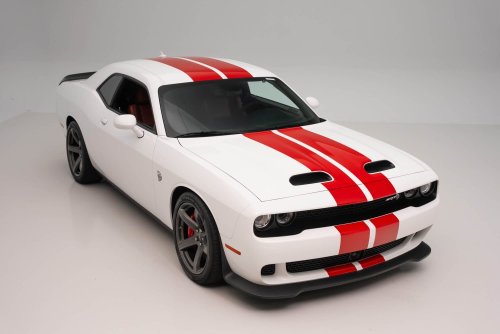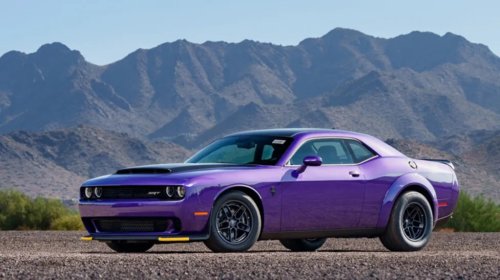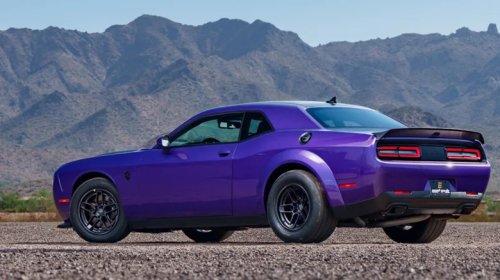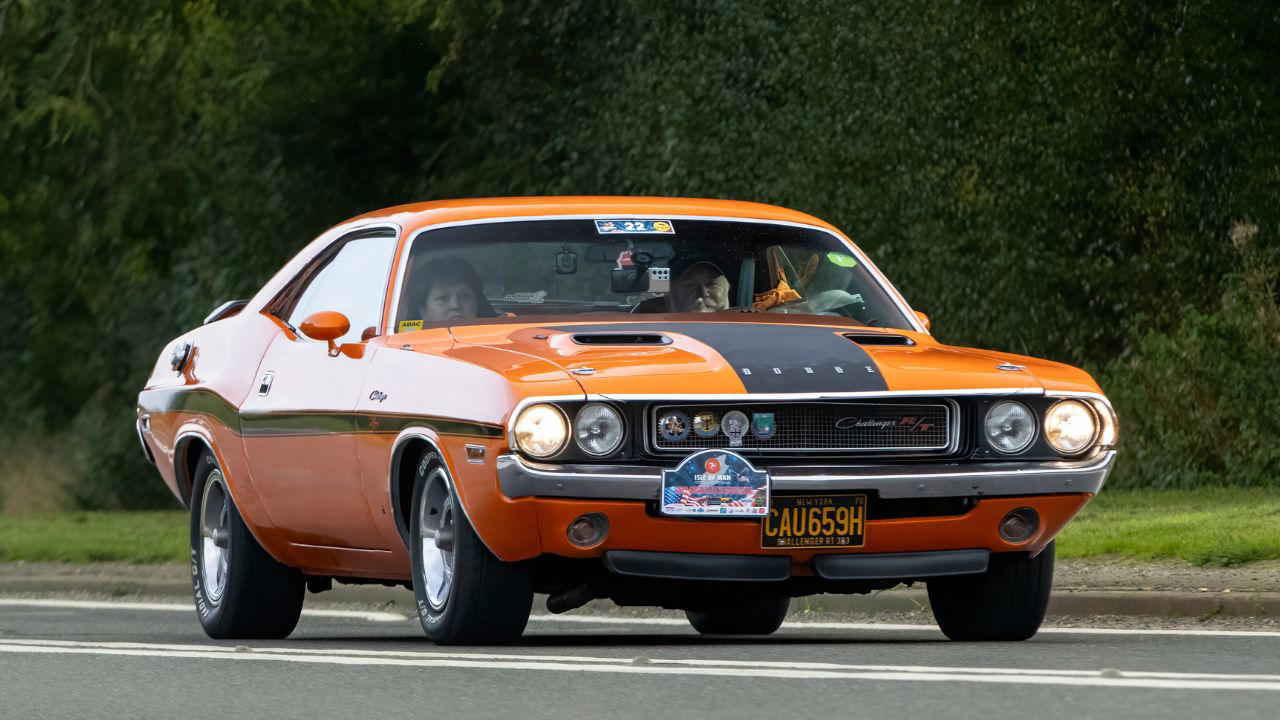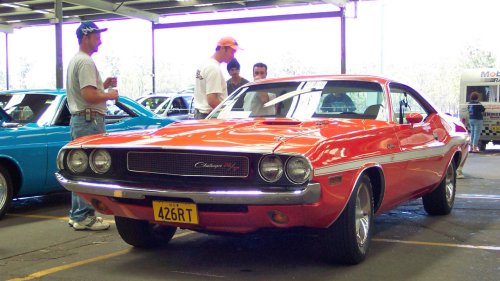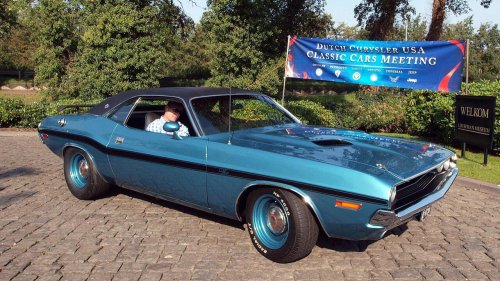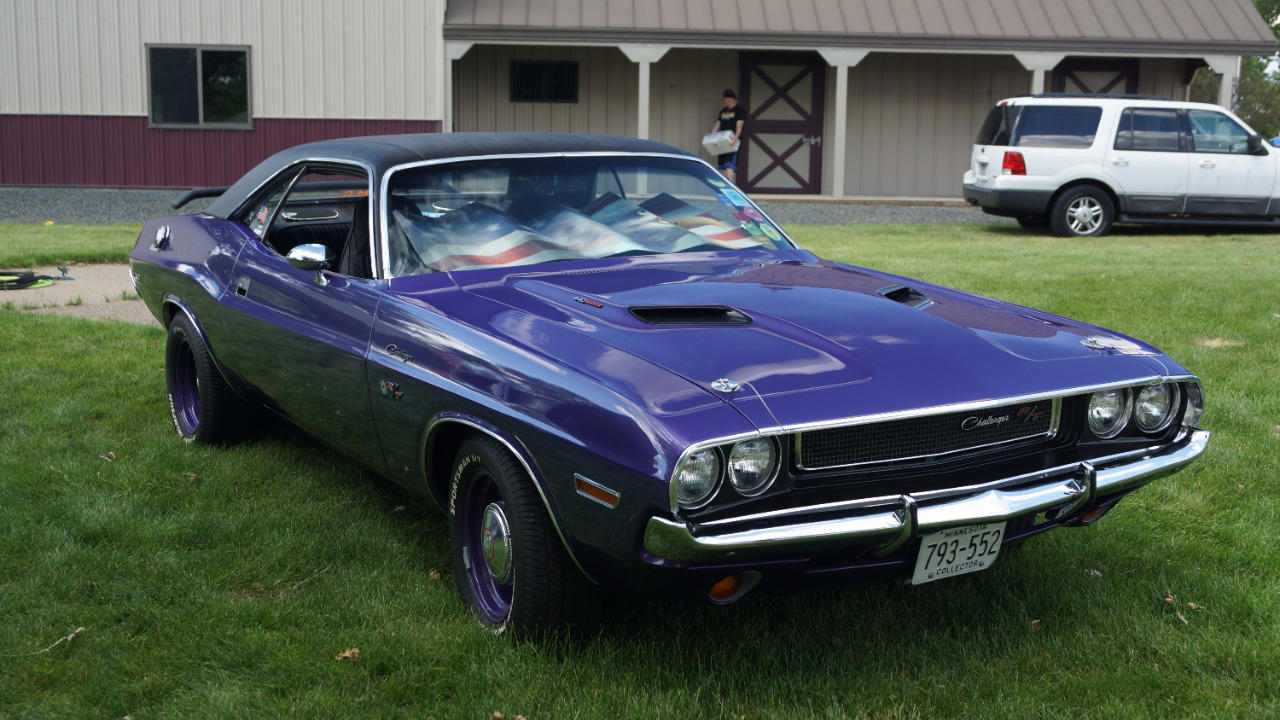



















The Challenger entered late but still managed to stand outThe Challenger arrived late to the original pony car fight, yet it carved out one of the most recognizable silhouettes in American performance. Its story is less about perfect timing and more about persistence, reinvention, and a stubborn refusal to blend into the background. From the short first run in the early 1970s to the long modern stretch that ended after 2023, the Dodge Challenger kept returning with more power, bolder styling, and a louder statement. That persistence helped a supposed latecomer become one of the defining muscle cars of its era. The last of the pony car arrivals By the time Dodge committed to a true pony car, rivals had already seized the market. The Ford Mustang had kicked off the craze in the mid 1960s, and Chevrolet and Plymouth had followed. Analysts later described the 1970 Dodge Challenger as a textbook case of arriving late to a booming segment that was already crowded with competitors that had years of brand loyalty behind them. The E-body Challenger was introduced in the autumn of 1969 for the 1970 model year, and it shared some visual kinship with its corporate cousin, the Plymouth Barracuda, but it was somewhat larger and aimed higher in price. According to Challenger history, Dodge pushed it upmarket with a wide variety of trim and option levels, a sign that the brand tried to cover everything from affordable sporty coupes to full-bore performance machines in one sweep. The late start did not stop Dodge from making a visual impact. Period accounts and later retrospectives describe how the reintroduced Challenger boasted a retro design that kept the aggressive, boxy look that made it stand out in the 1970s. One retrospective from Feb points to how Dodge leaned into that squared-off stance and long hood, turning what could have been a disadvantage in timing into a distinct identity that still resonates with enthusiasts who admire the Feb Challenger styling. First Generation: brief but loud The First Generation of the Challenger ran from 1970 through 1974, and it is often described as the Last of the Pony Cars because it arrived after the segment’s initial explosion. The original Challenger debuted in 1970 and was based on the same platform as the less expensive Plymouth Barracuda, which allowed Dodge to share development costs while giving its own car a more upscale image and broader performance range. Even within that short window, the Challenger arrived with a full arsenal of engines and trim levels. Buyers could choose from modest small-block V8s up to the legendary HEMI, and the car quickly gained a reputation for powerful performance and strong straight-line speed. Enthusiast histories emphasize that despite its late entry into the muscle car market, the Challenger quickly gained a reputation for its powerful performance and strong presence on the street, which helped it stand out from rivals that had already begun to soften their edges in response to insurance costs and emissions rules. Yet the timing still hurt. As the early 1970s progressed, insurance rates climbed, fuel prices rose, and federal regulations squeezed high-compression engines. The same factors that cut short many muscle nameplates also choked the First Generation Challenger, which left the stage after only a few model years. The car’s brief run, combined with its bold styling and big-engine options, set the foundation for the myth that would power its return decades later. Disappearance and memory After the early 1970s, the Challenger name faded from showrooms for a long stretch. Later compact and personal luxury models that carried the badge did not capture the same spirit, and they left little lasting impact on muscle car history. What survived instead was the image of the 1970 Dodge Challenger that rolled off the line at the peak of the muscle era, all steel, all power, all attitude. Enthusiast accounts describe that original car with details like roaring HEMI engines and bold Plum Crazy paint, and they argue that it was not just a car but a statement about freedom and rebellion in American car culture. One widely shared reflection notes that despite its late entry, the Challenger came to symbolize that mix of freedom and rebellion in American car culture, helped by its starring roles in period films and its unmistakable profile on the street. Those memories shaped how fans reacted when Dodge finally brought the Challenger name back in the twenty-first century. The legend of the First Generation, short-lived but vivid, set expectations that any revival would have to meet or exceed. Third Generation: the comeback that stuck The real revival arrived with the Third Generation, which ran from 2008 through 2023. Historians describe this span as the period when the Third Generation, 2008-2023, became the Challenger Finally Realizes Its Potential. The Dodge Challenger in this era was no longer a latecomer trying to catch up. It was the car that fully embraced its own heritage and the modern performance arms race. According to one detailed history, the Third Generation was the Dodge Challenger’s longest and most successful iteration. It mixed retro styling cues with a modern chassis and electronics, and it gradually expanded into a full range of models from V6 commuters to supercharged halo cars. Enthusiast coverage of the Third Generation often highlights how the car finally matched its legend with real-world performance and sales momentum. By the time the modern car had been on the market for more than a decade, it was still selling strongly. One analysis noted that the modern Dodge Challenger was 12 years old, yet FCA moved nearly 61,000 examples in 2019, or about 13,000 m more units than Chevy managed with its rival model. That kind of volume, especially for a design that leaned heavily on retro themes, showed how successfully Dodge had turned nostalgia into a long-term business strategy. How late timing turned into an advantage The Challenger’s late arrival in the original pony car era allowed Dodge to study its rivals and then go slightly bigger and more aggressive. The car’s larger footprint and broader engine lineup positioned it as a bridge between pony cars and full-size muscle machines. Over time, that positioning became part of its appeal, especially as the modern car embraced its size instead of trying to shrink down to match lighter competitors. Analysts who look back on the 1970 Dodge Challenger as a latecomer often argue that the delay gave Dodge a clearer picture of what enthusiasts wanted. The brand could see how the Ford Mustang and other early entrants were used and modified, then respond with a car that offered more room, more comfort, and the potential for even more power. A retrospective on times Dodge was late to the party notes that the company missed the earliest years of the pony car boom, but the Challenger still changed the game for drivers who wanted a more substantial, premium-feeling muscle coupe. In the modern era, the same pattern repeated differently. The Third Generation Challenger arrived after the reborn Ford Mustang and Chevrolet Camaro, yet it leaned harder into nostalgia and brute force. Rather than chasing lap times alone, Dodge focused on straight-line thrills and outrageous special editions, which helped the car stand out in a market where many performance models were converging on similar formulas. Through the years: continuous evolution Over its various runs, the Dodge Challenger went through a series of updates and redesigns that kept it relevant even as the basic concept remained familiar. One overview titled The Dodge Challenger Through the Years The describes how styling tweaks, interior upgrades, and mechanical improvements arrived in waves, especially during the long modern run. The history of the Dodge Challenger points out that each refresh tried to balance heritage cues with contemporary expectations for comfort, safety, and technology. Dealers and brand historians often break the modern car into phases. Early models focused on recapturing the look and feel of the 1970 original. Later versions sharpened performance, improved interiors, and expanded the range of engines. A detailed guide from Jan on the Dodge Challenger outlines how these changes kept the car competitive even as it aged. Throughout, the Challenger remained instantly recognizable. The long hood, short deck, and broad shoulders stayed in place, while details like lighting, grilles, and wheel designs evolved. That continuity helped the car maintain a strong identity even as it adapted to new regulations and customer expectations. Engines that escalated with every generation Power has always been central to the Challenger story. From the earliest big-block V8s to the latest supercharged monsters, the car built its reputation on straight-line speed and deep exhaust notes. One dealership overview notes that the car is equipped with an impressive selection of engines, each more powerful than the last. From the V6 engine in the base model to high-output V8s in performance trims, the range is sure to excite any driving enthusiast. That escalation became even more dramatic in the later Third Generation years. Enthusiast coverage highlights high-performance variants like the SRT Hellcat and the Demon, which pushed horsepower figures into territory once reserved for race cars. One social media summary describes the Challenger as one of the strongest muscle car variants in the world, pointing to how the latest generations of the Challenger have continued to impress with models like the Hellcat and Demon that boast mind-blowing horsepower and acceleration. These engines were not just marketing tools. They influenced how rivals tuned their own cars, and they helped cement Dodge’s image as the brand that would go further than anyone else in pursuit of raw power, even as the industry shifted toward efficiency and electrification. Special Editions and the art of scarcity Limited runs played a major role in keeping the Challenger in the spotlight. A detailed year-by-year overview of The Evolution of the Dodge Challenger describes how Special Editions became a recurring theme, with limited edition models that carried unique styling and performance characteristics. These Special Editions helped maintain the Challenger ( Dodge Challenger )’s allure by giving collectors and fans rare variants to chase. That strategy reached its peak with the Last Call series that marked the end of the modern Challenger run. One breakdown of these farewell models lists the Dodge Challenger Black Ghost as a standout, with only 300 Units produced. Units The Black Ghost shared its mechanical setup with a related Charger model, which meant 807 horsepower from a supercharged V8. By limiting production and tying the car to a specific historical reference, Dodge turned the Black Ghost into an instant collectible. Other Last Call models followed similar patterns, mixing throwback graphics, unique colors, and extreme power figures. Together, they formed a rolling tribute to the Challenger’s history and a final statement about what the car represented in the internal combustion era. More from Fast Lane Only Unboxing the WWII Jeep in a Crate 15 rare Chevys collectors are quietly buying 10 underrated V8s still worth hunting down Police notice this before you even roll window down