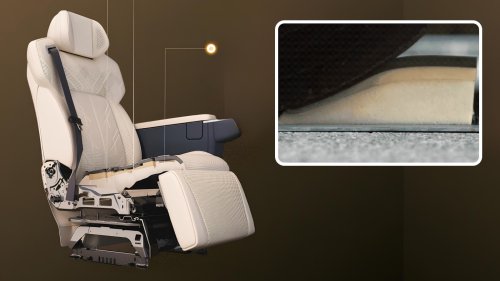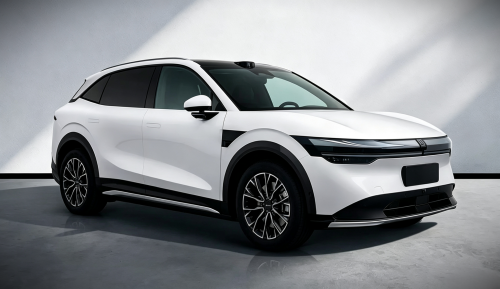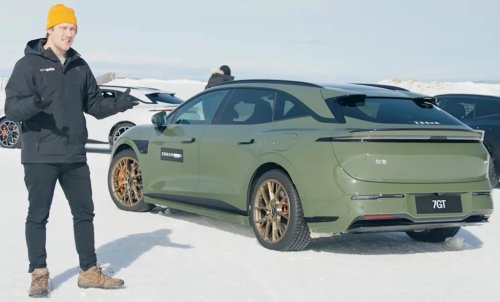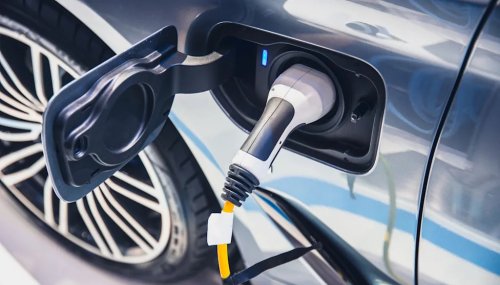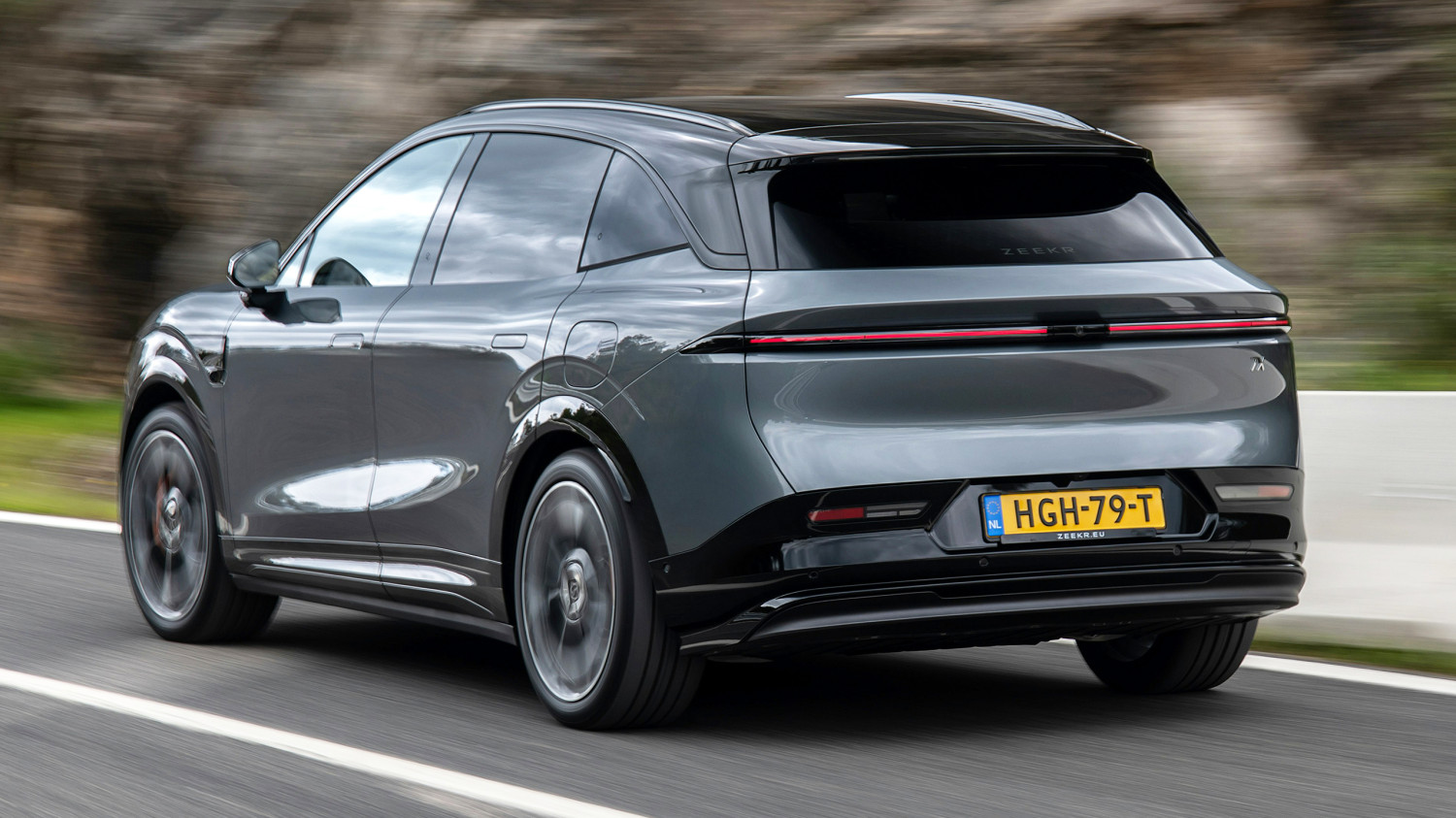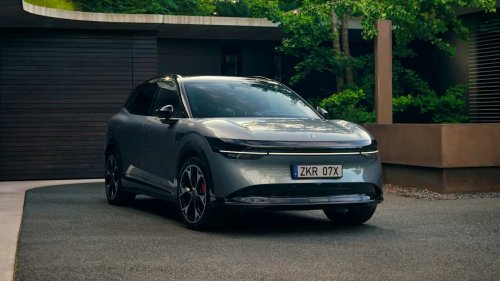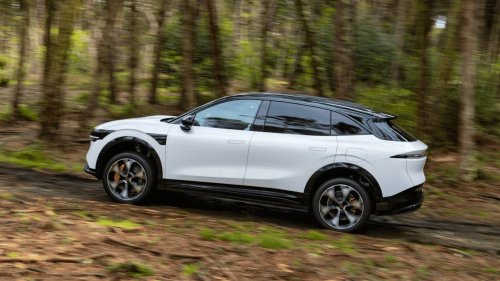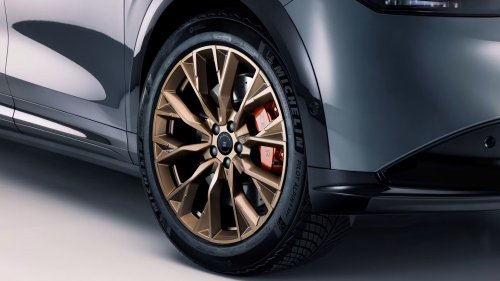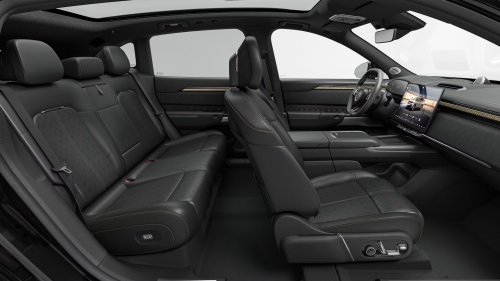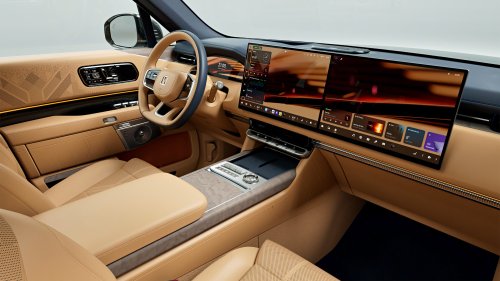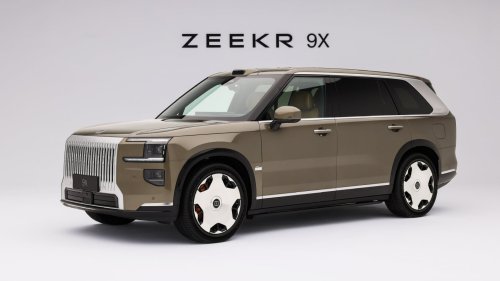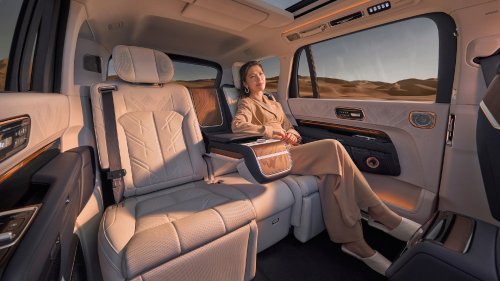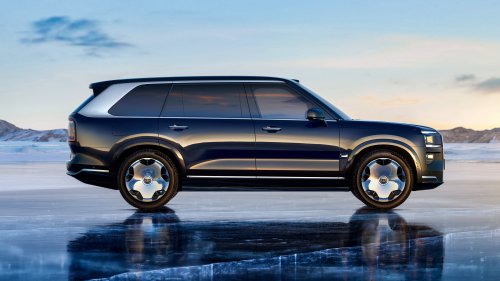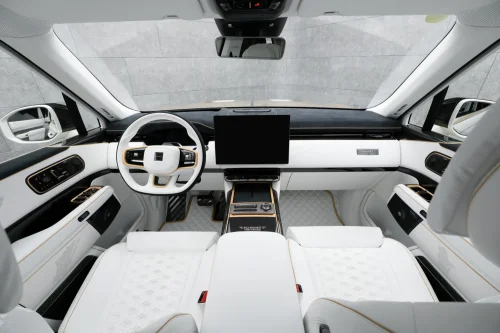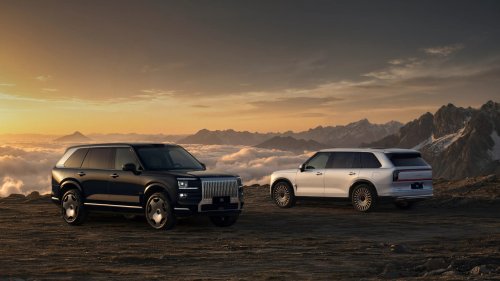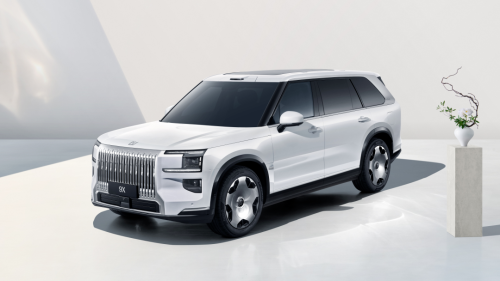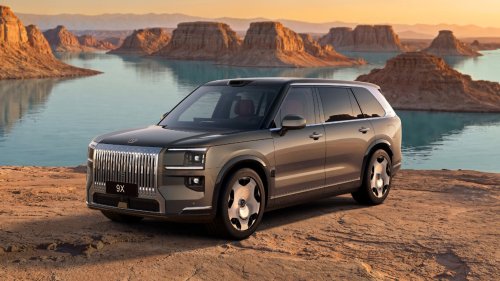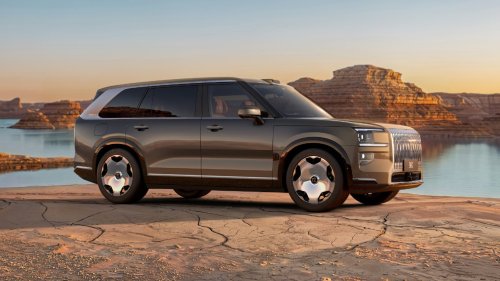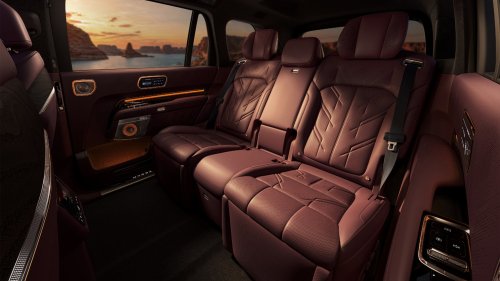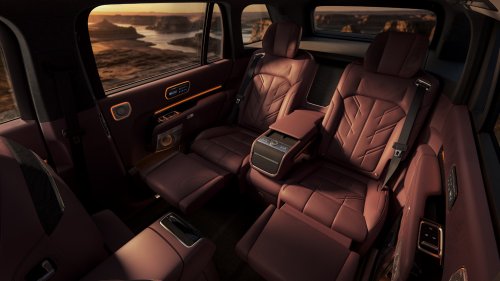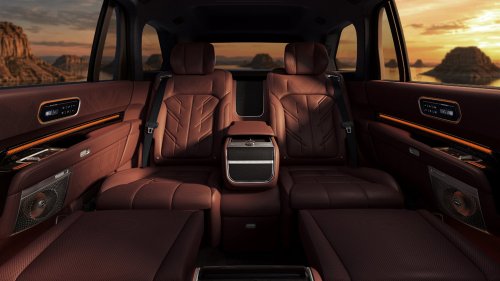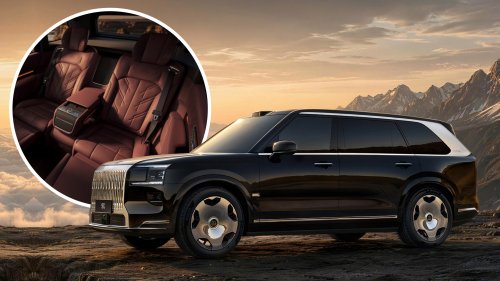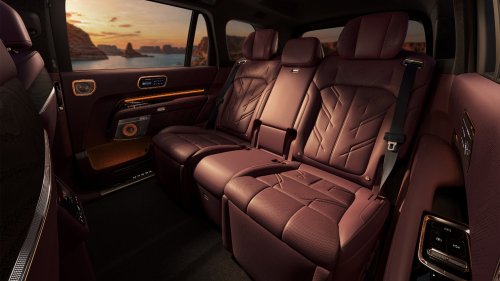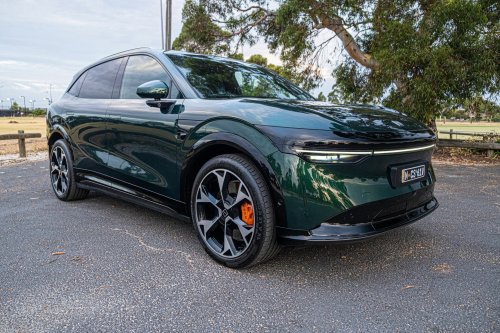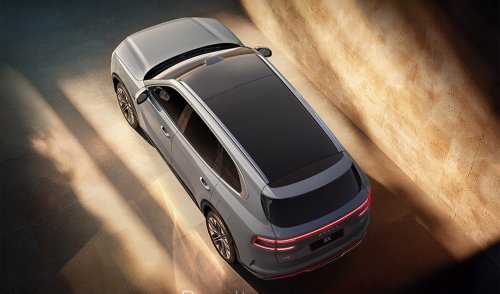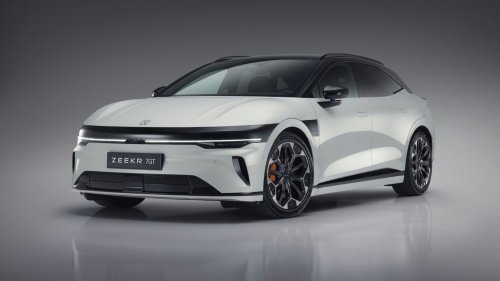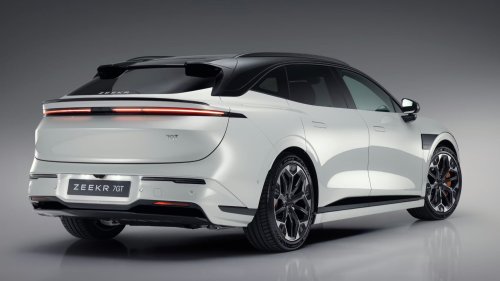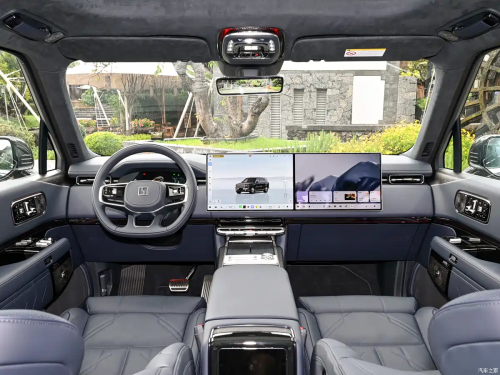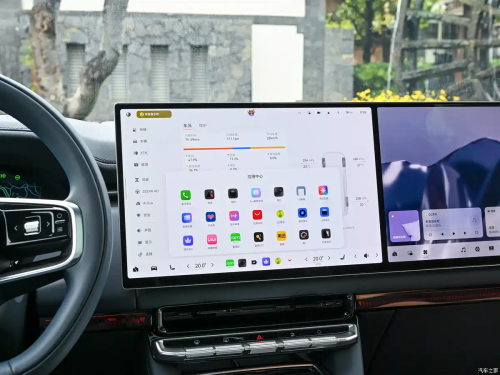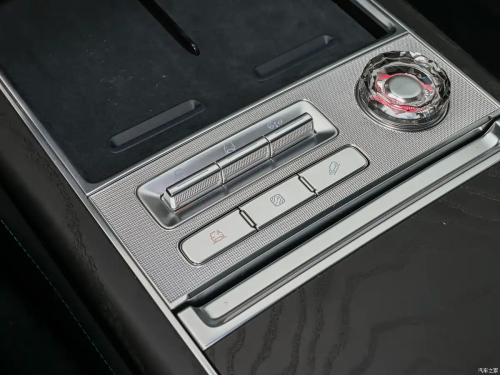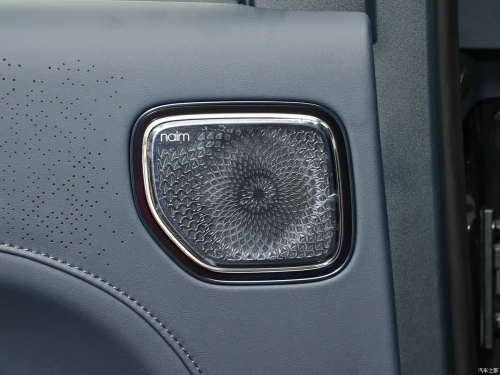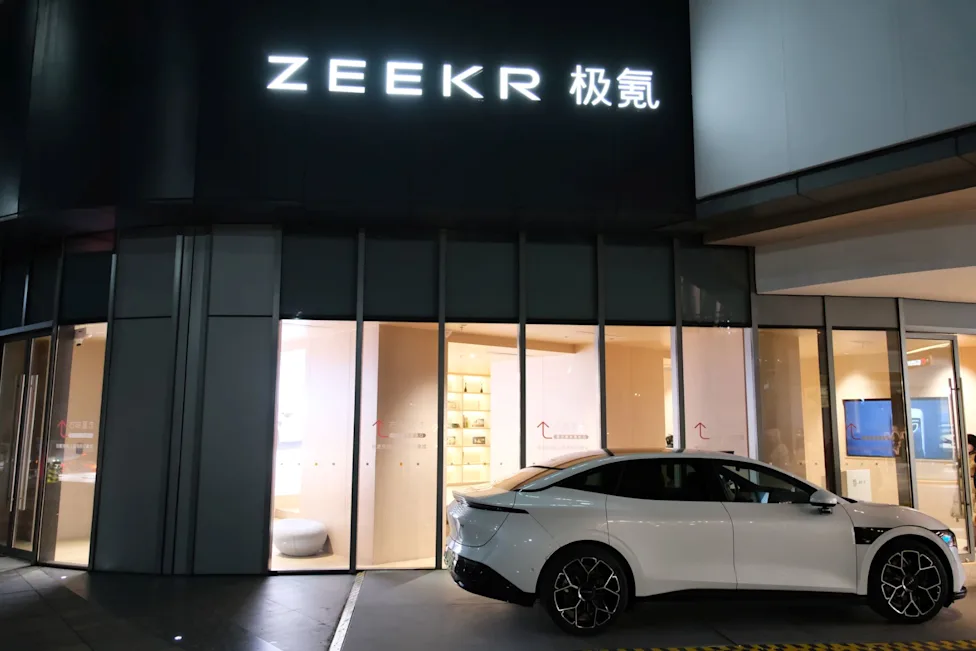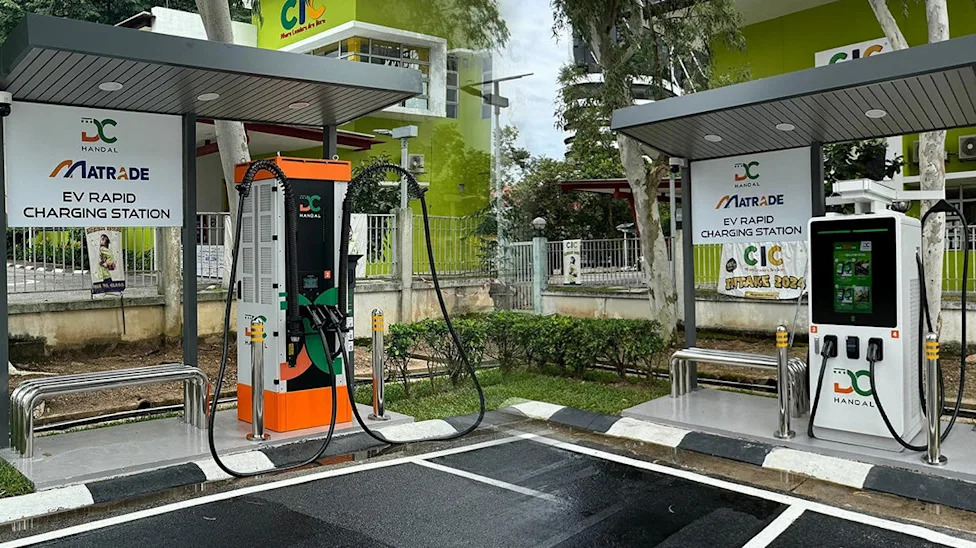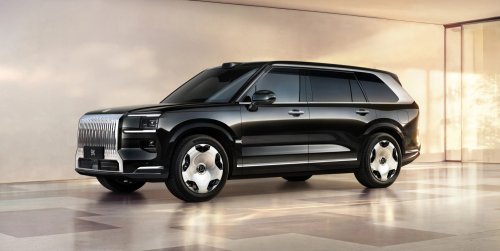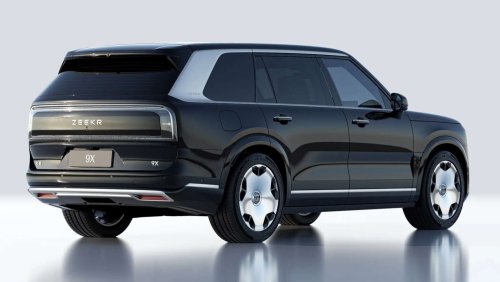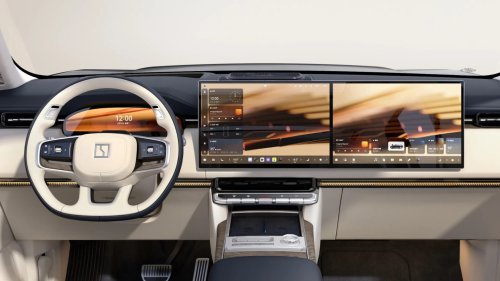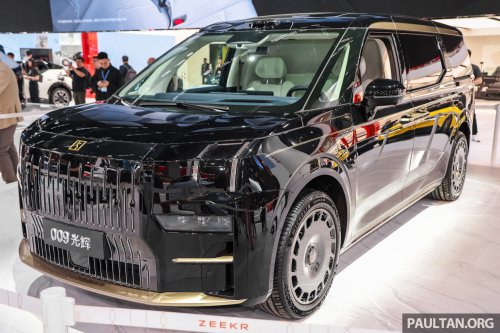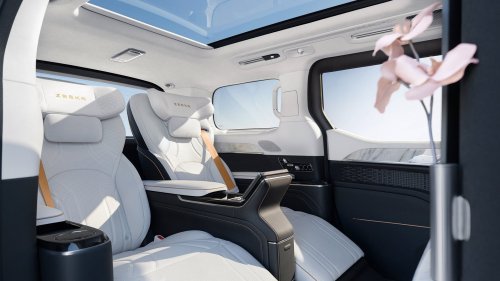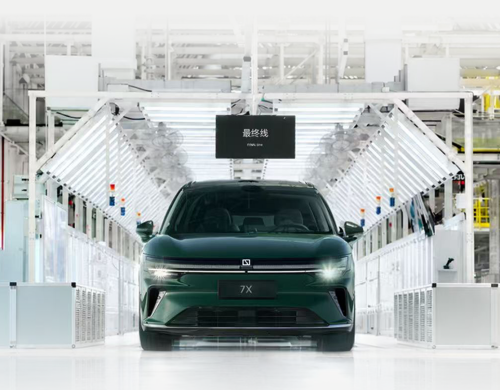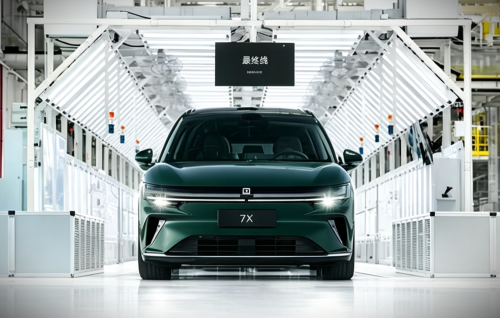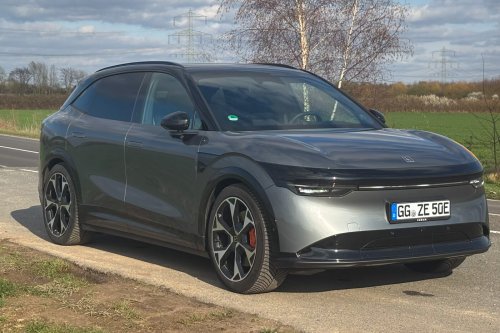
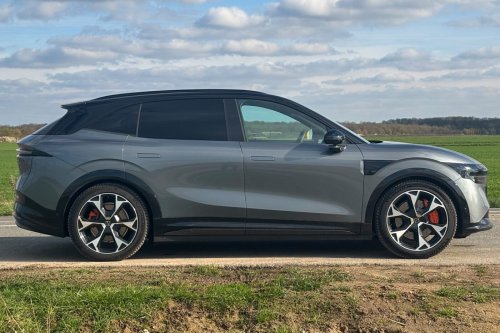
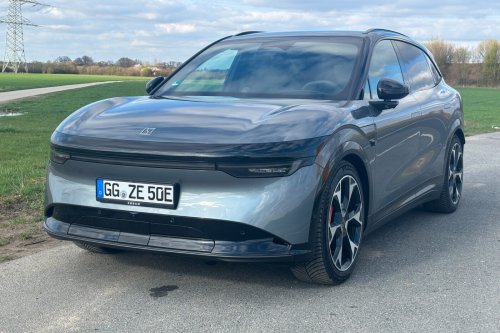
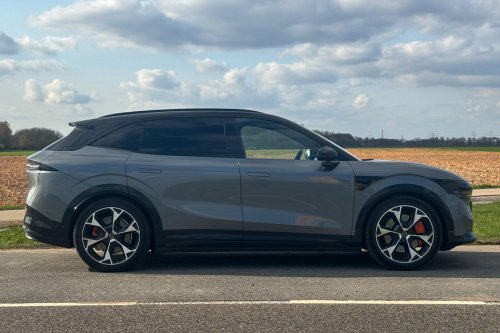
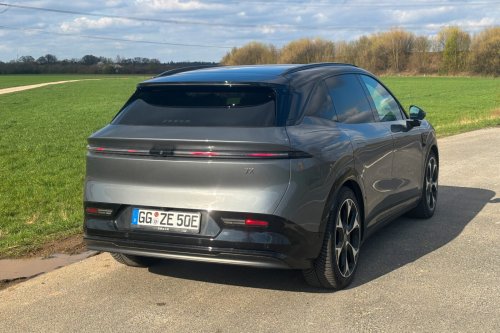
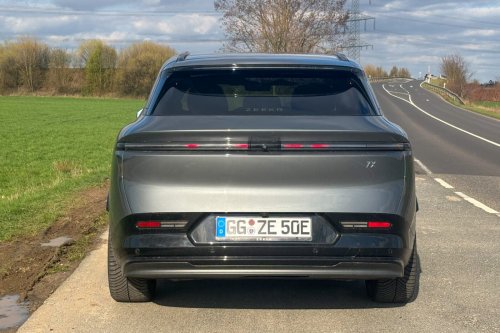
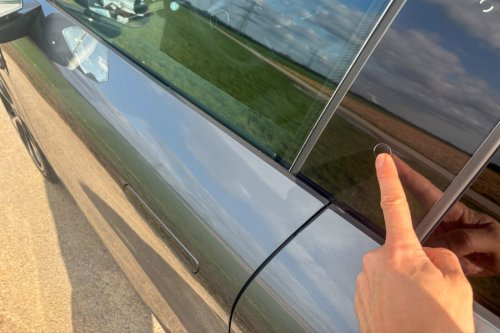
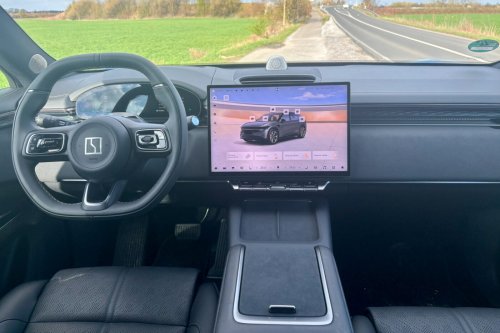
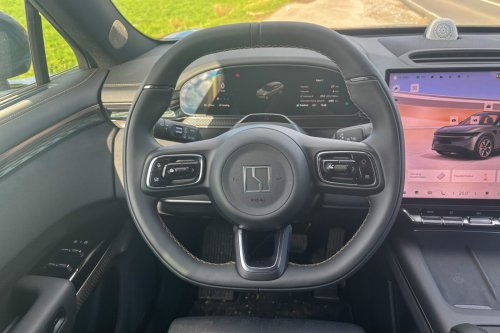
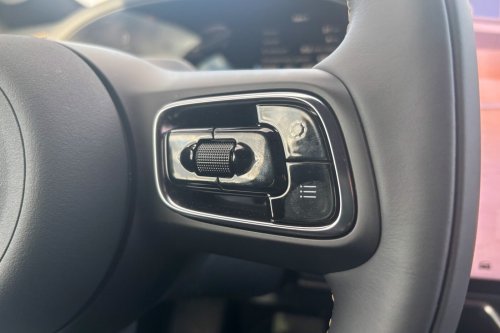
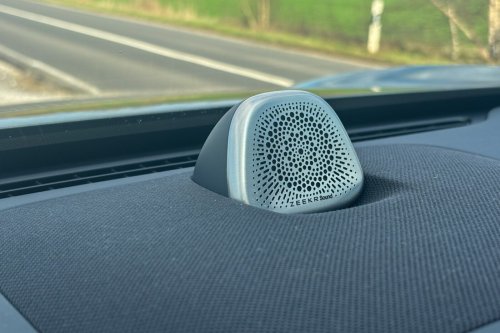
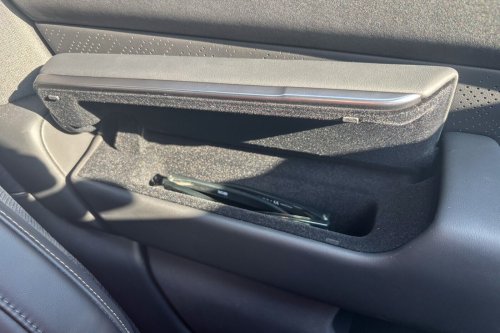
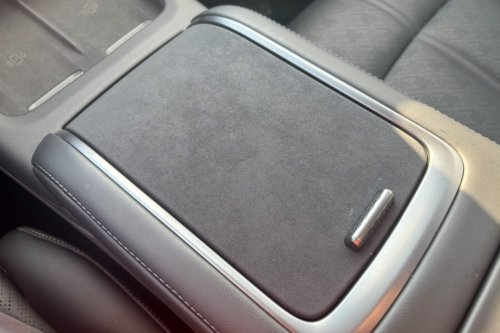
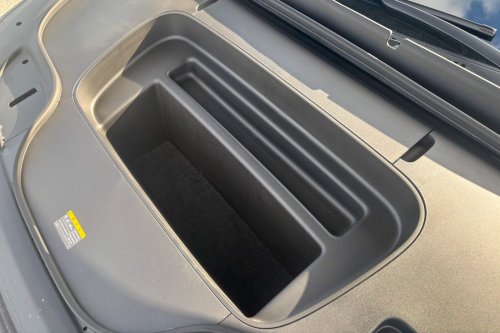



















Germany was not a priority for Zeekr’s European launch. The Geely brand initially began sales in the Netherlands and Sweden with the Zeekr 001 and Zeekr X models, starting at the end of June 2023. In September, at the same time as the IAA, Zeekr at least put a price tag on the two—€44,990 for the compact Zeekr X and €59,900 for the 001. According to statements at the time, deliveries were expected to begin in the first half of 2024.In reality, it took nearly two more years before a German customer could get their hands on their Zeekr—the first deliveries only took place in mid-February 2026. However, the vehicle delivered was neither the X nor the 001, but a Zeekr 7X Long Range RWD. In other words, a model that was not even available at the initially planned market launch.This article is not an economic analysis of why Zeekr repeatedly delayed its Germany launch or what happened behind the scenes during that time. Instead, it is a driving review. We explore whether the long wait for Zeekr in this country was worth it. And not with the exact model variant delivered to Germany’s first customer, but with a 7X AWD in the Privilege trim—essentially the top-of-the-range model.A quick note on the 7X itself: At 4.79 metres, the SUV is the same length as, for example, a Model Y Juniper, a widely recognised benchmark in this segment. Its wheelbase measures 2.90 metres, and with mirrors folded out, the 7X is 2.10 metres wide (marginally narrower than the Tesla) and 1.65 metres tall. That is three centimetres taller than the Model Y, but because the roofline does not slope as sharply, the Zeekr appears larger and more imposing—even though it isn’t.Zeekr offers three variants: The base model, ‘Core RWD’ (from €54,990), features a 75 kWh battery for a WLTP range of 480 kilometres and a charging time (10-80%) of just 13 minutes. For €3,000 more, the ‘Long Range RWD’ comes with a 100 kWh battery for 615 kilometres of range and a charging time of 16 minutes. The ‘Privilege AWD’ uses the same battery but offers a 475 kW all-wheel-drive powertrain with 543 kilometres of range and a more comprehensive equipment list. Priced from €64,990, the all-wheel-drive version is significantly more expensive than the rear-wheel-drive variants.For this test, Zeekr provided us with the ‘Privilege’ variant of the 7X—the brand’s technological flagship in Europe. In addition to the aforementioned powerful all-wheel-drive system, the Privilege comes factory-fitted with adaptive air suspension, 21-inch alloy wheels, Nappa leather upholstery, and four electrically operated doors that swing open and close at the push of a button—more on that later. Image: Sebastian Schaal Image: Sebastian Schaal Image: Sebastian Schaal Image: Sebastian Schaal Image: Sebastian Schaal Image: Sebastian Schaal Image: Sebastian Schaal Image: Sebastian Schaal Image: Sebastian Schaal Image: Sebastian Schaal Image: Sebastian Schaal Image: Sebastian SchaalHowever, the price difference suggests that most customers—like Germany’s first buyer—will opt for the ‘Long Range RWD.’ The additional cost relative to the range gained over the ‘Core’ model is relatively small, whereas the extra expense for the all-wheel-drive version with all its extras is significantly higher.For a first impression, the top model is certainly not a bad choice, as it showcases what the manufacturer considers important and where its focus lies. With the 7X, this starts with the name: The top model is not called Performance, even though that would seem justified given its 475 kW or 646 hp and a 0-100 km/h acceleration time of 3.8 seconds. Instead, it is called Privilege, setting itself apart from the other variants in a refined manner.And that is precisely the impression you get from the first few metres: Everything is finished to a high standard, and the suede-covered centre console looks genuinely premium compared to the Model Y. The seats are very comfortable, and the car rides smoothly despite its 21-inch wheels.Thanks to the air suspension, it feels like you are gliding over the road. You only realise the car is still in contact with the ground when encountering potholes or slightly raised manhole covers. The comfort level is truly exceptional. At around 2.5 tonnes, the all-wheel-drive 7X is also difficult to unsettle—unlike the Model Y, which feels noticeably lighter.Core RWDLong Range RWDPrivilege AWDDrivetrainRWDRWDAWDPower310 kW310 kW475 kWTorque440 Nm440 Nm710 NmAcceleration6.0 s6.0 s3.8 sWLTP range480 km615 km543 kmBattery75 kWh100 kWh100 kWhDC Charging power360 kW400 kW400 kWDC charging time 10-80%13 min16 min16 minPrice€54,990€57,990€64,990At least, as long as you handle the accelerator pedal with care. It is not about acceleration, which can push all occupants more or less gently into the soft seats with up to 710 Nm of torque, but about deceleration. The air suspension, tuned softly in Comfort and Eco modes, absorbs almost all unevenness but unfortunately also causes the 7X to dip noticeably at the front during deceleration, leading to frequent body roll.This happens not only during braking but also during gentle recuperation. To be honest, even after a week with the 7X, I did not always develop a perfect feel for the recuperation, despite years of driving battery-electric vehicles and experiencing many different models. The result was the occasional nodding of heads in city traffic. The air suspension in the recently tested Xpeng G9 Performance was slightly better tuned in this regard. However, both models excel in comfort.And there is no question: If you want to, you can use the power of the two electric motors (with 310 kW/440 Nm at the rear axle, just like in the RWD models) to make the occupants’ heads nod backwards instead. The acceleration is—just like in the aforementioned G9 Performance—impressive, but quickly becomes irrelevant in everyday use. Because anyone who frequently floors the pedal will be penalised with significantly higher energy consumption.And consumption is already on the higher side, as our initial test (with only a few acceleration attempts) suggests. On the flat motorway, even at a fairly constant speed of 120 km/h with cruise control, consumption rarely dropped below 24 kWh/100 km. Later, when driving uphill from the Rhineland towards the Eifel region, the display even showed up to 28 kWh/100 km. On the return journey downhill, values just under 20 kWh/100 km were visible, but the average still settled at 23 kWh/100 km despite a relaxed driving style.For context, it must be added that the test vehicle was still fitted with winter tyres, and during the spring test period, there was an unexpected drop in temperatures to low single-digit positive values—far from ideal conditions. It is impossible to say how much of the consumption was due to the wintry conditions and how much to the all-wheel-drive system—our first test was too short for that. Based on our test consumption, the AWD model achieves a real-world range of roughly 420–430 kilometres, while the ‘Long Range’ model would likely reach just under 500 kilometres under similar conditions—though this is an estimate, not a measured value.There is no question that there are more efficient battery-electric vehicles that extract more range from a 100 kWh battery. However, this does not necessarily mean that the more efficient cars will reach their destination faster on long journeys—though they will certainly be cheaper to run due to lower energy consumption. On paper, the 7X can compensate for the extra kilowatt-hours consumed with shorter charging times, thanks to its up to 400 kW charging power and a 16-minute charging time for a 10–80% charge.In practice, however, I did not see 400 kW on the display during the test. Instead, there was a very unusual charging curve with many fluctuations between 180 and 240 kW. After nearly 200 kilometres of driving, the battery was, according to Zeekr, perfectly preconditioned. The charging hub itself was also not busy—of the 22 Fastned charging points at Seed & Greet in Hilden, only a handful were occupied, and I had the Hypercharger HYC400 all to myself. Nevertheless, there seemed to be some kind of limitation, either from the grid or in the communication between the vehicle and the charging station.Despite not even reaching 300 kW, let alone the promised 400 kW, the result is still respectable: Instead of 16 minutes, the test charging session to 80% took just under 19 minutes. Even at 80%, over 200 kW was still flowing into the battery. The potential to achieve the factory-stated 16 minutes seems to be there.Even under less-than-ideal conditions, the 7X reached 80 per cent faster than BMW and Mercedes claim for their upcoming battery-electric SUVs, the iX3 and EQE SUV, whose factory-stated charging times exceed 20 minutes even under ideal conditions. However, the 7X still falls short of the charging performance of the Xpeng G9, which uses an LFP battery.A positive aspect of the charging experience is the route planning: The calculation of routes including charging stops is quick and reliable, and all planned stops made sense—I did not need to manually adjust the plan (for example, because a single charging point was calculated instead of a charging hub). For the 560-kilometre journey from Düsseldorf to Berlin, the 7X (with a 73% charge) plans two stops totalling 38 minutes. For the 626 kilometres to Munich, it suggests charging for just four minutes longer. Even for the 720-kilometre trip from the Rhineland to Copenhagen, the 7X claims to require only two charging stops.The system—like the Xpeng—sometimes calculates conservatively: a charging stop at Ionity (with at least 350 kW) from 10 to 81% is estimated to take 28 minutes. Based on the factory specifications and our own test experiences, this is likely an overestimate. But as I wrote in the G9 test: On long journeys, I prefer to undercut the calculated charging time and arrive earlier rather than have the system calculate too tightly.Positive impression slightly tarnishedEven after several hundred kilometres, the initial impression of a comfortable and high-quality battery-electric vehicle remains—though now mixed with a few minor criticisms. For example, below the central touchscreen, there is a panel with several haptic controls, including one for the driving mode. Unfortunately, this panel is not backlit, so at night, none of the buttons are visible under the glowing screen.The seats (in the ‘Privilege’ with Nappa leather upholstery) remain comfortable even after several hours. However, the massage function—compared directly to the Xpeng G9—is rather weak and not very intense. Additionally, in our test vehicle, the electric release for the frunk (front boot) under the bonnet did not always work correctly. The release is operated via the touchscreen, and while the bonnet popped up each time, it was not always fully unlocked. In more than one instance, I had to return to the interior multiple times before the bonnet would open completely.Speaking of practical details like the frunk: The storage space under the bonnet in the all-wheel-drive model tested is rather small, though it is sufficient for a charging cable or a small bag. In the rear-wheel-drive models, the front storage compartment is slightly larger. At the rear, the boot offers a generous 539 litres of space according to the manufacturer.Additionally, there is a deep storage compartment under the boot floor, and even towards the rear seats, there is a shallower compartment above the rear electric motor, beneath the main load floor. This is quite impressive for the segment, and the two-tonne towing capacity is also uncommon for a 4.80-metre-long battery-electric SUV. However, the electric tow bar comes with a relatively high surcharge of €1,769. Image: Sebastian Schaal Image: Sebastian Schaal Image: Sebastian Schaal Image: Sebastian Schaal Image: Sebastian Schaal Image: Sebastian Schaal Image: Sebastian Schaal Image: Sebastian Schaal Image: Sebastian Schaal Image: Sebastian Schaal Image: Sebastian Schaal Image: Sebastian Schaal Image: Sebastian Schaal Image: Sebastian SchaalHowever, the 7X also scores points with plenty of space and practical details at the front. For example, the front door armrests feature hidden compartments for sunglasses—clever and well-executed. And the legroom in the second row, behind a driver’s seat adjusted for my 1.85-metre height, is enormous. It might differ by a centimetre or two, but it felt like there was more space in the rear than in the Model Y—and the rear seats in the Zeekr are also very comfortable.With its interior design, material selection, and high-quality finish, people unfamiliar with the Zeekr brand would likely not guess that the 7X is a Chinese car—those in Europe often still carry a ‘budget’ image. Nothing is overly playful or focused on connectivity and digital features with a large passenger display. The interior feels like that of a European premium model, with diamond-cut patterns and material combinations evoking a Volvo or Polestar vibe. This is no coincidence, as the Zeekr 7X was designed in Gothenburg—the same Swedish city where Volvo is based. The talent pool that has developed around Volvo’s design chief, Thomas Ingenlath, has also had an impact within Geely.Electric doors prove more gimmick than practical featureDespite all the praise, there is a catch: In some places, such as the steering wheel controls and the inner door panels, Zeekr still uses high-gloss black plastic parts. While dark piano lacquer looks great in the design studio, in a car—even one that is well-maintained—it attracts dust, dirt, and fingerprints. On frequently touched surfaces like the steering wheel buttons, this is out of place. Incidentally, Zeekr already uses matte plastic parts in the 7 GT, a battery-electric estate with the same drivetrain. On the exterior, such as the continuous trim strip at the rear, the high-gloss black parts also appear dirtier faster than the grey paint of our test vehicle.And what about the electrically operated doors? The Zeekr 7X features flush-integrated door handles, but in our test vehicle, these were non-functional. The doors only opened by pressing a small button on the B- and C-pillars—also in high-gloss black, which, as mentioned, attracts fingerprints.However, that is not the main issue. The system naturally detects if someone is standing in front of the opening door, which then only opens slightly. No big deal, as the door can then be opened manually. But then, the advantage of electric doors is lost if you still have to use your hands.The BMW i7 tested a few years ago handled this much better—the obstacle detection seemed more precise. The Zeekr resorts to the ’emergency solution’ of only opening the door slightly quite early, even if you are not directly in the way but just standing a little too close. Perhaps Zeekr can still refine this system—maybe even with a software update for the doors. Who would have thought that a door software update would ever be a topic in a test report!ConclusionThe Zeekr 7X is a good, powerful, and comfortable battery-electric vehicle with a few minor weaknesses in the details. These can be overlooked if they are not personally important or if features like electric doors or the not-perfectly-tuned air suspension are not ordered—because you opted for a rear-wheel-drive 7X instead. These variants are also more attractively priced, even if the 7X, even with rear-wheel drive, does not compete on price. Instead, it positions itself as a high-quality alternative in a highly competitive market.