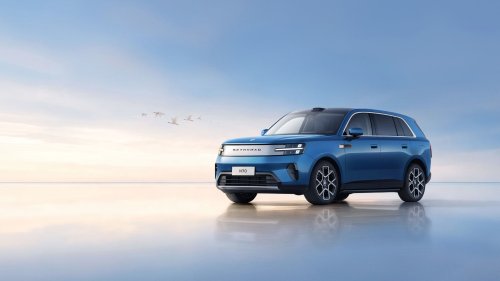
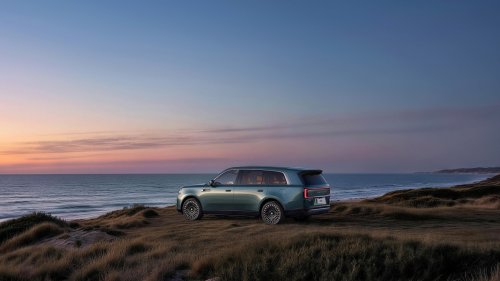
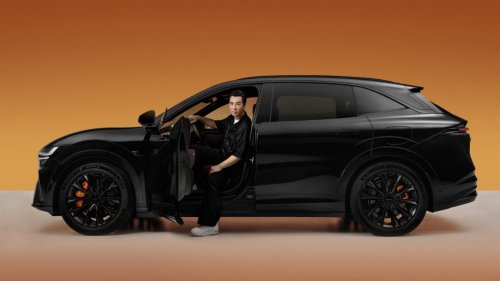
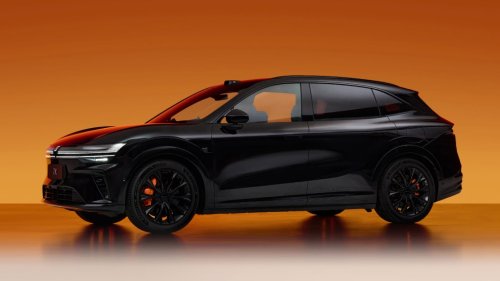
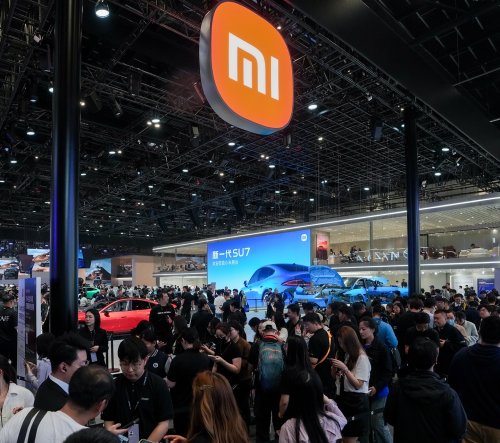
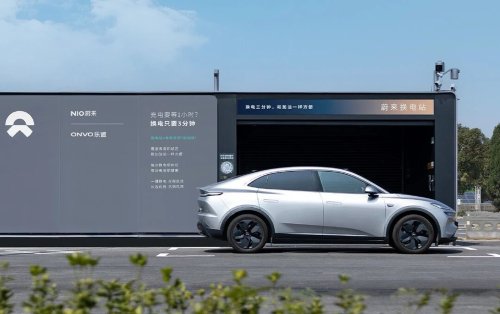
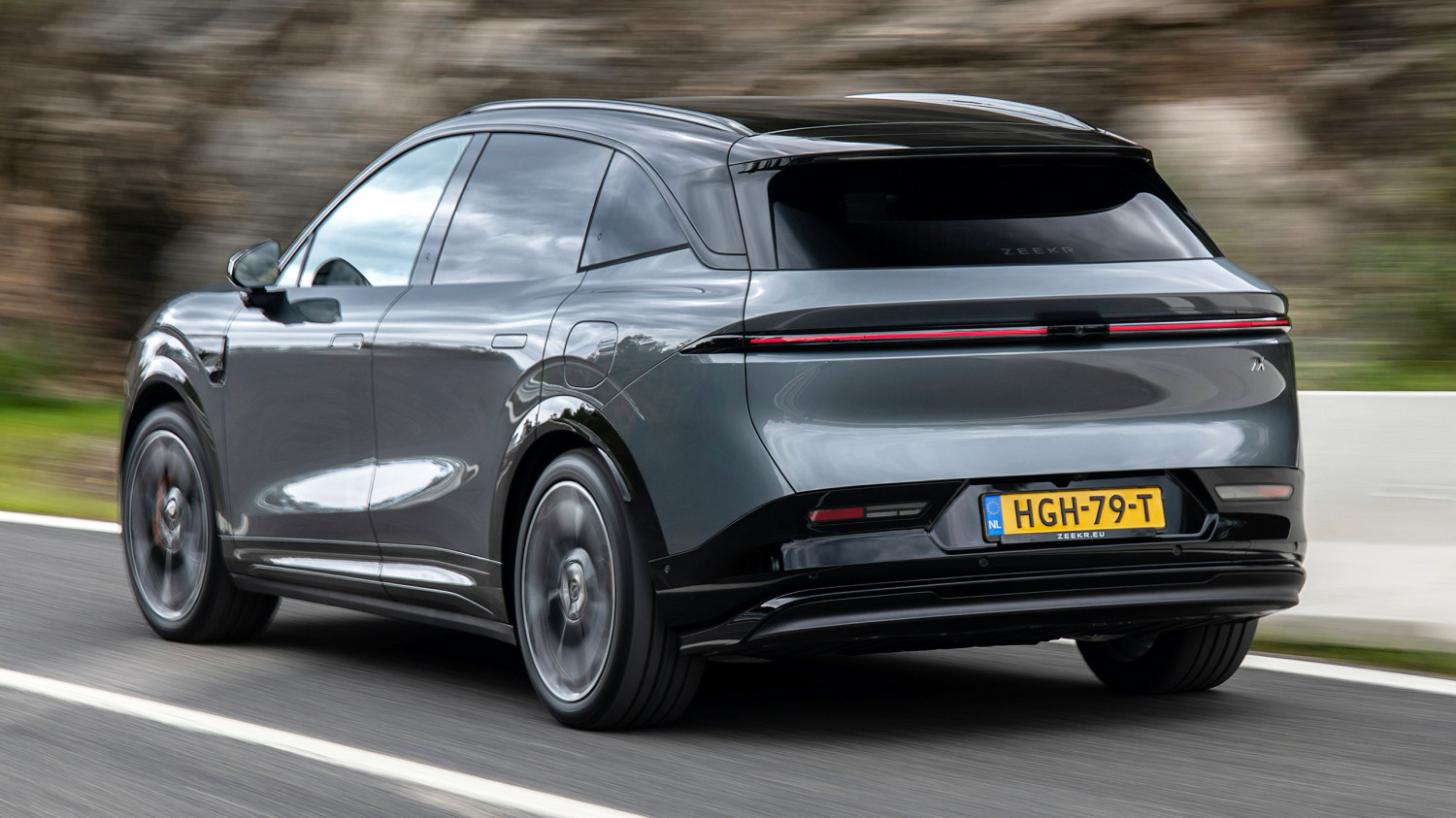
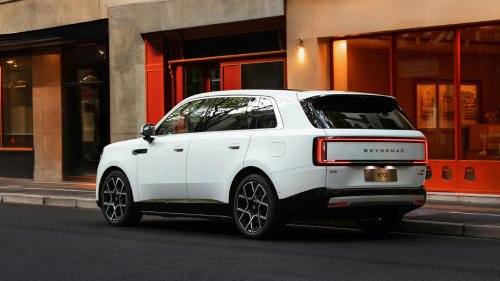
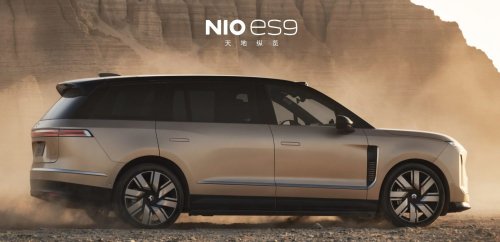
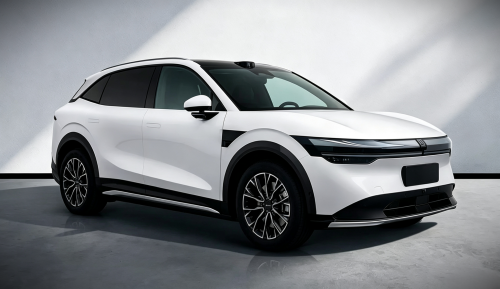
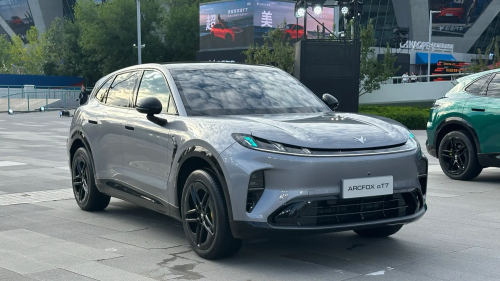
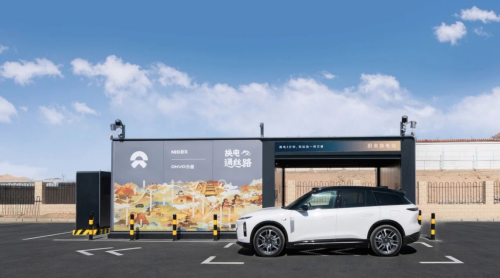
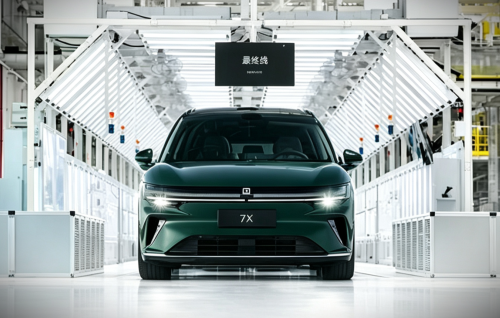
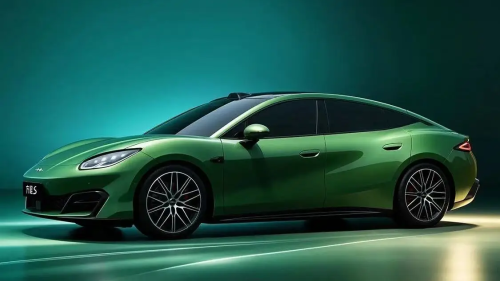
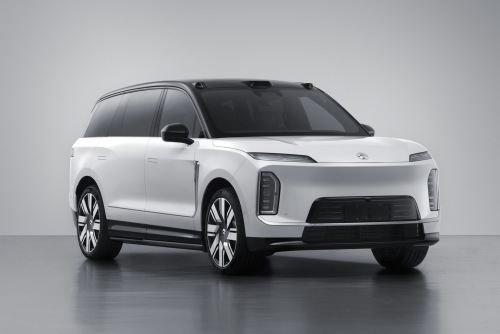
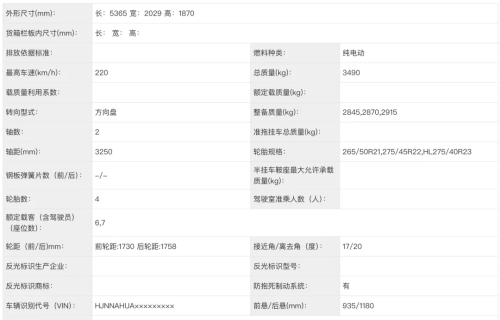
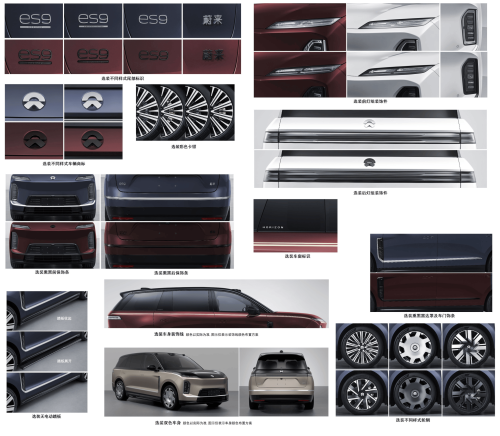
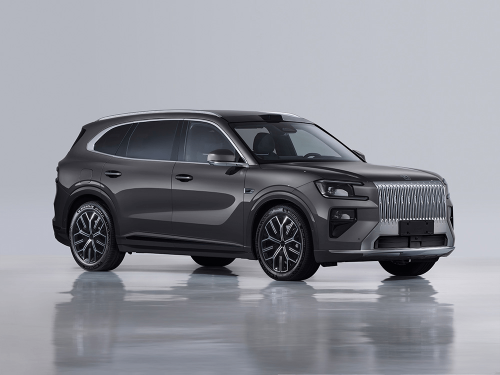
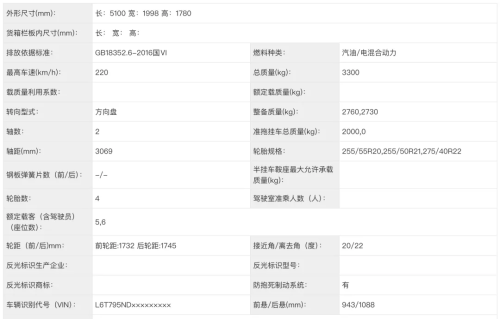
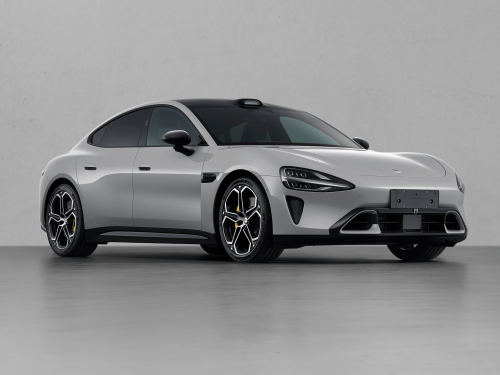
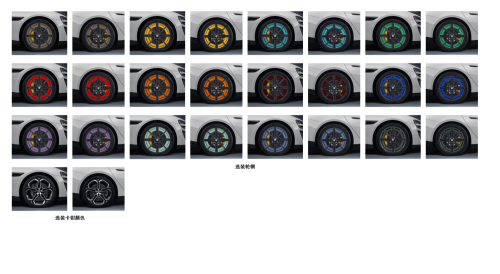
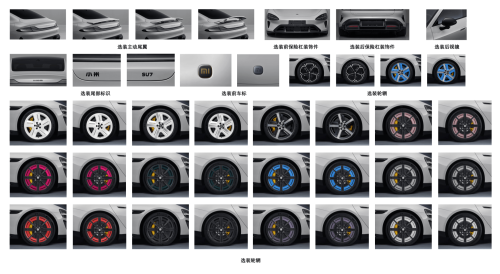
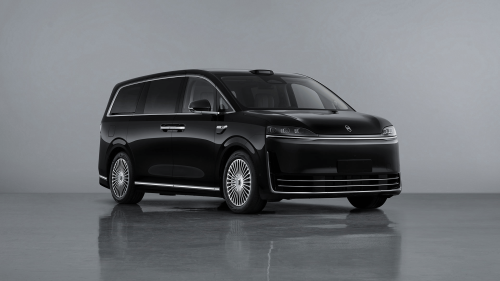
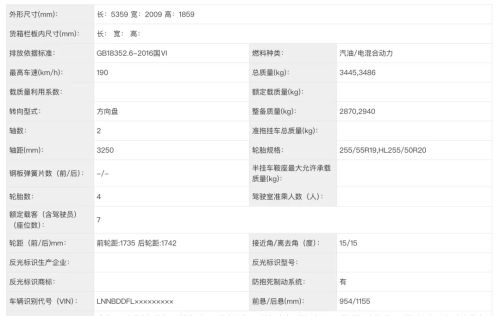
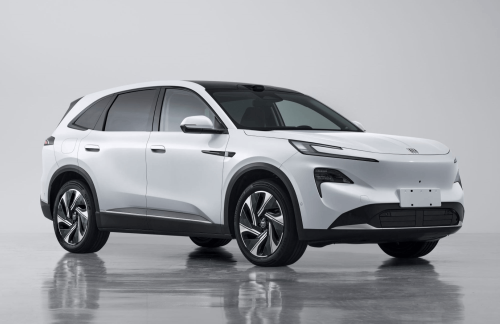
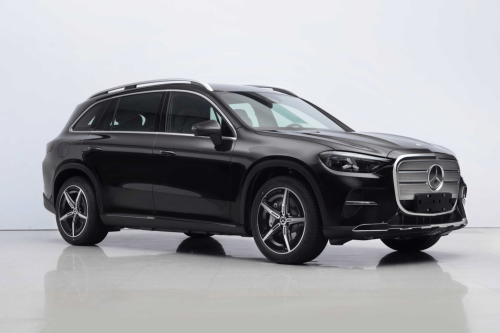
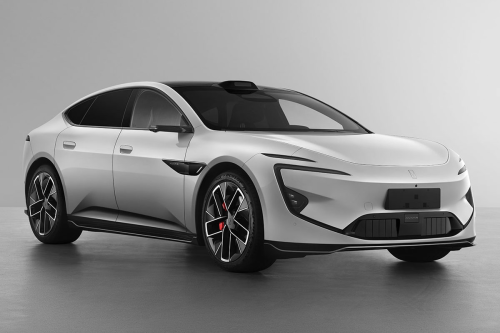
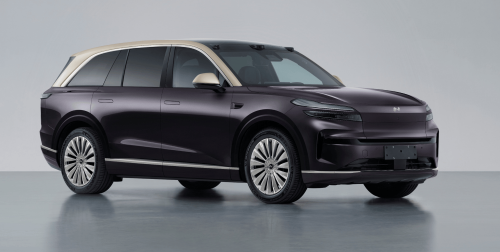
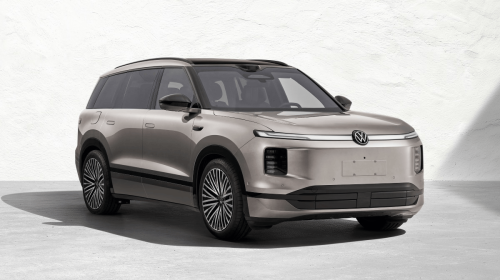
First batch of 2026 model-year filings unveiled. The 2025 car-market showdown may be over, but the fight isn’t taking a breather. On the night of Jan. 8, China’s industry ministry published the first batch of new-model filings set to hit the market in 2026 — and several headline-grabbers are already on the list. Alongside Xiaomi’s refreshed SU7, which has just entered pre-sales, NIO’s ES9 — previously mentioned by William Li — has now surfaced in the filings, offering the first clear look at the model. Zeekr’s much-teased 8X is also in the mix, as is the Luxeed V9 that Richard Yu had previewed earlier. If 2026 is going to be defined by “breakout” models, some of them may already be hiding in this first batch of filings. Below is a quick run-through of the standout entries — what their designs signal, what the key specs look like, and whether they can help their brands land a strong start to 2026. NIO ES9 William Li has previously said the ES9 is slated for an official debut and market launch in the second quarter of this year. Its appearance in the MIIT filing database at this point suggests the model is now entering the rollout phase. From the regulatory images, the ES9’s overall styling tracks closely with the latest ES8 — similar body surfacing and lighting signatures. But even in photos, it reads as a much larger vehicle, consistent with a true range-topper. NIO ES9 The filing lists dimensions of 5,365 mm long, 2,029 mm wide and 1,870 mm tall, with a 3,250 mm wheelbase — a new size record for NIO. One notable change is the hood profile, which differs clearly from the ES8 and ONVO L90. That likely indicates that even if the ES9 offers a front trunk, it won’t be designed to accommodate passenger use. Other key disclosures include six- and seven-seat configurations, keeping it firmly in the “all-electric, three-row” category. Power comes from a dual-motor setup rated at 180 kW up front and 340 kW at the rear, with a top speed of 220 km/h. Battery capacity was not disclosed in the filing. MIIT regulatory filing More details surface in the options list. The ES9 is expected to offer power running boards, and the headlamp units appear to come in multiple versions — likely pointing to an optional advanced lighting package, such as digital matrix headlights. The filing also references a “Horizon” special edition, featuring a two-tone exterior finish that further leans into a more premium look. Market chatter suggests the ES9, as the flagship SUV in NIO’s lineup, could inherit some of the ET9’s higher-end tech — such as the SkyRide chassis and steer-by-wire — with pricing potentially landing around RMB 650,000 (roughly $90,000). Zeekr 8X Zeekr’s 8X — which had fueled weeks of speculation over a possible name change — has now finally emerged in official MIIT filings. Judging from the regulatory images, the 8X clearly shares its design DNA with the 9X, but with rounder, more fluid body lines and a more athletic stance. That visual shift aligns neatly with market talk positioning the 8X as a sportier take on the 9X. Zeekr 8X In terms of size, the 8X is indeed scaled down from the 9X. The filing lists dimensions of 5,100 mm in length, 1,998 mm in width and 1,780 mm in height, with a 3,069 mm wheelbase. Inside, the model will be offered in five- and six-seat layouts, reinforcing its role as a bridge between the 7X and the larger 9X in Zeekr’s SUV lineup. MIIT regulatory filing MIIT data also shows that the Zeekr 8X will be powered across the range by a 2.0-liter turbocharged engine, delivering a maximum net output of 202 kW or 205 kW, depending on the variant. Details on the electric drive motors were not disclosed. According to third-party information, the 8X is expected to share its powertrain architecture with the 9X. That suggests higher-end versions could feature a 2.0T engine paired with a tri-motor setup. Battery options are said to include 55 kWh and 70 kWh packs, enabling electric-only ranges of 256–257 km and up to 328 km, respectively. Additional hardware is expected to include features such as Haohan AI digital chassis, a 48V active anti-roll system, and dual-chamber air suspension. Pricing is widely expected to land around RMB 400,000 (roughly $55,000). That said, given Zeekr’s need to clearly separate its offerings across price bands, a final positioning in the RMB 300,000–400,000 range (approximately $41,000–55,000) remains a distinct possibility. All-New Xiaomi SU7 Pre-sales for the 2026 Xiaomi SU7 have already begun, with Xiaomi releasing a heavy flow of information at this early stage — covering core specifications, key upgrades and pre-sale pricing that offers a meaningful reference point. All-New Xiaomi SU7 In brief, the updated SU7 sees minimal changes to the exterior, while the interior has been reworked, moving to a cleaner design with a more streamlined and rational layout. The lineup continues to include Standard, Pro and Max variants, but with substantial hardware upgrades across the board. Both the Standard and Pro versions move to an 800V architecture (752V), while the Max adopts a near-900V system (897V), delivering marked gains in both discharge performance and charging capability. All versions now come standard with lidar, paired with the Thor-U chip. Motors have been upgraded to the V6s Plus units, with single-motor variants producing 235 kW, and dual-motor versions delivering a combined 508 kW. Pre-sale pricing is set at RMB 229,900 for the Standard, RMB 259,900 for the Pro, and RMB 309,900 for the Max — all modestly higher than current pricing. In dollar terms, that equates to roughly $32,000, $36,000 and $43,000, respectively. The largest differentiation between variants lies in range: the Pro leads with a 902 km rating, while the Max places greater emphasis on performance upgrades. The MIIT filing serves mainly as a supplement to the pre-sale disclosures, focusing largely on wheel design options. MIIT regulatory filing One wheel variant, in particular, offers a wide range of accent color choices — suggesting that post-launch customization could become a real decision challenge for buyers. MIIT regulatory filing The filing also fills in missing body dimensions. The 2026 SU7 measures 4,997 mm long, 1,963 mm wide and 1,460 mm tall, with a 3,000 mm wheelbase — figures that are effectively unchanged from the previous version. LUXEED V9 Luxeed’s V9 is a strategically important entry — the brand’s third model, and the first MPV within Huawei’s Harmony Intelligent Mobility Alliance (HIMA) portfolio. LUXEED V9 From the MIIT images, the V9 carries a strong, instantly recognizable HIMA family design. But with the front-end proportions stretched to match its size, the overall look lands closer to the Aito M9 than to Luxeed’s existing models. The filing lists dimensions of 5,359 mm in length, 2,009 mm in width and 1,859 mm in height, with a 3,250 mm wheelbase — making it the most substantial vehicle in the HIMA lineup so far, consistent with its positioning as a “million-RMB class” flagship MPV. Based on the published information, the Luxeed V9 will be offered only with an extended-range powertrain. Combined with previously disclosed battery details, it is expected to come with 37 kWh and 53 kWh battery options, delivering electric-only ranges of 158 km and 210/223 km, respectively. At this stage, the V9’s headline selling points are expected to include Huawei’s Qiankun ADS 4.0 driver-assistance system, second-row seats capable of 180-degree rotation, and a claimed combined range of more than 1,200 km. More details consistent with its “luxury flagship” positioning are likely to be disclosed closer to launch. Other models to watch Beyond the headline names above, the latest MIIT batch also includes a handful of new or updated models worth flagging. SAIC-GM Buick’s E7, a sister model to the Electra L7 under Buick’s Electra lineup, is positioned as a mid-to-large SUV. It measures 4,850 mm long, 1,910 mm wide and 1,676 mm tall, with a 2,850 mm wheelbase. It will also use the “Zhenlong” range-extender system, with the engine offered in 72 kW and 115 kW versions. Other details were not disclosed. SAIC-GM Buick Electra L7 Mercedes-Benz’s all-electric GLC has also appeared in the filing list. Dimensions are shown as 4,949/4,933 mm in length, 1,970/1,914 mm in width and 1,710/1,690 mm in height, with a 3,027 mm wheelbase. The filing points to a dual-motor setup, with motors rated at 163 kW and 300 kW. Mercedes-Benz’s all-electric GLC The updated Avatr 12 continues to offer both BEV and range-extended variants, with little change in size: 5,020 mm long, 1,999 mm wide and 1,470/1,460 mm tall, on a 3,020 mm wheelbase. Key highlights include a newly offered four-seat configuration, a tri-motor BEV with combined output reaching 712 kW, and a range-extended version equipped with a 52 kWh battery pack. Avatr 12 ONVO’s L90 lidar variant and the L80 lidar variant also surfaced in the first MIIT “auto show” of the year. Industry chatter has focused on whether the addition of lidar also signals a chip upgrade to Shenji, enabling higher-level driver-assistance capability. The L80 has appeared in MIIT filings before; this time, its lidar-equipped version was filed alongside the L90, suggesting a market launch is drawing closer. ONVO president Shen Fei has said the lidar versions are expected in Q2, will be priced higher, and will be sold alongside existing trims. ONVO L90 Finally, SAIC Volkswagen’s range-extended ID. ERA 9X is listed with dimensions of 5,207 mm long, 1,997 mm wide and 1,810 mm tall, with a 3,070 mm wheelbase. It carries a 65.2 kWh battery pack, with a CLTC electric-only range of more than 400 km. The model is also set to use a driver-assistance system supplied by Momenta, reflecting a playbook increasingly common in China’s NEV market: stronger “smart” features, larger footprints and range-extension. SAIC Volkswagen ID.ERA 9X Whether borrowing that playbook is enough to put SAIC Volkswagen on a smoother EV path, however, remains an open question.



















 +60 others