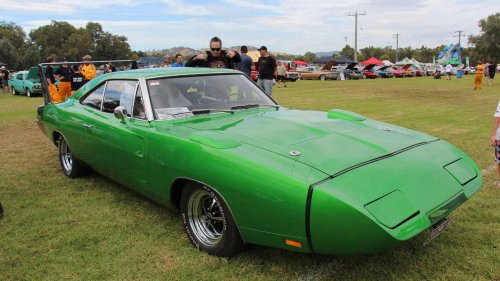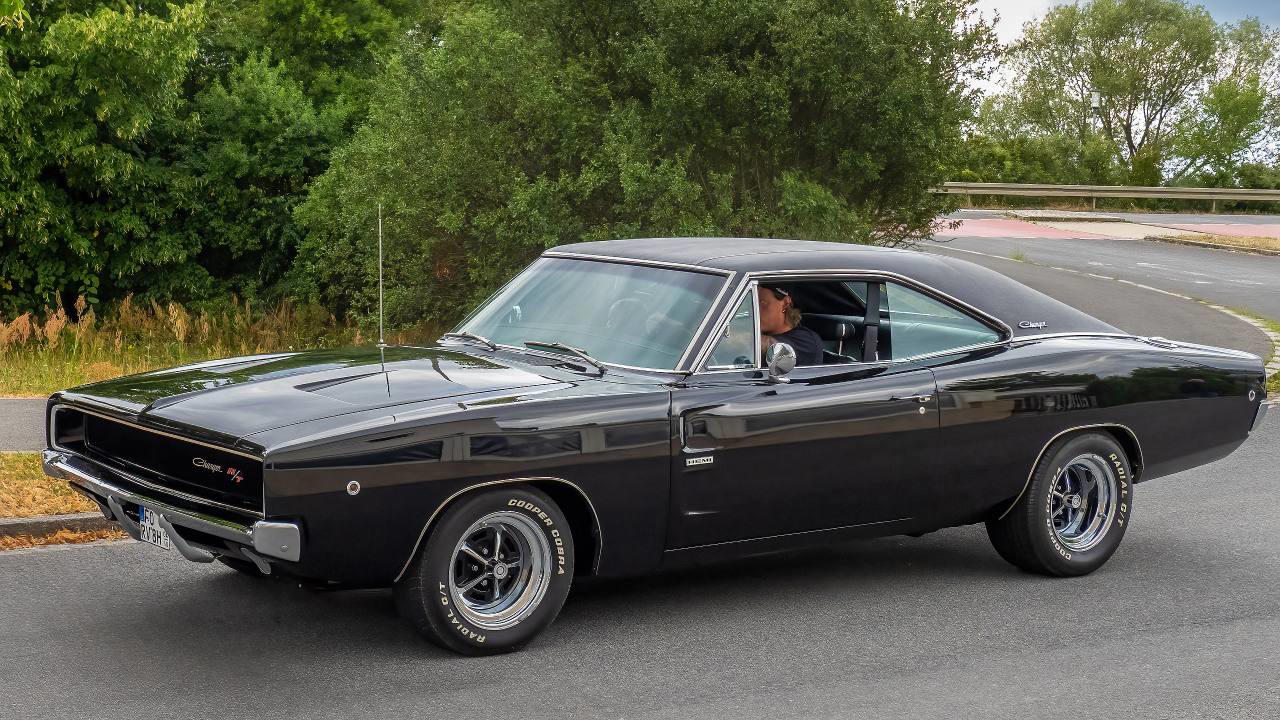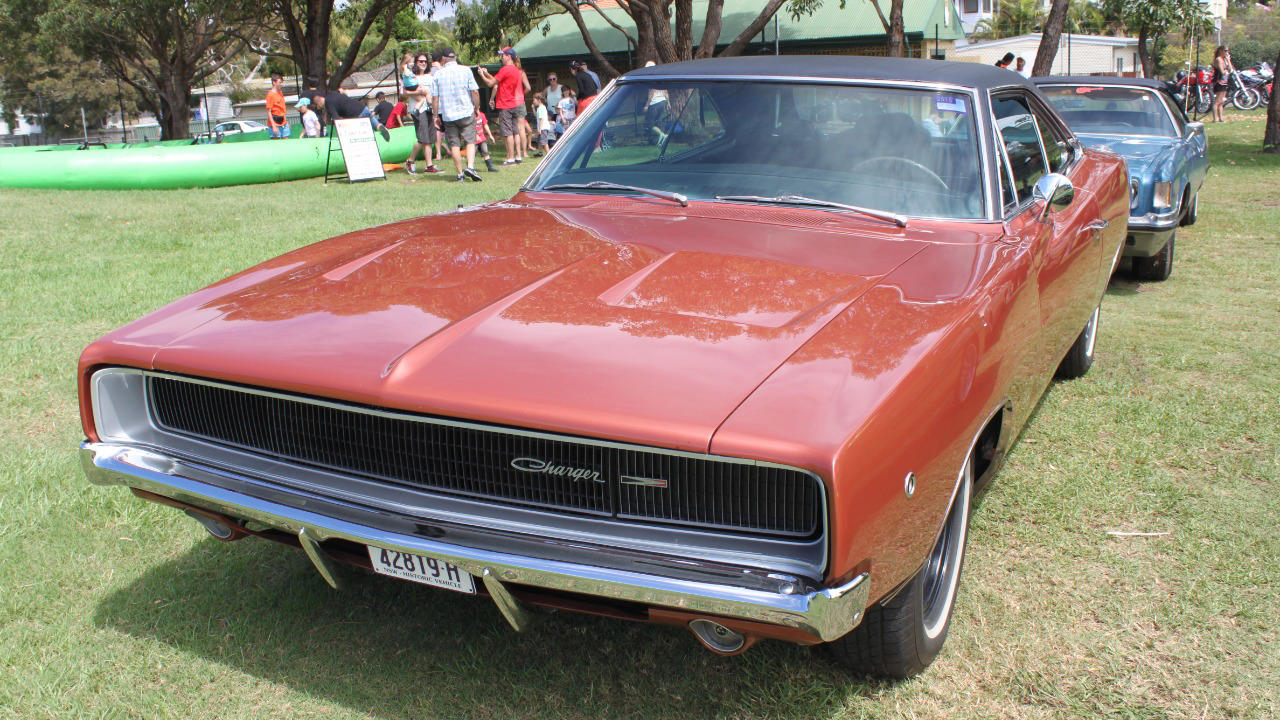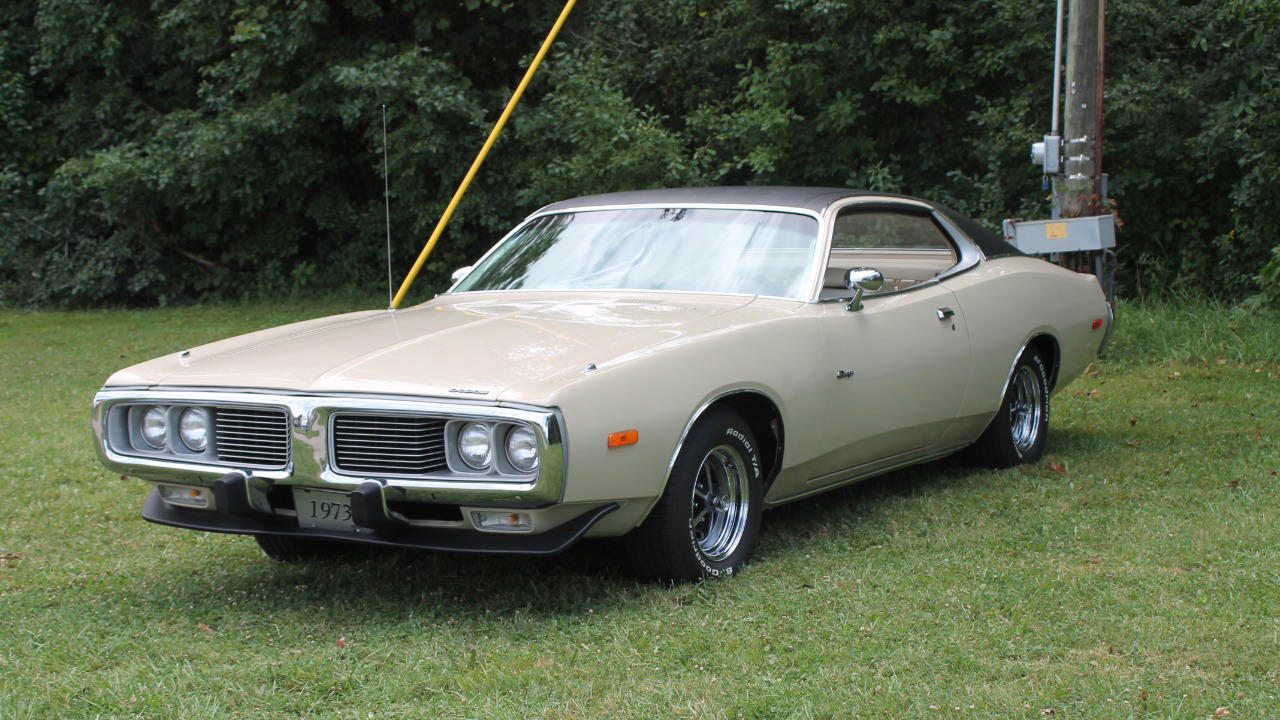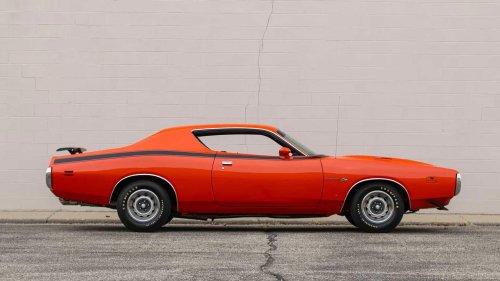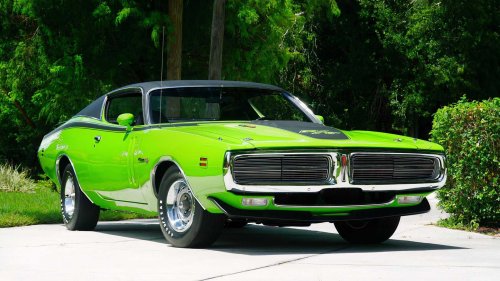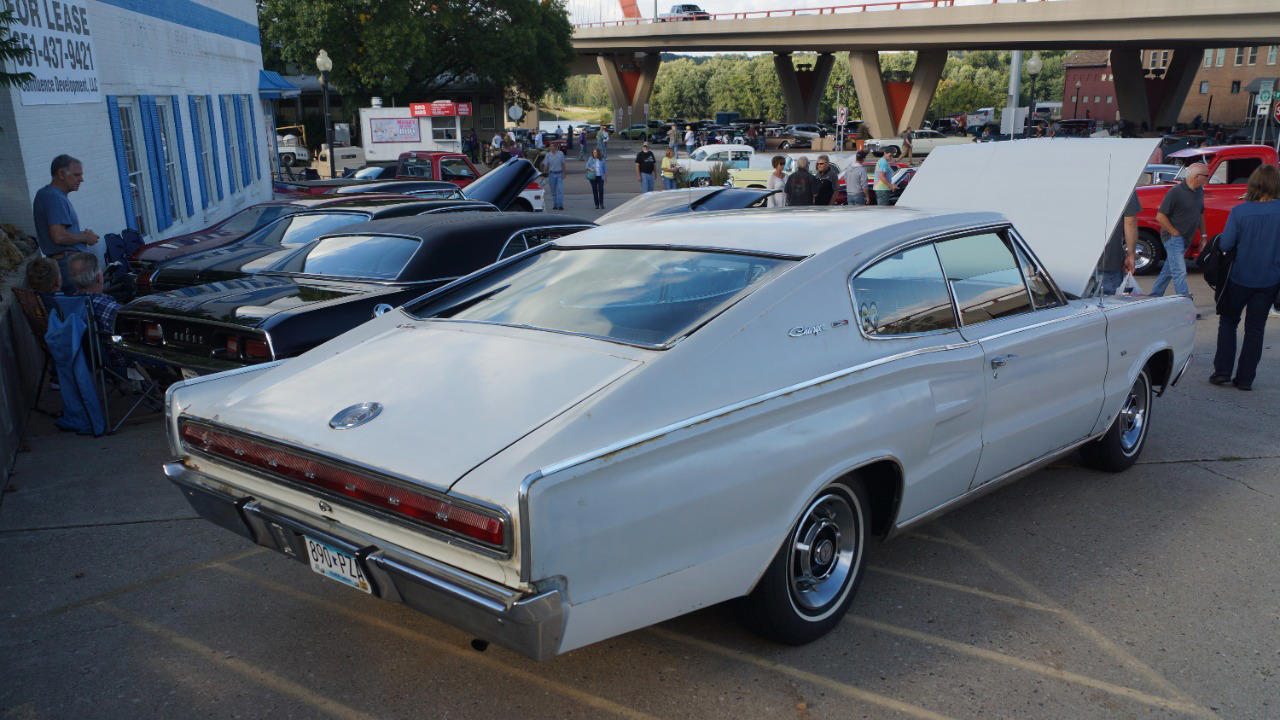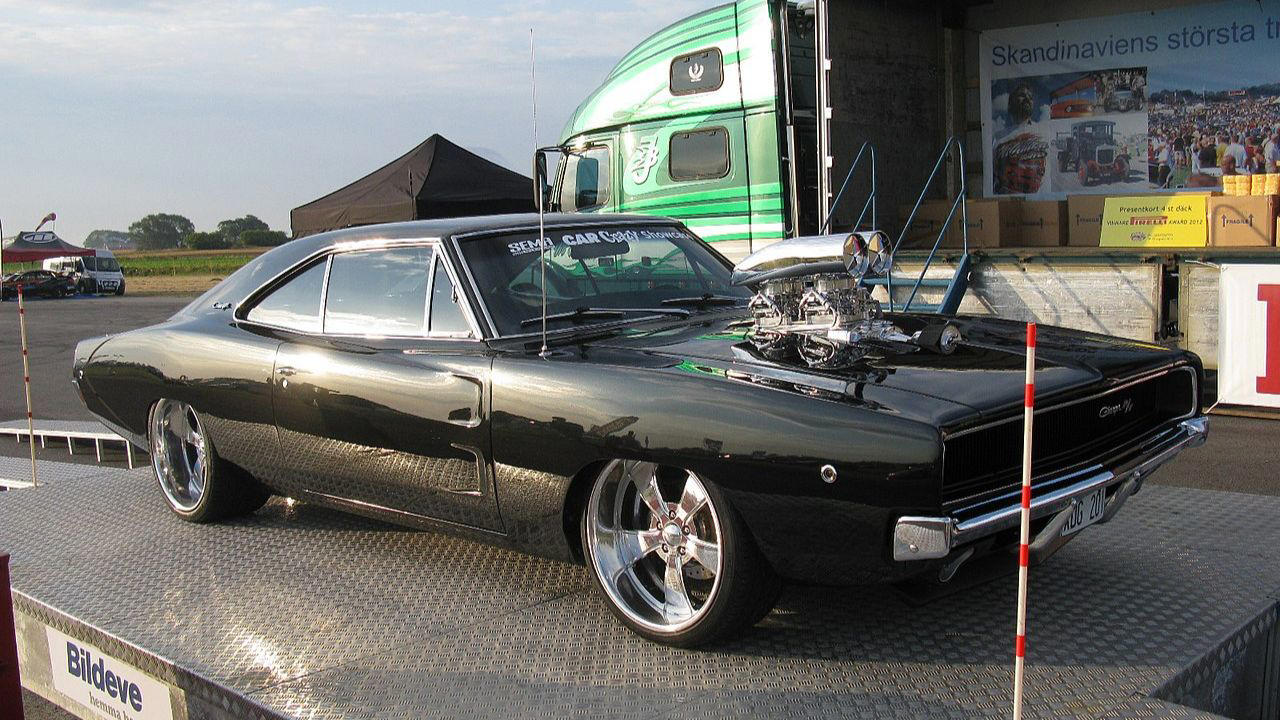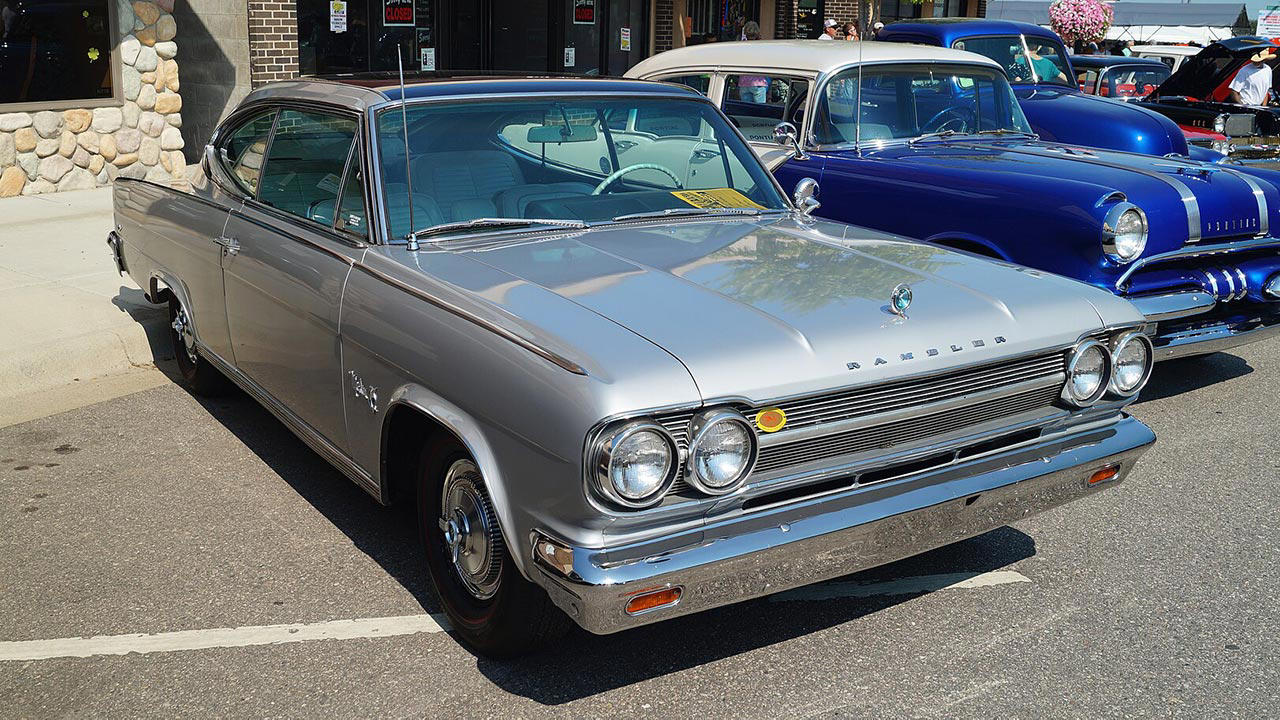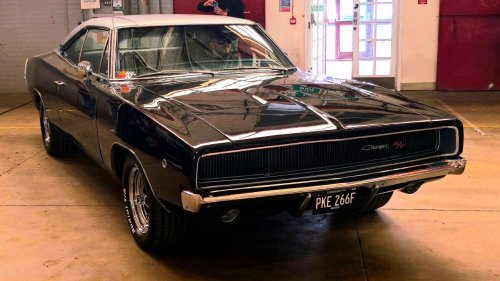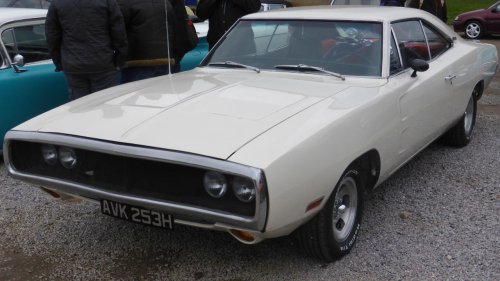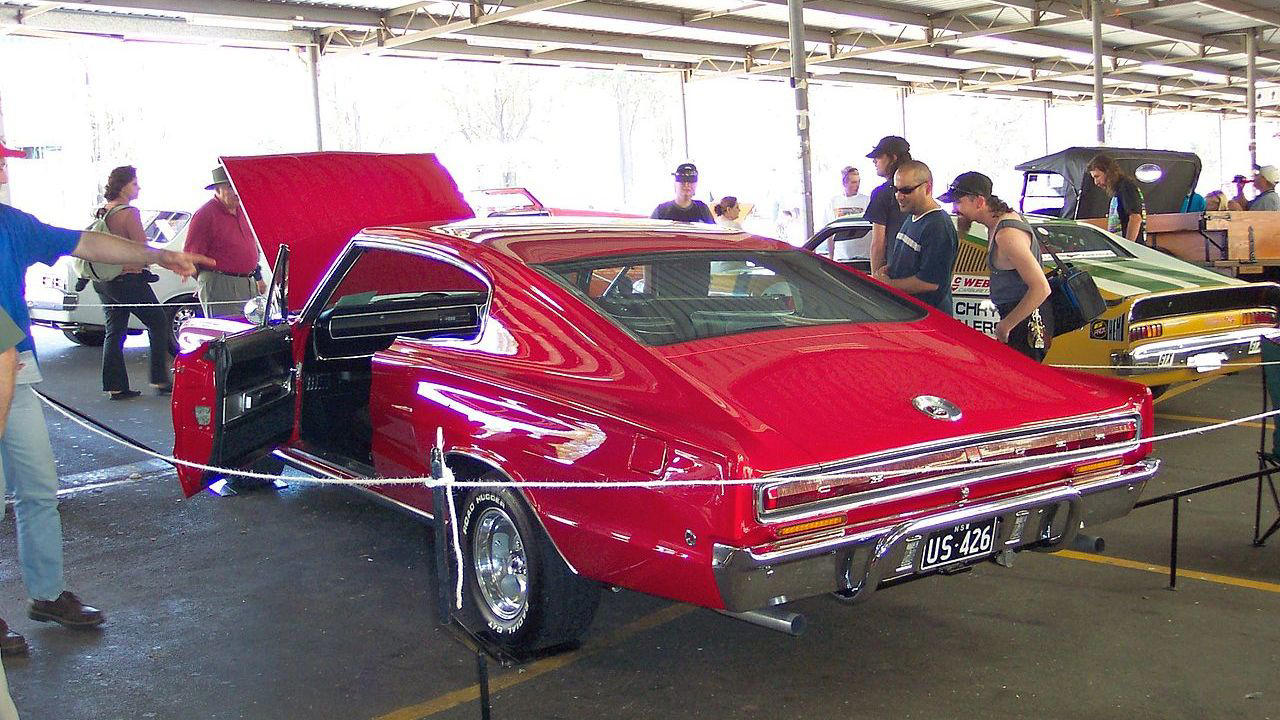



















The Charger’s fastback design made it stand out instantlyThe first Dodge Charger did not just join the muscle car crowd, it cut a new silhouette that instantly separated it from every slab-sided coupe around it. With a sweeping fastback roofline, hidden headlights and a cockpit-style interior, the Charger turned Dodge from a maker of sensible family cars into a brand suddenly associated with speed, style and risk-taking. That bold fastback shape still defines how enthusiasts see the nameplate, even as the Charger has shifted through multiple generations and body styles. The fastback that changed Dodge’s image When the Dodge Charger arrived in 1966, it was introduced as a dramatic fastback built off the mid-size Coronet platform. Contemporary accounts describe how the car’s continuous roofline flowed from the windshield to the tail, creating a profile that looked more like a concept car than a showroom model. That design helped transform perceptions of Dodge, which had been seen as a builder of practical transportation, into a company suddenly competing at the front of the performance and muscle car segment. The fastback Charger did not simply add another model to the lineup, it rewrote what a Dodge could look like. The 1966 Dodge Charger marked the debut of Dodge’s legendary muscle car, and enthusiasts still single it out for its bold fastback roofline and hidden headlamps. Period advertising leaned heavily on that shape, positioning the car as something sleek and slightly sinister among more conservative coupes. Owners remember the way the roof and rear glass created a continuous arc that made the car look in motion even when parked, a visual effect that made the Charger stand out instantly in traffic or at the drag strip. Inside, designers carried the fastback theme into a four-seat cockpit with a full-length center console and folding rear buckets that could open into a long cargo floor. The result was a car that felt closer to a grand touring machine than a simple two-door sedan. When the Dodge Charger arrived in 1966, it helped transform Dodge’s image as a maker of boring, practical cars into a leader in performance and the muscle car segment, and that shift began with the radical choice to wrap a family platform in a fastback shell. From concept sketches to a radical production car The Charger’s fastback form did not appear in a vacuum. Earlier in the decade, other American brands had started experimenting with sporty rooflines on mid-size bodies. The 1965 Marlin and similar models showed that there was room in the market for a more radical silhouette in American mid-size automobiles. Within Chrysler, designers saw an opportunity to go further, creating a car that would not just mimic existing sporty coupes but instead push the envelope with a long roof and recessed rear glass that visually stretched the car’s proportions. That design ambition was also shaped by competition. A design revolution was slowly emerging as the Plymouth Barracuda arrived, and The Ford Mustang and the AMC Rambler Marlin proved that buyers were willing to trade some practicality for style. Dodge executives wanted a response that felt more dramatic than a simple two-door hardtop. The Charger became that answer, taking the Coronet’s basic bones and wrapping them in a body that looked lower, wider and more aggressive than its sedan sibling. The Charger has come a long way since it first hit the road in 1966, but later observers still point back to that original decision to prioritize a daring roofline as the move that saved Chrysler’s performance credibility. The first car’s long hood, fastback roof and full-width taillights created a visual identity that was impossible to confuse with a Coronet or any other mid-size sedan. Enthusiasts often describe the early Charger as a “concept car you could buy,” and that perception came directly from the way the fastback design broke with the boxier shapes of its era. First-generation evolution: 1966 and 1967 The first-generation Charger covered only two model years, yet its evolution shows how quickly Dodge learned from the fastback experiment. The 1966 Dodge Charger marked the debut of Dodge’s legendary muscle car, instantly recognizable for its bold fastback roofline and hidden headlights that gave the front end a clean, almost menacing look. The car’s full-width grille and taillight treatment reinforced the sense that it was a single sculpted object rather than a collection of separate parts. By 1967, the Dodge Charger was in the second and final year of its first generation, still defined by the same sweeping fastback but refined in detail. Commentators describe the 1967 Dodge Charger as the second year of Dodge’s bold fastback muscle machine, combining sleek styling with Mopar performance. Under the skin, the car could be optioned with powerful V8 engines, yet the design remained the headline feature. The roofline, rear glass and long deck lid continued to draw attention even when the car was parked among other muscle machines. Enthusiasts often point to surviving cars and period imagery to show how radical the Charger looked compared with its peers. A popular post highlighting a 1966 1st Generation Dodge Charger notes that it was introduced in ’66 as a fastback version of the Coronet to compete with the Mustang and other sporty coupes. That description captures how Dodge used the Coronet’s proven platform but wrapped it in a body that felt entirely different. The fastback roofline was not a minor styling tweak, it was the defining feature that turned a mainstream sedan into a halo car. The 1968 design revolution and the Charger’s icon status For 1968, Dodge made the bold decision to move away from the pure fastback profile of the first-generation Charger and toward a more muscular, flying-buttress roofline. It was a bold departure from the original design, which was somewhat conservative in its detailing even as the roofline looked radical. For 1968, Dodge gave the Charger a more aggressive stance, with deeply sculpted sides, a recessed rear window and a Coke-bottle waist that amplified the car’s visual power. That second-generation shape quickly became a cultural icon. The 1968 Dodge Charger emerged as a true symbol of the muscle car era, with its aggressive styling, hidden headlights and muscular proportions. Fans of the model point out how the new body sharpened the car’s identity, turning it from a sleek fastback into a street brawler that still retained a flowing roofline. The Charger’s appearances in television and film further cemented that image, but the core of its appeal remained the way its profile separated it from more upright sedans and coupes. Even as the roofline changed, the spirit of the original fastback lived on in the way the 1968 design treated the car as a single sculpted form. The rear pillars framed a recessed backlight that hinted at the earlier full fastback glass, while the long hood and short deck proportions stayed intact. Enthusiasts who compare the 1966 and 1968 cars often see them as two interpretations of the same idea: a mid-size Dodge transformed into something exotic through the power of its roof and body lines. From classic fastback to modern four-door muscle Over subsequent decades, the Charger nameplate traveled a winding path, at times disappearing and later returning in very different form. Modern fans sometimes forget that the Charger spent part of its history as a front-wheel-drive hatchback and then reemerged as a full-size four-door sedan. Yet even as body styles shifted, the influence of that first fastback remained visible in the way designers tried to give each generation a distinctive profile. When the Charger returned as a modern four-door, critics and fans debated whether a sedan could carry the same emotional charge as the original fastback coupe. Supporters argued that the key was not the number of doors but the attitude of the design. The Charger has come a long way since it first hit the road in 1966, but advocates for the modern car point to its wide stance, muscular fenders and coupe-like roofline as evidence that it still channels the spirit of that early shape. The fastback may have given way to a more practical roof, yet the idea of a bold silhouette that instantly signals performance has stayed central. Retro-focused commentators often trace the Charger’s evolution through surviving cars and junkyard finds, showing how the fastback concept gradually morphed into other forms. When the Dodge Charger arrived in 1966, it helped transform Dodge’s image in performance and the muscle car segment, and later generations have traded on that reputation. Even when the body style shifted to a four-door, marketing materials leaned heavily on heritage cues like the full-width grille, racetrack taillights and sculpted sides that recalled the drama of the 1960s fastback. The Charger in the age of the 2026 Scat Pack SIXPACK The latest chapter in the Charger story brings the name into an era defined by new powertrains and changing expectations for performance cars. The 2026 Dodge Charger Scat Pack SIXPACK is presented as a performance model that aims to satisfy enthusiasts who still want a muscle car they can own and drive daily. Reviewers walk through its features and ask whether this is going to be one of those muscle cars that drivers will want to keep long term, focusing on power delivery, handling and the way the car feels from behind the wheel. What stands out in these modern evaluations is how often the conversation returns to design. Even as attention turns to engine technology and chassis tuning, the Charger is judged on whether its shape still conveys the sense of drama that defined the 1966 fastback. Commentators compare the current car’s wide stance and sloping roof to the original silhouette, arguing that the modern Charger must continue to look distinct from ordinary sedans if it is to honor its heritage. Video walkarounds of the 2026 Dodge Charger Scat Pack SIXPACK highlight details like the sculpted hood, aggressive front fascia and coupe-like roofline, all of which echo the Charger’s long-standing emphasis on visual impact. The specific powertrain choices may be new, but the idea remains familiar: a car that announces itself from a distance through its proportions and stance, just as the first fastback did when it appeared beside more upright family cars. Why the fastback still matters Enthusiasts who gather in online groups and at shows often return to the same point: the Charger’s identity begins with the way it looks. A community post about the 1966 Dodge Charger marked the first year of Dodge’s legendary muscle car and emphasizes how the bold fastback roofline and hidden headlights made the car instantly recognizable. Another discussion of the 1967 Dodge Charger stresses how the second year of the first generation retained that sleek fastback styling while pairing it with Mopar performance, reinforcing the idea that the roofline and the engine bay were equally important to the car’s appeal. Historical overviews of the 1969 Dodge Charger describe how the first-generation Dodge Charger, introduced in 1966, featured a radical fastback design that made it stand out and set the stage for the second-generation Charger that debuted in 1968. That continuity across generations shows how the original fastback did more than define a single model year. It created a design language that later Chargers could reference, even when the exact roofline changed. More from Fast Lane Only Unboxing the WWII Jeep in a Crate 15 rare Chevys collectors are quietly buying 10 underrated V8s still worth hunting down Police notice this before you even roll window down