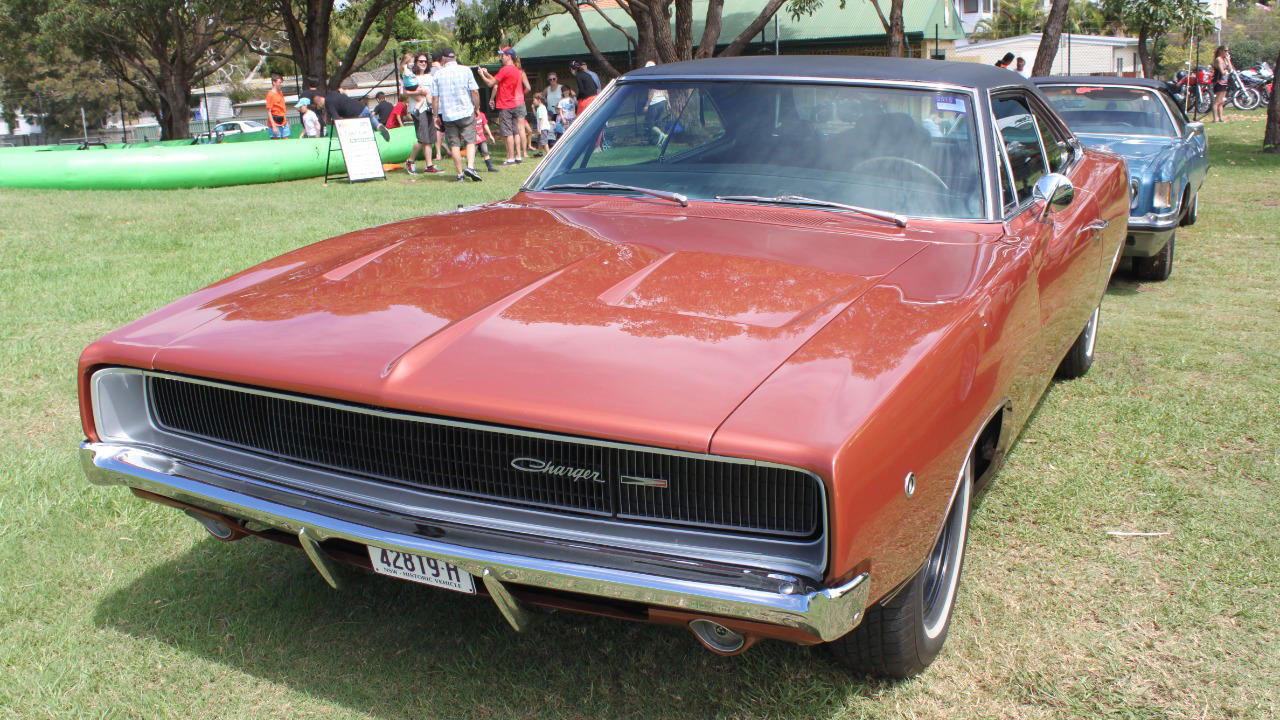
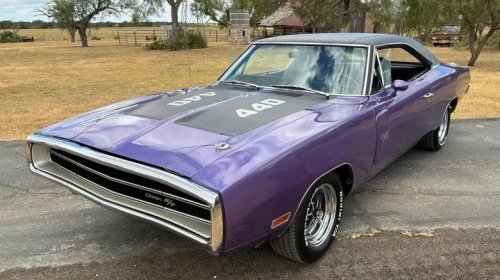
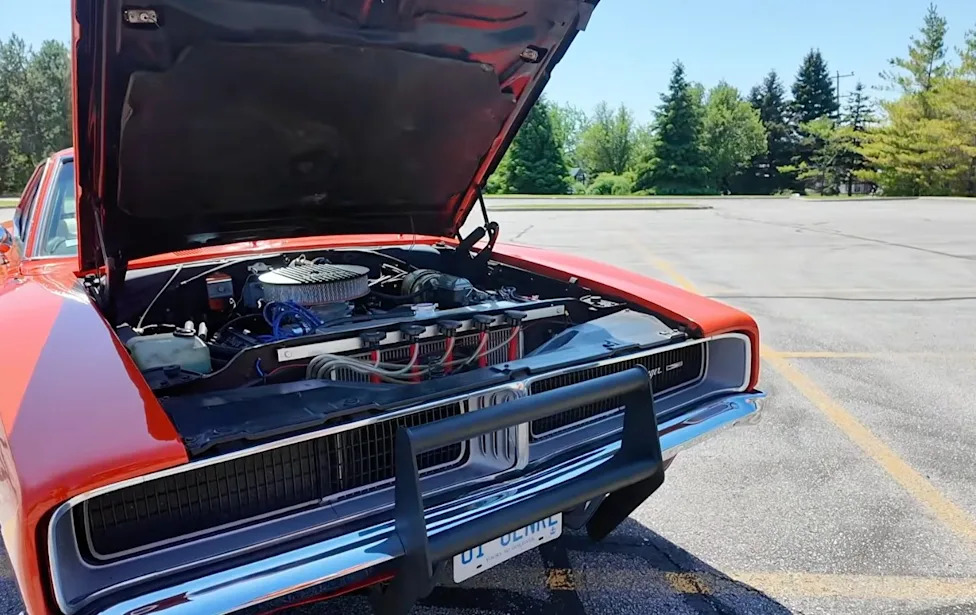
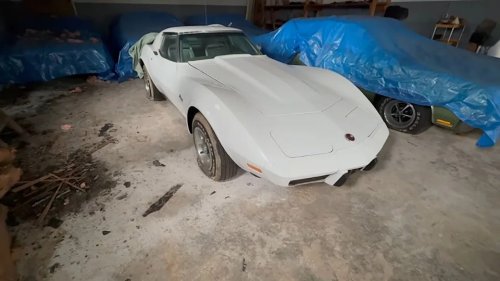
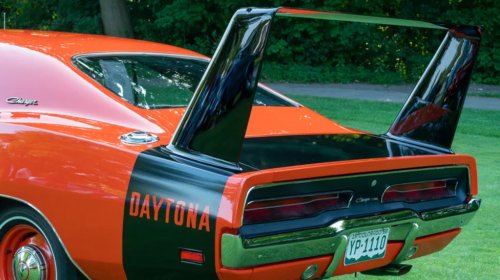
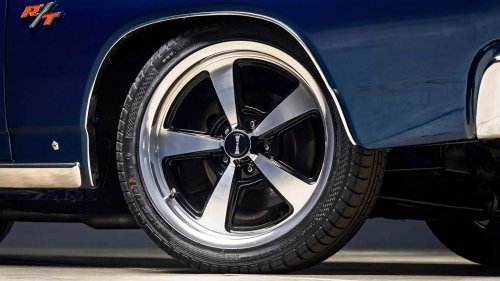
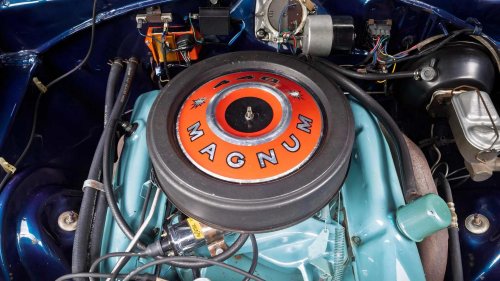
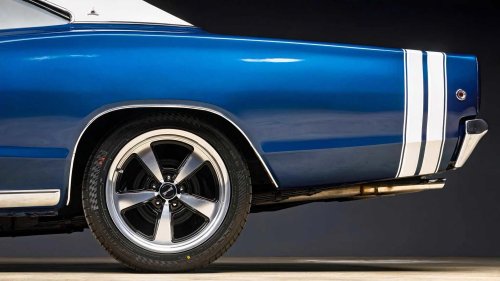
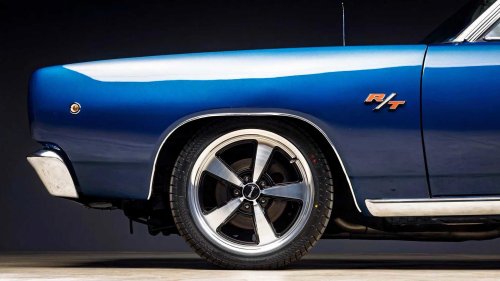
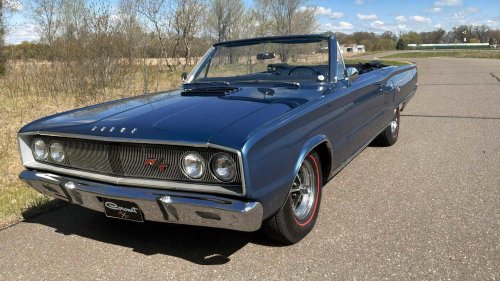
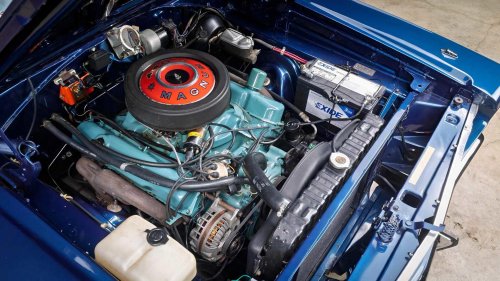
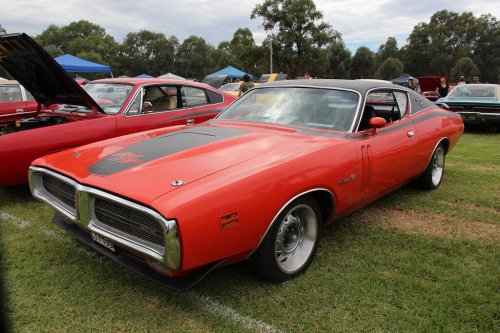
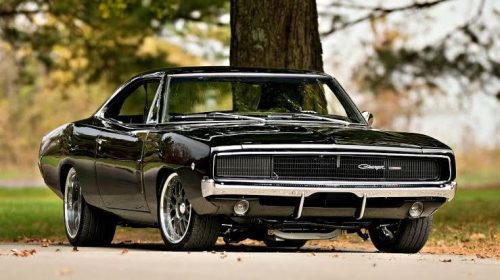
Dodge’s 1968 Charger with big-block power became one of the defining muscle cars of its eraThe 1968 Dodge Charger arrived at the height of Detroit’s horsepower war and turned an already potent nameplate into a cultural landmark. With big-block V8s, a dramatic new body and a starring role in film and motorsport, it crystallized what the muscle-car era meant on American streets. More than half a century later, its mix of style and raw power still shapes how enthusiasts define a “real” muscle car. What happened Dodge completely reworked the Charger for 1968, transforming the once-fastback coupe into a cleaner, more aggressive “Coke-bottle” shape with a recessed grille and full-width hidden headlamps. The new body rode on Chrysler’s B-body platform and targeted buyers who wanted a mid-size car with full-size attitude. Under the hood, Dodge offered a range of engines, but the big-block V8s elevated the car from stylish coupe to serious muscle. The 383 cubic-inch V8 served as the main big-block option, while the 440 Magnum sat near the top of the regular lineup with well over 350 horsepower and abundant torque. For buyers who wanted the most extreme performance available from a showroom, Dodge offered the 426 Hemi, a racing-bred engine that had already built a fearsome reputation in stock-car and drag racing. In Charger form, the Hemi turned a striking street car into one of the quickest full-bodied machines Detroit sold to the public. That combination of power and presence helped the 1968 Charger become a touchstone of late-sixties muscle. Modern enthusiasts often point to the car as one of the last pure expressions of Chrysler’s performance push before tighter emissions rules and rising insurance costs changed the market, a view echoed by coverage that describes it as the final great Mopar muscle car before the so-called malaise era, as seen in analysis of late-sixties Mopar performance. The Charger’s visual drama played a major role in its impact. Flying-buttress rear roof pillars, full-width taillamps and clean side surfacing gave it an upscale, almost custom look compared with some of its more utilitarian rivals. Dodge also pushed personalization, with R/T performance trim, bold stripe packages and a broad color palette that ranged from subdued metallics to high-impact hues. The result was a car that looked as fast as it felt, even sitting still in a dealership showroom. That appeal has carried into the collector market. Survivors with original big-block powertrains are now prized, and barn-find stories continue to surface. One recent example involved a 1968 Charger equipped with a big-block engine that had been parked for roughly 25 years before being offered for sale, complete with a rare option and an attached story about a long-time canine companion, as reported in coverage of a garage-stored 1968 Charger. Cars like that highlight how many of these machines were once ordinary drivers before becoming treasured artifacts. On the street, the 1968 Charger’s big-block lineup gave it performance that matched its image. Period road tests recorded strong quarter-mile times and high trap speeds, especially for 440 and 426 Hemi versions. The car’s weight and size meant it was not a nimble sports coupe, but in straight-line acceleration and highway passing power, it delivered the blunt-force experience muscle-car buyers expected. That blend of usable speed and everyday comfort helped the Charger appeal to a wider audience than stripped-down drag specials. The Charger also gained notoriety in popular culture. Its appearance in high-profile film chases and television series cemented the second-generation body style in the public imagination. The 1968 model, in particular, often serves as the visual shorthand when people picture a classic Charger, even when later years share similar sheet metal. That media exposure fed demand when the cars were new and continues to influence collector interest. Why it matters The 1968 Charger with big-block power matters because it captured the peak of Detroit’s muscle era in a single package. It combined a family-friendly footprint with serious performance, wrapped in styling that still looks modern enough to influence contemporary design. For many enthusiasts, it represents the moment when muscle cars balanced brute force, street presence and everyday usability before regulations and economics reshaped the segment. Modern performance rankings continue to reference the Charger when charting the evolution of American speed. Comparisons of classic and contemporary muscle icons frequently place late-sixties Mopars alongside current high-horsepower models, such as the latest supercharged Dodges and track-focused Chevrolets, as seen in lists of fastest muscle icons. The 1968 Charger’s big-block variants helped establish the standard that later cars would chase: a powerful V8, rear-wheel drive and a body that looked substantial rather than delicate. The car’s influence also shows up in how enthusiasts talk about “Mopar” identity. Chrysler’s performance image in the sixties leaned into bolder styling and more aggressive marketing than some rivals, and the Charger became one of the clearest expressions of that approach. The combination of the 440 Magnum or 426 Hemi with the Charger’s sleek profile created a halo effect that extended to other Dodge and Plymouth models, from Coronets to Road Runners. For many fans, owning a big-block Charger is still the ultimate way to participate in that heritage. At the same time, the Charger’s story illustrates how quickly tastes and regulations shifted in the early seventies. As federal emissions and safety rules tightened and insurance premiums for high-horsepower cars climbed, automakers began to soften styling and detune engines. Later Chargers adopted bulkier lines and less focused performance packages, changes that some historians and enthusiasts see as missteps. Critical retrospectives have grouped certain seventies muscle cars, including later iterations of the Charger and other B-body models, among the less successful designs of the era, as seen in a survey of controversial muscle designs. Against that backdrop, the 1968 big-block Charger stands out as a high point before the curve bent downward. It represents a moment when engineers could still prioritize performance without heavy compromises, and designers could create dramatic shapes without being constrained by new impact standards or cost-cutting mandates. That context helps explain why collectors and restorers invest so much effort in preserving these cars and why values for well-documented big-block examples have climbed. The Charger also matters for what it says about American car culture. It arrived during a period of social change and became part of a broader conversation about freedom, rebellion and identity. A large, loud V8 coupe with a bold stripe kit and deep exhaust note sent a clear signal about its driver’s priorities. That image has proven durable. Even people who have never owned a classic car can recognize a late-sixties Charger and associate it with a certain attitude toward driving. From an engineering standpoint, the 1968 Charger highlights how incremental improvements can have outsized impact. The basic B-body mechanicals were shared with other Chrysler products, but the way Dodge packaged the components, tuned the suspensions and marketed the big-block options turned a common platform into something special. That strategy, using shared underpinnings to create distinctive performance variants, remains central to how modern automakers manage costs while chasing enthusiasts. In the restoration world, the Charger’s significance has practical consequences. Availability of reproduction sheet metal, trim pieces and drivetrain components often follows demand. Because the 1968 big-block cars are so sought after, suppliers have invested in tooling to reproduce fenders, quarter panels and interior parts at a level that would be unlikely for a less iconic model. That support network makes it easier for owners to bring rough cars back to life, which in turn keeps the Charger visible at shows, auctions and on social media. What to watch next Looking ahead, the 1968 Charger’s legacy will continue to evolve as the collector market changes and as automakers pivot toward electrification. One key question is how younger enthusiasts, who grew up with digital performance metrics and modern safety expectations, will value a carbureted big-block coupe that prioritizes sound and feel over lap times. So far, interest remains strong, helped by online communities and video channels that spotlight restoration projects and driving impressions. Another factor to watch is how the definition of a muscle car adapts as electric performance vehicles enter the scene. High-output electric sedans and coupes can already out-accelerate many classic V8s in a straight line, yet they deliver that performance with very different character. The 1968 Charger’s appeal rests not only on numbers but also on the physical sensations of a large-displacement engine, from the idle lope to the way torque builds through the rev range. As the market shifts, that analog experience may become even more prized as something that new technology cannot replicate. Regulatory and environmental pressures will also shape the Charger’s future on public roads. Some regions have started to limit older, higher-emission vehicles in urban centers, which may push more classic muscle cars into occasional-use or show-only roles. Owners may respond with creative solutions such as modern fuel-injection conversions, overdrive transmissions or other sympathetic upgrades that improve drivability without erasing the car’s character. How purists and judges at major shows respond to those changes will influence restoration norms. The market for survivor and barn-find cars is another area to watch. Stories about long-parked Chargers emerging from garages and fields continue to generate attention, as seen with the previously mentioned big-block example that spent decades off the road. As more of those hidden cars are discovered and restored, the supply of untouched originals will shrink, potentially increasing the premium for cars that retain factory paint, interiors and drivetrain components. At the same time, restomod builds that blend classic bodies with modern chassis and engines are likely to remain popular among drivers who want vintage looks with contemporary performance. On the cultural side, the Charger’s presence in media will keep shaping how new audiences encounter the car. Film, television and video games often rely on recognizable silhouettes to tell quick visual stories, and the 1968 Charger’s profile is among the most distinctive of the muscle era. Each new appearance introduces the car to people who may not have seen one in person, feeding curiosity and, eventually, demand. Design influence is another thread worth following. Modern Dodge models have already borrowed cues from the late-sixties Charger, from the broad-shouldered fender lines to the full-width taillamp treatments. As manufacturers experiment with retro-inspired styling on electric platforms, elements from the 1968 car may reappear in new contexts. That feedback loop, where a historic model informs modern design that in turn renews interest in the original, helps keep the Charger relevant even as its mechanical formula ages. Finally, the way enthusiasts document and share their cars will shape the Charger’s long-term story. Detailed build threads, digitized factory literature and high-resolution photography make it easier than ever to preserve knowledge about correct parts, production quirks and period modifications. For a car as influential as the 1968 big-block Charger, that collective record ensures that future owners can understand not only how the car was built, but also why it mattered so much to the people who drove and admired it. Unboxing the WWII Jeep in a Crate 15 rare Chevys collectors are quietly buying 10 underrated V8s still worth hunting down Police notice this before you even roll window down The post Dodge’s 1968 Charger with big-block power became one of the defining muscle cars of its era appeared first on FAST LANE ONLY.