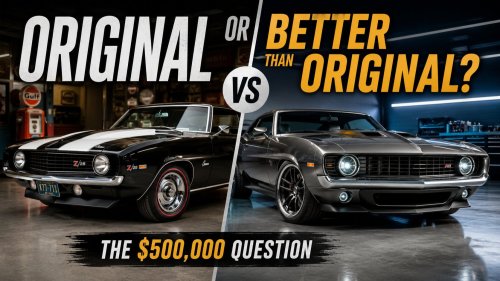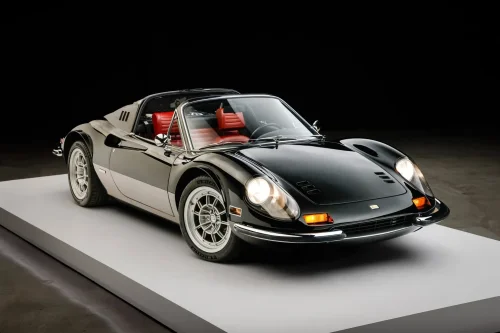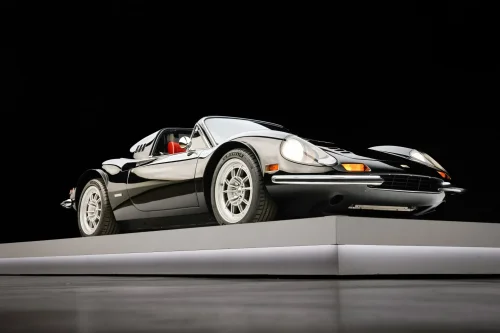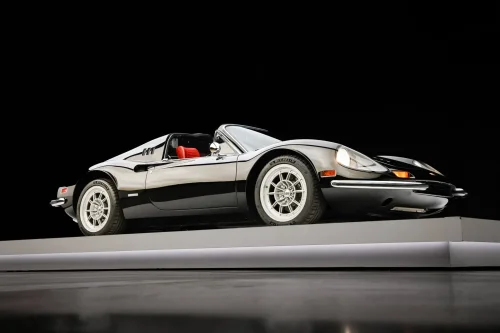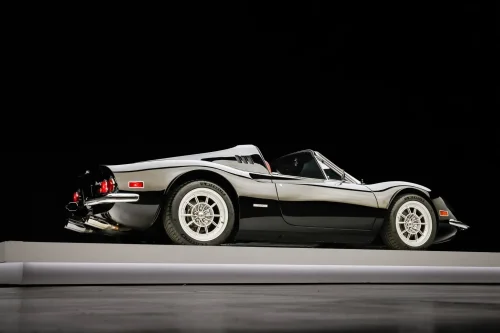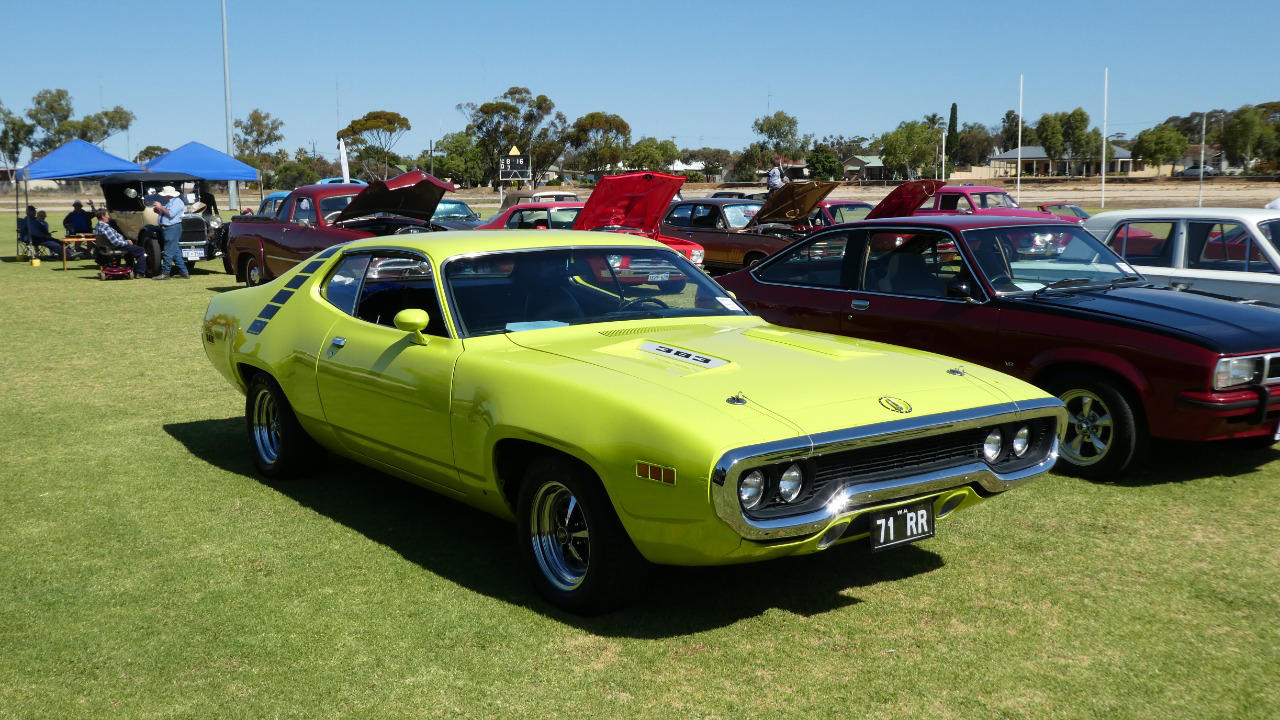



















Keep it original or upgrade everything where do enthusiasts stand nowEnthusiasts are increasingly forced to choose between preserving originality and upgrading everything, just as the car scene itself is being shaken up. Rising prices, a shift away from social media clout, and a boom in restomods and cheap builds are prompting a fresh look at what really matters: authenticity, performance, or long-term value. The split is no longer just old versus new or stock versus tuned. It now comes down to how people want to experience cars and bikes in an era when a clean, usable machine can mean more than a spec sheet or a perfect museum piece. Original vs upgraded is no longer a simple binary Across enthusiast circles, the question has shifted from whether to modify at all to how far is too far. A Facebook discussion on whether bikes should be kept original or upgraded framed it as a balance between the machine’s value, the rider’s intended use, and personal taste, with the word Balancing used explicitly to describe that trade-off. That same framework now fits cars, trucks and even scooters. On one side, originality still carries a powerful pull. Collectors pay premiums for untouched paint, factory interiors and matching numbers drivetrains. On the other hand, modern traffic, safety expectations and reliability concerns make sympathetic upgrades feel less like vandalism and more like common sense. That tension underpins almost every current debate about what to do with an older vehicle. Why originality still commands respect and money Traditional collectors continue to reward cars that remain close to how they left the factory. Guidance from classic car brokers stresses that while some Upgrades, while helpful, must not compromise a vehicle’s vintage charm if it is to retain top value. The market still pays a clear premium for originality in blue-chip models. Online discussions around city cars echo the same logic. One Reddit contributor argued that buyers prefer stock vehicles because of Resale concerns and the perception that a modified car has been driven harder. Another point made in that thread was that used car shoppers want something that looks unmolested. For owners of rare classics, that logic is amplified. A low-mileage, original paint Porsche 911 or a first-generation Honda NSX can be a financial asset as much as a driving tool. In those cases, anything beyond reversible changes, such as wheels or an exhaust, can start to look like money left on the table. Restomods and the clean build era Against that backdrop, the restomod boom has created a third path. Builders now take classic shells and fit modern engines, brakes, and electronics, then finish them with high end interiors and paint. One video on the subject defined a restomod as a classic car that has been restored and modified, then asked whether the trend had gone too far by turning old icons into luxury products for a tiny audience, a concern raised in The Dark Side of the Boom. Shops such as ECD Auto Design in Cassini, Florida, where John presents the pros and cons of original versus restomod builds, have built entire businesses on this middle ground. Their clients want the look and character of a vintage Land Rover or Jaguar, but with air conditioning, disc brakes and modern drivetrains. For many, that feels like an upgrade in every way without losing the soul of the original design. At the same time, some commentators are pushing back. A separate analysis of the trend argued that the question is not whether these builds are amazing but whether they have distorted the market by pulling desirable donor cars out of circulation and pricing enthusiasts out of ownership, a point made bluntly in another discussion of the restomod boom. Cheap builds and the return of 1990s heroes While high-end restomods chase wealthy clients, a very different movement has emerged at the other end of the spectrum. One short video that has circulated widely argues that in a world where cars are more expensive than ever, enthusiasts are looking back to the 1990s and early 2000s because these cars are more affordable and simpler to work on, a trend described in a clip about cheap car builds. The message is clear: if new performance cars are out of reach, build something interesting from older, cheaper stock. The shift is not just about budgets. Many younger builders see these cars as blank canvases. Bolt-on coilovers, junkyard turbo setups, and DIY interiors are once again in fashion, especially when combined with an aesthetic that values use and patina over perfection. The result is a wave of cars that are heavily upgraded mechanically but far from concours correct. Earlier commentary on why older cars can feel better than modern ones adds context. One widely shared video listed five reasons that old cars beat new ones, including a more connected driving experience and simpler mechanicals, and it positioned those traits as part of the appeal of Dec era cars. That nostalgia feeds directly into the appetite for cheap builds. New cars are better, yet they are losing the emotional battle Modern vehicles are faster, safer, and more efficient by almost every measurable standard. One analysis put it bluntly, stating that by every measurable standard, new cars are better, they are faster, safer, and smarter, yet they are losing ground in desirability, especially at high-end auctions where older metal still dominates, a contradiction explored in a video on why new cars. Another commentator argued that for decades speed was everything and never meant superior, but that today the most desirable cars are not the latest supercars but heavily reworked classics that combine old shapes with new performance, a point made in a discussion of why restomods are replacing new supercars. That shift helps explain why enthusiasts are so divided on whether to keep things original or upgrade aggressively. The market is rewarding both extremes, often for different reasons. Car YouTube and the move away from temporary toys Online content has amplified these debates. One prominent creator named Jan reflected on how his channel had gone through a series of very temporary cars and said he had received a lot of direct messages from viewers who expected a change in direction, a sentiment shared in a video about why Jan went through those cars. That confession captured a broader fatigue with throwaway builds done purely for clicks. In another video, Jan predicted several car trends for 2026 and was described jokingly as a bit of a prophet, while also hinting that he had used similar language in a previous clip, a self-aware moment in his Jan trends forecast. The underlying message was that viewers are starting to reward longer-term projects, deeper storytelling, and cars that stick around long enough to matter. That shift in audience taste feeds back into the originality versus upgrade debate. Channels that chase algorithm spikes with wild body kits and one-week engine swaps are losing ground to builders who either preserve an interesting survivor or carry out thoughtful, well-documented upgrades that respect the base car. The clean build era and backlash against clout mods Another creator put it even more starkly. In a video that declared the clean build era officially on, he warned that if people are still building their car for Instagram likes and clout, they are behind the curve, a criticism delivered in a piece on how Feb brought change to the car scene. The target was not the modification itself but the kind of shallow, trend-driven modding that has dominated social feeds. That frustration is echoed on other platforms. One Instagram reel listed trends that should be over in 2026, including dazzle interior lights and the habit of wrapping everything that degrades interior quality, a complaint wrapped up in a post about Trends and Wrap culture. The criticism was not subtle: some upgrades are aging badly both visually and in terms of material durability. As a result, a growing segment of enthusiasts is gravitating toward clean, cohesive builds. That can mean a mostly original car with a few carefully chosen improvements, or a fully reengineered restomod that hides its complexity under a subtle exterior. What it rarely means now is a car built purely to photograph well once. Lessons from the bike world The same arguments play out on two wheels. The Facebook thread about whether bikes should stay original or be upgraded made clear that riders also weigh value, use, and aesthetics in every decision, with the word Nov appearing in the context of that discussion. Vintage road bikes and early mountain bikes can command high prices in factory spec, yet many owners quietly fit modern drivetrains or disc brakes for safety and comfort. In both communities, the pattern repeats. The more historically significant the machine, the more pressure there is to keep it stock. The more common or affordable it is, the more freedom owners feel to experiment. That sliding scale is what makes blanket statements about originality or modification so unreliable. Where enthusiasts seem to be landing in 2026 Pulling these threads together, a few clear positions have emerged. At the purist end, collectors of rare classics still prioritize originality and view most permanent modifications as a loss of cultural and financial value. For them, the ideal car or bike is a time capsule with only invisible, reversible changes. In the middle, the restomod crowd embraces heavy upgrading but argues that it can be done with respect for the original design. Builders like John at ECD present this as a philosophy choice: keep it original and accept period compromises, or reengineer it into something that can be driven daily. Their customers tend to want both heritage and usability. At the grassroots level, cheap builds and 1990s heroes represent a kind of rebellion against both factory perfection and six-figure restomods. The people drawn to those cars are less concerned about resale and more focused on driving, learning, and expressing themselves. For them, originality is a starting point, not a goal. Layered on top of all this is a cultural shift away from clout-chasing modifications and toward cleaner, more coherent projects. The critique of Instagram-driven trends and dazzle interiors, combined with Jan’s reflection on temporary cars and the declaration that the clean build era is on, suggests that enthusiasts are increasingly skeptical of upgrades that add attention but subtract substance. The result is not a single answer but a spectrum. Enthusiasts who care about investment and history lean hard into originality. Those who want to drive their classics often choose sympathetic upgrades that can be reversed. Others are happy to cut and weld, especially on cheaper platforms, as long as the finished car or bike feels honest to their own taste rather than the algorithm’s. In 2026, the real dividing line is less about stock versus modified and more about intention. Whether someone keeps it original or upgrades everything, the builds that resonate most are the ones that reflect a clear purpose, respect the machine’s character, and are meant to be used, not just posted. More from Fast Lane Only Unboxing the WWII Jeep in a Crate 15 rare Chevys collectors are quietly buying 10 underrated V8s still worth hunting down Police notice this before you even roll window down