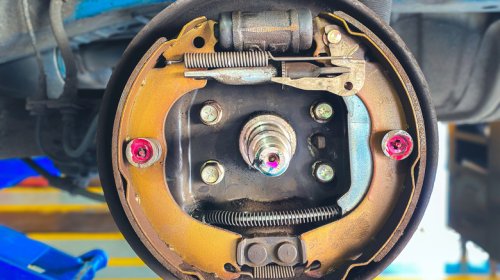
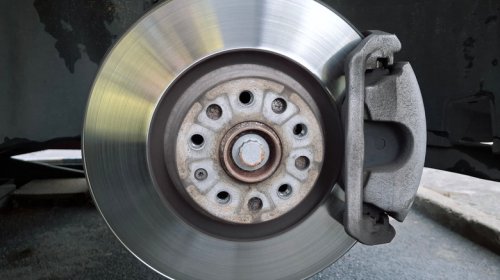
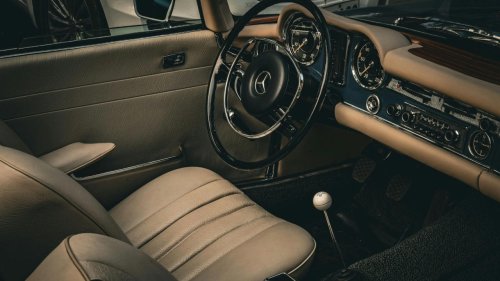
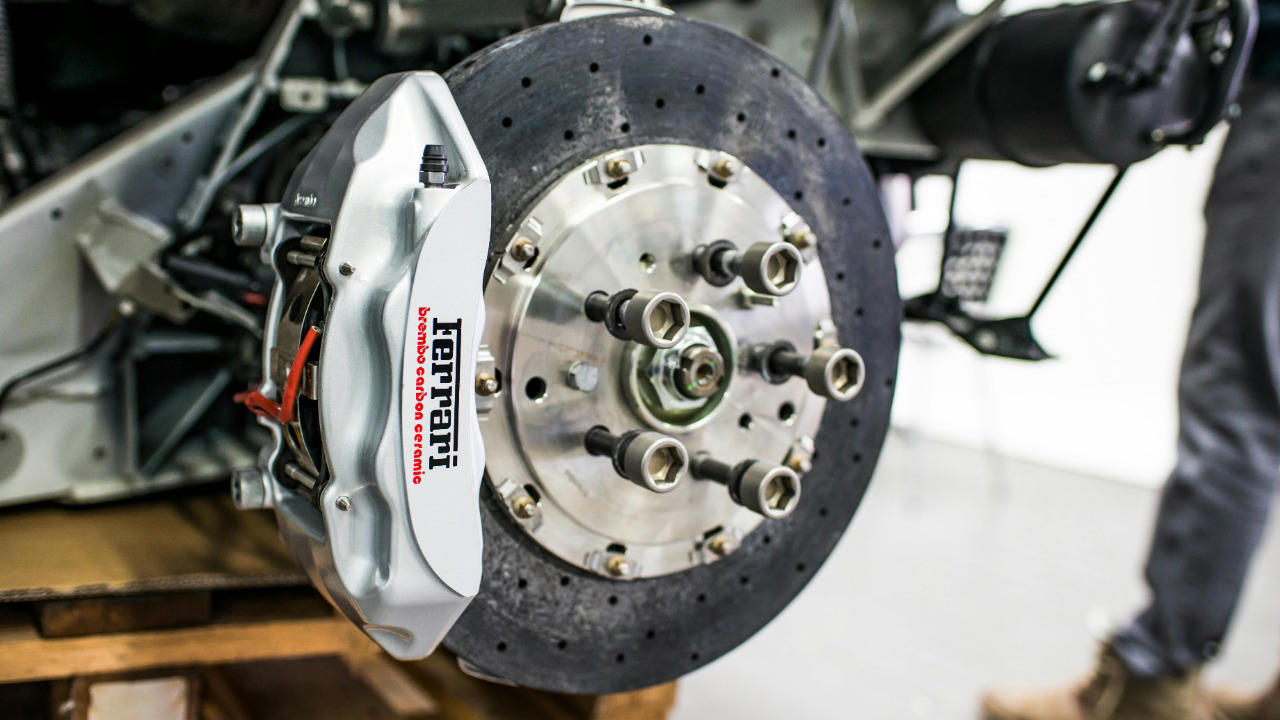
Drum brakes vs disc brakes on classics where do you draw lineClassic car owners eventually face the same uncomfortable question: keep the original drum brakes or convert to discs. The choice is rarely just about parts; it is about how far to modernize a period machine before it stops feeling like a classic at all. Drawing that line means weighing heat, cost, authenticity and how the car is actually driven. For some, the answer is simple: if the car sees real traffic, it gets disc brakes. For others, the charm of a four-drum system is part of the car’s soul. Practical and emotional arguments collide on every build sheet, from a stock 1965 Mustang to a heavily modified 1970 Camaro. How drum and disc brakes really differ The technical gap between drum and disc brakes is not just marketing. Drum brakes use curved shoes that press outward on the inside of a rotating drum. Disc brakes clamp pads onto a flat rotor. That geometry shapes almost everything that follows: heat control, pedal feel, and how the system behaves when wet. Builders who document why they switch often start with heat. One detailed breakdown from Mar on Why Builders Switch highlights that the open rotor of disc brakes bleeds heat fast, while a drum traps it. The article points to Heat as the real driver behind most conversions, especially on heavier or more powerful classics that see repeated stops. By contrast, an Apr guide titled Understanding Drum Brakes stresses that a traditional drum setup is cost-effective to manufacture, repair, and replace. The same piece notes that Drum systems can be surprisingly strong in straight-line stops when correctly adjusted, although they are more prone to fade and pull once they warm up or get out of adjustment. Where drum brakes still make sense For a lightly used classic that spends its life at local shows, the argument for keeping drums is not nostalgia alone. The Apr analysis on Understanding Drum Brakes points out that drums are typically cheaper, which matters when a full axle rebuild is already stretching a budget. Shoes, wheel cylinders and hardware can be replaced for less than a full disc kit, and the parts often fit without modifying spindles or hubs. Several technical explainers, including a Feb piece on the Difference Between Drum, underline why even modern manufacturers still use drums on some rear axles. Cost and durability, especially for parking brake mechanisms and sealed components, keep drums relevant where outright performance is not the priority. Video walk-throughs of older trucks and sedans, such as the Apr segment in Fact vs. Myth, show how a well-set-up manual four-wheel drum system can bring heavy vehicles to a stop reliably. The host argues that the myth of all Drum systems being bad ignores how these brakes were engineered for specific loads and tire technology. On a numbers-matching 1950s pickup or a concours-level 1963 Jaguar Mk2, the case for preservation is strong. Owners who rarely exceed 50 mph and avoid mountain passes may accept longer stopping distances in exchange for original appearance behind factory steel wheels. Why disc conversions dominate modern builds When classic cars are driven in modern traffic, the balance shifts. Contemporary guides for builders, such as the Comprehensive Guide for, frame disc conversions as a response to Modern safety standards and expectations. Drivers now anticipate shorter stopping distances, repeatable performance on long descents and predictable behavior in the rain. Technical comparisons from Jun on Pros highlight Better heat dissipation as the standout advantage of Disc brakes. By managing thermal expansion and shedding thermal energy quickly, discs reduce fade during repeated hard stops. That is especially relevant when a 1969 Chevrolet Chevelle now runs modern radial tires and a stroker V8 that far exceeds original power levels. Video explainers, including the Sep breakdown in Disc vs Drum, echo the same point in simpler terms. Once the system heats up, discs tend to stay consistent, while drums lose bite and lengthen stopping distances. The host also notes better performance in wet conditions, since water flings off an exposed rotor faster than it evaporates from an enclosed drum. The money question: cost, value and resale Cost-effectiveness is more than a marketing phrase. For many hobbyists, brake upgrades compete with paint, interior work, and engine repairs. The Apr guide on Understanding Drum Brakes lays out the basic math: drums are cheaper to build and to refurbish, and for some owners, that alone keeps them on the car. Disc kits, particularly branded setups from companies that also run forums like classicperformforum.com, can run into four figures once rotors, calipers, brackets, hoses, and a new master cylinder are factored in. However, the Mar analysis from Mar on Why Builders Switch argues that the long-term value of a disc conversion often shows up in reduced maintenance and better parts availability, especially for obscure drum hardware that may be out of production. Resale value can cut either way. A heavily modified 1970 Dodge Charger with a crate engine and aftermarket suspension is unlikely to lose buyers because it wears four-wheel discs. In that world, a well-documented conversion with quality components can even be a selling point. On the other hand, a survivor-grade 1964½ Ford Mustang with factory four-wheel drums might appeal more to collectors if the original brake system remains intact and functional. Some owners split the difference. They keep the original drum hardware stored on a shelf and install a reversible front disc kit that uses existing spindles. That approach preserves the option to return the car to stock if values spike or a future buyer wants authenticity above all. Safety, master cylinders, and the hidden upgrades Brakes are not just about friction at the wheels. Hydraulic layout and redundancy matter just as much. A technical guide on Single vs. Dual master cylinders explains why a dual circuit system is recommended whenever a brake system is redone. The advice is clear: if a car is being upgraded to disc brakes, it should use the large-bore master cylinder and a dual circuit layout to avoid a total loss of braking if one circuit fails. That same guide notes that the choice between a single or a dual circuit master cylinder can be as significant as the decision between drums and discs. A classic Volkswagen Beetle, for example, can gain a major safety margin simply by moving from a single-circuit drum system to a dual-circuit drum setup, even before any disc conversion is considered. Modern kits often bundle proportioning valves, residual valves, and updated lines. These components help balance front and rear braking forces and keep pedal feel consistent. Video explainers like the Nov segment in Drum Brakes vs walk through how these parts interact and why simply bolting on calipers without addressing hydraulics can create a spongy or unpredictable pedal. Front, rear or all four corners Most classic conversions start at the front axle. The Apr Reddit Comments Section example that praises Front disc and a dual bowl master cylinder reflects a common pattern: upgrade the end of the car that does most of the work. Under hard braking, weight transfer means the front brakes handle the majority of the load, so improving them delivers the biggest gain for the money. Specialist videos from Dec, such as the segment where Mark Hulahan walks through rear setups at the Speedway Motors booth in the Willwood Disc Brakes display at SEMA, focus on what really changes when the rear axle moves from drums to discs. On lighter cars, the difference in everyday driving can be modest, but on trucks that tow or muscle cars with sticky tires, rear discs can help prevent premature lockup and improve stability. Some builders keep rear drums even when the front is converted. The Feb explanation on The Difference Between Drum notes that drums can still provide strong holding power for parking brakes and can be more resistant to corrosion in harsh climates. That makes a hybrid setup, front discs and rear drums, a reasonable compromise for street-driven classics. Authenticity, aesthetics, and community pressure Beyond the spreadsheets and spec sheets, the brake debate is cultural. Owners of period-correct restorations often worry that a shiny modern caliper peeking through a wire wheel will jar the eye. Others feel that hiding a performance upgrade behind stock-style steel wheels respects the original look while quietly improving safety. Social media and brand communities feed into those choices. Builders who follow the Discovered links from Pros and Cons of Switching Drum to Disc Brakes often land on ClassicPerform pages or on teamcpp.com, where photo galleries showcase disc conversions on everything from Chevrolet C10 trucks to early Camaros. The visual language in those galleries normalizes big rotors and multi-piston calipers as part of the modern pro-touring look. On the other side, owners who gravitate toward British sports cars or early European sedans may spend more time on communities linked from Discovered Drum Disc Brakes Should You Upgrade Your Classic Car, such as classiccarsandcampers.co.uk and its social accounts like CarsCampers. There, the emphasis often leans toward sympathetic upgrades that keep the car visually period correct, for example, finned aluminum drums that mimic factory race parts. Peer pressure can be subtle. A builder who posts a freshly restored 1967 Pontiac GTO with original drums may quickly hear from commenters urging a disc swap “for safety.” Others will chime in to defend the stock look. The result is a conversation that mirrors the internal debate every owner has about where to draw the modernization line. Real-world use cases: from show field to mountain pass How and where a classic is driven might be the most honest way to decide. A 1962 Chevrolet Impala that travels on a trailer to indoor shows and moves only at parking lot speeds can justify a carefully restored four-drum system. In that context, the owner may prioritize period-correct hardware and even factory-correct paint marks on the backing plates. Where to draw the line Originality first: For low-mileage, historically significant cars that rarely leave low-speed environments, keeping drums, possibly with a dual circuit master cylinder and fresh components, respects the car’s story while delivering acceptable performance. Balanced approach: For regularly driven weekend cars that see mixed city and highway use, front disc and rear drum setups, paired with a dual circuit system, often strike the best compromise between safety, cost and period feel. Performance priority: For cars that run mountain roads, track days, or carry significantly more power than stock, four-wheel discs, modern pads and updated hydraulics align with the heat and consistency advantages that Mar, Jun and Sep sources describe. More from Fast Lane Only Unboxing the WWII Jeep in a Crate 15 rare Chevys collectors are quietly buying 10 underrated V8s still worth hunting down Police notice this before you even roll window down



















 +70 others