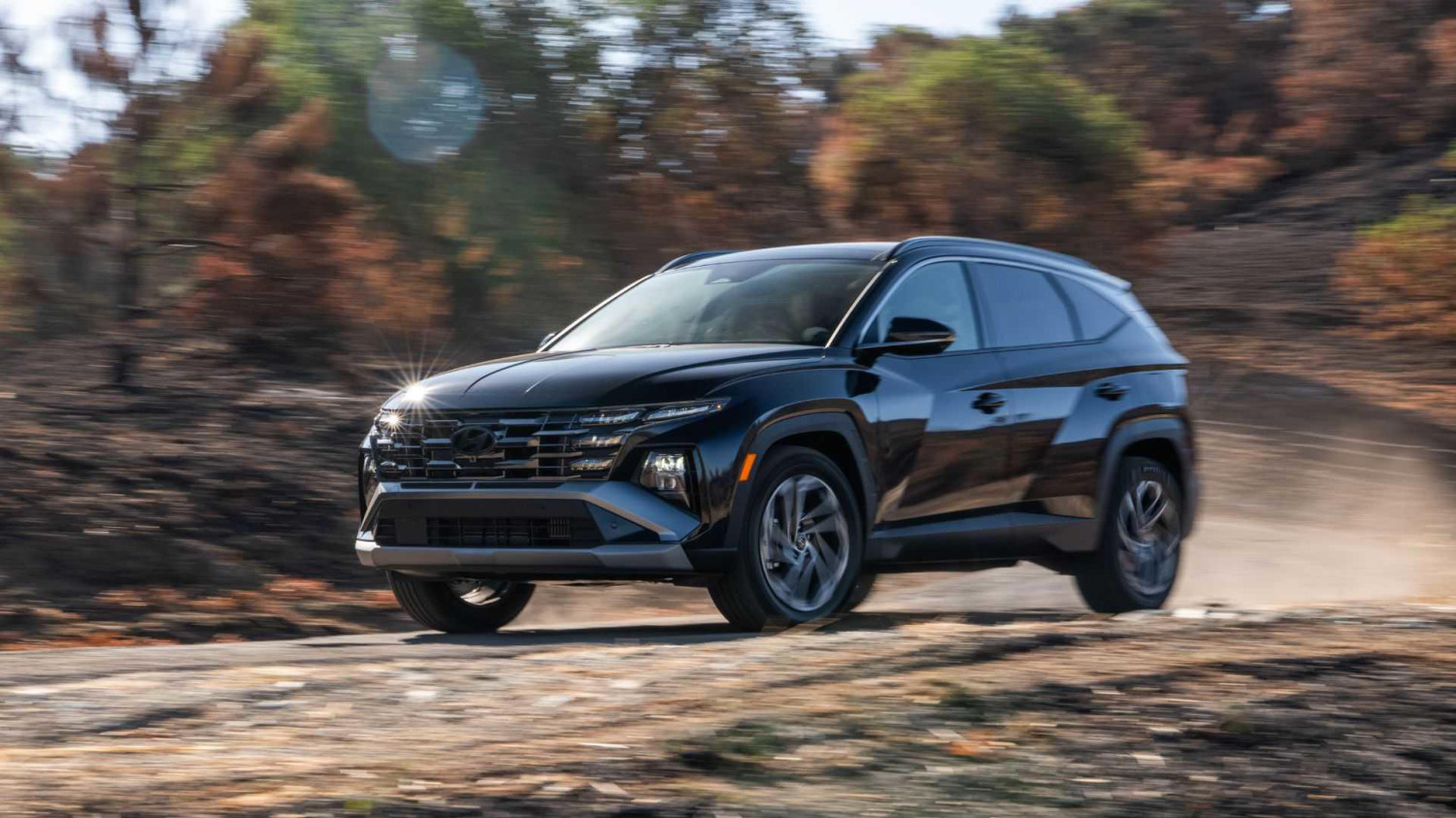
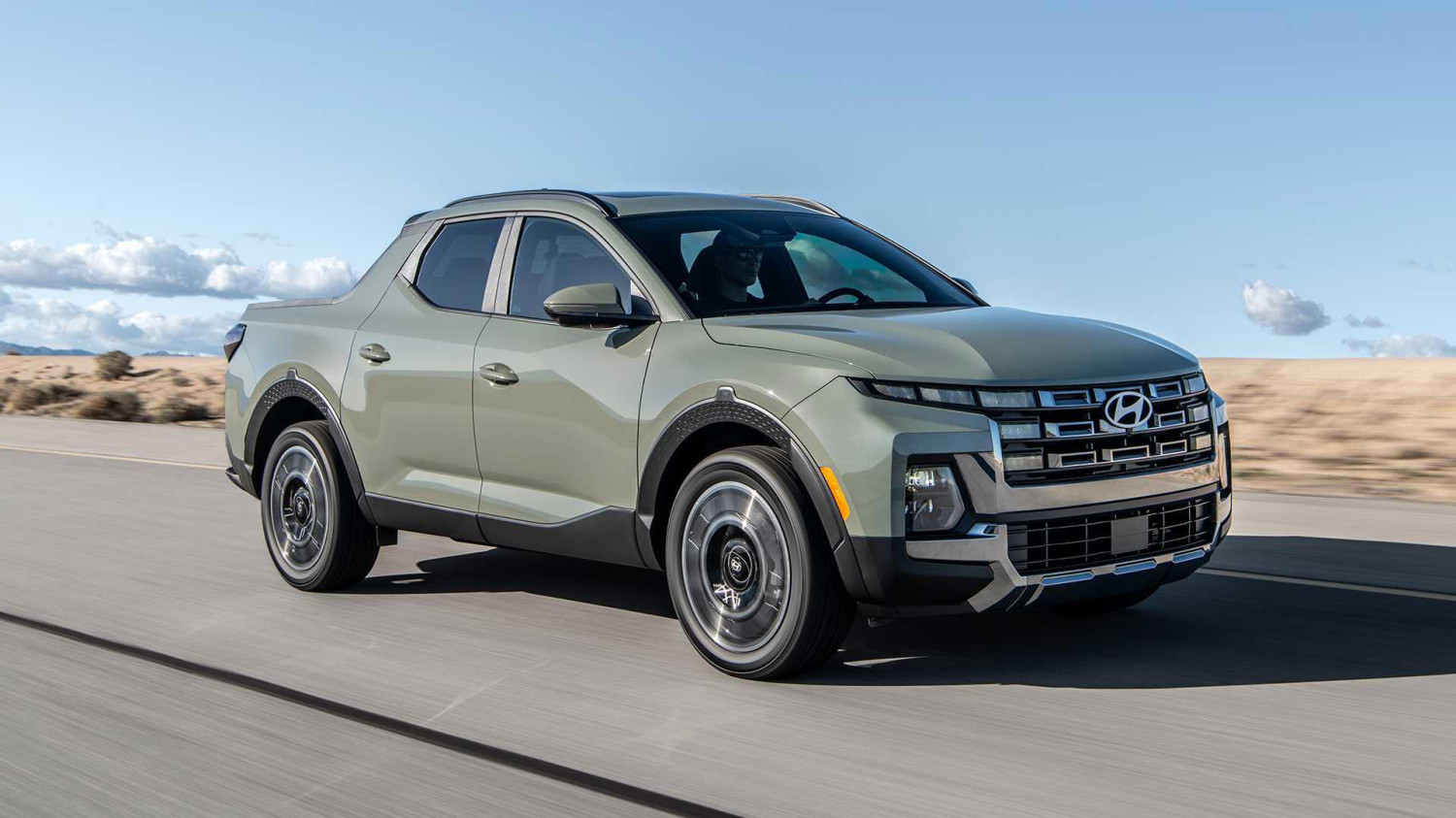



















Hyundai has just issued a recall for more than 420,000 SUVs and pickups over a problem with the collision avoidance system. The issue affects the Hyundai Tucson and Santa Cruz over model years 2025 and 2026, and the problem is that they can brake to avoid a potential crash that isn't even there. System Might Be A Little Too Eager To Avoid Some Collisions Hyundai In documents filed with the NHTSA, Hyundai described the issue. It said that in some situations the Forward Collision Avoidance system "may exhibit increased sensitivity to forward object proximity" in certain scenarios on the road. Basically, the vehicle believes that a crash is imminent, so it takes steps to try and avoid or minimize it.The step it takes is to apply maximum braking, which is exactly what autonomous emergency braking systems like this are designed to do. The problem is that if there isn't an actual imminent crash, the vehicle has just slammed on the brakes in the middle of the road for no obvious reason.That action can surprise a driver and throw driver, passengers, and anything in the vehicle forward. The larger problem, and the reason for the recall, is that it can increase the risk of a different kind of crash. The kind where you're rear-ended by a vehicle whose driver couldn't respond quickly enough to your sudden braking.Hyundai told regulators that it had received 376 reports about the operation of the Forward Collision Avoidance system. Four of those reports involved Hyundai vehicles that were then rear-ended by the following vehicle, and the filings say this allegedly resulted in four injuries. Hyundai said it was not aware of any fires or fatalities related to the problem, a standard question in recall documents.The recall involves 13,082 2025 and 2026 Hyundai Santa Cruz pickups as well as 407,996 Hyundai Tucson SUVs including the Hybrid and Plug-in Hybrid. The affected build dates vary greatly between the four types involved, but owners can now search their vehicle VIN through Hyundai or the NHTSA's recall site. Software Update Is The Cure Hyundai Hyundai will remedy the issue with a new software update. The Korean automaker describes the original software logic as "conservatively tuned to detect impending frontal crashes using specific parameters such as speed, operator input, and proximity to surrounding vehicles." The new software "has been tuned to better align with operator expectation for activation timing and distance to leading vehicle."New vehicle production got the software update in March. Customers will be able to get it starting in July, and Hyundai will mail notifications to customers starting July 17. There is no charge for the recall repair.Hyundai said in the recall documents that it first learned about the problem from a vehicle owner questionnaire. Responses to the questionnaire alleged unintended braking, and the company began to investigate. Over the year, Hyundai's safety office ran tests and met with the NHTSA to define the issue and implement the solution.This phenomenon, called "phantom braking," is becoming more common as more vehicles offer collision avoidance systems. Automakers are taking steps to make their systems work better in the real world, but the NHTSA has investigated automakers in the past, and Honda spent nearly a decade with lawsuits alleging defects in its own system.If you have questions about this or any recall or safety concern, contact the NHTSA or your vehicle manufacturer.Source: NHTSA