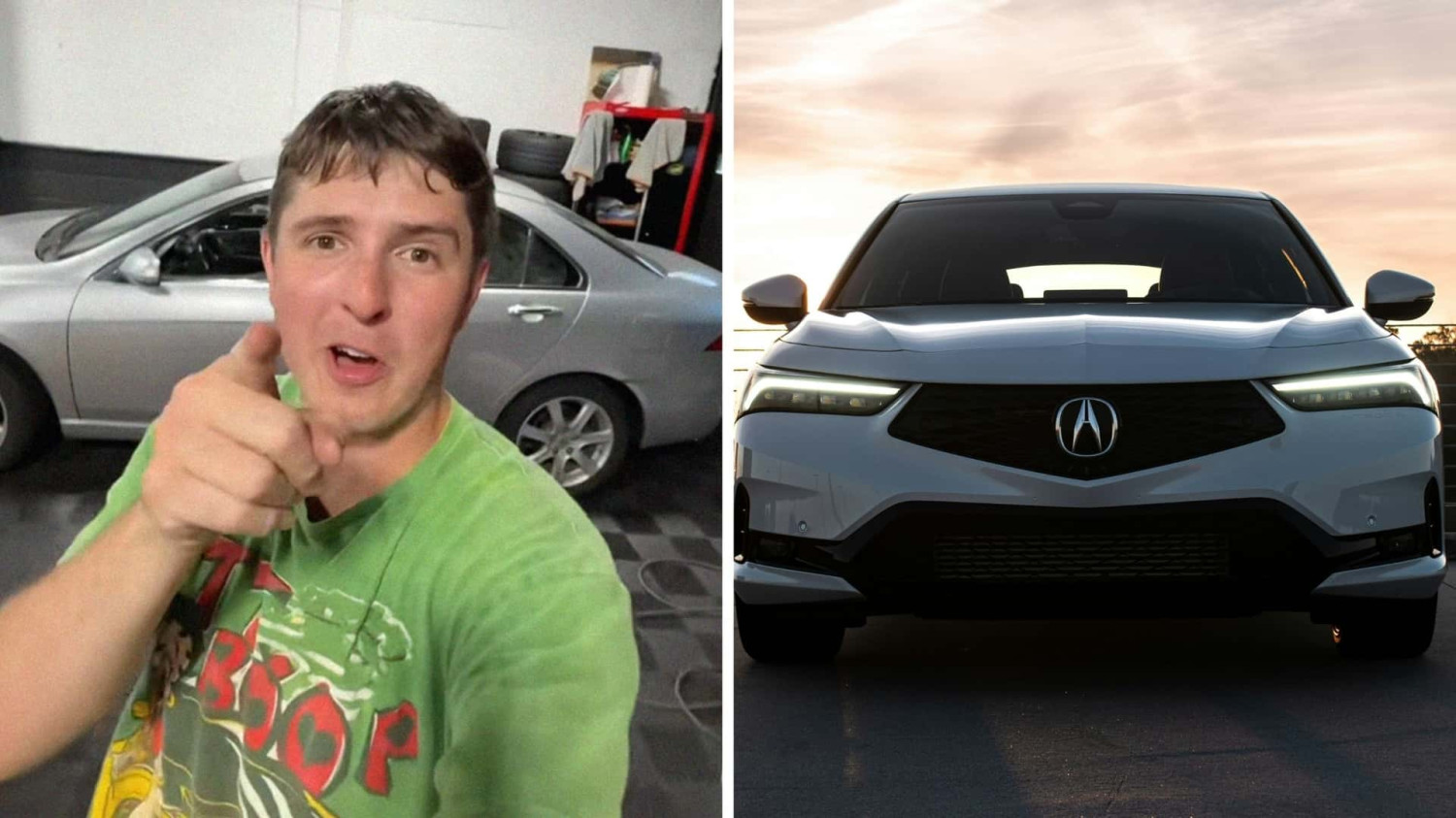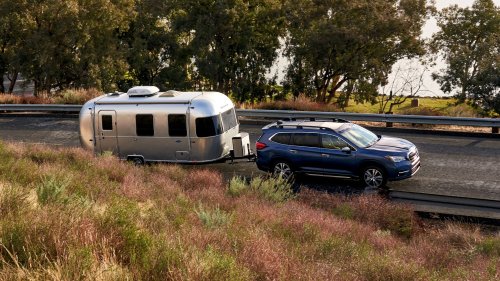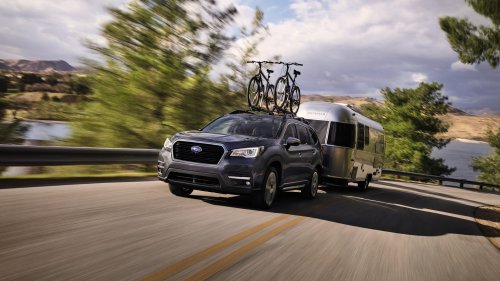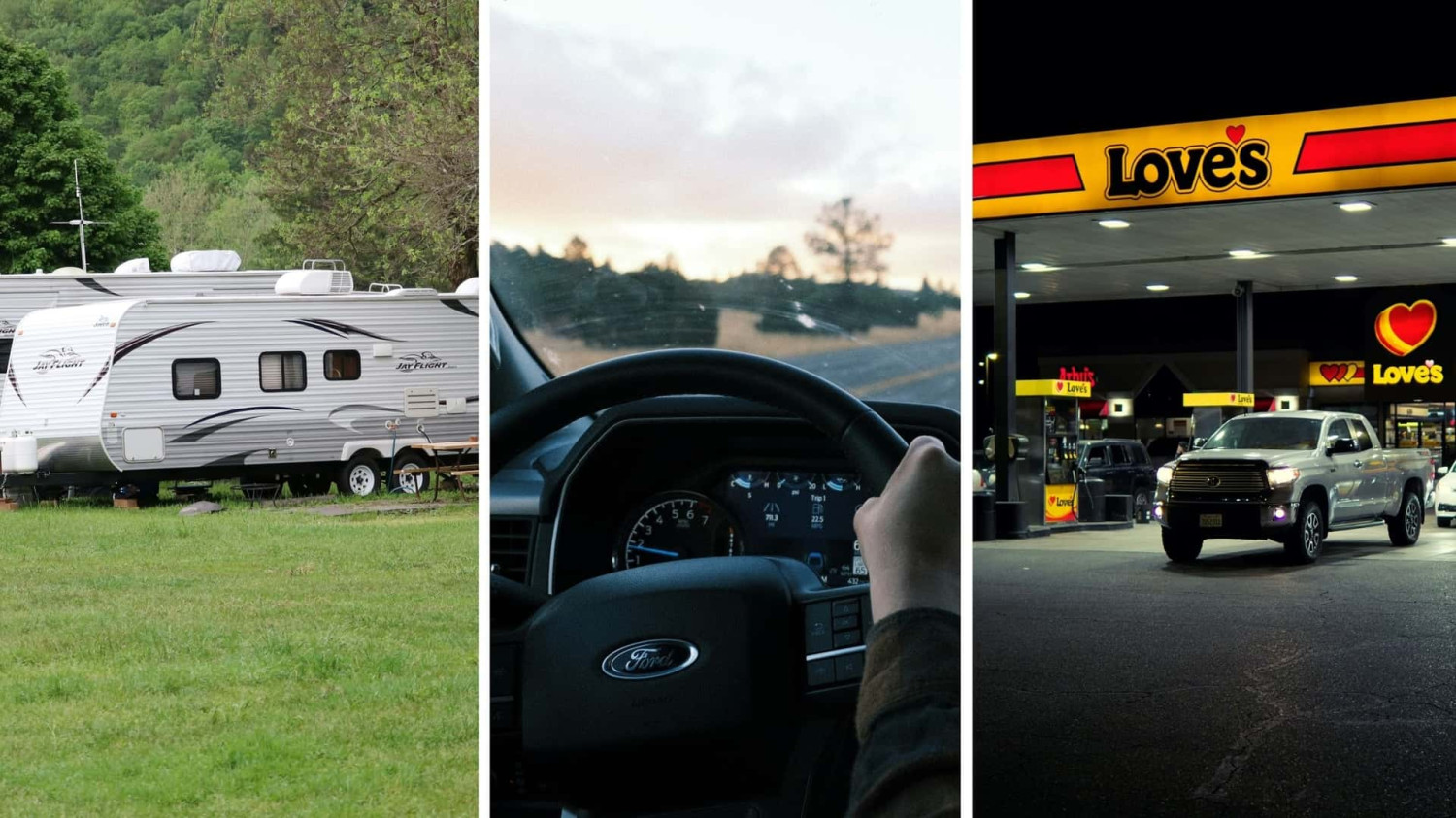



















Every summer, the roads fill up with people who bought a trailer, hitched it to whatever they were driving, and figured their car could haul the tons of weight behind them. While sometimes it turns out fine, a poorly hitched trailer can cause some serious issues for the people towing it and others on the road. Tow Gone Wrong At Love's Gas Station In a Facebook video with more than 2.2 million views, Cedar Sense (@cedarsense1) films what he spotted at a Love's gas station while out hauling saunas. In the video, you can see a big red Ford Explorer towing a full-size RV trailer, with the rear of the vehicle visibly sagging under the weight. "I think that's how you load a trailer," he says, gesturing to his own setup. Then, panning over to the red SUV, "I'm not sure if that's how you do it." "Must have the tow package," he adds in the caption. Commenters React To Ford Explorer Towing Heavy Load "I bet the camper salesman told them their car would pull it no problem," a person said. Several people claimed to have spotted the same rig out on the road. "I seen that mf doing 45 on 80," a commenter wrote. "I passed that guy on I80," another claimed. Others zeroed in on the potential dangers: "No equalizer bars either. You know that was a hazard on the highway." "Pulling is easy, stopping is not," another said. "Meanwhile the transmission,” a third added. What Happens When You Exceed Your Tow Rating Every vehicle has a towing capacity. According to Kelley Blue Book, that rating is tied to the vehicle's engine, braking system, frame, and suspension. Push past it, and each of those systems starts struggling simultaneously. Braking distance increases dramatically because the vehicle is being asked to stop more mass than it was engineered for. The transmission overheats under sustained strain. The rear suspension compresses, which shifts weight off the front wheels and makes steering unpredictable. Trailer sway is where things get genuinely dangerous. When too much weight sits toward the rear of a trailer, it acts like a pendulum, pushing the back end of the tow vehicle side to side. Once sway starts at highway speed, recovering without a sway control system is extremely difficult, and braking during active sway makes it worse, since the braking force now has to fight both forward motion and lateral oscillation at the same time. The NHTSA has found that vehicles towing trailers are involved in accidents at twice the rate of non-towing vehicles. What To Know Before You Hitch Up According to CURT Manufacturing, here's what to check before you leave the driveway: Find your GCWR. The Gross Combined Weight Rating is the maximum total weight of your vehicle, trailer, passengers, and cargo combined. It's in your owner's manual or on a sticker inside the driver's door jamb. Check the trailer's GVWR. The Gross Vehicle Weight Rating is the trailer's maximum loaded weight. It needs to stay under your vehicle's remaining GCWR after accounting for passengers and gear. Watch your tongue weight. The downward force on the hitch ball should be between 10% and 15% of the total trailer weight. Too little and the trailer sways; too much and the front wheels lose traction. Use equalizer bars for heavier loads. These distribute tongue weight evenly across both axles and are generally recommended when the trailer exceeds 50% of the tow vehicle's weight. Several commenters flagged that this setup had none. Motor1 reached out to Cedar Sense for comment via email and Facebook direct message. We will update this story if he responds. We want your opinion! What would you like to see on Motor1.com? Take our 3 minute survey. - The Motor1.com Team