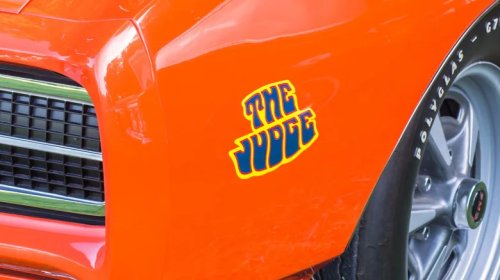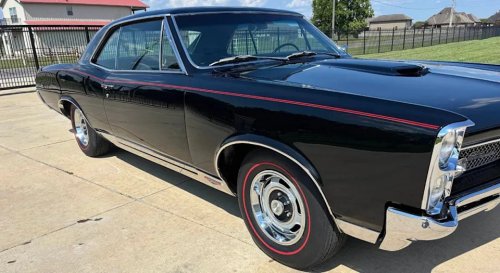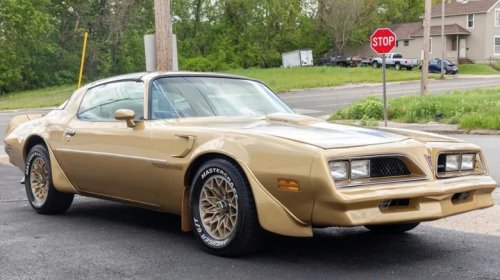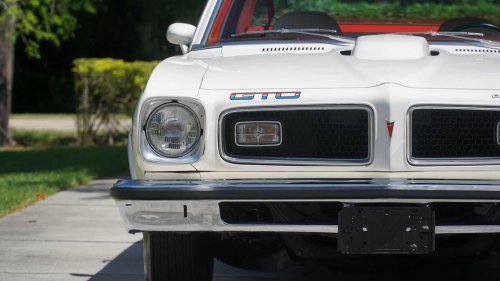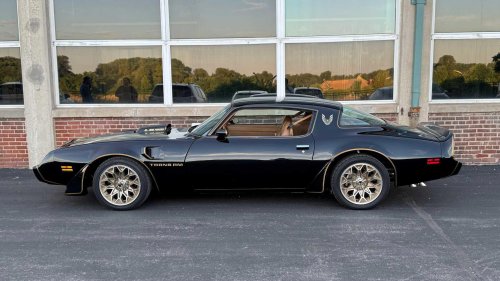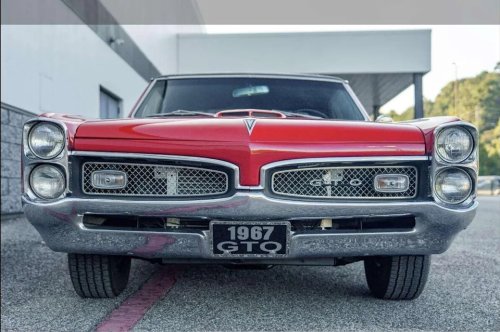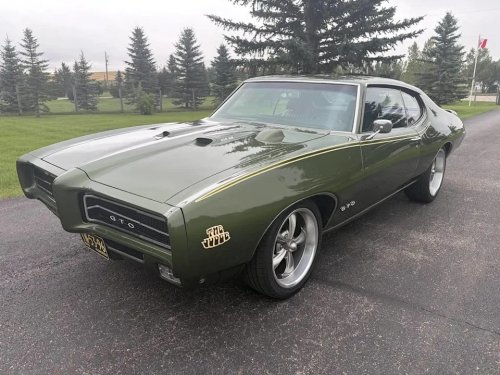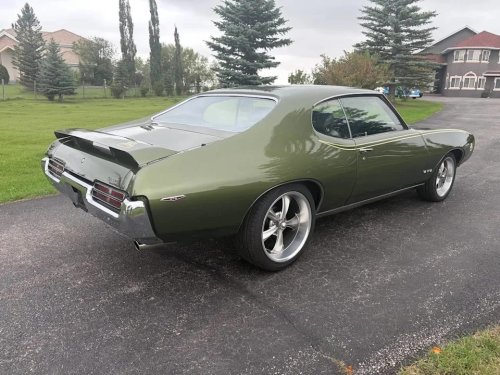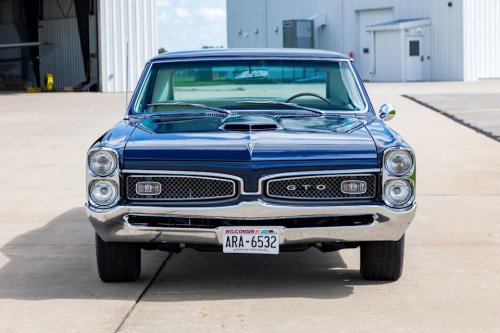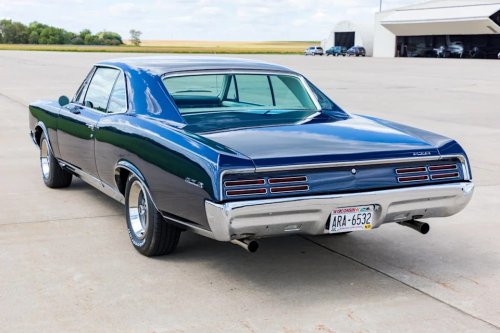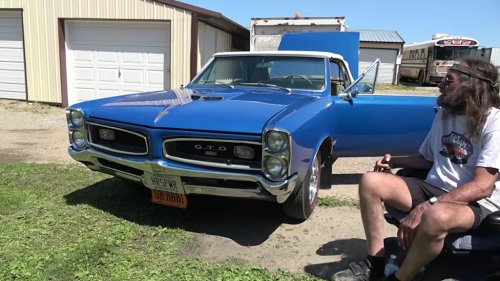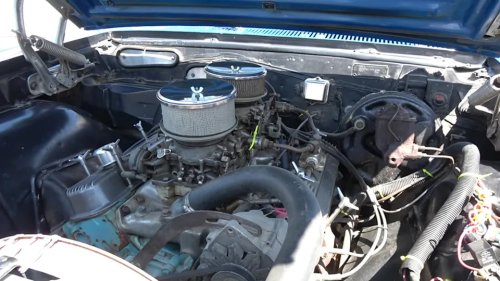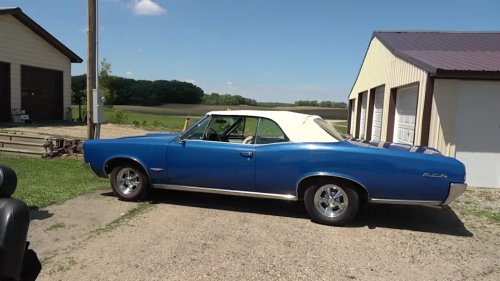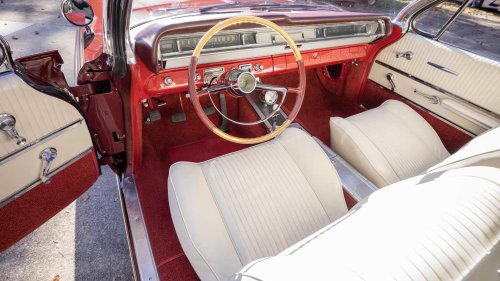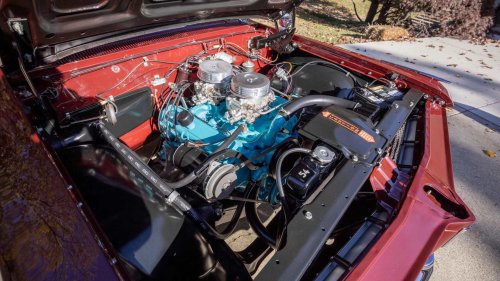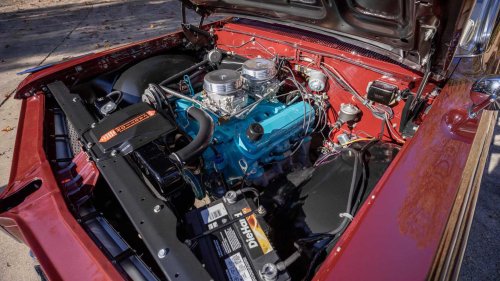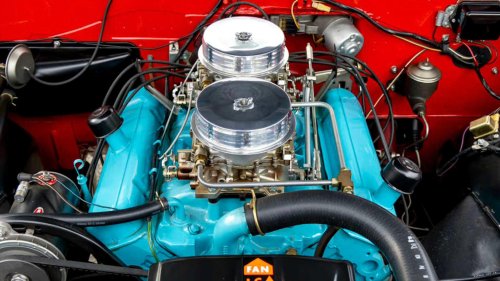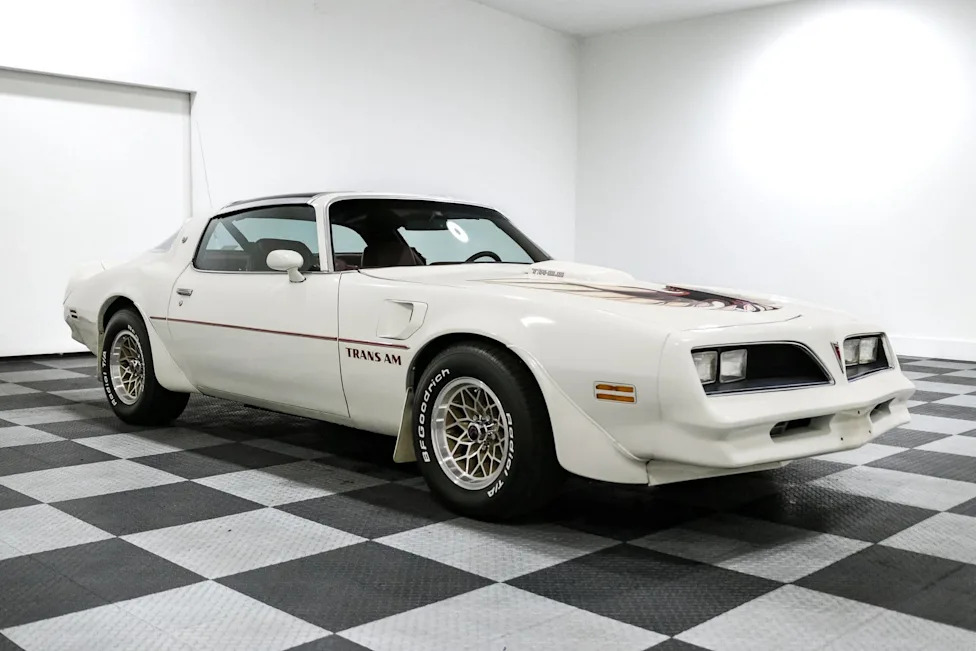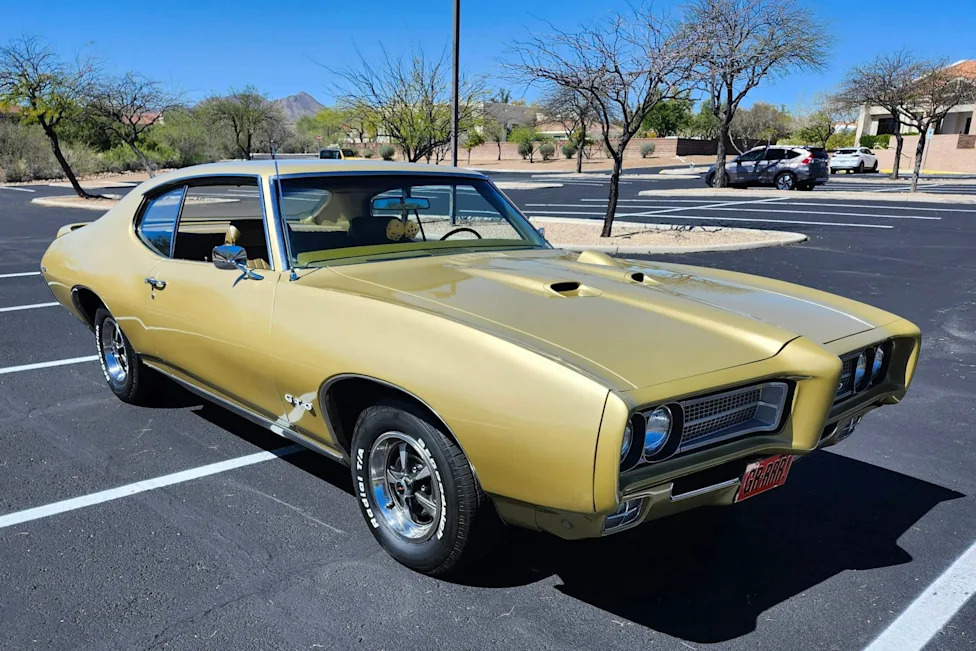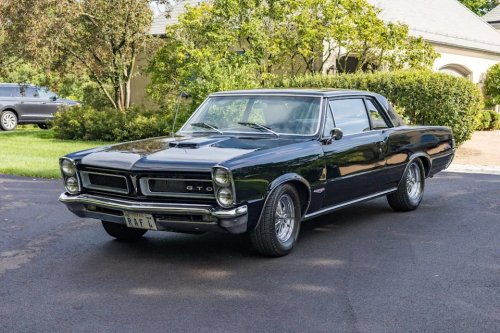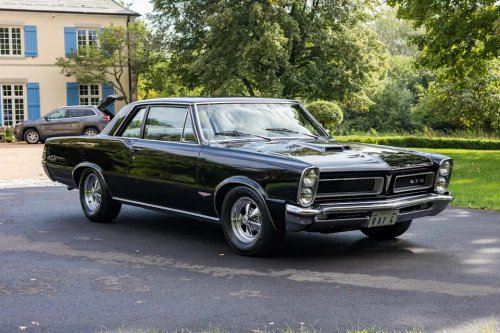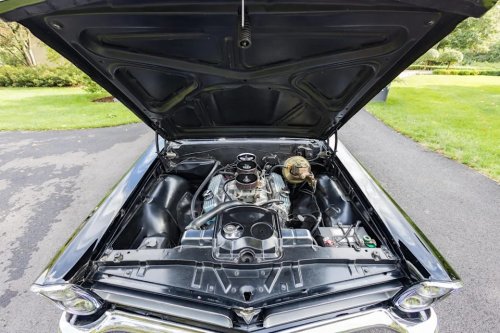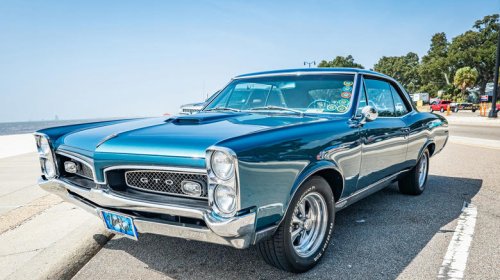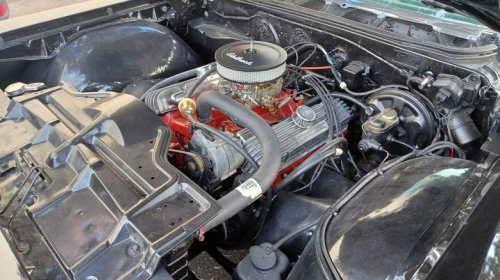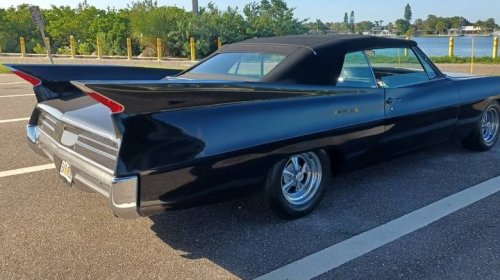
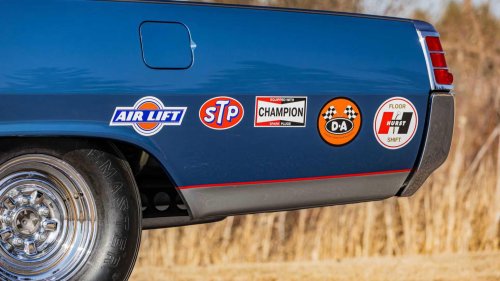
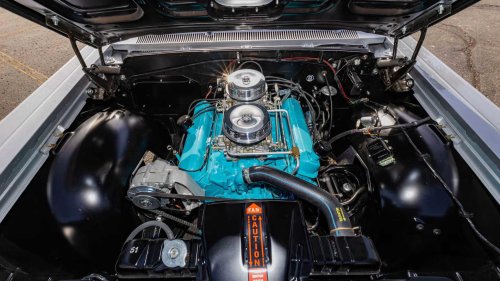
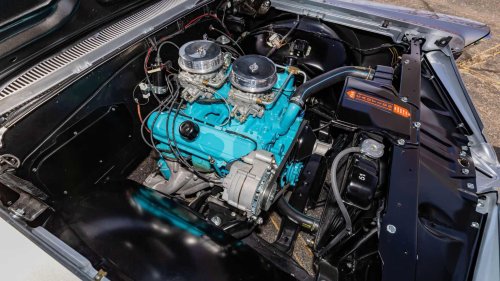
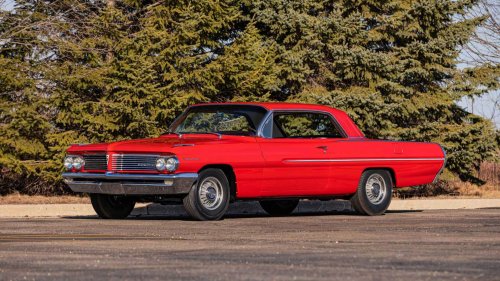
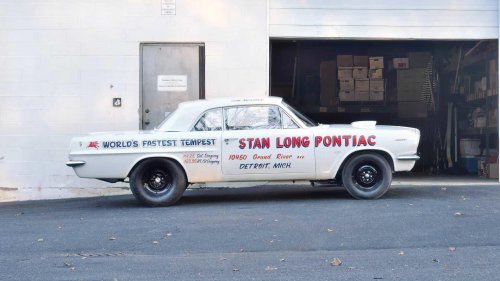
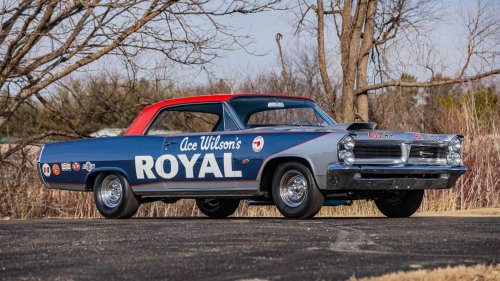
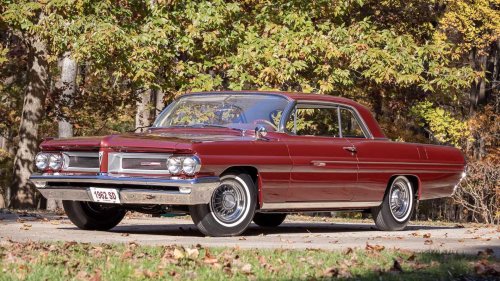
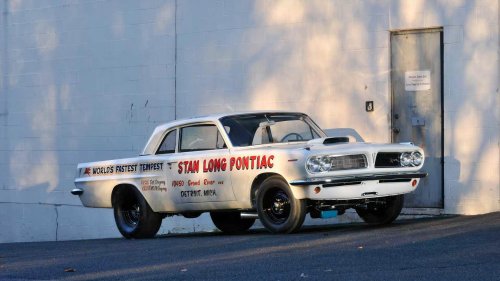
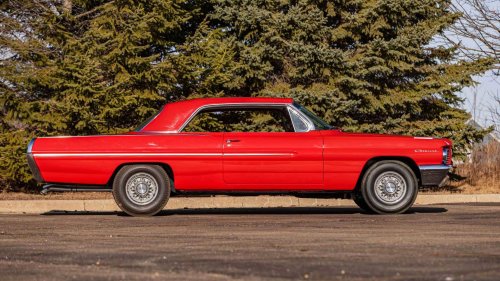
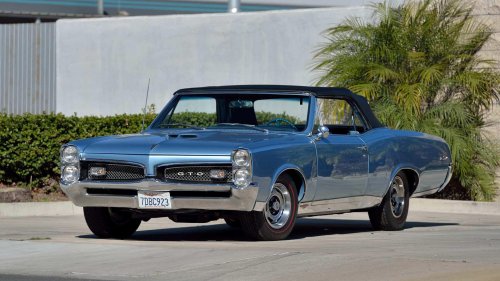



















When asked to name a Pontiac muscle car from the 1960s, most enthusiasts' minds immediately jump to the vaunted GTO, and we don't blame them. After all, it's widely regarded as the first proper muscle car. The Pontiac GTO started the muscle craze that led to the golden era, resulting in some of the American auto industry's greatest hits.However, even before the GTO created and popularized the muscle car blueprint, Pontiac had already foreshadowed the muscle car formula by using a race-spec big-block V8 to create factory-supported drag weapons that were nastier, rarer, and far less civilized than the GTO. Conceived at a time when GM publicly backed racing restraint, this barely legal mill was a brave act of defiance that helped Pontiac dominate the strip, embarrass Detroit rivals, and create the environment that made the GTO possible, but it never got the spotlight it deserved. Drag Racing Culture In Post-War America Via Mecum AuctionsAfter World War II, returning soldiers who had learned various technical skills in the military started the hot-rodding culture, transforming old cars into speed demons. This culture soon evolved into top speed and acceleration competitions often held on wartime airstrips and dry lake beds, and not too long after, drag racing was born.However, as popular as drag racing was in the early 1950s, especially among young people, it had a public image problem and was perceived more as an outlaw activity than a formal sport. That changed in 1951 when Wally Parks established the National Hot Rod Association (NHRA), which helped civilize drag racing with rules, classes, and safety standards. The Ban That Pushed Performance Underground Via Mecum AuctionsDrag racing culture spread like wildfire across America throughout the early '50s, but as cars started getting faster in the mid-'50s, people started raising questions about safety. The questions got louder in 1955, after a horror accident at Le Mans killed 83 spectators and left hundreds injured. Two years and several incidents later, the Automobile Manufacturers Association (AMA) finally gave in to public and political pressure and implemented a "gentleman's agreement" to end factory-supported racing in June 1957.However, while all major U.S. manufacturers officially signed the 1957 AMA resolution, some of them circumvented the ban by providing backdoor support to independent teams through secret parts catalogs and technical bulletins. Pontiac Had Something Up Its Sleeve Via Mecum AuctionsWhile GM's top brass publicly supported the 1957 AMA resolution, Pontiac's General Manager Semon "Bunkie" Knudsen and chief engineer Pete Estes essentially treated it as a suggestion. At the time, Pontiac was seen as a fuddy-duddy brand, and the pair knew that racing success would completely reinvent its image. Their efforts led to the development of the 389 Super Duty as a competition-focused engine package during the AMA ban era, exploiting loopholes in how factory support was policed.The 389 propelled Pontiac to 30 out of 52 NASCAR race wins in the 1961 season, causing a massive sales surge and triggering an arms race that left everyone in Detroit scrambling to build big-cube race-spec engines to go racing. After realizing that rivals would soon catch up with the 389 SD, Pontiac bored it out and gave it the structural and internal upgrades needed to create the star of the show today - the legendary 421 Super Duty (SD). Meet Pontiac's Secret Weapon: The 421 Super Duty Via Mecum AuctionsThe 421 SD was a race-ready V8 designed primarily for NHRA and NASCAR competition. The 421 SD appeared in late 1961 as a racing-oriented package supplied to select racers but became a factory-installed production option for 1962 after NHRA tightened eligibility rules.By listing the engine as a factory-built option installed in cars with real VINs, Pontiac effectively created road-legal dragsters that painted drag strips with rubber and served a brutal knockout blow to Detroit rivals. What Made the 421 Super Duty So Brutal Via Mecum AuctionsWhile the 389 SD was a high-performance version of a street block, the 421 SD was a dedicated racing engine intended to be one of GM's most formidable V8s of the period. Beyond the displacement increase, the 421 SD was factory-equipped with four-bolt main bearing caps and thicker castings that enhanced durability. The 421 SD was also Pontiac's first big journal V8 and featured 3.25-inch main journals that provided greater crankshaft rigidity under racing stress.The mill also had beefed-up internals like a forged steel crankshaft, forged steel connecting rods, and forged aluminum pistons. Add dual Carter AFB four-barrel carburetors, an aluminum high-rise intake manifold, a solid-lifter camshaft, and high-flow cylinder heads, and it's easy to see why many felt that the engine's official rating of 405 hp and 425 lb-ft of torque was lower than the actual output. How the 421 Super Duty Outgunned Detroit Via Mecum AuctionsThe 421 SD didn't just help Pontiac win; it dominated. In 1961, Hayden Proffitt made history when he won the Stock Eliminator class at the NHRA U.S. Nationals in a 421 SD Catalina, recording the only 12-second run in the category. In 1962, Fireball Roberts dominated the Daytona 500 in a 421 SD Catalina, winning the pole, the 125-mile qualifying race, and the 500-mile main event.Pontiac also won its first and only manufacturer's title at the 1962 NASCAR Manufacturers' Championship, winning 22 out of 53 races. Pontiac's success intensified an already-raging Detroit horsepower war that also saw Ford and Chrysler escalate their own competition programs. The Super Duty 421 Machines Collectors Still Chase Via Mecum AuctionsThe 421 SD was never meant for mass production; it was a professional racing engine that happened to come with a VIN and was built in tiny batches to satisfy racing homologation rules. In 1962, only about 179 Super-Duty-equipped Pontiacs were built, and that number dropped even further to roughly 88 units in 1963 before GM famously pulled the plug on racing.You couldn't just walk into any Pontiac dealership and buy a 421 SD. To get the full race-spec 421, a buyer had to check very specific boxes on the order sheet that most customers didn't even know existed. Dealers were also instructed to talk regular customers out of it, emphasizing that this was a high-maintenance, competition-only machine. Add the fact that the Super Duty package alone added over $1,000 to the base price, and you can see why the production totals of 421 SD-equipped cars remain some of the lowest in Pontiac history. 1962-1963 Catalina Super Duty Via Mecum AuctionsThe Catalina was the most common choice for the 421 SD primarily because it was the lightest and least expensive full-size model in Pontiac's lineup. Because the Catalina was the designated race car, Pontiac engineers developed specific parts to help it shed weight, including aluminum body panels to shed front-end weight, cast-aluminum exhaust manifolds, and spartan interiors without radios, heaters, and sound deadening materials.The most extreme weight-saving measures came in 1963, when Pontiac engineers drilled about 120 to 130 holes into the steel frame rails of only about 14 Catalinas, creating the iconic Catalina "Swiss Cheese" that set an NHRA C/Stock record with a 12.27-second quarter-mile at 114.64 mph. While roughly 229 Catalinas were factory-equipped with a Super Duty engine between 1962 and 1963, survivor rates are exceptionally low since they were often driven to their limits on the track. One of the rare Swiss Cheese versions sold for an astronomical $742,500 at a 2025 auction. 1962 Grand Prix Super Duty MecumUnlike the Catalina Super Duty, which was a stripped-down brawler for the track, the Grand Prix Super Duty was a personal luxury coupe that combined a plush, sophisticated interior with the same race-bred 421 SD engine. The Grand Prix SD retained its dignity and luxury features, including a high-end Morrokide vinyl interior, bucket seats, a padded dash, and a center console with an integrated tachometer.Despite weighing nearly 4,000 pounds, the Grand Prix SD was still one of the fastest stock production-line cars of its time. Only 16 Grand Prix units were equipped with the 421 SD in 1962, and the highest recorded auction price for one is $181,500. 1963 Tempest Super Duty Via Mecum AuctionsAs fast as the Catalina Super Duty was, Pontiac engineers wanted to push the limits even further in 1963, so they decided to stuff the massive 421 SD race engine into the compact, lightweight Tempest body, creating a wild factory experiment that was never intended for the street. The Tempest Super Duty had extreme weight-saving measures that kept weight under 3,000 pounds, and unlike the Catalina Super Duty, it used a rear-mounted transaxle that improved weight distribution.Considered the holy grail of Pontiac performance, the Tempest Super Duty was capable of low 11-second or high 10-second passes at over 120 mph, but GM abruptly killed the program just as it was starting to flex its muscles. Pontiac built only 14 Tempest Super Duty units, including 2 prototypes, 6 coupes, and 6 wagons, and the survivors rarely go up for sale. The Internal Order That Ended Pontiac's Boldest Experiment Via Mecum AuctionsPontiac played a dangerous game with the NHRA and NASCAR rule books. While 421 SD-equipped cars appeared as though they were standard production vehicles, they pushed the definition of a "production car" to its absolute limit. The aluminum body panels some units had were so thin and fragile that they would dent if you leaned on them. The cast-aluminum exhaust manifolds were prone to melting if driven too long, and the Swiss Cheese cars were structurally compromised for anything other than a straight-line drag strip.At the same time, 421 SD cars were so dominant that GM feared that they would be used as evidence that the company was a monopoly, and to avoid a corporate breakup, the top brass decided to pull out of all high-profile competitive activities in January 1963, effectively ending the Super Duty program. The GTO Took The Fight From The Strip To The Street MecumAfter the ban, John DeLorean wasn't going down without a fight, and since Pontiac was banned from the track, he decided to take racing to the streets. While the Tempest Super Duty didn't have much time in the spotlight, it proved that stuffing a large engine into a midsize chassis was a winning formula. In another act of defiance, DeLorean secretly led the development team that dropped a 389 cubic-inch V8 into the Tempest-based LeMans, creating the GTO package that launched the muscle car craze.The GTO became a massive success because it took the illegal formula of the Super Duty cars and made it socially acceptable, affordable, and street-legal for the average buyer, which is why it became a cultural icon rather than just a spec-sheet winner. The 421 SD packed enough punch to maintain GM's dominance beyond 1963, but it had to die so the GTO could rise from its ashes, and that's what makes its story so compelling.Sources: Hemmings, Hagerty, Mecum Auctions, RM Sotheby's