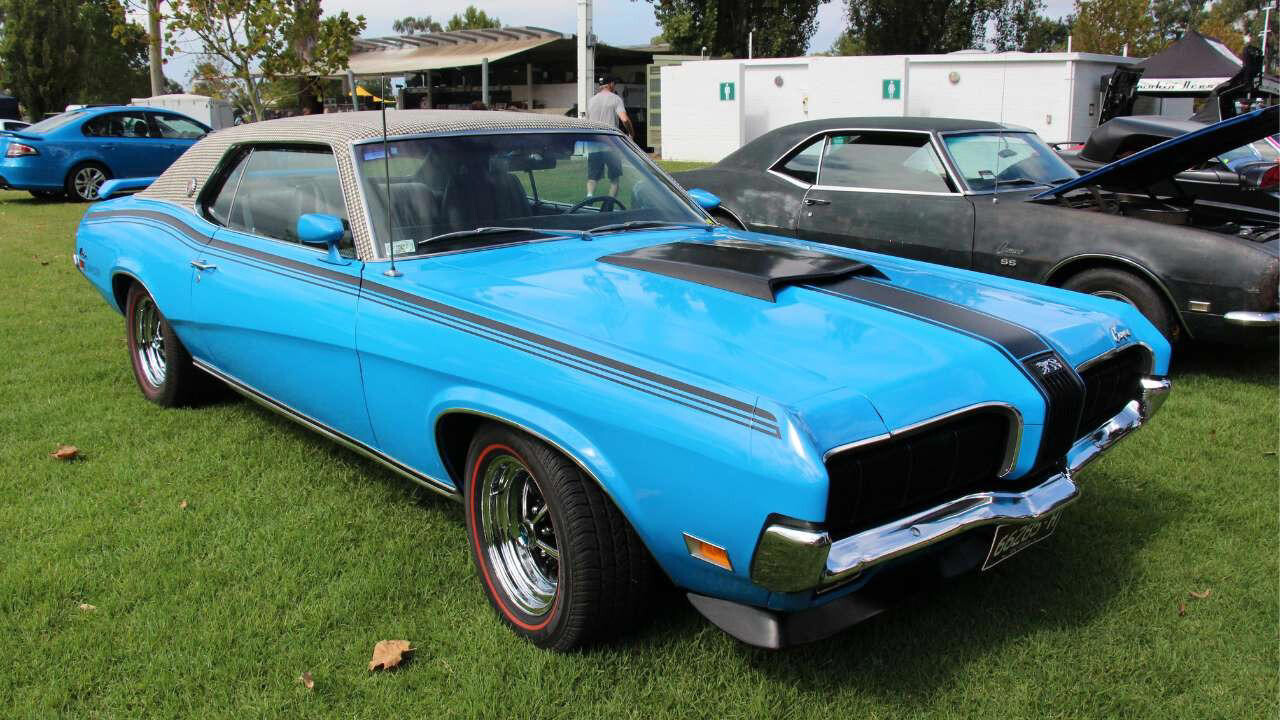
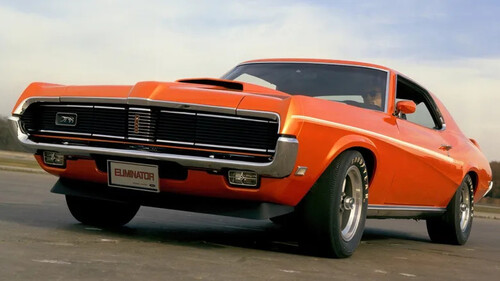
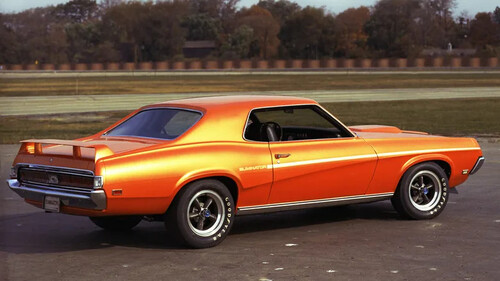
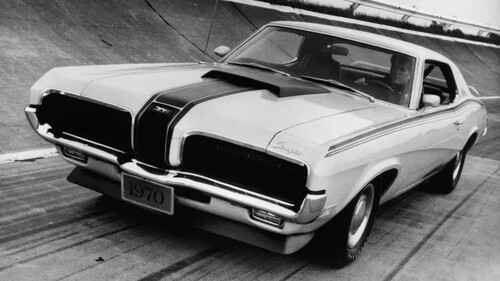
This 1969 Cougar Eliminator never needed the spotlight to stand outThe 1969 Cougar Eliminator never needed stripes and spoilers to shout for attention. It carried itself with the quiet confidence of a car that blended Ford power with Mercury polish, a muscle machine that looked as ready for a night out as it did for a night at the drag strip. Today, that understated mix of rarity, performance, and luxury is finally earning this once-overlooked cat the spotlight it always deserved. The luxury muscle car that stayed in the shadows In the late 1960s, the Mercury Cougar was always destined to live in the shadow of its more famous Ford sibling. The Mercury Cougar shared much of its DNA with the Mustang, yet it was positioned as a more refined alternative, with better trim, quieter cabins, and a slightly higher price. The Mercury Cougar would never gain the same level of cult-like status as its ultra-popular older sibling, but enthusiasts who looked past showroom traffic saw a car that delivered Mustang performance with a more mature edge, and the Eliminator package turned that formula into Mercury’s most serious performance experiment. Cougars were priced and positioned as luxury sports cars, and as a result, fewer were made and fewer remain. That scarcity, combined with the brand’s quieter image, helped bury the Eliminator in muscle car history for years. While everyone knew the big names from Ford, Chevrolet, and Pontiac, Mercury’s halo pony car quietly waited for collectors to catch up. How the Eliminator changed the Cougar’s mission Mercury introduced the Cougar Eliminator in April 1969 as a late-season addition that replaced the earlier GT-E model. The Eliminator package took the Cougar’s upscale bones and wrapped them in aggressive, track-inspired equipment. According to a detailed Cougar Eliminator fact sheet, the visual treatment included rocker panel stripes, bold graphics, and unique spoilers that instantly separated the car from standard Cougars. Underneath the paint, the Eliminator sharpened the Cougar’s mission. The package focused on performance engines and firmer suspension, yet it did not abandon Mercury’s reputation for comfort. High-back bucket seats and upscale interior trim kept the cabin aligned with the brand’s luxury sports image. The result was a car that could run with the toughest Detroit iron while still feeling composed on a long highway drive. Production numbers that stayed small from day one Even at launch, the Eliminator was never built in mass-market volumes. A set of Cougar Eliminator Production compiled from Kevin Marti’s Cougar by the Numbers reference shows how tightly controlled the run was. The community data breaks down color combinations, engine choices, and options, and it highlights how quickly the numbers thin out once buyers stepped beyond the base configuration. Within that small pool, certain combinations became almost mythical. A separate enthusiast tally notes that Only 2,250 Cougar Eliminators were made in 1969, and that figure covers the entire model year, not just the rarest engines. When the production is sliced by color, transmission, and drivetrain, some variants reach single-digit totals. Those figures help explain why so many collectors now chase Marti Reports to verify whether a particular car is one of a handful, or in some cases, one of one. Engines that gave the cat its claws The Eliminator’s character depended heavily on what sat between the fenders. At the top of the official lineup sat the 428 cubic inch big block. A technical breakdown of the Top Available Engine lists the Type as an ohv V-8 with Displacement of 428, a single 4-barrel Fuel system, and a Compression ratio of 10.6:1. Those numbers placed the Cougar firmly in big-block territory, with the kind of torque that could shove a relatively heavy luxury coupe through the quarter-mile with authority. Further down the range, the Eliminator could be ordered with the Mustang Boss 302 powerplant. A focused Mercury Cougar Boss Eliminator Overview describes this variant as a high-performance luxury coupe that used Mustang Boss 302 hardware to create a more refined driving experience. The 302 engine brought high revs and Trans Am racing pedigree, making the car feel lighter on its feet than the big-block versions while still delivering serious power. For buyers who wanted torque without the top-tier price, there was also a 390 cubic inch option. A walkaround of a Competition Orange example on video identifies it as a 390 car, with S-code documentation backing its authenticity. That engine split the difference between the high-winding 302 and the brutal 428, and it remains a favorite among owners who drive their cars regularly. A rare cat among rare cats Within the already small Eliminator universe, some cars sit at the very top of the rarity pyramid. One of the best-known examples is a Competition Orange 1969 owned by Steve Hornbaker. According to a detailed feature on this Rare Mercury Cougar Eliminator, the car is one of only three built with a Super Cobra Jet 428. The piece highlights the Mercury Cougar Engine specification and notes that the Super Cobra Jet package added heavy-duty internals and drag-strip oriented gearing to the already potent big block. Another enthusiast summary of the 1969 Mercury Cougar Eliminator with the 428 Cobra Jet points out that this configuration drew directly from Ford’s hidden gem: Mercury. That link between Ford performance parts and Mercury styling gave the Eliminator a unique identity. It shared much of its mechanical heart with the Mustang and the Torino, yet the sheetmetal and interior told a different story, one aimed at buyers who wanted exclusivity as much as speed. Design: subtle aggression, not cartoon muscle Visually, the Eliminator walked a careful line between flash and restraint. A detailed Rocker and trim breakdown describes rocker panel stripes, wheel opening moldings, and parallel full-length graphics that stretched across the flanks. Unlike some rivals that relied on oversized scoops and exaggerated hood bulges, the Cougar leaned on its long-hood, short-deck proportions and hidden headlights to convey speed. One contemporary overview of the 1969 Mercury Cougar Eliminator calls it a high-performance muscle car that combined aggressive styling with serious power. The car was Positioned as Mercury’s answer to the muscle car craze, yet it did not abandon the brand’s emphasis on comfort. That balance of visual drama and restraint helps explain why the Eliminator still looks modern in photographs, especially in bright factory colors like Competition Orange and Grabber Blue. Chassis and driving character Under the skin, the Eliminator shared much with Ford’s pony cars, but it was not simply a rebadged Mustang. A technical profile of the 1969 Cougar Eliminator’s Engine lists the Type as a Ford FE-series 90-degree V-8 with a cast-iron block and heads. That 90-degree layout, combined with long-stroke dimensions, delivered the deep torque curve that defined big-block Fords of the period. Suspension tuning leaned toward firmness compared with standard Cougars, with stiffer springs and shocks to handle the added power. Period tests often remarked that the car felt heavier than a Mustang but more planted at highway speeds. That dual personality, part grand tourer and part street brawler, made sense for a car that Mercury aimed at slightly older buyers than the typical Mustang customer. Why collectors call it the gentleman’s brawler Modern assessments of the Eliminator frequently describe it as a severely underrated Ford muscle car. One detailed retrospective explains that this rare cat offered a unique combination of brute power and sophisticated design, and that Its failure to find a large audience in period only enhances its appeal now. The phrase “gentleman’s brawler” fits neatly: the car could line up against a Chevelle or Road Runner at the strip, then carry its driver home in an interior trimmed more like a Thunderbird. That dual character is not accidental. One enthusiast comparison of a 1969 Ford pony brethren matchup notes that the 1969 Mercury Cougar Eliminator shared DNA with the Mustang but brought a more refined edge, with hidden headlights and upscale trim, yet it remained just as fierce. The Eliminator did not try to out-Mustang the Mustang. Instead, it carved out a niche for buyers who wanted performance without sacrificing comfort or exclusivity. Enthusiast documentation and the fight over numbers As interest in the Eliminator has grown, so has the focus on documentation. A detailed discussion of Marti Report and production numbers criticizes how easily “experts” can misread factory data and distort totals. Owners and historians now rely heavily on Kevin Marti’s research and original Ford records to confirm how many cars were built with each combination of engine, color, and options. That same community effort extends to tracking survivors. In one discussion about how many 70 Eliminators were made and how many are accounted for, participants share approximate counts and debate whether certain reported totals are accurate. Although the thread focuses on a different model year, it reflects the same obsessive attention to detail that surrounds the 1969 cars. For many owners, proving that a particular Eliminator is one of 196 in a given configuration can significantly change its value and status. From forgotten option code to social media star The Eliminator’s rise from obscurity has been accelerated by digital storytelling. A widely shared post on Mercury Cougar Eliminator history describes the car as a high-performance muscle machine that combined aggressive styling with serious power, Positioned as Mercury’s contender in the pony car wars. Enthusiast pages regularly share photos and walkaround videos, including a detailed 1969 Mercury Cougar that highlights features like power steering, power disc brakes, and unique trim details. Another social media feature labels the 1969 Mercury Cougar Eliminator as an American muscle icon and a classic among muscle car enthusiasts. Those posts have introduced the car to younger fans who might never have seen one at a local show. As more people learn that only a few thousand Eliminators were ever built, and that some combinations number in the single digits, interest has spread beyond the tight-knit Cougar community. Magazine-grade scrutiny and renewed respect Traditional automotive media has also revisited the Eliminator with fresh eyes. A detailed feature on the high-performance cat describes the Cobra Jet powered 69 Cougar Eliminator as bold and brash, highlighting how it could easily distinguish itself from a Chevy Chevelle in both appearance and feel. The author, Terry Shea, places the car firmly within the Muscle Cars canon, not as a footnote but as a legitimate peer to better-known nameplates. A separate deep dive into a 1969 Mercury XR-7 Cougar Eliminator notes that the base engine for 69 was a two-barrel 351 Windsor, and that stepping into an Eliminator brought a full suite of performance upgrades and unique trim. That kind of coverage, focused on details rather than nostalgia alone, has helped validate what long-time Cougar fans have argued for years: the Eliminator deserves to stand alongside the era’s most respected muscle machines. More from Fast Lane Only Unboxing the WWII Jeep in a Crate 15 rare Chevys collectors are quietly buying 10 underrated V8s still worth hunting down Police notice this before you even roll window down