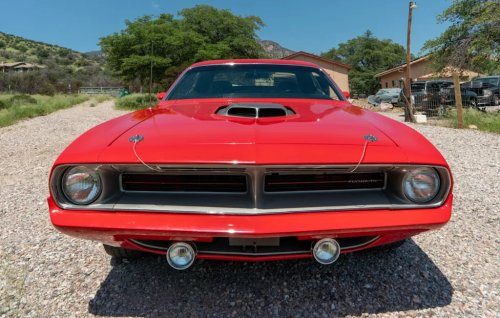
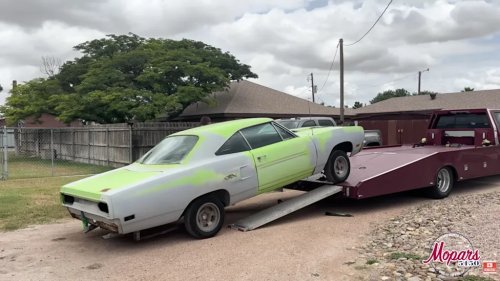
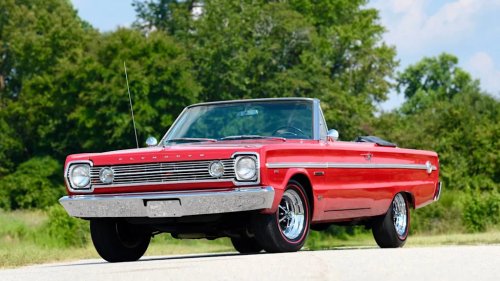
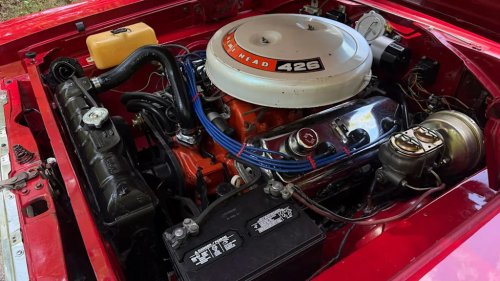
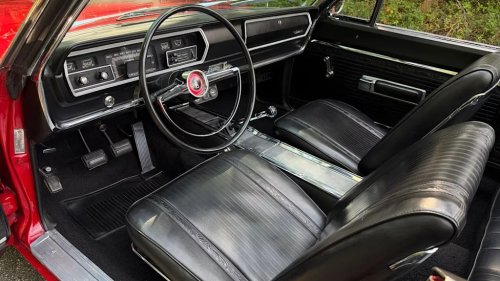
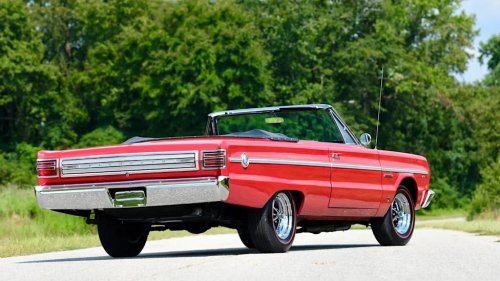
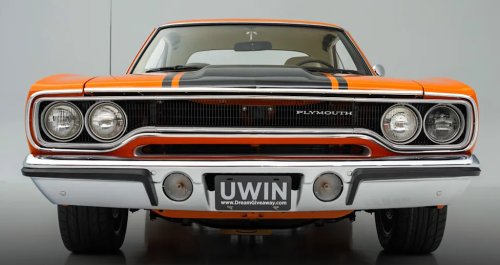
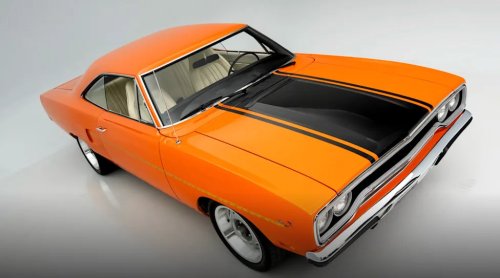
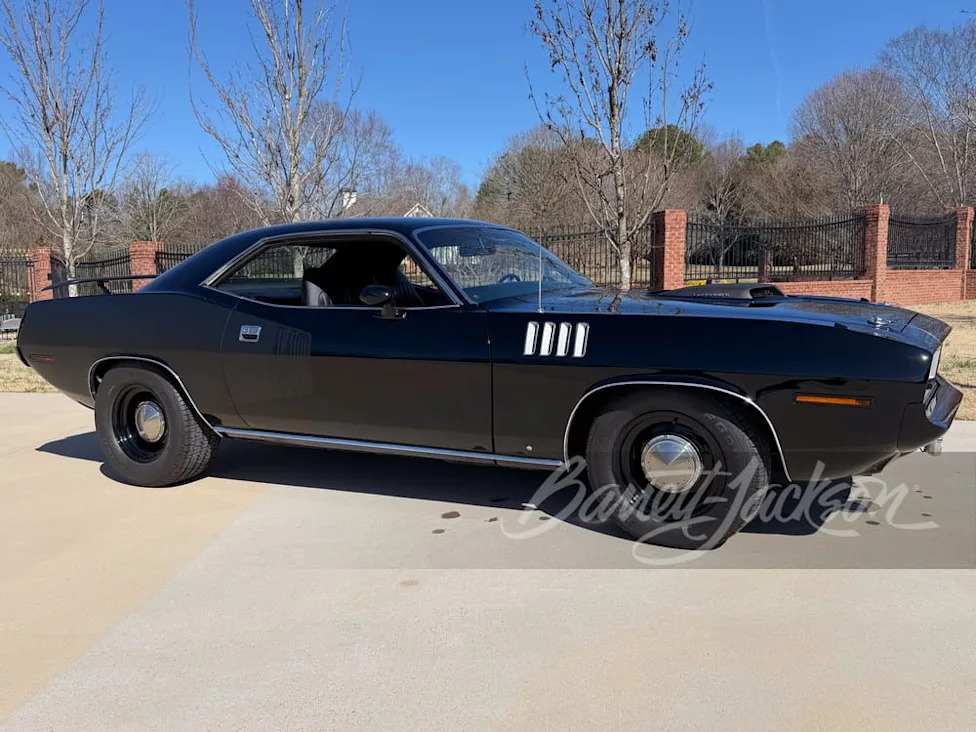
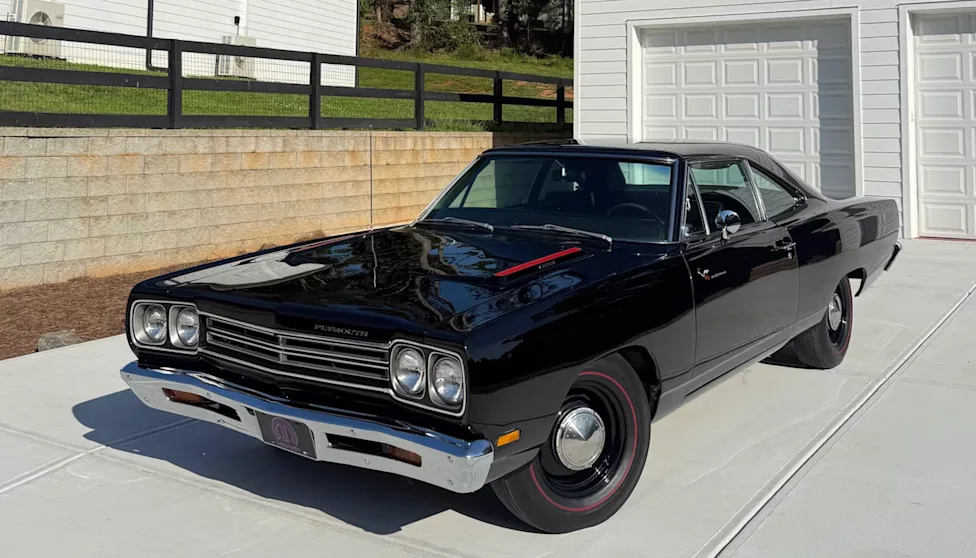
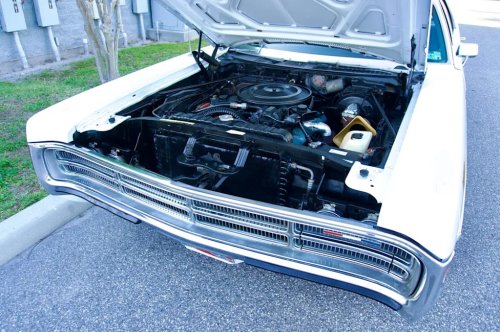
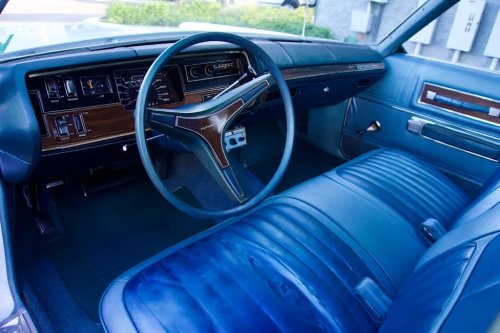
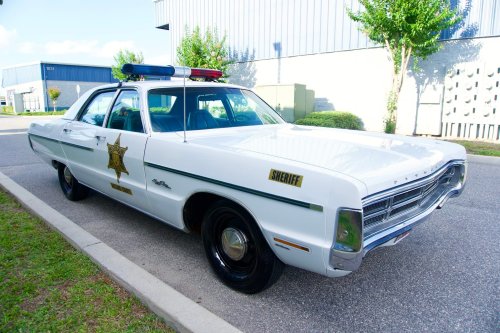
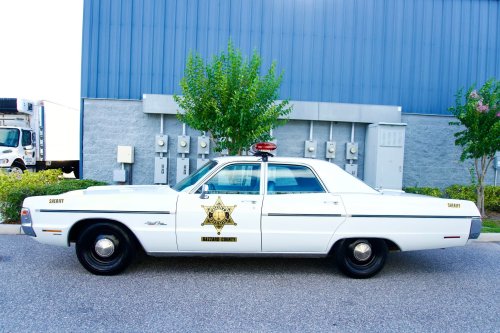
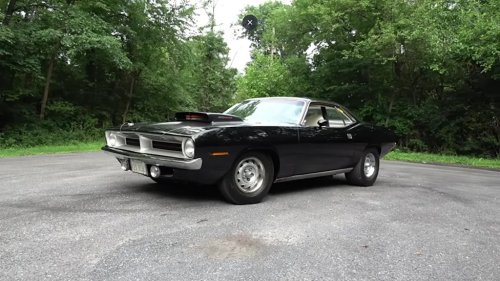
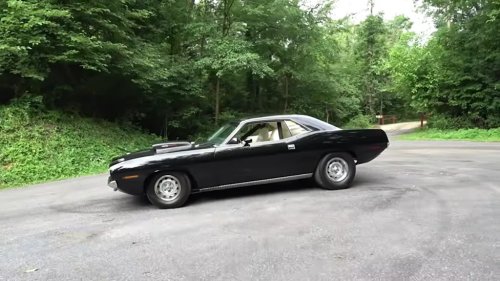
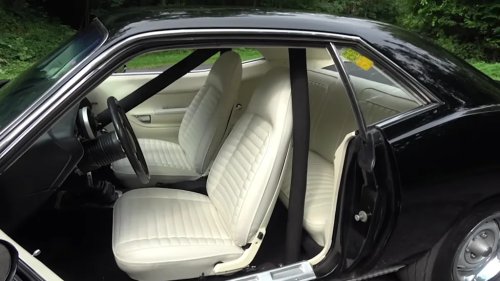
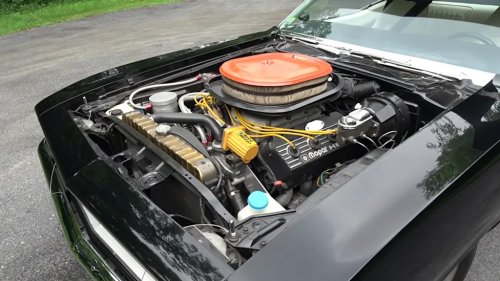
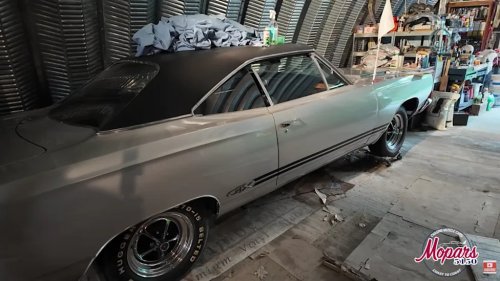
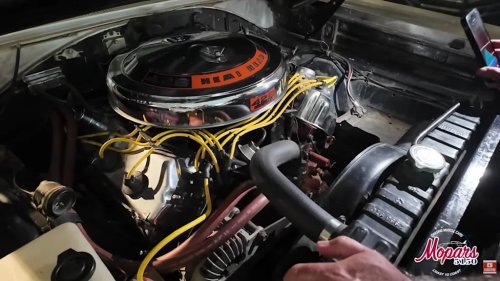
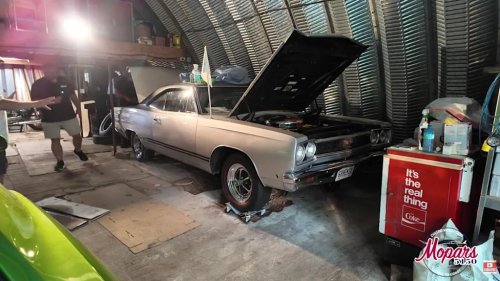
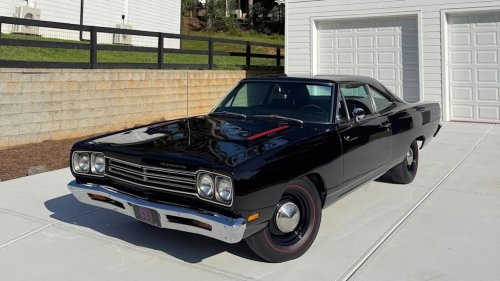
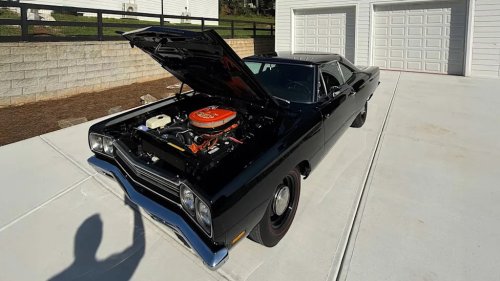
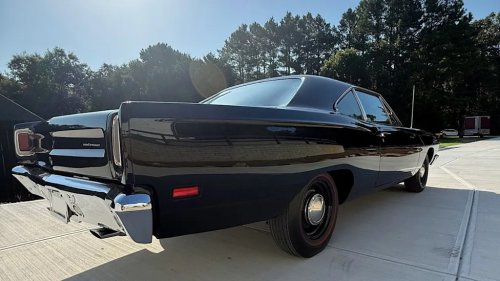
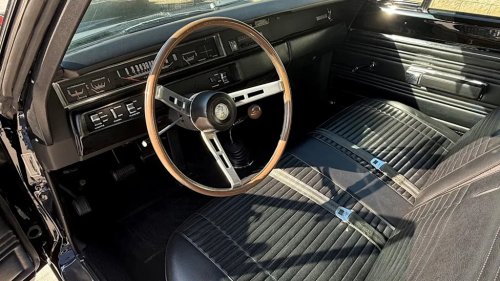
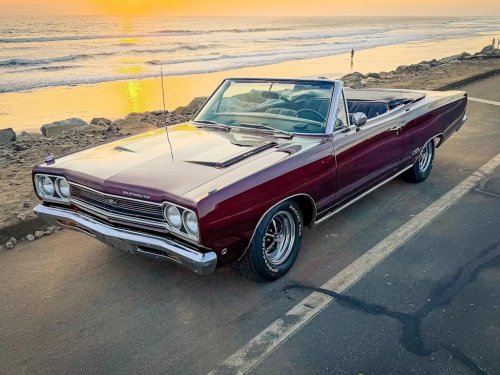
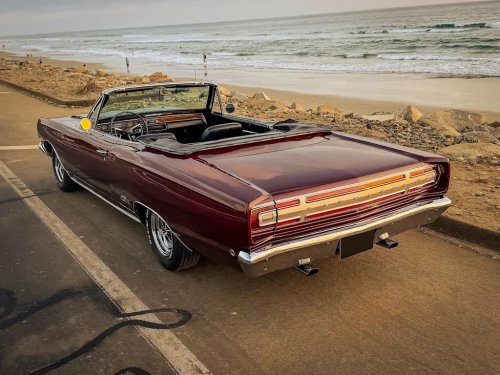
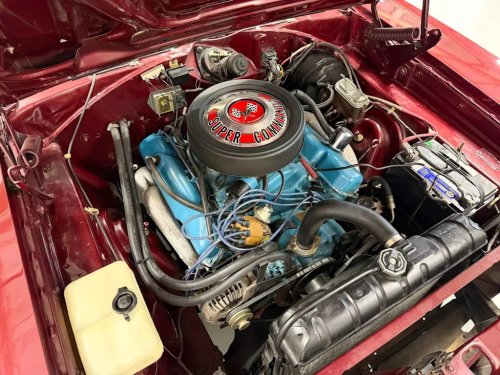
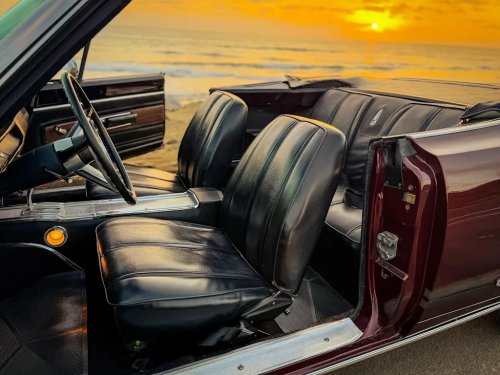
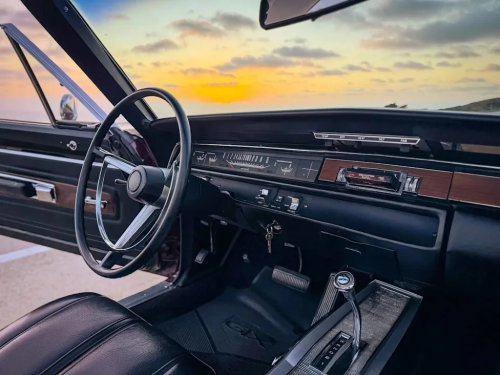
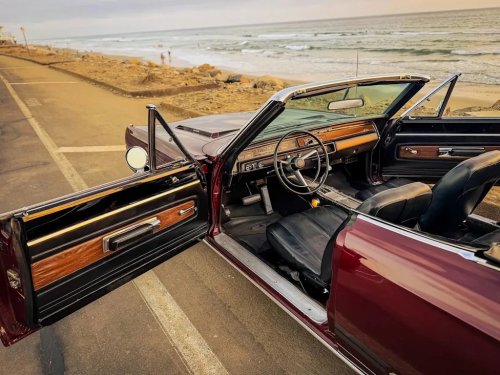
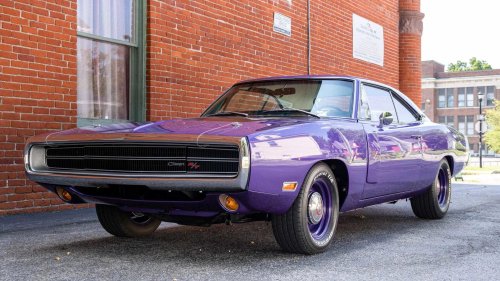
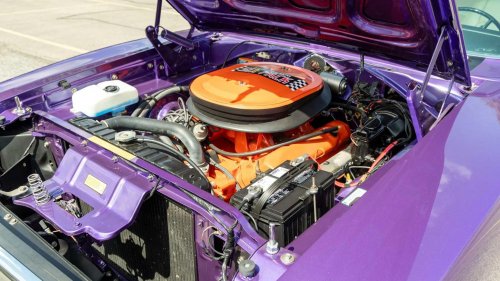
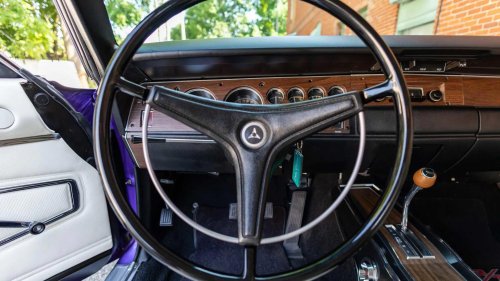
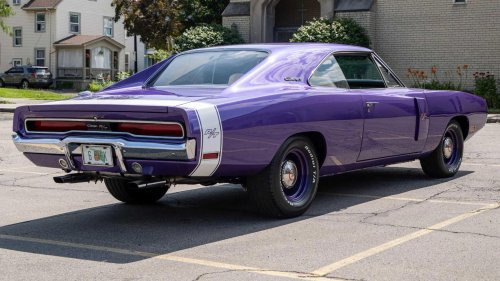
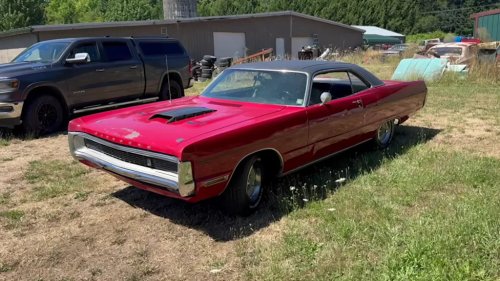
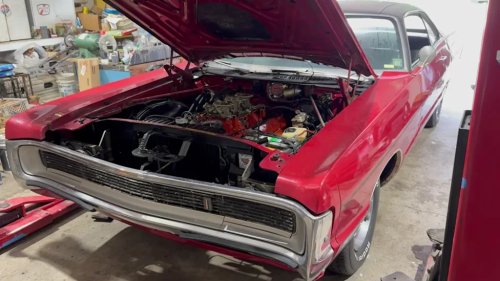
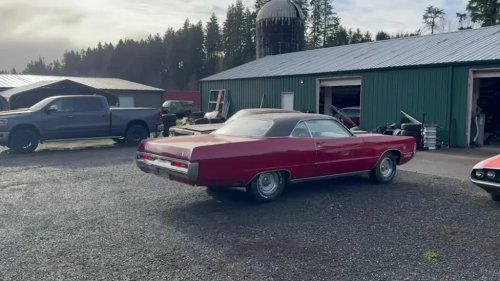
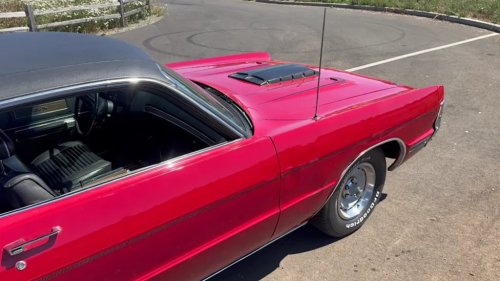
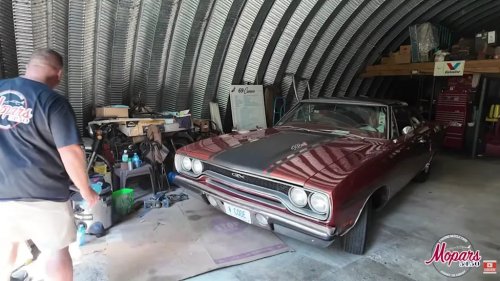
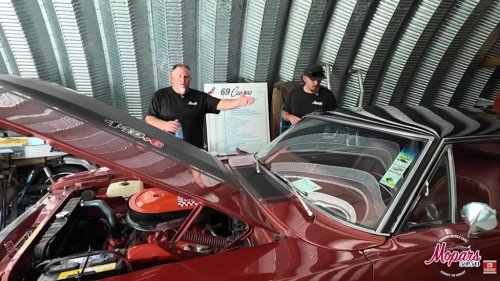
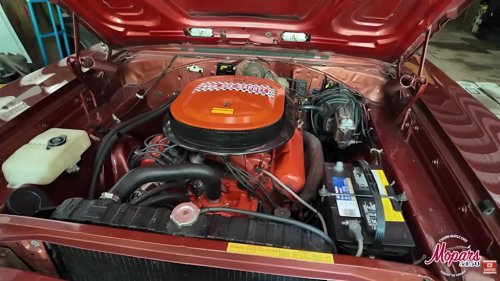
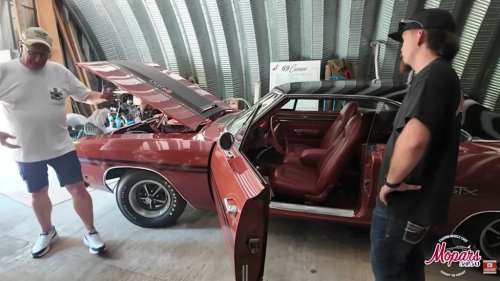
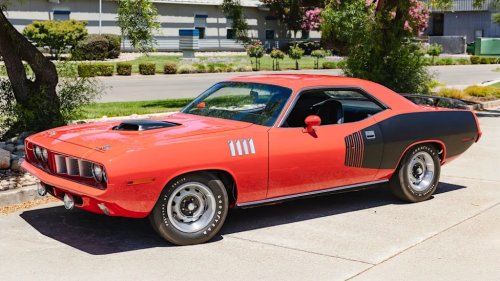
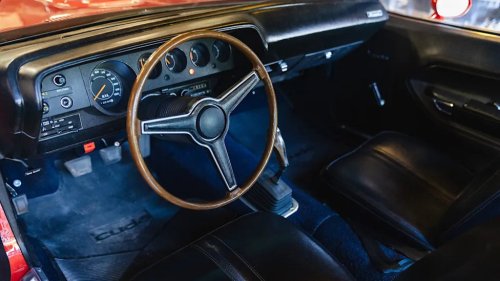
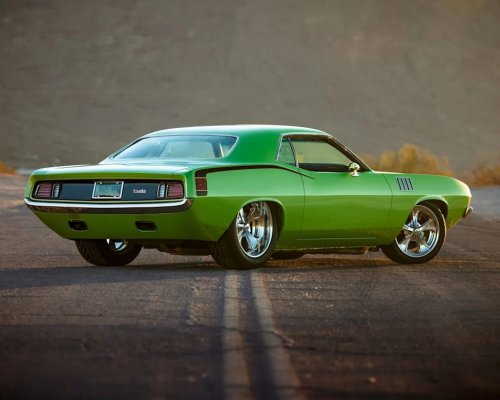
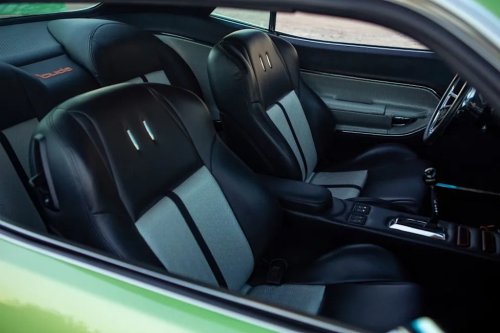
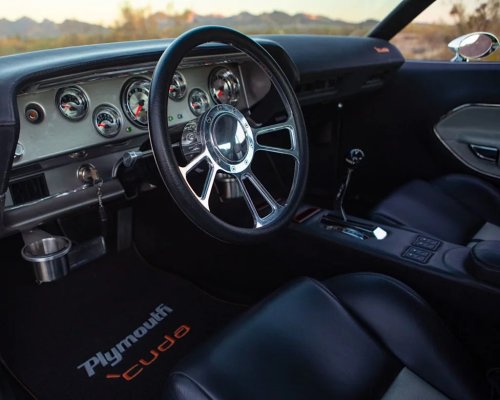
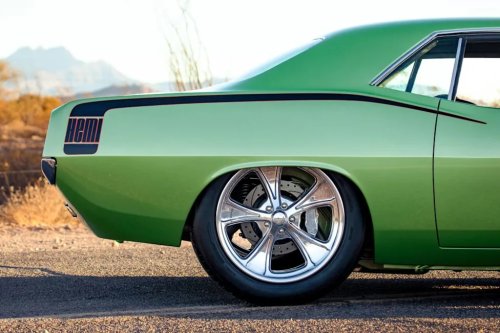
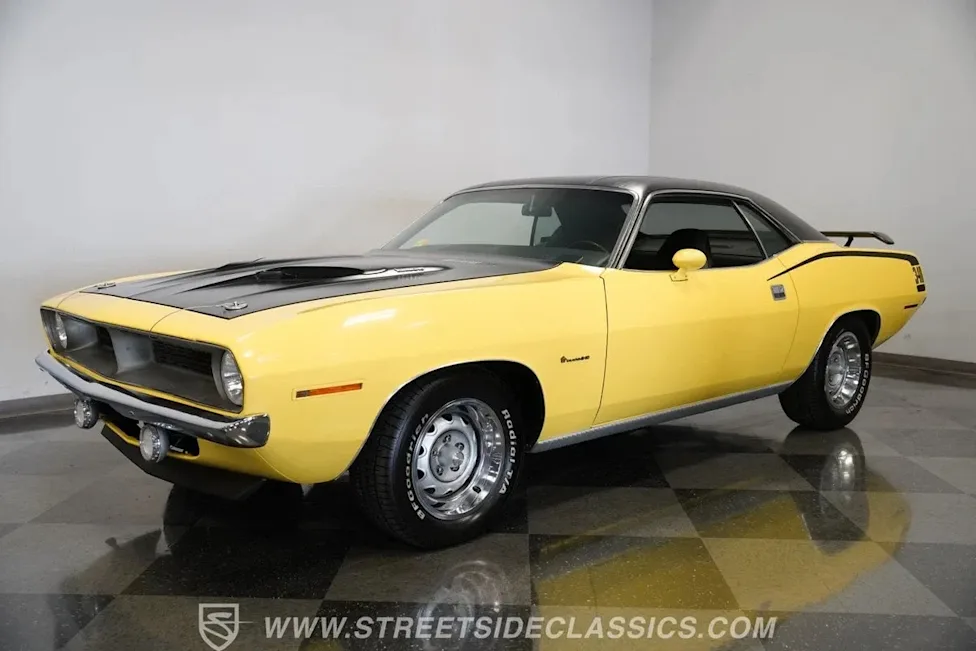
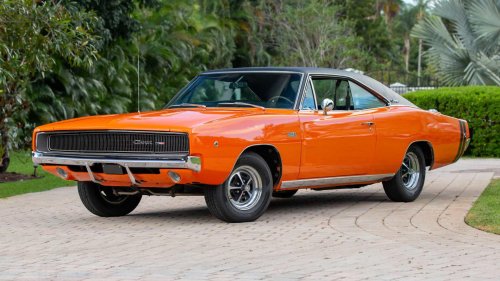
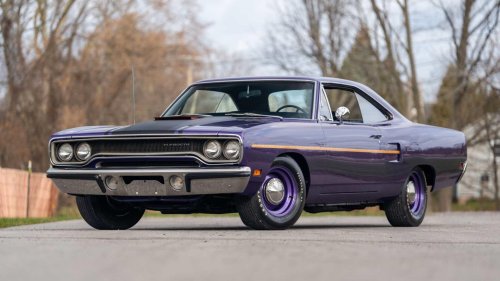
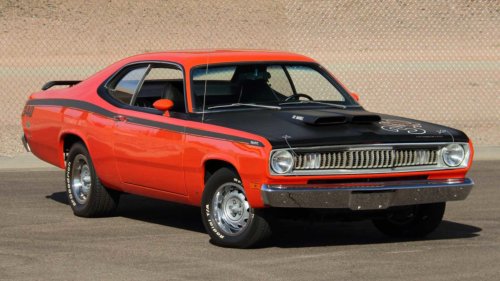
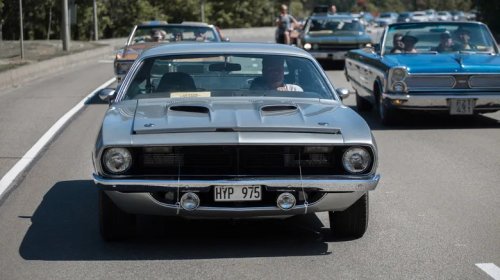
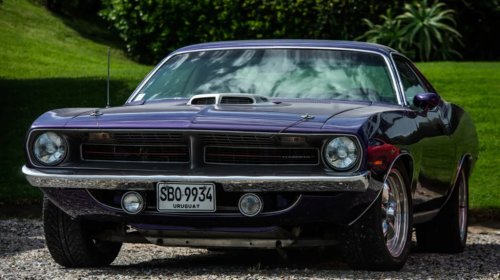
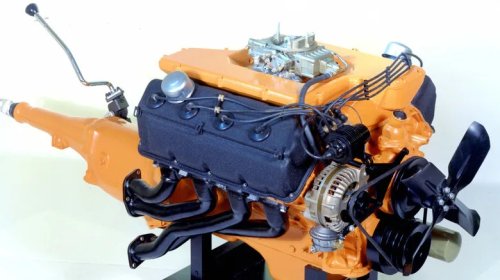
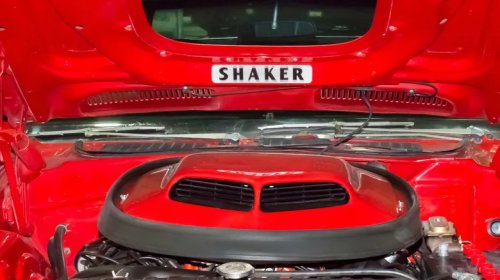
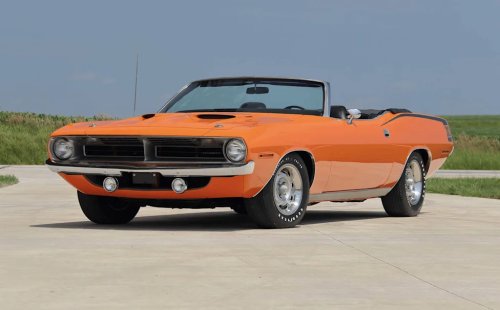
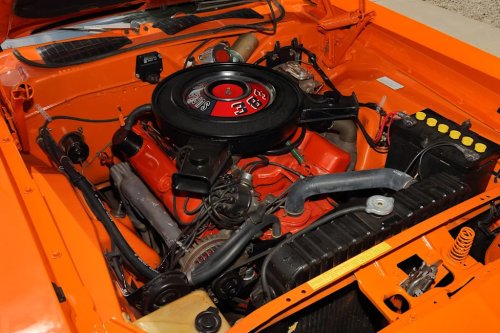
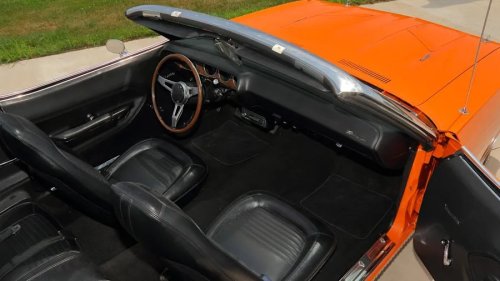
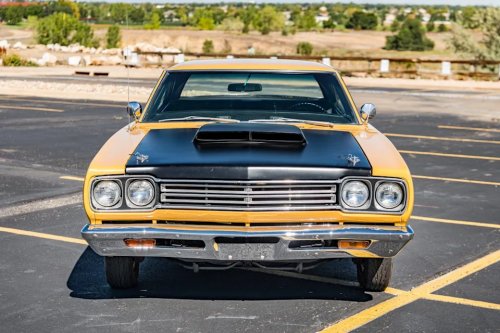
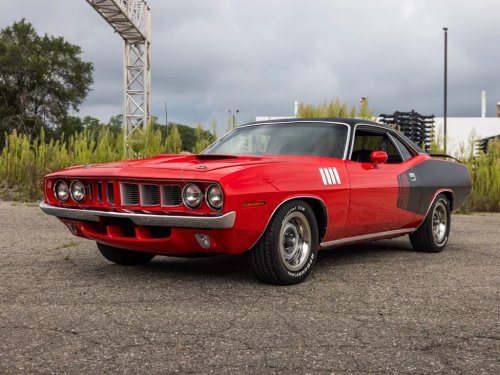
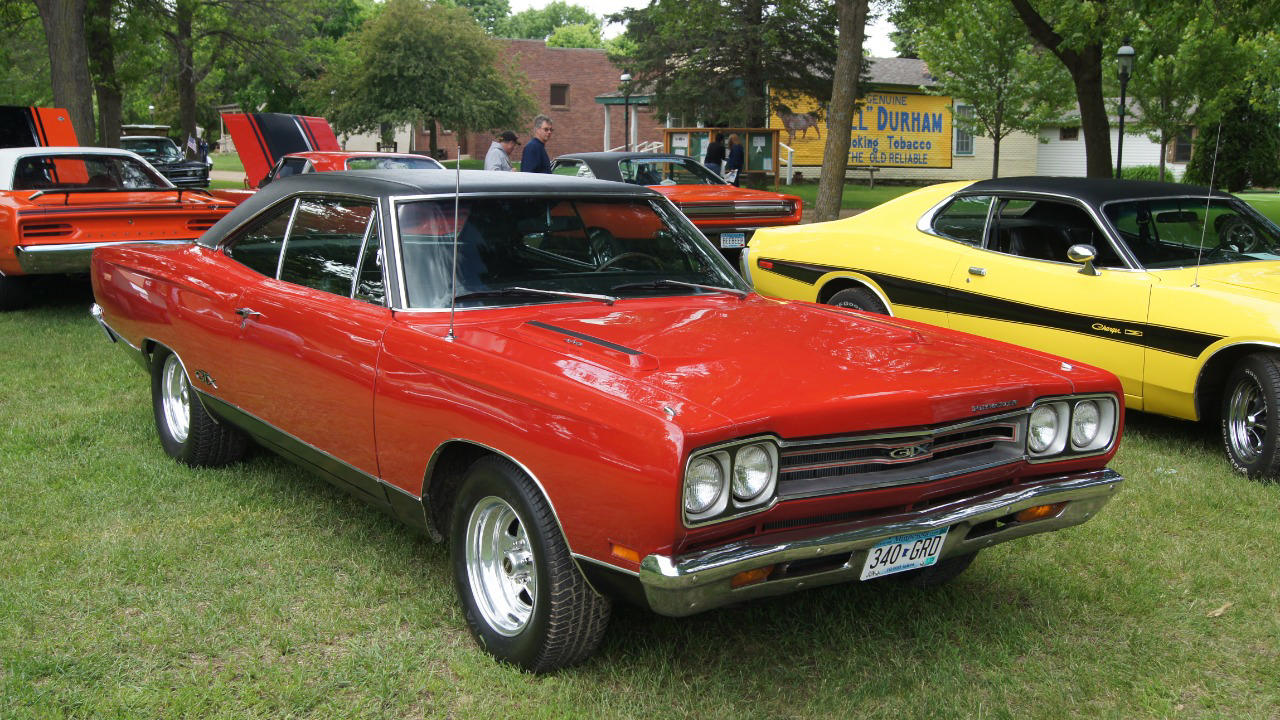
This 1969 Plymouth GTX carries muscle in its purest formThe 1969 Plymouth GTX arrived at the peak of the muscle era with a simple promise: big displacement, clean lines, and just enough refinement to feel special without softening the punch. More than half a century later, it still reads as a direct, unfiltered expression of American V8 performance. There are quicker cars now, but few deliver that mix of raw power and understated swagger with the same clarity. The “gentleman’s” bruiser in Plymouth’s lineup When Plymouth created the GTX, it positioned the car as an upscale counterpart to the budget-focused Road Runner. By 1969 the Plymouth GTX had settled into a clear role as a high-performance model that shared the basic B-body platform with the Road Runner but added comfort and style touches that appealed to buyers who wanted power without the bargain-basement feel. Enthusiasts describe the 1969 version as an upscale, powerful evolution of the earlier cars, with Plymouth deliberately separating it from the stripped-down image of its sibling in order to court more mature buyers who still wanted serious speed, as reflected in period descriptions of the Plymouth GTX as an upscale version of the Road Runner. That positioning helps explain why the GTX quickly picked up the “gentleman’s muscle car” label. Recent coverage still leans on that phrase, with modern commentators highlighting the way the car combines big-block performance with a more polished image. One contemporary reel even frames it directly as Gentleman and celebrates it as a Muscle Car that can cruise to dinner as easily as it can light up a drag strip. The nickname has stuck because it captures what set the GTX apart in 1969 and what still attracts collectors today. Engines that define late‑sixties power At the heart of the 1969 Plymouth GTX story is its engine lineup. The car was built around Chrysler’s big-block V8s, which gave it the kind of torque-heavy character that defines classic American muscle. Period specifications describe the standard Engine as a 440 cubic inch V8, with the option of the legendary 426 Hemi for buyers who wanted race-bred hardware. Reference material on the Plymouth GTX lists both the 440 and the 426 as core big-block offerings, which places the GTX firmly in the upper tier of factory performance cars of its era. Contemporary enthusiasts still focus on those numbers because they speak to the car’s character. One detailed breakdown of the 1969 Plymouth GTX engine notes that the standard 440 V8 engine had 375 horsepower, a figure that gave the car serious straight-line authority even before any modifications. That same overview of the Plymouth GTX emphasizes the 440 and the 375 rating as central to the model’s appeal, and those figures still anchor most discussions of stock performance. The Hemi option pushed the car even further into legend. Documentation of the drivetrain for surviving examples lists an Engine Type of 426 HEMI V8, fed by a Fuel Delivery System Type described as Dual 4 Barrel. One such car is cataloged with an A833 4spd Numbers Matching Original transmission, underscoring how some GTX buyers paired the 426 with a four-speed manual for maximum engagement. That combination of 426 HEMI, Dual carburetor setup, and A833 gearbox is still referenced in modern listings of Drivetrain specifications as the most hardcore interpretation of the model. From 383‑cu base to 440 M bruiser While the 440 and 426 draw the headlines, the broader engine range explains how Plymouth structured the GTX lineup. Several enthusiast summaries of Key Features and Specifications describe the car as available with a series of Powerful Engines that included a 383-cu inch V8. That 383-cu figure appears repeatedly in modern rundowns of Key Features and, and it reflects Plymouth’s strategy of offering a slightly more accessible big-block while keeping the 440 and 426 as halo choices. Factory literature for Plymouth mid-size models of that year lists a Displacement of 383 cubic inches for one of the core engines, which aligns with those enthusiast accounts. The same fact sheet that covers the 1969 Plymouth Mid-Size Cars notes that The GTX shared this big-block architecture, tying the car to Plymouth Mid Size Cars Fact Sheet details that also mention performance options like the 6 Road Runner Option A12 as part of the broader performance program. That context, captured in technical descriptions of The GTX and its siblings, shows how the GTX sat at the top of a family of serious performers. On the higher end, modern dealers still highlight the appeal of the 440 Magnum specification. One black-on-black example is advertised with Engine listed as 440 Magnum V8, paired with a Transmission described as 3 Speed Automatic. The same listing emphasizes the Color as Black and the interior as Black, presenting the car as a sinister, monochrome interpretation of the GTX formula. That description of the 440 M combination in a current Engine and drivetrain package shows how the 440 Magnum remains a core selling point for collectors. Performance numbers that still resonate For all the talk of character, the 1969 Plymouth GTX backs up its reputation with hard figures. Enthusiast performance breakdowns point out that the 440 V8, even in its standard form, delivered the kind of acceleration that could embarrass contemporary rivals. One analysis of features that made the car so effective notes that Plymouth’s cheapest GTX rockets from rest with the help of the 440 and, in top form, could be paired with Chryslers 7.0-Liter Street Hemi for even more brutal acceleration. Those discussions of Features That Made car a Powerful And Sleek Muscle Car consistently cite the 440 as the anchor of that performance story. The 375 horsepower rating for the standard 440 V8 also matters in context. That figure, drawn from enthusiast summaries of the 1969 Plymouth GTX engine, placed the car in the upper tier of factory offerings of its day, especially when combined with the GTX’s relatively straightforward curb weight and rear-wheel-drive layout. The same breakdown of the 1969 Plymouth GTX 💚Here are some facts about the engine notes that this output was part of what made the car a defining example of the muscle car era. That perspective, captured in modern discussions that highlight the Plymouth GTX 1969 440ci V8, shows how the numbers still carry weight with enthusiasts. Design: menace with a touch of restraint The 1969 Plymouth GTX wears its performance with a restrained but purposeful look. Styling updates for that model year included revised front and rear treatments that gave the car a slightly cleaner, more modern face while keeping the overall proportions familiar. Contemporary fact sheets for Plymouth’s mid-size range mention that the GTX exterior had black lower-body side paint in place of the previous stripe, a subtle change that actually sharpened the car’s stance. Those details in the 1969 Plymouth Mid-Size Cars Fact Sheet show how Plymouth used paint and trim to differentiate The GTX without resorting to excessive ornament. Surviving examples illustrate how color and trim choices could transform the car’s attitude. One documented example wears Scorch Red Paint with a black vinyl top and a white with black interior, a combination described as being in good, all-original condition. That particular car, referenced as The GTX in auction coverage, demonstrates how a bold hue like Scorch Red Paint could turn the relatively clean body into something far more dramatic without altering its underlying lines. Other cars go in the opposite direction, like the previously mentioned black-on-black example that leans into a stealthier aesthetic. Across the range, the GTX’s long hood, short deck, and broad shoulders communicate power, but the absence of excessive scoops or decals keeps it from looking cartoonish. That balance of menace and restraint is a key reason the car still reads as timeless rather than dated. Inside the cabin: comfort without compromise Where the Road Runner chased budget buyers, the GTX aimed higher, and the interior reflects that. Period descriptions emphasize better-trimmed seats, additional sound deadening, and more standard equipment, all of which made the car more pleasant on long drives. Enthusiast retrospectives describe the 1969 Plymouth GTX as a classic American muscle car known for blending high performance with a touch of luxury, a characterization that fits with the way the model is still presented in modern overviews of the Plymouth GTX as Part of Plymout performance history. That blend of comfort and capability is central to the “gentleman’s muscle car” identity. The GTX offered serious powertrains and firm suspensions, but it also delivered more supportive seats, better materials, and a quieter cabin than the bare-bones alternatives. For buyers who wanted to commute during the week and race on the weekend, that mix made the car especially attractive. How the GTX fits into Mopar history Within the broader Mopar story, the 1969 Plymouth GTX represents a moment when Detroit still believed in big displacement as the simplest route to speed. Enthusiast histories of the model describe it as a prime example of late American muscle, with Key Features and Specifications that highlight Powerful Engines and a focus on straight-line performance. Those modern rundowns of Powerful Engines in The GTX consistently frame the 1969 car as one of the clearest expressions of that philosophy. The car’s status is reinforced by the way it appears in brand-specific histories and enthusiast communities. Dedicated groups discuss the Plymouth GTX as a defining Mopar product, and some international references, such as the German and Persian entries for the model, catalog it under the same name and treat it as a distinct chapter in muscle history. Those references, which include Plymouth GTX coverage in Wikipedia and a corresponding Plymouth GTX entry in another language, show how the car’s influence extends well beyond American shores. Within that context, the 1969 model year stands out as a sweet spot. It arrived after Plymouth had refined the formula introduced earlier in the decade, but before tightening emissions and insurance pressures began to blunt factory performance. As a result, many enthusiasts view the 1969 GTX as the purest expression of the concept, with the right mix of power, style, and usability. Why it still feels like “pure” muscle The appeal of the 1969 Plymouth GTX today goes beyond nostalgia. In an era of complex electronics and turbocharged downsizing, the car’s straightforward mechanical nature feels refreshing. A big-block V8 like the 440 or the 426 Hemi, a simple rear-wheel-drive chassis, and a choice of manual or automatic transmission create a direct connection between driver and machine that modern cars rarely match. Enthusiast communities that focus on the GTX often highlight this mechanical honesty. Groups dedicated to the model share period photos, restoration stories, and technical data, treating the car as a benchmark for what a muscle car should be. One such community describes the 1969 Plymouth GTX as a high-performance muscle car with a blend of power and refinement that captures the spirit of the era, echoing the way Key Features and emphasize its role as a defining AmericanMuscle example. More from Fast Lane Only Unboxing the WWII Jeep in a Crate 15 rare Chevys collectors are quietly buying 10 underrated V8s still worth hunting down Police notice this before you even roll window down



















 +53 others