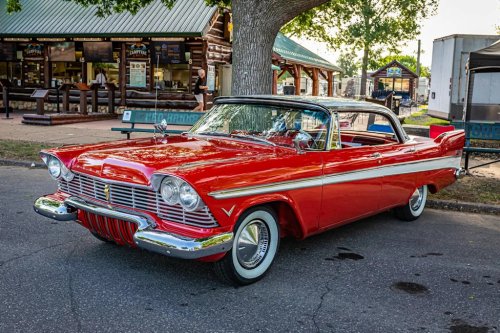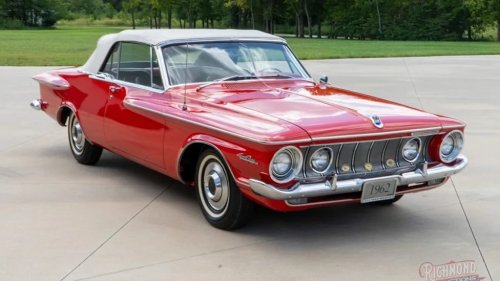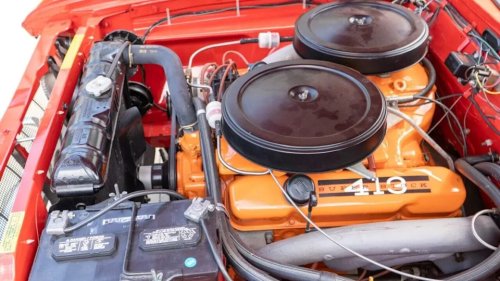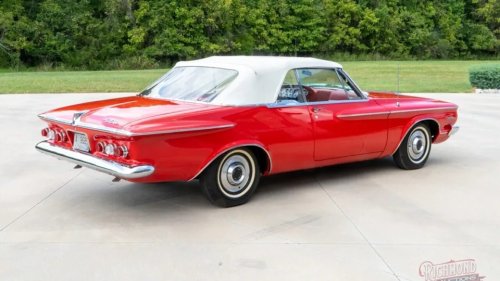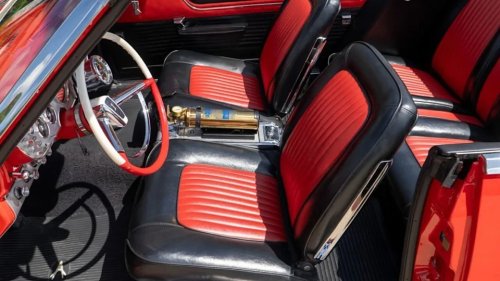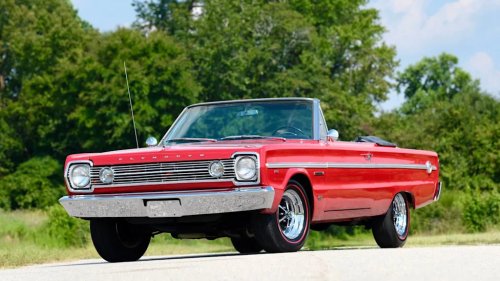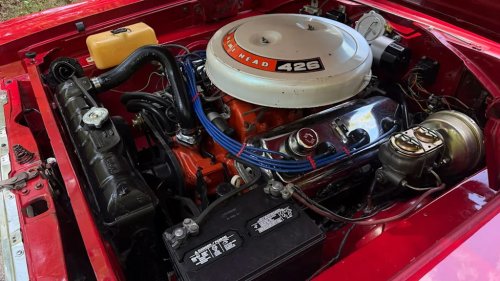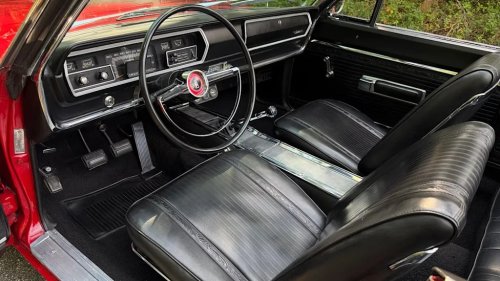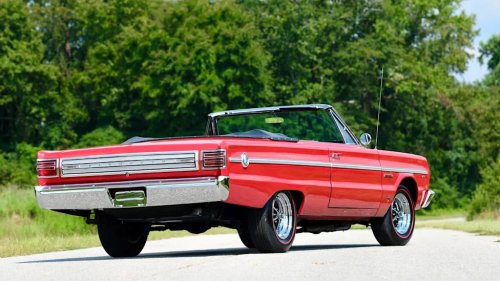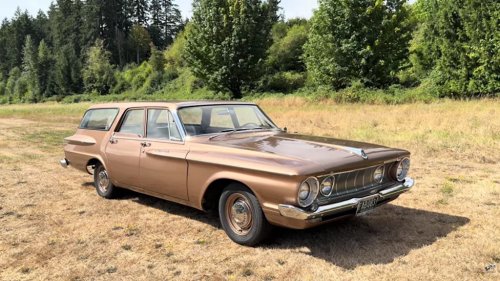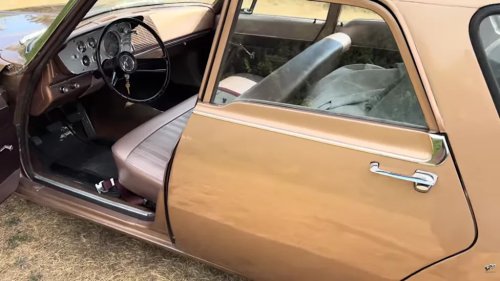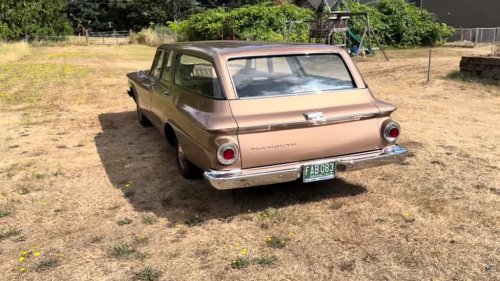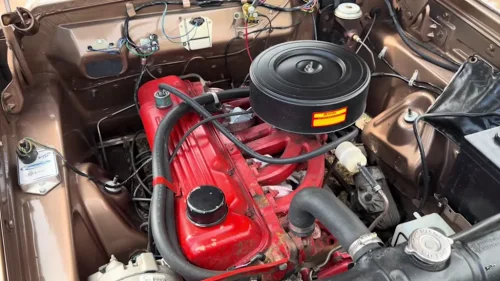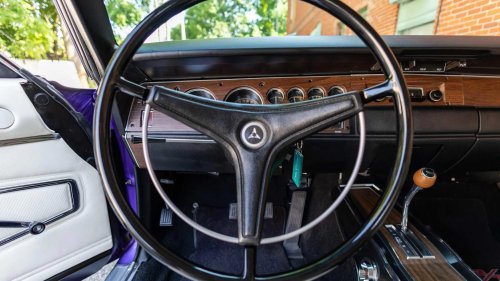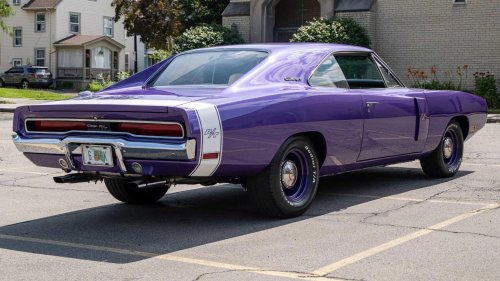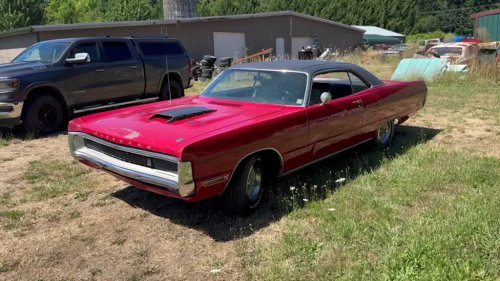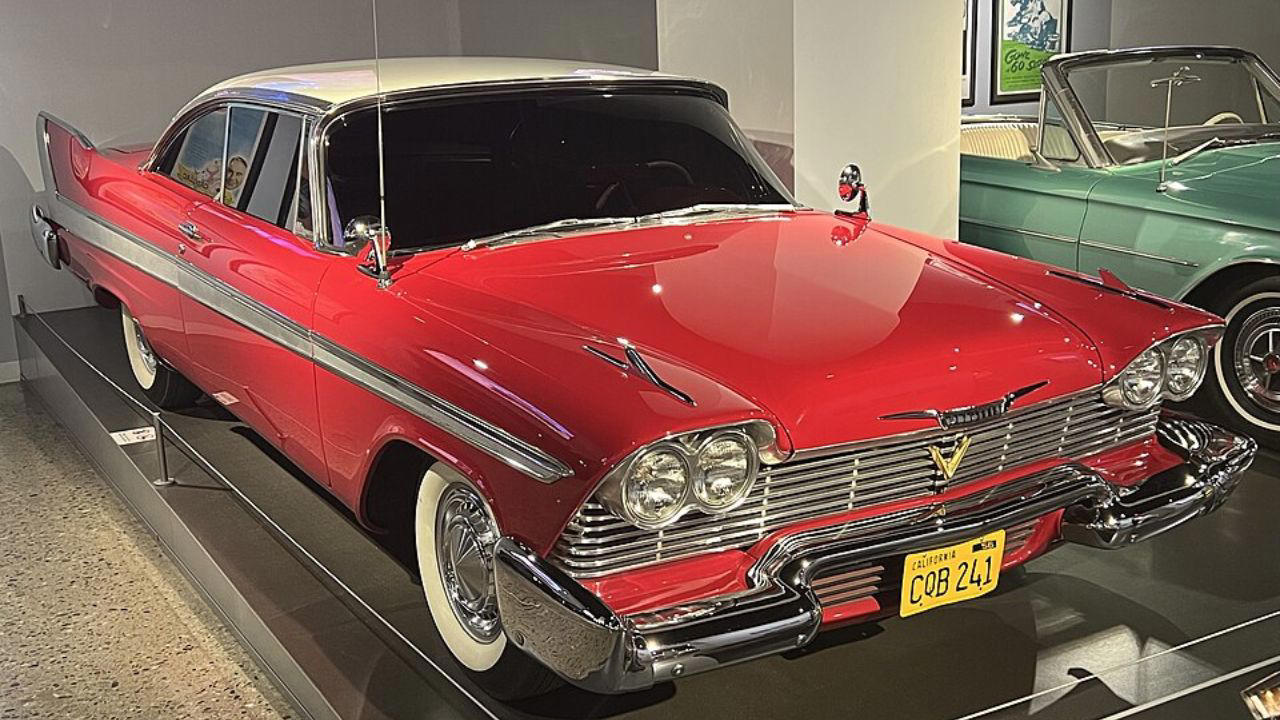



















Plymouth’s 1958 Fury carried attitude long before Hollywood made it famousThe 1958 Plymouth Fury did not need a horror novel to look dangerous. Long before Stephen King imagined a killer coupe named Christine, Plymouth’s top performance model was already a sharp-edged statement of late‑fifties bravado, from its towering tailfins to the rumble of its V‑8. Hollywood later turned the Fury into a movie star, but the car’s real story is how Plymouth baked attitude into metal at a time when style and speed were the surest way to grab attention on American streets. Seen up close today, the 1958 Plymouth Fury still radiates that swagger. More than a Belvedere with extra chrome, it was a limited, high‑performance sub‑series that tried to pull Plymouth upmarket, and it did so with a mix of engineering muscle and visual drama that continues to fascinate collectors and pop‑culture fans alike. The Fury as a Belvedere with a mean streak In Plymouth’s 1958 lineup, The Fury sat within the Belvedere range, but it was treated as a separate personality. Contemporary data describes The Fury as a Belvedere sub‑series that contained only the high‑performance models, a deliberate attempt by Plymouth to carve out a halo car inside its volume line. According to a detailed General Year Information breakdown, The Fury was not just a trim package. It was engineered and marketed as the most aggressive Plymouth a buyer could order that year. The car’s basic format was a two‑door hardtop, sharing the Belvedere’s body shell but fitted with specific performance hardware and cosmetic touches. Plymouth used this structure to showcase its most advanced chassis and suspension features, including a frame with five crossmembers and extensive rubber mounting that factory literature described as a model of strength and rigidity, a claim supported by period documents from Plymouth. The Fury’s place in the hierarchy was clear: Plaza and Savoy models handled budget duty, Belvedere covered the middle ground, and The Fury stood at the top as a limited, more exotic option. Forward Look styling with extra menace The 1958 Plymouth Fury’s appearance followed Chrysler’s Forward Look philosophy, but the execution was especially aggressive. Enthusiast descriptions of the Plymouth Fury call out its bold lines, sweeping tailfins and a low, wide stance that made the car seem in motion even when parked. A detailed profile of the Plymouth Fury describes it as a classic American car with a distinctive design and performance, and notes that its styling captured the era’s exuberance in automotive design. That exuberance was not subtle. The Fury wore tall, knife‑edge fins that rose from the rear quarters, a toothy grille and side moldings that framed contrasting paint panels. Period accounts explain that the area inside those moldings was finished in a different color, often matching the roof, which gave The Fury a layered, almost custom look from the factory. Old‑car specialists describe The Fury as a limited‑edition Belvedere sub‑series that used these paint and trim tricks to stand apart from the regular line, a point reinforced in a feature on The Fury. Inside, the car continued the theme with sporty bucket‑style front seats, special upholstery and a driver‑focused dash. Contemporary descriptions emphasize that the interior was not just plush but also intended to feel racy, with a deep‑dish steering wheel and clear, circular gauges that matched the car’s go‑fast mission. Built for speed: engines and hardware Under the hood, the 1958 Plymouth Fury backed up its looks with serious power. Technical summaries list The Fury’s V‑8 with a bore of 3.4 inches and a stroke of 3.4 inches, details preserved in the Plymouth Fury Specifications. Factory information also highlights high‑lift camshaft figures, with intake and exhaust valve lifts of 0.365 inches, data that appears in the same General Year Information set that defines The Fury’s role in the Belvedere range. Performance‑oriented options went further. Enthusiast coverage of a 1958 Plymouth Fury Golden Commando at a Real Performance Meet describes the car as a standout at RPM, with the Golden Commando engine package celebrated for its output and rarity. A video from a meet at the Gilmore Car Museum shows a Plymouth Fury Golden as a headline attraction, underlining how the model’s performance image still resonates. Chassis engineering supported that power. Factory brochures describe a new frame with five crossmembers, an entire suspension system isolated with rubber, and a focus on strength and rigidity. These details, preserved in official Plymouth material, show that the Fury’s attitude came from structure as much as style. The car was designed to handle the speeds its engines could produce, which helped it earn a reputation among Mopar enthusiasts as a genuine performance machine. Limited production and Belvedere confusion Part of the 1958 Fury’s mystique comes from how few were built and how closely it mirrored the Belvedere. Old‑car historians describe The Fury as a limited‑edition model, and production figures for the 1956 and 1957 versions were already low. By 1958, the run remained restricted, which has fed decades of confusion among enthusiasts trying to distinguish a Belvedere HTP from a Fury. Discussion threads on the model’s history often revolve around the question of what separates a Plymouth Belvedere HTP and Fury. One detailed post titled as a question about What is the explains that the distinction comes down to trim, interior and performance equipment rather than basic sheetmetal. That nuance matters today, because cars that started life as Belvederes have sometimes been restored or cloned into Fury lookalikes, especially in the wake of Christine’s fame. Specialist parts suppliers reflect this complexity. Suspension catalogs list separate applications for Plymouth Fury, Plymouth Belvedere, Plymouth Plaza and Plymouth Savoy, with each model tied back to the same General Year Information. These references, which appear in application pages connected to the Plymouth Fury and its Belvedere siblings, show how the Fury’s unique combination of parts has to be respected when restoring one correctly. Christine and the creation of a horror icon For all its period significance, the 1958 Plymouth Fury would likely be a niche favorite today if not for Stephen King. In his novel Christine, King cast a red 1958 Plymouth Fury as a malevolent, self‑healing car that destroys anyone who crosses it. Enthusiast descriptions of the Plymouth Fury often reference Christine directly, calling it a sinister beauty in shimmering red and linking the real car to the story’s supernatural violence. One fan description on social media introduces the Plymouth Fury as a two‑door hardtop coupe best known as the central character in Stephen King’s novel Christine. That same description emphasizes the car’s bold lines and dramatic fins, arguing that its unique aesthetic and historical significance make it memorable even without the horror association. The film adaptation amplified this image, putting the Fury’s face on posters and screens worldwide. The catch is that the movie production did not use only genuine Furys. Old‑car experts explain that several Belvederes were dressed as Furys for filming, a practical decision given the limited supply of real examples. A discussion about In the Movie Christine, the star was a 1958 Plymouth, notes how the production blurred the line between Belvedere HTP and Fury for cinematic effect. That decision has since fueled debates among purists about what counts as a “real” Christine car. Attitude by design, not just by script Even so, the Christine story worked because the Fury already looked like trouble. Descriptions of the Plymouth Fury as a classic American performance car stress that its design was intended to project speed and power. One enthusiast summary explains that its design was intended to showcase the era’s exuberance in automotive design and that the car’s unique aesthetic and historical significance continue to attract attention, a point made in a post that highlights its design goals. Another community focused on Remember When? 1958 describes the Plymouth Fury as a classic American car known for its bold styling and strong performance, and notes that it continues to captivate car enthusiasts today. That description of the Plymouth Fury reinforces the idea that the car’s attitude was not invented by fiction. The long hood, low roof and finned tail were always meant to intimidate. Video features on Mopar history underline this point. One presenter introduces a forwardlook Chrysler, a 1958 Plymouth Fury, and reminds viewers that the Fury was introduced in 1956 and in 1956 and 1957 was already positioned as a performance flagship. In that clip, the host refers to the car as a favorite for Mopar fans, highlighting how the Plymouth Fury the represented Chrysler’s bid to challenge rivals with a mix of style and speed. Weird facts and enthusiast obsession The Fury’s blend of rarity, design and pop‑culture fame has spawned a cottage industry of trivia. A video countdown of 1958 Plymouth Fury oddities promises 20 weird facts about the car, teasing that it was different and special, and that some would say too special. The host in that clip talks directly to Plymouth fans, framing the Plymouth Fury as a car whose quirks only deepen its appeal. Those quirks range from paint codes to engine options. Some enthusiasts point out that factory Furys were originally finished in specific light colors with gold trim, while the movie Christine popularized a bright red scheme that was not the standard Fury paint choice. Others focus on the car’s high‑lift camshaft specs and the way Plymouth tuned its V‑8 for performance. Technical breakdowns that list intake and exhaust lift at 0.365 inches show how far Plymouth was willing to go to give The Fury a performance edge, details preserved in the Plymouth Fact Sheet that enthusiasts still cite. Collectors also obsess over production numbers and survival rates. Old‑car market platforms that feature The Fury describe how Furys were sacrificed over the years, sometimes parted out to keep other cars running, which has made intact examples especially valuable. The same feature that details The Fury’s production also notes that its high horsepower was short‑lived in the face of changing regulations and tastes, adding a layer of nostalgia to every surviving car. Driving character and modern perception Owners and restorers often describe the driving experience as equal parts drama and effort. The long hood and low seating position give the driver a commanding view of those rising fins, while the V‑8 delivers the kind of torque that defined late‑fifties American performance. Suspension specialists who catalog parts for the Fury and its siblings emphasize the importance of correct springs and bushings to preserve this character, a focus reflected in application listings that tie back to the Plymouth Belvedere, Plaza and Savoy as well as the Fury. Modern descriptions of the Plymouth Fury often blend technical respect with pop‑culture affection. One social media post describes the 1958 Plymouth Fury as a classic American car known for its distinctive design and performance, introduced as a high‑performance model within the Plymouth lineup. That same post, which refers to the Plymouth Fury as a symbol of the era’s exuberance, captures how the car has shifted from new technology to rolling nostalgia. More from Fast Lane Only Unboxing the WWII Jeep in a Crate 15 rare Chevys collectors are quietly buying 10 underrated V8s still worth hunting down Police notice this before you even roll window down