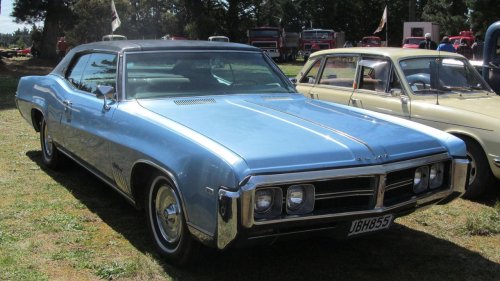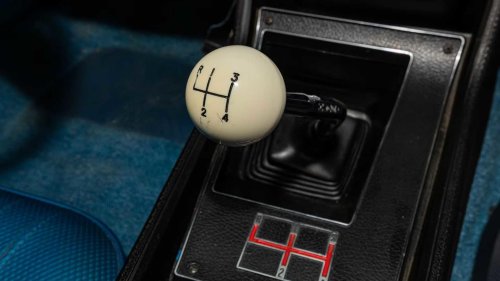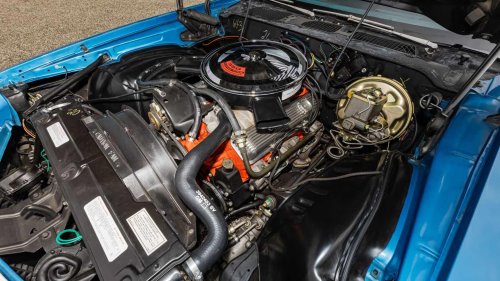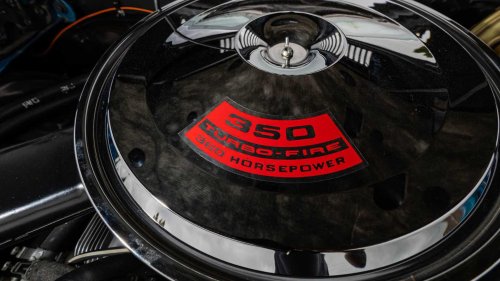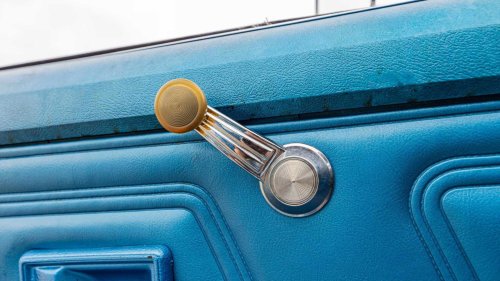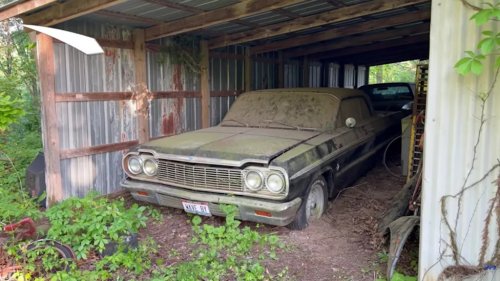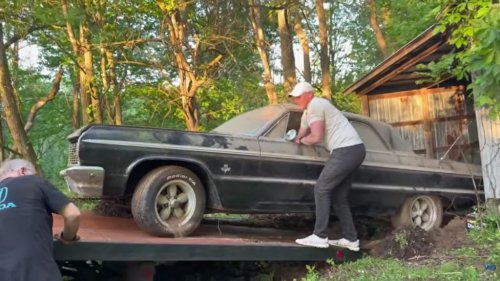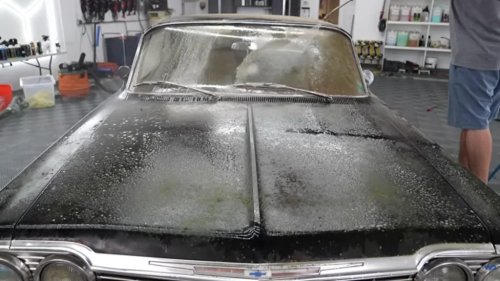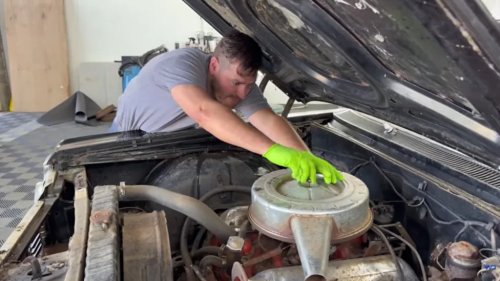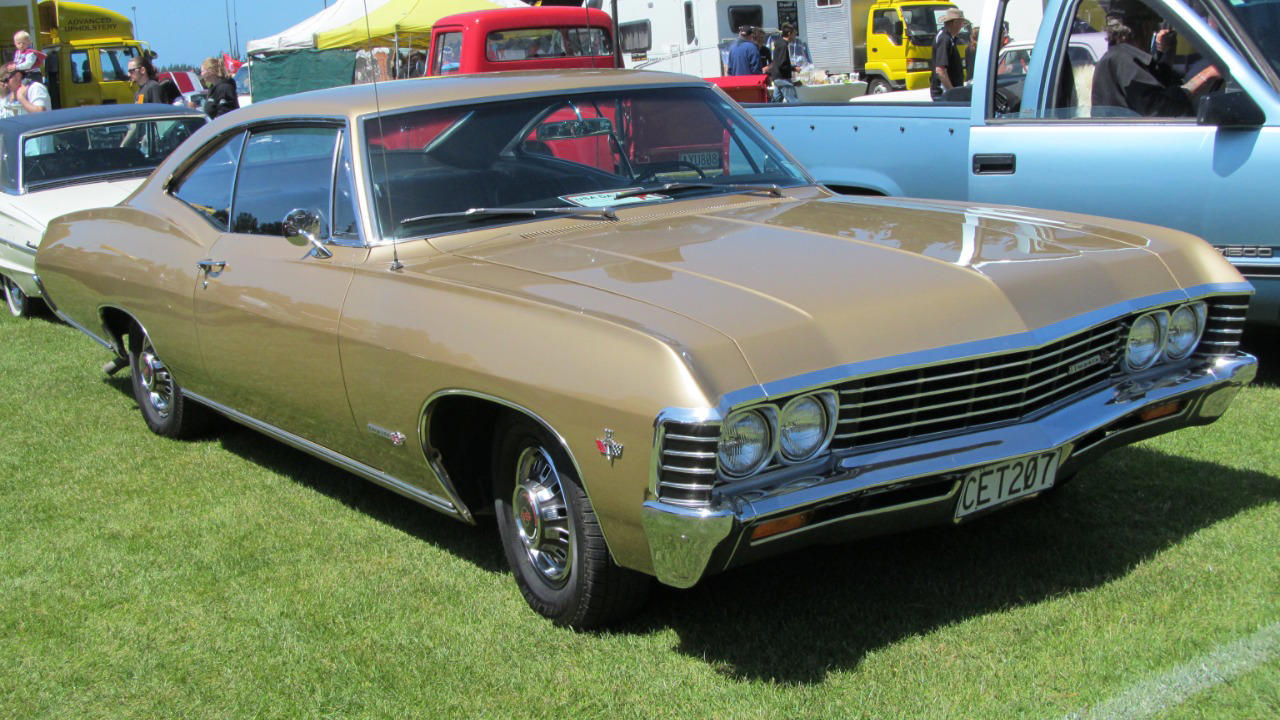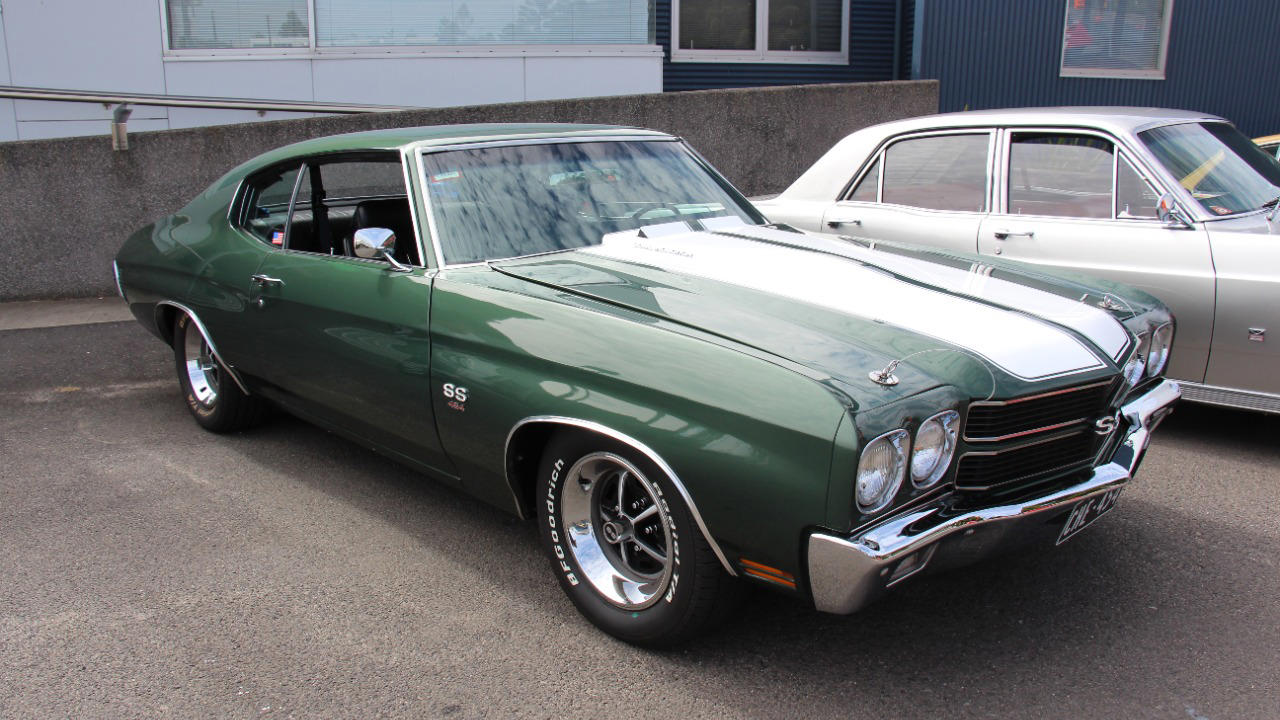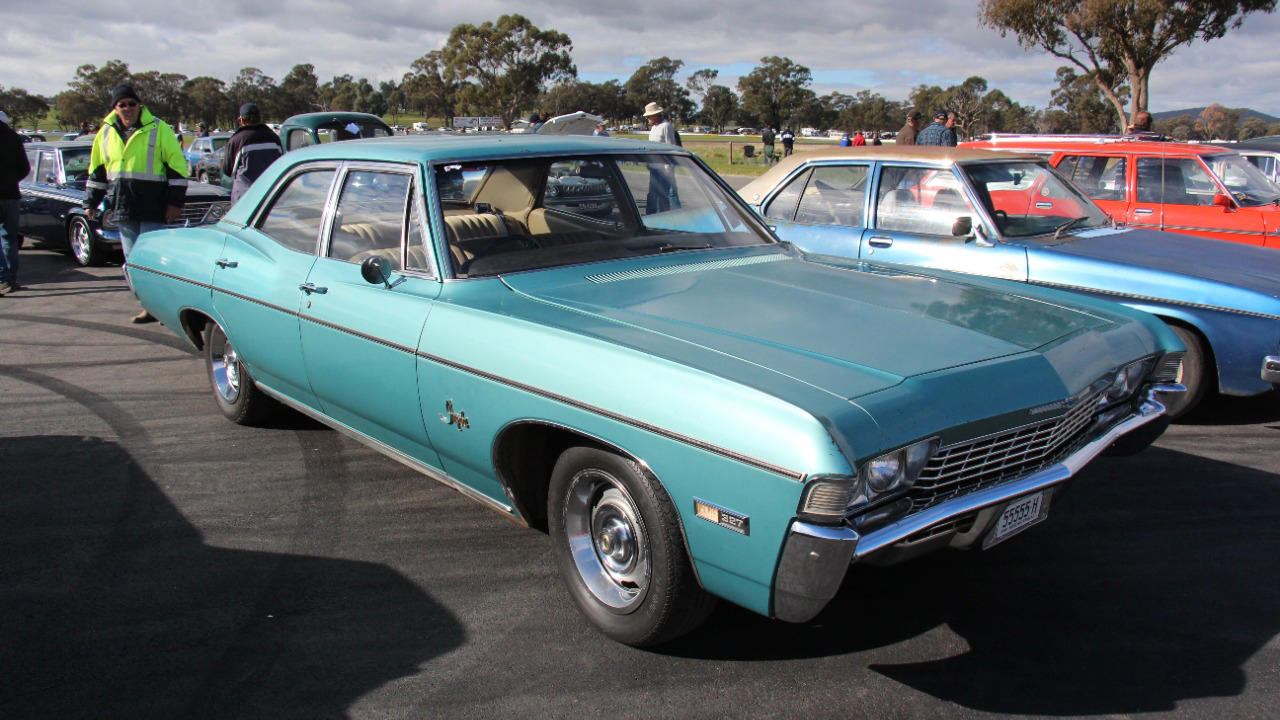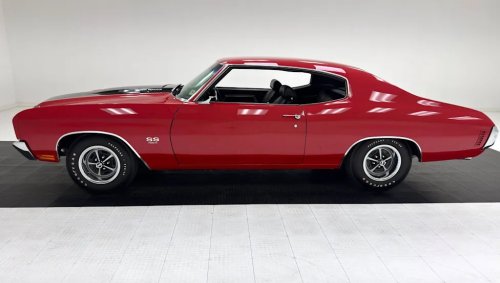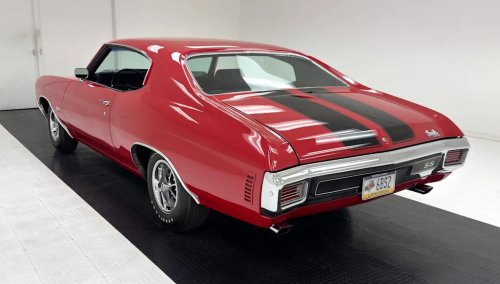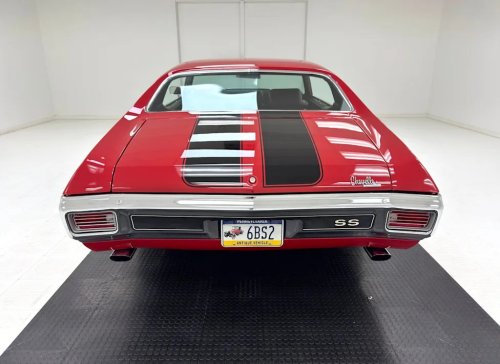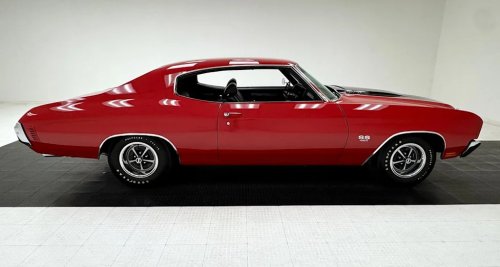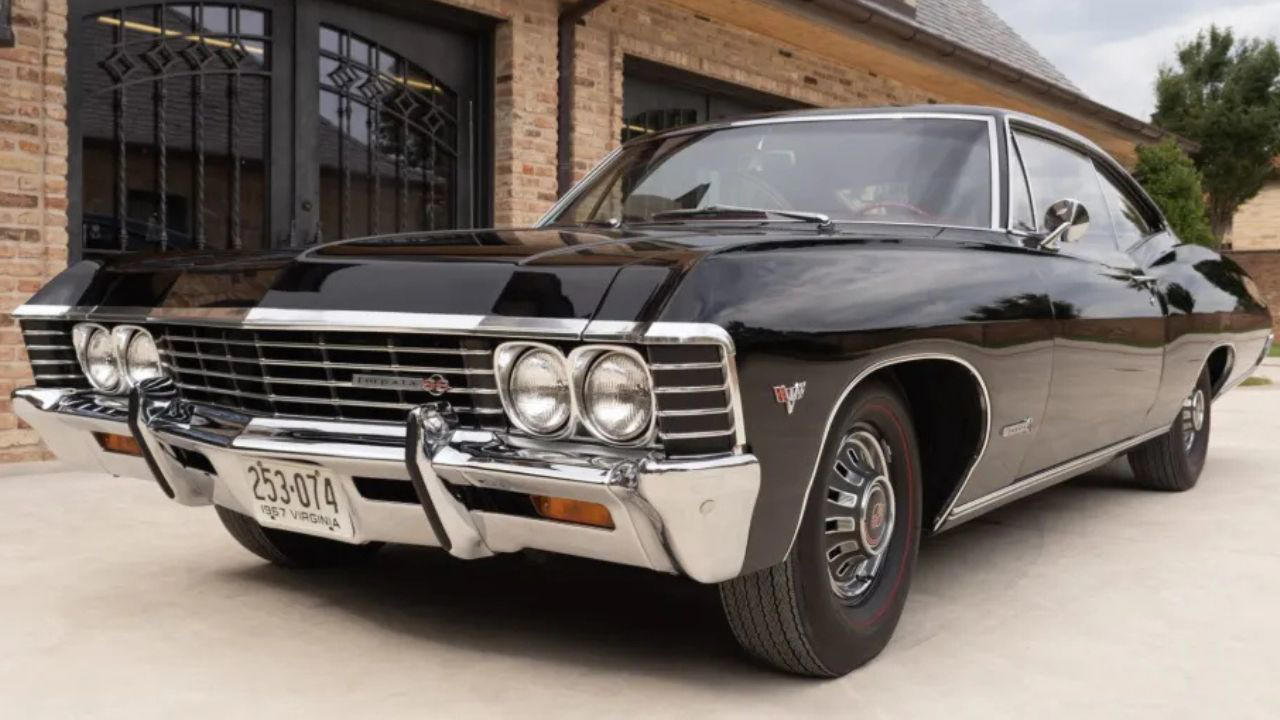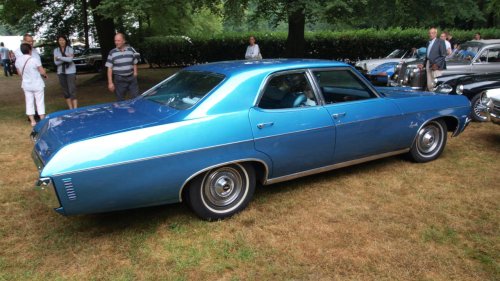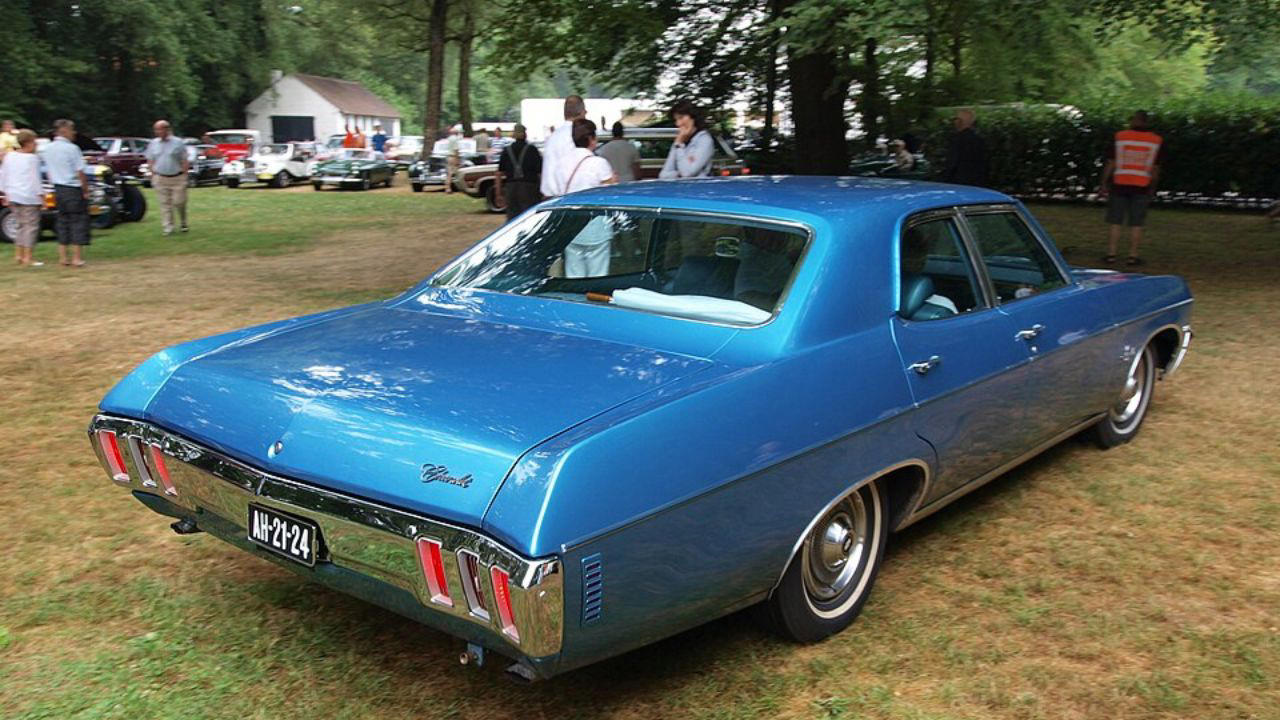


















Long before downsizing the 1970 Impala SS 454 carried full-size muscle attitudeThe 1970 Chevrolet Impala SS 454 arrived at the tail end of Detroit’s horsepower wars, just a few years before downsizing turned full-size muscle into a memory. It wore a family-car badge, but under the sheetmetal it carried the same big-block firepower and swagger that defined the era’s most feared street machines. Long before smaller platforms took over, this Impala delivered full-size muscle attitude with room for five and a trunk big enough for the weekly shop. That blend of brute force and everyday usability has since turned the 1970 Impala SS 454 into one of the more intriguing “forgotten” performance cars. It bridged luxury and speed in a way that feels almost impossible in a world of compact performance crossovers and turbo fours. The full-size Chevy that refused to act its size By 1970, the Impala nameplate had already spent years as Chevrolet’s full-size volume leader. The fourth-generation Impala received only a minor facelift that year, with a more conventional bumper under the grille replacing the wraparound design from 1969. The styling change was subtle, but it framed a car that was anything but shy on the road, with long, straight body sides and a broad hood that telegraphed the big-block options hiding underneath. Contemporary buyers saw the 1970 Impala as a familiar shape with incremental updates. According to period data compiled in later reviews, the car’s Original MSRP and trim walk positioned it squarely in the heart of the full-size market, yet enthusiast attention skewed toward the smaller Chevelle or the new Monte Carlo. That left the big sedan and coupe to quietly carry much of the same hardware without the same hype. From family hauler to “The Forgotten Muscle Car Beast That Could Destroy Anything” On paper, the 1970 Chevrolet Impala SS was a contradiction. It wore the same badge that dads used for commuting and school runs, yet in SS 454 form it lined up with some of the most serious performance cars of its time. Later commentators have described the 1970 Chevrolet Impala SS as Forgotten Muscle Car on the Road, a phrase that captures how easily it could embarrass smaller, more overtly sporty machinery. That reputation rests on the 454 cubic inch big-block V8 that transformed the Impala from cruiser to threat. The same basic Chevrolet Mark IV architecture that powered the Chevelle SS and the 1970 Monte Carlo SS 454 appeared here as well, with period coverage of the Monte Carlo describing the big-block as a Chevrolet Mark IV “big-block” OHV V-8 with cast-iron block and cylinder heads in the ENGINE Type specifications. Dropped into a full-size shell, that engine gave the Impala the sort of effortless torque that made speed feel deceptively calm. Big-block numbers, full-size comfort The Impala SS 454 sat at the top of a wide engine range. While many 1970 cars used smaller V8s, some even around 5.7 liters as seen in later enthusiast drives of a Chevy Impala, the flagship SS 454 leaned on displacement and torque. In convertible form, the 454 Turbo-Jet package was rated at 390 horsepower, with detailed specifications listing displacement of 454.2 cubic inches, output of 396 horsepower or 401 PS, equivalent to 295 kW, and torque of 500 lb-ft. Those numbers were not just for bragging rights. Owners of big-block Impalas described how the car delivered its performance with an eerie lack of drama. One long-running account from a Central Oklahoma club recalls that on the first day with a 1970 Chevrolet Impala, the driver and passengers were “shaking our head over how little feeling of acceleration and speed there seemed to be. Even with the big engine working, the car felt composed, quiet, and almost detached from the velocity it was generating. That calm demeanor was part of the appeal. The Impala SS 454 did not demand that its driver live at redline. It delivered a thick wave of torque at low and midrange rpm, which made quick passes and highway merges feel almost casual. The full-size chassis soaked up expansion joints and rough pavement, so the driver could sit back in a broad seat, one hand on the wheel, while the big-block did the heavy lifting. Luxury touches in a muscle-era shell Chevrolet positioned the Impala as a step above the most basic full-size models, and that carried through in the equipment list. Period descriptions highlight that Impalas featured top-of-the-line features like an electric clock, dual sliding sun visors, front and rear armrests, and crank-operated vent windows. Some cars also carried a speed warning buzzer that would sound once a pre-set speed was exceeded, a reminder that this was a family car in theory, even if the big-block under the hood tempted drivers to push. Later retrospectives on the 1970 Chevrolet Impala describe how options like air conditioning, power windows, and an AM/FM radio gave the car a surprisingly upscale feel for a mainstream full-size model. Commentators have noted that the ride quality was soft and isolated, yet the car still had enough chassis control to handle the power without feeling unruly, a balance that helped it serve as both highway cruiser and weekend performance toy. Styling continuity and quiet aggression Visually, the 1970 Impala did not shout about its performance. The body shared much with the 1969 car, a point that even later Impala reviews acknowledge when they note that although the 1970 Impala looked almost identical to the 1969, certain trims were lacking flash compared with flashier muscle coupes. The SS package added subtle cues rather than wild stripes, which only reinforced the car’s sleeper status. Enthusiasts who focus on styling often point to the late 1960s as a turning point for the Impala line. One detailed look at an all-original 1970 Impala notes that the late 1960s brought a transformation that was absolutely needed, especially in terms of proportions and presence. By 1970, the car had settled into a clean, squared-off look with crisp character lines and a long hood that suited the big-block image without resorting to gimmicks. In SS 454 form, the Impala’s aggression came more from stance and sound than from graphics. Wide tires, a slightly lower posture, and the deep thrum of the 454 at idle signaled intent to those who knew what to look for. To casual observers, it was still just the big Chevrolet the neighbor drove to work. Convertible muscle with open-air drama The 1970 Chevrolet Impala Convertible added another layer to the SS 454 story. One period-focused description calls the 1970 Chevrolet Impala Convertible a stylish full-size cruiser that combined open-air freedom with classic American muscle. Another enthusiast account describes a “454 V8 drop-top” 1970 Chevrolet Impala as part of the full-size Chevy lineup that continued to be defined by bold, clean lines and a commanding presence on the road, with the convertible layout amplifying that sense of drama. In convertible SS 454 trim, the Impala offered something rare even in its own time. It paired the sheer thrust of the 454 with the relaxed, open-air feel of a full-size ragtop. That combination was not just about straight-line speed. It was about the experience of hearing the big-block work under load, feeling the wind buffet a wide cabin, and watching the horizon rush forward from a high, comfortable seat. Driving character: soft ride, hard acceleration Modern drivers encountering a 1970 Impala for the first time often remark on how different it feels from later performance cars. One video review of a 1970 Chevy Impala with a smaller V8 highlights the light steering, the long-travel suspension, and the way the car seems to float over the road. Yet even in that softer configuration, the car still pulls strongly, reminding the driver that this was a time when displacement and torque were the default answers to most performance questions. Accounts focused specifically on the 1970 Chevrolet Impala SS describe a similar dual personality. Enthusiasts who revisit the car today often emphasize how it balanced comfort, size, and power. One retrospective characterizes the 1970 Chevrolet Impala as a “muscle luxury beast” that Detroit built for people who wanted both speed and civility, calling it the kind of car that dads drove to work during the week and to the drag strip on weekends. The big-block SS 454 sharpened that personality. With 454 cubic inches and 500 lb-ft on tap, the car surged forward with a gentle squeeze of the throttle. Yet thanks to its long wheelbase and compliant suspension, occupants experienced that acceleration as a firm push into the seat rather than a frantic lunge. It was fast, but it was not frantic. Big-Block Brilliance from a Golden Era Later enthusiasts have framed the 1970 Chevrolet Impala as part of a “Big Block Brilliance” moment in American performance history. One fan account explicitly labels the 1970 Chevrolet Impala as “Big Block Brilliance from a Golden Era,” calling it a true icon of American muscle that combined sheer power with everyday practicality. That framing matters because it places the Impala SS 454 in context. The car arrived just before emissions controls, rising insurance premiums, and the first fuel crises began to choke off big-block performance. By the middle of the decade, horsepower figures had dropped, compression ratios had fallen, and the idea of a full-size family car with nearly 400 horsepower had started to look like a relic. One later social media reflection on the broader Impala line notes that the 1976 Chevrolet Impala was the last of the big, bold full-size Impalas before downsizing hit in 1977. That shift would fundamentally change what “full-size” meant in the Chevrolet showroom. The 1970 SS 454, therefore, sits close to the peak of the original big-car formula. Why collectors are paying attention now For years, the 1970 Impala SS 454 lived in the shadow of smaller, more celebrated muscle cars. As prices for Chevelles, Camaros, and other icons climbed, however, attention began to shift. Enthusiasts started to recognize that an Impala SS with the 454 delivered much of the same power and even more presence, often at a more approachable cost. Survivor-grade examples underline that appeal. One feature on an all-original, low-mileage 1970 Impala in showroom condition describes how the car captures the late 1960s transformation of the model line and preserves details like factory paint, trim, and interior textures. While that particular car is not necessarily an SS 454, it demonstrates how clean, unmodified Impalas from this era can transport viewers straight back to the moment when big cars still ruled American roads. Online communities and enthusiast groups have amplified that interest. A dedicated post celebrating a 1970 Chevrolet Impala as “pure muscle, timeless class” highlights how the car’s combination of size, comfort, and power still resonates. Another video titled “1970 Chevrolet Impala: The Muscle Luxury Beast That Detroit Forgot” leans into the narrative that the car was never boring, instead calling it a perfect balance of comfort, size, and power that fit right into everyday life. More from Fast Lane Only Unboxing the WWII Jeep in a Crate 15 rare Chevys collectors are quietly buying 10 underrated V8s still worth hunting down Police notice this before you even roll window down