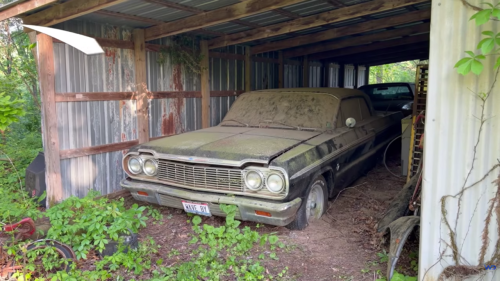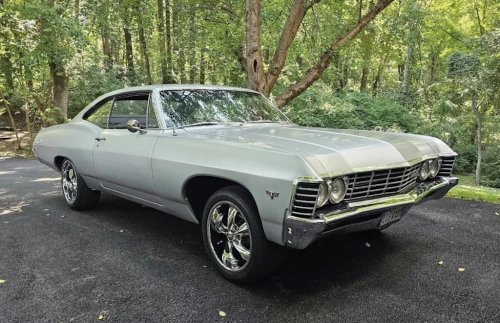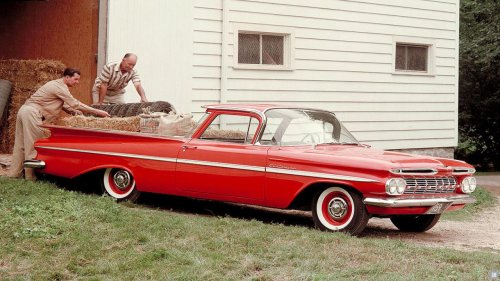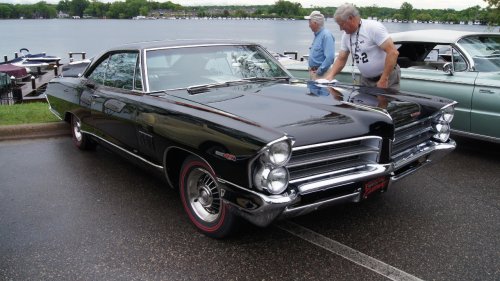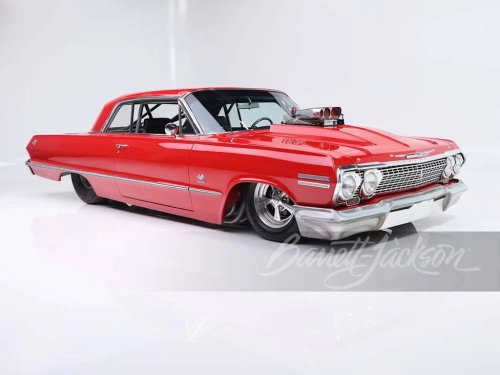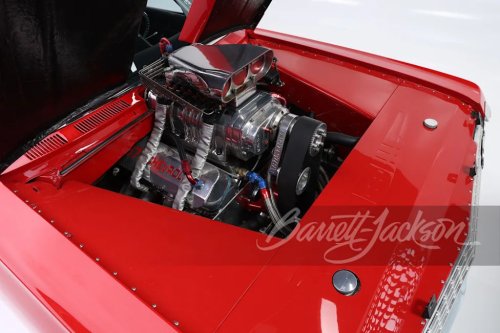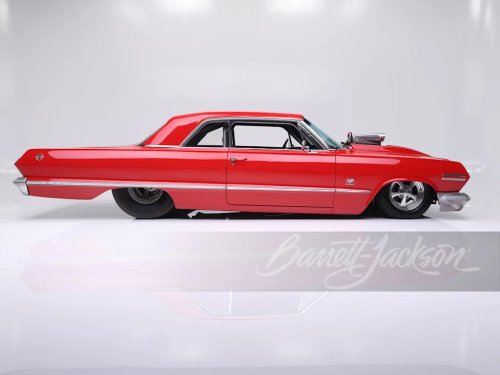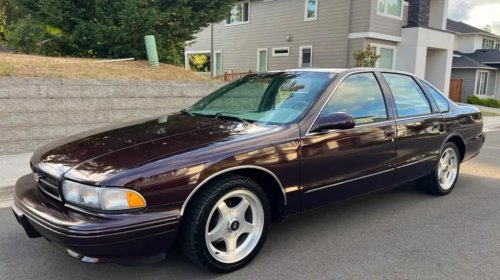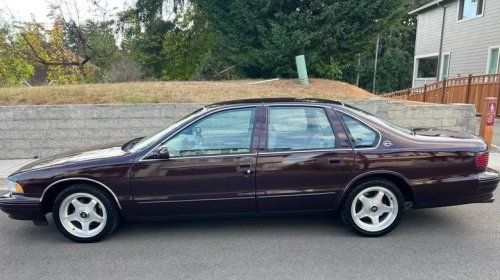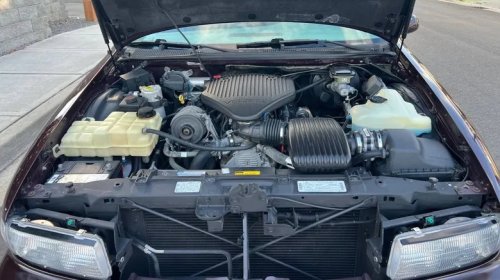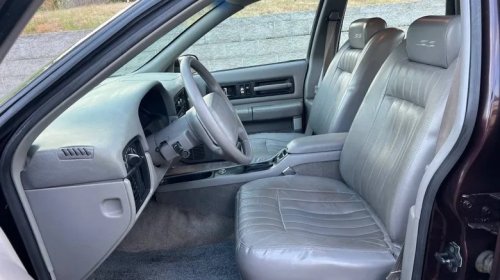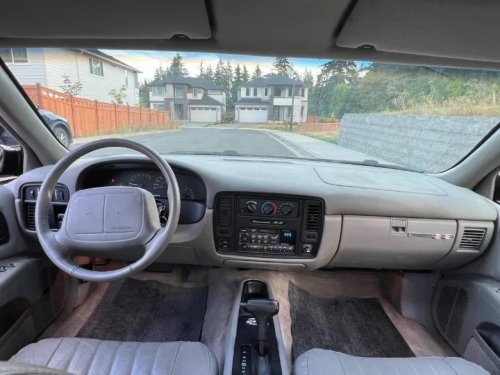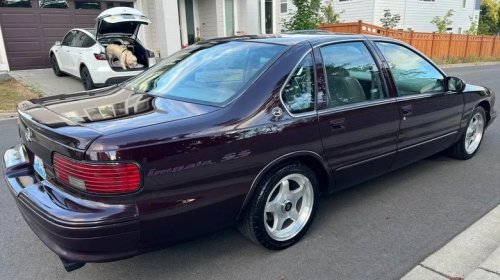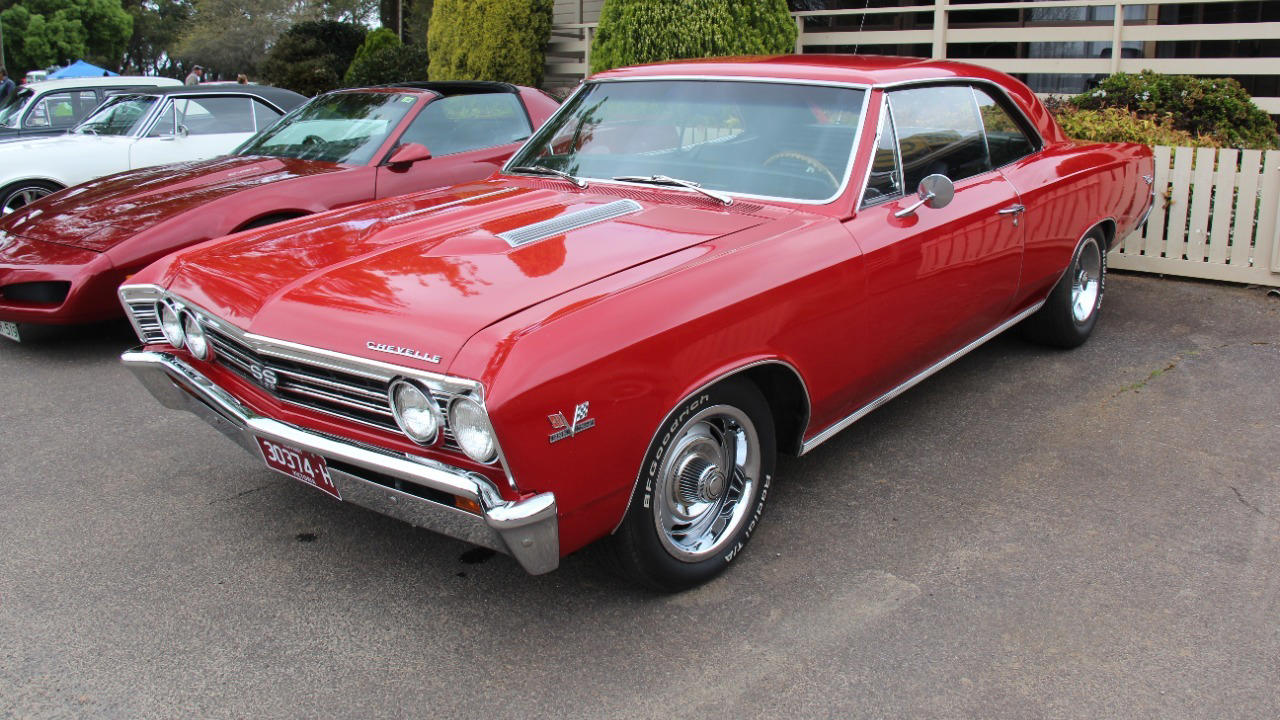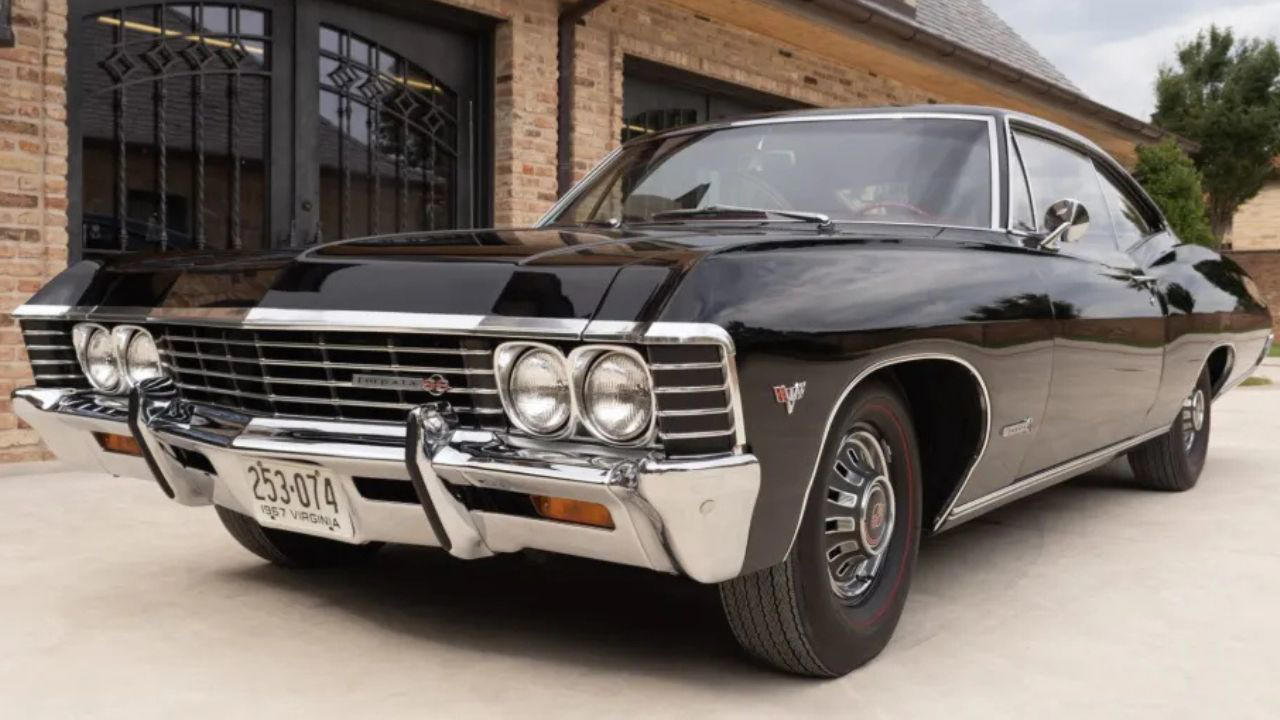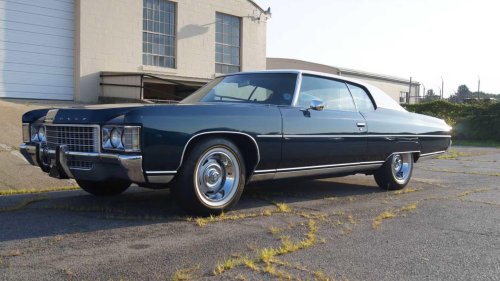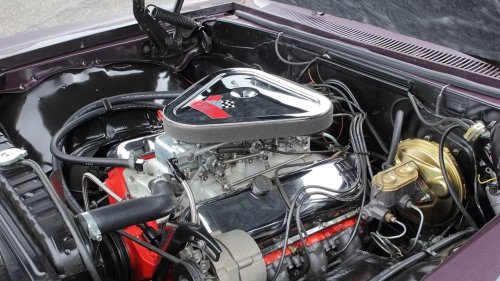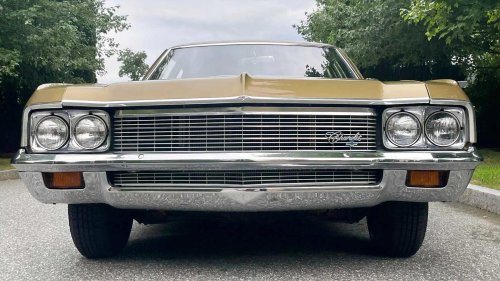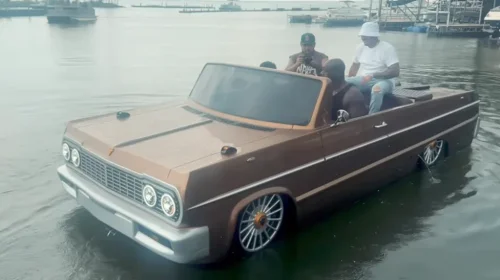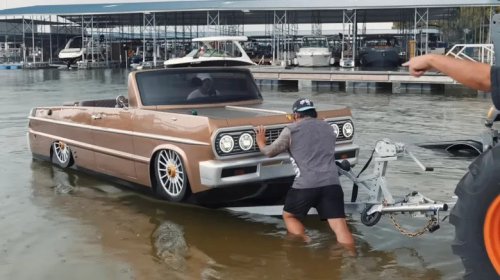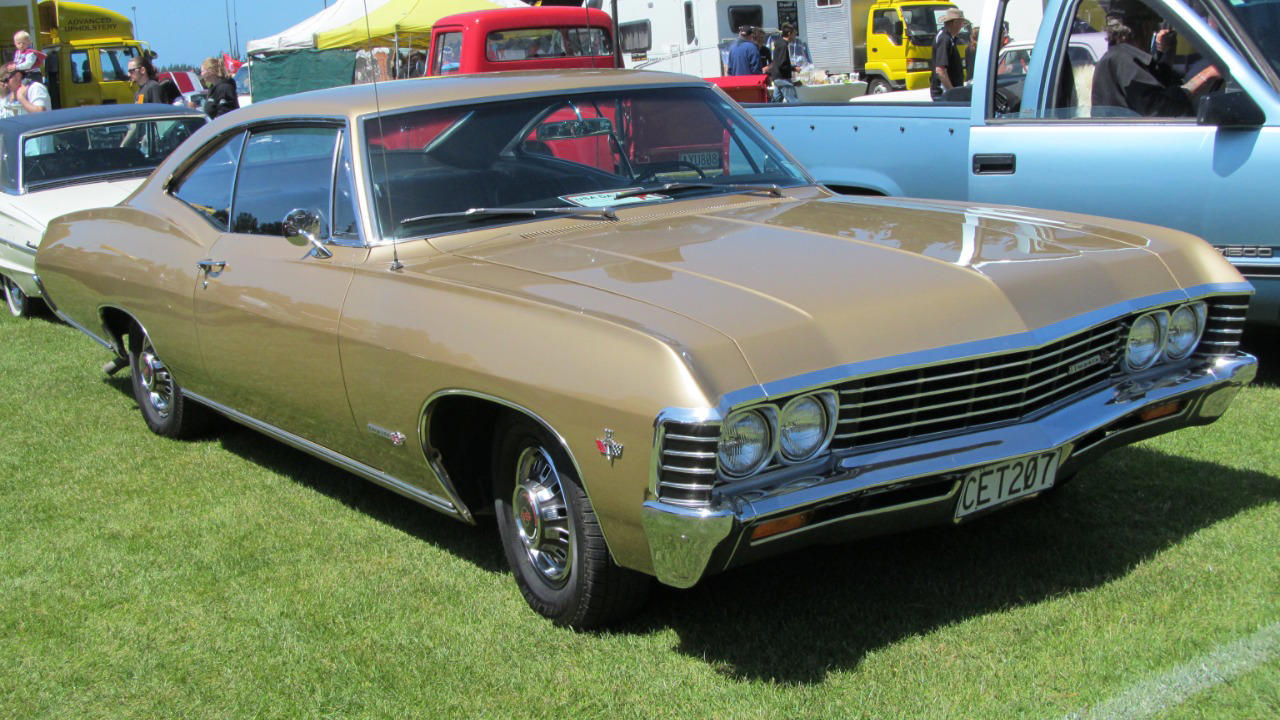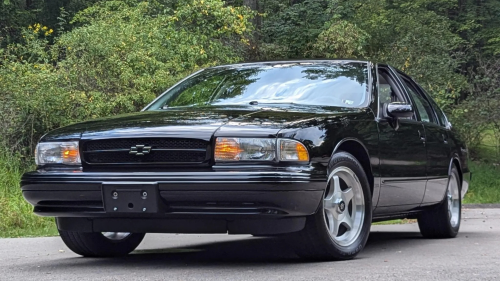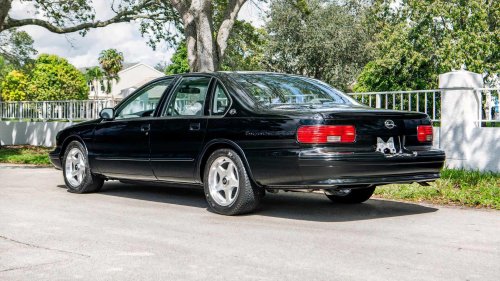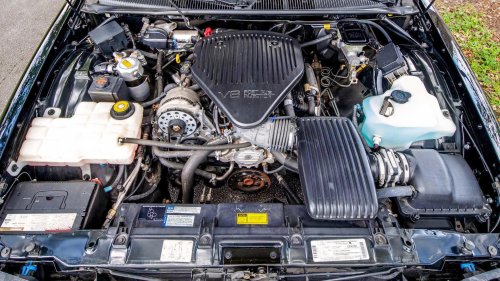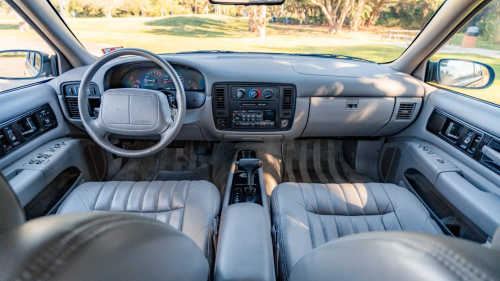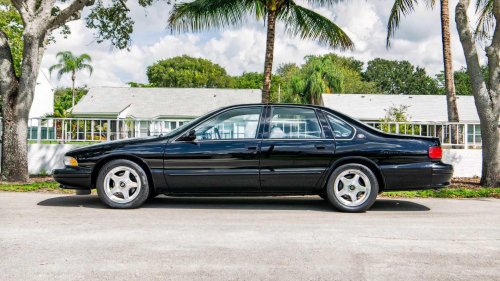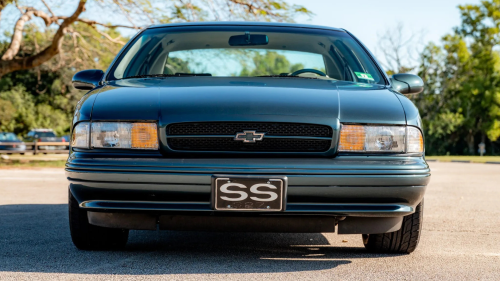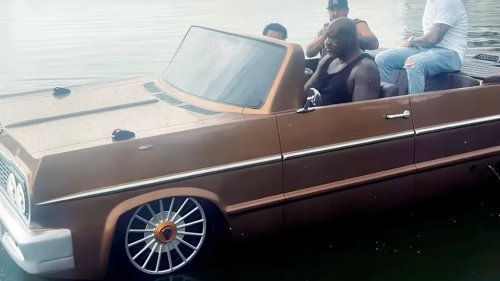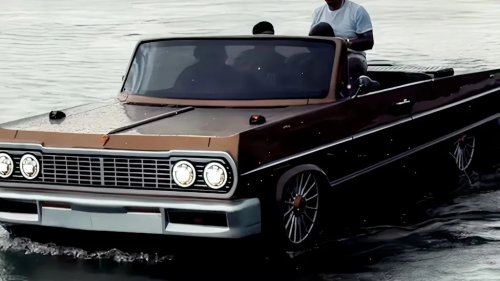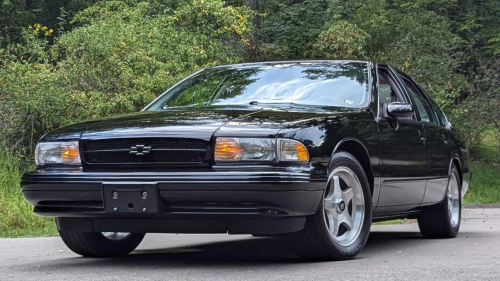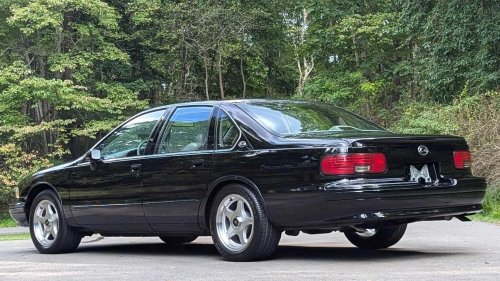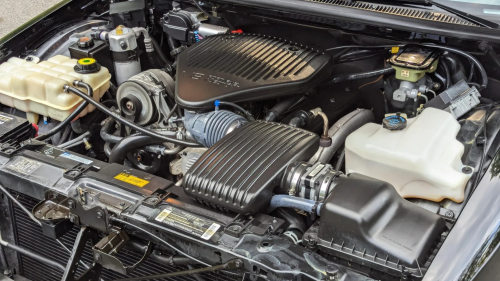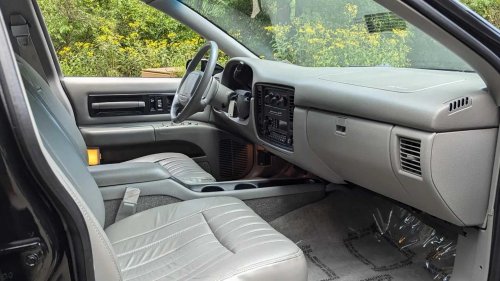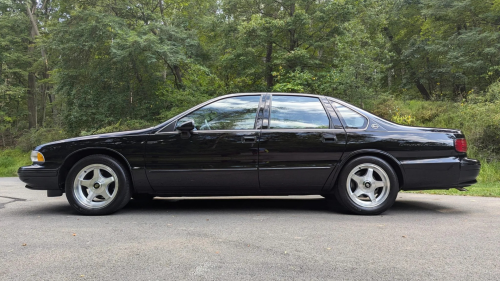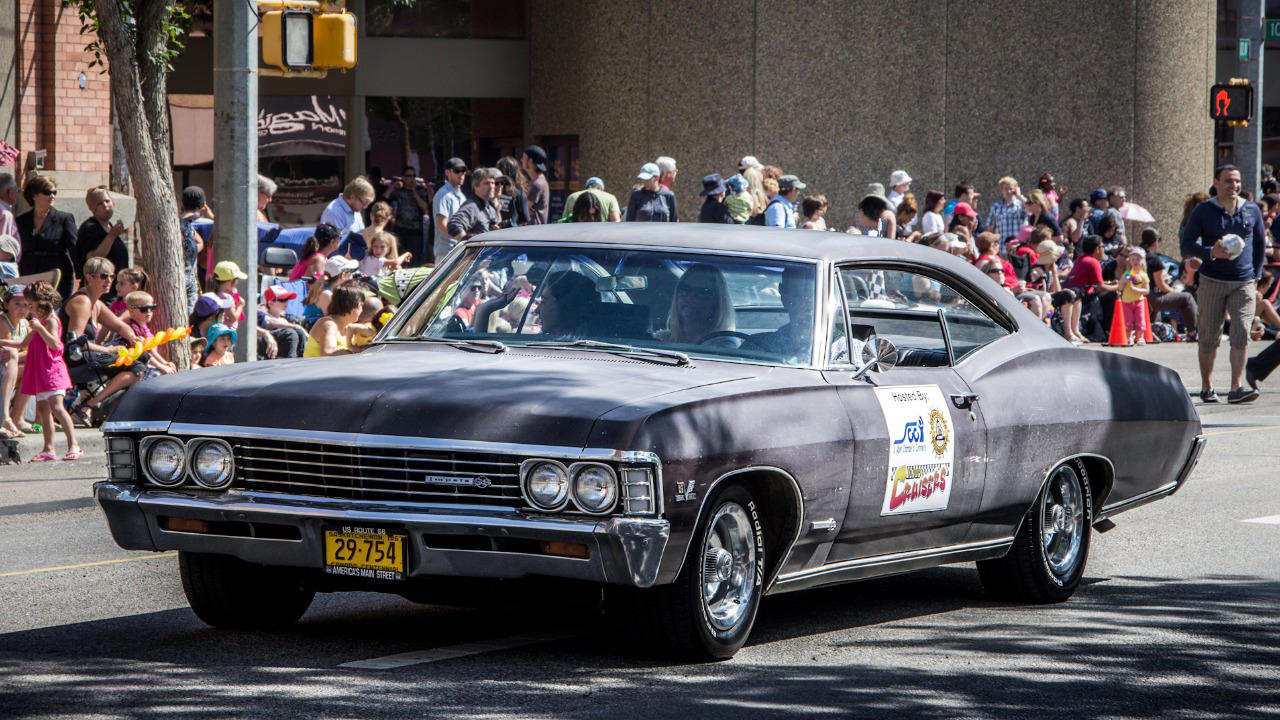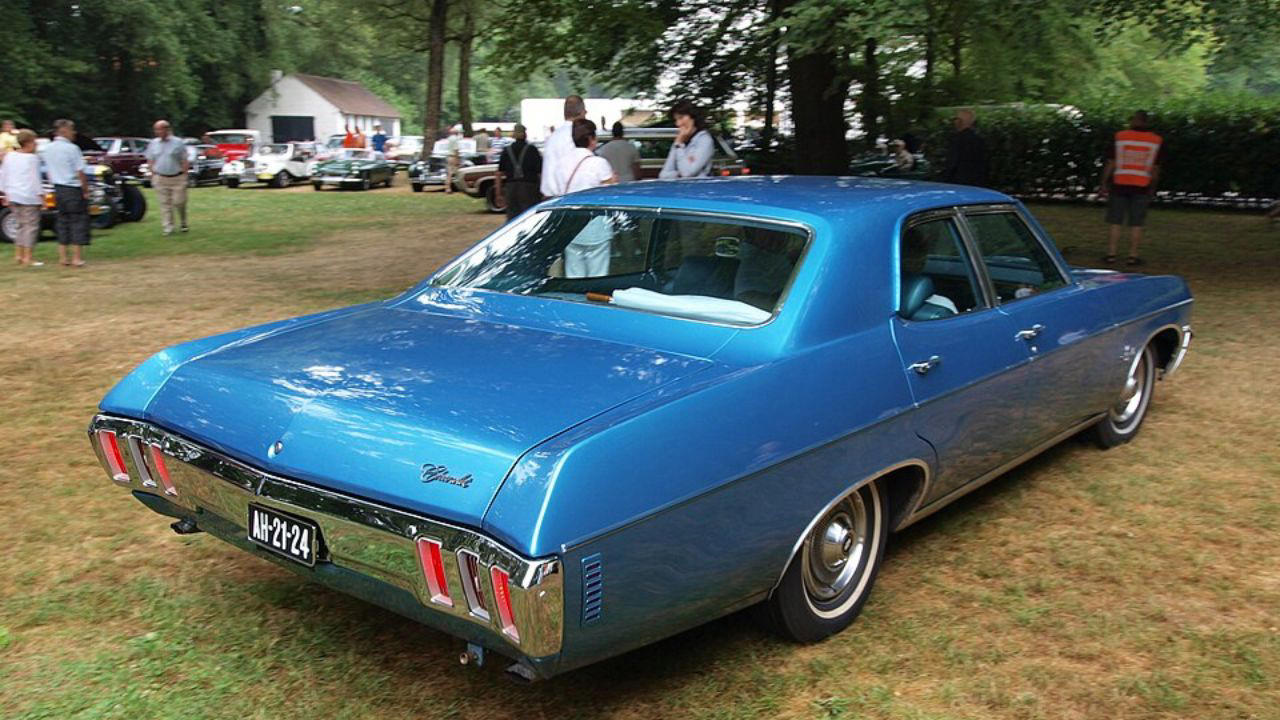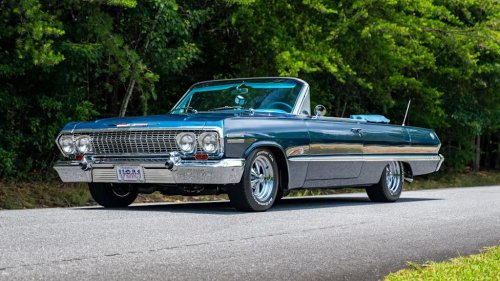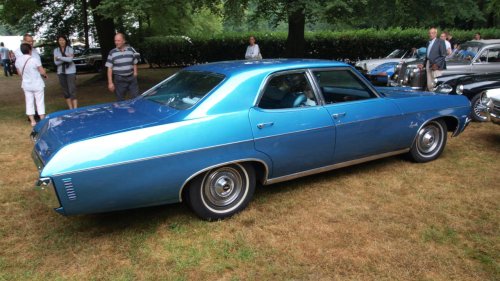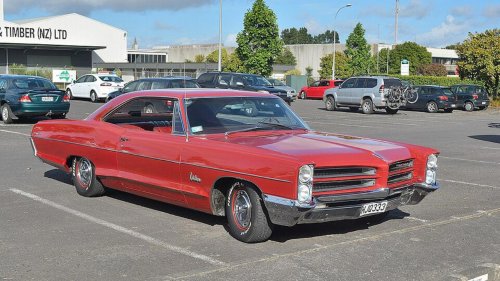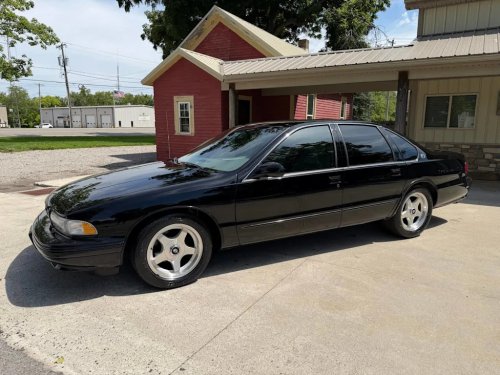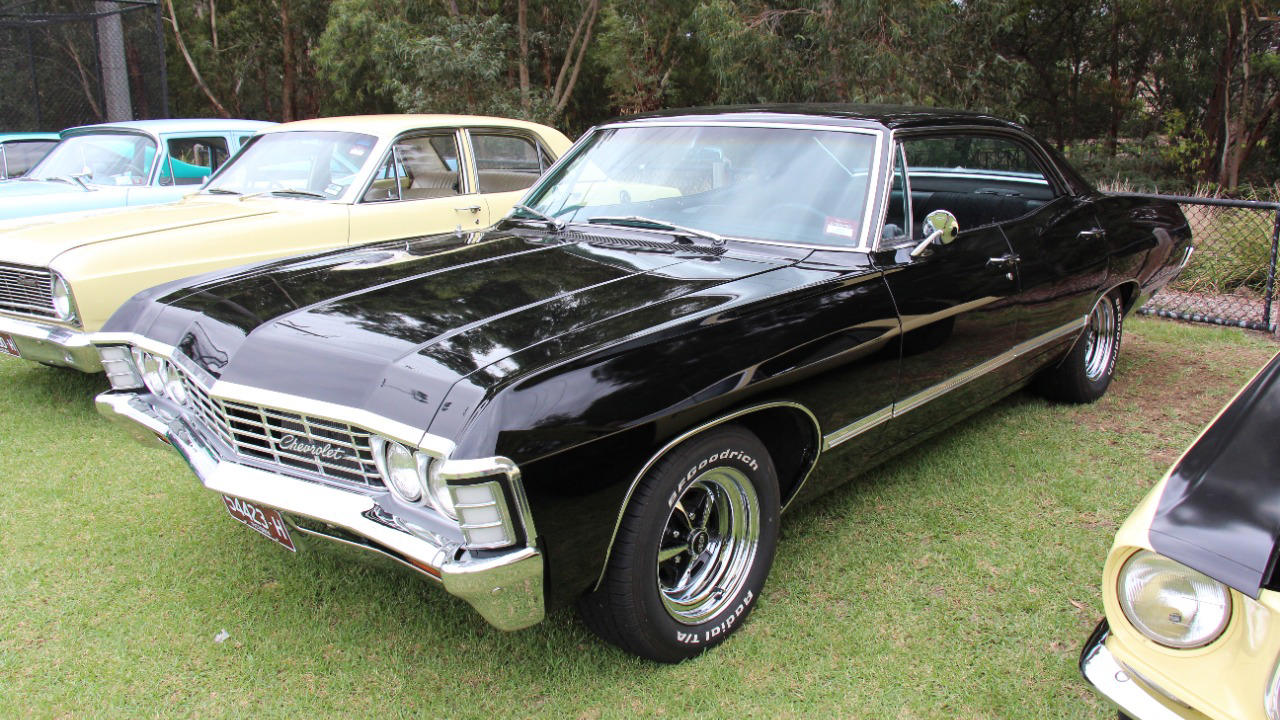
















The Impala SS proved size didn’t mean slowThe Impala SS has always been the car that should not be quick. It is full size, heavy, and styled for families or for cruising, yet generation after generation it kept turning in numbers that embarrassed smaller performance machines. From early big block Super Sports to the Corvette powered sedans of the 1990s and the V 8 front drivers of the 2000s, Chevrolet repeatedly proved that size did not have to mean slow. From boulevard cruiser to secret weapon The Impala name started as a stylish full size statement, and that image still clings to it. A clip of a low, glossy coupe gliding across the screen in a period video or vintage footage still sells that idea of a big American cruiser. Once the SS badge was added, though, the Impala changed the conversation. It turned a family car silhouette into a quiet threat at the stoplight. That tension between appearance and performance is part of why the SS story keeps resurfacing on social media. Enthusiasts share short clips on platforms such as Instagram reels that show full size Chevrolets launching harder than their size suggests, reinforcing the idea that this badge has always been about surprise as much as style. As part of the third generation of Impalas, the 1964 model is often described by restorers as one of the most stylish and well designed cars of its era, which explains why a rough survivor awakening in a garage still draws an audience. A rescue project of a 1964 Chevrolet on Vice Grip Garage leans into that mix of elegance and latent power, reminding viewers that even a tired old Impala can still hint at the SS legend. The big block years: size, style and straight line speed By the mid 1960s the SS badge had become a direct challenge to rival full size performance cars. A discussion thread that pits a 1964 Impala SS against a period Ford makes clear how serious the hardware was. The Chevrolet optioned with a 409 cubic inch V8 is listed at 425 hp and 425 lb ft of torque, while the competing 1964 Galaxie 500 with a 427 cubic inch V8 is described with outputs between 390 and 425 hp and 460 lb ft of torque, and the comparison is framed simply as 1964 Impala SS. The figures 409, 425, 500, 427 and 390 are not the numbers of a mild cruiser. They are the numbers of a heavyweight that can run with purpose. That era cemented the idea that a full size Chevrolet could be more than a couch on wheels. The SS badge moved the Impala into the same conversation as intermediate muscle cars, even though it carried more sheet metal and more interior space. Buyers did not choose an Impala SS to chase the lightest quarter mile time, yet the cars proved they could deliver legitimate acceleration while still hauling a family. The focus on big displacement continued into the late 1960s. A fourth generation overview notes that only about 400 Super Sports were built with a six cylinder engine between 1967 and 1968, while higher performance versions carried ratings of 390 HP in 1969 or the L72 option at 425 HP from 1968 to 1969, and these Super Sports shared power levels with dedicated muscle models such as the Chevelle and Plymouth Road Runner. The phrase Only about 400 Super Sports had a six cylinder engine captures how rare a slow Impala SS really was in that period. Within that same generation, the SS427 program turned the big Chevy into something closer to a factory drag car. A retrospective on the SS427 line plays on the idea that a car could be badged as an Impala yet feel like something more extreme, asking When Is An Impala Not An Impala and answering with the phrase When It is an SS427. The same piece links the SS427 to the broader period often acknowledged as the true muscle car era, and it treats that 70 themed window of time as the context in which the SS427 badge made sense. Owners from that era still recall how quick a full size Impala could be when ordered correctly. One driver of a 1969 SS427 Impala recounts that the car ran a best of 12.56 at 112 m while competing in NHRA F Stock, and that this 390hp 4 speed later settled into a more sedate life away from the strip. The way the account begins with Back in the day and then names the Impala, NHRA and Stock in the same sentence underlines how a huge Chevrolet could legitimately live in the drag racing world. A link to that story of back in the performance shows that the full size body did not prevent serious quarter mile numbers. Visuals from that time still have power. A post that simply asks what year a particular car is, then answers with 1969 Chevrolet Impala SS 427, describes it as a classic American muscle car known for its powerful performance and status in American automotive history. The emphasis on Chevrolet Impala SS and American muscle in that SS 427 description shows how the model is now viewed less as a family sedan and more as a heavyweight performance icon. The sleeper sedan of the 1990s While the early SS cars shouted their intent with stripes and badges, the 1990s revival took a different approach. The 1994 to 1996 Impala SS arrived as a full size sedan with V8 power, rear wheel drive and a stance that looked more serious than the regular Caprice but still read as family transport. A short video description notes that the 94 to 96 Impala SS was real V8 muscle in a full size sedan and that it combined rear wheel drive, LT1 power and a presence that is now rare, which captures how the 94 to 96 quietly revived classic muscle ingredients. The heart of that sedan was familiar to performance fans. A detailed look at the mechanicals explains that the Impala looked to the Corvette for a suitable powerplant and that the Impala SS borrowed GM’s 5.7-liter LT1 V8 from the Corvette and Cam models of the period. That 5.7-liter figure is central to the story, because it meant a full size sedan carried essentially Corvette and Cam power in plain clothes, and the analysis of Impala Looked To a Suitable Powerplant The Impala SS shows how deliberately Chevrolet reached into its sports car parts bin. Owners of the 1996 model year still defend its dynamics. One enthusiast comment argues that Anyone complaining about the Impala SS handling like a boat is either a youngin or has never driven one, and goes on to explain that when these cars released their suspension tuning and tire setup made them feel nimble for their size. The emphasis on Anyone and When these cars released in that discussion shows that drivers saw the car as more than a straight line machine. Performance numbers back up the sleeper reputation. A review of this 1990s family sedan notes that despite its size, the Impala SS could sprint from 0 to 60 m in as little as 6.5 seconds and run the quarter mile in around 15.0 seconds, which put it in the same performance neighborhood as some dedicated muscle cars of the time. The phrasing begins with Jun and the word Despite to stress how surprising that was, and the figures 60 m, 6.5 and 15.0 show that this Impala SS did not need excuses. Production numbers underline how focused this revival was. A breakdown of 1994 to 1996 Impala SS Specs states that the Impala SS was produced for three model years and that According to Hemmings a little over 6,300 were built in the first year, with changes arriving in the 96 model year. The phrase Impala SS Specs and the figure 6,300 in that production summary highlight how relatively rare this configuration is compared with mass market sedans. Front drive, V8 and the 2000s reinterpretation The SS story did not end with the LT1. In the 2000s Chevrolet revived the badge again on a front wheel drive Impala, this time with a transversely mounted V8. A ranking of fast Impalas notes that number three on its list is the 2008 version, and points out that unlike the 2004 SS with its supercharged V6 the 2008 version brought a full blown V8 to the party, a 5.3 LS4 small block. The figure 5.3 in that model breakdown shows that even in a front drive layout, Chevrolet was still willing to install serious displacement in its family sedan. Contemporary road tests treated the 2006 Impala SS as a kind of stealth performance car. One archived review notes that with a V 8 rumble the Impala SS goes 0 to 60 in 5.6 seconds, while still offering a commodious interior and a low base price. The description From the Archive and the figures 60 and 5.6 in that performance test show that even with front drive, the SS could put up acceleration numbers that rivaled traditional muscle coupes. Another share of that same test on a different page repeats the idea that the Impala SS goes 0 to 60 in 5.6 seconds and again stresses the V 8 rumble and practical interior. Enthusiasts often pass around the 0 to 60 as proof that a big, front drive sedan can still move when the light turns green. By this point the SS badge had become shorthand for an Impala that could surprise sports car drivers. The 2008 V8 model and its 5.3 liter LS4, the earlier supercharged V6 SS, and the 2006 V8 sedan all carried the same message. The car might look like something that belongs in a rental fleet or a corporate parking lot, but the numbers told a different story. Why the SS legend still resonates Part of the Impala SS appeal is nostalgia. Clips of a 1964 model being coaxed back to life, such as the Part of the third generation of Impalas description in the extended Vice Grip writeup, tap into memories of chrome, bench seats and long summer drives. They also remind viewers that under the styling sits a chassis that once carried some of the most serious engines in Chevrolet’s portfolio. The SS427 stories carry their own weight. The rhetorical framing When Is An Impala Not An Impala and the answer When It is an SS427 show that even among Impalas, the high performance variants occupy a separate mental category. They are treated as part of the same American muscle tradition that produced intermediate coupes and pony cars, despite their size and four door practicality. Modern enthusiasts also enjoy the sleeper aspect. Owners of 94 to 96 sedans talk about how other drivers underestimate a blacked out Impala in traffic, only to be surprised when the LT1 V8 and rear wheel drive layout put power down effectively. The same is true for 2000s SS models, which hide V8 badges on otherwise ordinary looking bodies. The idea that a car can carry kids to school during the week and still run a respectable quarter mile on the weekend is central to the SS myth. Internet culture amplifies these stories. A short clip that shows a full size sedan outrunning a smaller coupe, a group post that compares a 1964 Impala SS to a Galaxie 500 with detailed figures like 409 and 427, or a nostalgic video that highlights how the 94 to 96 cars were real V8 muscle in a full size sedan, all help cement the idea that this nameplate never accepted the usual trade off between comfort and speed. How the Impala SS changed expectations Looking across the decades, a pattern emerges. In the 1960s, the SS badge proved that a big family car could run with dedicated muscle machines. In the 1990s, the LT1 powered sedans showed that a four door could carry Corvette derived hardware and still serve as a daily driver. In the 2000s, front drive V8 models and 5.3 liter LS4 engines kept the tradition alive even as platforms changed. Performance figures support this narrative. The 1969 SS427 example that ran 12.56 at 112 m in NHRA F Stock, the 1990s sedan that could reach 60 m in 6.5 seconds, and the 2006 SS that covered 0 to 60 in 5.6 seconds all sit comfortably within the performance envelope of smaller, more focused cars. When fans share the phrase The Impala SS was produced for three model years and highlight that According to Hemmings a little over 6,300 early cars were built, they are not just talking about rarity. They are talking about a specific kind of performance car that refuses to look like one. That is why the Impala SS continues to attract attention in online groups, YouTube clips and social feeds. It represents a challenge to the assumption that big means slow. The badge has been attached to chrome laden coupes, formal roof sedans, rear drive sleepers and front drive V8 family cars, yet the throughline is consistent. Each time Chevrolet revived the SS name for its full size model, it created a car that could carry people and luggage in comfort while still putting serious numbers on a drag strip timing slip or a magazine test sheet. For enthusiasts, that combination is hard to resist. The Impala SS proved that performance does not have to come in a small, compromised package. It can arrive in a long wheelbase, big trunk, quiet cabin shape that looks like it belongs in a driveway more than a pit lane. That lesson continues to echo every time a restored SS427 rumbles past, a 1996 sedan rolls by on polished five spokes, or a 2006 V8 front driver quietly leaves a stoplight quicker than anyone expected. More from Fast Lane Only Unboxing the WWII Jeep in a Crate 15 rare Chevys collectors are quietly buying 10 underrated V8s still worth hunting down Police notice this before you even roll window down