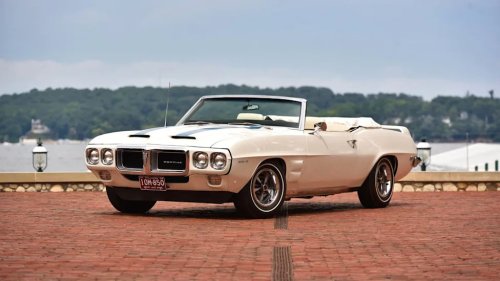
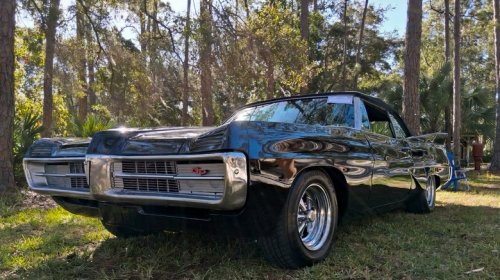
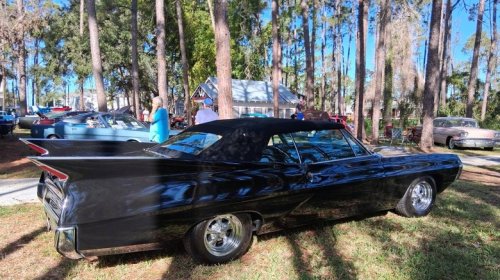
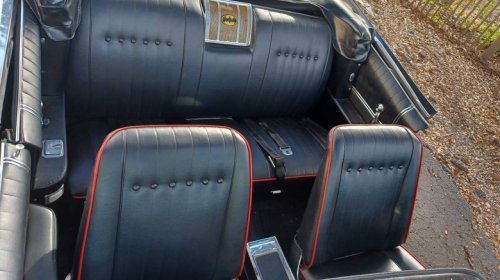
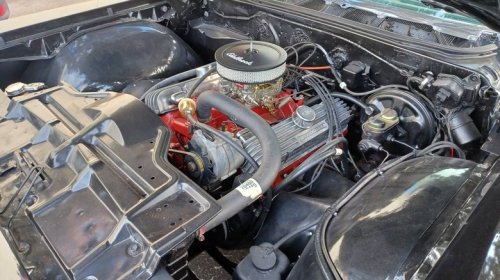
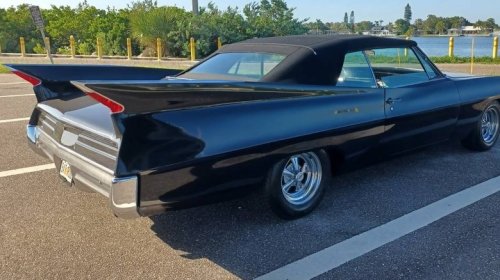
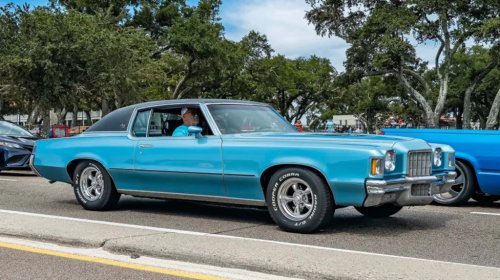
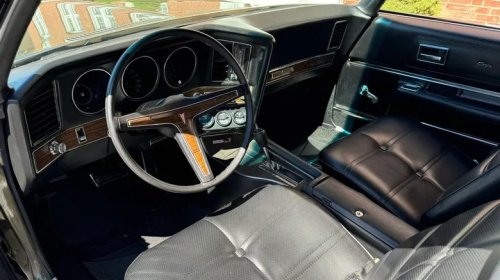
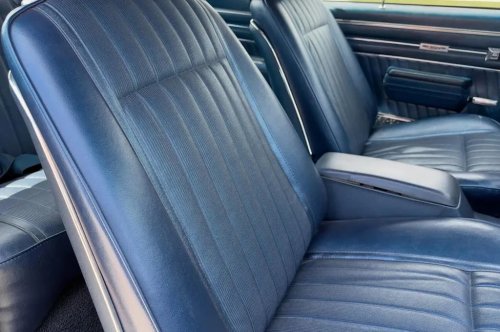
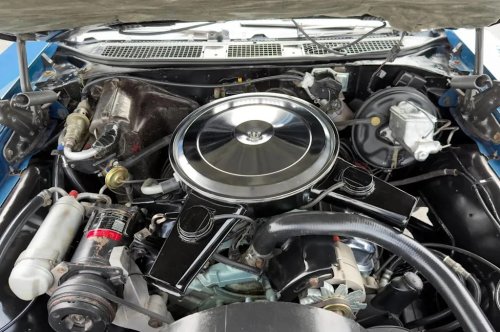
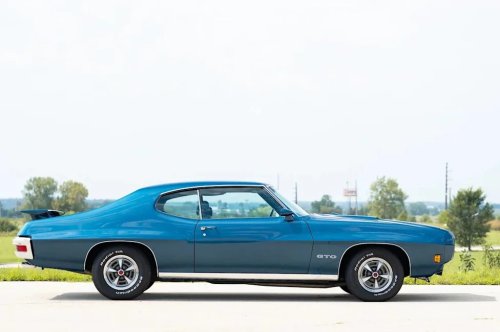
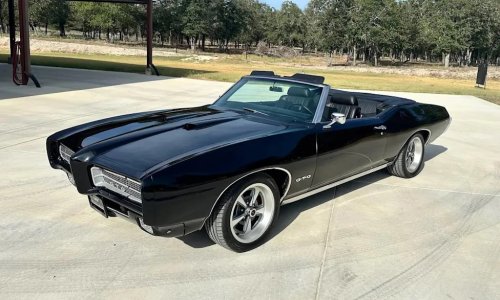
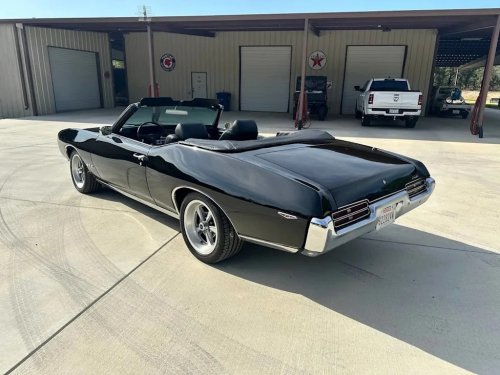
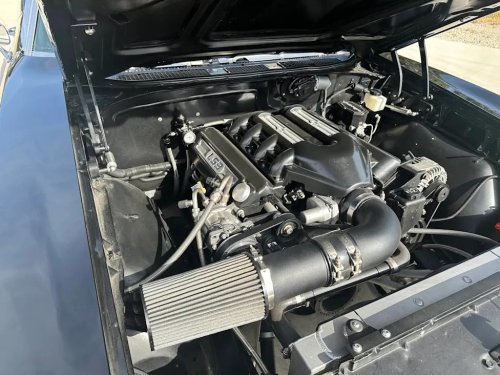
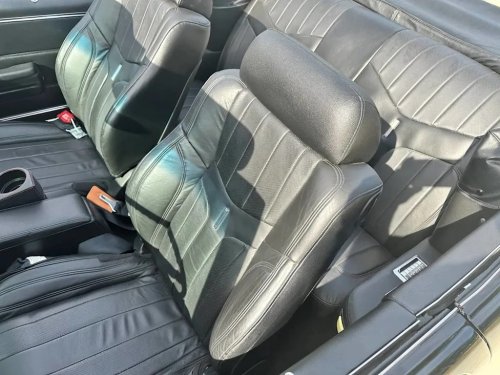
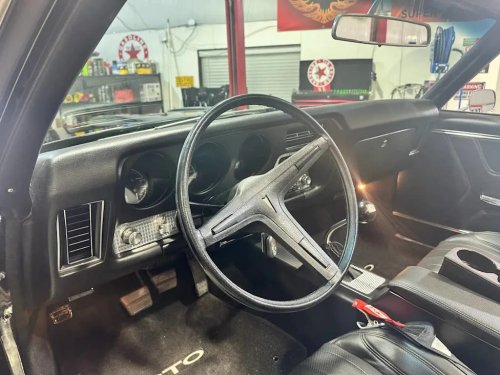
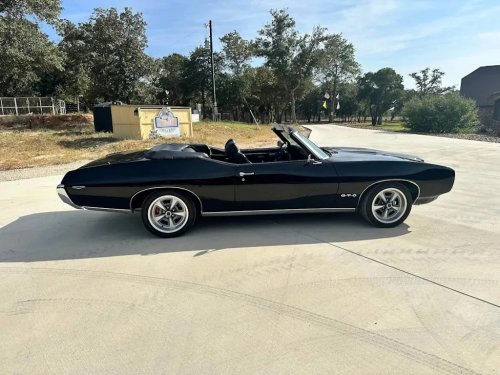
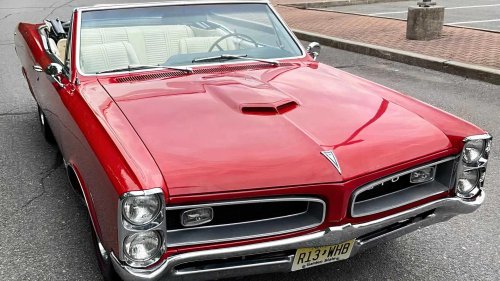
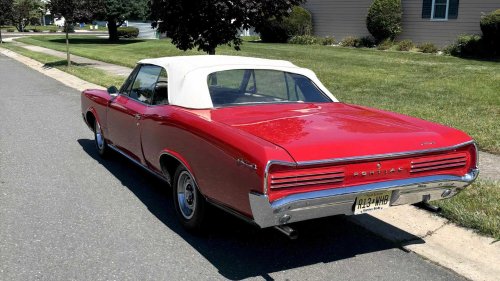
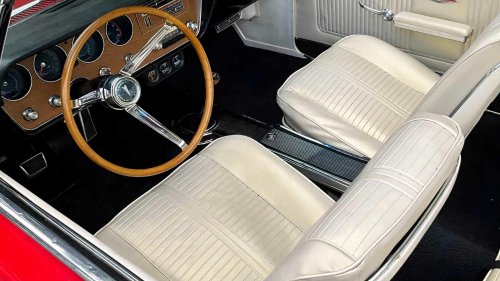
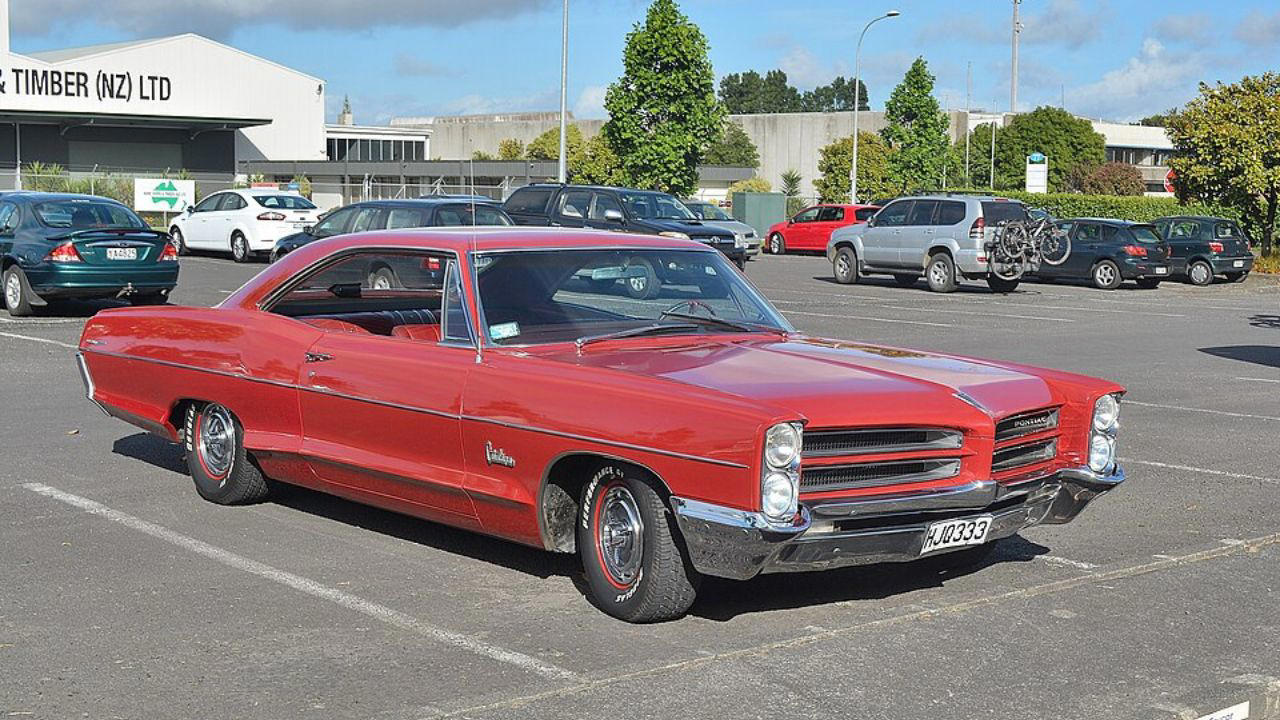
Full-size didn’t mean slow for the 1966 Pontiac Catalina 421The 1966 Pontiac Catalina 421 sat at the intersection of size and speed, a big Detroit cruiser that could run with purpose-built muscle cars. In an era when compact intermediates grabbed the performance spotlight, this full-size Pontiac quietly proved that a long chassis and broad sheetmetal did not have to mean slow. On the surface, the Catalina looked like a family car, but the 421 cubic inch V8 and the right option boxes turned it into something closer to a street stormer. The combination of displacement, torque and surprisingly agile hardware helped the car earn a reputation as a sleeper that could embarrass smaller rivals. The big-body Pontiac that wanted in on the muscle game The Catalina occupied Pontiac’s full-size segment, sharing its basic platform with the Bonneville and other large models. Where the Catalina 421 stood apart was in how it translated Pontiac’s performance ambitions into a car that still offered room for five adults and their luggage. The 2+2 package, introduced earlier in the decade, sharpened that mission by adding sportier trim and a focus on power. By 1966, the 2+2 version was marketed as a full-size performance upgrade that sat above the brand’s better known GTO in sheer physical presence. Contemporary descriptions of the 2+2 highlight its role as a bridge between family transport and serious performance, with the package built around big cubic inches and a more aggressive suspension tune. Coverage of the 1966 Pontiac 2+2 details how the model paired a large body with a range of V8 engines that were all overhead valve designs and aimed at drivers who wanted speed without giving up size. This positioning made the Catalina 421 an outlier in the emerging muscle car story. While rivals chased youth buyers with lighter intermediates, Pontiac showed that a full-size car could still deliver serious pace if it had the right engine and chassis tuning. Under the hood: the 421 V8 that changed expectations At the heart of the 1966 Catalina performance story was the 421 cubic inch V8. Pontiac had been developing this engine family since the early 1960s, using it in racing and in street applications that pushed the boundaries of what a big car could do. Enthusiast coverage of Pontiac 421 engines describes how this series became one of the brand’s signature powerplants, known for both durability and strong torque. The high output version in the Catalina 421 H.O. used a Tri-power setup with three two-barrel carburetors and a high compression ratio. Period specifications list the 421 H.O. Tri-power engine at 376 hp at 5,000 rpm and 461 lb-ft of torque at 3,600 rpm, with a 10.75:1 compression ratio that demanded premium fuel. Those figures, drawn from detailed coverage of the 421 H.O. Tri-power combination, show why the car was considered a very capable street machine despite its size. Other full-size Pontiacs of the period could be ordered with smaller engines, such as a 389 CID 2-Barrel Economy V-8 that came with Manual Transmission Only and used Overhead valves on a Cast iron block. A fact sheet on 1966 Pontiac full-size outlines that 389 option, which made sense for buyers focused on fuel cost and basic transportation. The 421, by contrast, was aimed squarely at drivers who wanted acceleration to match the car’s visual weight. Technical breakdowns of the Catalina 2+2 range show how the 421 sat at the top of a structured engine lineup. Specifications for the 1964 to 1967 cars list all engines as ohv V-8 designs, with a 389 displacement using 4.06 by 3.75 inch bore and stroke and power ratings of 267 and 283 bhp, while the 421 cid option delivered between 338 and 376 bhp. These Specifications illustrate how Pontiac used displacement and tuning to create clear performance steps within the same body shell. From “Sunday car” looks to stoplight surprise One of the Catalina 421’s enduring appeals lies in how unassuming it can appear. Enthusiast accounts of a 1965 Catalina 421 describe a scene where a driver pulls up to a stoplight in what looks like a grandfather’s Sunday church car, only to reveal startling acceleration when the light turns green. A video on how the 1965 Catalina 421 became a so-called gentleman’s car uses the phrase Sunday church car to capture that contrast between appearance and performance. The same effect carried into the 1966 model year. From a distance, a Catalina 2+2 looked like a long, low full-size Pontiac with clean lines and tasteful brightwork. Up close, subtle badges and dual exhaust tips hinted at something more serious. Inside, bucket seats and a sport steering wheel helped set the tone without turning the cabin into a stripped-out racer. That sleeper quality has become central to the car’s modern reputation. A feature on the Pontiac Catalina 421 frames the car as a full-size muscle underdog, noting that despite its substantial dimensions and roughly 3,700-pound curb weight, the 421 SD Catalina evolved from a race monster into a street sleeper. The same basic formula applied to the 1966 street cars, which used their mass as a platform for straight-line speed rather than a handicap. How Pontiac positioned the 2+2 and 421 options Pontiac’s marketing of the 2+2 package reveals how seriously the division took full-size performance. A social media post describing how the 1965 Catalina 2+2 was Designed as Pontiac’s answer to the growing muscle car craze explains that the upgrade included a powerful 421 cubic inch V8 and other hardware to deliver more speed. That post, focused on how the Designed Pontiac package worked, shows that the 2+2 was never meant as mere trim. By 1966, buyers could choose between the GTO or a step up to something like the Catalina 2+2. An enthusiast group entry notes that in 1966 for Pontiac performance, one could order a GTO or bump up to something like this Catalina 2+2, and that Among its features were the big engines and sport seating that set it apart from standard Catalinas. That description of Pontiac GTO Catalina choices captures the internal competition within the brand’s own lineup. In the broader model story, the 2+2 badge itself was tied to Pontiac identity. A historical overview of the Pontiac Trophy 2+2 notes that the company dropped the Trophy name for the 1965 model year, but that the mid-1960s cars still featured unique styling and performance details. The Catalina 421 slotted into this narrative as the flagship of a short-lived but influential experiment in full-size muscle. Real-world examples: from “Big Cat” to restored convertibles Surviving cars show how owners interpret that legacy today. A feature on a 1966 Pontiac Catalina 2+2 convertible owned by Danny and Becky Mientka describes the car as Big Cat and emphasizes its Long chassis within the Catalina Family. The story of this Pontiac Catalina Danny convertible highlights how owners lean into the scale of the car while celebrating its performance roots. Another detailed showcase of a 1966 Catalina 2+2 421 convertible documents a high quality restoration that returns the car to near showroom condition. The listing for this 421 convertible outlines its equipment, including the 421 engine and performance-oriented options that make it especially desirable to collectors who want both speed and open-air cruising. Collector interest is not limited to showpieces. A feature on a Catalina 421 H.O. owned by Randy and Mary Herzog in St. Joseph, Missouri profiles a car that was restored by the owners and used regularly. The piece notes that the 1966 Catalina 421 H.O. was owned by Randy and Mary Herzog in St. Joseph and that they treated it as a smart performance buy rather than a fragile artifact. That story of Randy and Mary and their car underscores how the model can still function as a real-world driver. One more modern feature car, a 1966 Pontiac Catalina 2+2 convertible presented by a custom and show community, illustrates how owners mix factory cues with contemporary upgrades. The profile of this featured Catalina emphasizes the car’s stance, color and interior updates, but still centers on the big V8 and long-wheelbase proportions that define the original design. Driving manners: more than a straight-line bruiser Although the Catalina 421 earned attention for quarter-mile performance, contemporary and modern commentary suggests that the car offered more than a single-minded drag-strip personality. Reviews and enthusiast impressions describe a chassis that, while undeniably large, responded well to firmer springs, better shocks and wider tires that often came with the 2+2 and performance packages. A video review focused on quirks and features of the 1966 Pontiac highlights how the car’s steering, brakes and ride quality reflect mid-1960s engineering, yet still feel manageable in modern traffic. The reviewer, speaking in a casual format, mentions that for those who know this is just a part-time job that he is doing for fun on YouTube because he enjoys cars, but he still takes time to point out how the Aug review car balances comfort with surprising composure. This balance is part of what made the Catalina 421 a realistic daily driver in its time. Owners could enjoy strong acceleration on highway on-ramps and at stoplights, then settle into a smooth ride on long trips. The full-size footprint came with benefits in interior space and stability at speed, even if it required more attention in tight parking lots. How the Catalina 421 fits into today’s muscle car conversation Modern discussions of muscle cars often focus on intermediates like the GTO or mid-size rivals from other brands. Yet some enthusiasts argue that full-size cars with big engines deserve a place in that conversation. A buying guide on a 1966 Catalina 2+2 frames the model as full-size muscle on the cheap and notes that there are few debates more hotly contested in the automotive world than the definition of the term muscle car. That guide, which opens with the observation that There are few debates and that Though some purists limit the label to certain body styles, uses the Jan There Though phrasing to set up a case for including the Catalina 421. From a performance standpoint, the 421 H.O. figures compare well with other mid-1960s muscle offerings. With 376 hp and 461 lb-ft on tap, the Catalina 421 H.O. could easily challenge lighter cars in straight-line runs. The large displacement and strong torque curve also made the car feel quick in everyday driving, not just at high rpm. Enthusiast histories of the Pontiac brand argue that the 421 program, which included race-focused Super Duty versions and street engines, helped shape the division’s performance identity. A video series on Awesome Engines Pontiac from 1962 to 1966 explains how the 421 V8 became one of the standout engines of its era, influencing later powerplants and cementing Pontiac’s reputation among performance fans. The Catalina 421’s legacy in the collector market In the current collector market, the 1966 Catalina 421 occupies a niche that blends rarity, usability and relative affordability. It does not command the same prices as the most famous muscle nameplates, which can make it attractive to buyers who want big power without paying top-tier premiums. More from Fast Lane Only Unboxing the WWII Jeep in a Crate 15 rare Chevys collectors are quietly buying 10 underrated V8s still worth hunting down Police notice this before you even roll window down



















 +28 others