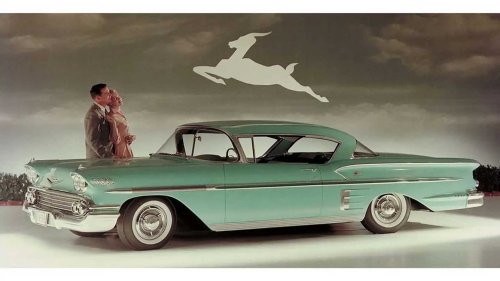
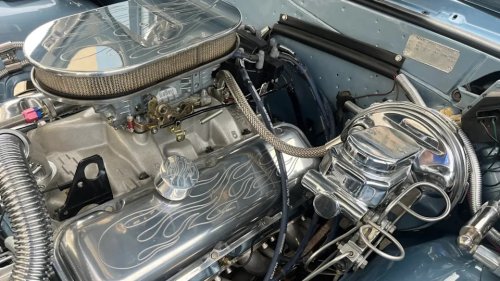
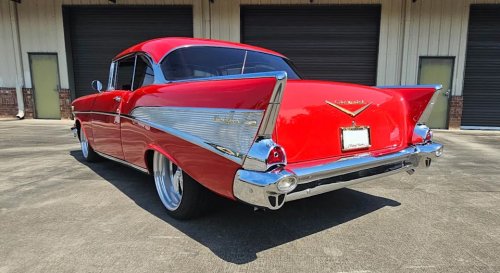
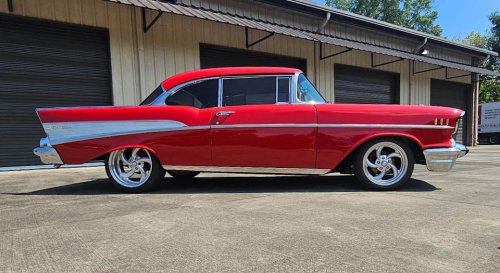
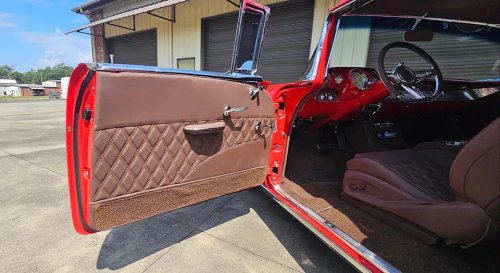
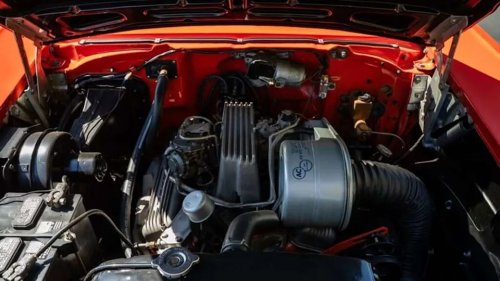
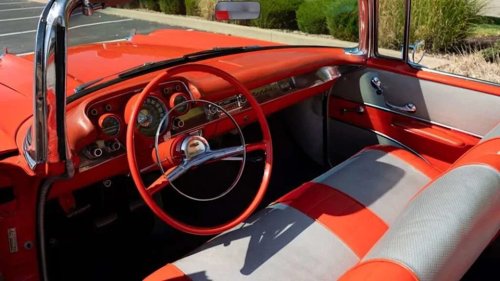
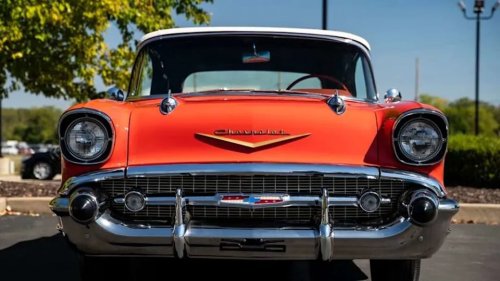
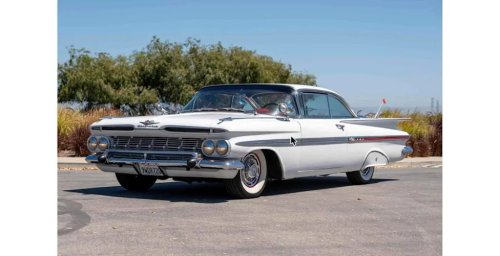
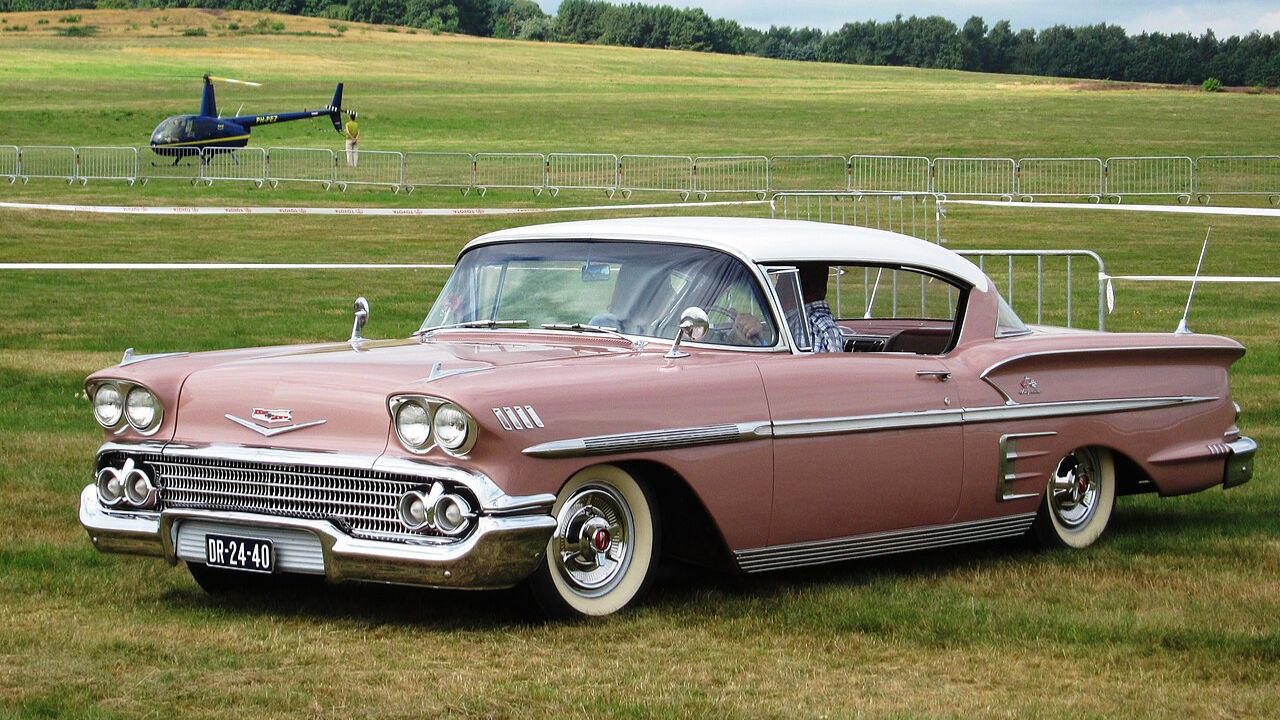
When the 1958 Chevrolet Impala became a phenomenonThe 1958 Chevrolet Impala arrived in showrooms during a recession year, yet it quickly turned into a sensation that reshaped expectations for American family cars. With extravagant styling, new big-block performance and an aura of attainable glamour, it evolved from a single-year experiment into a cultural phenomenon that still commands attention nearly seven decades later. A bold debut in a difficult year The Impala name first appeared on the 1958 Chevrolet Bel Air Impala Sport Coupe, introduced when the economy was soft, and buyers were cautious. Chevrolet nonetheless used this new model to help reclaim the production crown, positioning it as the top-of-the-line expression of full-size style and performance. Launched as an exclusive Bel Air variant, the Impala was offered only as a Sport Coupe and Convertible before becoming its own series the following year. That strategy carried risk. The body style for the 1958 Chevrolet Impala was a one-year-only design, a bold move for General Motors at a time when conservative planning might have seemed safer. Yet the gamble paid off. The car quickly became the best-selling car in America and solidified its position as a major force in the market. The Impala name had been registered as a trademark in 1957, and within a year, the production results showed that Chevrolet had found a winning formula. Design excess with a “Baby Cadillac” aura Styling turned the 1958 Chevrolet Impala into an instant traffic-stopper. The car rode on a new X-frame chassis with a 119-inch wheelbase and stretched to 211 inches overall, longer and lower than standard Bel Air models. Designers gave the Impala a shorter roofline and longer rear deck, details that created a sleek profile that stood apart from other Chevrolets. At the rear, the Impala introduced signature triple taillights, a visual cue that would become one of Chevrolet’s most recognizable design elements. Up front, quad headlights framed a distinctive grille that fit perfectly with late 1950s American taste for chrome and flair. Contemporary enthusiasts describe the 1958 Chevrolet Impala as a quintessential classic car, with bold, aerodynamic lines, prominent tailfins, and dramatic brightwork that embody 1950s automotive excess. The car’s upscale presence led admirers to call it the Baby Cadillac. The nickname captured the way the Impala borrowed luxury cues from General Motors’ flagship brand while remaining priced and positioned for mainstream buyers. Inside, richly trimmed interiors, elaborate dashboards, and generous use of chrome and color reinforced the impression that this was more than a simple family sedan. Engineering firsts and the new big-block era Beneath the ornament, the 1958 Chevrolet Impala carried serious mechanical substance. The model year witnessed the debut of Chevy’s first big-block engine, the 348 CI W-series V8, in passenger cars. This engine arrived in multiple configurations, including versions with a four-barrel carburetor rated at 250 horsepower and higher output variants with mechanical lifters and triple two-barrel carburetors that produced up to 315 horsepower. The 348 CI unit set the stage for future high-performance Chevy models and became a foundation for what enthusiasts now call the muscle car era. Buyers who wanted more than style could pair the big-block with advanced transmissions such as the Special Turbo Thrust options, which gave the full-size Impala acceleration that matched its aggressive appearance. The new X-frame chassis also mattered. By moving the frame rails inward, Chevrolet created a lower floor and a lower overall stance without sacrificing interior room. Combined with the Impala’s long wheelbase, this layout delivered a smoother ride that suited its role as a luxury cruiser while still supporting the added power of the 348 CI engine. From Bel Air variant to standalone legend Although the 1958 car carried Bel Air badging, the Impala identity quickly took on a life of its own. The inaugural model marked both the birth and near-death of a legendary nameplate, since the unique body style would not return. Even so, the response from buyers and dealers was strong enough that Chevrolet elevated Impala to a full series for 1959. Production figures underline that success. The 1958 Impala Sport Coupe alone reached 125,480 units, accounting for 15 percent of Chevrolet’s total output. Other reporting notes that overall Impala sales surpassed 55,000 units in the first year, reinforcing that the experiment was no niche project. The one-year-only design helped create instant collectibility, but at the time, it also signaled that Chevrolet was willing to move fast in response to market tastes. General Motors treated 1958 as a milestone year, not only because of the Impala introduction but also because the company celebrated its 50th anniversary. Launching such an ambitious car in that context sent a clear message about the corporation’s confidence in its engineering and design teams. How the Impala changed Chevrolet’s fortunes The 1958 Chevrolet Impala did more than decorate showrooms. It helped put Chevy back on the map at a moment when competition inside and outside General Motors was intense. The combination of a glamorous body, new big-block power, and a competitive price drew buyers who might otherwise have looked at rival brands. Later analysis of the 1960s credits the Impala line with helping stabilize General Motors when its broader lineup risked becoming dull. The success of the 1958 model encouraged the company to keep investing in expressive full-size cars rather than retreating to safe but forgettable designs. Engineers and stylists who worked on the Impala carried lessons from that program into other projects, including export-oriented models such as the Opel Diplomat Coupe, which carried an American flavor tailored for the Euro market. By the early 1960s, Impala had become one of Chevrolet’s most important badges, and that trajectory began with the bold choices made for 1958. The car proved that a high-volume manufacturer could sell style and performance in the same package without abandoning affordability. Enduring cultural influence and collector appeal The 1958 Chevrolet Impala quickly became a symbol of late 1950s American style and performance. Contemporary enthusiasts describe it as one of the most admired American cars of its era, and that reputation has only grown. The long body, low stance, and sweeping fins made the car a natural star in period advertising and later in nostalgia-driven media. Collectors today seek out original examples, whether preserved or in need of restoration. One owner has described a survivor as the “Least Expensive” Original 1958 Chevy Impala, Restoration Needed, highlighting how even project cars command attention. Unrestored 1958 Impala models with low miles and high style are celebrated for their authenticity, particularly when they retain original V8 engines and rare anniversary colors tied to General Motors’ 50th year. Online communities frequently revisit the key features that made the 1958 model special. They emphasize distinctive styling, from the triple taillights to the quad headlights, and note how the Impala marked the debut of a legendary nameplate that would remain in production for decades. Enthusiasts refer to hashtags such as Key Features, Distinctive Styling, and The Impala when sharing photographs and restoration stories, evidence that the car’s visual impact still resonates. Why 1958 still matters for car enthusiasts For modern car fans, the 1958 Chevrolet Impala represents a turning point when family transportation embraced drama, performance, and personality. It arrived as a top-of-the-line model, instantly associated with chrome era luxury and the promise of V8 power. The car’s success showed that buyers would respond to expressive design even in a challenging economy, and that insight continues to shape how manufacturers think about flagship models. Every time a preserved 1958 Impala appears at an auction, a cruise night, or in an enthusiast video, it reconnects audiences with that moment of optimism and ambition. The Baby Cadillac look, the 348 CI big-block, and the one-year-only body combine into a package that feels both of its time and surprisingly modern in its marketing savvy. That is how the 1958 Chevrolet Impala became more than a single model year. It became a phenomenon that redefined Chevrolet’s image, influenced the direction of General Motors, and secured a permanent place in automotive history, from America and far beyond. More from Fast Lane Only Unboxing the WWII Jeep in a Crate 15 rare Chevys collectors are quietly buying 10 underrated V8s still worth hunting down Police notice this before you even roll window down



















 +47 others