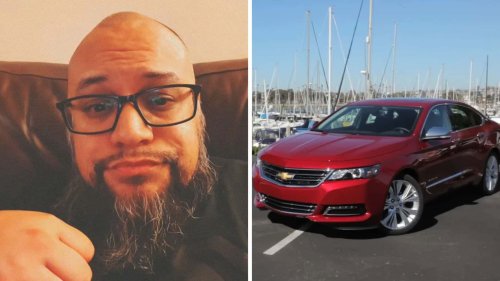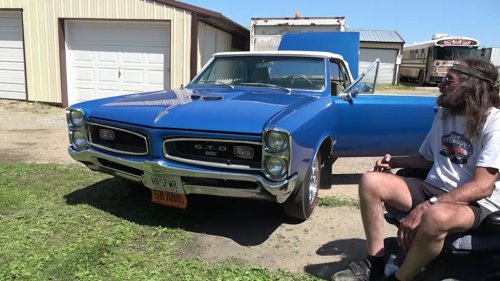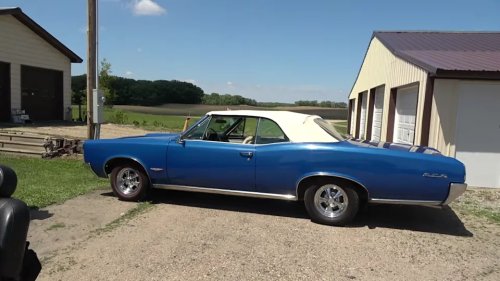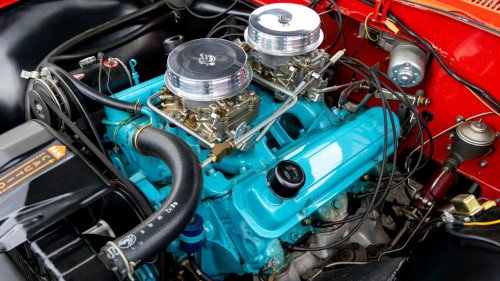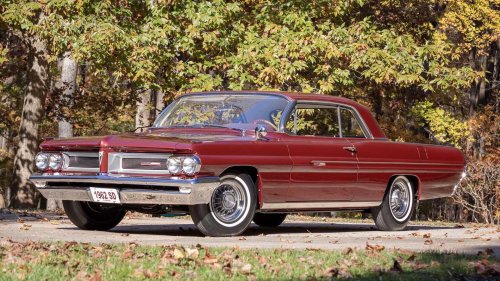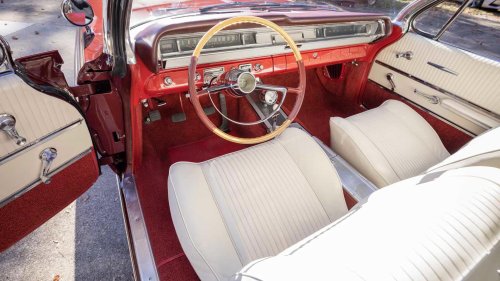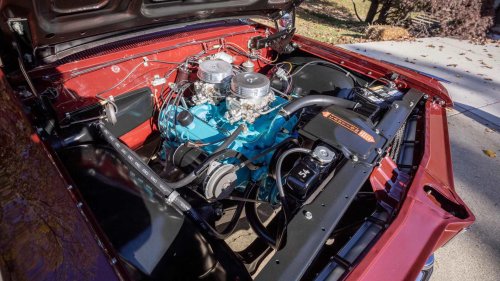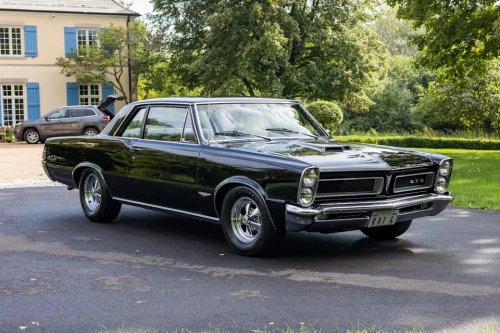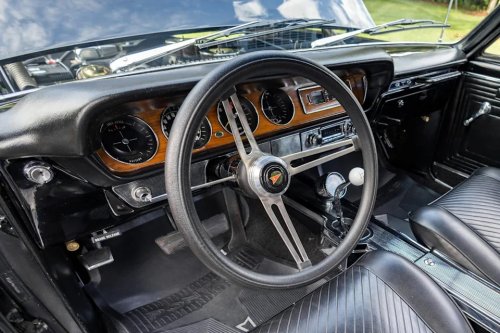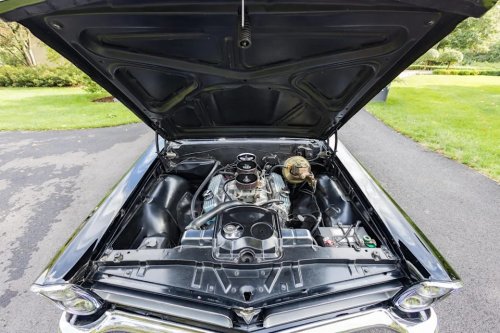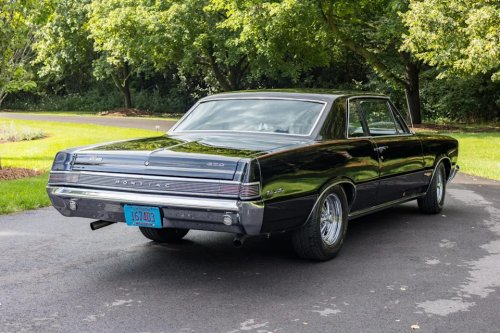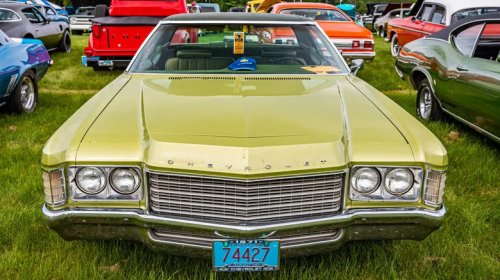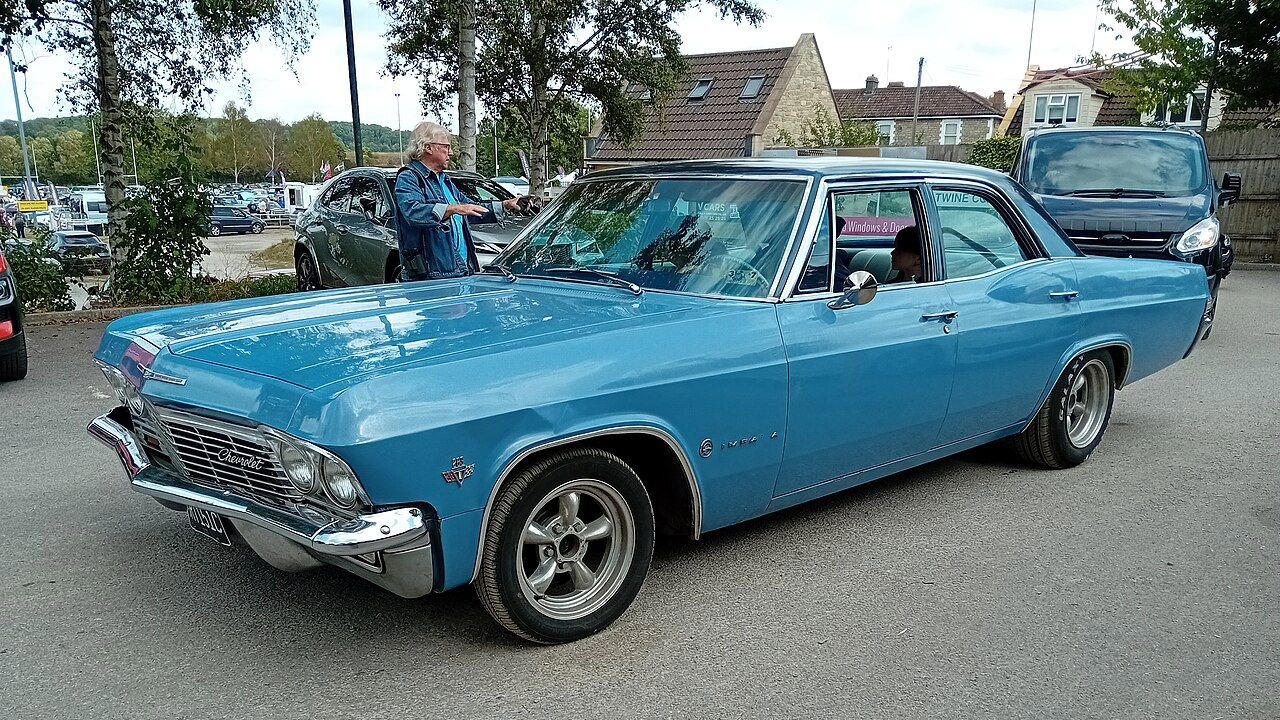


















The 1965 model year put two General Motors full-size cars on very different trajectories. The Chevrolet Impala turned into a phenomenon, setting a single-year sales record that has become part of American car lore. The Pontiac Ventura, sharing corporate DNA and much of the same road, quietly slid out of the spotlight and into the footnotes of history. Looking at these two cars side by side reveals more than a simple sales gap. It shows how trim strategies, marketing focus, and brand identity shaped which machines became icons and which became cult favorites remembered mainly by dedicated enthusiasts. Two GM cousins heading into 1965 By the mid 1960s, General Motors had turned the full-size market into a science. Chevrolet and Pontiac both sat on GM’s big B-body platform, but they served different missions. The Impala was Chevrolet’s volume flagship, the car that carried families, commuters, and status seekers through suburbia. The Ventura sat inside Pontiac’s hierarchy as a more focused, higher-content trim related to the Pontiac Catalina. According to factory history, the Ventura started out as a higher content trim package on the Pontiac Catalina. It was conceived as a way to dress up the division’s big car rather than as a standalone nameplate with its own marketing budget. Where Chevrolet pushed Impala as a headline act, Pontiac used the Ventura label as an embellishment on an existing model line. How the Impala became a record-setter The 1965 Chevrolet Impala did more than sell well. It set a benchmark. Period sales data show that the Impala reached 1,074,925 units in that single model year. Another contemporary breakdown of the same feat repeats the figure of 1,074,925 units, describing the 1965 Chevrolet Impala as the best selling single model year vehicle in American history, with a significant share of those cars ordered with the SS package. A separate enthusiast tally quotes a slightly different total of 1,046,514 units, but each account agrees that the Impala dominated America’s 1965 market. What drove that performance was not a single breakthrough but a carefully layered product strategy. Contemporary analysis notes that Chevrolet offered the Impala in a wide range of configurations. Buyers could choose sedans, hardtops, wagons, and convertibles, then stack on trim and performance options. The Impala SS brought a sportier image, while more modest trims kept the base price within reach of middle class households. One detailed breakdown of the lineup points out that Chevrolet’s decision to offer many styles of the Impala, combined with a fresh body design, helped the car shatter the annual sales record, with over a million being Impala models that year. The breadth of that catalog is captured in a focused look at how Chevrolet’s decision to offer many styles of the Impala turned into a commercial windfall. Beyond body styles, the Impala gave buyers a wide array of engines and transmissions. One retrospective notes that there was a broad menu of powertrains, with choices that ranged from economical small-block V8s to stronger big-block options, along with multiple automatic and manual gearboxes. A separate discussion of the 1965 sales record explains that There was a wide array of engines and transmissions as well, and that this variety, coupled with two door and four door body styles, helped the Impala reach 1,074,925 units in America, a number that no other single model has matched since World War 2. Design played a role too. The 1965 Chevrolet Impala marked the start of the fourth generation, with a cleaner, more sculpted body that resonated with buyers. Enthusiast commentary describes how The Chevrolet Impala captured the spirit of American motoring, with more than 1 million Impalas sold that year. Another reflection calls the 1965 Chevrolet Impala a game changer, a car that set a single-year sales record with over 1 million units sold, which turned into a shorthand for the high point of full-size American sedans. Ventura’s quieter role inside Pontiac’s lineup While the Impala grabbed headlines, the Ventura nameplate lived a more modest life. In the early 1960s, Ventura referred to a premium trim on Pontiac’s big car rather than a separate series. The Ventura badge denoted extra content and styling on the Pontiac Catalina, not an independent platform. That origin is clear in factory histories that describe how Ventura started out as a higher content trim package on the Pontiac Catalina and later served as inspiration for other luxury concepts inside the division. Pontiac’s full-size strategy leaned heavily on performance image and upscale touches, but it spread that message across several names. Catalina and the Ventura were always closely related, which meant the Ventura rarely got unique advertising or engineering. An enthusiast history notes that since the division did not keep separate statistics for the trim, the Ventura’s exact production numbers are difficult to isolate. That lack of numerical identity stands in sharp contrast to the Impala, whose 1965 totals have been celebrated and dissected down to the last unit. Within Pontiac’s culture, the Ventura name did evolve. Later in the decade and into the 1970s, Pontiac applied it to smaller cars, including the Pontiac Ventura II compact. One enthusiast account highlights a 1971 Pontiac Ventura II with a 455 H.O. engine and explains that The Pontiac Ventura was originally based on the full-sized B-Body platform from 1960 to 1970 but later shifted to a different role. That reference to a 455 powerplant in a Ventura II prototype shows how the name migrated into Pontiac’s performance experiments rather than staying anchored to the 1965 full-size context. Chassis, track, and driving character On the road, the 1965 Impala and the contemporary Ventura shared some broad traits typical of GM’s B-body cars, yet they carried themselves differently. The Impala leaned into a smooth, broad-shouldered ride tuned for mass appeal. Pontiac aimed for a slightly more athletic feel, with suspension and steering calibrations that supported the division’s performance reputation. A comparison between an early 1960s Ventura and a Chevrolet full-size model illustrates how Pontiac often pushed for a wider stance. One enthusiast breakdown of a Mar period matchup between a 1961 Ventura and a 1962 Chevy Biscayne notes that at 62.5 inches all around, the Ventura’s track bested the Chevy by 2.2 inches in front and a whopping 3.2 inches at the back. That analysis of the Mar comparison emphasizes how the Ventura hardtop, with no B pillar to speak of, projected a slightly more aggressive attitude than the Chevy counterpart. Although that specific match up involves a 1961 Ventura and a 1962 Chevy, it reflects a broader pattern that carried into the mid decade. Pontiac marketed its full-size cars as a bit more driver focused, while Chevrolet pitched the Impala as the comfortable, stylish default choice. The Impala SS, in particular, added bucket seats, console shifters, and performance engines, but it still lived within a model line built first for volume. Enthusiast commentary on a later comparison between a 1965 Chevrolet Impala SS and a 1965 Pontiac Grand Prix notes that Together these two cars represented the best of mid 1960s American design, with the Impala SS offering broad appeal and the Pontiac bringing a more focused performance image. That same split in personality applied when buyers cross shopped a 1965 Impala sedan and a Ventura trimmed Pontiac Catalina. The Chevrolet delivered a polished, mainstream experience. The Pontiac offered a hint of extra width and attitude, but with less marketing muscle behind its name. Styling and showroom appeal Walk into a Chevrolet showroom in 1965 and the Impala would have dominated the floor. The fourth generation body featured a long, flowing profile, a Coke bottle waist, and a clean front fascia that looked modern without being polarizing. The available brightwork, wheel covers, and interior trims let dealers tailor cars to a wide range of tastes, from modest sedans to flashy SS coupes. One retrospective on the period notes that One of the best selling cars of the 1960s, the Chevrolet Impala, owed much of its success to styling that balanced flash with familiarity. The same analysis observes that the car’s design refresh for 1965 helped it stand out in crowded lots. Buyers could recognize an Impala at a glance, and the name itself had already built equity over previous generations. Pontiac’s Ventura trim, by contrast, did not have a unique silhouette. It sat on the same basic body as the Pontiac Catalina, with differences in interior materials, exterior trim, and badging. While the Ventura hardtop with no B pillar created an airy profile, the car did not separate itself visually from other Pontiacs in the way the Impala did from other Chevrolets. To a casual shopper, a Ventura looked like a nicely equipped Catalina, not a distinct model. Inside, Pontiac often leaned into richer fabrics and more dramatic instrument panels, but those touches were tied to the brand rather than to the Ventura name. Chevrolet gave the Impala SS distinct cues, including bucket seats and special badging. A later enthusiast discussion about whether to bring back the 1965 Impala SS points out that The Impala SS was available as both a coupe and convertible, offering buyers a choice between a hardtop or an open air driving experience. That kind of clear, memorable proposition helped the Impala SS lodge itself in the public imagination. Marketing focus and brand storytelling Marketing amplified those product differences. Chevrolet treated the Impala as its flagship for aspirational but attainable motoring. Advertising leaned on themes of family, style, and modernity. The Impala name appeared in national campaigns, motorsports tie ins, and dealer promotions. When a car sells over a million copies in one year, the message tends to reinforce itself, with word of mouth and street visibility acting as free advertising. Pontiac, on the other hand, spread its storytelling across several nameplates. The division pushed its performance image through cars like the GTO and Grand Prix, while the Catalina handled much of the full-size volume. The Ventura trim lived inside that structure as a way to add luxury touches, not as a headline model. Even when Pontiac later used the Ventura name on compact cars, the branding remained more fragmented than Chevrolet’s unified Impala narrative. That difference in clarity helps explain why the Impala became shorthand for 1960s American sedans while the Ventura faded. One analysis of best selling cars across decades singles out the Chevrolet Impala from the 1960s as a natural candidate for the top of any chart, precisely because its name and sales figures became inseparable in public memory. The Ventura, by contrast, never had its own chart topping moment to cement its place. Performance image versus sales reality Performance minded buyers in 1965 could find plenty to like in both showrooms. The Impala SS offered strong V8s and a sporty image. Pontiac’s full-size cars, including Ventura trimmed Catalinas, benefited from the division’s emphasis on powerful engines and wide track handling. Later in the Ventura story, Pontiac engineers even experimented with compact models that carried serious firepower. An enthusiast account of a prototype describes a 1971 Pontiac Ventura II with a 455 H.O. engine. It explains that in Nov, a Poncho engineer built a 1972 Ventura II 455 HO prototype and that The Pontiac Ventura was originally based on the full sized B Body platform from 1960 to 1970 before the name moved to smaller cars. That history shows how the Ventura badge eventually became associated with potent sleepers, at least among enthusiasts. Yet in 1965, that performance narrative did not translate into mass market dominance for the Ventura name. The Impala’s combination of breadth, familiarity, and strong but accessible engines proved more effective at converting showroom traffic. When a family walked into a Chevrolet dealer, the Impala covered almost every need. At Pontiac, buyers had to choose among Catalina, Ventura trim, and other models, which diluted the impact of any one badge. How history remembered one and sidelined the other Decades later, the 1965 Impala still appears in lists of all time best sellers and cultural touchstones. Enthusiast communities continue to celebrate the car. One social media group dedicated to classic American iron highlights how the Chevrolet Impala set a single year sales record with over 1 million units sold and treats the 1965 model as a shorthand for the golden age of Detroit style. Another enthusiast forum post about the Impala’s 1965 dominance notes that The Impala has the honor of being the best selling car in America in a single year, citing the figure of 1,046,514 units and using that number as a benchmark for comparison with later hits like the Ford Mustang or Honda Accord. A separate thread on a popular trivia forum frames the 1965 Chevrolet Impala’s 1,074,925 units as a “TIL” revelation, reinforcing how the car’s sales record continues to surprise and impress new audiences. The Ventura’s legacy, by contrast, lives mostly in specialist circles. Enthusiast groups dedicated to Pontiac history share detailed posts about trim codes, production quirks, and obscure prototypes. One such discussion traces the Ventura’s evolution from a full-size trim on the Pontiac Catalina to a compact model that shared bones with cars like the Chevrolet Nova and Chevrolet Malibu, as well as rivals such as the Mercury Monterey. Another deep dive into Mar era documentation about Catalina and the Ventura emphasizes how closely linked the two were and how the lack of separate statistics has made Ventura research a puzzle. That imbalance in historical visibility mirrors the original sales gap. The Impala’s numbers and name recognition kept it in the spotlight. The Ventura’s quieter role and shifting identity made it harder for casual enthusiasts to track. Even among Pontiac fans, the name often prompts clarifying questions about which era or body style is under discussion. Why one quietly lost attention Framed as a direct comparison, the 1965 Pontiac Ventura and the 1965 Chevrolet Impala illustrate how success in the mid century car market depended on more than mechanical competence. Both cars came from the same corporate parent, rode on comparable hardware, and could be equipped with strong V8 engines. Yet only one became a record holder and enduring icon. Several factors help explain why the Ventura slipped into relative obscurity. Model clarity: The Impala was a distinct model with a clear place in Chevrolet’s lineup. The Ventura was a trim on the Pontiac Catalina, which blurred its identity. Marketing focus: Chevrolet concentrated its full-size messaging on the Impala, while Pontiac spread attention across Catalina, Ventura, Grand Prix, and performance halo cars like the GTO. Body style strategy: The Impala covered a vast range of body styles and trims, from family sedans to SS convertibles, which let it serve multiple audiences at once. Sales narrative: Once the Impala crossed the million-unit mark, its story fed on itself. The Ventura never had a comparable headline achievement. Historical documentation: Precise figures such as 1,074,925 units for the Impala have been widely circulated. In contrast, the lack of separate Ventura statistics has made it harder to tell a simple, compelling story about that badge. The Ventura did not fail in any dramatic sense. It simply did its job as a nicer version of Pontiac’s full-size car and then evolved into other roles. The Impala, by contrast, became the face of Chevrolet’s dominance in 1960s America, a role reinforced every time someone repeats the million car statistic. What collectors see today In the modern collector market, that divergence continues. The 1965 Impala, especially in SS form, commands strong interest. Restorers chase original drivetrains and factory colors. Custom builders use Impala shells as canvases for lowriders, pro touring builds, and period correct cruisers. The car’s ubiquity in period photographs and pop culture gives it a built in nostalgia value. Ventura trimmed Pontiacs from the same era occupy a different niche. They appeal to enthusiasts who appreciate Pontiac’s wide track stance and distinctive interiors but who also enjoy owning something that requires explanation at a gas station. The scarcity of clear production numbers and the name’s later association with compact models add complexity that some collectors find intriguing. Later Ventura II models, especially those tied to stories about a 1971 Pontiac Ventura II with a 455 H.O. engine or the 1972 Ventura II 455 HO prototype built by a Poncho engineer, have become cult favorites. Enthusiast posts about that prototype, which emphasize the 455 engine and the car’s roots in the B Body era, show how the Ventura name has gained a second life among fans of sleeper performance cars. Yet in broad cultural memory, when people talk about mid 1960s American full size cars, the Impala still tends to come up first. It appears in songs, movies, and casual conversations as a shorthand for the era. The Ventura usually arrives later, introduced by those who have spent time in Pontiac archives or enthusiast groups. More from Fast Lane Only Unboxing the WWII Jeep in a Crate 15 rare Chevys collectors are quietly buying 10 underrated V8s still worth hunting down Police notice this before you even roll window down