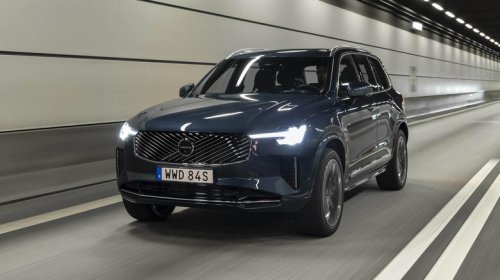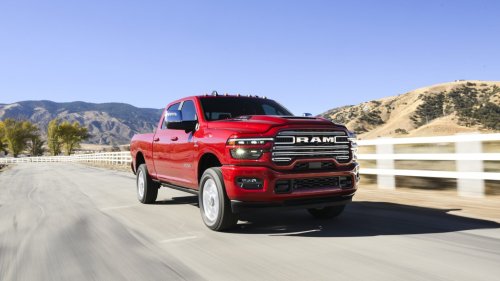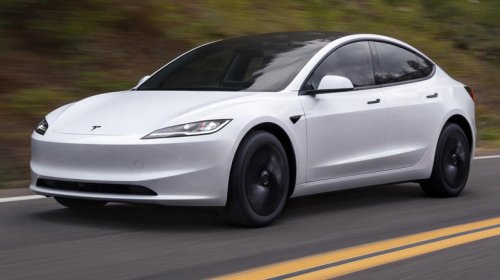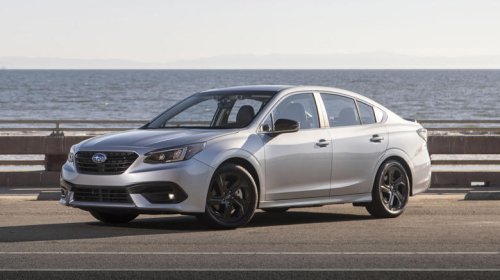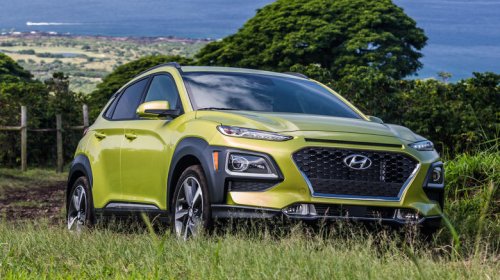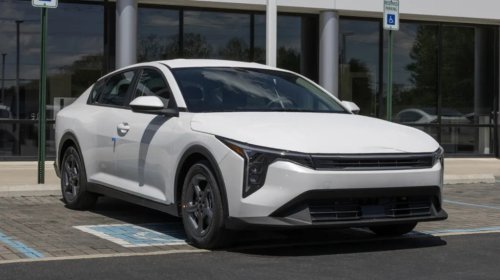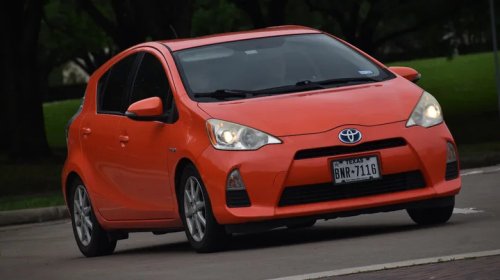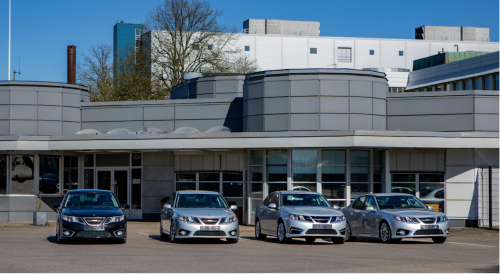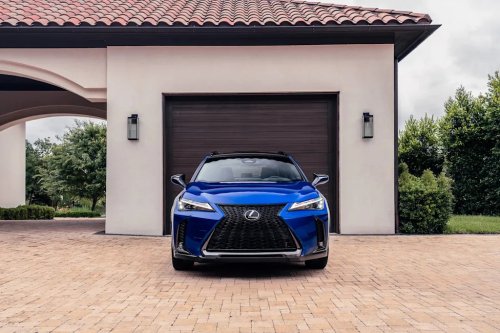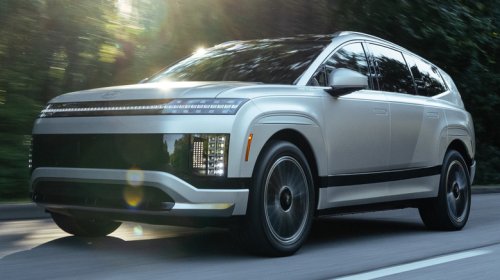



















Pavel Chagochkin/Shutterstock Car safety has come a long way, and no matter how you look at it, that sort of progress is a general win for the many pedestrians and motorists you see on the road. If, however, your purchase decision hinges on one car (or car brand) being safer than the other, then this Consumer Reports list of safest car brands should make things a bit easier. A quick glance reveals that Mazda tops the safety ranking, with Land Rover at the bottom. But this begs the question: Does that make Land Rovers unsafe? The quick and simple answer is no. Why? Because, despite the IIHS and NHTSA not ranking newer Land Rover models, European and Australian NCAPs rate the SUVs highly, awarding them five stars, which is about as high as you can get. While their methods and emphasis are not exactly identical to what's done domestically, a five-star-rated Euro NCAP car is far from being unsafe. Understand that modern Land Rovers come with a host of active and passive safety features. But then why did CR rank it so low? Part of the reason is the lack of IIHS and NHTSA crash test ratings, but also, CR's definition of a "safe car" includes predictable handling, braking, and interior controls that don't distract the driver. That's in addition to the vehicle's structural integrity and the available active safety systems. This explains why Tesla, because of its touchscreen-based interactions, also slipped to the bottom, despite scoring well in the crash tests. Understanding the whys jhxfilm/Shutterstock Jake Fisher, senior director of auto testing at CR, reckons that "a large vehicle might get into a crash that a smaller vehicle could avoid". And Land Rover almost exclusively sells SUVs. Relatively speaking, large SUVs like the Land Rover Defender 110 and the full-fat Range Rover are not fantastic handlers, which is particularly apparent during sudden, emergency maneuvers. Because physics is physics, braking is also a relative compromise, as they might take longer to reach a complete stop when compared to something like a mid-size sedan. Land Rover integrating basic HVAC and heated seat controls — both of which have no place being controlled via a touchscreen, according to customers — into a touchscreen may also have something to do with its low CR safety ranking. According to Fisher, it's not particularly safe if you need to take your eyes off the road for something as simple as changing the audio or climate functions. Even though publicly rating crashworthiness isn't a mandate, meeting the federal safety standards is important if OEMs want to sell their cars in the country. The reason IIHS and NHTSA don't typically test Land Rovers (and certain other brands) is because of budget constraints and low sales numbers. It's not uncommon for the NHTSA and IIHS to omit cars that belong to the luxury ilk. These organizations largely focus on high-volume, top-selling cars, which constitute a large portion of the consumer market. That said, if you're shopping for a car whose crash test ratings aren't publicly available, the bare minimum you can do is check the make and model for insurance claims and even driver fatality rates. Realize that small efforts now can prevent big regrets later.