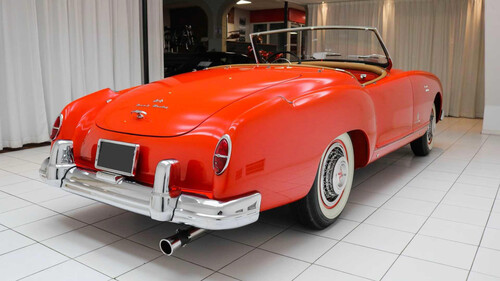
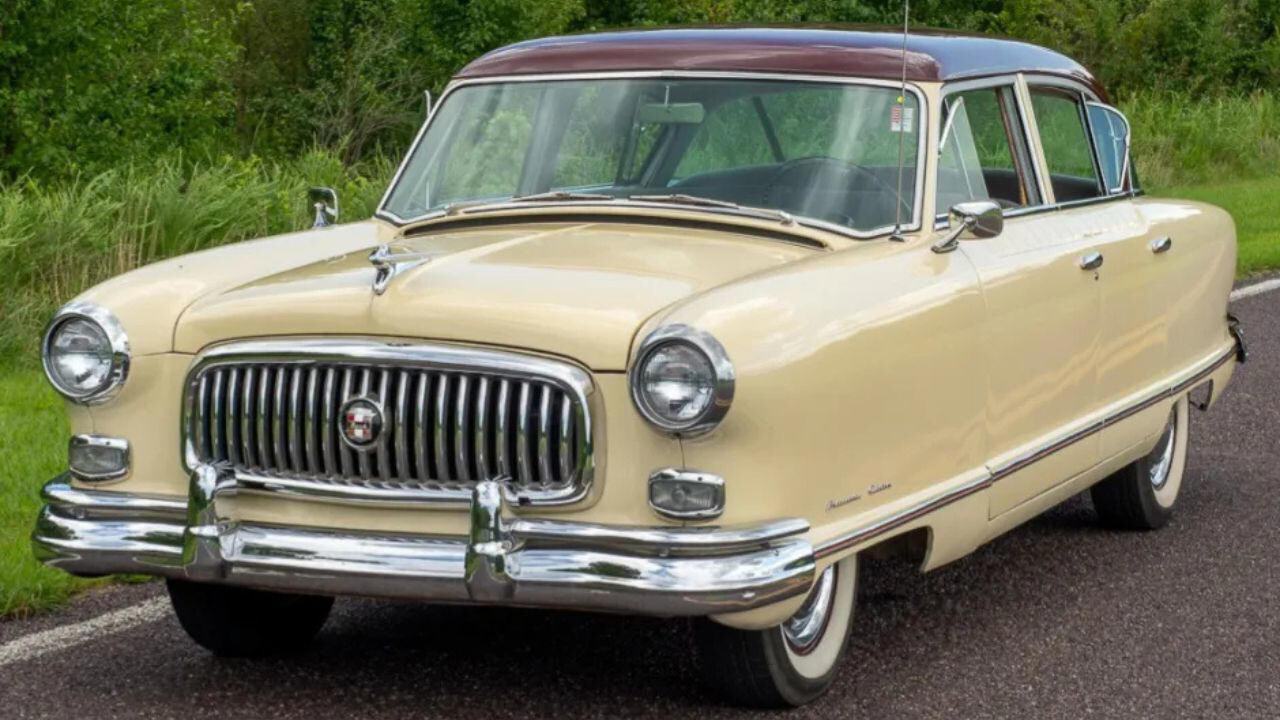
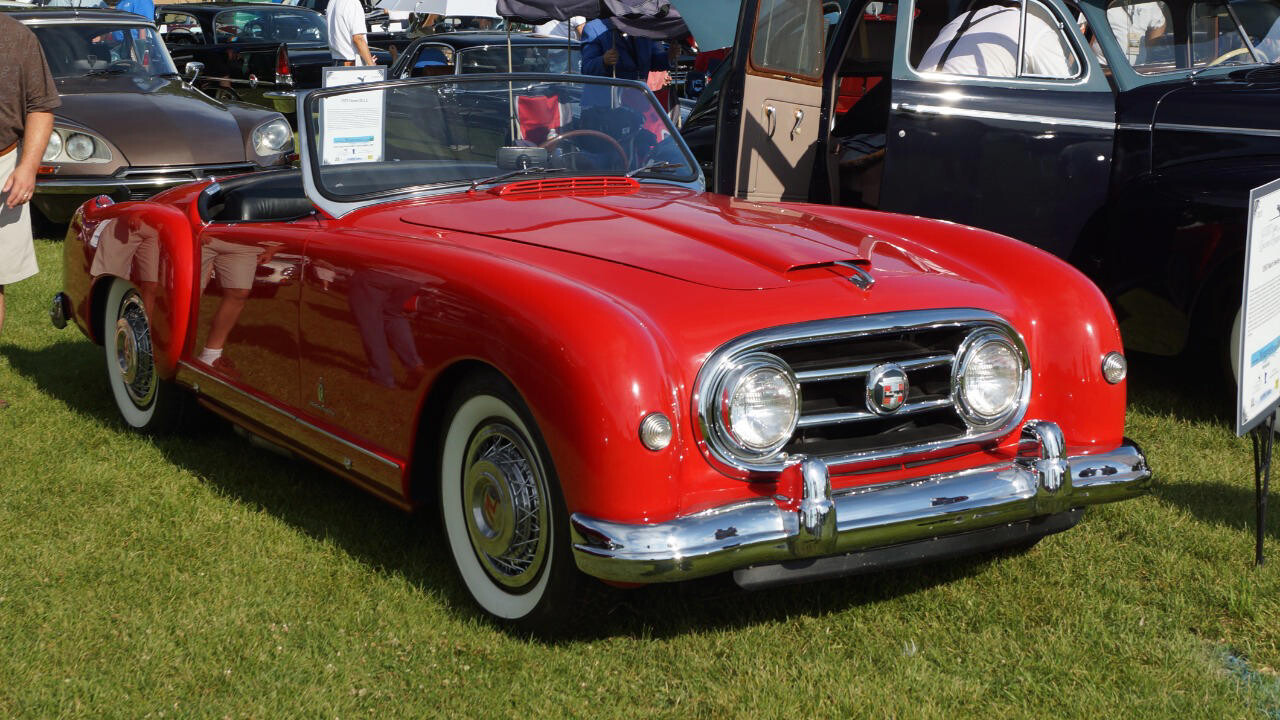
Mechanics warn the 1957 Nash Metropolitan’s small size doesn’t mean simple repairsThe 1957 Nash Metropolitan looks like a toy beside modern traffic, all pastel paint and chrome trim wrapped around a tiny footprint. To many casual observers, that size signals simplicity, as if any backyard tinkerer could keep one running with a socket set and an afternoon. Mechanics who actually work on the cars tell a different story. Behind the cute shape sits a mix of British engineering, American branding, and midcentury quirks that can turn even routine jobs into puzzles. Owners who underestimate that complexity often discover that a small car can generate surprisingly big repair bills. The American car built by Austin Part of the confusion starts with identity. Period advertising sold the Nash Metropolitan as an American answer to fuel-conscious driving, but under the body panels it is essentially a British car. Video reviews of a 1957 Austin Nash Metropolitan stress that the car was built by Austin in England, even as it wore Nash badges and was marketed as an American compact. One presenter calls it a Nash Metropolitan while repeatedly reminding viewers that the drivetrain is Austin in origin, a point echoed in another feature that describes the 1950s Nash Metropolitan as an American car built by Austin. That split personality still shapes repair work. A mechanic faced with a 1957 Nash Metropolitan has to think like a British-car specialist rather than a typical domestic technician. The car uses an Austin engine and a positive-ground electrical system, as highlighted in a troubleshooting exchange on a no-spark issue for a 1957 Nash Metropolitan with an Austin engine and a positive-ground system. Basic tasks such as replacing ignition points or fitting a new coil require attention to wiring polarity that will be unfamiliar to anyone raised on negative-ground Detroit iron. The structure is just as idiosyncratic. Enthusiast histories describe the Metropolitan’s Unibody, Unit, Monococque construction, which means the body and frame are integrated. That design saves weight and helps explain the car’s tiny proportions, but it also complicates rust repair and accident damage. Where a conventional body-on-frame sedan might accept a replacement frame rail or bolt-on panel, extensive corrosion in a Metropolitan can reach into structural areas that demand specialized welding and careful alignment. Small car, tight packaging Mechanics often point out that a small body does not guarantee easy access. The Nash Metropolitan’s compact dimensions concentrate components into tight spaces. Under the hood, the Austin engine shares limited real estate with the cooling system, steering gear, and brake components. In practice, that means jobs that sound simple on paper can require extra disassembly. Owners who share experiences in a 1957 Nash Metropolitan discussion group talk about regular checks of worn-out parts, particularly the gearbox and suspension. Reaching those parts can be awkward. The transmission tunnel narrows quickly, and the unibody floor limits the space available for modern lifts and transmission jacks. What might be a quick clutch job on a larger sedan can turn into a careful, time-consuming process on a Metropolitan. The doors and convertible tops present their own packaging issues. A technical page on Nash Metropolitan Common Questions highlights Nash Metropolitan Convertible Door Closing Issues and links them primarily to rust in the sills and hinge areas. On a larger car, a mechanic might weld in patch panels with generous access from inside the cabin. On a Metropolitan, the same repair happens in a much smaller cavity, with less room for tools and limited visibility, which can increase labor time even if the metalwork looks minor from the outside. Parts support that hides complexity Parts availability for the 1957 Nash Metropolitan is better than many owners expect, which can create a false sense of simplicity. Dedicated suppliers such as specialist parts retailers stock everything from trim clips to engine components. That catalog depth keeps cars on the road, but it also hints at how many unique pieces the model uses. Enthusiast-focused businesses have grown around the car. One example is a shop that presents itself online as Met Pit Stop, which concentrates on parts, repairs, and restoration specifically for the Metropolitan. The same ecosystem extends through social channels such as a dedicated Facebook presence for Metropolitan parts, and through detailed order forms that walk owners through the exact variant of their car. The very need for that specialization undercuts any idea that the Metropolitan is a generic, easy-to-service classic. On the restoration side, Met Pit Stop maintains separate sections for parts sourcing, repairs, and restoration, along with technical car data that breaks down engine specifications and chassis details. That level of documentation would be unnecessary if the car were as straightforward as its size suggests. Instead, it reflects a reality in which even experienced mechanics rely on model-specific references. British hardware in an American garage The Metropolitan’s Austin roots introduce hardware and engineering conventions that differ from typical American practice of the period. Fasteners may follow British standards, and components such as the carburetor and fuel pump share more with other British cars than with contemporary Nash sedans. A service provider that promotes expertise in classic British and exotic domestic vehicles, such as Kip Motor, explicitly includes the Metropolitan in its service offerings. That positioning treats the Nash Metropolitan as a British car in practical terms, even if its branding was American. Parts suppliers mirror that framing. A catalog page that groups Nash Metropolitan components under a dedicated tag at Kip Motor lists model-specific items that would be unfamiliar to a mainstream auto parts store. Owners chasing ignition problems can find references to the positive-ground system in advice threads, such as the JustAnswer exchange that walks through no-spark diagnosis on a 1957 Nash Metropolitan with an Austin engine and a positive-ground system. That detail alone can trip up a technician who assumes the car follows the negative-ground norm. Even keys and locks can require specialist knowledge. A technical reference at a site focused on Rover V8 keys, discovered through a citation trail, appears alongside other British-car resources that Metropolitan owners consult when they encounter unfamiliar lock codes or key blanks. The car sits in a web of British technical culture that many American garages do not regularly navigate. Rust, structure, and the hidden labor bill Corrosion is the quiet enemy of any 1950s unibody, and the Nash Metropolitan is no exception. The Unibody, Unit, Monococque construction that Schurkey highlights in a historical analysis means that rust in the floor, sills, or suspension mounting points can compromise structural integrity. Cosmetic bubbles around the wheel arches may hide deeper issues, especially in cars that spent decades in damp climates. Shops that specialize in Metropolitan restoration describe multi-stage processes that start with stripping the shell, assessing structural rust, and fabricating repair sections. A restoration page on Met Pit Stop outlines how the shop approaches bodywork, paint, and reassembly, suggesting that full restorations are neither quick nor simple. The unibody design forces careful bracing before panels are cut out, and the short wheelbase leaves little tolerance for misalignment. Convertible models add another layer of complexity. The Nash Metropolitan Convertible Door Closing Issues described in the common-topics guide from a parts retailer often trace back to rust-weakened rocker panels and door posts. Because the convertible body relies on those areas for stiffness, repairing them is more than a cosmetic fix. A mechanic must restore strength and alignment so the doors latch correctly and the top seals against the weather, which demands more time and skill than a straightforward patch panel. Modern expectations, midcentury hardware Owners who want to use a 1957 Nash Metropolitan as a regular driver frequently ask about upgrades. A discussion about a 1959 Nash Metropolitan on a repair forum advises that, besides a more modern engine, an owner should look into upgrading the brakes and the suspension and tires if more power is added. That guidance reflects a broader reality: the original components were designed for modest speeds and light duty, not for freeway traffic or high-horsepower swaps. Some builders push the platform far beyond its original intent. A video profile of a 1000HP 57 Nash features a car that melts tires and shocks onlookers. The owner, David, explains how extensive modifications transformed the tiny body into a drag-strip spectacle. That kind of build is the extreme end of the spectrum, but it illustrates how much engineering effort is required to reconcile the Metropolitan’s small shell with modern performance. Even more modest upgrades can be involved. A Unique Cars review of a 1957 Series III Nash Metropolitan describes how Dove made mechanical modifications to make the car safer and better suited to contemporary roads. Changes to brakes, suspension, and lighting often require custom brackets and careful integration with the existing unibody, which again contradicts any assumption that the car is a plug-and-play project. Where parts are easy, choices are not On paper, the parts market for the 1957 Nash Metropolitan looks healthy. General marketplaces list a surprising array of components. One eBay category for Parts and Accessories for 1957 Metropolitan Series 1500 shows everything from body trim to interior pieces. Another listing section for Car and Truck Engines and Engine Parts for Metropolitan includes a 1957 Metropolitan Nash 1500 Timing Chain Tensioner described as Pre Owned for $9.99 with $4.00 shipping, alongside Metropolitan Nash Rocker Ar components and other engine hardware. Specialist vendors add depth. The dedicated Metropolitan catalog at common Metro topics covers not only door issues but also weatherstripping, electrical parts, and interior trim. The presence of such detailed guides shows that parts availability is only one part of the equation. Owners must also choose between reproduction and original-style components, navigate different production series, and match parts to specific years such as 1957. Shops like Met Pit Stop and parts-focused pages discovered through citation trails, including an order form hosted on a specialized platform, help owners identify correct pieces. Yet the sheer number of unique items underscores how far the Metropolitan sits from generic classic-car support. A mechanic who takes on a Metropolitan without access to these channels may spend more time sourcing hardware than turning wrenches. Shops that live and breathe Metropolitans The car’s quirks have encouraged the growth of niche businesses that concentrate almost entirely on Metropolitans. The main Met Pit Stop presents it as a go-to shop for owners who want repairs, restoration, or parts. A linked Facebook page, discovered through that trail, shows photo galleries of ongoing projects and customer cars, reinforcing how specialized the work has become. Other shops position themselves as classic British and exotic domestic specialists. A business profile at another service location highlights experience with small imported cars, which naturally includes the Metropolitan given its Austin heritage. These garages often stock dedicated tools, reference manuals, and even rare fasteners that would be hard to find elsewhere. Parts catalogs follow suit. The Nash Metropolitan tag at Kip Motor groups components that might otherwise be scattered across generic British-car listings. Items range from body seals to engine gaskets, each matched to specific production runs. For a mechanic, that curated inventory shortens the learning curve, but it also confirms that the car demands a tailored approach. More from Fast Lane Only Unboxing the WWII Jeep in a Crate 15 rare Chevys collectors are quietly buying 10 underrated V8s still worth hunting down Police notice this before you even roll window down The post Mechanics warn the 1957 Nash Metropolitan’s small size doesn’t mean simple repairs appeared first on FAST LANE ONLY.