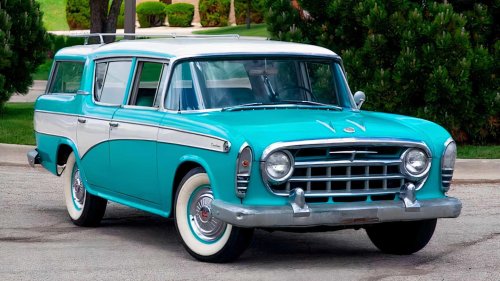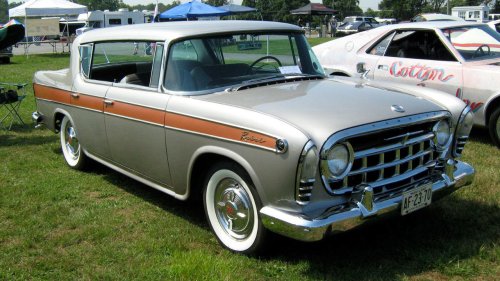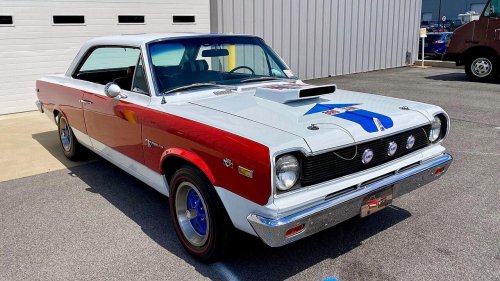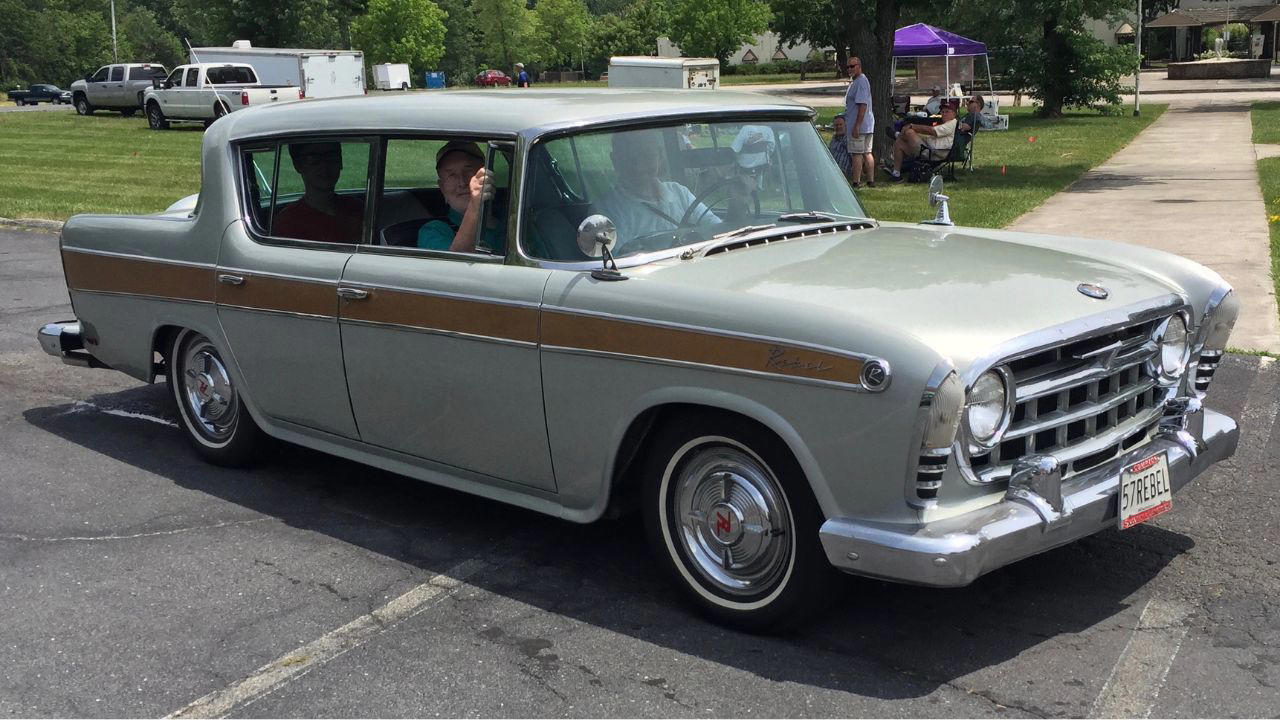



















How the 1957 AMC Rambler Rebel quietly rewrote performance rulesThe 1957 AMC Rambler Rebel arrived in showrooms at a time when Detroit equated performance with chrome-laden full-size coupes, yet it quietly turned that logic on its head. By stuffing a big V8 into a relatively compact four-door shell and flirting with electronic fuel injection, American Motors created a sedan that could outrun contemporary glamour cars while still looking like a sensible family Rambler. In the process, the Rambler Rebel helped sketch out the template for both the muscle car and the modern sleeper, even if its influence has often been written in the margins of history. The compact rebel in a land of giants In the mid-1950s, Detroit treated horsepower as an arms race, with giants such as Chevrolet, Ford, and locked in yearly battles over bigger bodies and more cubic inches. Performance was marketed through flashy two-door coupes, not sensible sedans. Against that backdrop, American Motors and its leader, George Romney, pursued a contrarian strategy that emphasized smaller, more efficient cars under the Rambler nameplate. There was one striking exception to that cautious policy. In 1957, the company launched the Rambler Rebel, a car that combined the firm’s compact four-door shell with a large V8 and performance hardware that would not have looked out of place in a full-size flagship. Contemporary observers have described how there was effectively a split personality at work: a thrifty image on the outside, serious speed underneath. Design roots and understated style The Rambler Rebel did not emerge from a blank sheet of paper. For the 1956 model year, the entire Rambler four-door line received a major redesign shaped by stylists Edmund E. Anderson and Bill, who gave the compact a clean, modern profile with restrained ornamentation. That body, with its relatively tidy dimensions and low weight, became the basis for the 1957 performance variant. Instead of adding flamboyant scoops or exaggerated fins, American Motors kept the Rebel visually close to its more modest siblings. Subtle trim changes and two-tone paint signaled something special to attentive eyes, but to most passersby, it still looked like a family sedan. Later enthusiasts would describe the car as the original sleeper, a machine that hid its intent in plain sight, a point echoed in period advertising art preserved through Rambler Rebel brochures. Engineering a compact rocket The heart of the Rambler Rebel was its large American Motors V8, dropped into the compact engine bay of the Rambler shell. The relatively low weight of the car, combined with that big-displacement engine and performance gearing, produced acceleration figures that startled the industry. Contemporary tests reported that the Rebel could reach 60 miles per hour in 7.5 seconds, a figure that placed it among the quickest American cars of its day. Subsequent analysis has suggested that the Rebel’s power output was likely understated by the factory. Technical histories of the Rambler have argued that the official rating did not fully capture what the engine delivered in real-world conditions. Combined with the compact body and relatively firm suspension, the result was a sedan that could embarrass larger, more expensive performance icons in stoplight sprints. The fuel injection experiment that almost was Beyond raw power, the Rambler Rebel flirted with a technology that would become standard decades later. American Motors developed an electronic fuel injection system for the car, an advanced setup for the mid-1950s that promised better drivability and efficiency. The system was highlighted in period literature as a sign of the company’s engineering ambitions, and later documentation of the Rebel notes that this initiative placed American Motors at the forefront of fuel system experimentation among domestic manufacturers. Production realities, however, kept the fuel injection option from reaching significant numbers of customers. Complexity and reliability concerns meant that most Rambler Rebel sedans left the factory with conventional carburetors. Even so, the attempt itself signaled that American Motors was willing to push beyond the conservative image attached to its compact cars and consider technologies that larger rivals would not fully embrace for years. Outrunning the establishment What truly unsettled Detroit’s performance hierarchy was how quickly the Rambler Rebel could cover ground. Enthusiast accounts and period recollections describe the car as the fastest sedan built in the United States that year, with a 0 to 60 m time of 7.5 seconds that allowed it to outrun contemporary Chr products and many other respected performance models. One widely shared summary of 1957 performance cars flatly labels the Rambler Rebel as the quickest American sedan of its model year. Detailed performance histories have repeated the same acceleration figure, noting that the Rebel could reach 60 mph in 7.5 seconds and arguing that the car marked an early shot in what would later be called the horsepower wars. A technical review of the Rebel describes the performance as astonishing for its era, particularly given the car’s four-door configuration and practical interior. George Romney’s compact performance gamble The decision to build the Rambler Rebel reflected the strategic thinking of American Motors head George Romney. Rather than chase the established full-size segment, Romney instructed his team to focus on compact cars that could differentiate the company from its larger rivals. One analysis of the program notes that Romney, in effect, went all in on a compact sedan and then allowed engineers to create a high-performance variant within that framework. Later commentary on the car’s development explains how this approach produced a rabid little compact sedan that ran counter to the prevailing wisdom that speed belonged only to large coupes. A detailed retrospective describes how Romney allowed the engineering team to combine relatively low weight with aggressive gearing, while also offering tamer gears for buyers who wanted a more relaxed highway car. Too advanced, too early Despite its performance, the Rambler Rebel did not become a volume sensation. Production was limited, and the car’s identity sat awkwardly between the thrifty image of the Rambler brand and the brash world of high-performance marketing. Some historians have argued that American Motors and George Romney did not fully recognize what they had created. One assessment notes that American Motors’ head, George Romney, may not have realized how close the Rebel came to redefining the performance market in the way the four-seat Ford Thunderbird later would. Video retrospectives have echoed this view, describing how in mid-decade Detroit, a buyer who wanted speed was expected to choose a two-door coupe with a dramatic name like Thunder Hawk rather than a compact sedan. One such feature on the Thunder Hawk trope uses the Rambler Rebel as a counterexample, a car that delivered genuine performance without the expected styling theatrics. Legacy in the muscle and sleeper eras Although the Rambler Rebel’s production run was brief, its influence has grown in hindsight. Enthusiast histories identify the 1957 model as one of the earliest production cars to match a relatively small body with a large V8, a formula that would later define the muscle car market segment. A widely shared summary of American Motors products notes that the Rambler Rebel was among the earliest production compact models equipped with a V8 engine, a configuration that would later be copied across the industry. At the same time, the car’s understated appearance and four-door practicality anticipated the modern sleeper ethos, where performance hides beneath an unassuming exterior. Contemporary commentators who revisit the Rebel frequently compare it to later high-performance sedans that surprised rivals at stoplights while carrying families and luggage. In that sense, the 1957 Rambler Rebel quietly rewrote performance rules not through marketing bravado, but through the simple, radical act of giving an ordinary-looking sedan extraordinary capabilities. More from Fast Lane Only Unboxing the WWII Jeep in a Crate 15 rare Chevys collectors are quietly buying 10 underrated V8s still worth hunting down Police notice this before you even roll window down